Ferrari 250 GT SWB
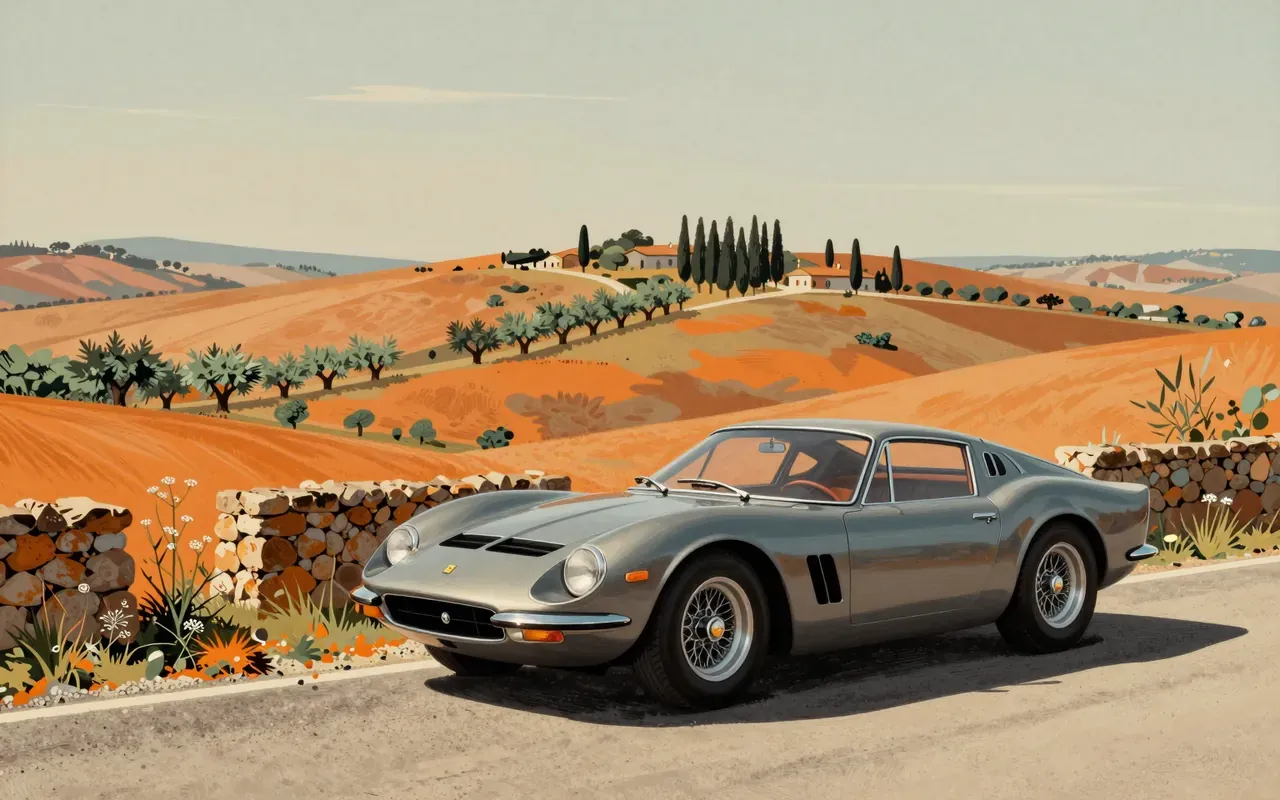
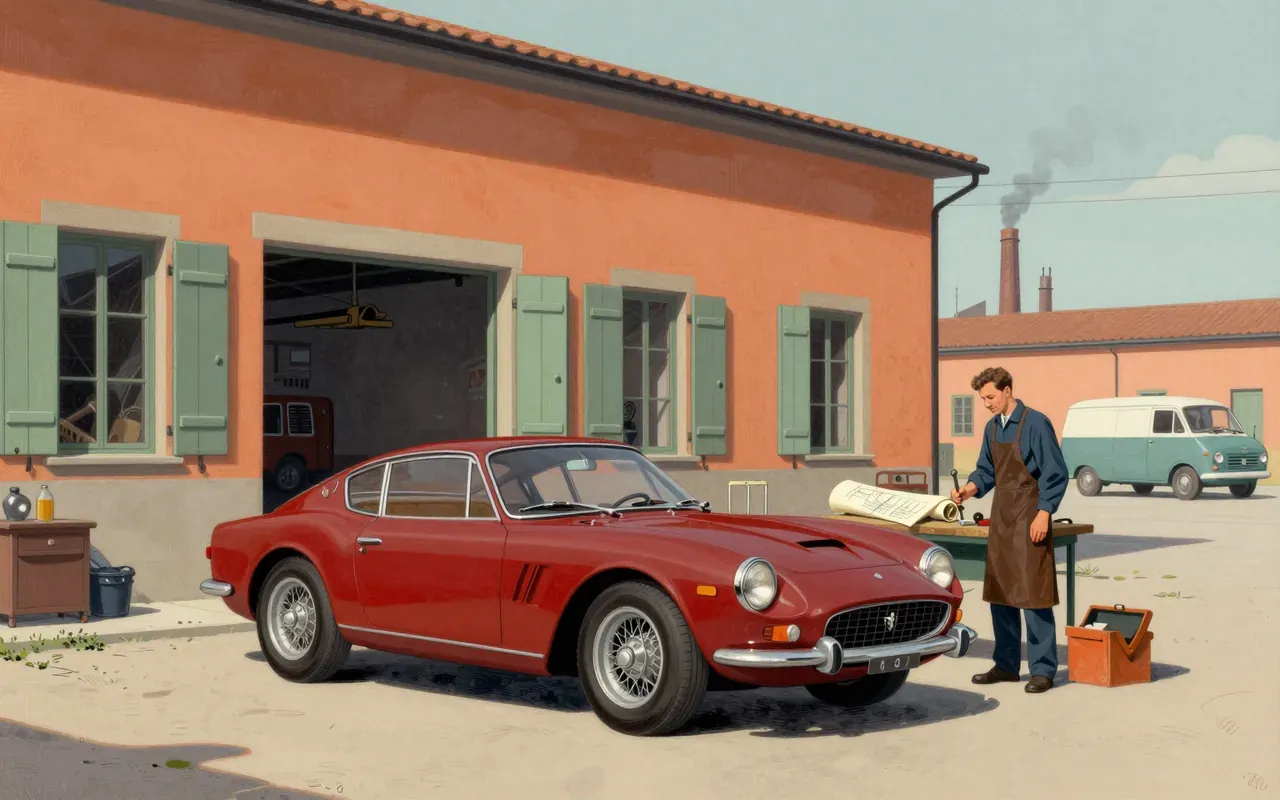
The 250 GT Berlinetta SWB is the 1959 Ferrari that shortened the 250 GT wheelbase from 2,600 mm to 2,400 mm for better handling. 176 were built, in road and racing trims, with 240 to 280 PS from the 3.0 L Colombo V12.


The 250 GT Berlinetta SWB is the 1959 Ferrari that shortened the 250 GT wheelbase from 2,600 mm to 2,400 mm for better handling. 176 were built, in road and racing trims, with 240 to 280 PS from the 3.0 L Colombo V12.

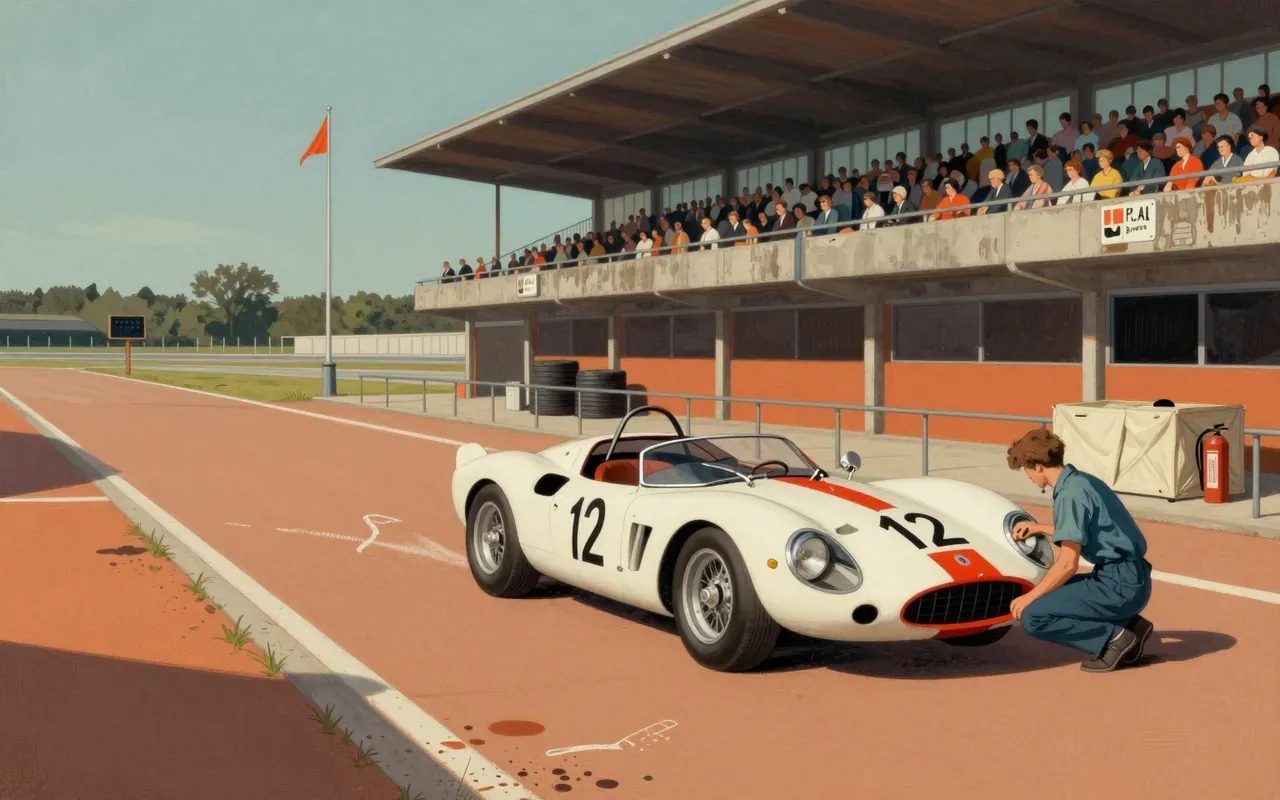
The 330 P4 was a mid-engined V12 endurance car that replaced the 330 P3 in 1967. It kept the P3's fuel injection, added a three-valve cylinder head and produced up to 450 hp. Only four P4-engined cars were made, and it won Monza in 1967.

The Ferrari 250 GT California Spyder is a front-engine, rear-wheel-drive convertible sports car designed by Sergio Scaglietti and produced by Carrozzeria Scaglietti from 1957 to 1963 in approximately 100 units. It is a convertible version of the contemporary Berlinetta. It is powered by the traditional Ferrari V12 engine. It is presented by the brand as Ferrari 250 Gran Turismo Spyder California or simply Ferrari 250 California. It was designed by Pininfarina as part of its exclusive design partnership with Ferrari beginning in 1951. It gained considerable recognition following its appearance in the 1986 film Ferris Bueller's Day Off.

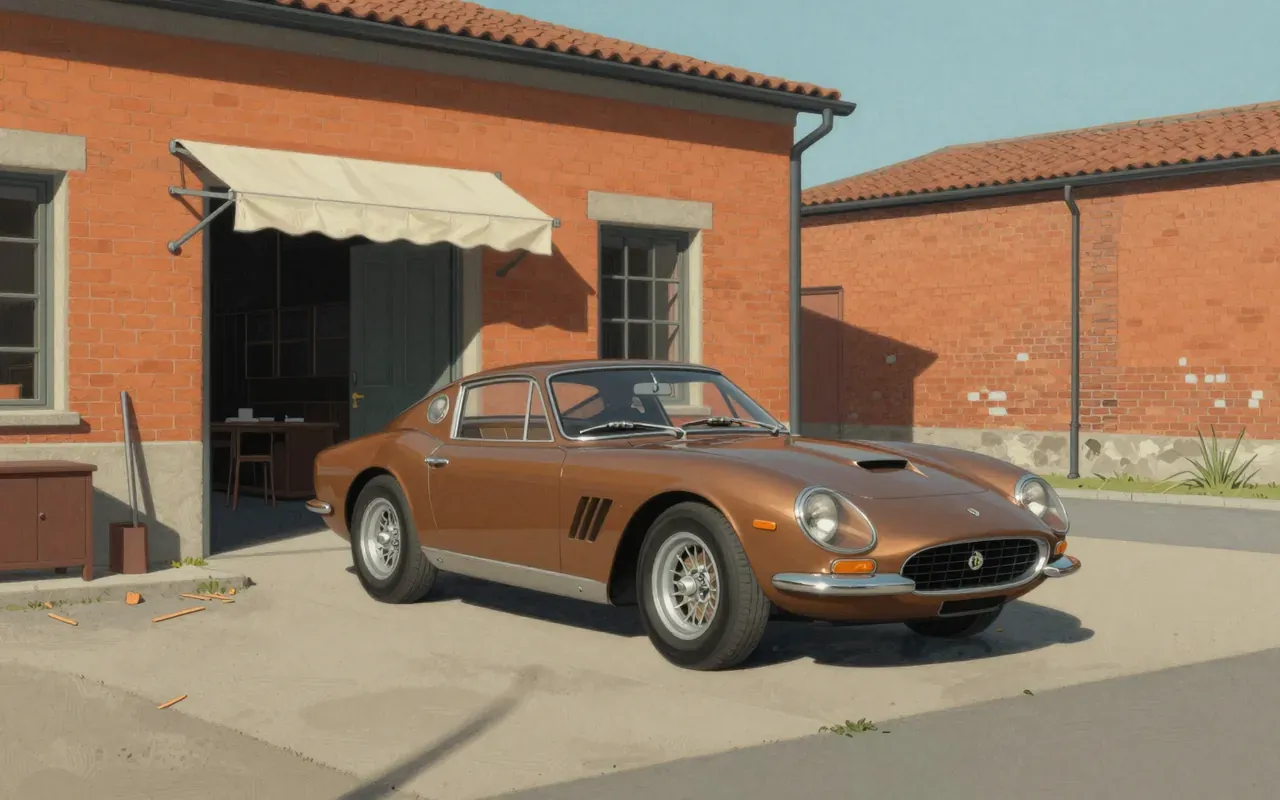
The Ferrari 275 is a front-engined V12 grand tourer designed by Pininfarina and produced from 1964 to 1968. It introduced the transaxle and independent rear suspension to Ferrari road cars. The GTB and GTS were two-seat coupé and spider variants. The GTB/4 and GTS/4 NART Spyder closed the series. The GTB Competizione Speciale was intended to succeed the 250 GTO in GT racing. Francesco Salomone led Pininfarina’s studio during its design.

The Ferrari 288 GTO is a homologation-special berlinetta, developed from the 308 GTB between 1984 and 1987 in Maranello. Its name stands for Gran Turismo Omologata. It was built to satisfy FIA Group B requirements.

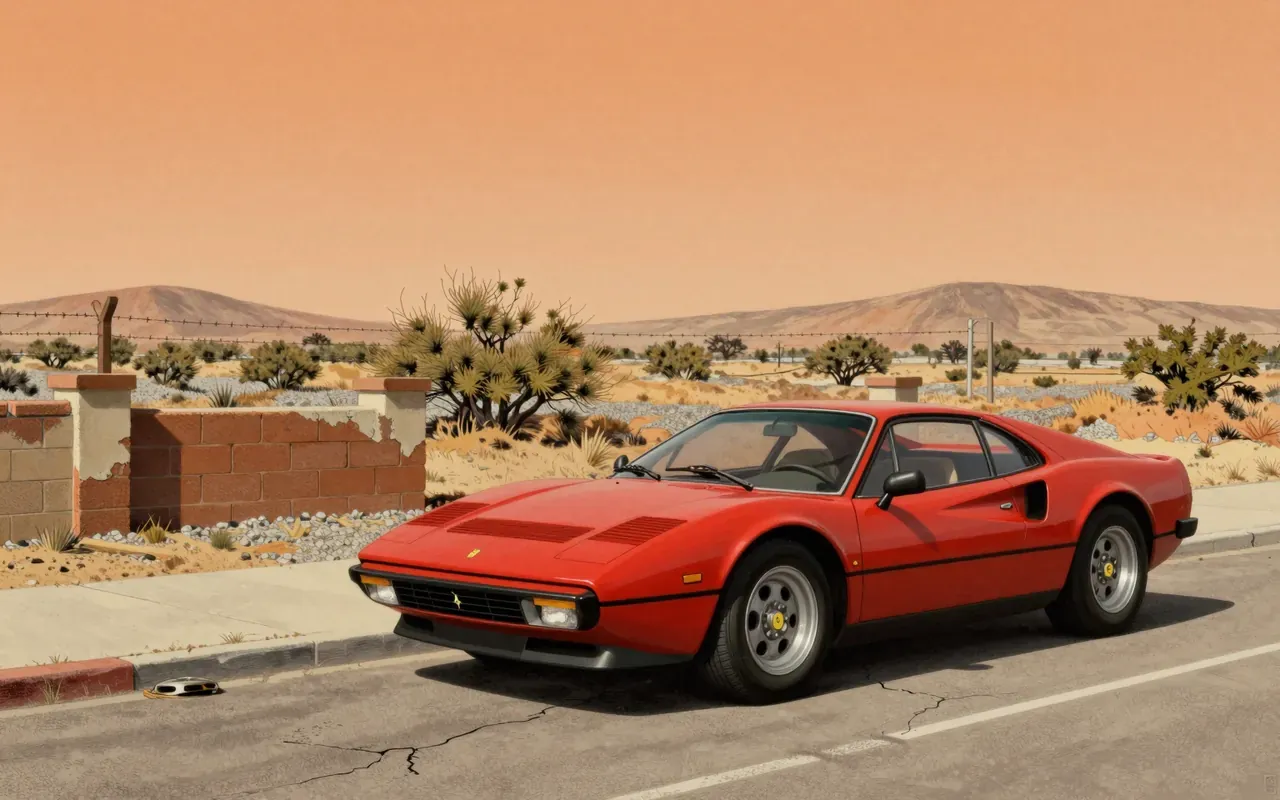
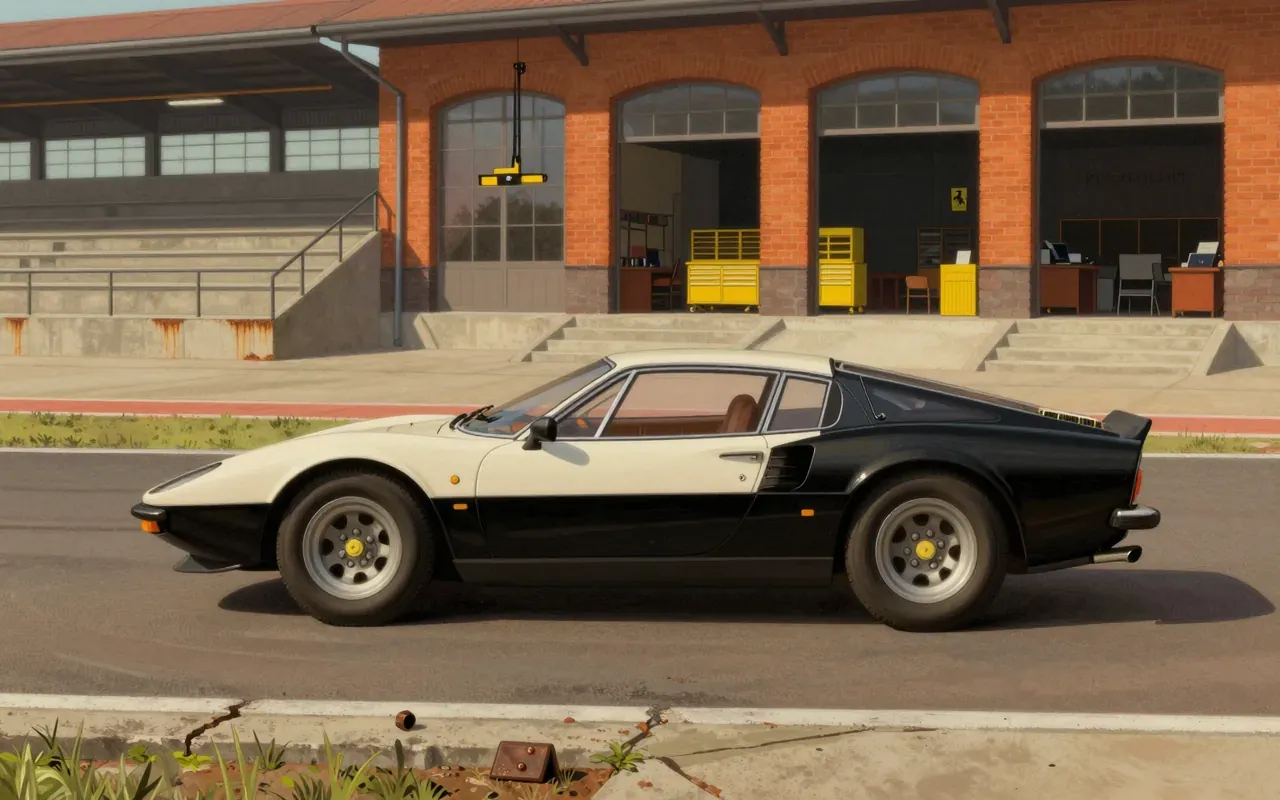
The Ferrari 308 GTB/GTS is a V8 mid-engined two-seater sports car designed by Leonardo Fioravanti at Pininfarina and produced by Ferrari from 1975 to 1985. It features a tube-frame chassis with a separate body, a transversely mounted flat-plane crankshaft 90-degree V8 engine with dual overhead camshafts per bank, a 5-speed dog-leg manual gearbox, limited-slip differential, all-independent double-wishbone suspension with anti-roll bars, four-wheel vented disc brakes, and unassisted rack-and-pinion steering. Early GTB models used GRP bodies (1975–1977), later switching to steel; all GTS models were steel-bodied. The model evolved through carburetted, fuel-injected (GTBi/GTSi), and quattrovalvole (four-valve) variants, with distinct power outputs and technical updates. Rally versions were developed by Michelotto for Group 4 and Group B competition, including the purpose-built GT/M. The car gained iconic status via its role in Magnum, P.I., and was named number five on Sports Car International’s Top Sports Cars of the 1970s list in 2004.
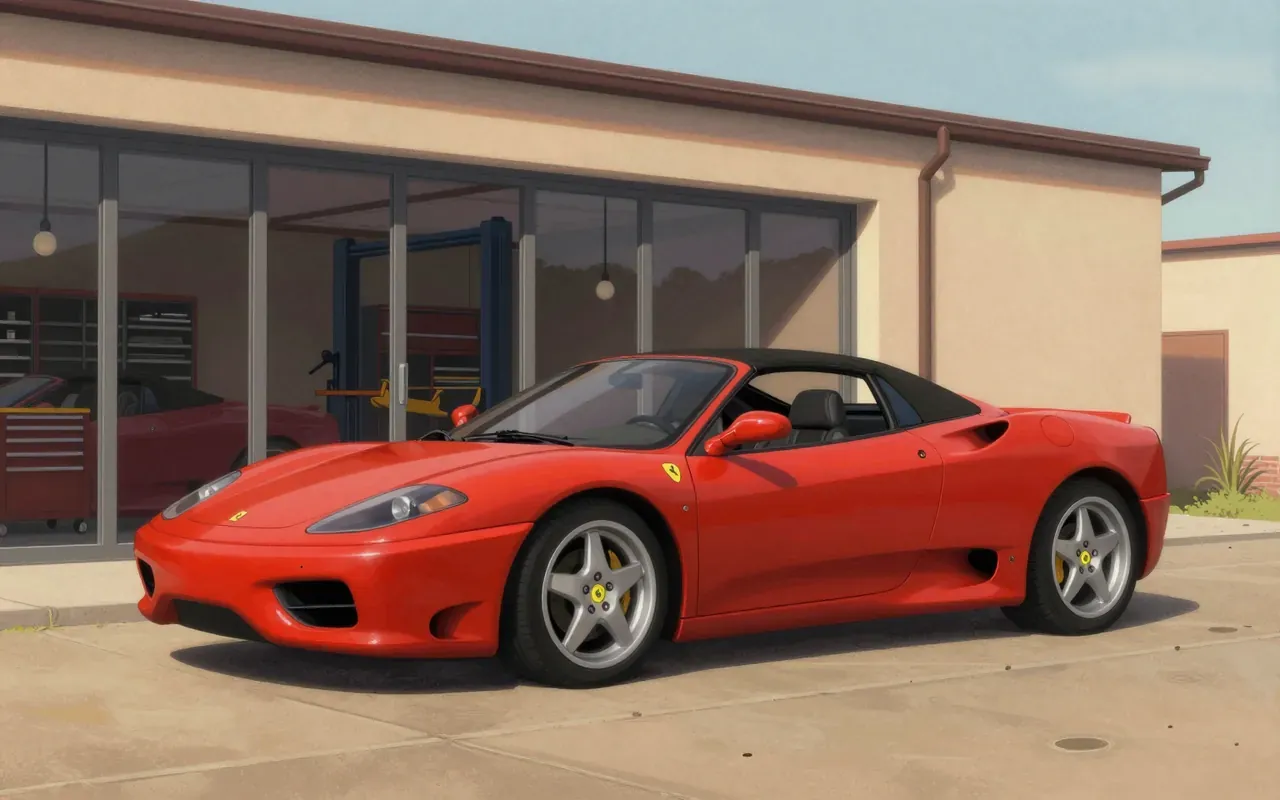
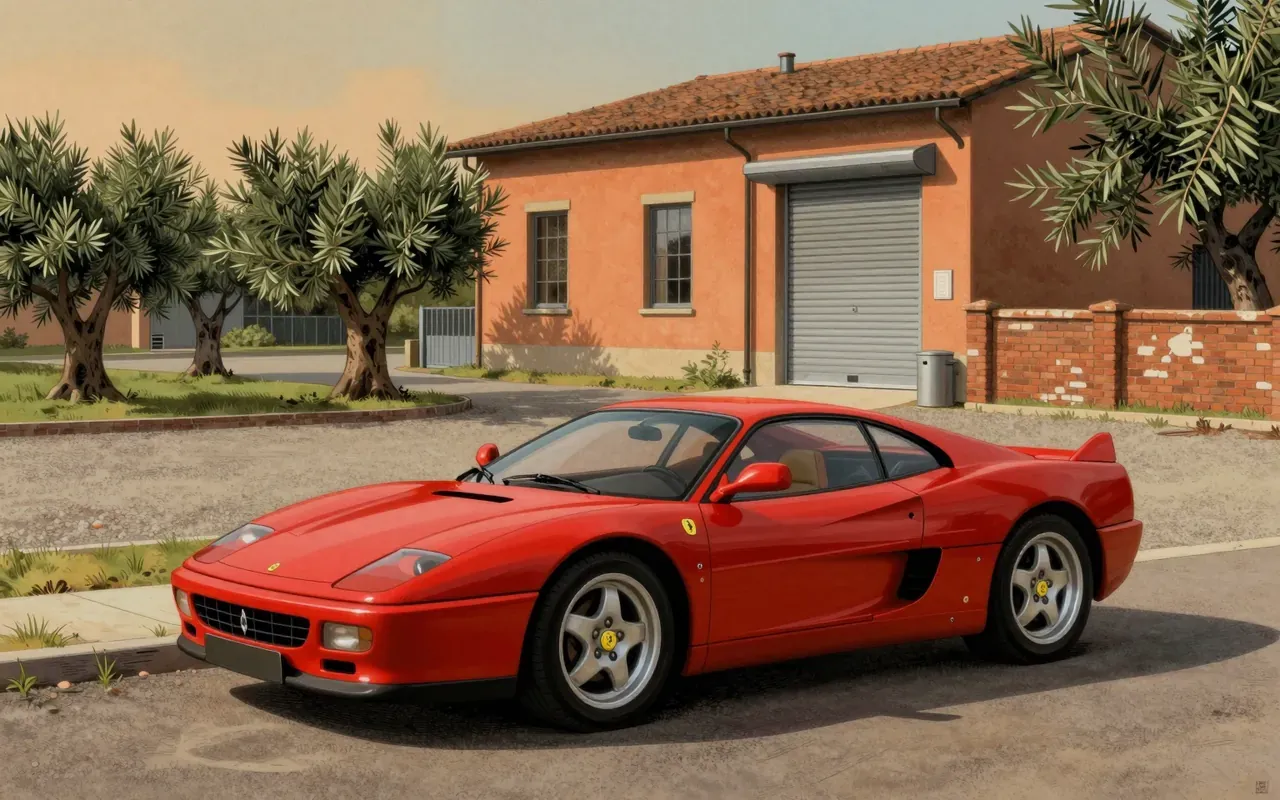
The Ferrari 360 redefined Ferrari’s mid-engined formula with an all-aluminium space-frame and Pininfarina’s curvilinear language — trading the F355’s emotional sharpness for structural precision and visual calm.

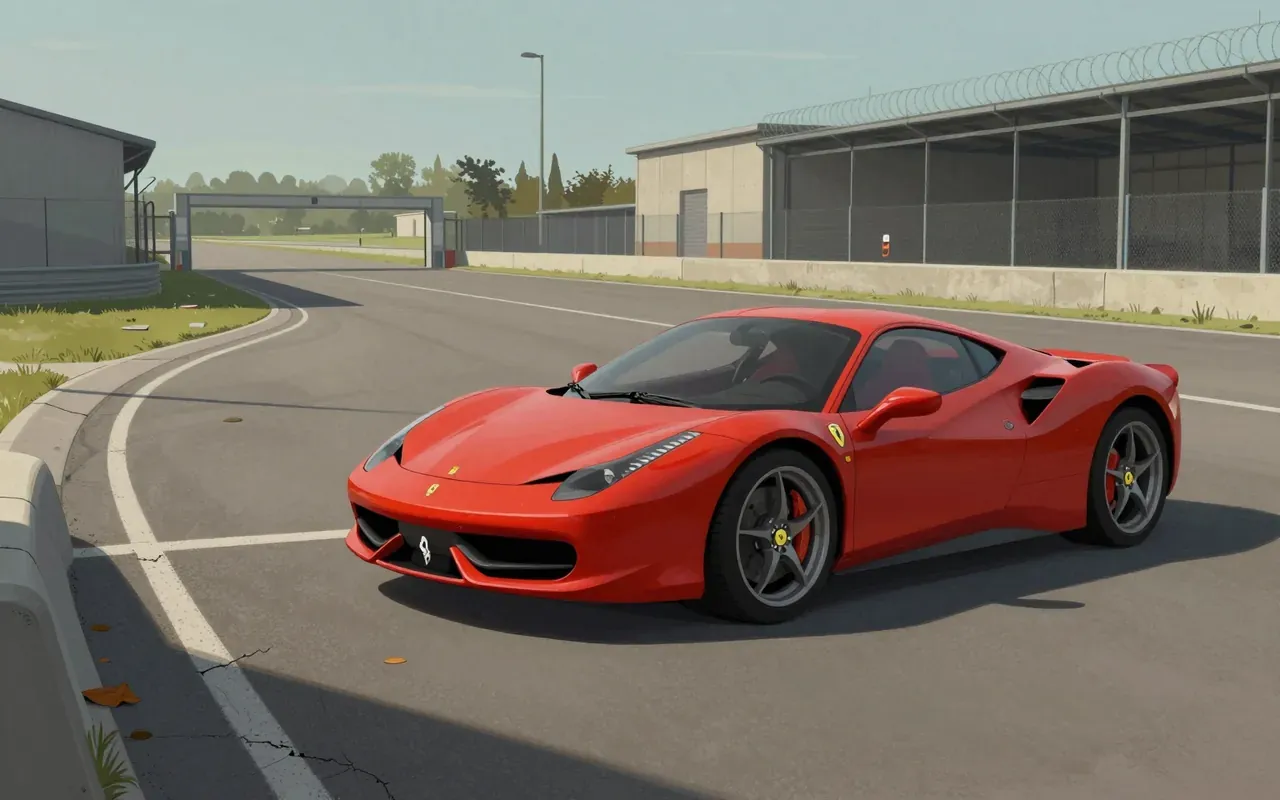
The Ferrari 458 Italia is a mid-engine sports car. It launched in 2009 as a clean-sheet replacement for the F430. It uses a 4.5 L V8 with direct fuel injection — the first such setup in a Ferrari mid-engine road car — and a 7-speed dual-clutch automatic transmission. No manual option exists. Magneti Marelli developed its body computer system. Pininfarina designed it under Donato Coco, with Carlo Palazzani as lead designer.

The Ferrari 550 Maranello is a front-engine, rear-wheel drive V12 grand tourer designed by Pininfarina under Lorenzo Ramaciotti’s supervision, produced from 1996 to 2001 (3,083 units), and succeeded by the 575M Maranello in 2002; it features a 5,474 cc naturally aspirated 65° V12 engine and was offered in coupé and limited-run Barchetta roadster forms.

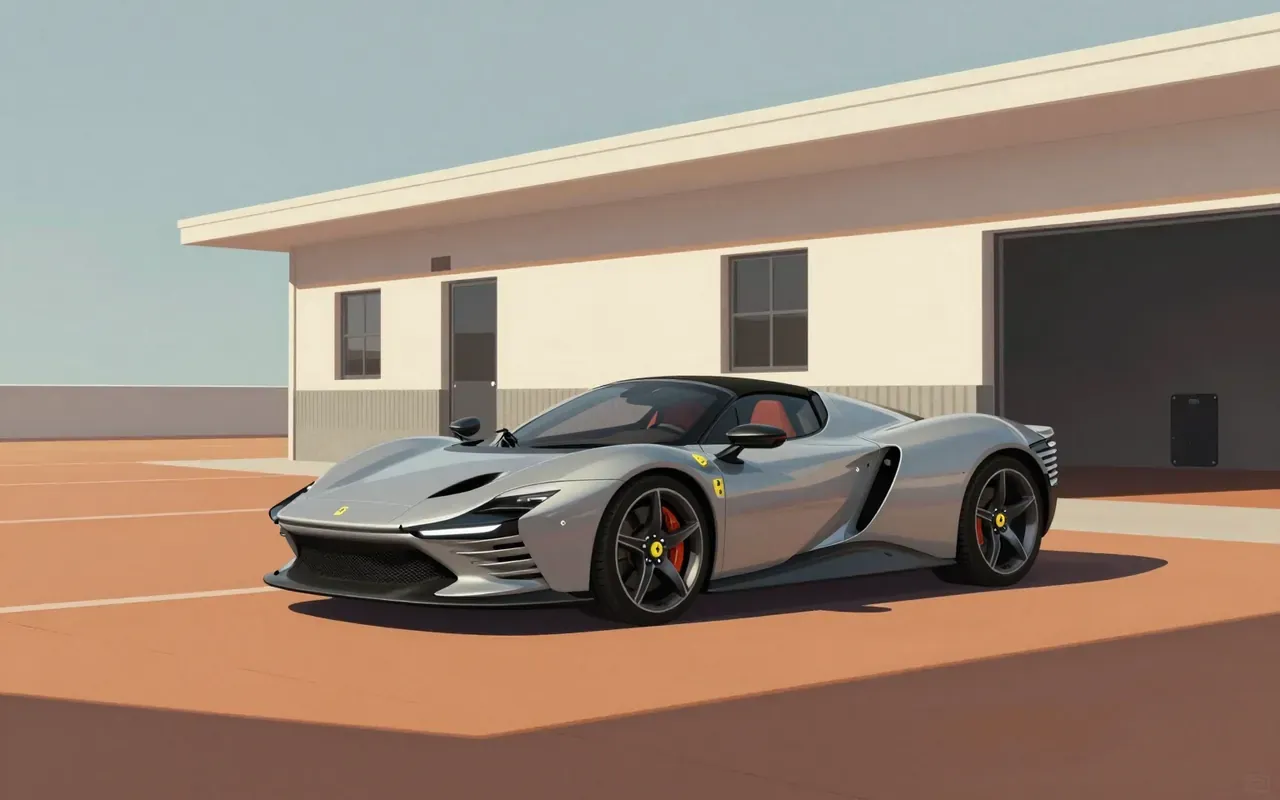
The Ferrari Daytona SP3 is a mid-engine, naturally aspirated V12 road car launched in 2021 as part of Ferrari’s Icona series. It draws directly from the 1967-winning 330 P4. It uses a 6.5 L F140 HC V12. It shares its chassis with the LaFerrari Aperta. It was produced in 599 units from 2022, all pre-sold at $2.25 million each. It is Ferrari’s final non-hybrid, mid-mounted V12 road car.

The Ferrari F50 is a 1995–1997 limited-run targa-top supercar. Its 4.7 L V12 came from Formula One. Its shape grew from the 1989 Mythos concept and borrowed F1 front-end cues. It uses a rear mid-engine, rear-wheel-drive layout. Only 349 were built.

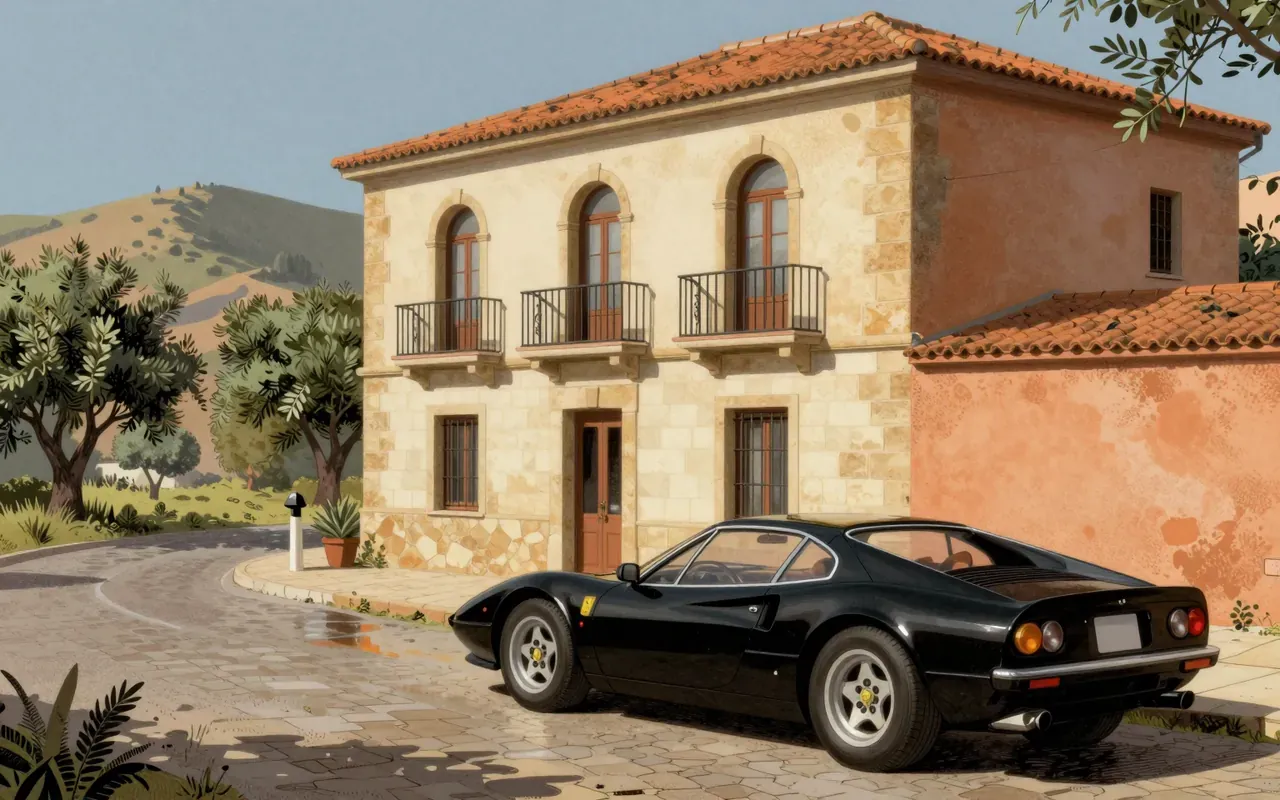
The Ferrari Modulo is a static concept car built by Pininfarina on a de-powered Ferrari 512 S chassis. It debuted black at Geneva 1970. Its wedge shape, sliding canopy and exposed V12 defined a new visual language — one that influenced 1970s car design more than any production model.

The Ferrari Roma is a front mid-engine, rear-wheel-drive grand touring coupé with a twin turbocharged V8 and 2+2 seating. It succeeds the Portofino and sits below the F8. Named after Rome, it launched online on 13 November 2019 and was unveiled in Rome the next day. Flavio Manzoni led its design, which won five major international design awards — including Most Beautiful Supercar of the Year in Paris.

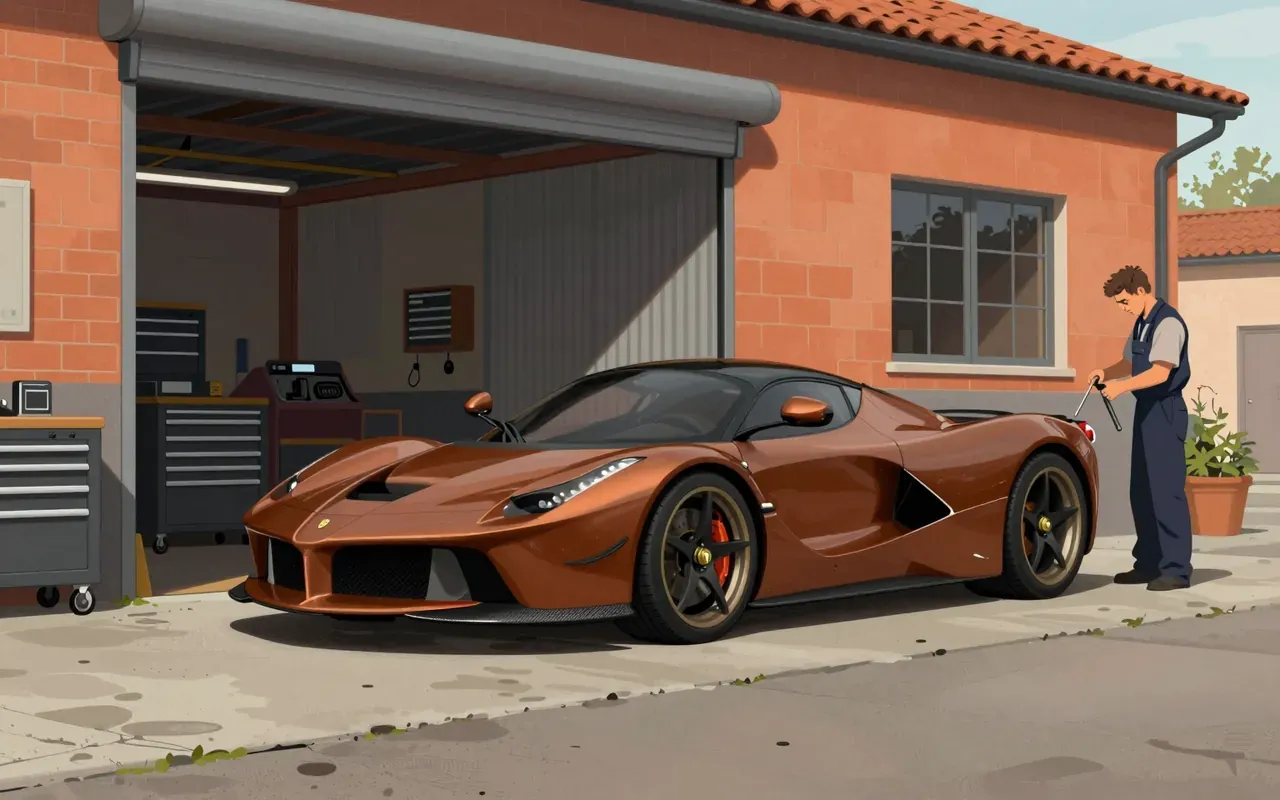
LaFerrari is Ferrari’s first hybrid road car and definitive V12 flagship. It is a limited-production mid-engine sports car developed under Flavio Manzoni. Its design follows the 2011 Manta concept. It draws on FXX prototype testing and Millechili Project research. Only 499 units were built between 2013 and 2016.

The Ferrari 250 GTO is a front-engine, RWD grand tourer built between 1962 and 1964. Giotto Bizzarrini led its development from 1960 to improve aerodynamics over the 250 GT SWB. It used wind tunnel testing at Pisa University, a hand-welded oval tube frame, all-aluminium bodywork by Scaglietti, and a dry-sumped Tipo 168/62 Comp. 3.0 L V12. Only 36 were built after Ferrari counted earlier 250 GT SWB units toward FIA Group 3 homologation. It features a belly pan and underbody spoiler formed by the fuel tank cover.

The Ferrari 456 is a front-engine grand tourer produced by Ferrari from 1992 to 2003. Designed by Pietro Camardella at Pininfarina and introduced in October 1993, it succeeded the 412 as Ferrari’s V12-powered four-seater. Its design drew heavy inspiration from the 365 GTB Daytona. It was offered in GT (six-speed manual) and GTA (four-speed automatic, from 1996) trims. The automatic transmission was Ferrari’s second and last conventional hydraulic automatic with torque converter. Its 5.5 L 65° V12 engine was derived from the Dino V6 — not the 60° V12s used in the 412 and Daytona.

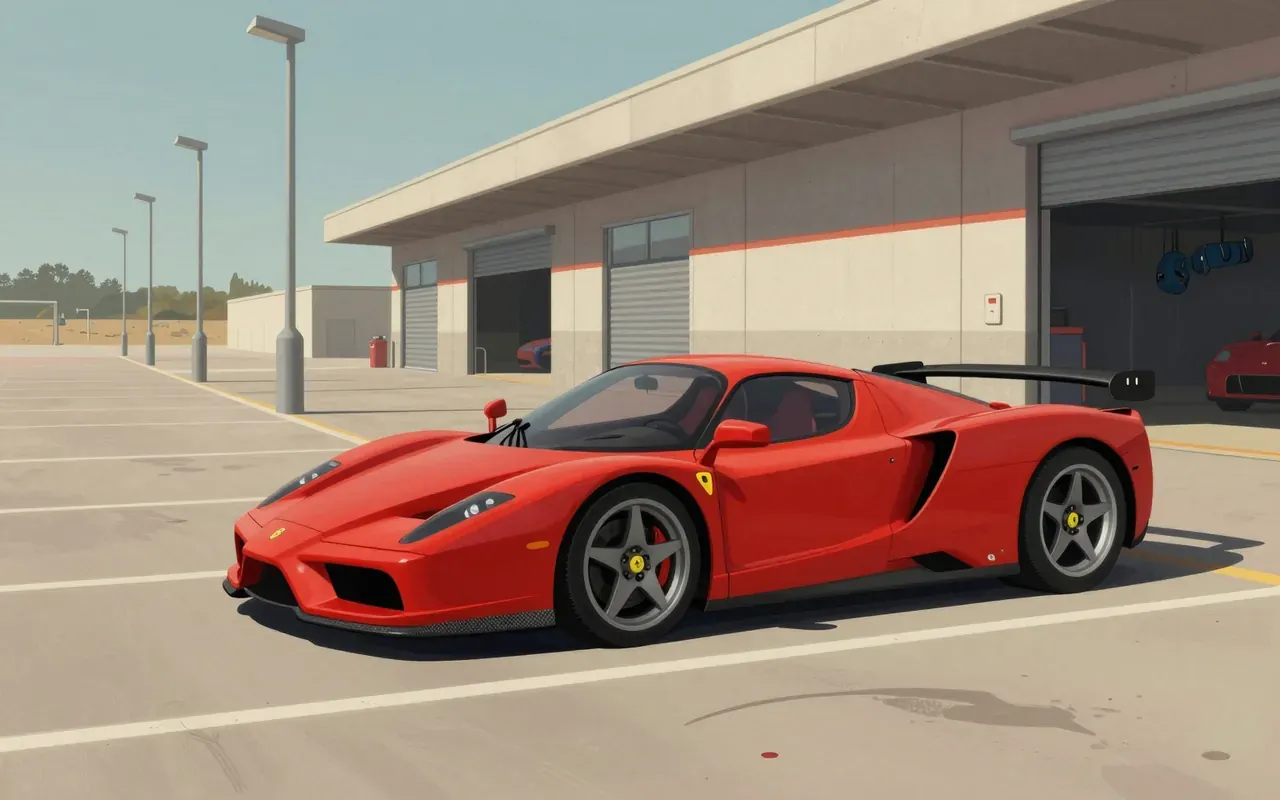
The Ferrari Enzo is a mid-engine sports car developed by Ferrari in 2002, named after Enzo Ferrari, and designed by Ken Okuyama while at Pininfarina. It uses a naturally aspirated 65° V12 engine, rear mid-engine/rear-wheel-drive layout, and an automated manual F1 gearbox. Production spanned 2002–2004 with 498 units built. It was developed using Formula One technology including a carbon-fibre body, automated-shift manual transmission, ceramic composite disc brakes, and active aerodynamics. Its F140 B V12 engine was the first of a new generation for Ferrari. It was announced at the 2002 Paris Motor Show with a limited production run of 399 units, later increased to 498. Ken Okuyama designed and supervised its design at Pininfarina before becoming Creative Director there in 2004. In 2022, he was arrested for speeding in an Enzo at 88 km/h over the limit.

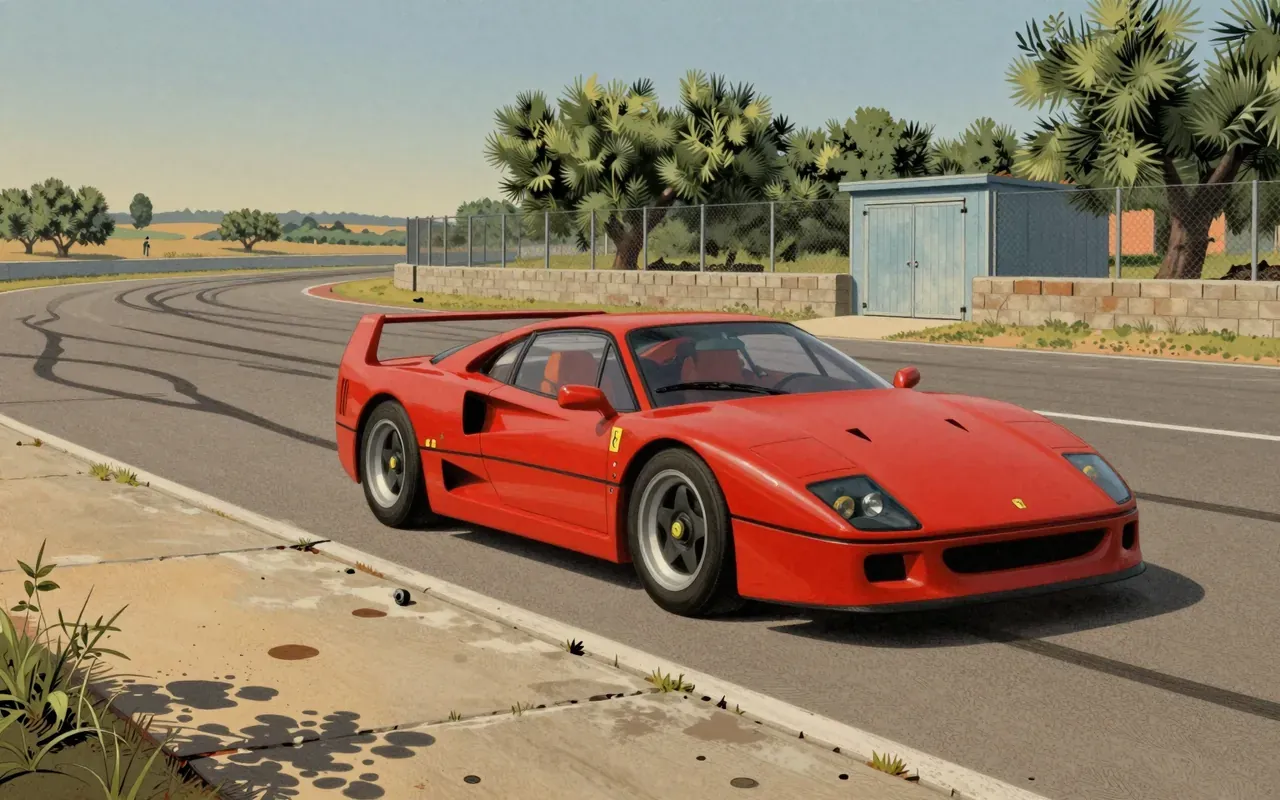
The Ferrari F40 is a mid-engine, rear-wheel drive sports car designed by Pietro Camardella under Pininfarina, powered by a 2.9 L twin-turbocharged and intercooled V8, produced from 1987 to 1993 in 1,311–1,315 units, all originally in Rosso Corsa and left-hand drive, and that it was Ferrari's final forced induction engine until 2014.

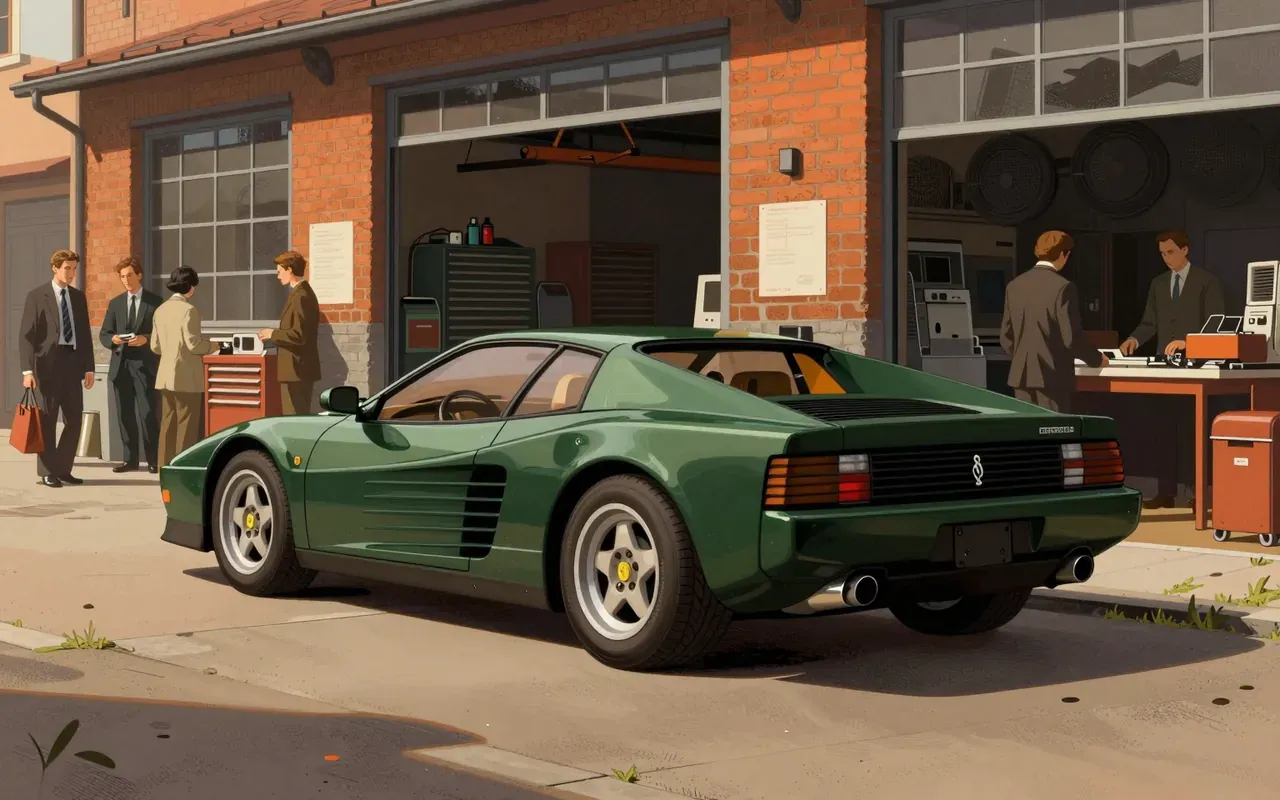
The Testarossa is a Pininfarina-designed, two-door coupé introduced in 1984 as the successor to the Berlinetta Boxer. It features a 4.9 L flat-12 engine and rear mid-engine/RWD layout. Production ran from 1984 to 1991, followed by the 512 TR and F512 M until 1996. Nearly 10,000 Testarossa-series cars were produced. It was developed to resolve thermal and packaging issues of the 512 BBi and is distinguished by its side strakes, twin rear radiators, and aerodynamic efficiency. Designers included Diego Ottina, Guido Campoli, Ian Cameron, and Emanuele Nicosia. It is a cultural icon of the 1980s, popularised by Miami Vice and Out Run.

The Ferrari 365 GTB/4, commonly called Daytona, is a two-seat grand tourer introduced at the 1968 Paris Motor Show. Its front-mounted V12 drove the rear wheels.

The Ferrari 512 BB replaced the 365 GT4 BB in 1976. It belongs to the Berlinetta Boxer family, but this carburetted model should be distinguished from the later fuel-injected 512 BBi.