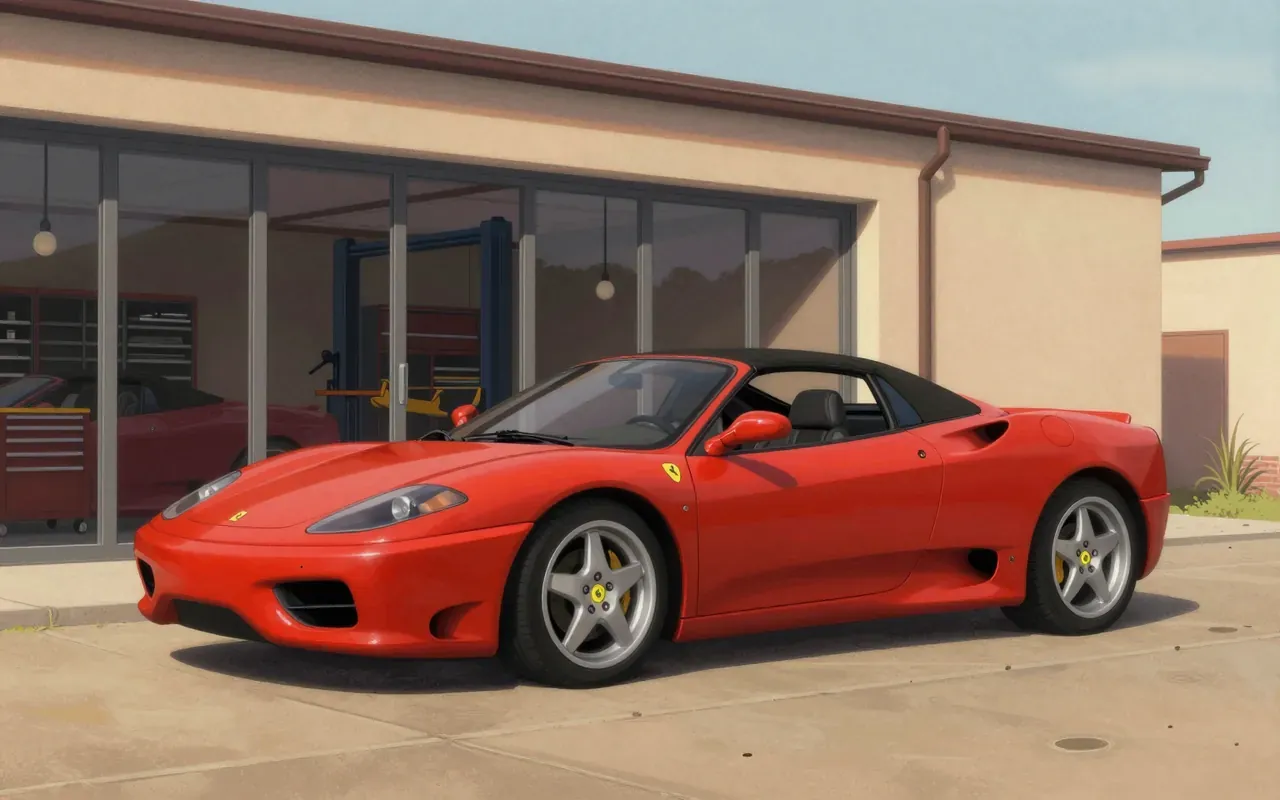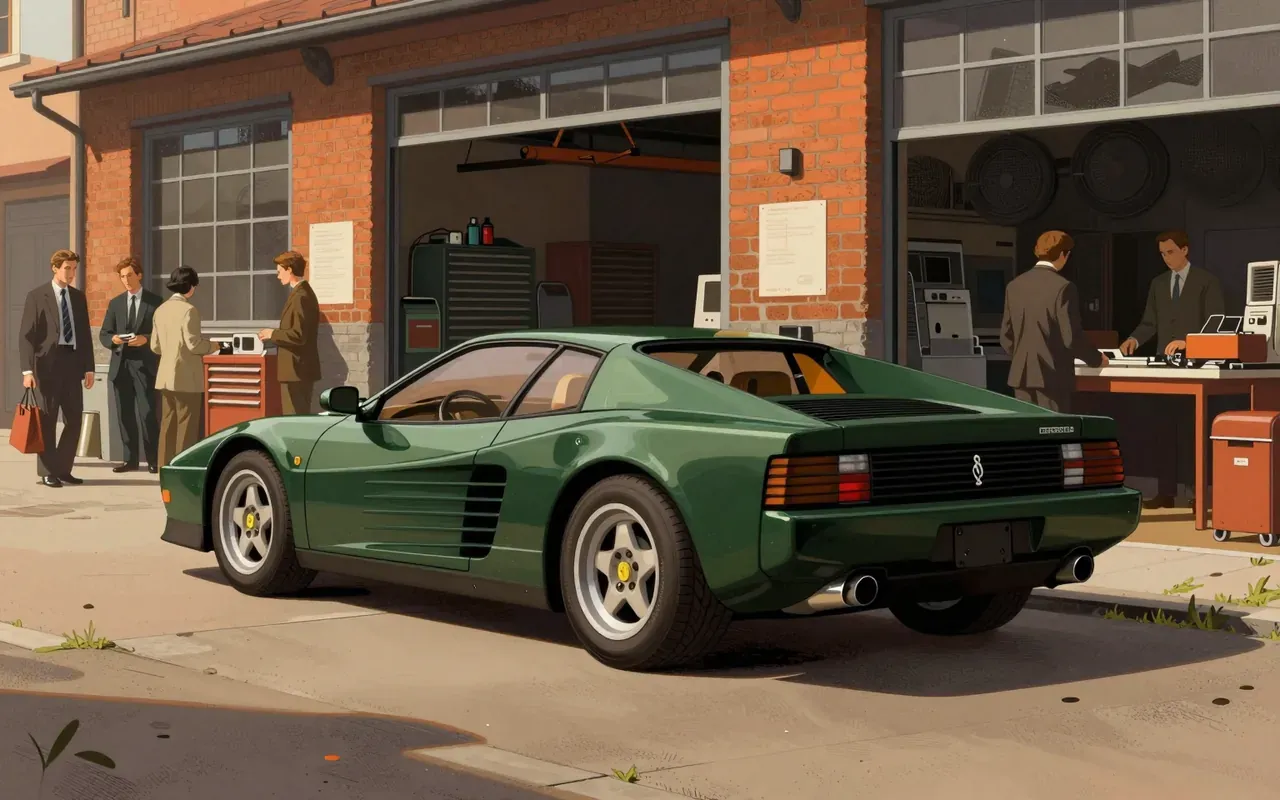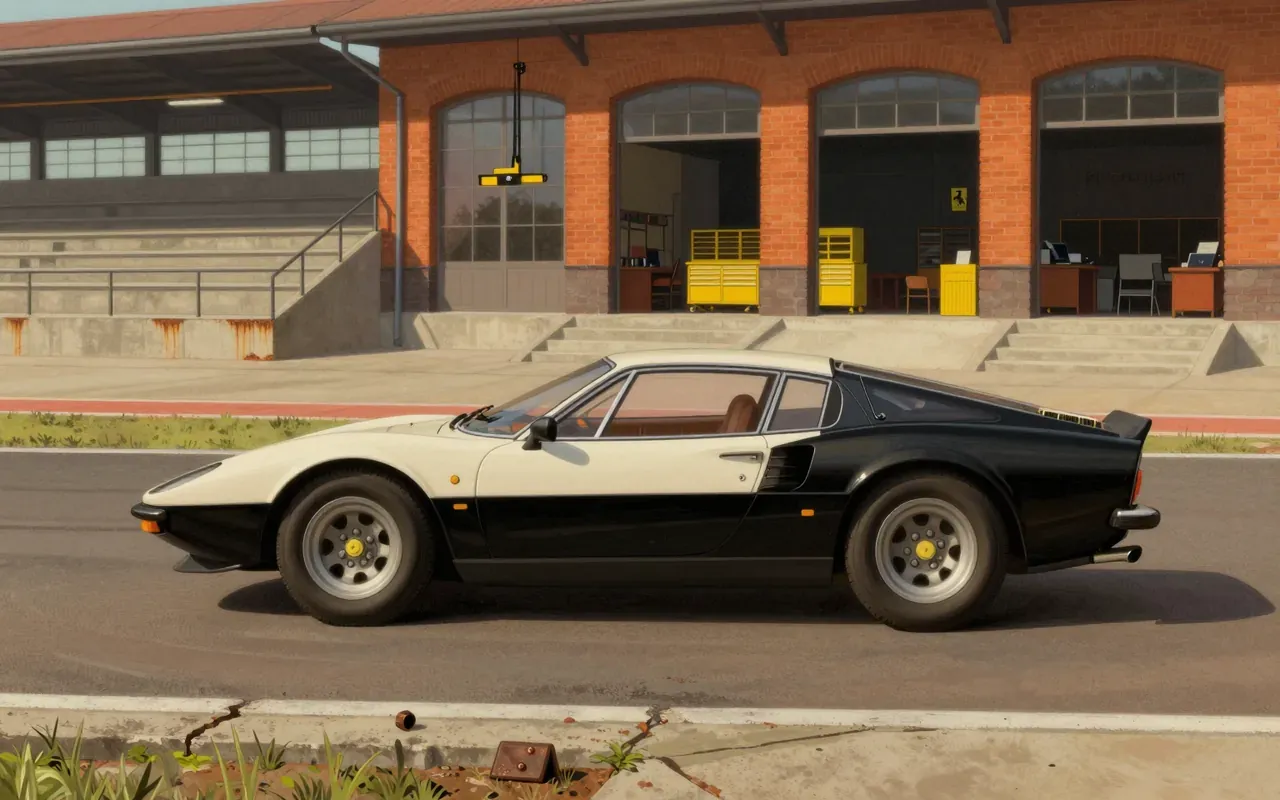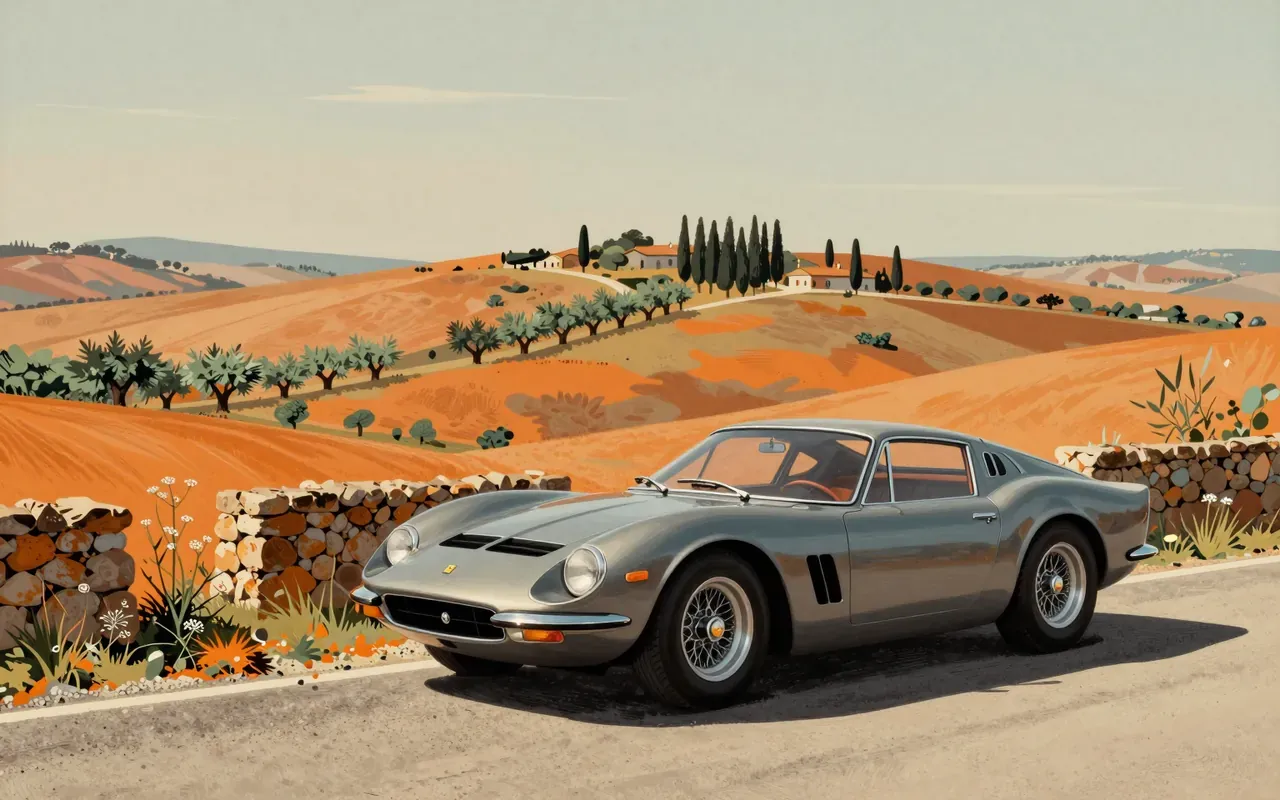
A front-mounted V12 and rear transaxle define Ferrari’s 1968 grand tourer.
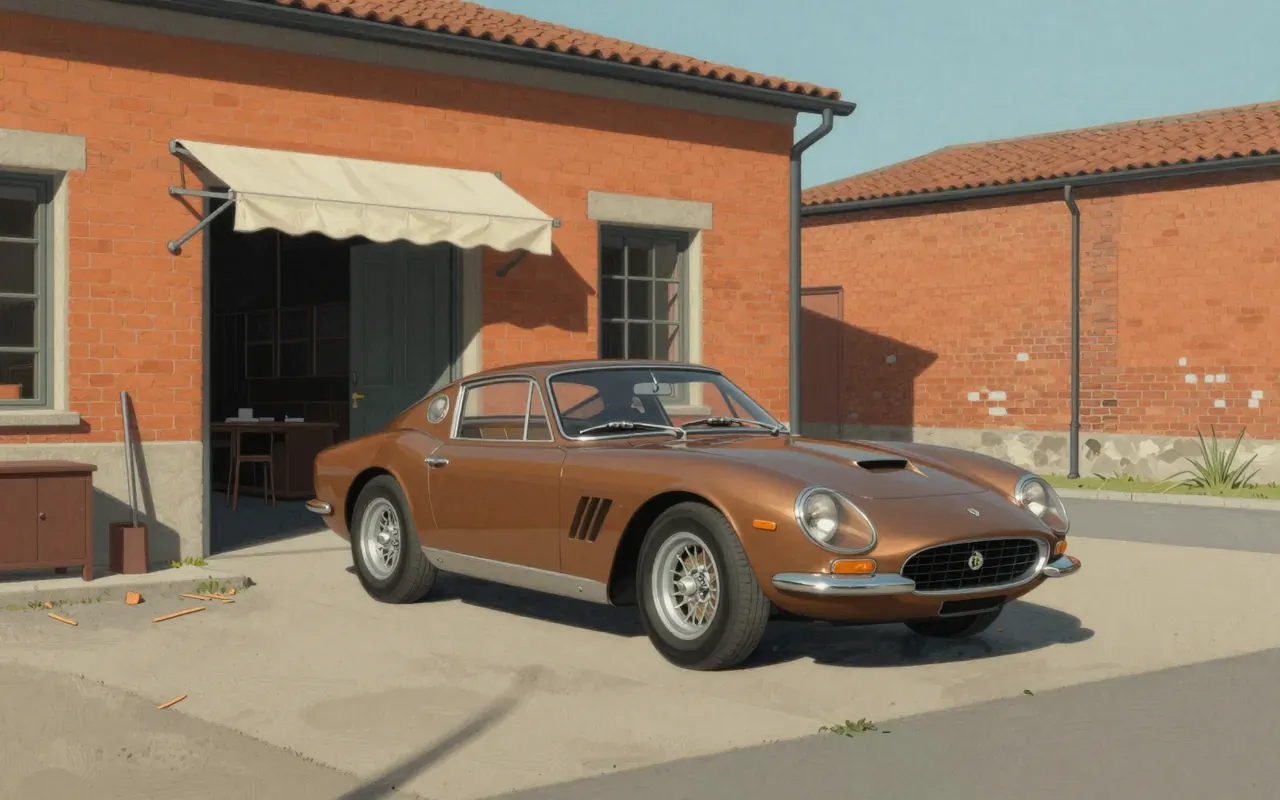
The Ferrari 365 GTB/4, commonly called Daytona, is a two-seat grand tourer introduced at the 1968 Paris Motor Show. Its front-mounted V12 drove the rear wheels.
0:10
How it works, in terms someone would actually use
A rear-mounted gearbox formed part of the transaxle arrangement. Separating that assembly from the engine distributed major mechanical components between the front and rear of the car.
0:21
What it gets right
The layout offers a clear engineering question to study: how can a front-engined car arrange its drivetrain without concentrating every heavy component at the nose? The transaxle is central to that answer.
0:34
What it does not
The layout alone cannot establish steering effort, comfort or handling balance. Those judgments require driving evidence; they should not be inferred from the location of the engine and gearbox.
0:46
What it changed
Its successor, the 365 GT4 Berlinetta Boxer, adopted a mid-engined arrangement. That change makes the Daytona a useful comparison point, without implying that Ferrari abandoned front-engined cars permanently.
0:57
Who it is for, and who it is not
It is a useful subject for readers interested in grand-tourer architecture and Ferrari history. This short account is not a road test or an assessment of a particular surviving example.
1:09
Is it worth your time
Worth studying alongside a drivetrain diagram and its successor. Follow the engine, transmission and driven wheels before treating front-engined and mid-engined as complete descriptions of driving character.
Worth your time?
Selectively. Start with the brief, then drive the parts we point at.
What works
What does not
Drive it if
Readers studying grand-tourer drivetrain layouts
Skip it if
Readers seeking a road test of a specific car
The written brief1 min read
What the car is and where it came from
The Ferrari 365 GTB/4, commonly called Daytona, is a two-seat grand tourer introduced at the 1968 Paris Motor Show. Its front-mounted V12 drove the rear wheels.
How it works, in terms someone would actually use
A rear-mounted gearbox formed part of the transaxle arrangement. Separating that assembly from the engine distributed major mechanical components between the front and rear of the car.
What it gets right
The layout offers a clear engineering question to study: how can a front-engined car arrange its drivetrain without concentrating every heavy component at the nose? The transaxle is central to that answer.
What it does not
The layout alone cannot establish steering effort, comfort or handling balance. Those judgments require driving evidence; they should not be inferred from the location of the engine and gearbox.
What it changed
Its successor, the 365 GT4 Berlinetta Boxer, adopted a mid-engined arrangement. That change makes the Daytona a useful comparison point, without implying that Ferrari abandoned front-engined cars permanently.
Who it is for, and who it is not
It is a useful subject for readers interested in grand-tourer architecture and Ferrari history. This short account is not a road test or an assessment of a particular surviving example.
Is it worth your time
Worth studying alongside a drivetrain diagram and its successor. Follow the engine, transmission and driven wheels before treating front-engined and mid-engined as complete descriptions of driving character.
Up next in Automotive
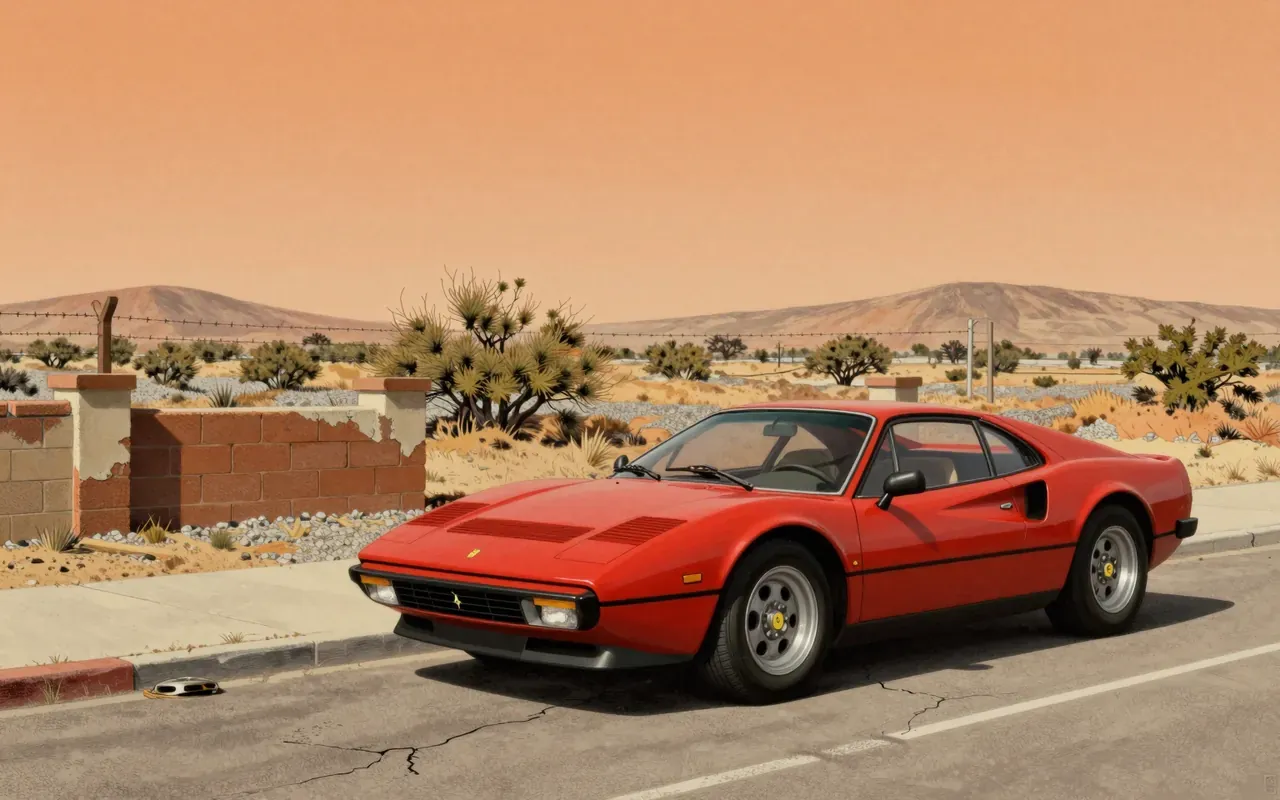
Ferrari 512 BB
Leonardo Fioravanti · 1976 · 1:15
The 1976 Boxer enlarged its engine and revised lubrication within an established mid-engined layout.