Saved
Sports cars · Supercars

Honda NSX

A mid-engine sports car built to be driven every day — not worshipped in a showroom.

Worth your time?4.5/5Yes.Drive the whole thing.What works, what does not, who it is for ↓
8:09in productionCh. 1 · What it is/ 8:09 · ceiling 15 min
4 chapters · 8:09Ceiling 15:00

The brief is written and checked. The video joins this page when it is cut.4 chapters · 1 min read · 8:09 planned

Read the brief

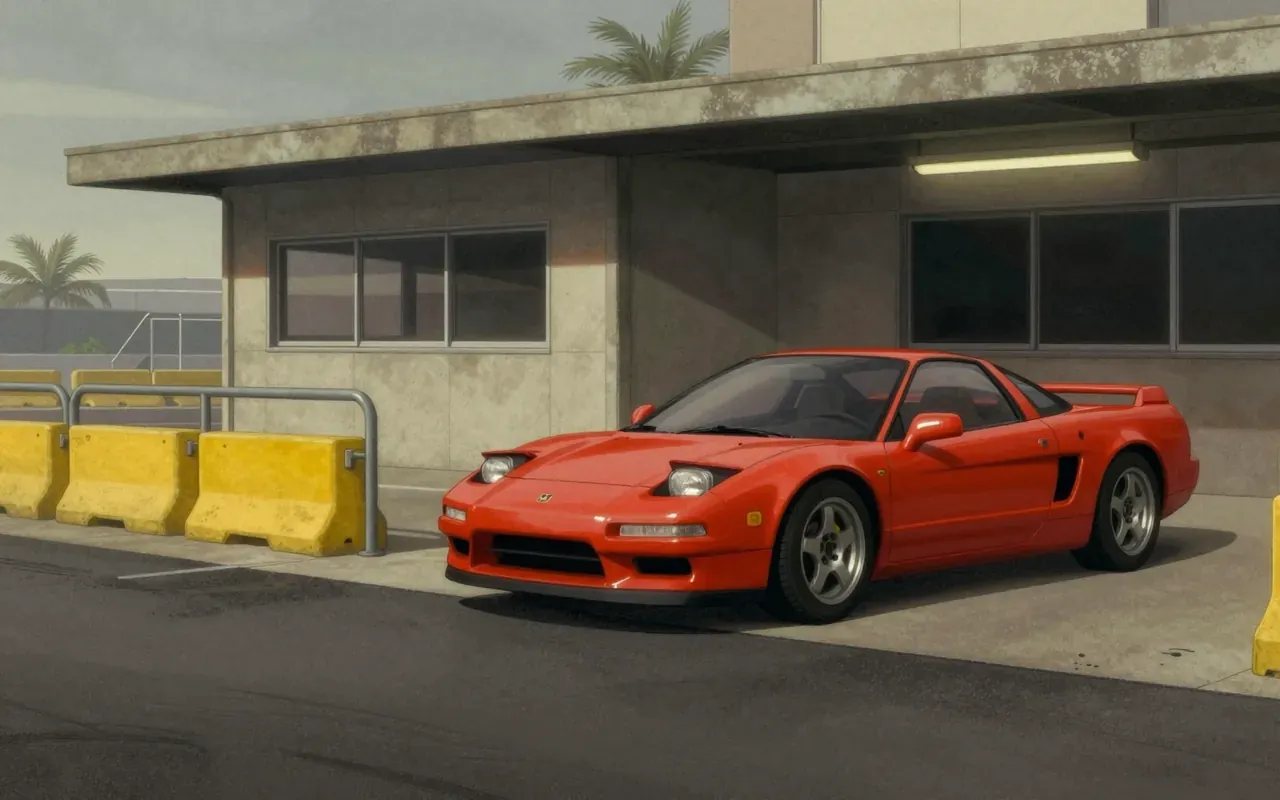
The Honda NSX (1990) is a two-seater sports car manufactured by Acura. Masahito Nakano was Chief Designer of the first generation, produced from 1990 until 2006. It launched as a two-door coupé, later adding a targa top variant. It has a rear mid-engine, rear-wheel-drive layout and a transversely-mounted naturally-aspirated V6 engine.

Chapters & takeaways4
  1. 0:53
    What it is

    The NSX is a two-seater sports car made by Acura, first produced in 1990 and ending in 2006.

  2. 2:16
    How it’s built

    It uses a rear mid-engine, rear-wheel-drive layout with a transversely-mounted naturally-aspirated V6.

  3. 3:43
    Who shaped it

    Masahito Nakano led the design of the first-generation NSX, establishing its driver-centric packaging and all-aluminium structure.

  4. 5:09
    When it lived

    Two generations exist: the first ran from 1990–2006; the second from 2016–2022 — with no overlap.

1 more chapterFewer chapters
Worth your time?

Yes. Drive the whole thing.

4.5/ 5
What works
  • weight distribution
  • seating position
  • pedal spacing
  • visibility
What does not
  • all-wheel drive
  • forced induction
  • electric propulsion
  • driver-assistance systems introduced after 2006
Drive it if
  • drivers who value mechanical clarity, precision, and everyday usability in a mid-engine layout
Skip it if
  • those seeking raw aggression, hybrid complexity, or contemporary infotainment
Who should drive it, and who should skipHide who it is for
The written brief1 min read

What the car is and where it came from

The Honda NSX is a two-seater sports car manufactured by Acura. Masahito Nakano was Chief Designer of the first generation, produced from 1990 until 2006. It launched as a two-door coupé, later adding a targa top variant. It has a rear mid-engine, rear-wheel-drive layout.

How it works, in terms someone would actually use

The driver sits ahead of a transversely-mounted naturally-aspirated V6 engine. Power goes to the rear wheels. The chassis is all-aluminium. The steering delivers direct feedback. The cabin places controls within easy reach. The targa top variant offers open-air driving without sacrificing structural rigidity.

What it gets right

It gets the weight distribution right. It gets the seating position right. It gets the pedal spacing right. It gets the visibility right. It gets the throttle response right — thanks to VTEC.

What it does not

It does not offer all-wheel drive. It does not use forced induction. It does not have electric propulsion. It does not include driver-assistance systems introduced after 2006.

What it changed

It proved a mass-market manufacturer could build a credible, reliable, and driver-focused mid-engine sports car without relying on Italian tradition or racing pedigree.

Who it is for, and who it is not

It is for drivers who value mechanical clarity, precision, and everyday usability in a mid-engine layout. It is not for those seeking raw aggression, hybrid complexity, or contemporary infotainment.

Is it worth your time

Yes — if you want to understand how a Japanese manufacturer redefined sports-car expectations in 1990. No — if you expect modern hybrid performance, all-wheel drive, or digital driver aids.
Same garage · Sports cars4 of 157
9:37
Honda S500Honda · 1963The Honda S500 is Honda’s first passenger automobile and first production sports car. Launched in October 1963, it followed the T360 truck by four months. It used a 531 cc DOHC straight-4 engine producing 44 hp at 8000 rpm, a four-speed manual transmission, and four-wheel independent suspension with chain-driven rear wheels. It exceeded kei car regulations in dimensions and displacement. 1,363 units were built between October 1963 and September 1964. It was priced at $1,275 in 1963.
9:07
Mazda RX-7 SA22CMatasaburo Maeda · 1978The SA22C is the first-generation Mazda RX-7, a two-seat hatchback coupé with a Wankel rotary engine set behind the front axle and rear-wheel drive. Matasaburo Maeda led its design. Three series ran from 1978 to 1985, and 471,018 cars were built, most of them sold in the United States.
9:45
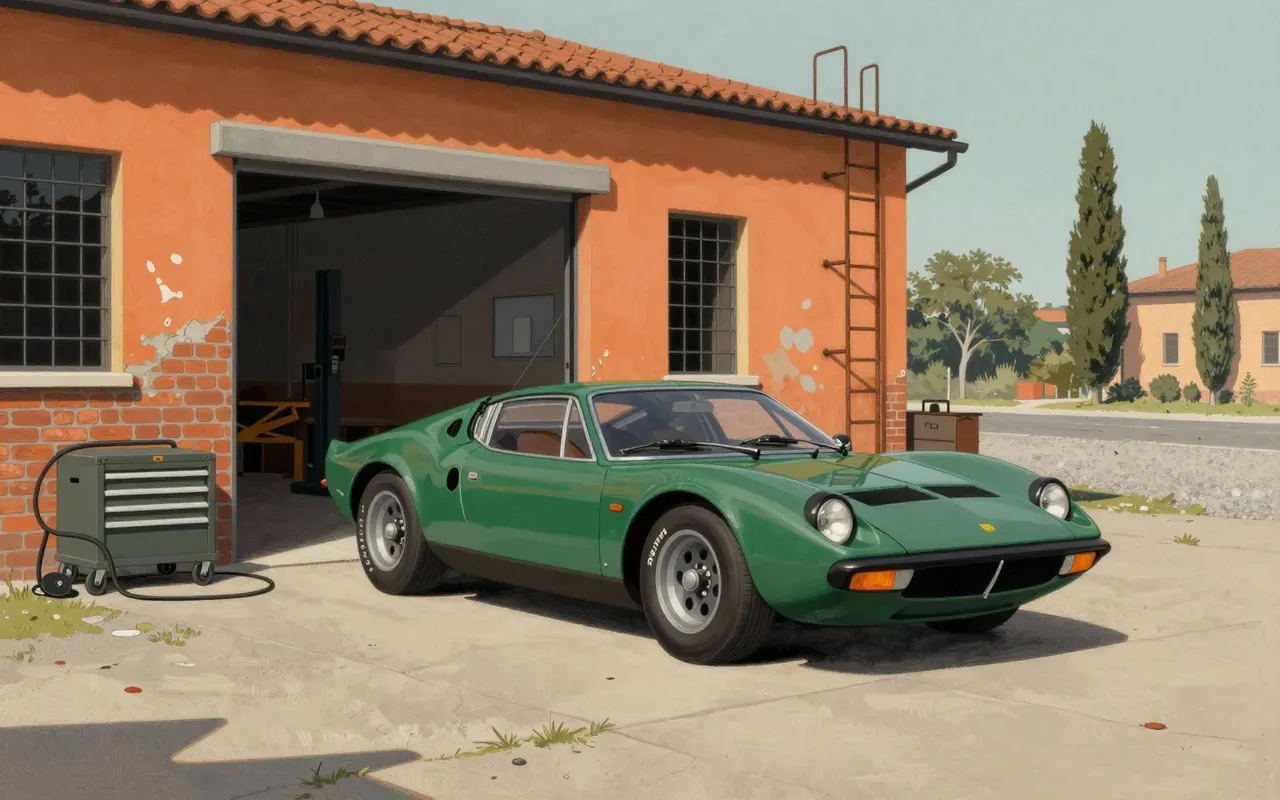
De Tomaso PanteraTom Tjaarda · 1971The De Tomaso Pantera is a mid-engine, rear-wheel-drive sports car designed by Tom Tjaarda at Ghia in 1970 and built by Italian manufacturer De Tomaso from 1971 to 1992. Its steel monocoque chassis was the brand’s first use of that construction. Over 7,000 units were produced—the most of any De Tomaso—with more than three quarters sold through Lincoln-Mercury dealers in the US between 1972 and 1975.
9:09
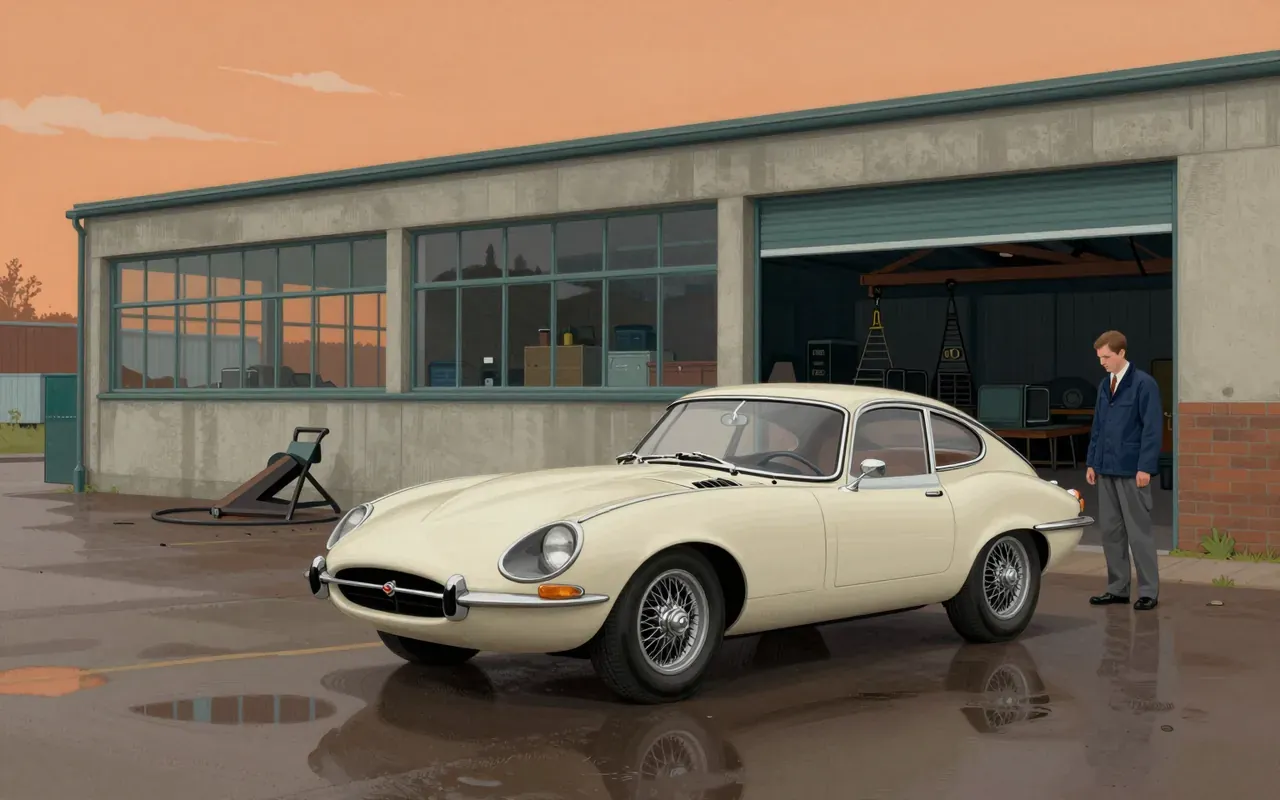
Jaguar E-TypeMalcolm Sayer · 1961The Jaguar E-Type is a British front-engined, rear-wheel drive grand tourer introduced in March 1961 in Geneva. Designed by Malcolm Sayer as a roadster, it was based on the D-Type racing car and used a novel front-subframe-to-body-tub construction that eliminated the ladder frame. It featured independent coil-spring rear suspension, torsion-bar front suspension, and four-wheel disc brakes — inboard at the rear — all power-assisted. Its sleek appearance, advanced technologies, high performance, and competitive pricing established it as an icon. A 2+2 four-seater version was released in 1966.
Up next in Automotive

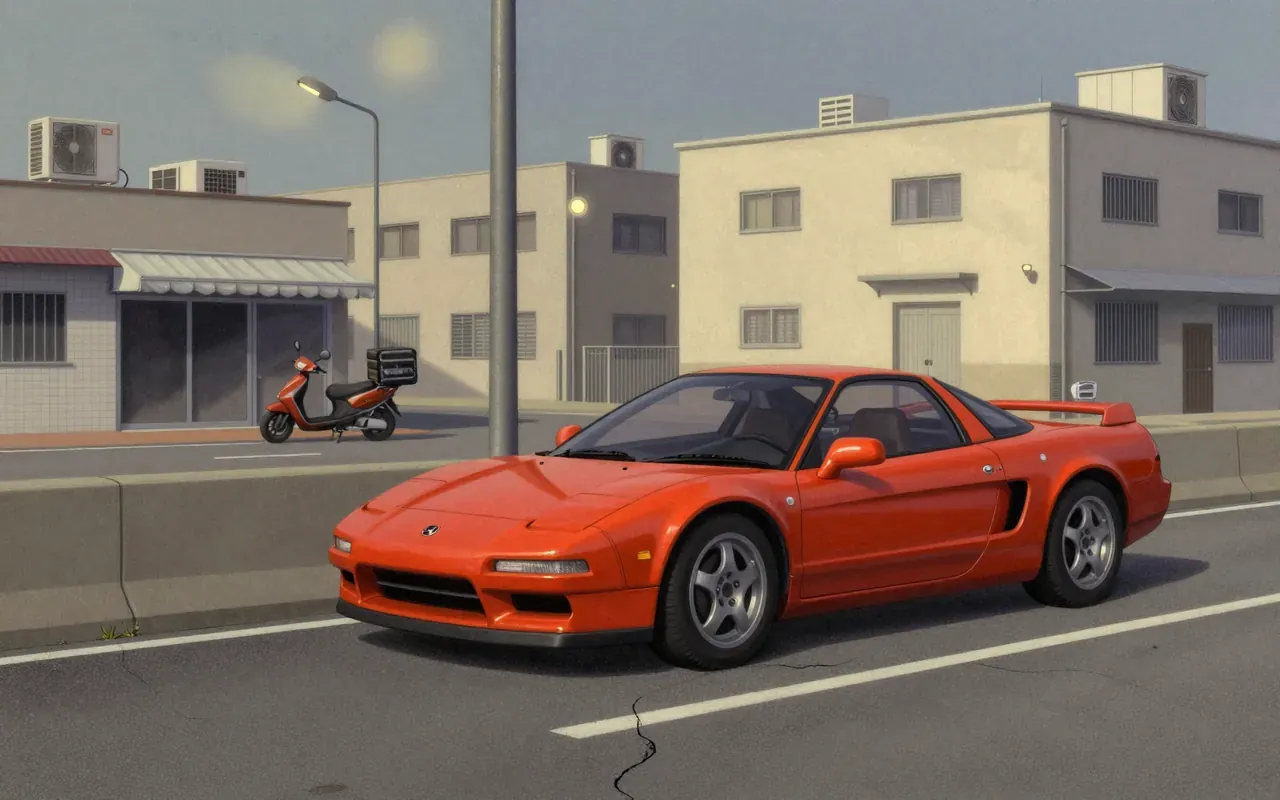
Honda NSX (first generation)

Honda · 1992 · 9:38

It replaced steel with aluminium not to go faster — but to make the car obey the driver, not the road.

9:38