What the car is and where it came from
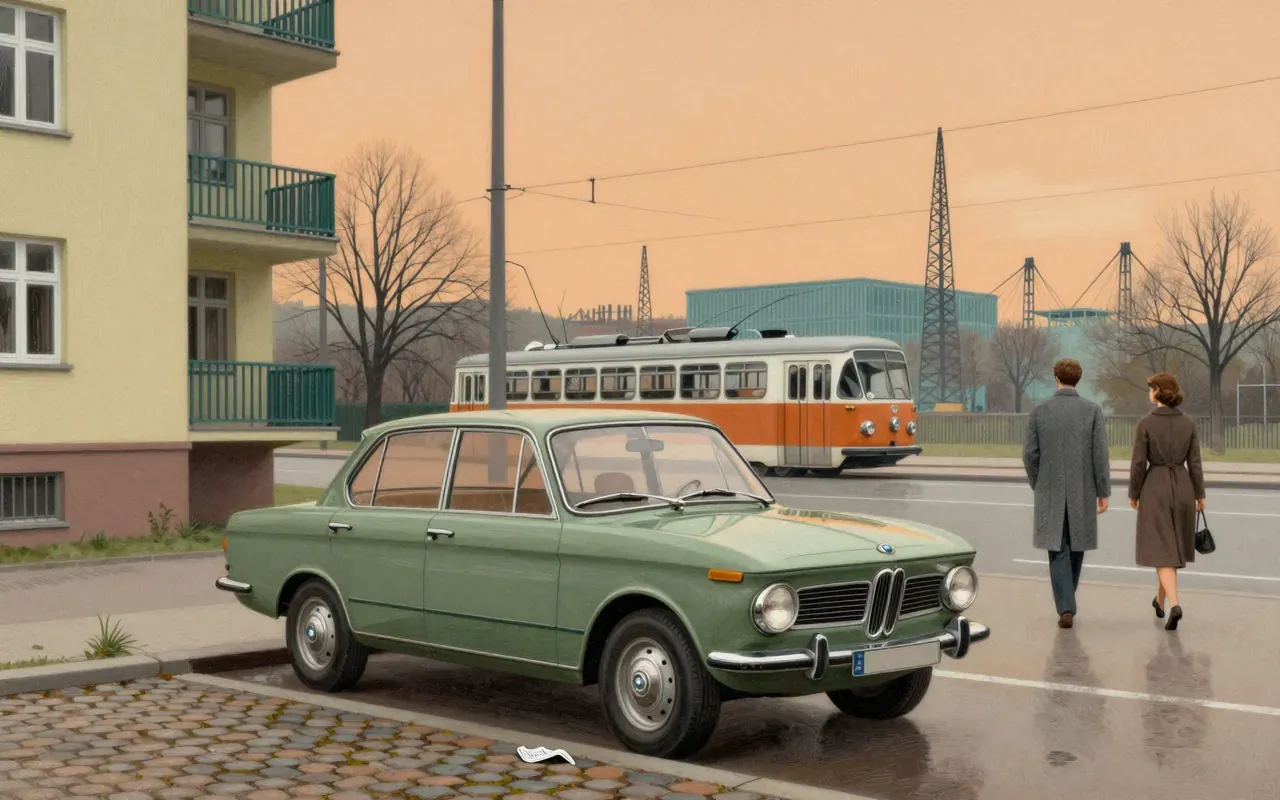
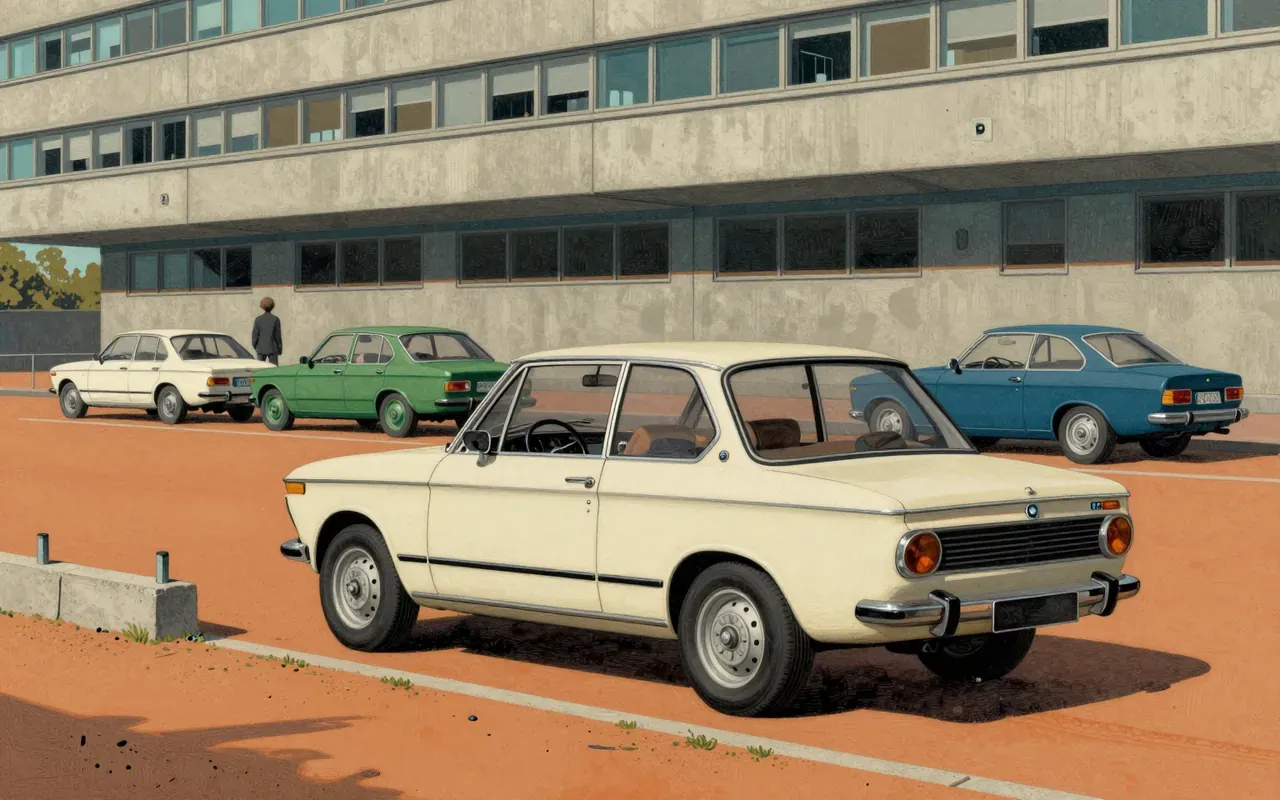
The 2002 is the two-litre car of the BMW 02 Series, a range of sporty compact executive cars built from 1966. The series was based on a shortened New Class saloon. BMW saw a market for a smaller, more affordable two-door version of its four-door executive car, and corporate design director Wilhelm Hofmeister gave the project to staffers Georg Bertram and Manfred Rennen. They cut the wheelbase by 5 cm and the length by about 25 cm, mainly by shortening the rear deck.
The result, the 1600-2, appeared at Geneva in March 1966. It was less well-appointed than the New Class, but lighter, faster and better handling. Helmut Werner Bönsch and Alex von Falkenhausen each fitted a two-litre M10 to a 1600-2 for their own use, then made a joint proposal to the board. Importer Max Hoffman was asking for a sportier 02 for the United States at the same time. European production of the 2002 began in January 1968.
How it works, in terms someone would actually use
The 2002 takes the two-litre M10 engine in two states of tune: a single-carburettor engine making 100 PS, and the dual-carburettor high-compression 2002 ti at 120 PS. An automatic with a ZF three-speed gearbox followed in 1969. In 1971 the ti gave way to the tii, with the 130 PS fuel-injected engine from the 2000 tii and a top speed of 185 km/h.
What it gets right
Its starting point was the formula of the 1600-2: a shorter, lighter body on the New Class underpinnings. The 2002 went on to establish BMW’s reputation for high-quality affordable performance vehicles. The 1971 facelift added the Touring hatchback, wraparound bumpers, a two-piece instrument cluster and new seats. The Touring tii, of which only 422 were made, ended with the tii engine in 1974.
What it does not
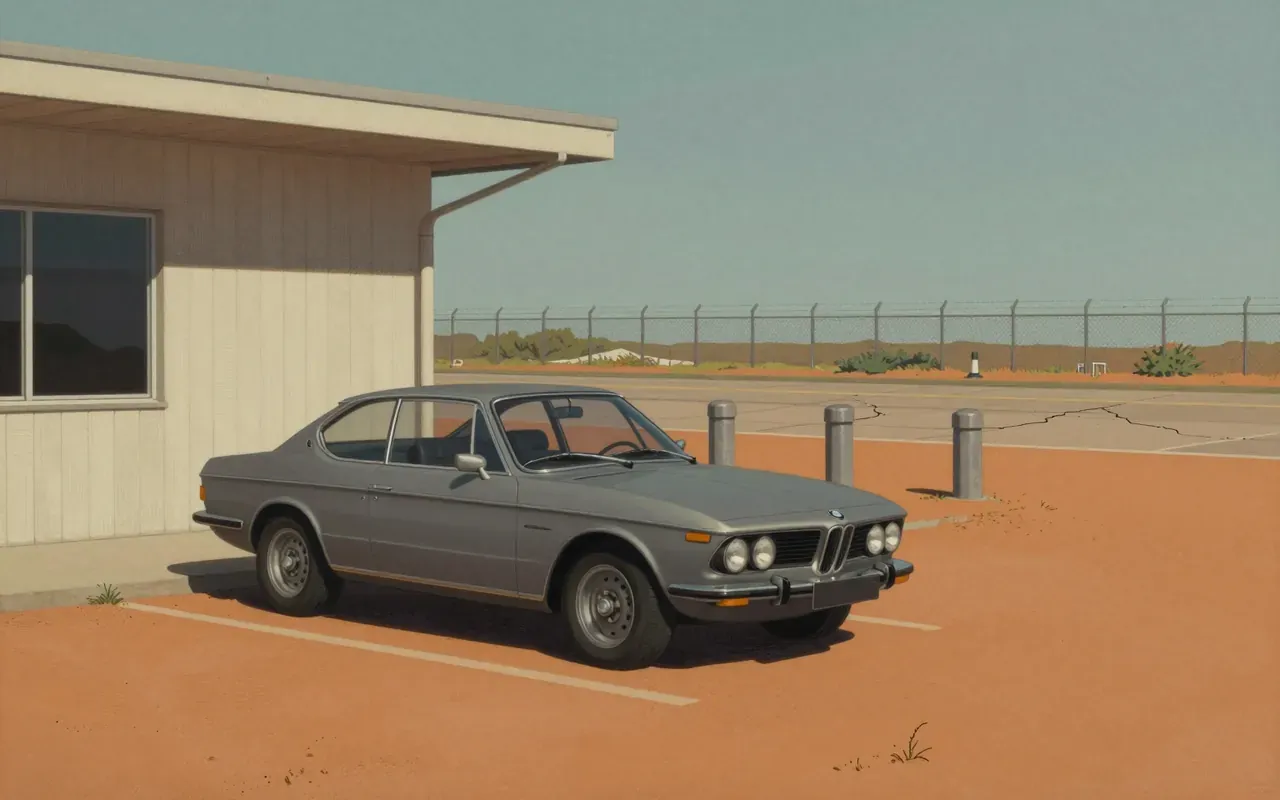
The 1600-2 it grew from was less well-appointed than the New Class saloon it was cut from. The 2002 turbo of 1973 arrived just before the oil crisis, and only 1,672 were built. BMW later said it had built a car that contradicted the spirit of the times like no automobile before. The 2002 GT4, a Frua-designed coupe on a 2002 ti, shown as a concept at Paris in 1969, never reached production, and only two were made in 1969 and 1970.
What it changed
The 2002 turbo (E20), shown at the 1973 Frankfurt Motor Show, was the first turbocharged production car in Europe and for BMW. It made 170 PS and 240 N·m and had a top speed of 211 km/h, with fibreglass wheelarch extensions, a front airdam and a rubber rear spoiler. On the track, 2002s were entered in 600 events from 1968 to 1986 and won 50 overall, and Sobiesław Zasada took the 1971 European Rally Championship in a 2002 ti. In 2015 BMW showed two concepts that paid tribute to the 2002 turbo.
Who it is for, and who it is not
It is for readers curious about how BMW’s performance identity began, and for anyone who wants to follow the family from the 1600-2 to the turbo. It is not for those who want a neat single-model story, because the 2002 sits among many variants.
Is it worth your time
Yes. The 2002 shows how a shortened saloon, a bigger engine and a few well-chosen variants built BMW’s reputation for high-quality affordable performance. The 02 Series was replaced by the E21 3 Series in 1975.