What the car is and where it came from
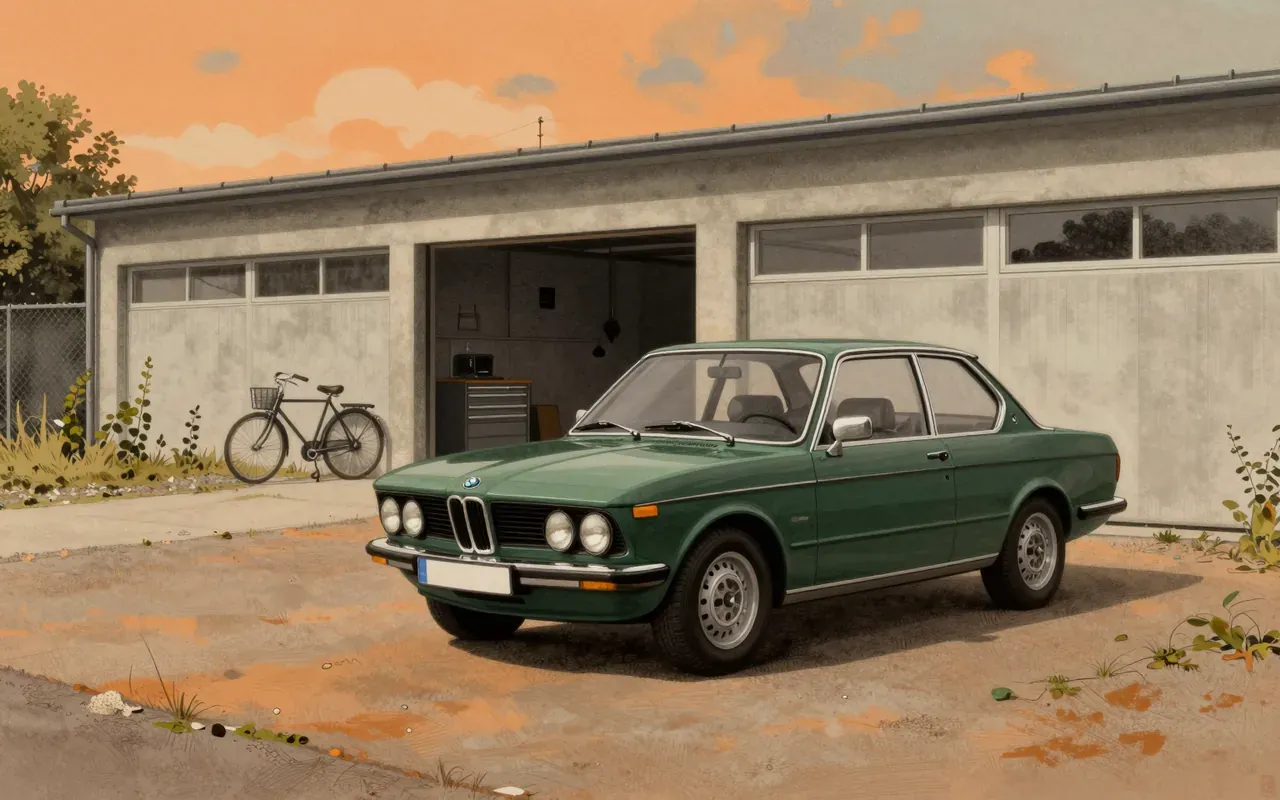
The E21 is the first-generation BMW 3 Series. Paul Bracq designed it as BMW’s new compact executive car. It replaced the 02 Series. Production ran from June 1975 to December 1983.
How it works, in terms someone would actually use
It is a two-door sedan or coupé. Drivers sit in a compact cabin with direct steering feedback. The front-engine, rear-wheel-drive layout places weight over the front axle. Carburetted four-cylinder engines power early models. Fuel injection arrives on the 320i in late 1975. Six-cylinder models use quad round headlights for visual distinction.
What it gets right
It delivers visual clarity through proportion and restraint. The two-door format reinforces agility. Quad round headlights immediately signal six-cylinder capability. The cabin prioritises driver orientation over rear-seat space or cargo volume.
What it does not
It does not offer a Touring variant. It does not have four doors. It does not use diesel or turbocharged engines. It does not include electronic driver aids or structural crumple zones beyond what was standard in 1975.
What it changed
It established the 3 Series as a distinct line separate from the 02 Series. It dropped the Touring body. It introduced fuel injection to the range. It set the template for subsequent generations: rear-wheel drive, compact dimensions, and clear engine hierarchy by headlight count.
Who it is for, and who it is not
It is for drivers who value mechanical honesty and compact proportions. It is not for families needing rear access or cargo capacity. It is not for buyers seeking all-weather versatility or passive safety features.
Is it worth your time
Yes — if you want to understand how BMW defined driver-focused compact saloons. No — if you expect modern ergonomics, safety systems, or body variety.