automotivebriefs
10:45in productionCh. 1 · Not a car. A succession./ 10:45 · ceiling 15 min
Saloons & estates

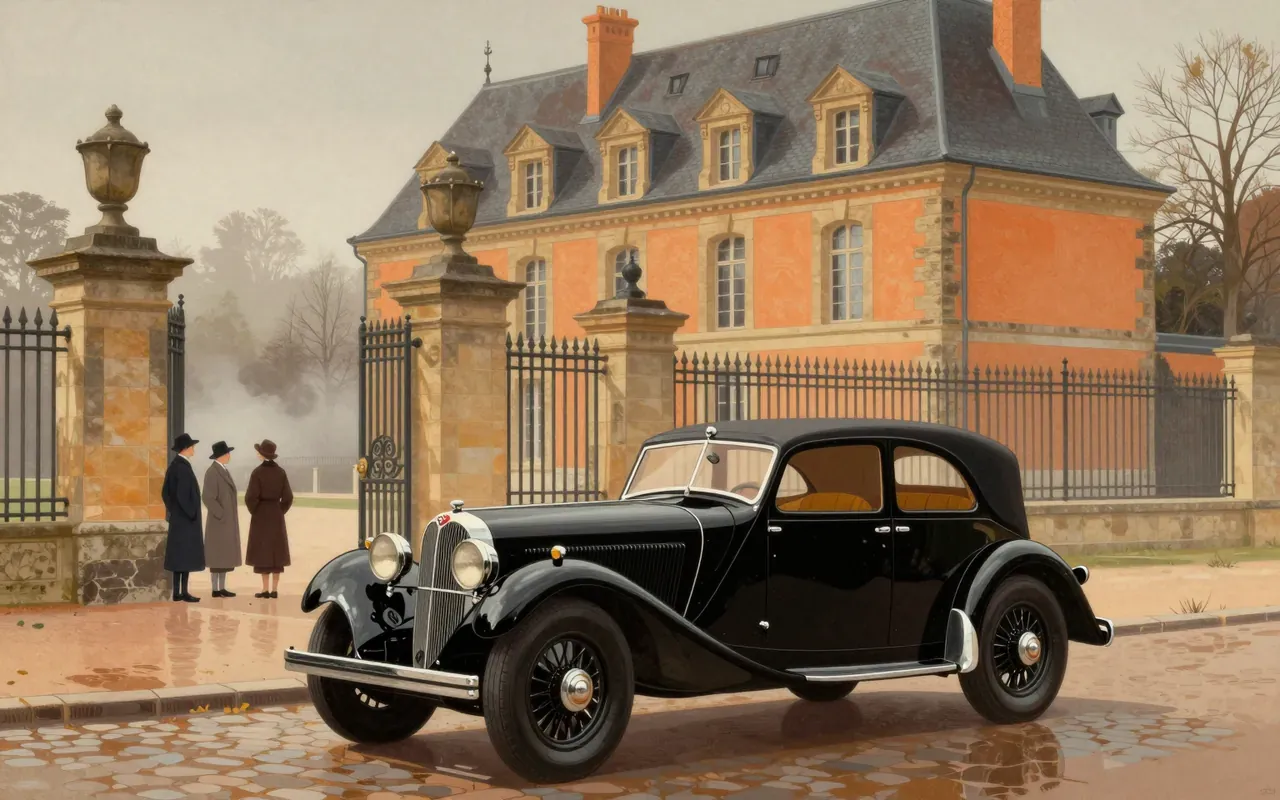
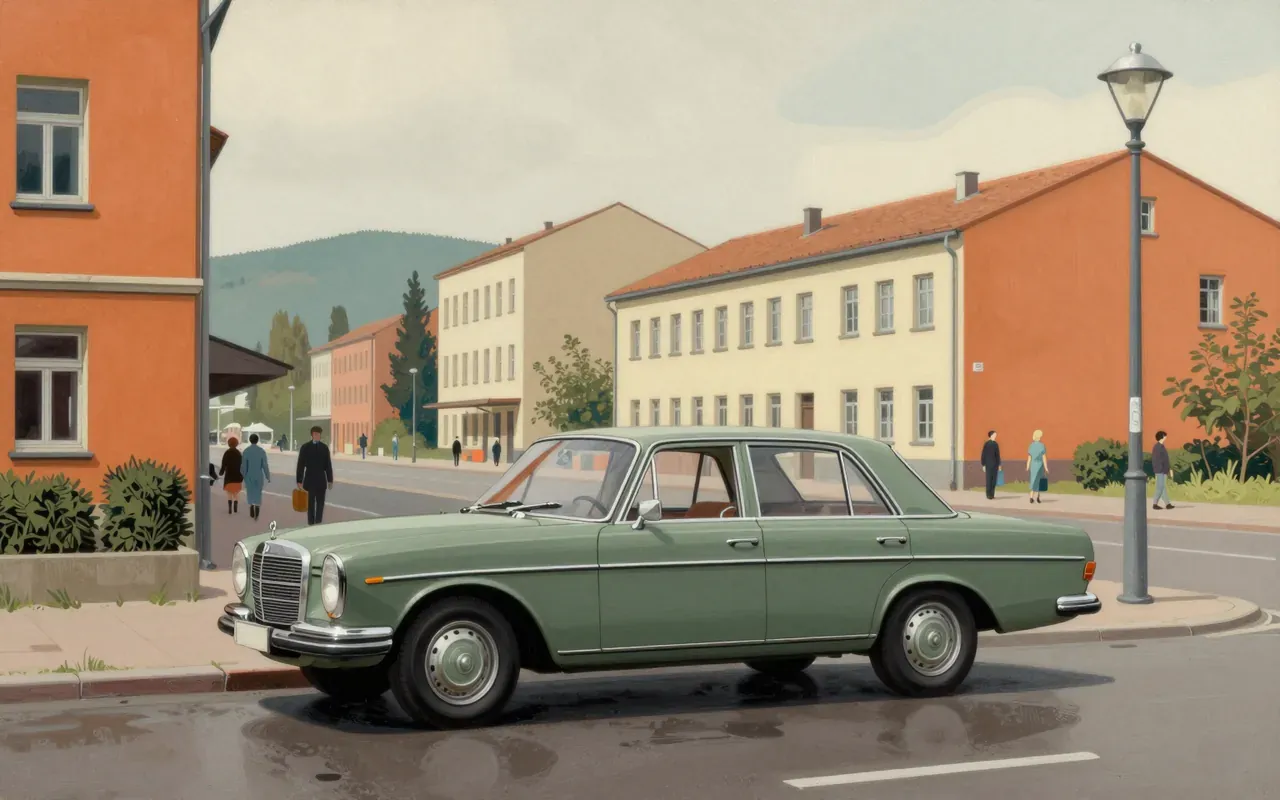
Mercedes-Benz 600

A hydraulic fortress on wheels — built to erase the driver, not empower them.

The Mercedes-Benz 600 is a full-size ultra-luxury limousine line, styled by Paul Bracq in the 1960s, built from 1963 to 1981. It succeeded the Adenauer as Mercedes’ flagship. Its pneumatic self-levelling suspension and hydraulic amenities demanded a bespoke 6.3 L V8. Only 2,677 were built. Short-wheelbase models were owner-driven; long-wheelbase and limousine variants were for chauffeurs. At launch in 1963, it was the most expensive car in the world.

Chapters & takeaways6
  1. 0:49
    Not a car. A succession.

    It replaced the Adenauer as Mercedes’ flagship — a full-size ultra-luxury limousine line, not a model range.

  2. 2:16
    Bracq’s quiet authority

    Paul Bracq shaped its presence during a decade leading Mercedes’ Sindelfingen studio — alongside the Pagoda, W108/W109, and W114/W115 series.

  3. 3:50
    Two cars in one chassis

    Short-wheelbase models were owner-driven; long-wheelbase and limousine variants used central dividers and power windows for chauffeur operation — all riding on pneumatic self-levelling suspension.

  4. 5:14
    Scarcity by design

    At launch in 1963, it was the world’s most expensive car — and only 2,677 were built across Saloon, Pullman, 6-door Pullman, and Landaulet forms.

  5. 6:10
    Power for purpose

    Series production began in August 1963 for the 1964 model year and ran until 1981 — sustained by a bespoke 6.3 L V8, needed because the 600’s size, weight, and hydraulics overwhelmed the M189 six-cylinder.

  6. 7:15
    The Bracq 60s

    It belongs to a distinct group of 1960s Mercedes-Benz models defined by Bracq’s formal discipline — no ornament, no apology, no compromise on scale.

Worth your time?

Yes. Drive the whole thing.

4.5/ 5
What works
  • hydraulic isolation
  • formal authority
  • hierarchical cabin architecture
What does not
  • driver engagement
  • mechanical transparency
  • agility
Drive it if
  • heads of state
  • industrialists
  • dignitaries
Skip it if
  • drivers seeking feedback
  • buyers valuing compactness
The written brief1 min read

What the car is and where it came from

The Mercedes-Benz 600 (W100) is a single-generation line of full-size ultra-luxury limousines and Pullman limousines, made by Daimler-Benz from 1963 through 1981. Paul Bracq styled it during his tenure heading Mercedes-Benz’s design studio in Sindelfingen in the 1960s.

How it works, in terms someone would actually use

The 600 uses a pneumatic self-levelling suspension, inherited from the W112 and upgraded from the Adenauer’s mechanical torsion bar system. Its hydraulically driven amenities — windows, seats, sunroof — rely on a complex comfort hydraulic system. The bespoke 6.3 L V8 engine powers a full-size ultra-luxury limousine built for either owner-driving or chauffeur operation.

What it gets right

It gets right the physical translation of authority: long wheelbases, central dividers, power windows, and self-levelling suspension all enforce separation — between occupant and road, driver and passenger, owner and operator.

What it does not

It does not offer driver engagement. It does not reduce weight or complexity to improve responsiveness. It does not serve buyers who value agility, visibility, or mechanical transparency.

What it changed

It redefined flagship status by replacing the Adenauer with a car that prioritised hydraulic refinement over mechanical simplicity — establishing the template for ultra-luxury as a system of integrated, self-contained comfort.

Who it is for, and who it is not

It is for heads of state, industrialists, and dignitaries who require a mobile private chamber. It is not for drivers seeking feedback, compactness, or mechanical accessibility.

Is it worth your time

Yes — as a definitive statement of automotive hierarchy in the 1960s, engineered to isolate occupants from road and reality alike. Its scarcity (2,677 units), singular purpose, and Paul Bracq’s restrained formal authority make it worth knowing — not for performance, but for intent.
Same garage · Saloons & estates4 of 79
Up next in Automotive

Mercedes-Benz CLK GTR

Gerhard Leiska · 1997 · 9:39

A race car that faked being a road car — and won because of it.

9:39