What the car is and where it came from
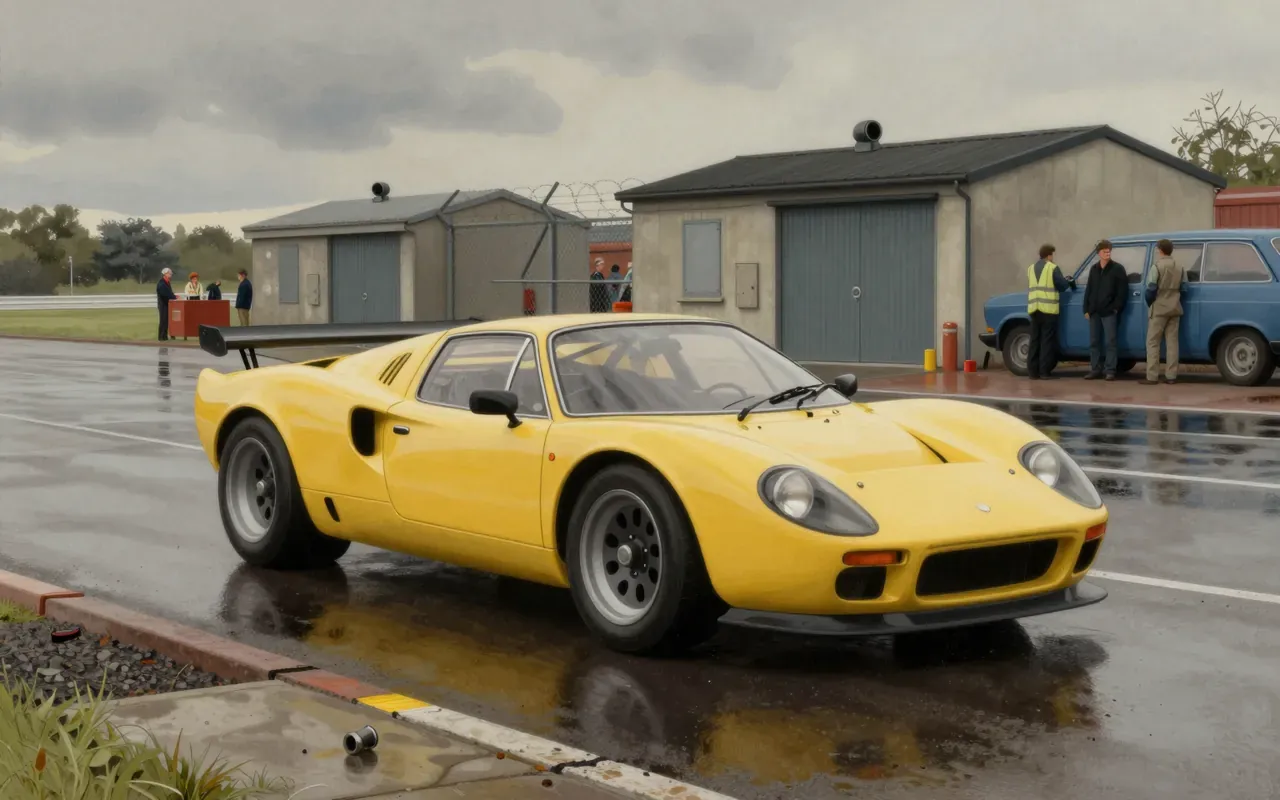
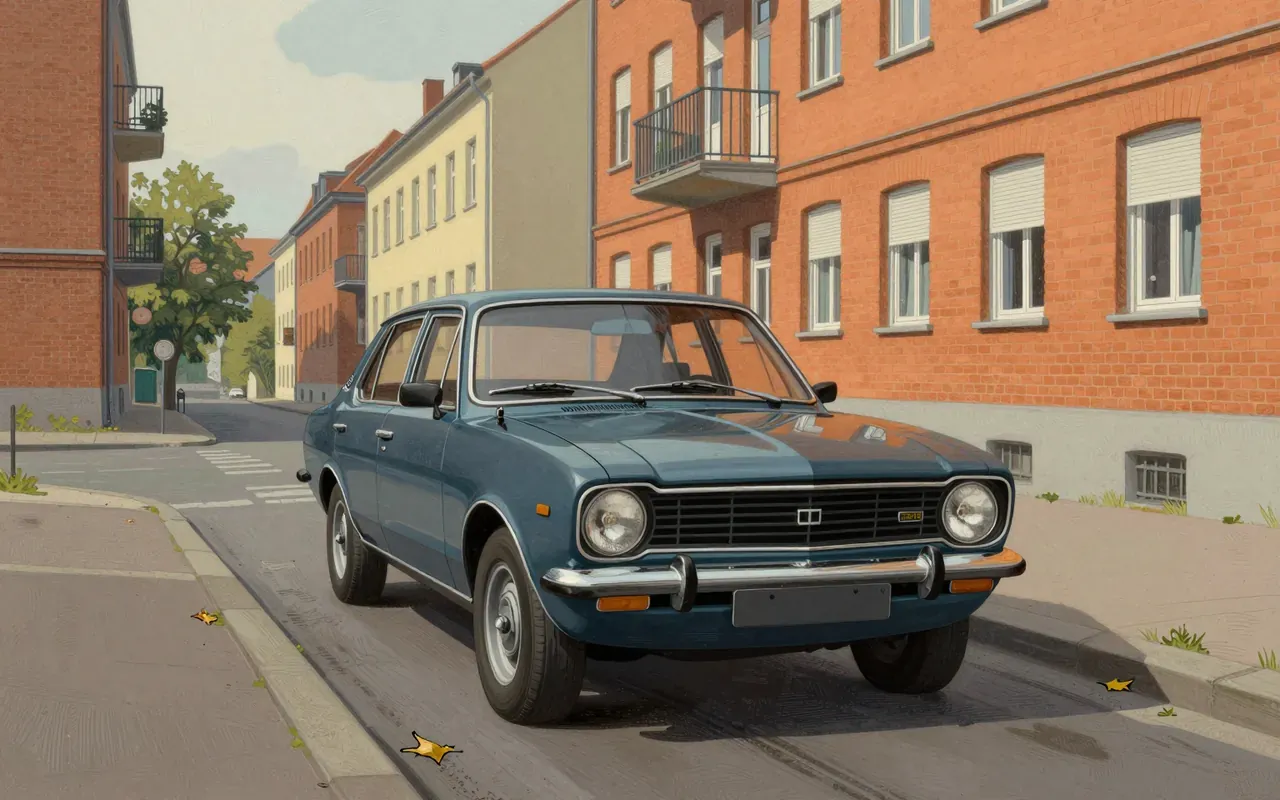
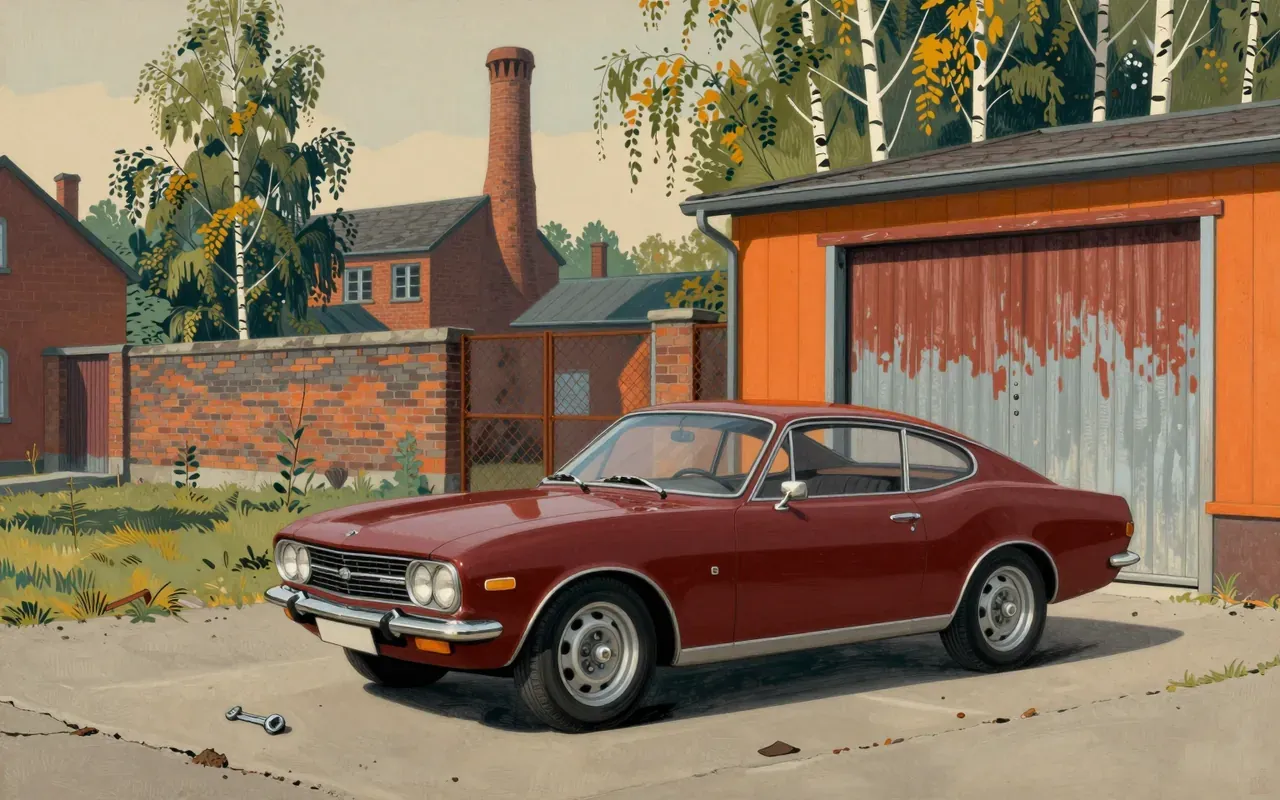
The Opel GT is a front-engine, rear-drive two-seat sports car. Its first generation (1968–1973) began as a 1965 styling exercise shown in Paris and Frankfurt. It used Kadett B mechanicals and Brissonneau & Lotz bodywork. Erhard Schnell styled it as a fastback.
How it works, in terms someone would actually use
It uses Kadett B mechanicals: front-engine, rear-drive layout with a two-seat fastback body built by Brissonneau & Lotz. The driver sits low, behind a small-diameter wheel, with pedals and gear lever placed for reach, not race. The 1.1 L or 1.9 L OHV inline-four engines drive through a four-speed manual. No power steering. No servo-assisted brakes.
What it gets right
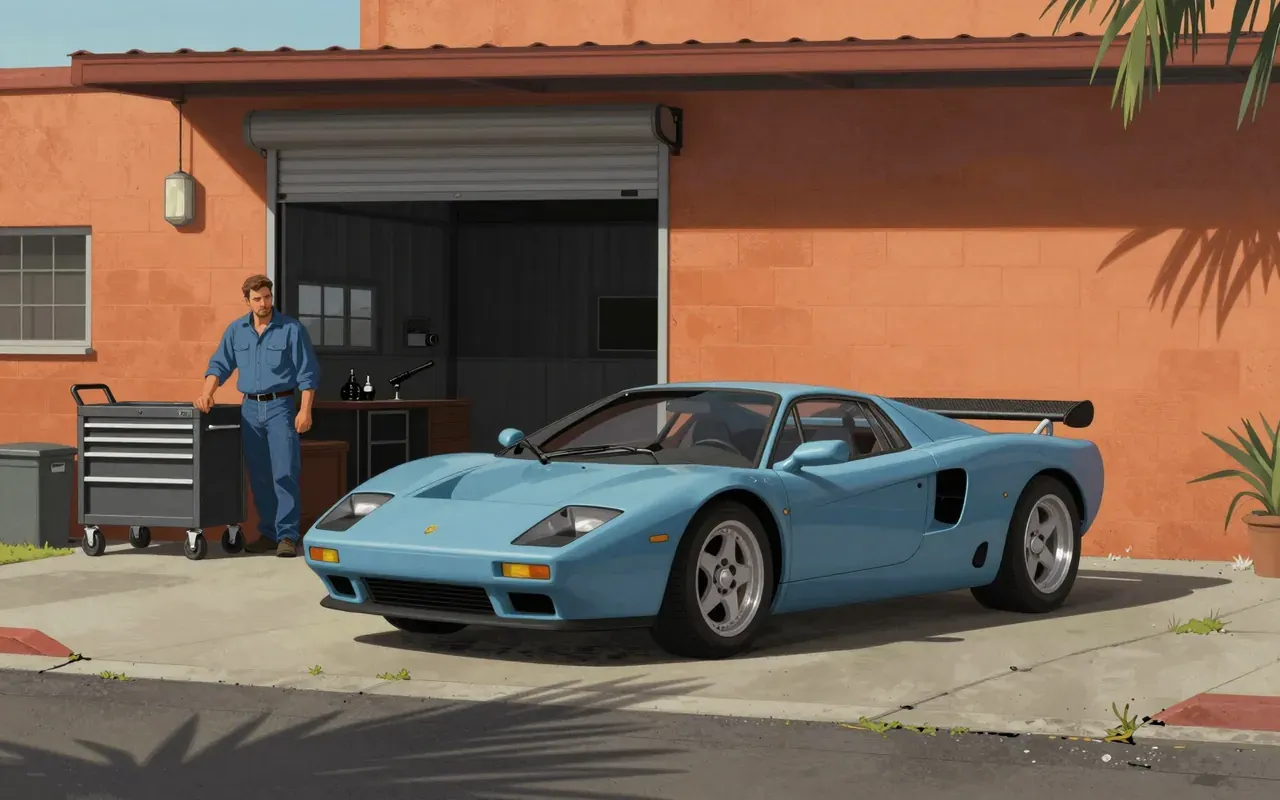
It gets the proportions right: long bonnet, short rear deck, steeply raked windscreen, pop-up headlights. It gets the seating position right: low, central, eyes level with the bonnet line. It gets the driving interface right: direct, unassisted, immediate.
What it does not
It does not offer high-speed stability at motorway pace. It does not isolate the driver from road noise or suspension movement. It does not provide rear visibility. It does not use a modern chassis architecture or independent rear suspension.
What it changed
It proved a mass-market German manufacturer could build a credible, affordable two-seater sports car without bespoke engineering—using existing parts, outsourced bodywork, and styling as the primary differentiator.
Who it is for, and who it is not
It is for drivers who value compact dimensions, clear sightlines, and tactile feedback over power or comfort. It is not for those who need luggage space, rear visibility, or assisted controls.
Is it worth your time
Yes—if you want a compact, driver-focused RWD sports car from the late 1960s that prioritises visibility, lightness and visual drama over outright performance or refinement.