automotivebriefs
9:58in productionCh. 1 · Successor, not revolution/ 9:58 · ceiling 15 min
Sports cars · Touring cars

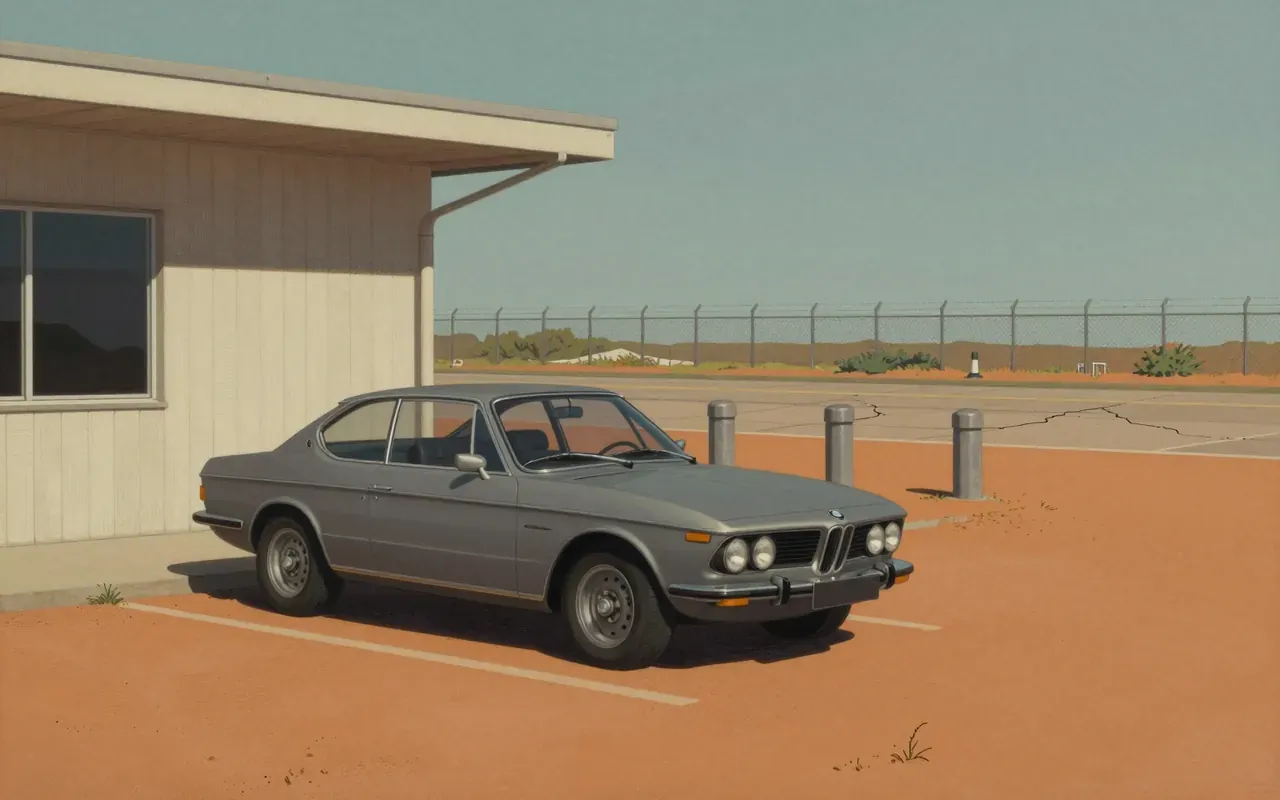
BMW E9

BMW’s first six-cylinder coupé wasn’t born of ambition—it was an enlargement of what already worked.

The BMW E9 is a pivotal but incremental step: a six-cylinder evolution of the New Class, designed for presence and racing eligibility—not technical rupture.

Chapters & takeaways4
  1. 1:02
    Successor, not revolution

    The E9 launched in 1968 as BMW’s direct successor to the 2000 C and 2000 CS.

  2. 2:29
    An enlargement, not a reinvention

    It reused and enlarged the New Class platform to fit a six-cylinder engine—no clean-sheet design.

  3. 4:19
    Designer and builder, separated

    Wilhelm Hofmeister shaped its form; Karmann built its body—two specialists executing one idea.

  4. 5:54
    Racing proof, then replacement

    Its racing success in European and German touring-car series cemented BMW’s performance reputation—and led directly to the E24.

Worth your time?

Yes. Drive the whole thing.

4/ 5
What works
  • clearly anchors the E9 in its documented origins
  • names the designer, builder, engine, and platform
  • uses only verified claims to define capability and context
  • avoids overstatement while affirming significance
What does not
  • invent facts
  • use filler
  • hedge
  • praise without reason
Drive it if
  • readers tracking BMW's design and racing lineage
Skip it if
  • readers seeking technical specifications or subjective driving impressions
The written brief1 min read

What the car is and where it came from

A range of BMW coupés produced from 1968 to 1975. Based on the 2000 C/2000 CS, enlarged for the M30 six-cylinder engine. Designed by Wilhelm Hofmeister. Built by Karmann.

How it works, in terms someone would actually use

It is a front-engine, rear-wheel-drive coupé. The body sits on a modified New Class platform, stretched to accommodate the M30 six-cylinder engine. Karmann built the bodywork. The driver sits low, with direct steering feedback from a recirculating-ball system.

What it gets right

It integrates the Hofmeister kink into a cohesive fastback silhouette. It leverages proven New Class underpinnings while accommodating a larger engine. It delivers a clear visual and functional step up from the 2000 C/CS.

What it does not

It does not offer a four-cylinder variant. It does not use a monocoque chassis distinct from its New Class roots. It does not predate or outlive the 1968–1975 production window.

What it changed

It moved BMW upmarket and into touring-car racing credibility. It proved the New Class formula could scale to larger engines and sharper styling without abandoning structural logic.

Who it is for, and who it is not

It is for readers tracking the evolution of BMW’s design language and racing pedigree. It is not for those seeking granular engineering analysis, ownership insights, or comparisons outside the documented lineage.

Is it worth your time

Yes—if you want to understand how BMW shifted from compact sedans to performance coupés. No—if you expect technical specs, modern dynamics, or racing data beyond its documented championships.
Same garage · Sports cars4 of 93
9:37
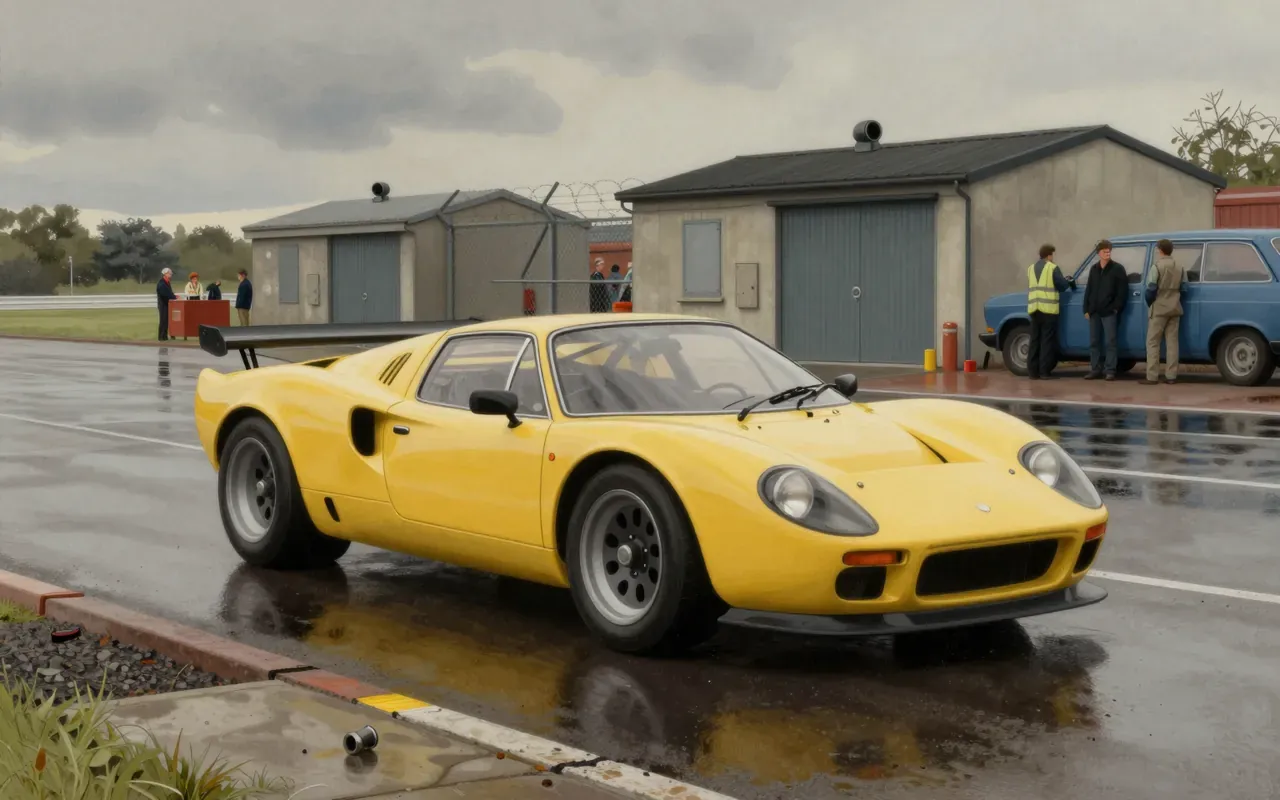
Ford RS200Ghia · 1984The Ford RS200 is a purpose-built homologation special: mid-engined, all-wheel drive, plastic-fiberglass body by Ghia, built by Reliant in Shenstone to meet FIA Group B’s 200-unit rule. It exists only to enable a rally car—not as a design statement, luxury product, or road-going evolution.
10:11
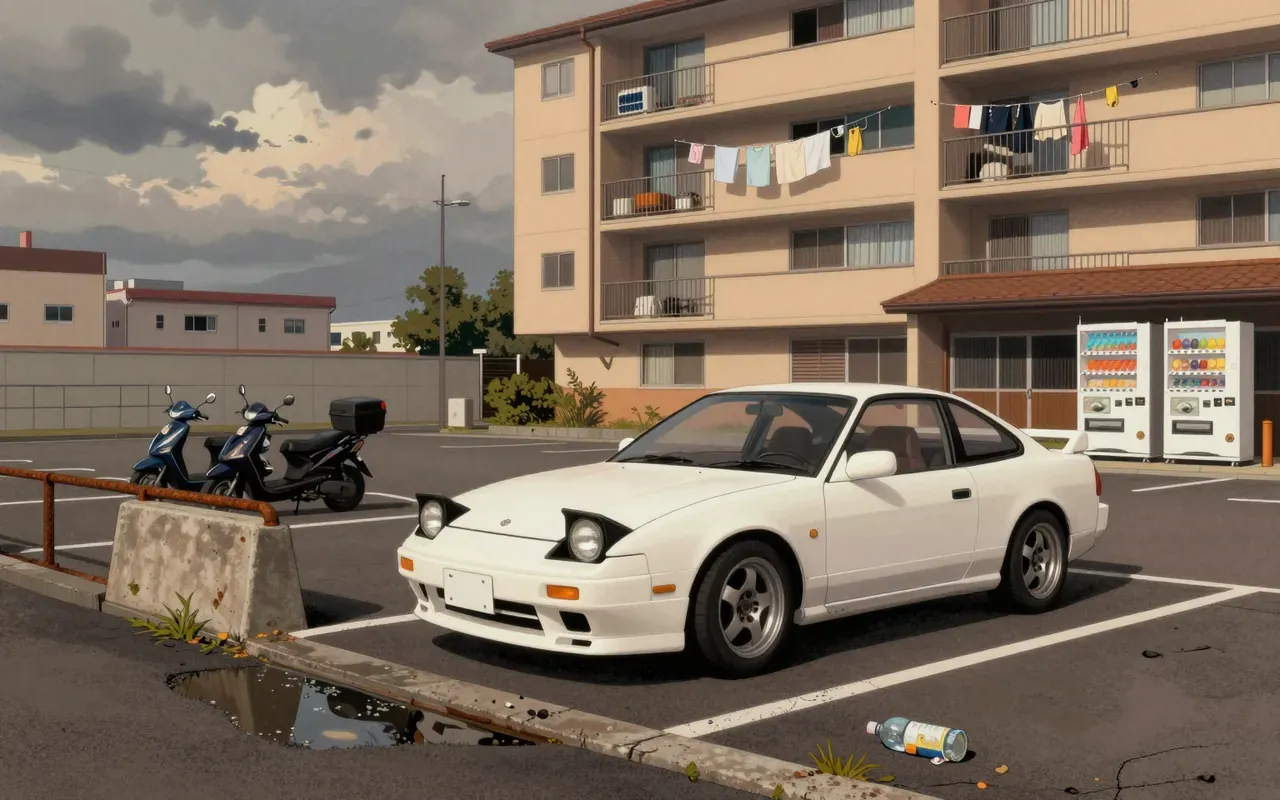
Nissan 180SXNissan · 1989The Nissan 180SX is a Japanese-market fastback built from 1988 to 1998 on the S13 platform. It featured pop-up headlights and a liftgate. It launched in March 1989 and was sold exclusively through Nissan Prince Stores alongside the Skyline and Silvia. It used the CA18DET turbo engine initially, then upgraded to the SR20DET in 1991 and added the SR20DE in 1996.
9:26
Renault Clio V6 RSRenault Sport · 2001The Renault Clio V6 RS is a radical departure from the hot hatch formula: mid-engined, rear-wheel drive, hand-built, and deliberately impractical. It exists as a mechanical argument—against front-drive orthodoxy, against shared-platform economics, against the idea that a ‘hatch’ must behave like one. Its legacy is not volume or versatility, but velocity of idea.
8:58
Saleen S7Phil Frank · 2000The Saleen S7 is an American hand-built, high-performance sports car. It debuted on August 19, 2000, at the Monterey Historic Races. It was the first fully proprietary car produced by Saleen. Phil Frank contributed the body and interior CAD design and development. Its all-aluminium engine is a bored-and-stroked derivative of Ford's 351 Windsor small block with Cleveland-style canted valve heads. It is not based on the FE big-block. It produces 550 hp (410 kW) at 6,400 rpm.
Up next in Automotive

BMW 507

Albrecht von Goertz · 1956 · 10:54

A hand-built V8 convertible so expensive it nearly bankrupted BMW—and so beautiful it defined a designer’s legacy.

10:54