automotivebriefs
11:02in productionCh. 1 · Not for sale/ 11:02 · ceiling 15 min
Concepts & prototypes

Alfa Romeo Carabo

The Carabo didn’t predict the future — it built the grammar the future would speak.

The Alfa Romeo Carabo is a 1968 concept car designed by Marcello Gandini at Bertone. It debuted at the 1968 Paris Motor Show. It used the chassis of an Alfa Romeo 33 Stradale with a mid-mounted 2.0 L V8 engine and 6-speed Colotti manual transmission. It featured scissor doors — the first known use — and iridescent green-orange colouring inspired by Carabidae beetles. Built in ten weeks using fiberglass, it was never intended for production but was fully functional. It helped establish the wedge shape trend in 1970s supercars and concept cars. Gandini’s design philosophy prioritised vehicle architecture and mechanics over styling.

Chapters & takeaways6
  1. 0:54
    Not for sale

    A 1968 Bertone concept, not a production car — built fast, shown once, and never meant to sell.

  2. 1:56
    Built to move

    Ten weeks. Fibreglass. Fully functional. First known use of scissor doors.

  3. 3:01
    Form as function

    Beetle-inspired colouring and wedge geometry were architectural choices — not decoration.

  4. 4:20
    Engineered, not styled

    It used the 33 Stradale’s mid-mounted 2.0 L V8 — 230 bhp at 8,800 rpm — mated to a 6-speed Colotti manual.

  5. 5:28
    The wedge begins here

    Gandini prioritised vehicle architecture and mechanisms — the Carabo proved that philosophy could define a decade.

  6. 7:11
    Blueprint for the future

    One of Gandini’s earliest wedge concepts — and the first in a lineage that includes the Miura, Countach, and Stratos Zero.

Worth your time?

Yes. Drive the whole thing.

4.5/ 5
What works
  • wedge geometry as packaging solution
  • scissor doors as structural response to low roofline
  • iridescent finish as biological reference, not ornament
What does not
  • production viability
  • daily usability
  • ergonomic accommodation
Drive it if
  • designers
  • engineers
  • automotive historians
Skip it if
  • collectors seeking drivable classics
  • buyers expecting utility
The written brief2 min read

What the car is and where it came from

The Alfa Romeo Carabo is a 1968 concept car. Marcello Gandini designed it while working at Bertone. It debuted at the 1968 Paris Motor Show. It uses the chassis of an Alfa Romeo 33 Stradale (No. 750.33.109), with a mid-mounted 2.0 L V8 and 6-speed Colotti manual transmission.

How it works, in terms someone would actually use

It is a fully functional prototype. Its mid-mounted 2.0 L V8 engine delivers 230 bhp at 8,800 rpm. A 6-speed Colotti manual transmission sends power to the rear wheels. The driver operates scissor doors — lifting the handle triggers a hydraulic pivot that swings the door upward and forward.

What it gets right

It resolves architecture and aesthetics in one gesture. The wedge shape is not decorative: it follows the packaging of the 33 Stradale chassis and engine. The iridescent green and orange finish directly references Carabidae beetles — a biological logic made visible. Scissor doors serve the low roofline without compromising structural integrity.

What it does not

It does not attempt production viability. It makes no concessions to ergonomics, service access, crash safety, or daily usability. Its fiberglass body was built in ten weeks — a demonstration of speed and vision, not durability or scalability.

What it changed

It helped establish the wedge shape as the dominant language of 1970s supercars and concept cars. Its architecture-first approach — prioritising mechanics and assembly over surface styling — influenced Gandini’s later work and reshaped expectations for what a concept car could demonstrate.

Who it is for, and who it is not

It is for designers, engineers, and historians who study how form follows function — not as a slogan, but as a sequence of physical decisions. It is not for collectors seeking drivable classics, nor for buyers expecting utility or comfort.

Is it worth your time

Yes. It is a pivotal machine in automotive design history. Its wedge form, structural logic, and mechanical honesty make it more than a spectacle. It rewards close attention from anyone who cares how cars are conceived, not just how they look.

Same garage · Concepts & prototypes4 of 24
8:49
Buick Y-JobHarley Earl · 1950The Buick Y-Job is the first concept car — a 1938 Buick convertible built to test design ideas, not sell units. Designed by Harley Earl, it used a Buick Super chassis and featured power-operated hidden headlamps, electric windows, and styling cues that defined Buick for decades. It became Earl’s daily driver after public debut. It changed how mass manufacturers develop cars: by treating design as a public-facing experiment.
10:45
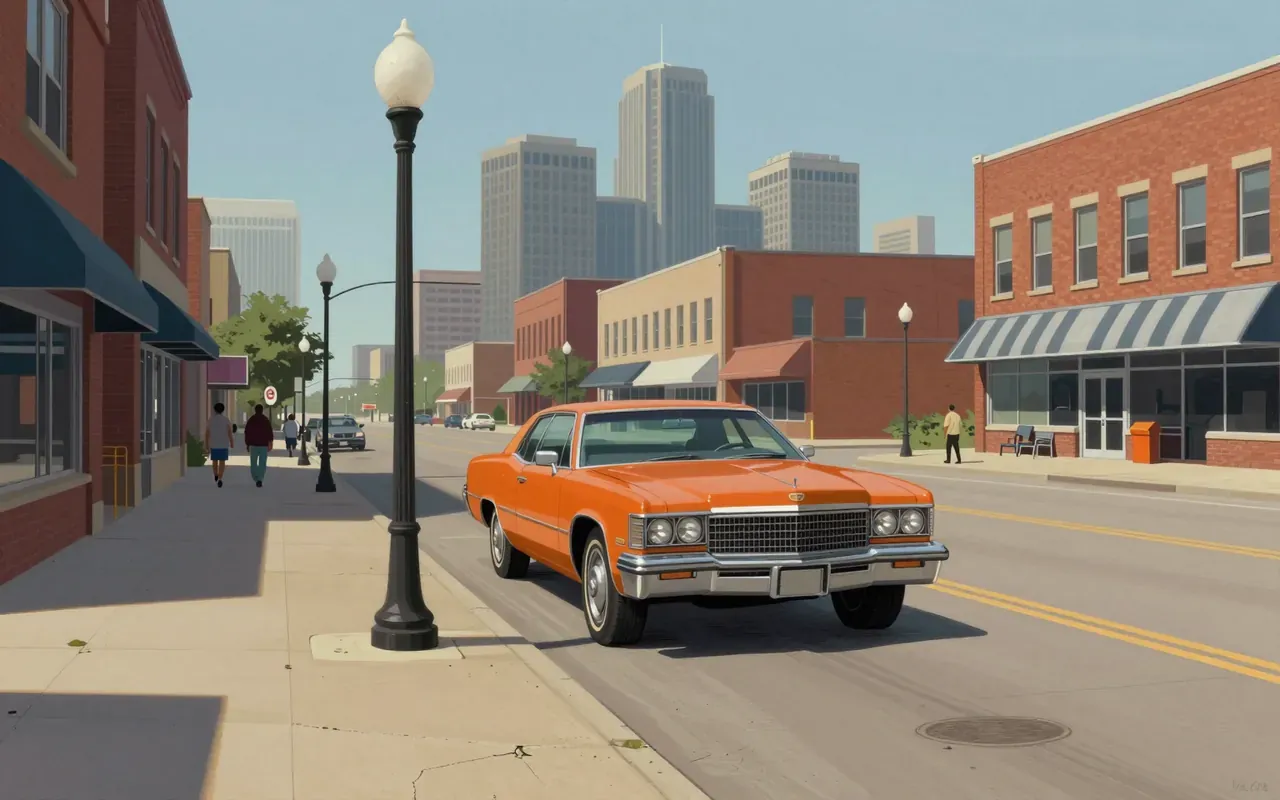
Cadillac SixteenBrian Smith · 2005The Cadillac Sixteen is a 2003 concept car. It has a proprietary 13.6 L V16 engine. It uses a four-speed automatic transmission driving the rear wheels. It references the 1930s Cadillac V-16. It weighs about 5,005 lb. It influenced later models including the Celestiq.
9:24
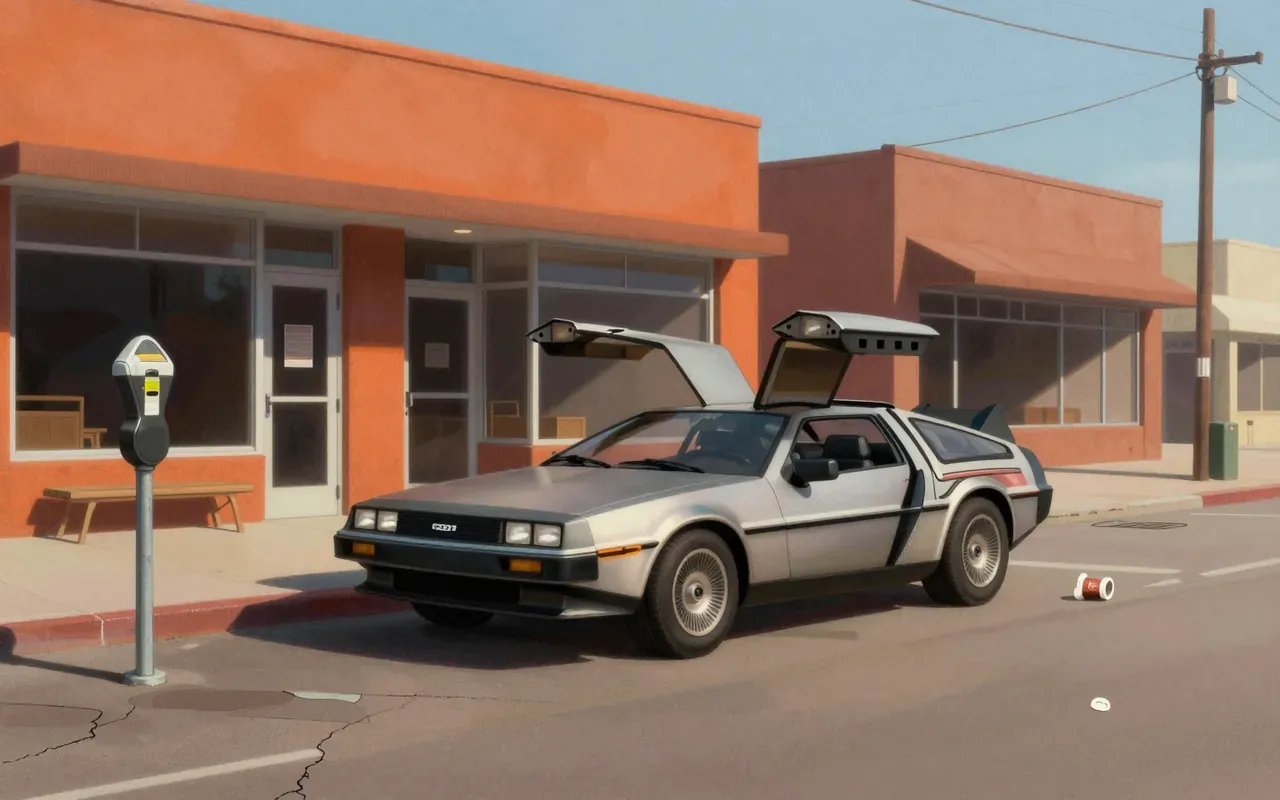
DMC DeLoreanGiorgetto Giugiaro · 1981The DMC DeLorean is a rear-engine, two-seat sports car designed by Giorgetto Giugiaro and produced by the DeLorean Motor Company from 1981 to 1983. It features gull-wing doors, unpainted brushed stainless-steel body panels, and a 2.85 L PRV V6 engine shared with Peugeot, Renault, and Volvo. Approximately 9,000 units were built before the company’s bankruptcy. Though criticized for modest performance and build quality, it gained iconic status through the Back to the Future films.
8:25
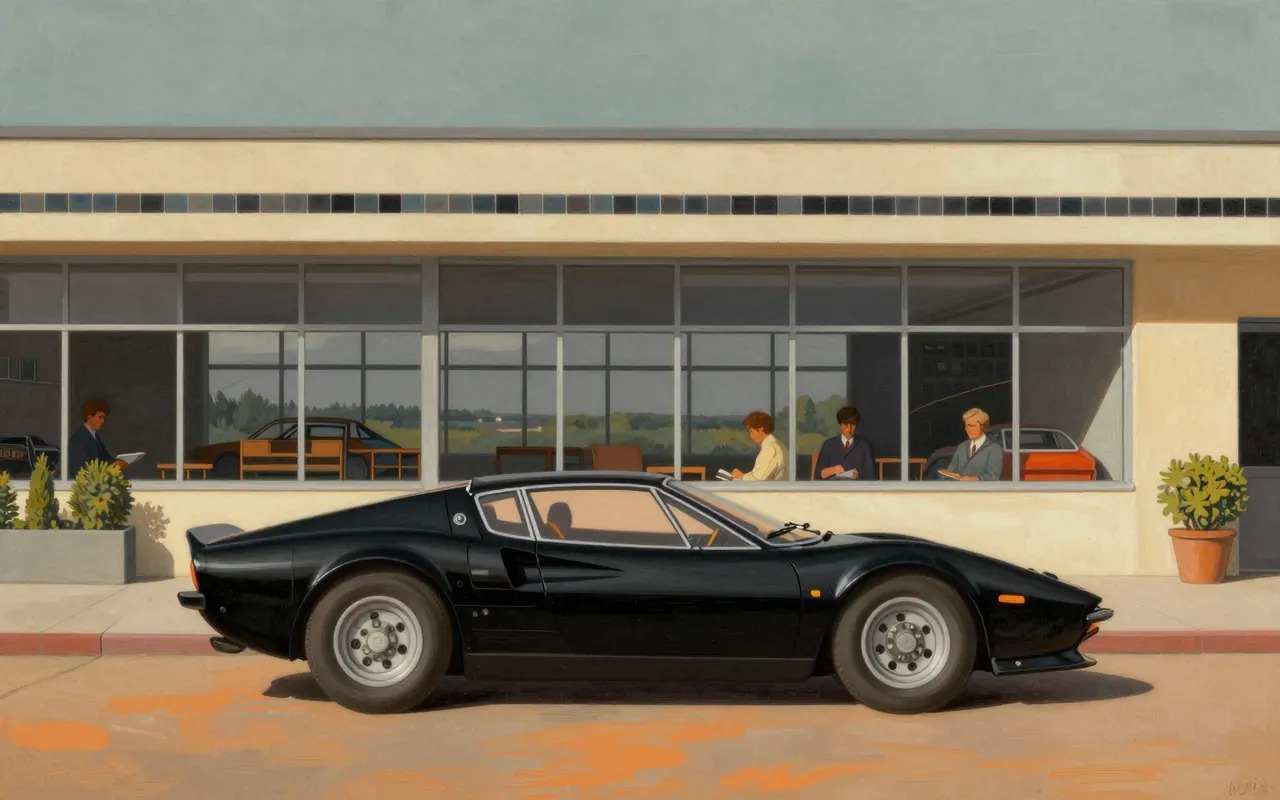
Ferrari ModuloPaolo Martin · 1970The Ferrari Modulo is a static concept car built by Pininfarina on a de-powered Ferrari 512 S chassis. It debuted black at Geneva 1970. Its wedge shape, sliding canopy and exposed V12 defined a new visual language — one that influenced 1970s car design more than any production model.
Up next in Automotive

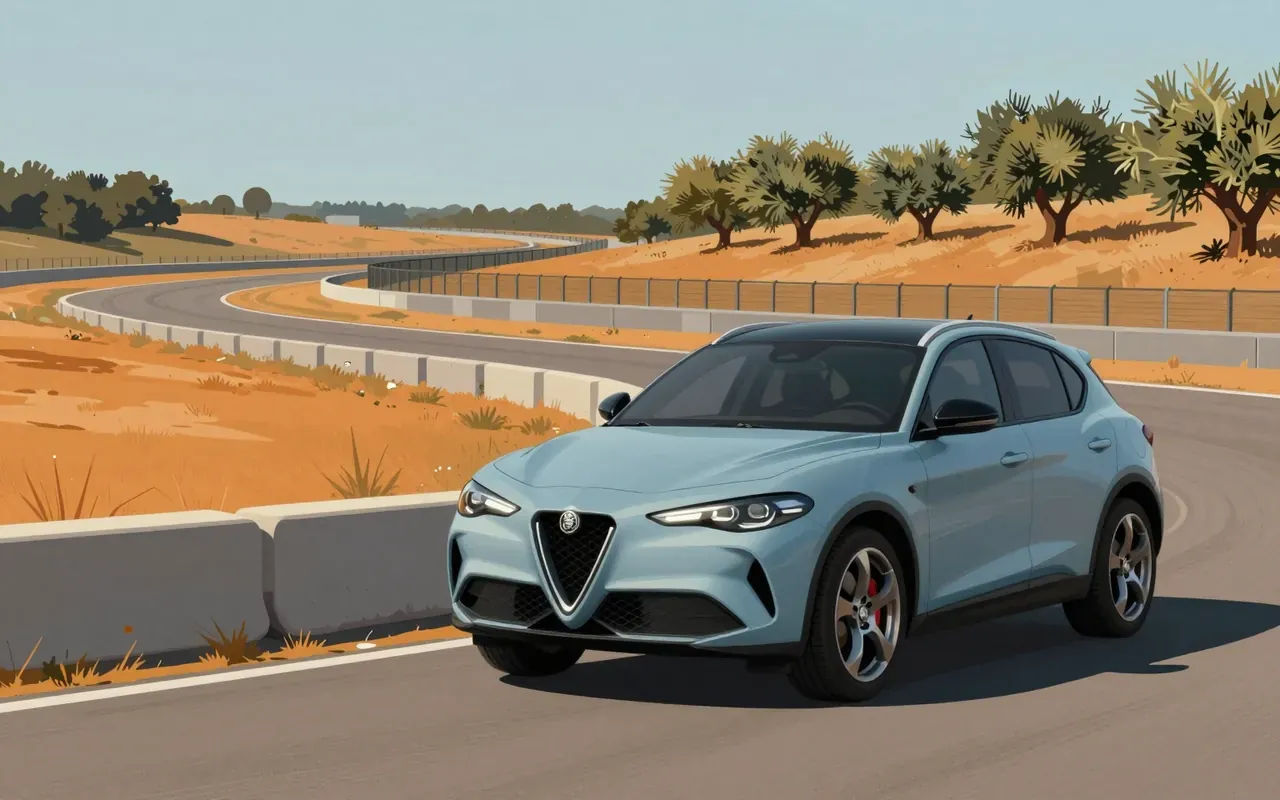
Alfa Romeo Tonale

Alfa Romeo Centro Stile · 2022 · 13:50

Alfa Romeo’s first hybrid is a compromise dressed as continuity — and it had to be.

13:50