Saved
Sports cars

Peugeot RCZ

A coupé built to be seen—not driven hard.

Worth your time?3.5/5Yes.Drive the whole thing.What works, what does not, who it is for ↓
9:26in productionCh. 1 · Where it came from/ 9:26 · ceiling 15 min
4 chapters · 9:26Ceiling 15:00

The brief is written and checked. The video joins this page when it is cut.4 chapters · 1 min read · 9:26 planned

Read the brief

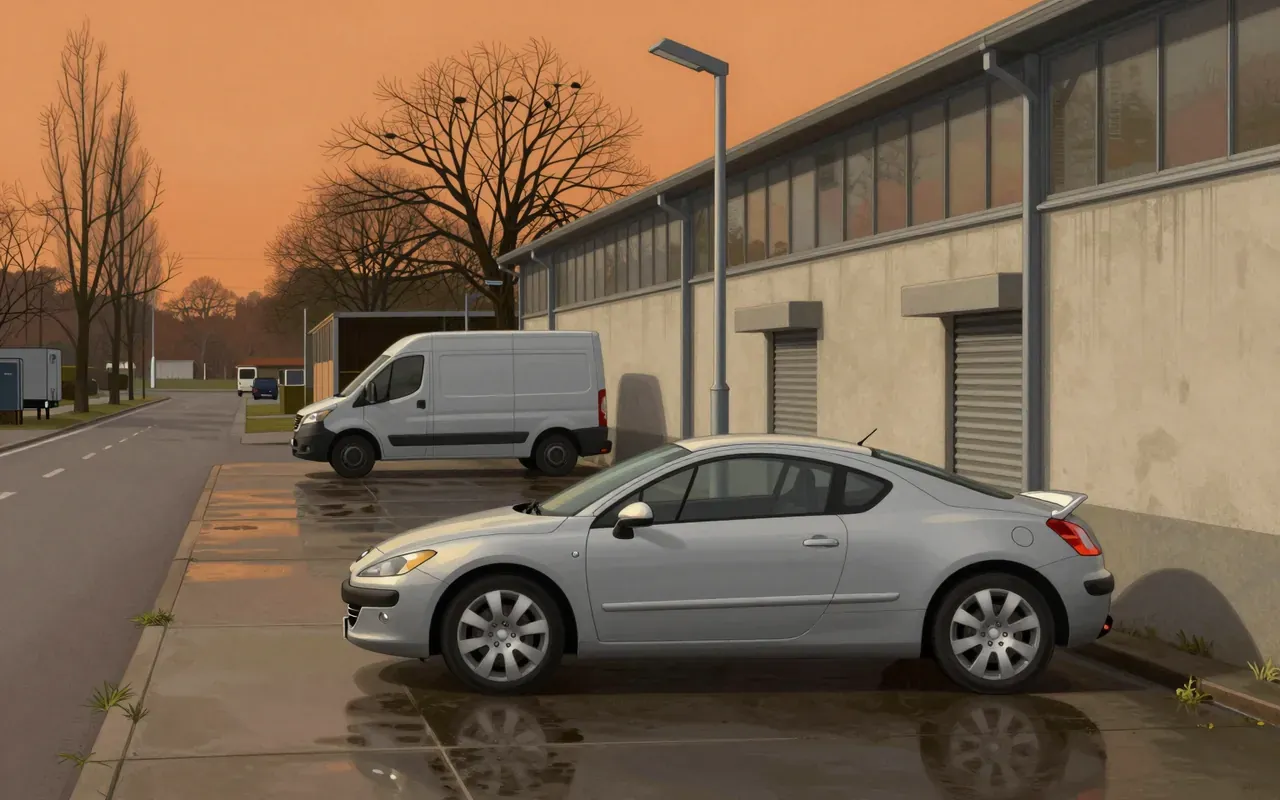
The Peugeot RCZ is a French-designed sports coupé assembled in Austria from 2009 to 2015. It has a front-engine, front-wheel-drive layout and a 2+2 seating configuration. Its double-bubble roof draws direct inspiration from Zagato. It evolved from the 308 RCZ concept shown at the 2007 Frankfurt Auto Show and entered production after strong critical acclaim. It was formally introduced at the 2009 Frankfurt Motor Show and launched into production late that year.

Chapters & takeaways4
  1. 0:51
    Where it came from

    It was designed in France, shown in Frankfurt, and built in Austria.

  2. 2:30
    How it’s put together

    It is a front-wheel-drive 2+2 coupé—no all-wheel drive, no mid-engine surprise.

  3. 3:52
    From show stand to showroom

    It began as a concept car—and stayed one in spirit, even after production.

  4. 5:24
    The roofline that defines it

    Its double-bubble roof is its only true design inheritance—and its strongest statement.

1 more chapterFewer chapters
Worth your time?

Yes. Drive the whole thing.

3.5/ 5
What works
  • roofline
  • concept-to-production fidelity
  • visual cohesion
What does not
  • offer rear-seat practicality
  • decouple handling from front-wheel-drive compromises
  • challenge the front-engine, front-wheel-drive layout
Drive it if
  • buyers who value silhouette over substance
  • those who prefer French design intent over mechanical innovation
Skip it if
  • drivers seeking balance or agility
  • those needing rear-seat utility
Who should drive it, and who should skipHide who it is for
The written brief1 min read

What the car is and where it came from

The Peugeot RCZ is a French-designed sports coupé assembled in Austria from 2009 to 2015. It evolved from the 308 RCZ concept shown at the 2007 Frankfurt Auto Show and entered production after critical acclaim.

How it works, in terms someone would actually use

It is a front-engine, front-wheel-drive sports coupé with a 2+2 seating layout. The driver sits ahead of the front axle. The double-bubble roof shapes the cabin’s headroom and rear visibility.

What it gets right

It gets the roofline right: the Zagato-inspired double-bubble creates a taut, sculptural profile without sacrificing structural integrity. It gets the concept-to-production transition right: much of the 2007 concept’s form survived intact.

What it does not

It does not offer rear-seat practicality. It does not decouple handling from front-wheel-drive compromises. It does not challenge the front-engine, front-wheel-drive layout.

What it changed

It proved a mainstream brand could build a production coupé with strong design language rooted in coachbuilding tradition—not just packaging or badge engineering.

Who it is for, and who it is not

It is for buyers who value silhouette over substance, and French design intent over mechanical innovation. It is not for drivers seeking balance, agility, or rear-seat utility.

Is it worth your time

Yes—if you want a French-designed coupé that prioritises visual drama over driving engagement. No—if you expect rear-seat usability, all-wheel traction, or structural novelty.
Same garage · Sports cars4 of 157
11:09
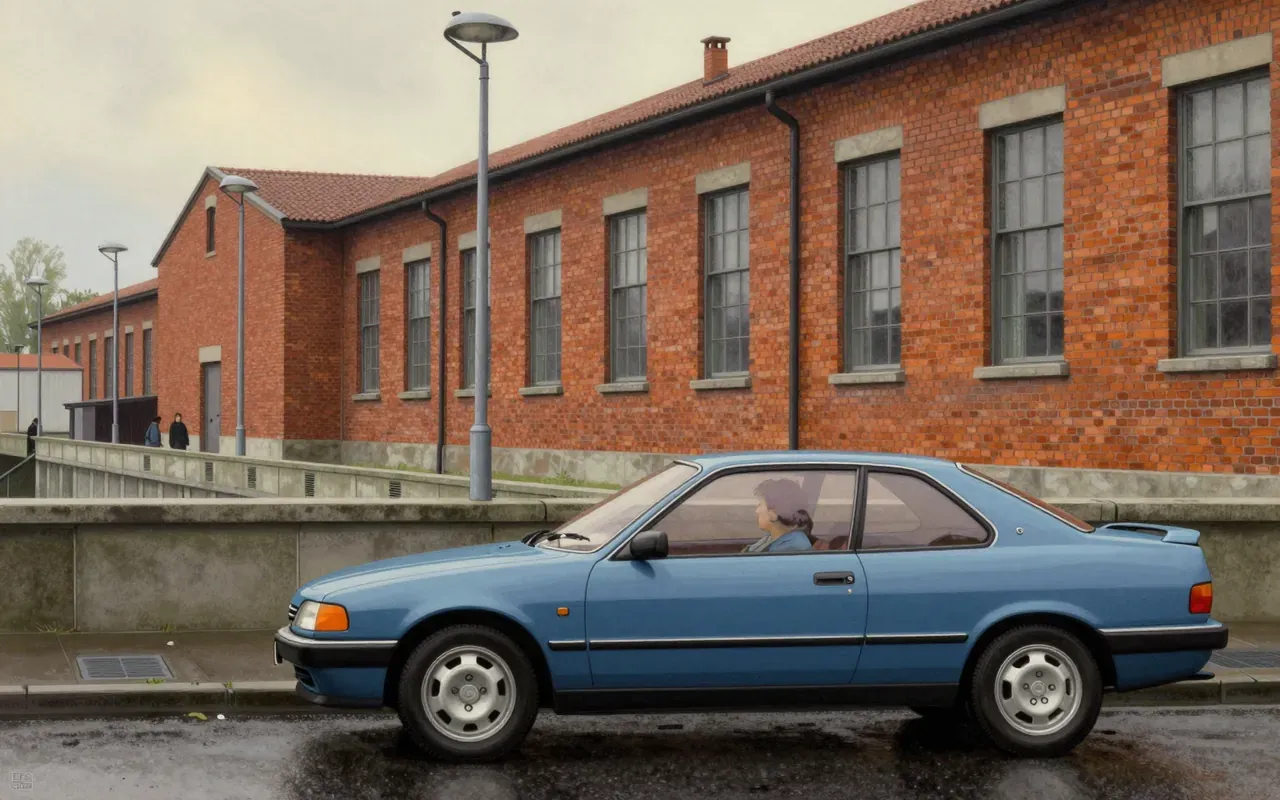
Peugeot 406Pininfarina · 1997The Peugeot 406 Coupé is a front-wheel-drive large family car designed and built by Pininfarina. It shares its platform with the saloon and estate. Davide Arcangeli led its design. 107,633 were made. It succeeded in UK fleet sales, won 1997 What Car? Car of the Year, and set a world fuel-efficiency record in 2002.
9:33
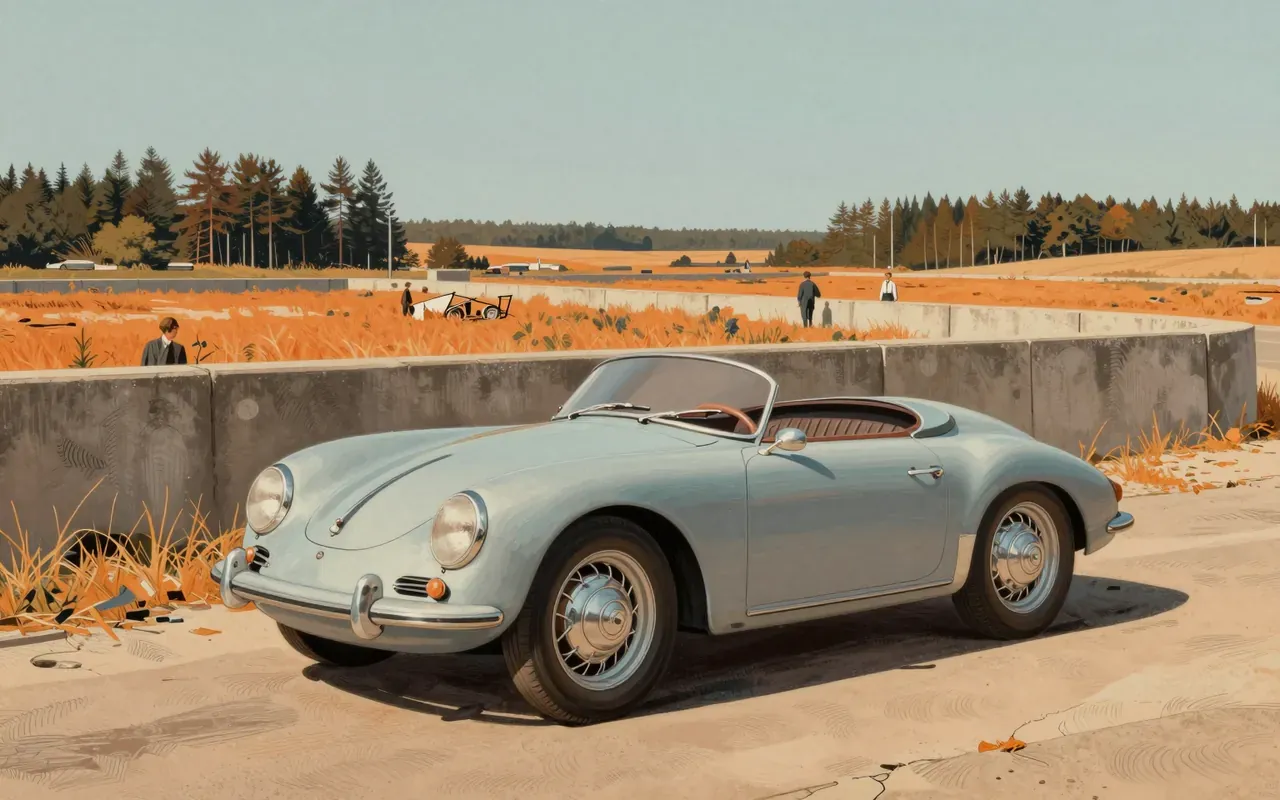
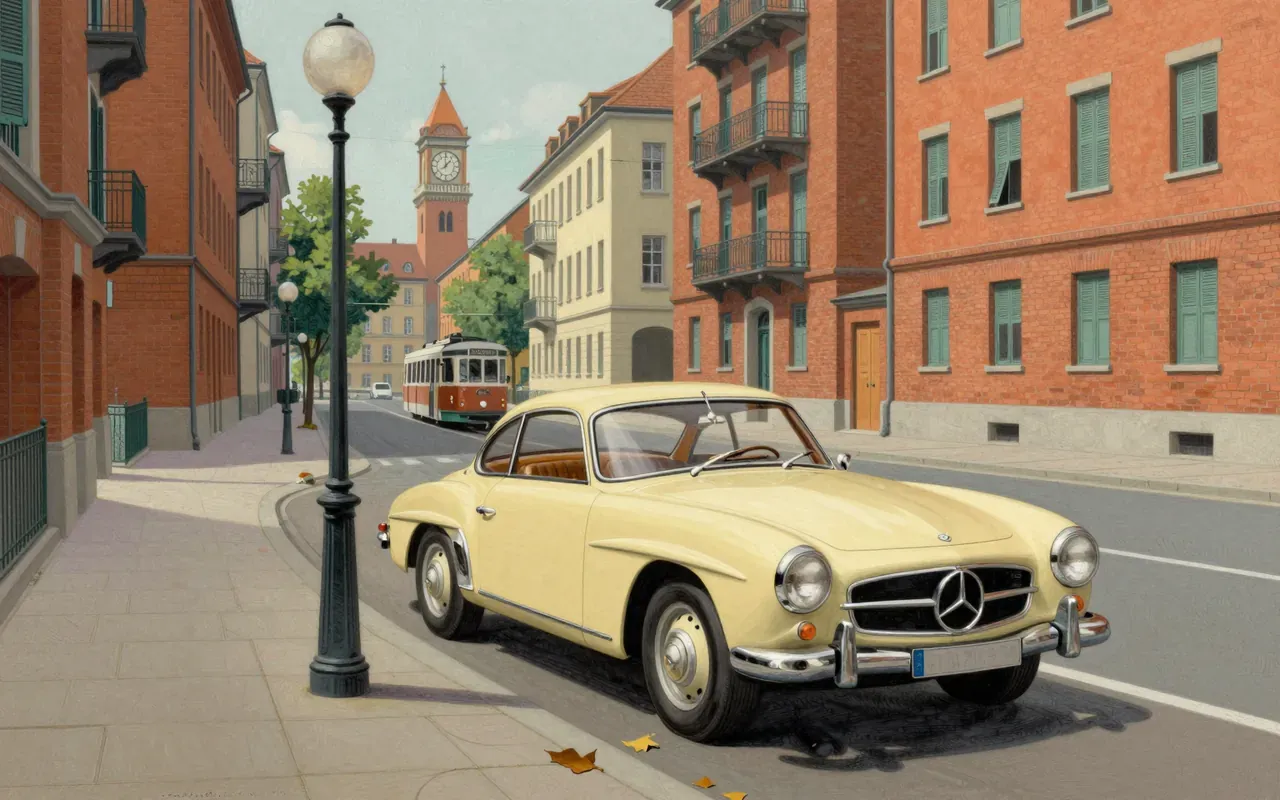
Mercedes-Benz 190 SLKarl Wilfert · 1955The Mercedes-Benz 190 SL is a two-door luxury roadster produced from May 1955 to February 1963. It was internally designated W121 (BII). It was first shown in prototype at the 1954 New York Auto Show. It was available with an optional removable hardtop. It was a more affordable alternative to the 300 SL. Both cars had double wishbones in front and swing axles at the rear. Instead of the 300 SL's tubular spaceframe, the 190 SL used a shortened unitary floorpan modified from the W121 saloon. It was powered by a Type M121 BII 1.9 L straight-four SOHC engine.
10:20
Morgan +4Morgan · 1950The Morgan +4 is a sports car built across three discontinuous series (1950–1969, 1985–2000, 2005–2020), each using different 2-litre four-cylinder engines — Standard Vanguard, Triumph, Fiat Twin Cam, and Ford (Mazda) Duratec — on variations of the same ash-frame, front-engine, rear-wheel-drive layout. It is longer and more powerful than the 4/4, but shares its mechanical honesty and lack of structural modernity. It establishes Morgan’s ability to persist without standardisation. It falls short as a coherent technical proposition — no shared chassis, no unified development path, no safety or thermal upgrades across eras.
9:36
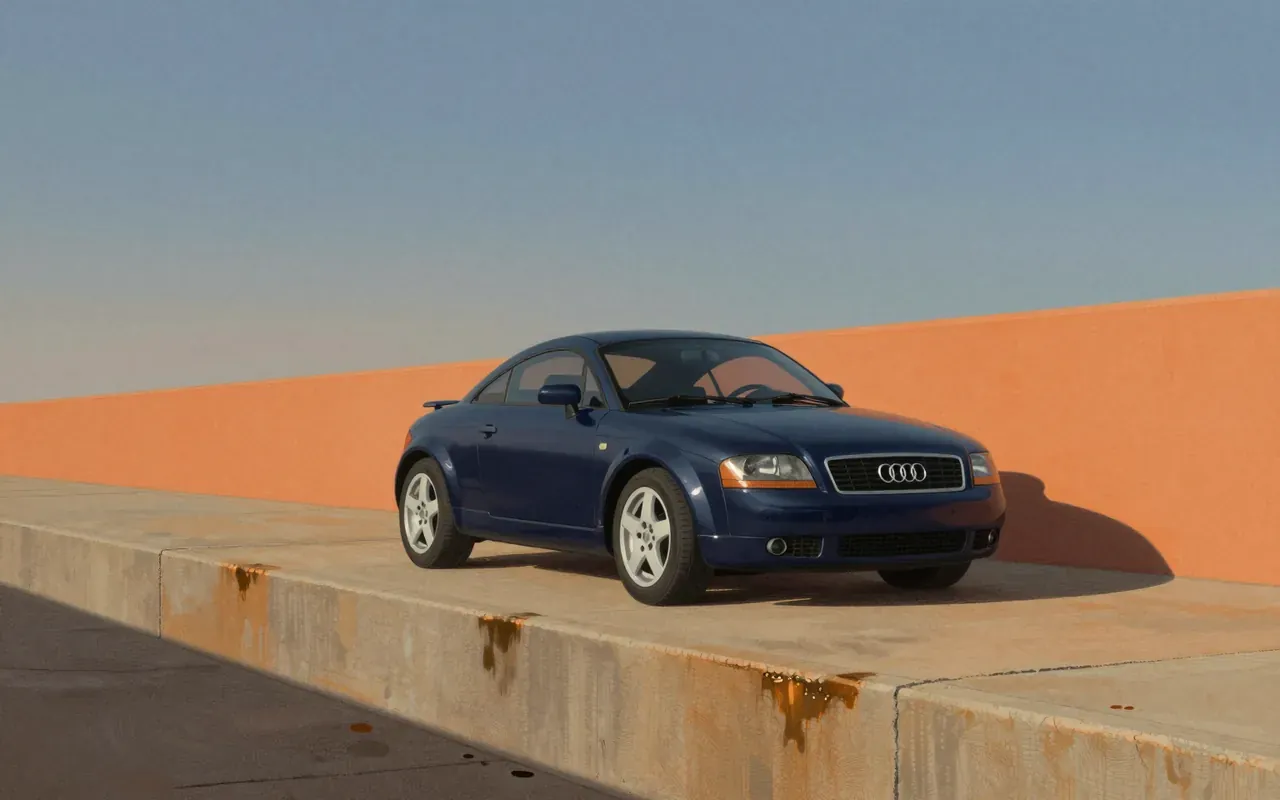
Audi TTFreeman Thomas · 1998Audi TT (1998) — Freeman Thomas co-design. Front-engine, transverse, FWD or quattro. Coupé and roadster. Built on VW Group A-platforms. Named after Isle of Man TT.
Up next in Automotive

Porsche 550

Wilhelm Hild · 1953 · 8:57

A mid-engine racer that won on raw agility—not power—because Porsche cut everything else away.

8:57