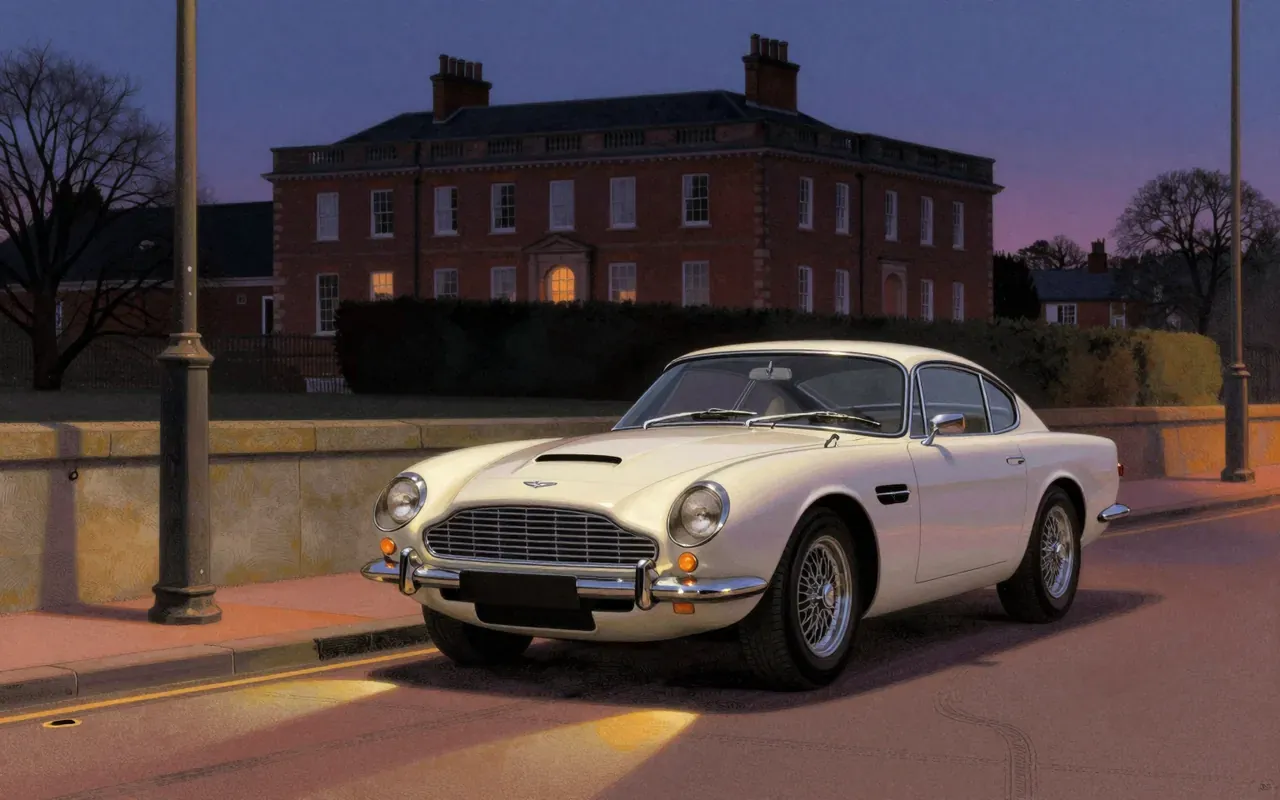
Aerodynamic correction, not reinvention — the DB6 fixes lift with a Kammback, not physics.
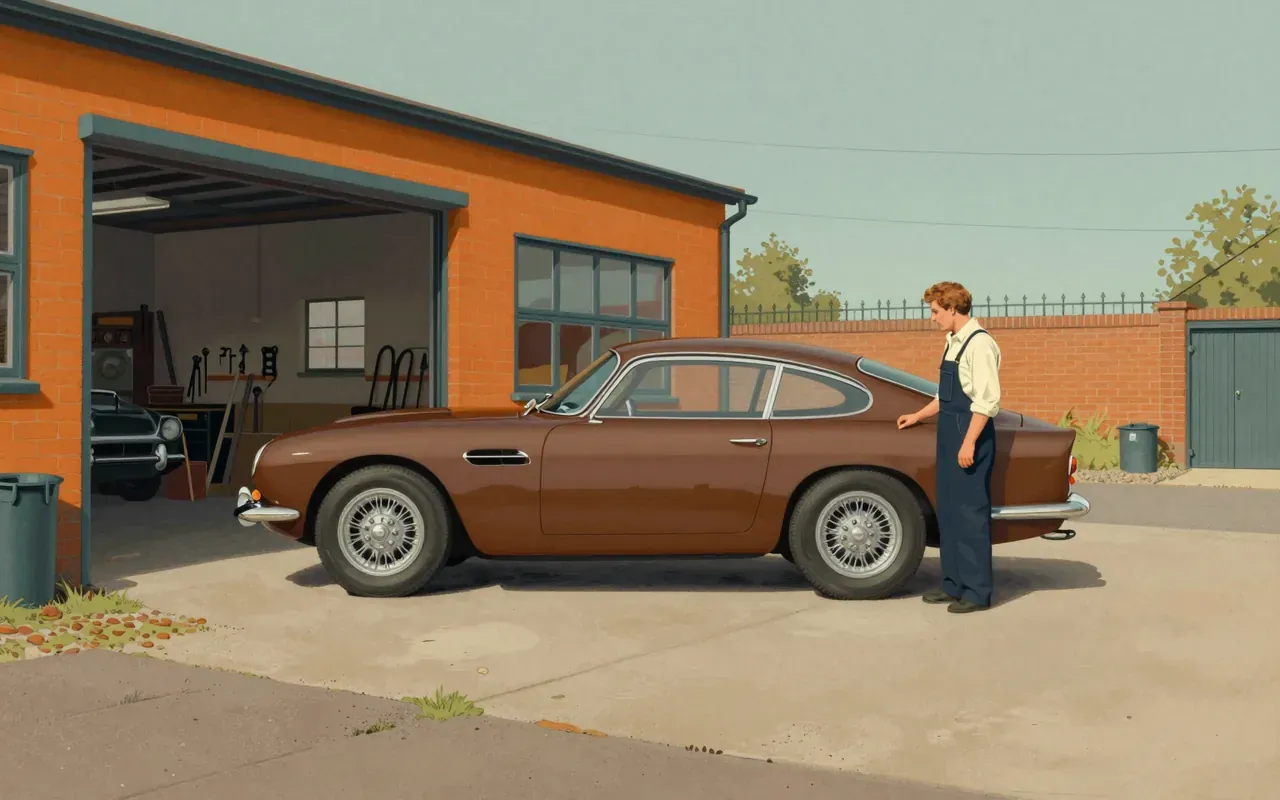
The DB6 is a functional evolution — not a revolution — in Aston Martin’s grand touring line. Its Kammback tail and lengthened wheelbase directly address aerodynamic lift identified in wind tunnel testing. It retains the live-axle layout, rejecting the more complex de Dion prototype to prioritise production readiness. It is recognisable, stable, and rooted in continuity — not novelty.
The DB6 is a British grand tourer — and the first Aston Martin engineered after the move to Newport Pagnell.
2:06
What changed on the outside
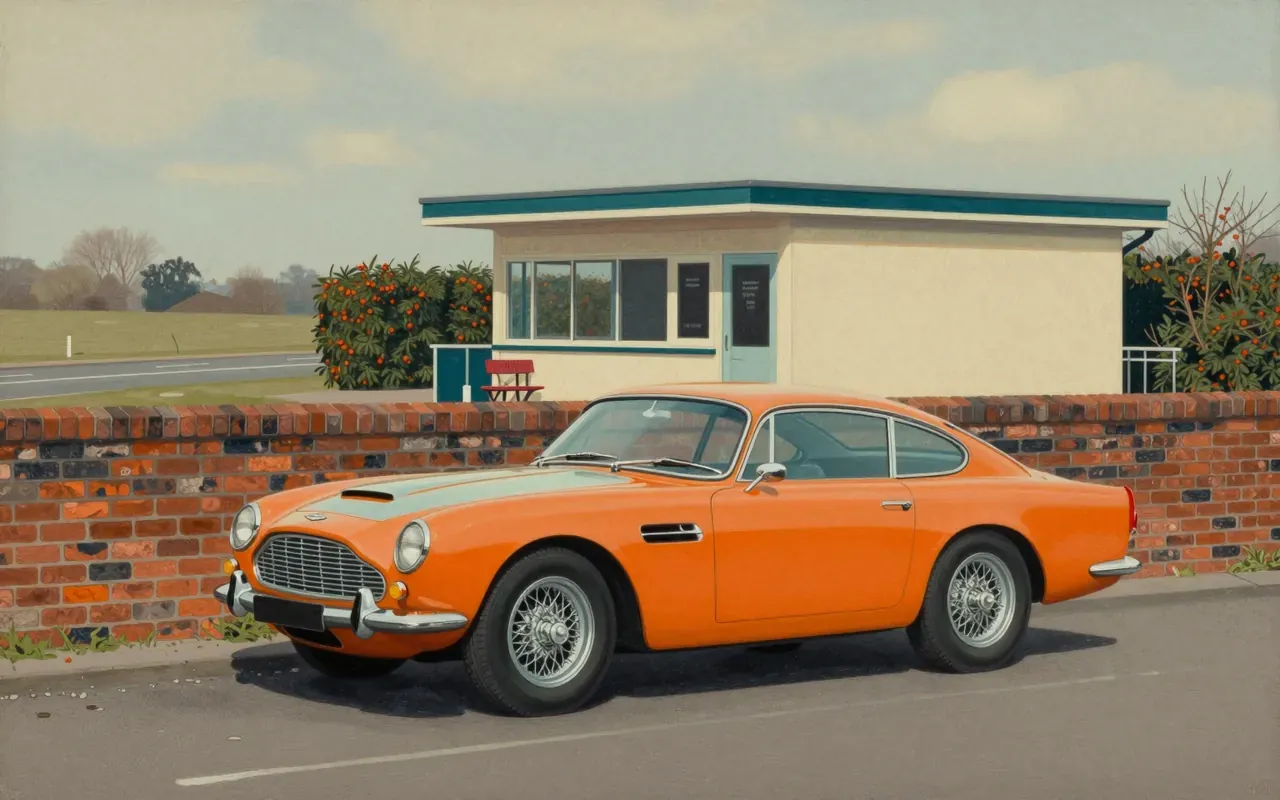
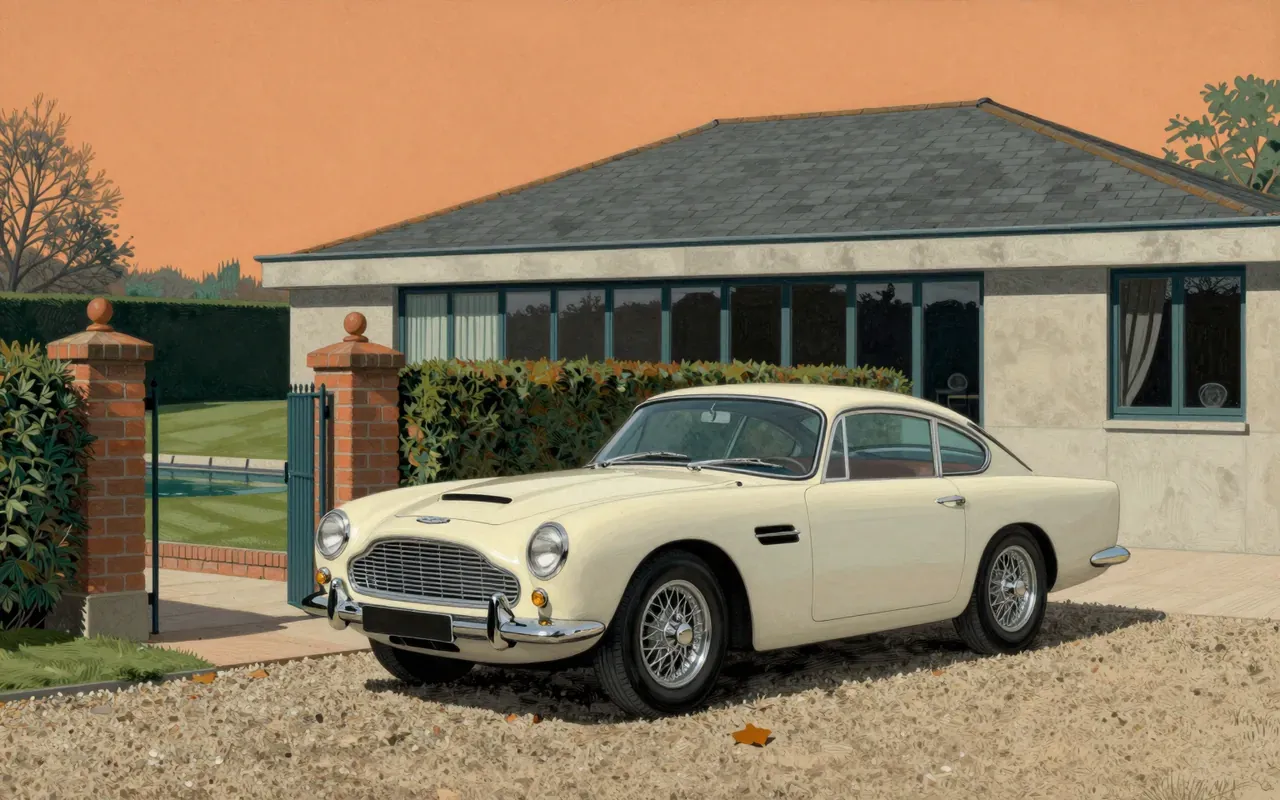
It looks like the DB5 but adds a lengthened wheelbase, split bumpers, and a Kammback tail.
3:19
Why the tail exists
Wind tunnel testing revealed lift; the Kammback tail and lengthened wheelbase were the response.
4:14
What got left behind
The de Dion rear axle was rejected — the DB6 kept the live axle to save time, cost, and complexity.
5:10
What it is built to do
It is a grand tourer — not a racer, not a sports car — built for sustained high-speed travel.
6:33
How it arrived
It launched at the 1965 London Motor Show as a dated design — functional, not futuristic.
Worth your time?
Yes. Drive the whole thing.
3.5/ 5
What works
adds lengthened wheelbase and Kammback tail to deliver measurable high-speed stability
retains DB5 usability while improving rear-wheel traction at speed
adapts racing-derived Kammback aerodynamics to a production GT
What does not
redefine construction
abandon live-axle layout
adopt de Dion rear axle
Drive it if
drivers who value incremental, aerodynamically grounded evolution in a front-engine GT
Skip it if
those seeking chassis innovation, lightweight construction breakthroughs, or radical departure from the DB5’s template
The written brief1 min read
What the car is and where it came from
A British grand tourer made by Aston Martin, produced from September 1965 to January 1971. It succeeded the DB5. It was the first model engineered after the factory moved from Feltham to Newport Pagnell.
How it works, in terms someone would actually use
Front-engine, rear-wheel drive. A live-axle rear suspension — not the de Dion prototype tested — carries the weight and transmits power. The lengthened wheelbase and Kammback tail shift airflow to reduce lift and improve rear-wheel traction at speed.
What it gets right
It gets right the balance of familiarity and function: longer wheelbase, relocated rear axle, and abbreviated Kammback tail deliver measurable high-speed stability while retaining DB5 usability.
What it does not
It does not abandon the live-axle layout. It does not adopt the de Dion rear axle tested in development. It does not redefine construction — it refines Superleggera licensing without structural departure.
What it changed
It changed how Aston Martin approached high-speed stability: by adapting racing-derived Kammback aerodynamics to a production GT, not by overhauling chassis architecture.
Who it is for, and who it is not
It is for drivers who value incremental, aerodynamically grounded evolution in a front-engine GT. It is not for those seeking chassis innovation, lightweight construction breakthroughs, or radical departure from the DB5’s template.
Is it worth your time
Yes, if you care how aerodynamics shape a grand tourer’s stability — not its myth. No, if you expect engineering novelty or structural innovation.