automotivebriefs
10:44in productionCh. 1 · What it is/ 10:44 · ceiling 15 min
Road

Aston Martin DB7

Aston Martin’s first mass-produced car — and its first compromise with reality.

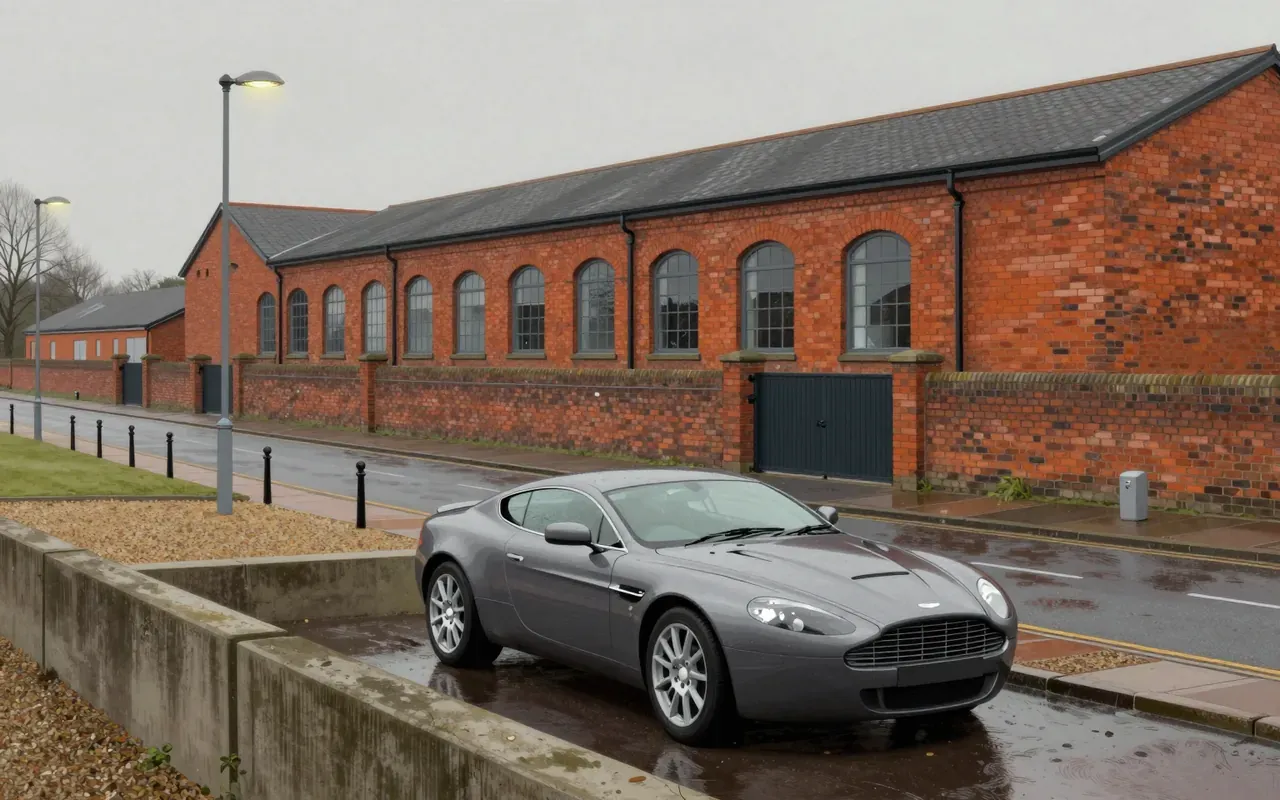
The DB7 is a grand tourer designed by Ian Callum and Keith Helfet. It was produced by Aston Martin from September 1994 to December 2004. It was offered in coupé and convertible bodystyles. More than 7,000 were built. It was made mostly with resources from Jaguar Cars and had the financial backing of the Ford Motor Company. Ian Callum received the Jim Clark Memorial Award in 1995 for his styling work on the DB7.

Chapters & takeaways4
  1. 0:56
    What it is

    A grand tourer built by Aston Martin, not for exclusivity, but for survival.

  2. 2:34
    Where it came from

    A Ford-funded, Jaguar-sourced machine — engineered for volume, not novelty.

  3. 4:16
    What it achieved

    More than 7,000 were built — the most in Aston Martin’s history at the time.

  4. 6:19
    Who made it

    Designed by Callum and Helfet while Callum led TWR Design — a styling-led rescue mission.

Worth your time?

Yes. Drive the whole thing.

3.5/ 5
What works
  • gets the proportion right
  • holds the same visual logic across coupé and convertible forms
  • establishes presence without aggression
What does not
  • define its own architecture
  • use bespoke powertrains or chassis
  • isolate the driver from the mass of its structure
Drive it if
  • someone who values British grand touring presence over mechanical distinction
  • someone who wants to understand how Aston Martin re-entered volume production without abandoning its silhouette language
Skip it if
  • someone seeking purity of lineage
  • someone seeking bespoke engineering
  • someone seeking driver-focused dynamics
The written brief1 min read

What the car is and where it came from

It is a grand tourer designed by Ian Callum and Keith Helfet. It was produced by Aston Martin from September 1994 to December 2004. It was built mostly with Jaguar resources and backed financially by Ford.

How it works, in terms someone would actually use

It is a grand tourer. It sits low and long. It has a front-engine, rear-wheel-drive layout. The driver feels the weight of its Jaguar-derived structure through the wheel — solid, but not light.

What it gets right

It gets the proportion right. The long bonnet, short overhangs, and tapered tail establish presence without aggression. Its coupé and convertible forms hold the same visual logic.

What it does not

It does not define its own architecture. It does not use bespoke powertrains or chassis. It does not isolate the driver from the mass of its structure.

What it changed

It changed Aston Martin’s scale. It proved the brand could build more than a few dozen cars a year. It shifted production from hand-built rarity to industrial collaboration — with Jaguar, under Ford.

Who it is for, and who it is not

It is for someone who values British grand touring presence over mechanical distinction. It is not for someone seeking purity of lineage, bespoke engineering, or driver-focused dynamics.

Is it worth your time

Yes, if you want to understand how Aston Martin re-entered volume production without abandoning its silhouette language. No, if you expect engineering originality or driver engagement beyond its brief.
Same garage · Road4 of 82
8:59
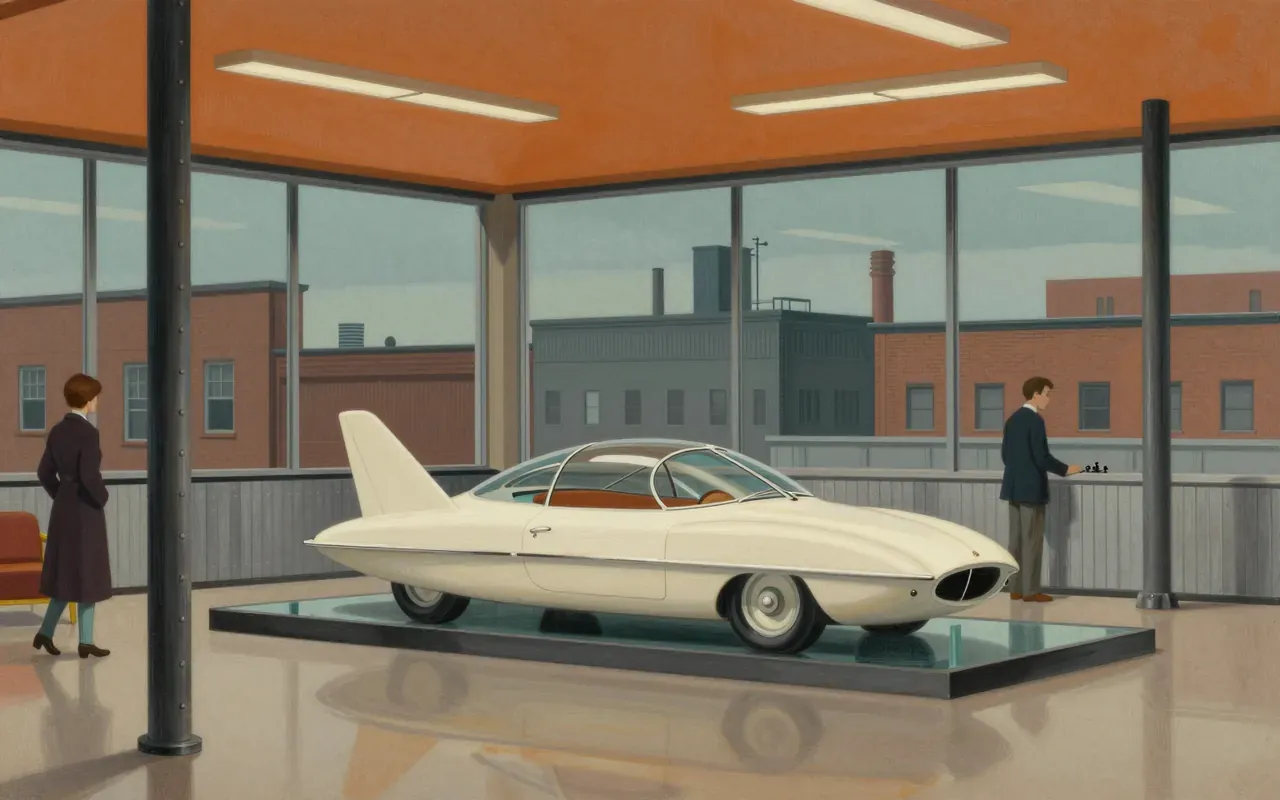
General Motors FirebirdHarley Earl · 1953The Firebird I is a 1953 GM concept car designed by Harley Earl. It was the first gas turbine-powered car tested in the United States. It features a single-seat cockpit under a bubble canopy, a bullet-shaped fiberglass fuselage, short wings, and a vertical tail fin. It was built for the 1953 Motorama show. GM never intended it for production.
9:57
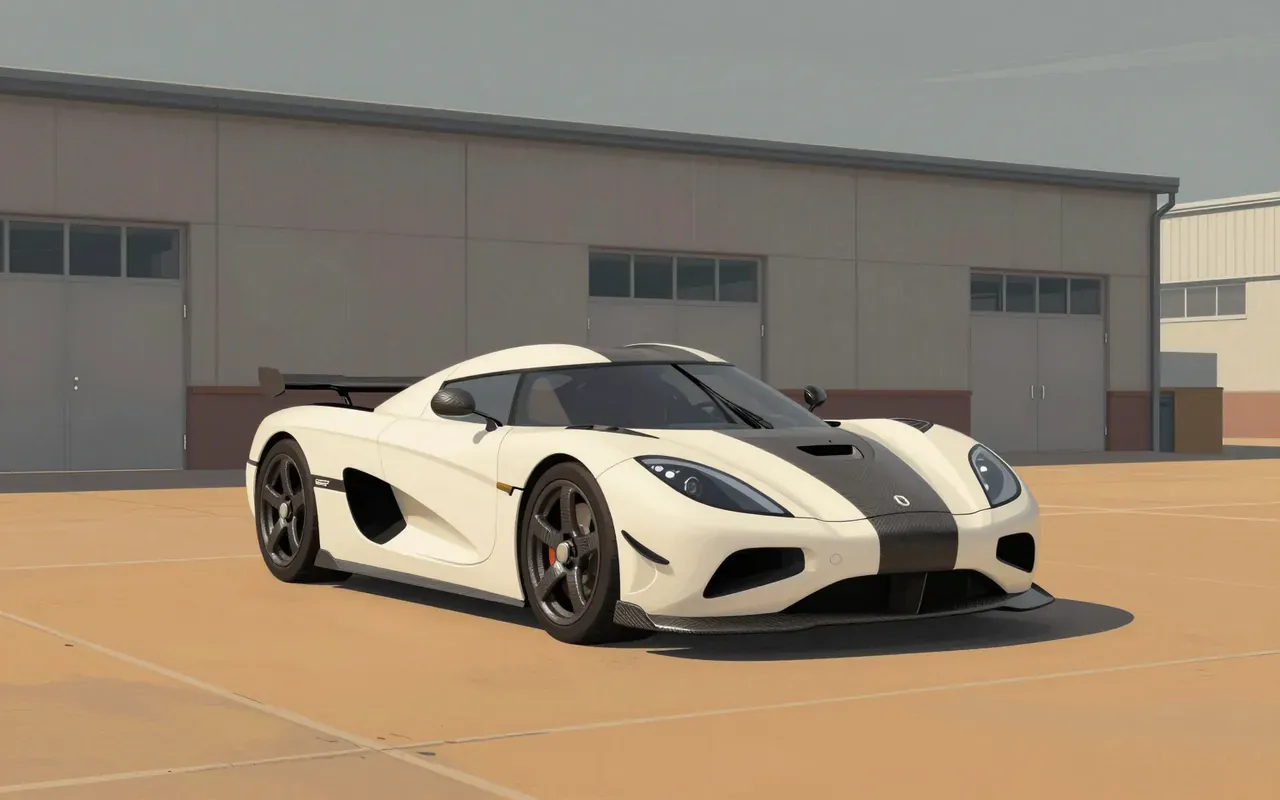
Koenigsegg CC8SChristian von Koenigsegg · 2002The CC8S is the first production car from Koenigsegg Automotive. It is a mid-engine, rear-wheel-drive targa top sports car built from 2002 to 2004 in six units. It introduced the dihedral synchro-helix doors and front-trunk roof stowage. It won the Guinness World Record for Most Powerful Production Engine and design awards from Red Dot and Utmärkt Svensk Form. It was developed from the CC prototype after eight years of research and development beginning in 1994. Chassis, suspension, brakes and other components were designed in-house. The pre-production car debuted at the 2000 Paris Auto Show. Its unique features include the front-trunk roof storage (unlike the Ferrari F50), the dihedral synchro-helix doors, and a central free-flowing exhaust based on the 'Rocket Cat Principle'. Christian von Koenigsegg and David Crafoord co-created the design concept.
10:57
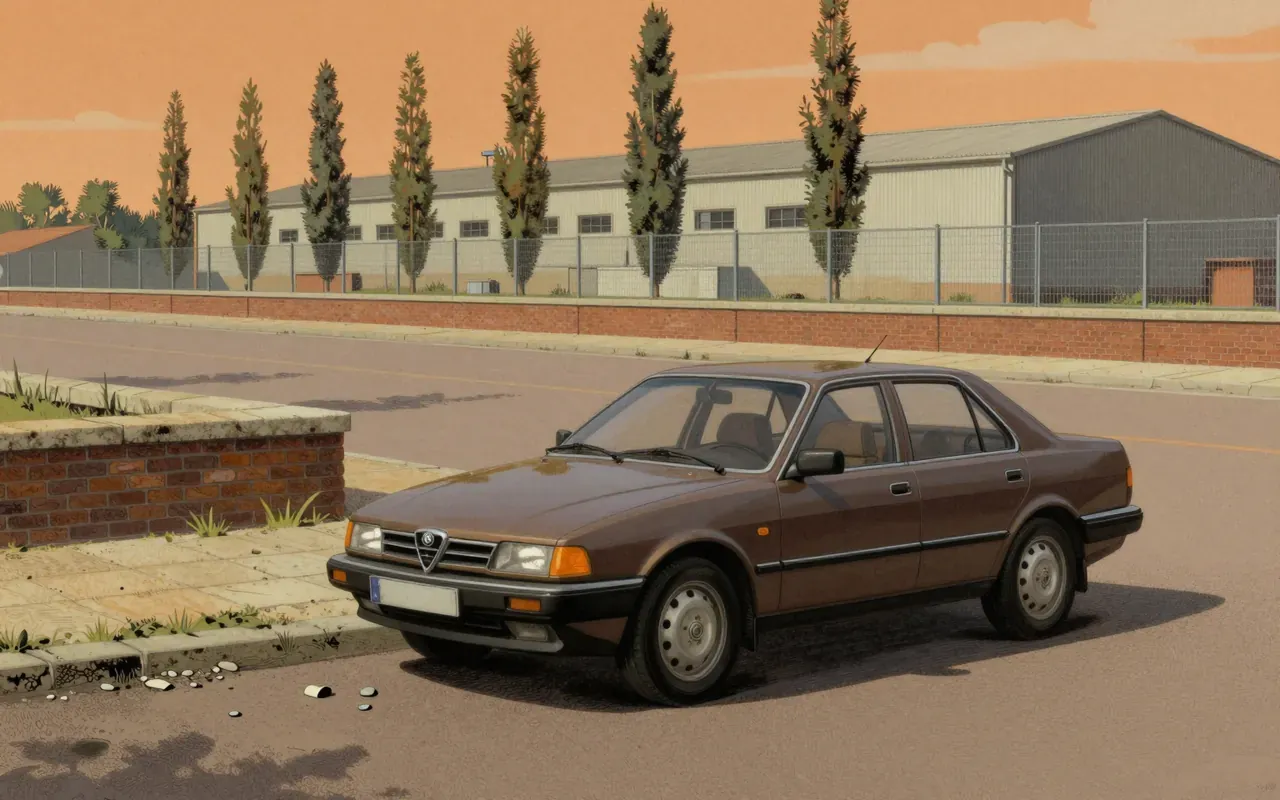
Alfa Romeo 156Walter de Silva · 1997The Alfa Romeo 156 is a compact executive car introduced at the 1997 Frankfurt Motor Show to replace the 155. Designed by Walter de Silva, it won the 1998 European Car of the Year award. It was produced from 1996 to 2007 in saloon, Sportwagon, and Crosswagon bodystyles. Assembly occurred in Pomigliano d'Arco, Italy and Rayong, Thailand. 673,435 units were built.
9:33
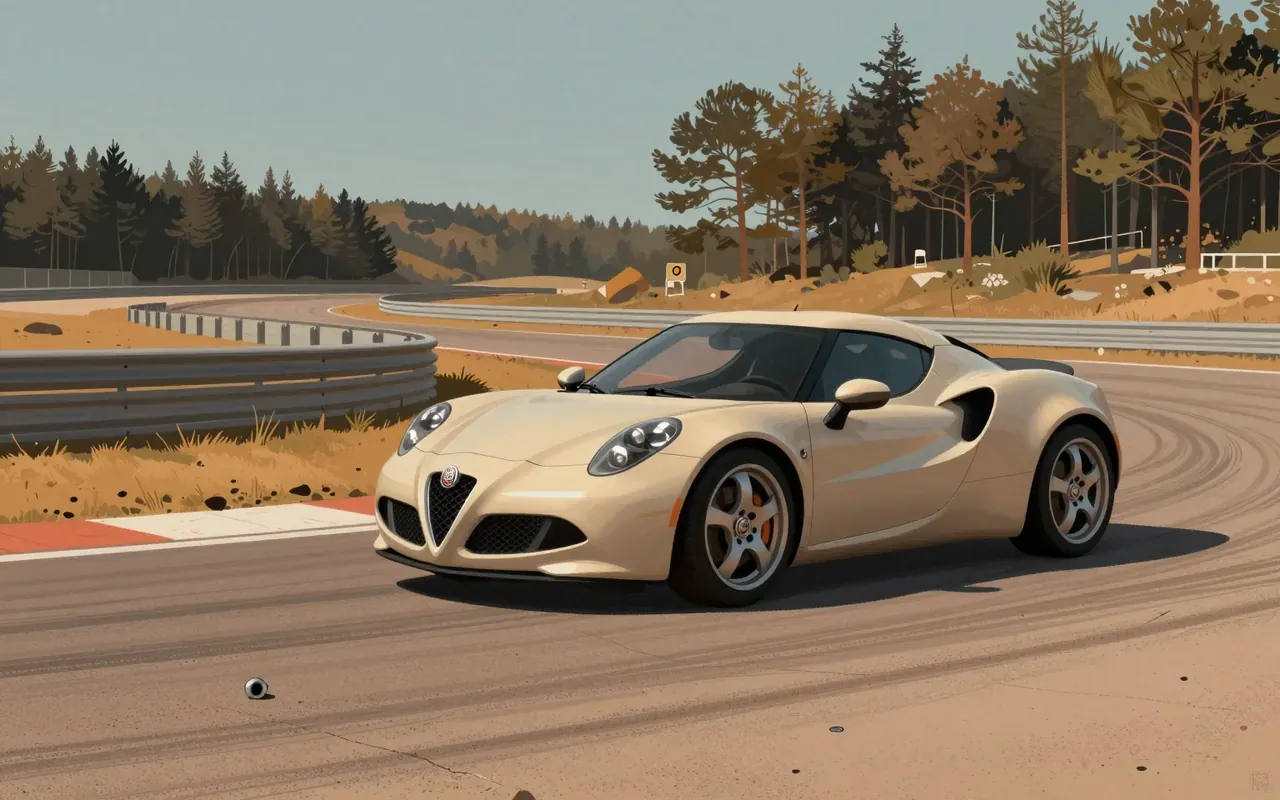
Alfa Romeo 4CMarco Tencone · 2013The Alfa Romeo 4C is a focused, uncompromising expression of mid-engined sports car logic—light, stiff, direct. It sacrifices isolation and utility to sharpen the connection between driver and road. Its design solves for feedback, not comfort.
Up next in Automotive

Aston Martin DB9

Henrik Fisker · 2004 · 9:05

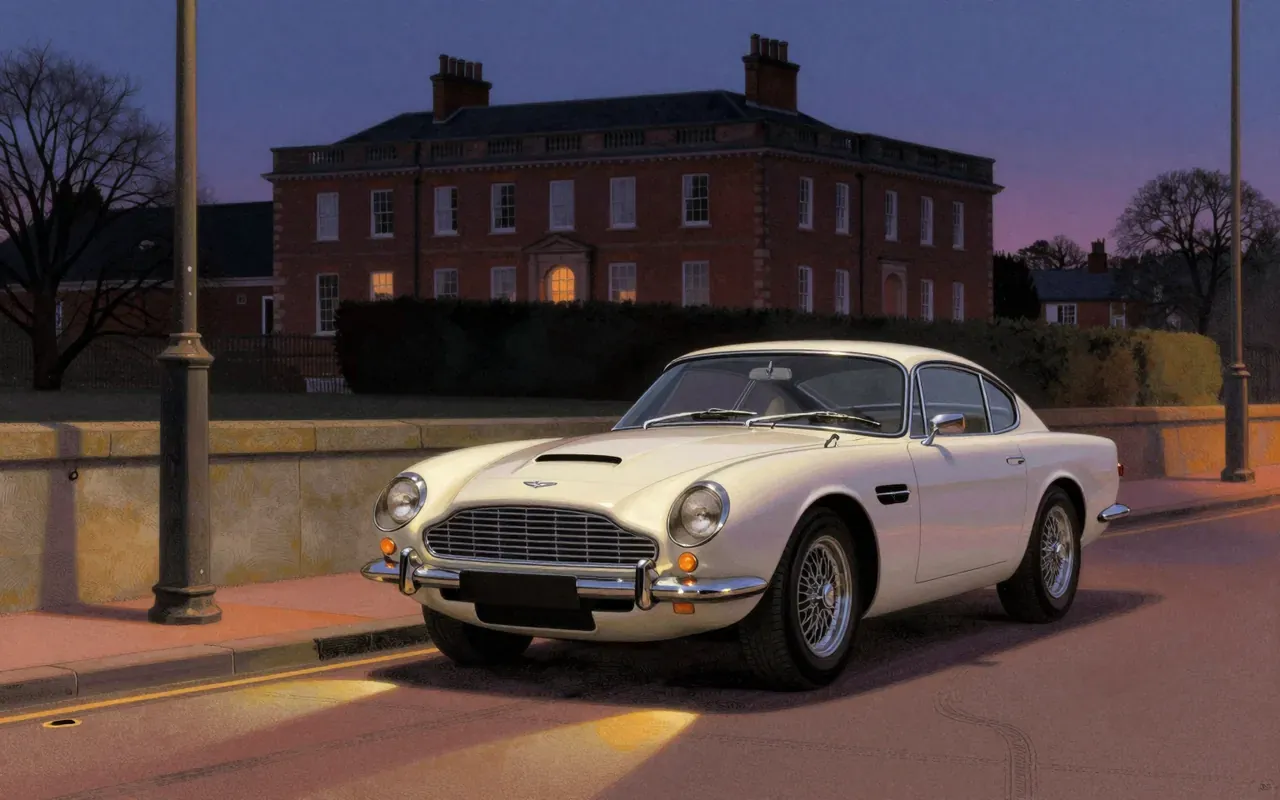
A grand tourer built to carry Aston Martin into the 21st century—not by reinventing the wheel, but by repositioning the engine and the material.

9:05