automotivebriefs
10:38in productionCh. 1 · The Hasty Handover/ 10:38 · ceiling 15 min
Road

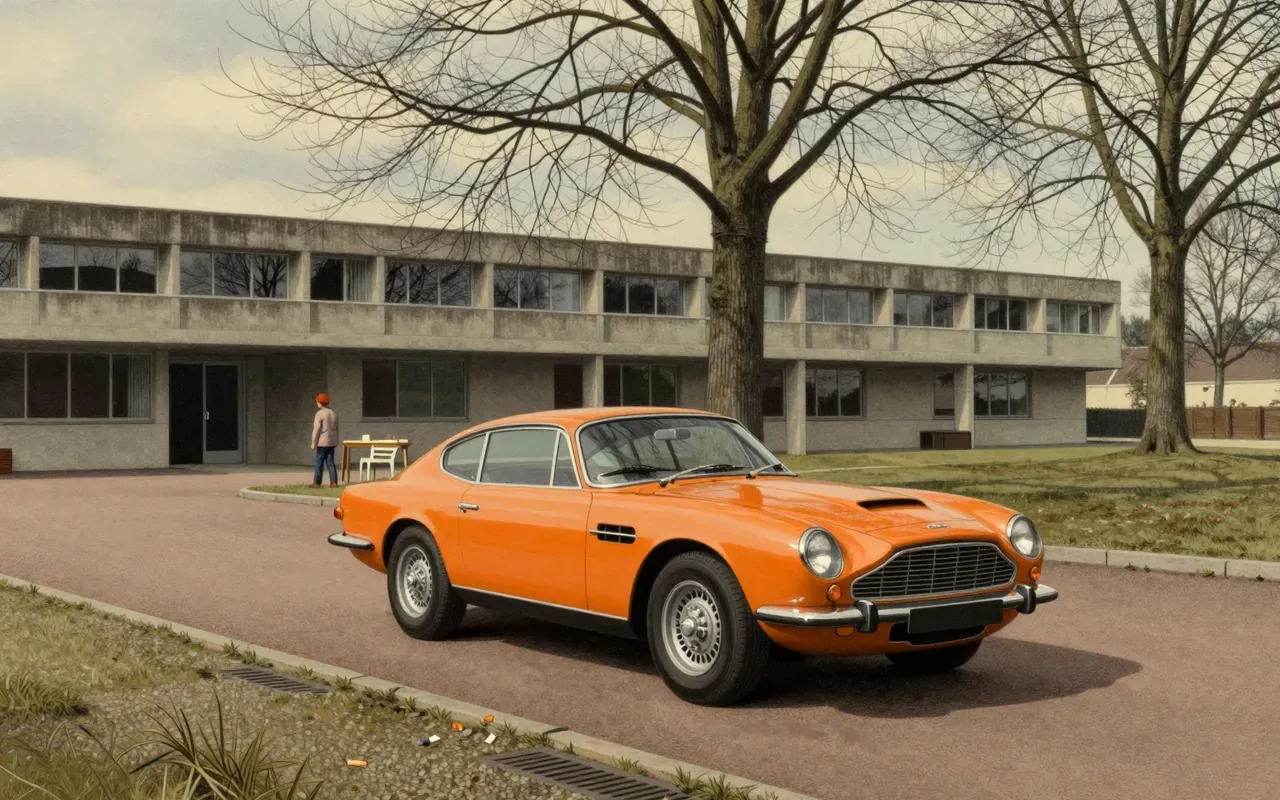
Aston Martin DBS

The DBS isn’t a leap forward—it’s a clean break in silhouette, drawn under pressure and signed off by a departing owner.

The Aston Martin DBS is a grand tourer produced from 1967 to 1972. It was designed by William Towns as a modern-looking successor to the DB6, following the collapse of Touring of Milan’s design effort. It shares the DB6’s 4.0 L engine and mechanical base but adopts a larger four-seat layout and a deliberately contemporary fastback silhouette with a squared front grille. It was the final model developed under David Brown’s ownership.

Chapters & takeaways4
  1. 1:02
    The Hasty Handover

    Touring’s prototypes died with the design house. Towns stepped in cold and delivered the DBS body in 1967.

  2. 2:27
    Modern by Mandate

    It is larger than the DB6, seats four, and swaps curves for fastback lines and a squared grille—modern by late-1960s standards.

  3. 4:12
    The Last Brown Car

    It succeeded the DB6 in intent but not in timing—and closed David Brown’s chapter at Aston Martin.

  4. 6:18
    Body Only

    It is a grand tourer, not a sports car or racer. Towns designed its body—not its chassis, not its engine, not its interior layout.

Worth your time?

Yes. Drive the whole thing.

3.5/ 5
What works
  • delivers visual modernity without sacrificing grand touring proportions
  • fastback and squared grille are coherent, purposeful departures
What does not
  • introduce new powertrain architecture
  • increase engine capacity over the DB6
  • abandon the DB6’s mechanical layout
Drive it if
  • those who study how design responds to corporate transition
Skip it if
  • those seeking technical evolution or driving novelty
The written brief1 min read

What the car is and where it came from

A grand tourer produced from 1967 to 1972. Designed by William Towns after Touring of Milan’s involvement ended. Intended as the DB6’s successor—though both ran concurrently—and the last model developed under David Brown’s control.

How it works, in terms someone would actually use

It is a four-seat grand tourer with a fastback rear and squared front grille. It uses the same 4.0 L engine as the DB6. Its body was designed by William Towns in 1967, after Touring of Milan’s prototypes were abandoned.

What it gets right

It delivers visual modernity without sacrificing grand touring proportions. The fastback and squared grille are coherent, purposeful departures—not stylistic stunts.

What it does not

It does not introduce new powertrain architecture. It does not increase engine capacity over the DB6. It does not abandon the DB6’s mechanical layout.

What it changed

It replaced Touring’s unproduced DB6 successor with a modernist, angular silhouette. It marked the end of David Brown’s era and the start of Towns’ influence at Aston Martin.

Who it is for, and who it is not

It is for those who study how design responds to corporate transition. It is not for those seeking technical evolution or driving novelty.

Is it worth your time

Yes—if you care about the pivot point where Aston Martin’s design language broke from its past. No—if you expect performance innovation or engineering departure.
Same garage · Road4 of 82
8:59
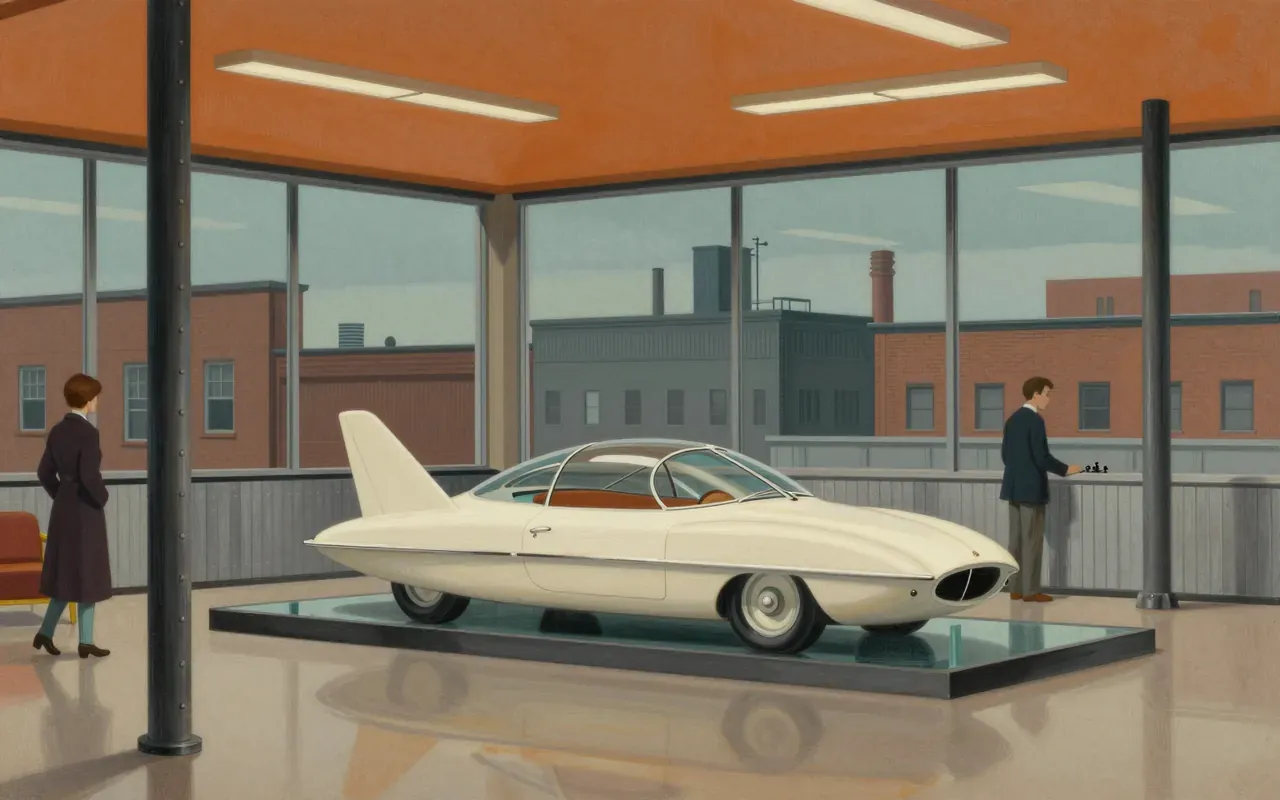
General Motors FirebirdHarley Earl · 1953The Firebird I is a 1953 GM concept car designed by Harley Earl. It was the first gas turbine-powered car tested in the United States. It features a single-seat cockpit under a bubble canopy, a bullet-shaped fiberglass fuselage, short wings, and a vertical tail fin. It was built for the 1953 Motorama show. GM never intended it for production.
9:57
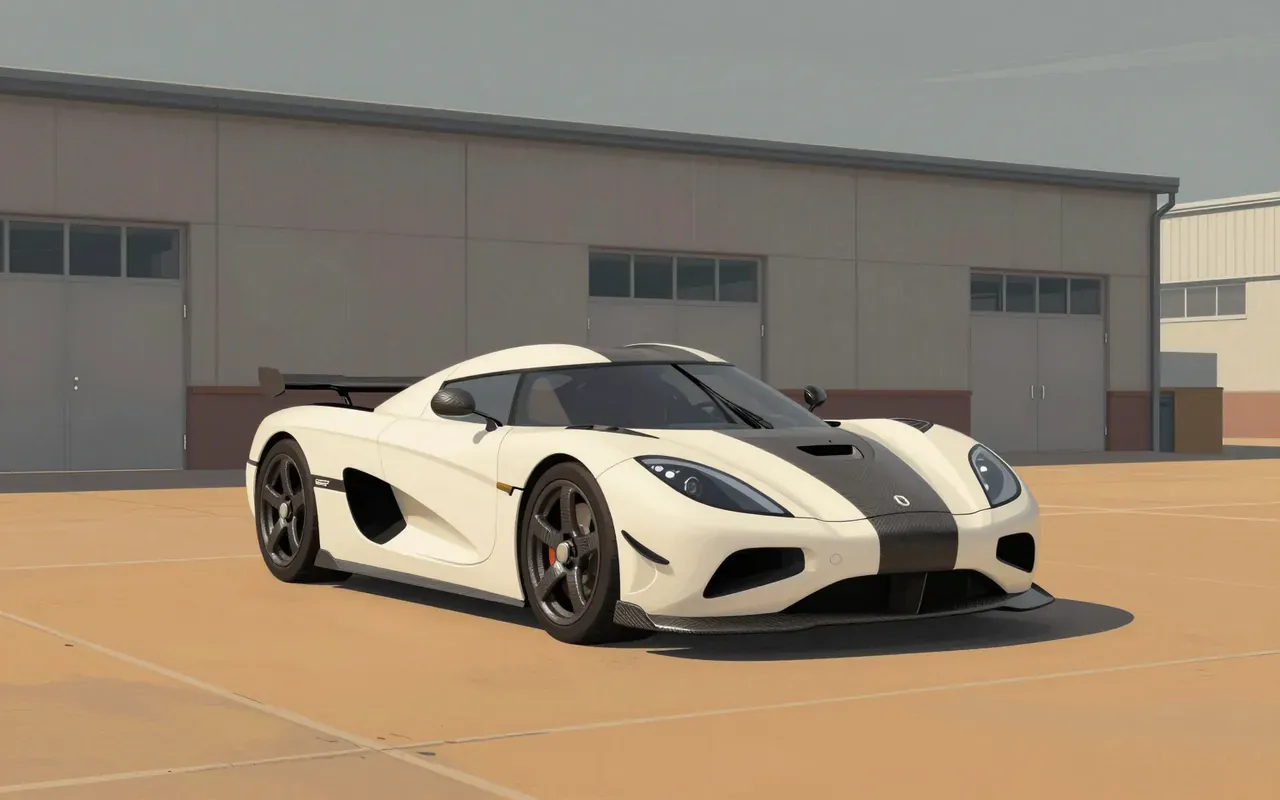
Koenigsegg CC8SChristian von Koenigsegg · 2002The CC8S is the first production car from Koenigsegg Automotive. It is a mid-engine, rear-wheel-drive targa top sports car built from 2002 to 2004 in six units. It introduced the dihedral synchro-helix doors and front-trunk roof stowage. It won the Guinness World Record for Most Powerful Production Engine and design awards from Red Dot and Utmärkt Svensk Form. It was developed from the CC prototype after eight years of research and development beginning in 1994. Chassis, suspension, brakes and other components were designed in-house. The pre-production car debuted at the 2000 Paris Auto Show. Its unique features include the front-trunk roof storage (unlike the Ferrari F50), the dihedral synchro-helix doors, and a central free-flowing exhaust based on the 'Rocket Cat Principle'. Christian von Koenigsegg and David Crafoord co-created the design concept.
10:57
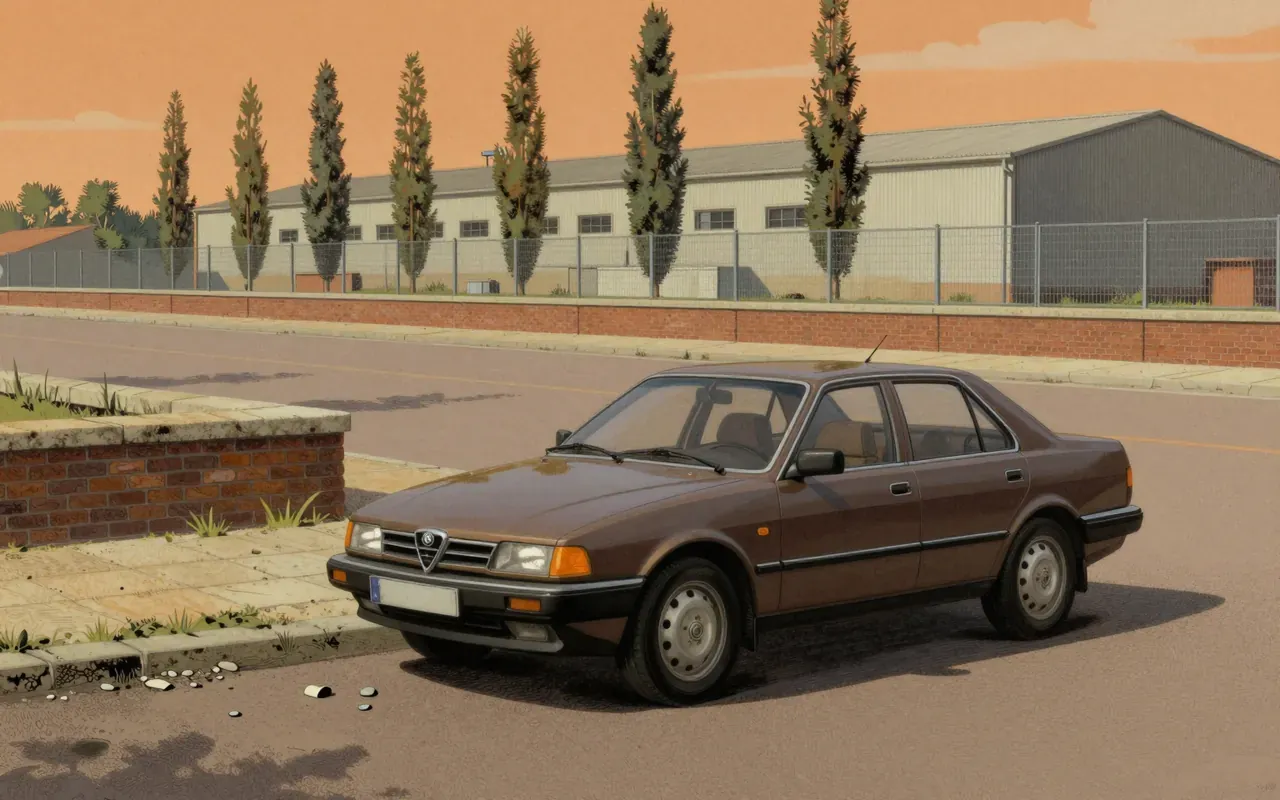
Alfa Romeo 156Walter de Silva · 1997The Alfa Romeo 156 is a compact executive car introduced at the 1997 Frankfurt Motor Show to replace the 155. Designed by Walter de Silva, it won the 1998 European Car of the Year award. It was produced from 1996 to 2007 in saloon, Sportwagon, and Crosswagon bodystyles. Assembly occurred in Pomigliano d'Arco, Italy and Rayong, Thailand. 673,435 units were built.
9:33
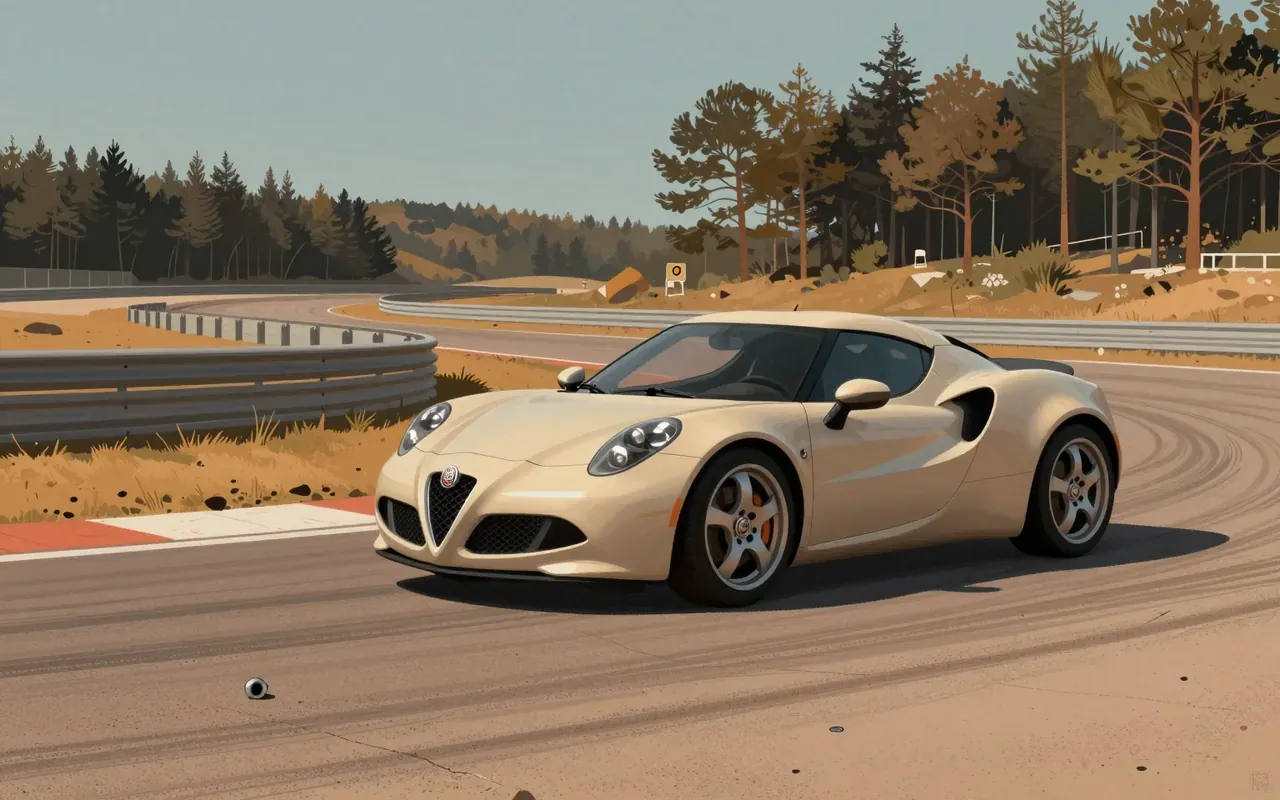
Alfa Romeo 4CMarco Tencone · 2013The Alfa Romeo 4C is a focused, uncompromising expression of mid-engined sports car logic—light, stiff, direct. It sacrifices isolation and utility to sharpen the connection between driver and road. Its design solves for feedback, not comfort.
Up next in Automotive

Aston Martin Lagonda

William Towns · 1976 · 9:46

The first digital dashboard wasn’t clever — it was a warning.

9:46