automotivebriefs
10:21in productionCh. 1 · What it is/ 10:21 · ceiling 15 min
Racing · Endurance

Shelby Daytona

A closed-cockpit Cobra built to humiliate Ferrari — and it did.

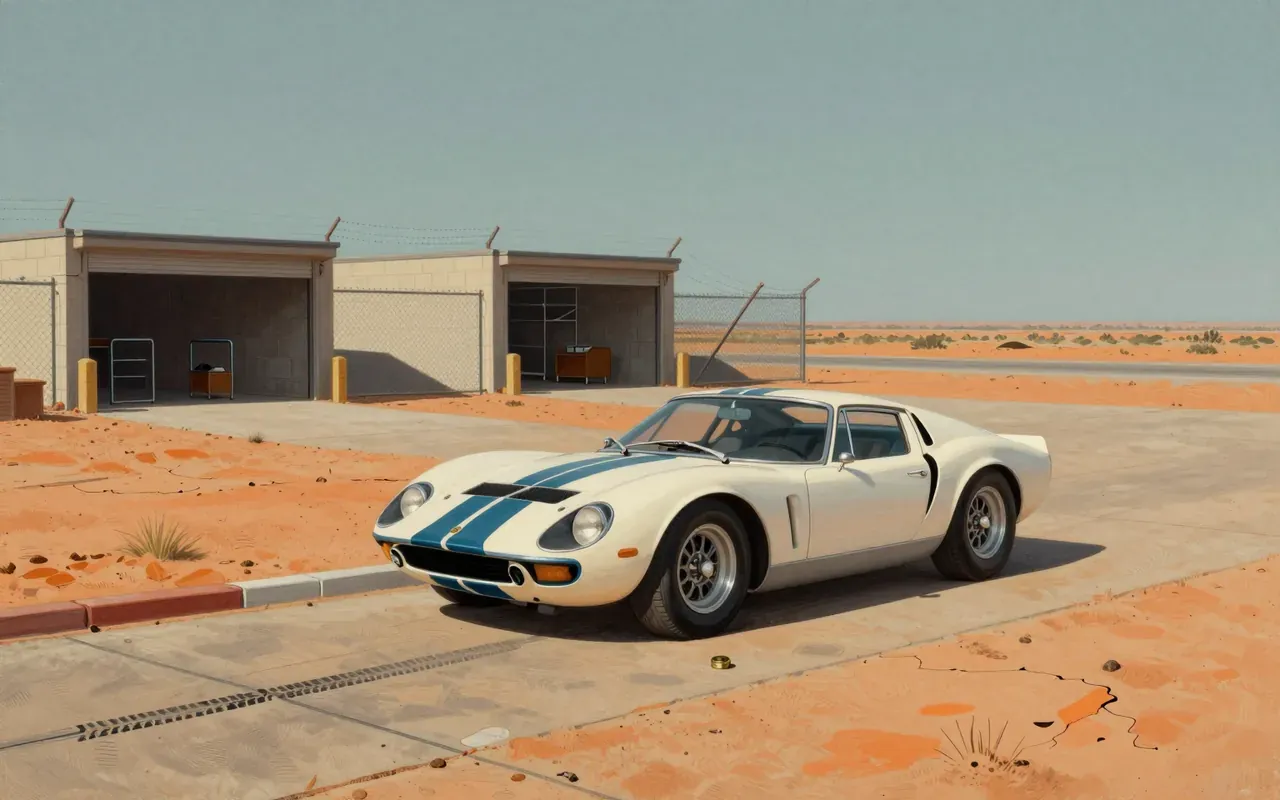
The Shelby Daytona is a closed-cockpit racing coupé derived from the Cobra roadster. Six were built between 1964 and 1965 to beat Ferrari’s 250 GTO in FIA GT-class racing. It won the 1965 International Championship for GT Manufacturers — the first American constructor to win an FIA World Championship title. Its aerodynamic body solved high-speed drag issues inherent in open-cockpit Cobras. It was not built for road use. It changed how GT racers approached bodywork — proving that focused evolution, not clean-sheet design, could deliver world-title success.

Chapters & takeaways5
  1. 0:59
    What it is

    It is an American coupé, not a prototype — a direct, closed-roof evolution of the Cobra roadster.

  2. 2:24
    Why it raced

    It raced in GT Division III, over 2000 cc, to directly challenge Ferrari’s 250 GTO on FIA-regulated terms.

  3. 3:58
    How many, where, and who ran them

    Six were built — five in Italy, one in California — and entered by Ford through Alan Mann Racing and leased to teams like Tri-Colore and Scuderia Filipinetti.

  4. 5:00
    What it won

    It won the 1965 International Championship for GT Manufacturers — the first American constructor to win an FIA World Championship title.

  5. 6:24
    What it became

    CSX2287 became the first vehicle added to the U.S. Historic Vehicle Association’s National Historic Vehicle Register in 2014.

Worth your time?

Yes. Drive the whole thing.

4.5/ 5
What works
  • It gets right the singular mission of defeating the 250 GTO in GT-class endurance racing.
  • Its shape targets high-speed stability.
  • Its construction prioritises rigidity and weight distribution for circuit durability.
What does not
  • It does not offer road usability, comfort or daily practicality.
  • It was not built for street use.
  • It has no interior trim, no sound deadening, no luggage space — only race-focused function.
Drive it if
  • It is for people who study how racing machines solve specific competitive problems.
  • It is not for collectors seeking volume, road drivers seeking usability, or historians looking for broad cultural impact beyond its racing results.
Skip it if
  • collectors seeking volume
  • road drivers seeking usability
  • historians looking for broad cultural impact beyond its racing results
The written brief1 min read

What the car is and where it came from

The Shelby Daytona is an American sports-coupé derived from the Shelby Cobra roadster. Six were built between 1964 and 1965 for GT-class racing, primarily to beat Ferrari’s 250 GTO.

How it works, in terms someone would actually use

It is a closed-cockpit evolution of the Cobra roadster, built on the same chassis and drivetrain. Its fixed roof and aerodynamic body reduced drag at high speed, especially on long straights like Mulsanne.

What it gets right

It gets right the singular mission of defeating the 250 GTO in GT-class endurance racing. Its shape targets high-speed stability. Its construction prioritises rigidity and weight distribution for circuit durability.

What it does not

It does not offer road usability, comfort or daily practicality. It was not built for street use. It has no interior trim, no sound deadening, no luggage space — only race-focused function.

What it changed

It shifted GT racing strategy toward aerodynamic efficiency in closed-body forms. It showed that adapting an existing platform — not starting from scratch — could win a world title against factory-backed European rivals.

Who it is for, and who it is not

It is for people who study how racing machines solve specific competitive problems. It is not for collectors seeking volume, road drivers seeking usability, or historians looking for broad cultural impact beyond its racing results.

Is it worth your time

Yes. It delivered a world championship title for an American constructor in FIA GT racing — a first — and proved a purpose-built coupe could outpace Ferrari’s dominant 250 GTO on equal terms.
Same garage · Racing4 of 33
10:28
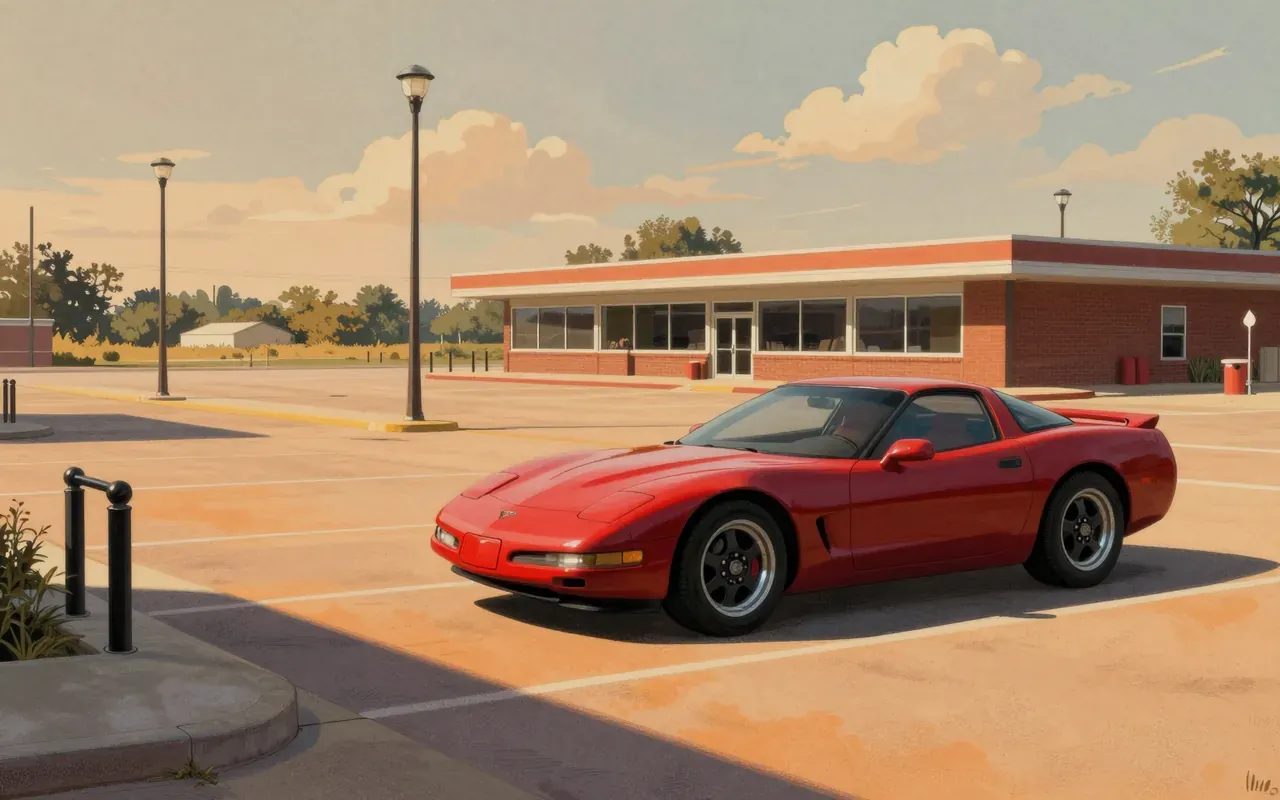
Chevrolet Corvette (C5)John Cafaro · 1997The Chevrolet Corvette (C5) is the fifth-generation Corvette sports car, produced from 1997 to 2004. It introduced a hydroformed box frame, rear-mounted transaxle, and the all-aluminium LS1 engine — the first GM vehicle with third-generation LS engines. It was the last Corvette with pop-up headlights. The Z06 variant launched in 2001. The C5-R racing variant won the 24 Hours of Daytona and 24 Hours of Le Mans in the GTS/GT1 class.
8:30
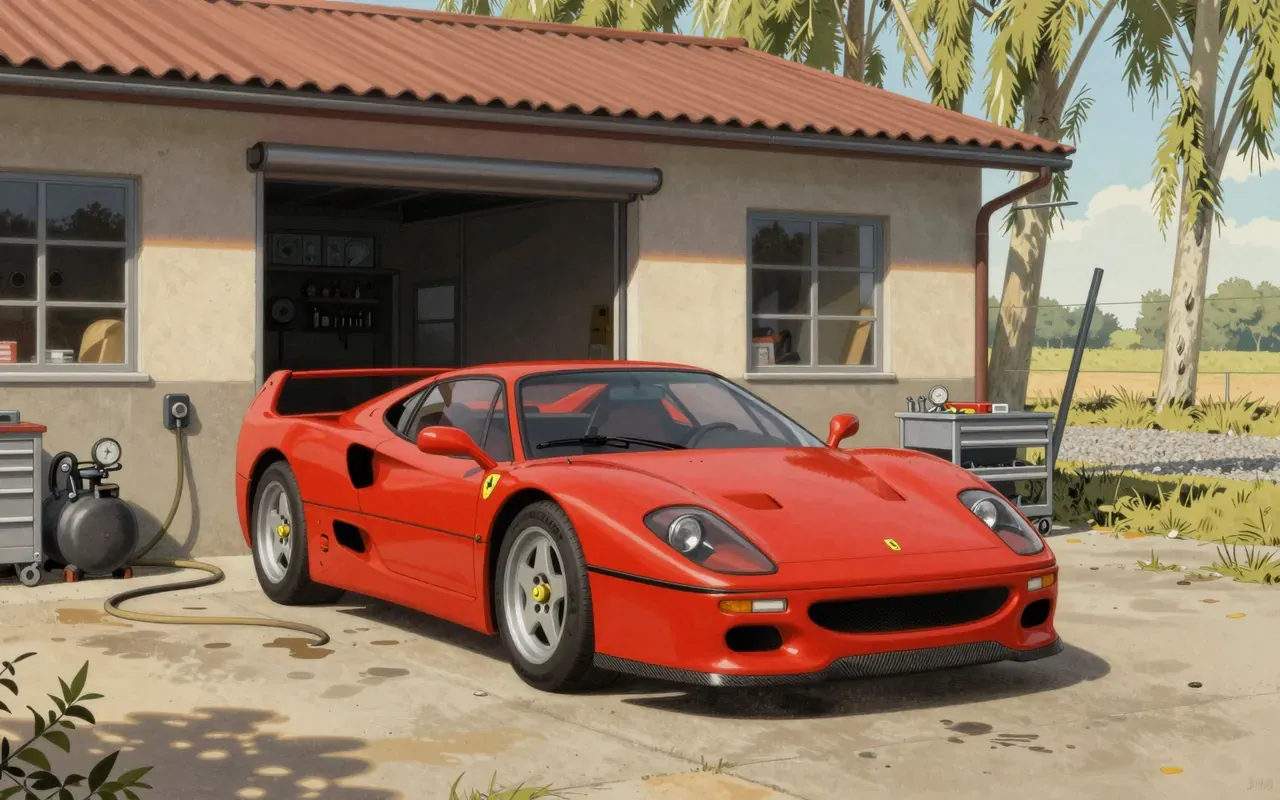
Ferrari F50Lorenzo Ramaciotti · 1995The Ferrari F50 is a 1995–1997 limited-run targa-top supercar. Its 4.7 L V12 came from Formula One. Its shape grew from the 1989 Mythos concept and borrowed F1 front-end cues. It uses a rear mid-engine, rear-wheel-drive layout. Only 349 were built.
10:42
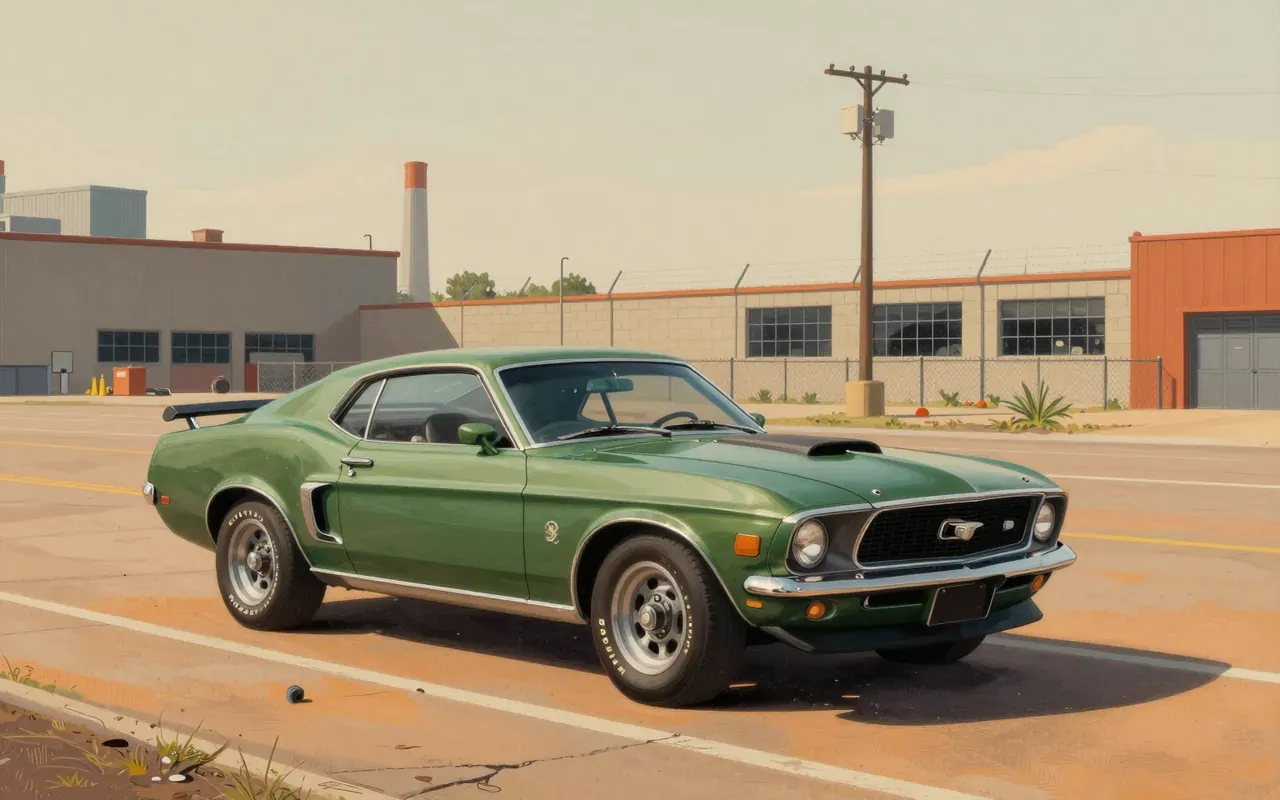
Boss 429 MustangLarry Shinoda · 1969The Boss 429 Mustang is a 1969–1970 homologation special built solely to qualify Ford’s semi-hemispherical 429 cu in V8 for NASCAR. Its engine was too wide for the Mustang’s engine bay—requiring Kar Kraft to widen the front end. Priced at nearly $5,000 and limited to 1,359 units, it sacrificed usability, cost, and serviceability for one purpose: counting toward NASCAR’s 500-car rule. Larry Shinoda, who named the Boss line as a homage to Bunkie Knudsen, did not design this car—but its existence follows directly from the logic he established with the Boss 302.
8:32
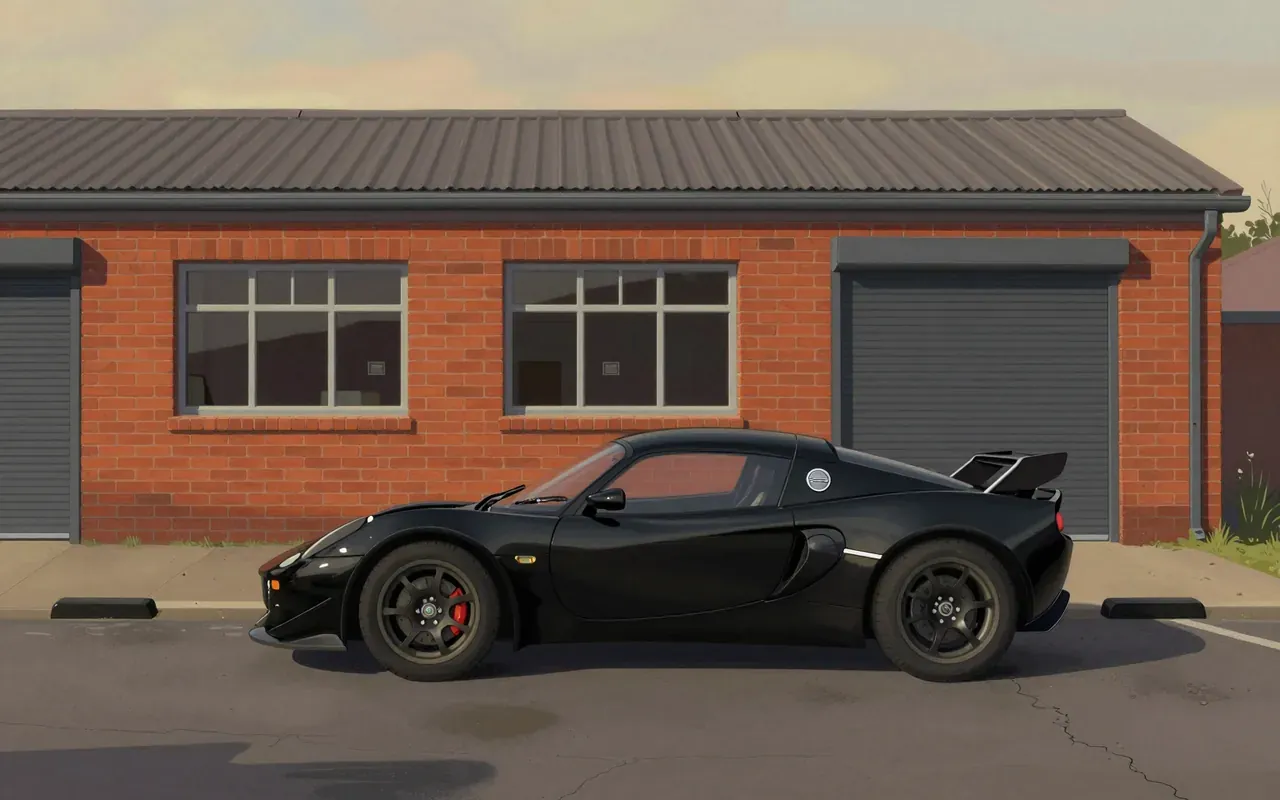
Lotus ExigeRussell Carr · 2000The Lotus Exige is a British sports car produced from 2000 to 2021. It began as a hardtop coupé derivative of the Elise roadster. Its name means 'demand' or 'require' in French. The original 2000 model used a naturally aspirated 1.8 L Rover K-Series inline-four. Series 2 (2004) switched to a naturally aspirated 1.8 L Toyota/Yamaha 2ZZ-GE. Series 3 (2012) adopted a supercharged 3.5 L V6 from the Evora S. All generations featured mid-engine, rear-wheel-drive layout, non-removable hardtop, kamm-tail rear bodywork, and a pylon-mounted rear wing.
Up next in Automotive

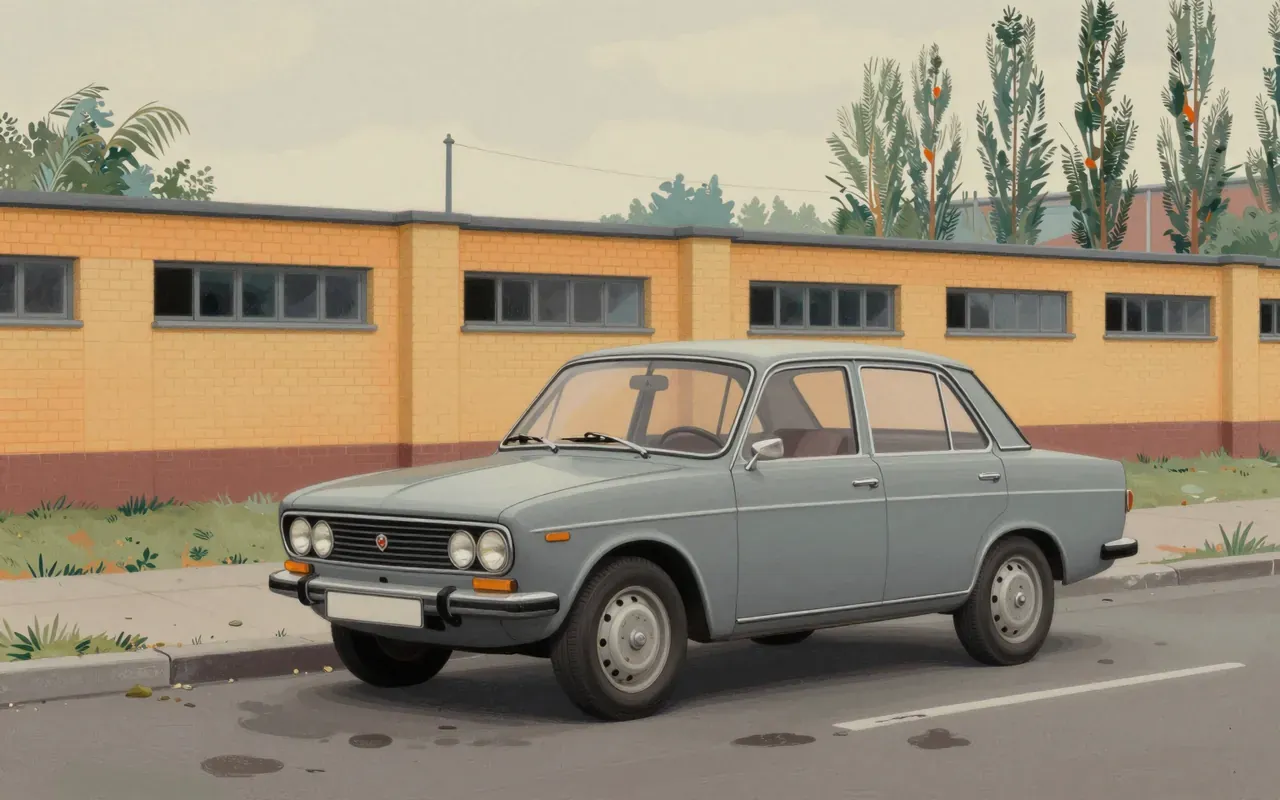
Škoda 110 R

Škoda Design · 1970 · 9:00

A rear-engined coupé that traded handling logic for fastback flair — and sold 56,902 times.

9:00