automotivebriefs
9:17in productionCh. 1 · The Engine Swap/ 9:17 · ceiling 15 min
Racing · Endurance

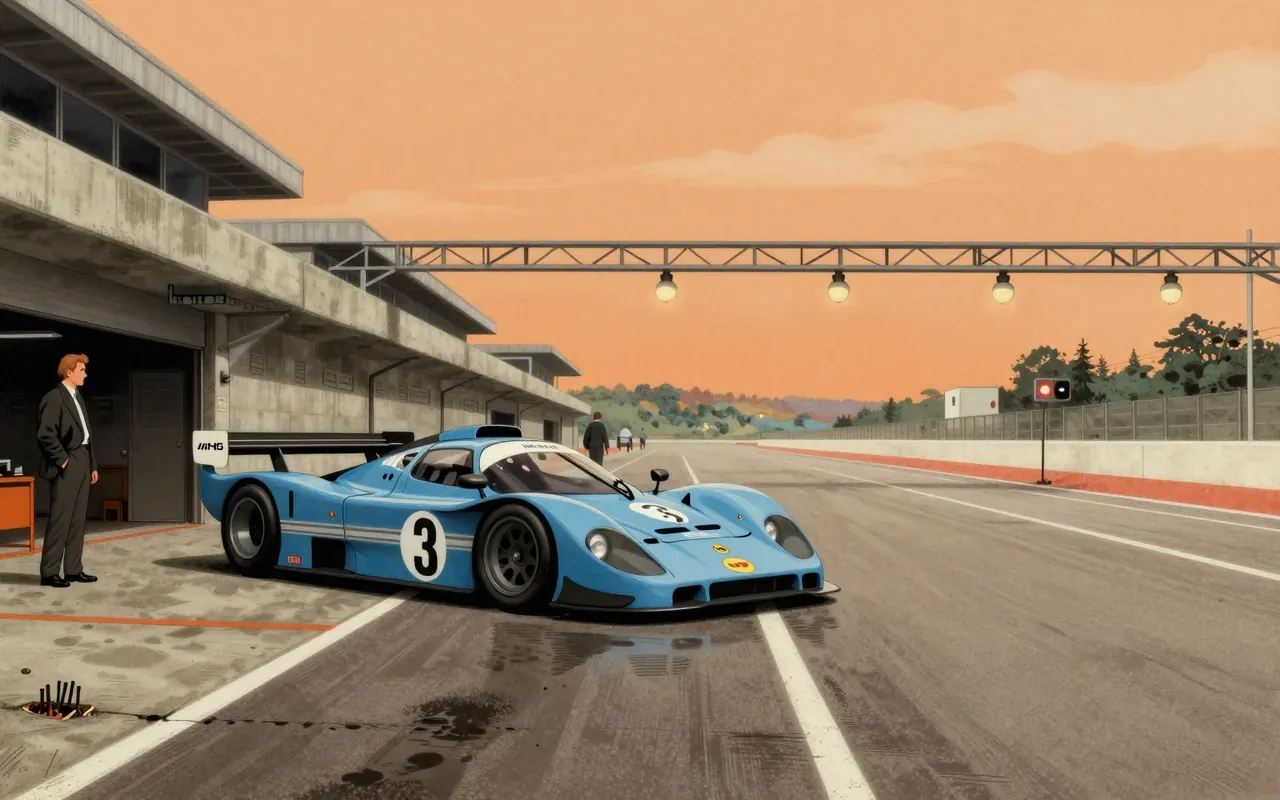
Mercedes-Benz CLK LM

A single-season pivot, not a pinnacle — built to win a championship that vanished the moment it did.

The Mercedes-Benz CLK LM is a 1998 Group GT1 racing car built by Mercedes-Benz and AMG to win the FIA GT Championship. It uses a naturally aspirated M119 V8 with a flat-plane crankshaft, replacing the CLK GTR’s V12. Two road-legal CLK LM Straßenversion chassis were built for homologation — one destroyed in crash testing. It won every 1998 FIA GT race but retired from the non-championship 1998 24 Hours of Le Mans. Five chassis were built in total: three race, two road-legal. Mercedes ended its GT1 programme after 1998 when the FIA removed the GT1 class.

Chapters & takeaways4
  1. 0:50
    The Engine Swap

    It replaced the CLK GTR’s V12 with a flatter-cranked, naturally aspirated V8 for reliability.

  2. 2:19
    The Straßenversion

    Two road-legal chassis were built — one destroyed — to satisfy FIA GT homologation rules.

  3. 3:41
    Undefeated, Then Unfinished

    It won every 1998 FIA GT race but retired from Le Mans due to lubrication failure.

  4. 5:16
    One Season, Then Gone

    Mercedes exited GT1 entirely after 1998 when the FIA scrapped the class.

Worth your time?

Yes. Drive the whole thing.

4/ 5
What works
  • wins every 1998 FIA GT race
  • delivers engine reliability where CLK GTR failed
  • executes homologation exactly: two road-legal chassis, one crash-tested
What does not
  • use forced induction
  • race at Le Mans successfully
  • survive beyond 1998 as a competitive platform
Drive it if
  • readers who track how regulations shape machines
Skip it if
  • those who conflate racing success with road relevance
The written brief1 min read

What the car is and where it came from

A Group GT1 racing car built by Mercedes-Benz and AMG in 1998. It is a re-engineered successor to the CLK GTR, developed solely for the FIA GT Championship.

How it works, in terms someone would actually use

It uses a naturally aspirated M119 V8 — the GT 108B — with a flat-plane crankshaft, replacing the CLK GTR’s V12. The engine was chosen for reliability over peak power. A road-legal homologation version, the CLK LM Straßenversion, was built to meet FIA GT Championship rules.

What it gets right

It wins every 1998 FIA GT Championship race. Its engine swap delivers reliability where the CLK GTR failed. Its homologation path is executed exactly: two road-legal chassis, one crash-tested.

What it does not

It does not survive beyond 1998 as a competitive platform. It does not race at Le Mans successfully. It does not use forced induction or a V12.

What it changed

It ended Mercedes’ GT1 effort after one season, when the FIA removed the GT1 class. That closure forced Mercedes into LMGTP and the ill-fated CLR.

Who it is for, and who it is not

It is for readers who track how regulations shape machines — not enthusiasts seeking emotional resonance or design lineage. It is not for those who conflate racing success with road relevance.

Is it worth your time

Yes — if you care about how a factory motorsport programme pivots under regulation, not legend. It is a precise, short-lived response to a rule change, not a long-term statement.
Same garage · Racing4 of 33
10:28
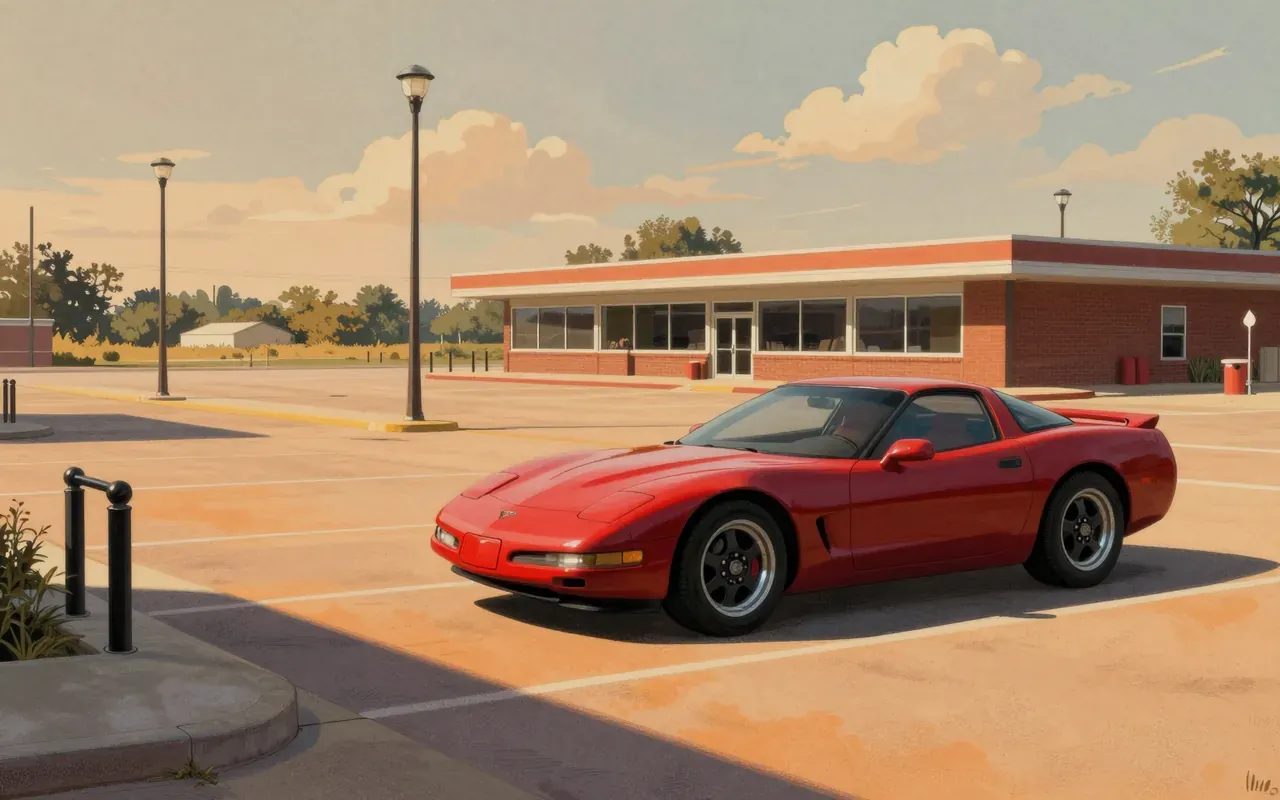
Chevrolet Corvette (C5)John Cafaro · 1997The Chevrolet Corvette (C5) is the fifth-generation Corvette sports car, produced from 1997 to 2004. It introduced a hydroformed box frame, rear-mounted transaxle, and the all-aluminium LS1 engine — the first GM vehicle with third-generation LS engines. It was the last Corvette with pop-up headlights. The Z06 variant launched in 2001. The C5-R racing variant won the 24 Hours of Daytona and 24 Hours of Le Mans in the GTS/GT1 class.
8:30
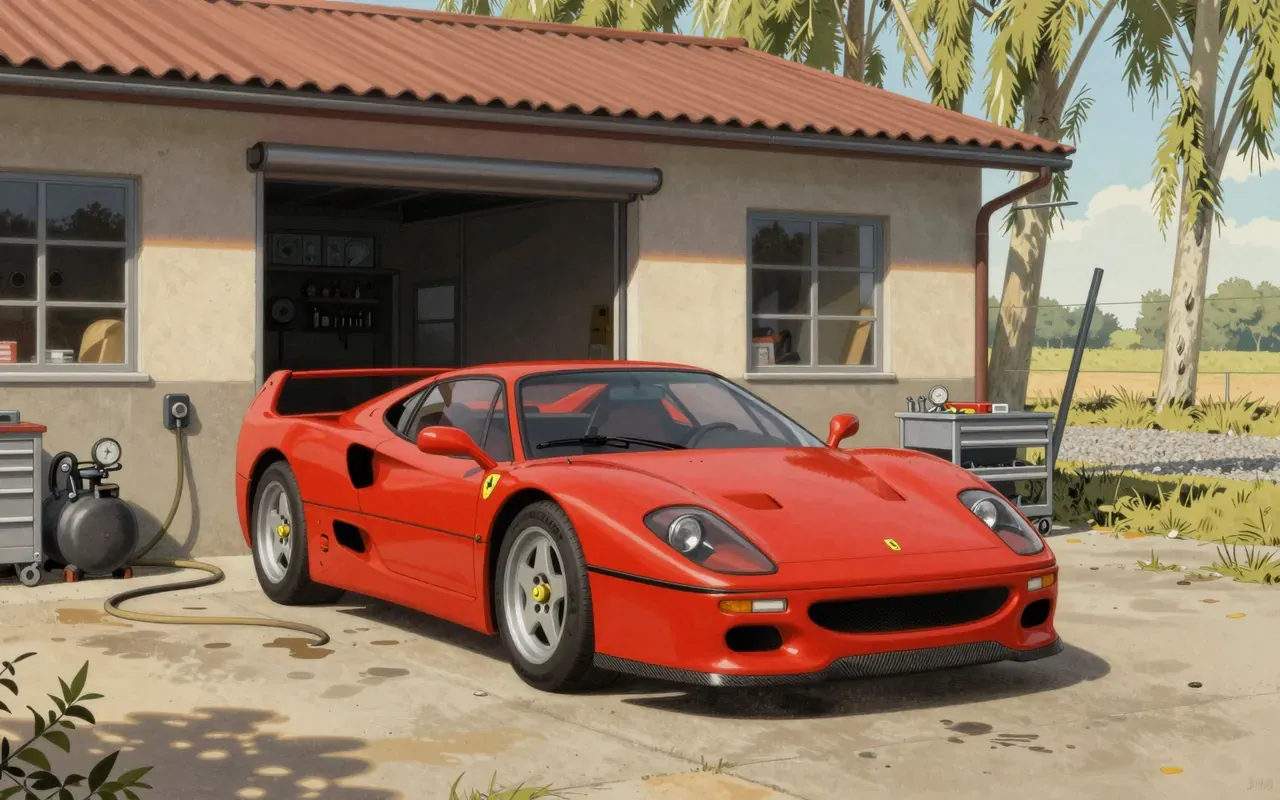
Ferrari F50Lorenzo Ramaciotti · 1995The Ferrari F50 is a 1995–1997 limited-run targa-top supercar. Its 4.7 L V12 came from Formula One. Its shape grew from the 1989 Mythos concept and borrowed F1 front-end cues. It uses a rear mid-engine, rear-wheel-drive layout. Only 349 were built.
10:42
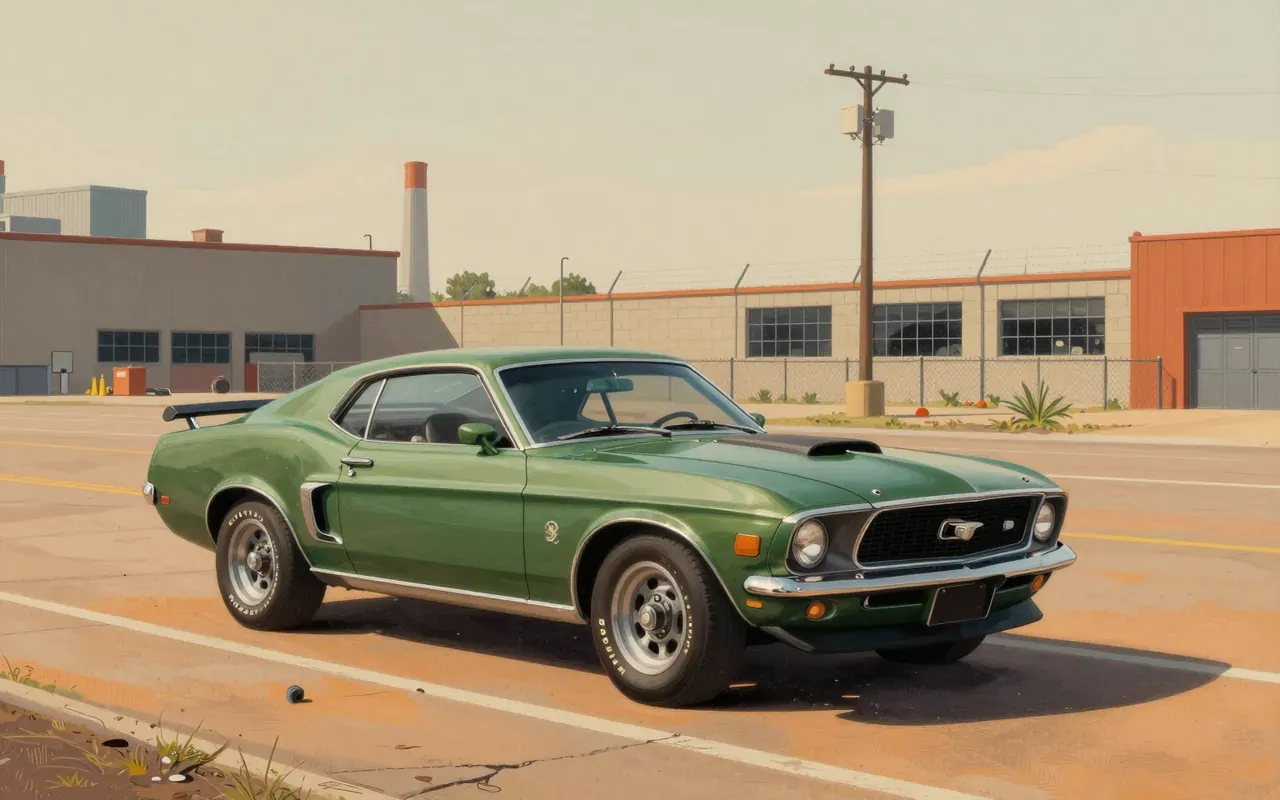
Boss 429 MustangLarry Shinoda · 1969The Boss 429 Mustang is a 1969–1970 homologation special built solely to qualify Ford’s semi-hemispherical 429 cu in V8 for NASCAR. Its engine was too wide for the Mustang’s engine bay—requiring Kar Kraft to widen the front end. Priced at nearly $5,000 and limited to 1,359 units, it sacrificed usability, cost, and serviceability for one purpose: counting toward NASCAR’s 500-car rule. Larry Shinoda, who named the Boss line as a homage to Bunkie Knudsen, did not design this car—but its existence follows directly from the logic he established with the Boss 302.
8:32
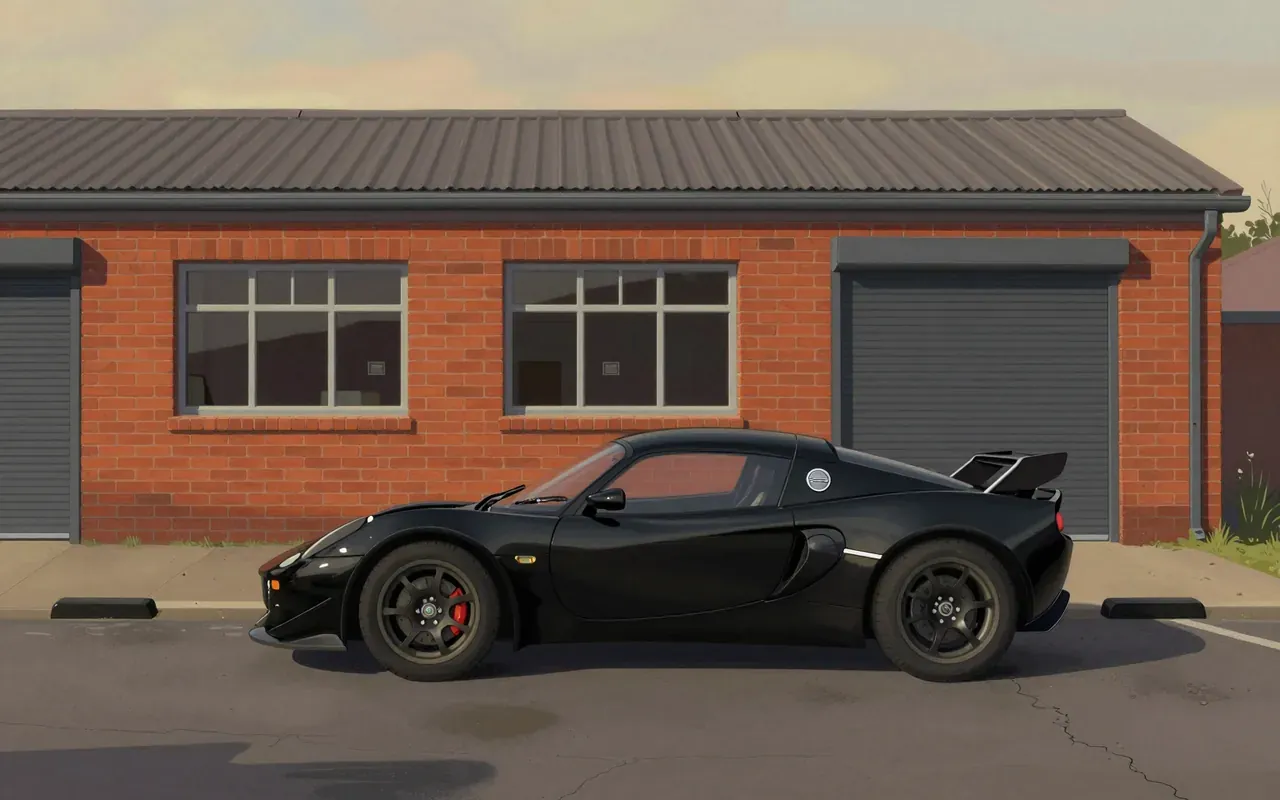
Lotus ExigeRussell Carr · 2000The Lotus Exige is a British sports car produced from 2000 to 2021. It began as a hardtop coupé derivative of the Elise roadster. Its name means 'demand' or 'require' in French. The original 2000 model used a naturally aspirated 1.8 L Rover K-Series inline-four. Series 2 (2004) switched to a naturally aspirated 1.8 L Toyota/Yamaha 2ZZ-GE. Series 3 (2012) adopted a supercharged 3.5 L V6 from the Evora S. All generations featured mid-engine, rear-wheel-drive layout, non-removable hardtop, kamm-tail rear bodywork, and a pylon-mounted rear wing.
Up next in Automotive

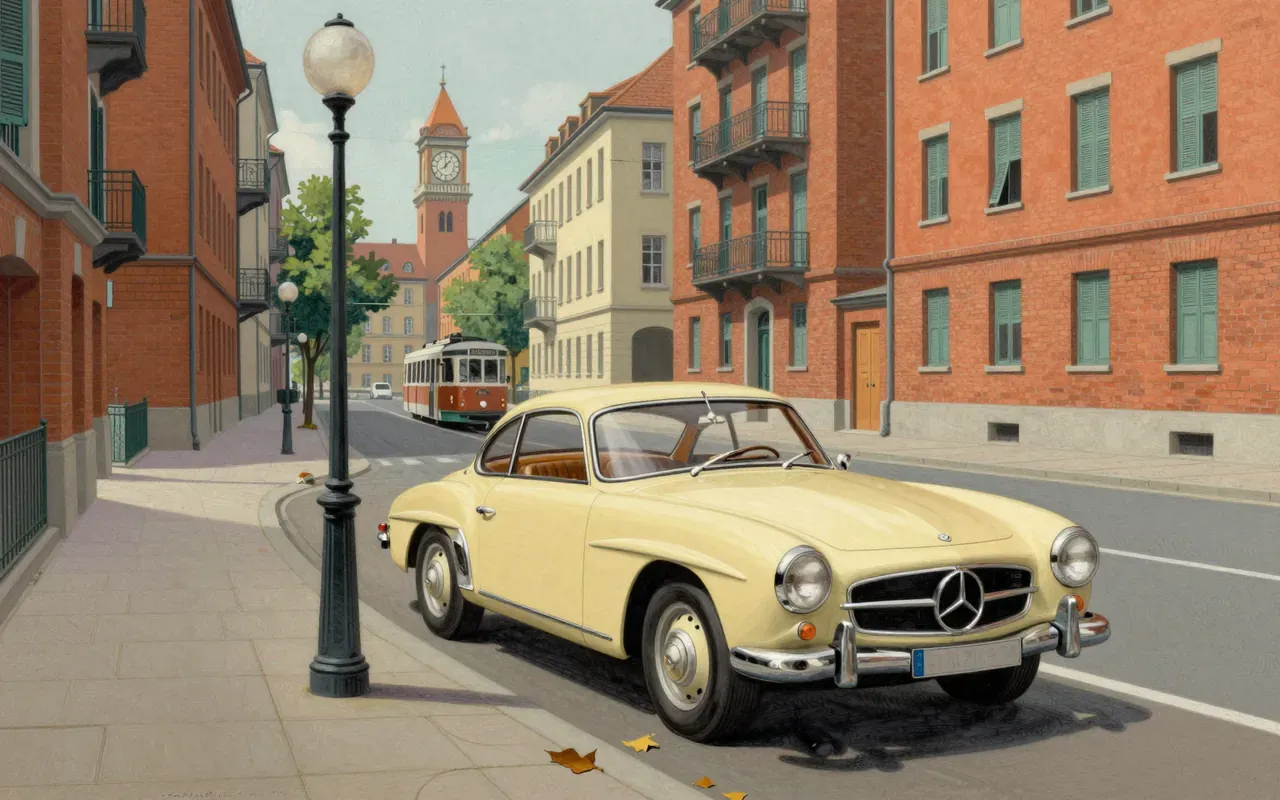
Mercedes-Benz 190 SL

Karl Wilfert · 1955 · 9:33

A saloon-based roadster that borrowed prestige but not purpose from the 300 SL.

9:33