automotivebriefs
9:06in productionCh. 1 · The Sacco Standard/ 9:06 · ceiling 15 min
Saloons & estates

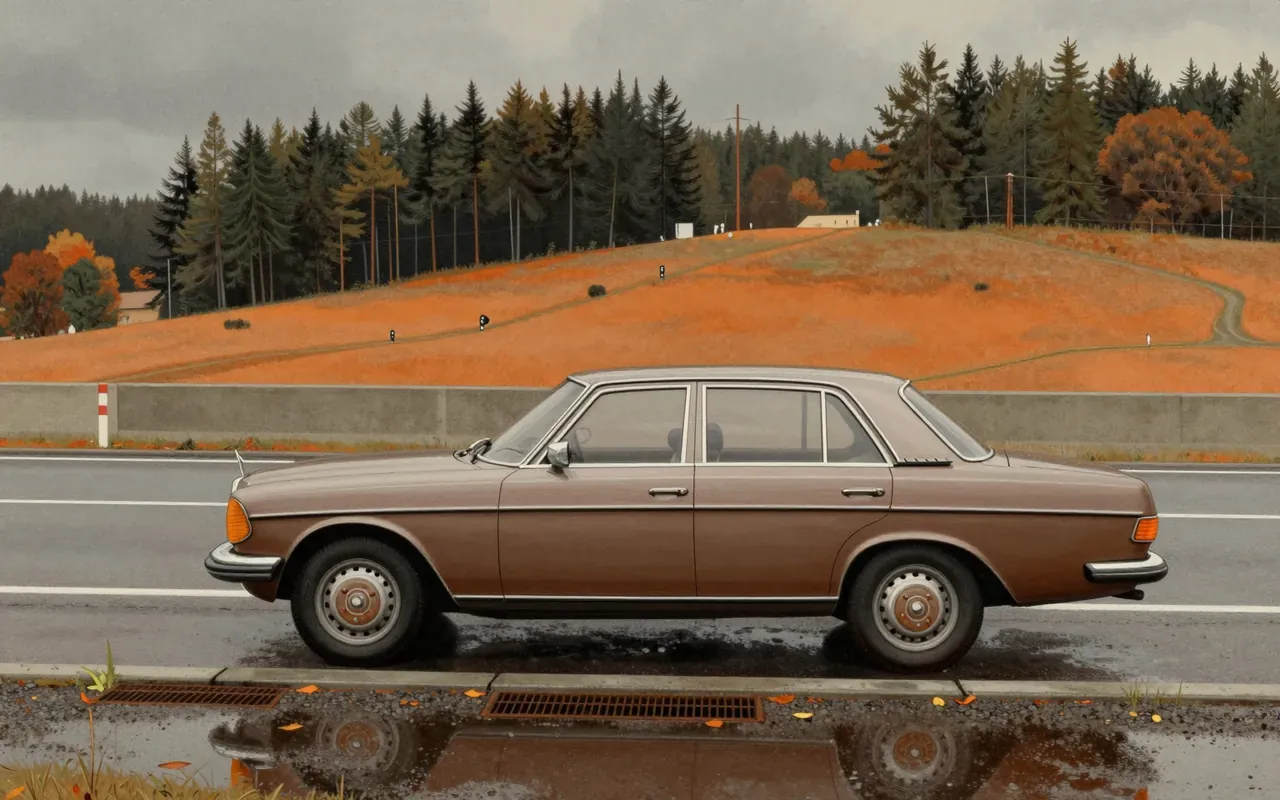
Mercedes-Benz W123

It did not win hearts — it earned mileage receipts.

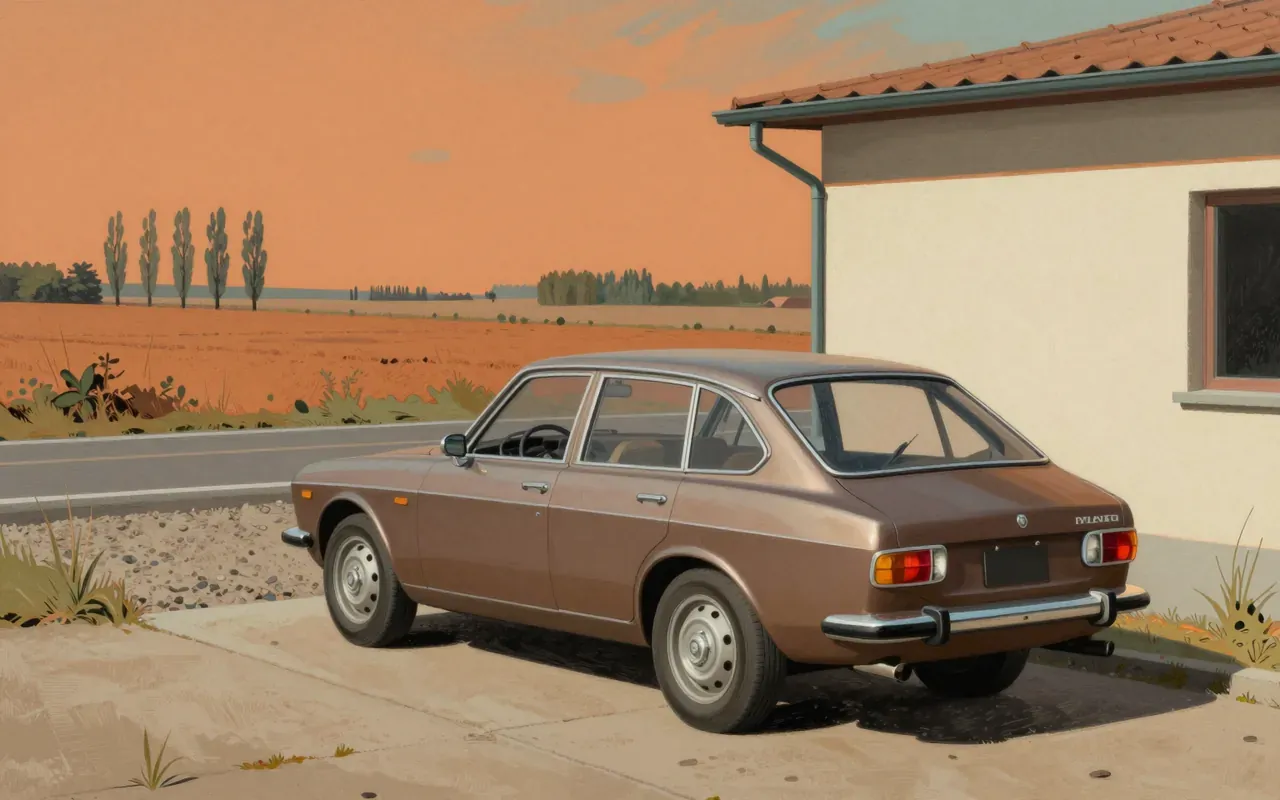
The Mercedes-Benz W123 is the best-selling Mercedes-Benz ever. Bruno Sacco made significant contributions to its design. It is a German executive car produced from November 1975 to January 1986. It sold 2.7 million units. It earned a strong reputation for build quality and reliability — especially among German taxi operators, many of whom drove it beyond 500,000 km with minimal mechanical issues. Early demand outstripped supply, leading to long waiting periods and even a black market for immediate delivery. It was offered in saloon, coupé, limousine and estate body styles — all factory-built — with the estate marking Mercedes-Benz’s first such offering.

Chapters & takeaways5
  1. 0:49
    The Sacco Standard

    Bruno Sacco shaped the W123 — the best-selling Mercedes-Benz ever — as a German executive car built for endurance, not acclaim.

  2. 2:04
    The Waiting Game

    Demand outstripped supply so severely that buyers waited nine to twelve months — or paid a black market premium of 5,000 Deutsche Mark for immediate delivery.

  3. 3:28
    Taxi-Tested Toughness

    German taxi fleets ran W123s past 500,000 km with minimal mechanical issues — proof of its build quality and reliability.

  4. 4:41
    The Sales Record

    It was the most successful Mercedes-Benz model at the time — and remains the brand’s best-selling car ever — with 2.7 million units produced.

  5. 5:46
    Four Bodies, One Standard

    It offered saloon, coupé, limousine and estate body styles — all factory-built — with the estate marking Mercedes-Benz’s first such offering.

Worth your time?

Yes. Drive the whole thing.

4.5/ 5
What works
  • build quality
  • mechanical simplicity
  • corrosion resistance
  • serviceability
What does not
  • performance
  • driver engagement
  • technical novelty
Drive it if
  • drivers who value durability over drama
  • operators requiring high-mileage resilience
  • owners prioritising long-term serviceability
Skip it if
  • drivers seeking emotional connection
  • enthusiasts prioritising handling feedback
  • buyers expecting digital integration
The written brief1 min read

What the car is and where it came from

The Mercedes-Benz W123 is a German executive car produced from November 1975 to January 1986. Bruno Sacco made significant contributions to its design. It sold 2.7 million units.

How it works, in terms someone would actually use

It is a German executive car. It was built to last. It offered saloon, coupé, limousine and estate body styles — all factory-built. The estate was Mercedes-Benz’s first factory-built station wagon.

What it gets right

It gets right structural integrity, corrosion resistance, mechanical simplicity and serviceability. It delivers predictable, unflustered behaviour over decades of use. Its design accommodates high-mileage operation without degradation in function or safety.

What it does not

It does not offer technical innovation as its primary claim. It does not prioritise driver engagement or performance. It makes no claim to lightweight construction, aerodynamic efficiency or digital integration.

What it changed

It changed expectations of longevity in executive cars. It proved that mass-produced luxury vehicles could achieve extraordinary service life without compromise in build quality. It established the estate as a core Mercedes-Benz body style.

Who it is for, and who it is not

It is for drivers who value durability over drama, utility over flair, and long-term ownership over novelty. It is not for those seeking emotional connection, dynamic feedback or technological distinction.

Is it worth your time

Yes. It is the best-selling Mercedes-Benz ever. Its reputation for durability and reliability was proven in real-world use, especially by German taxi operators who routinely drove it beyond 500,000 km with minimal mechanical issues.
Same garage · Saloons & estates4 of 79
Up next in Automotive

Mitsubishi 3000GT

Masaru Suzuki · 1990 · 9:24

A front-engine, all-wheel-drive GT that chose traction and tech over tradition—and never apologised.

9:24