Saved
Sports cars

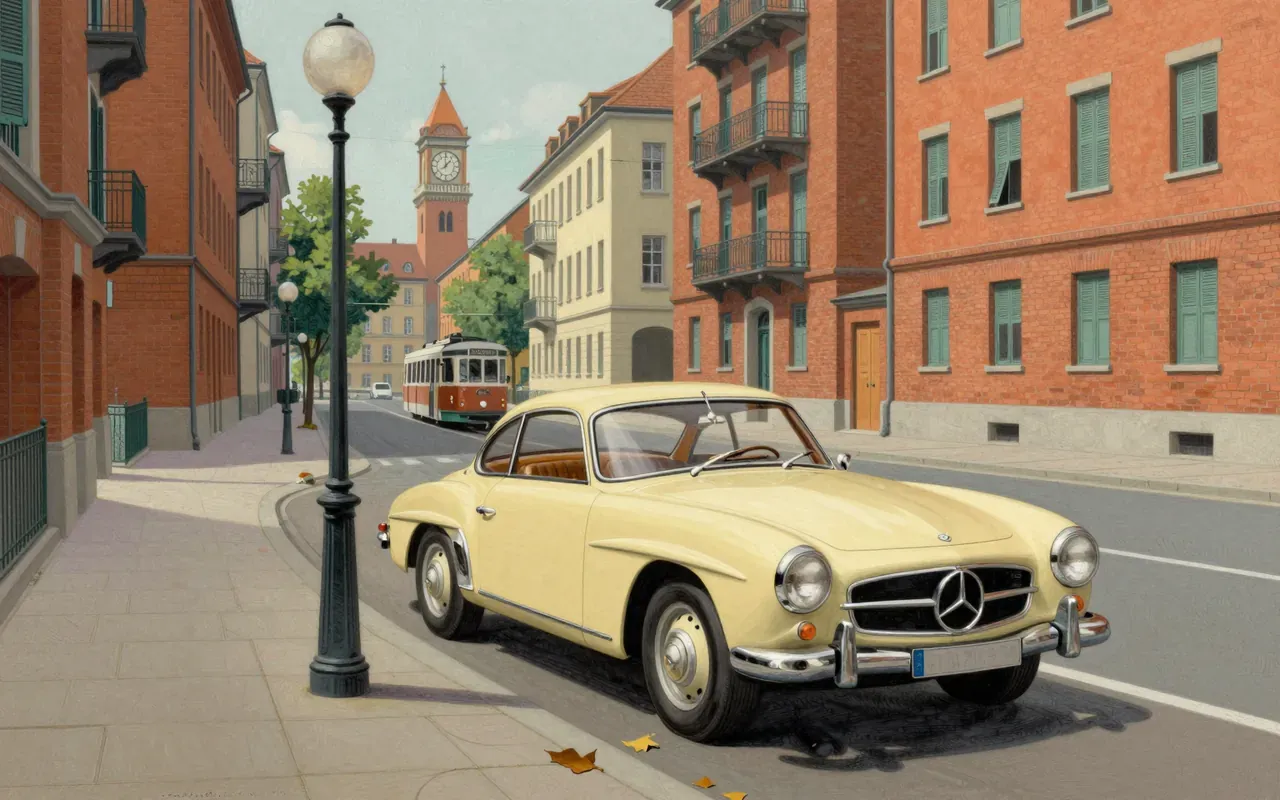
Mercedes-Benz 190 SL

A saloon-based roadster that borrowed prestige but not purpose from the 300 SL.

Worth your time?3.5/5Yes.Drive the whole thing.What works, what does not, who it is for ↓
9:33in productionCh. 1 · What it is/ 9:33 · ceiling 15 min
4 chapters · 9:33Ceiling 15:00

The brief is written and checked. The video joins this page when it is cut.4 chapters · 1 min read · 9:33 planned

Read the brief

The Mercedes-Benz 190 SL is a two-door luxury roadster produced from May 1955 to February 1963. It was internally designated W121 (BII). It was first shown in prototype at the 1954 New York Auto Show. It was available with an optional removable hardtop. It was a more affordable alternative to the 300 SL. Both cars had double wishbones in front and swing axles at the rear. Instead of the 300 SL's tubular spaceframe, the 190 SL used a shortened unitary floorpan modified from the W121 saloon. It was powered by a Type M121 BII 1.9 L straight-four SOHC engine.

Chapters & takeaways4
  1. 1:04
    What it is

    It is a two-door luxury roadster, internally designated W121 (BII), first shown as a prototype in 1954.

  2. 2:26
    How it was made affordable

    It used a shortened saloon floorpan instead of a spaceframe to deliver an affordable alternative to the 300 SL.

  3. 4:22
    What it shared — and what it didn’t

    It shared the 300 SL’s double-wishbone front and swing-axle rear suspension, but with a new 1.9 L four-cylinder engine.

  4. 6:02
    The hardtop option

    A removable hardtop extended its usability beyond soft-top convention.

1 more chapterFewer chapters
Worth your time?

Yes. Drive the whole thing.

3.5/ 5
What works
  • delivers accessible open-top motoring with coherent design language
  • removable hardtop option extends usability
  • suspension layout ties it visually and functionally to the 300 SL
What does not
  • use a tubular spaceframe
  • have a six-cylinder engine
  • offer the 300 SL’s racing-derived chassis architecture
Drive it if
  • buyers wanting the 300 SL’s presence without its price or complexity
  • drivers seeking accessible open-top motoring with coherent design language
Skip it if
  • drivers seeking raw performance
  • drivers seeking structural purity
  • drivers seeking engineering innovation
Who should drive it, and who should skipHide who it is for
The written brief1 min read

What the car is and where it came from

The Mercedes-Benz 190 SL is a two-door luxury roadster produced from May 1955 to February 1963. It was internally designated W121 (BII). It was first shown in prototype at the 1954 New York Auto Show.

How it works, in terms someone would actually use

It is a two-door luxury roadster with a unitary construction body. It uses double wishbones at the front and swing axles at the rear. Its engine is a 1.9 L straight-four SOHC, mounted in a shortened floorpan adapted from the W121 saloon.

What it gets right

It delivers accessible open-top motoring with coherent design language. Its removable hardtop option extends usability. Its suspension layout ties it visually and functionally to the 300 SL.

What it does not

It does not use the 300 SL’s tubular spaceframe. It does not have a six-cylinder engine. It does not offer the 300 SL’s racing-derived chassis architecture.

What it changed

It proved a luxury sports roadster could be built on a modified saloon platform and still share visual and mechanical language with a halo model.

Who it is for, and who it is not

It is for buyers who wanted the 300 SL’s presence without its price or complexity. It is not for drivers seeking raw performance, structural purity or engineering innovation.

Is it worth your time

Yes — if you want to understand how Mercedes-Benz scaled performance aesthetics into a production roadster without a spaceframe. No — if you expect modern handling, structural rigidity or engine output.

Same garage · Sports cars4 of 157
9:23
Mercedes-Benz W113Paul Bracq · 1963The Mercedes-Benz W113 is a two-seat luxury roadster/coupé introduced in 1963. It replaced the 300 SL and 190 SL. It was marketed as the 230 SL, 250 SL and 280 SL. Paul Bracq and Béla Barényi co-designed its patented concave hardtop — the source of the 'Pagoda' nickname. All models used a fuel-injected inline-six engine. Aluminium was used on the bonnet, boot lid, door skins and tonneau cover to reduce weight. 48,912 units were produced, with 19,440 sold in the US.
11:53
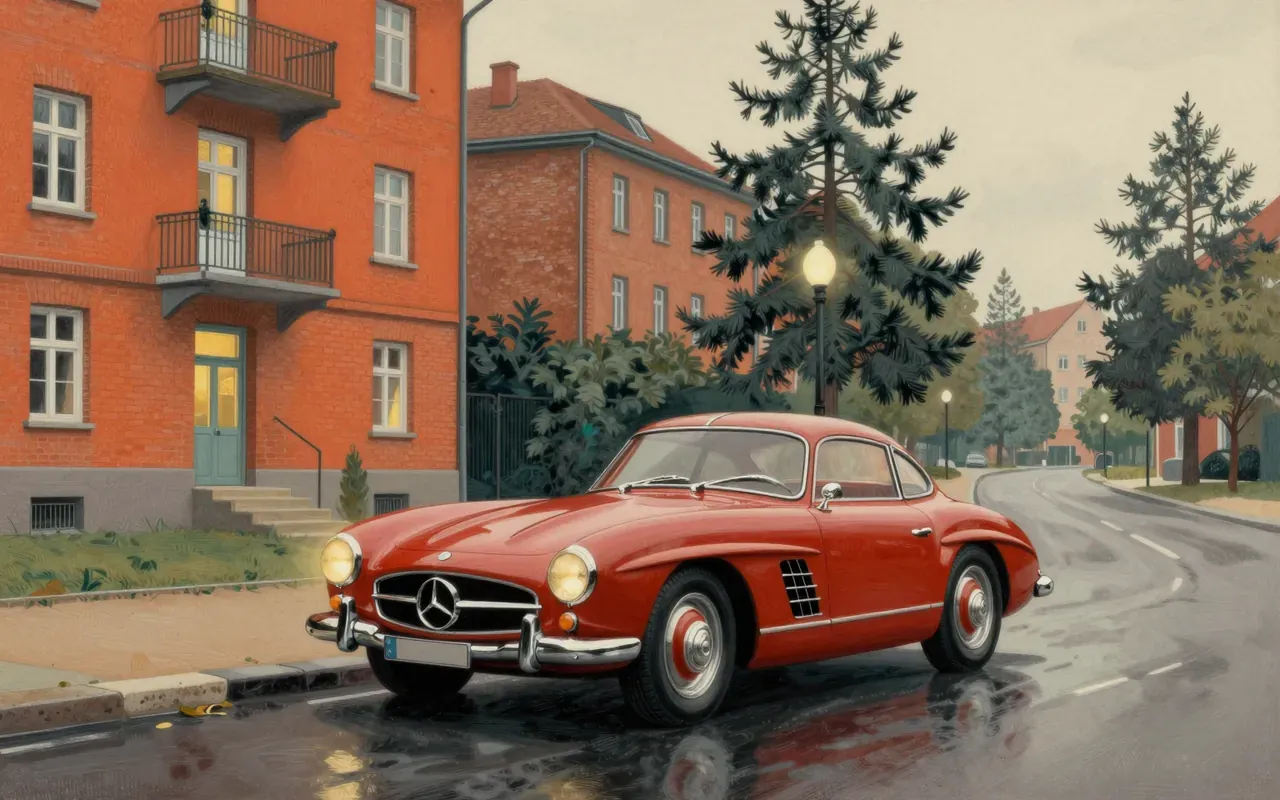
Mercedes-Benz 300 SLFriedrich Geiger · 1954The Mercedes-Benz 300 SL (W198) is a two-seat sports car produced from 1954 to 1957 as a gullwing coupé and from 1957 to 1963 as a roadster. Developed from the 1952 W194 racing car, it introduced mechanical direct gasoline fuel injection to production vehicles, achieved 260 km/h — the highest speed of any production car at the time — and featured groundbreaking gullwing doors and a lightweight tubular-frame construction. Its ‘L’ stands for ‘leicht’, meaning light, reflecting its racing-bred minimalism. Max Hoffman proposed the car to Mercedes-Benz after the 1952 racing successes, and Fritz Konecke approved an order for 1,000 units ahead of its February 1954 debut at the New York Auto Show.
10:04
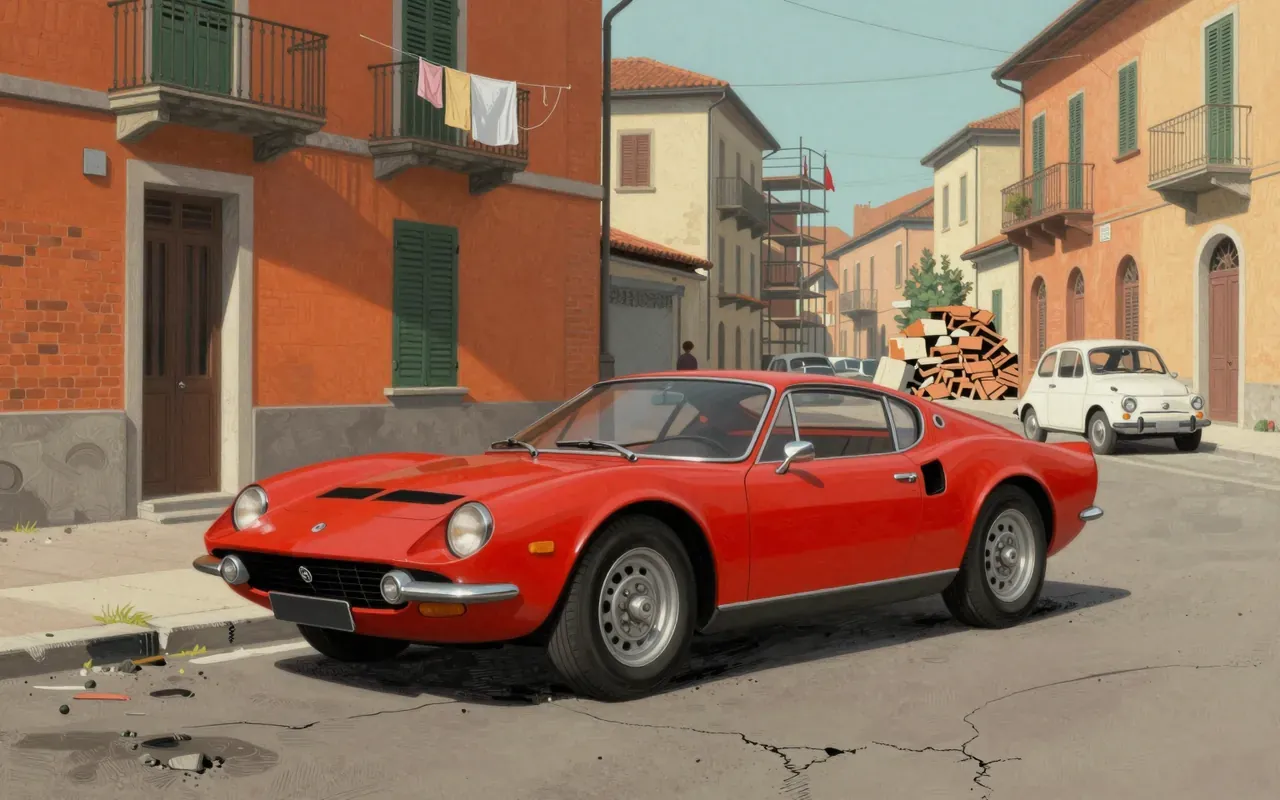
De Tomaso MangustaGiorgetto Giugiaro · 1967De Tomaso Mangusta (1967) — a Giugiaro-designed mid-engined sports car built on a modified P70 steel backbone chassis, with Ford V8 power and a distinctive gull-wing bonnet. 401 units produced. Suffered from handling instability, cramped cabin, and low ground clearance.
9:12
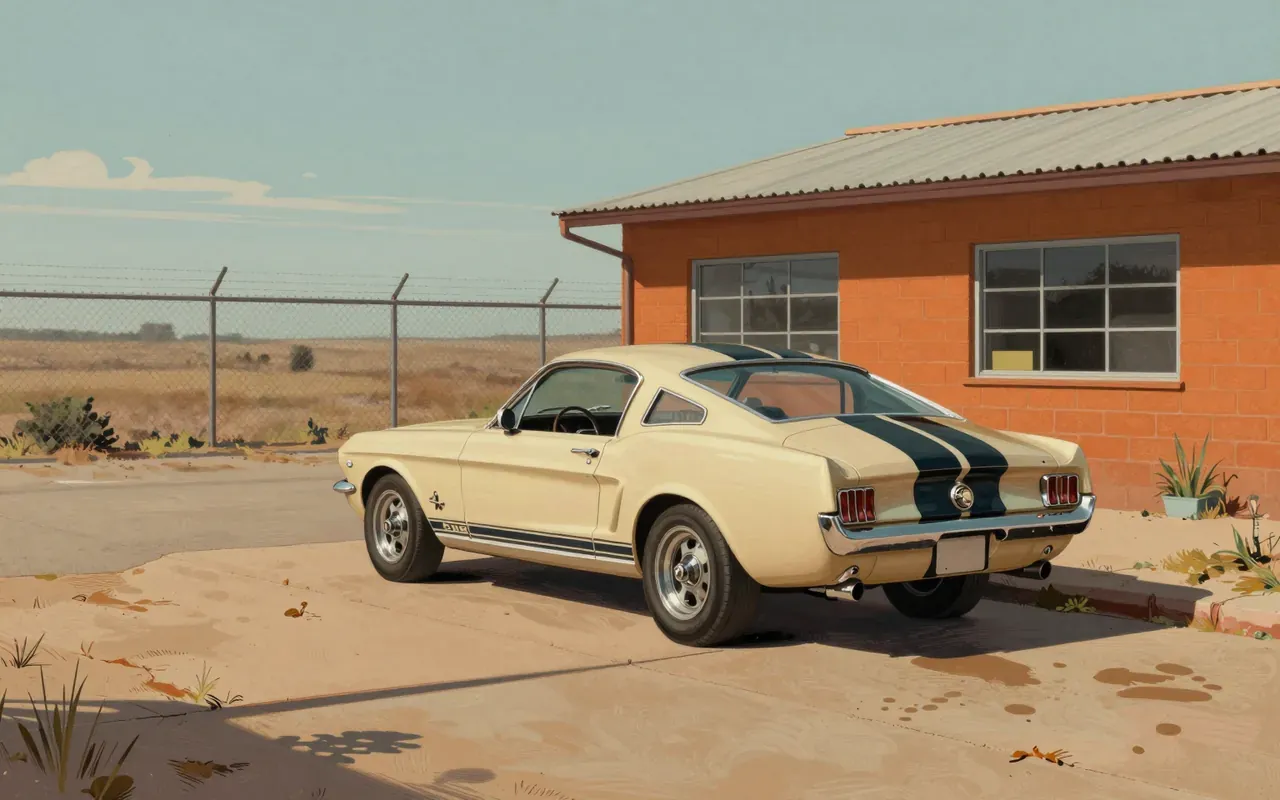
Shelby Mustang GT350Ford · 1965The 1965 Shelby Mustang GT350 is a race-focused fastback built by Shelby American. It uses a modified 289 cu in V8. It wins SCCA B-Production for three years. It abandons comfort entirely. After 1967, Shelby’s involvement ends and Ford reduces later models to styling upgrades.
Up next in Automotive

Mercedes-Benz 300 SL

Friedrich Geiger · 1954 · 11:53

The 300 SL isn’t a legend because it was fast — it’s a legend because it forced every other manufacturer to rethink how a production sports car should be built.

11:53