automotivebriefs
11:12in productionCh. 1 · Dual-regulation machine/ 11:12 · ceiling 15 min
Endurance · Racing

Mazda 787B

Le Mans wasn’t won on power — it was won on not breaking.

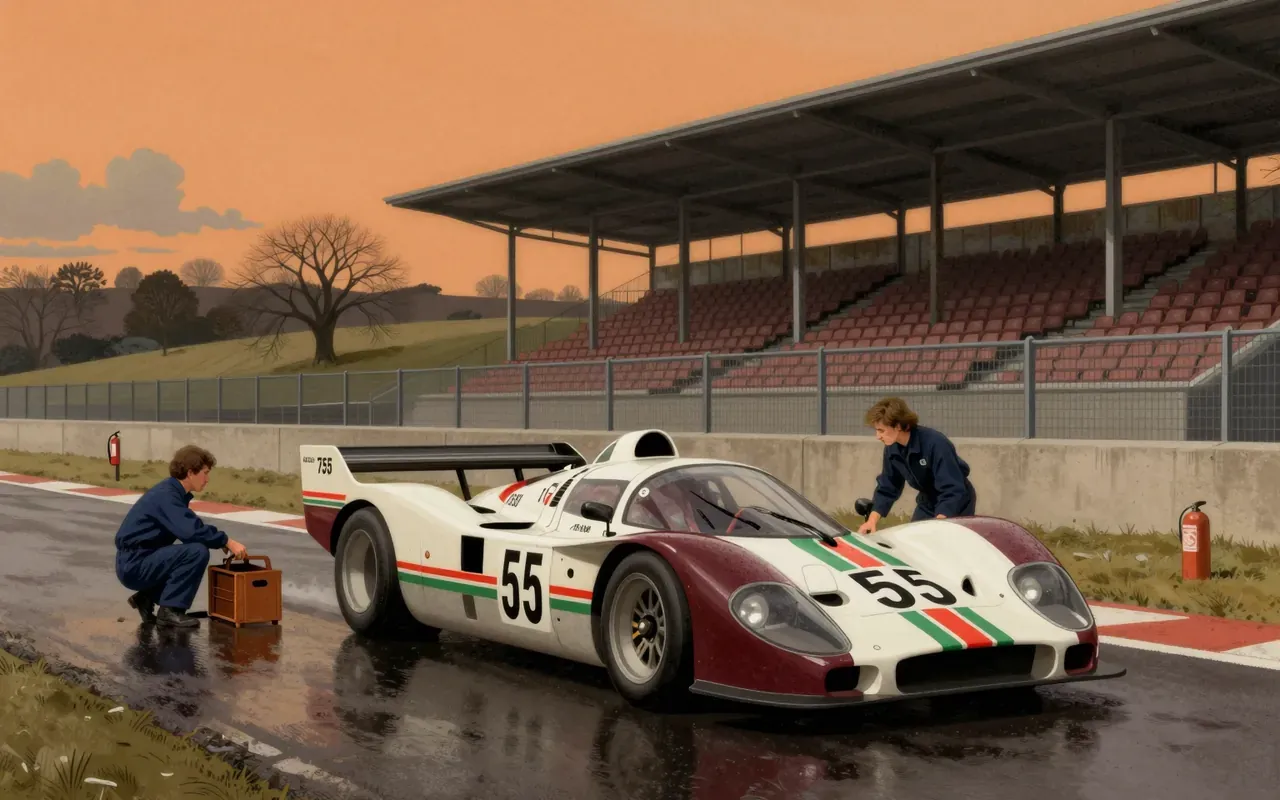
The Mazda 787B is a Group C sports prototype that won the 1991 24 Hours of Le Mans using a Wankel rotary engine — the only non-reciprocating engine car to do so as of 2026. Built between 1990 and 1991, five units were made: two 787s and three 787Bs. It prioritised reliability and fuel efficiency over outright speed, outlasting faster rivals. It marked the end of rotary power in top-tier endurance racing. It was the first Le Mans win by a Japanese manufacturer — unmatched until Toyota in 2018.

Chapters & takeaways6
  1. 0:57
    Dual-regulation machine

    It was built to two rulebooks at once — Group C and GTP — and was the last rotary to race under either.

  2. 2:25
    Reliability as weapon

    It lost every qualifying session — then outlasted everyone.

  3. 3:52
    The 1991 Le Mans anomaly

    One win. One manufacturer. One engine type — and no repeat since.

  4. 5:02
    Still alone

    As of 2026, no non-reciprocating engine has won Le Mans again.

  5. 6:22
    Five machines, one mission

    Five cars total. Two 787s. Three 787Bs. All built between 1990 and 1991.

  6. 7:26
    End of the rotor

    The rotary’s final top-tier endurance appearance — and its only Le Mans win.

Worth your time?

Yes. Drive the whole thing.

4.5/ 5
What works
  • delivered exceptional reliability
  • proved non-reciprocating engines viable in 24-hour racing
  • redefined endurance success as durability over speed
What does not
  • match single-lap pace of rivals
  • win championships beyond Le Mans
  • continue rotary use in top-tier racing after 1991
Drive it if
  • engineers studying combustion alternatives
  • endurance racers valuing consistency
Skip it if
  • fans of raw acceleration
  • those who equate performance with peak power
The written brief2 min read

What the car is and where it came from

The Mazda 787B is a Group C sports prototype racing car developed by Mazda between 1990 and 1991. Two 787s were built in 1990. Three 787Bs were built in 1991. It replaced the 767’s 13J Wankel engine with the new R26B.

How it works, in terms someone would actually use

It is a mid-engined Group C sports prototype. It uses a Wankel rotary engine — the R26B — instead of a reciprocating piston engine. Its construction combines carbon and Kevlar composites. It was built to comply with both FISA Group C and IMSA GTP regulations.

What it gets right

It delivered exceptional reliability and fuel efficiency. It solved for endurance over sprinting. It made the R26B rotary engine viable in a full-race, 24-hour context. It used lightweight composite construction to offset the rotary’s thermal and durability challenges.

What it does not

It did not match the single-lap pace of rivals like Mercedes-Benz, Jaguar, Porsche, Nissan or Toyota. It did not sustain rotary powertrains beyond 1991 in Group C or IMSA GTP. It did not win any championship other than the 1991 24 Hours of Le Mans.

What it changed

It ended rotary-powered competition in top-tier endurance racing. It proved a non-reciprocating engine could win Le Mans outright. It redefined what endurance racing success looked like: not fastest lap, but most laps completed without failure.

Who it is for, and who it is not

It is for engineers who study thermal management and combustion alternatives. It is for endurance racers who prioritise consistency over headline speed. It is not for fans of raw acceleration or mechanical drama. It is not for those who equate performance with peak power.

Is it worth your time

Yes. It is the only non-reciprocating engine car to win Le Mans as of 2026. It remains the sole Japanese manufacturer victory at Le Mans until Toyota’s 2018 win. Its engineering logic — reliability and fuel efficiency over peak speed — is legible, specific, and historically consequential.
Same garage · Endurance4 of 8
9:00
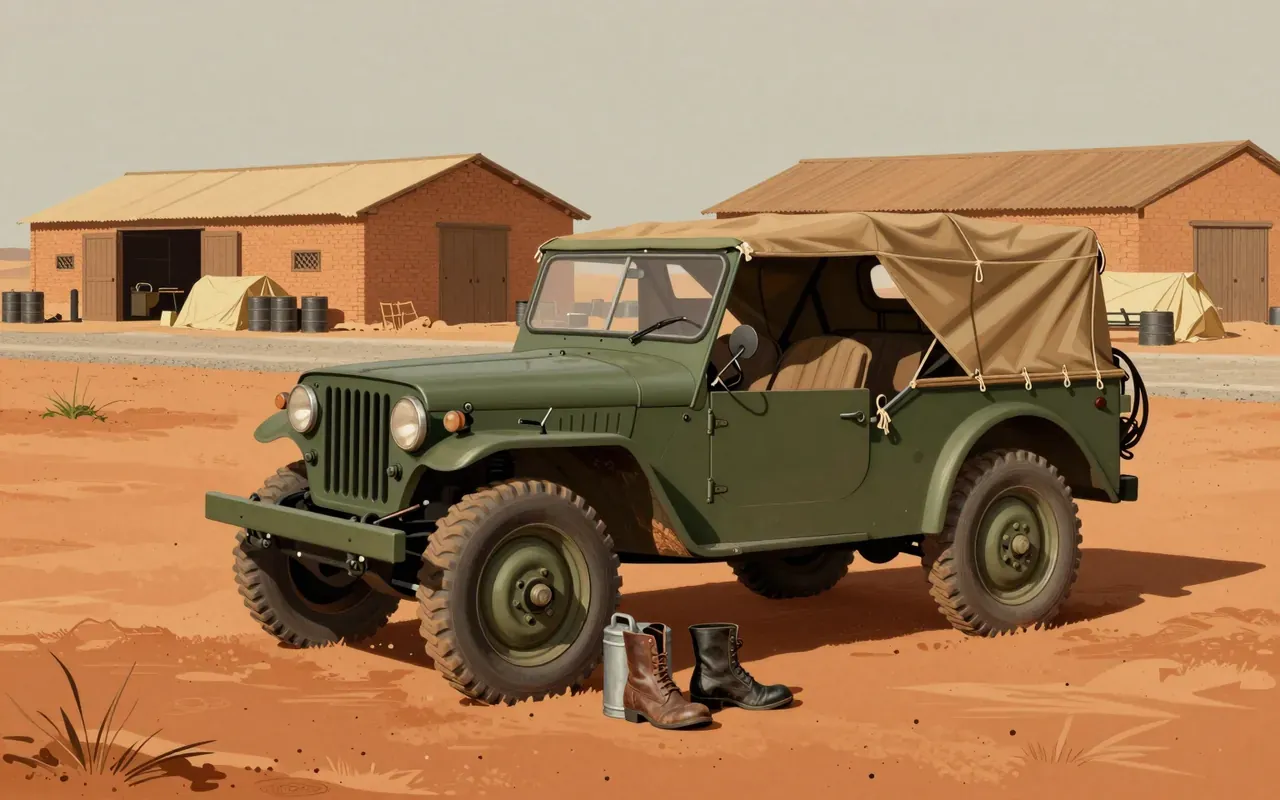
JeepWillys engineering · 1941The 1941 Willys MB Jeep is the origin point of the modern off-road vehicle: a purpose-built, mass-produced, mechanically simple 4×4 designed for battlefield mobility. Its influence is structural, not stylistic.
10:52
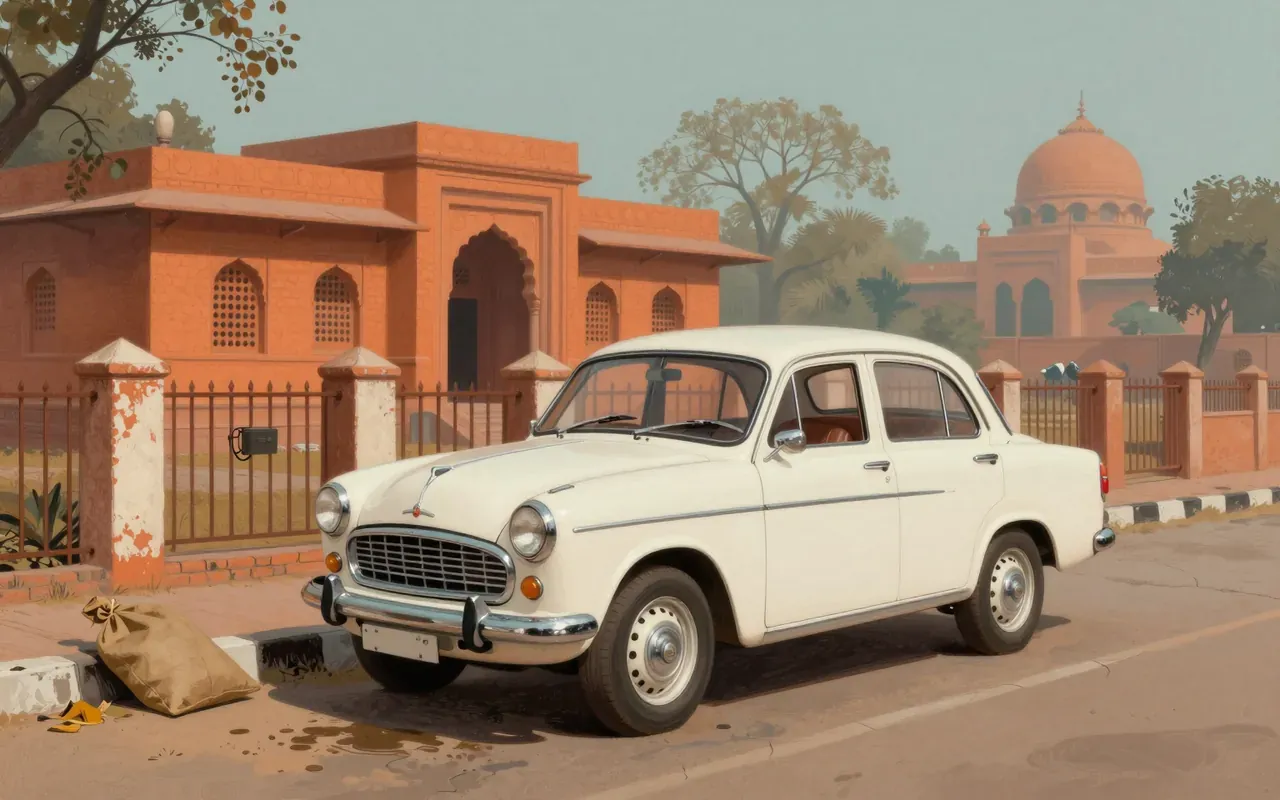
Hindustan AmbassadorMorris · 1957The Hindustan Ambassador is a saloon built in India from 1957 to 2014, based directly on the Morris Oxford Series III. It used a fully enclosed monocoque chassis and remained almost unchanged across its entire production run. It was not designed in India, nor did it evolve with changing global standards—but it endured as a functional, spatially generous, mechanically simple vehicle embedded in India’s administrative and transport systems.
10:26
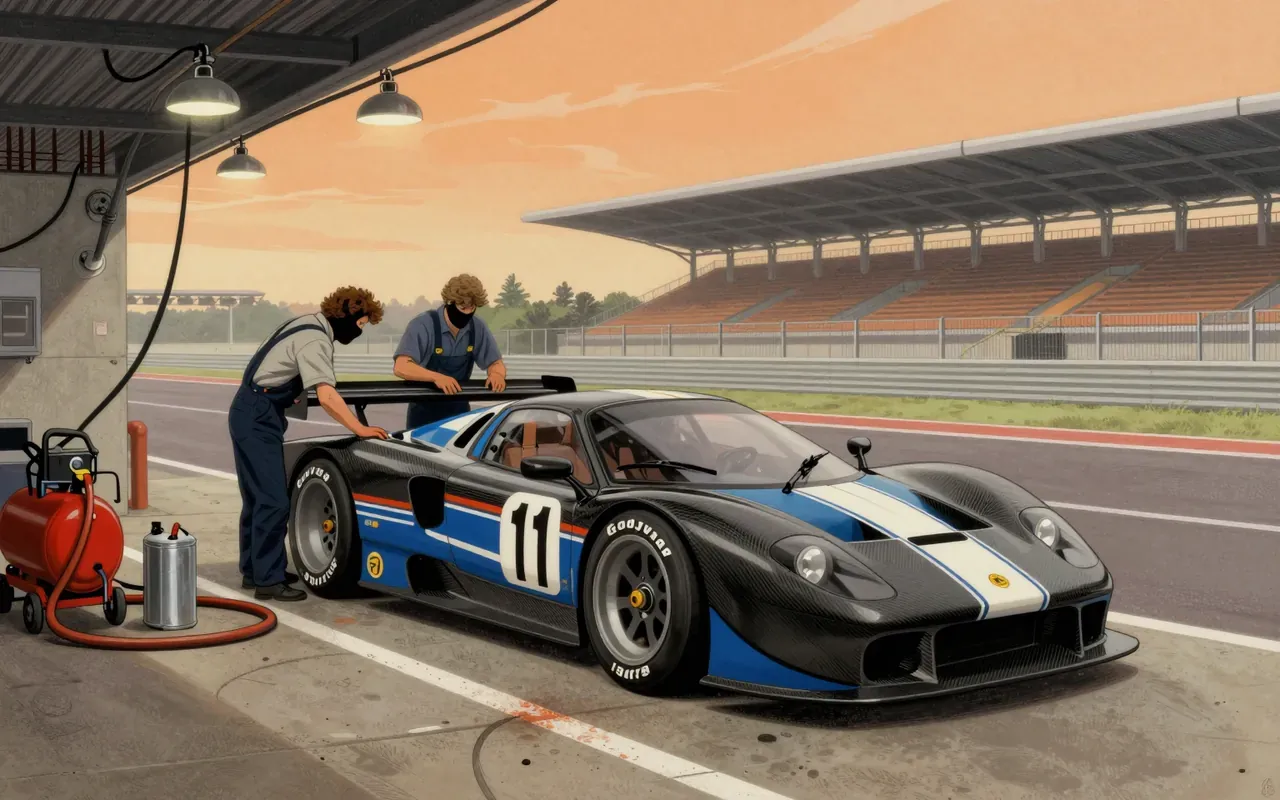
Jaguar XJR-9Tony Southgate · 1988The Jaguar XJR-9 is a sports-prototype race car designed by Tony Southgate and built by Tom Walkinshaw Racing (TWR) in 1988. It features a Jaguar 7.0-litre V12 engine, carbon composite body, and mid-mounted, longitudinally oriented, rear-wheel-drive layout. A Le Mans–specific variant, the XJR-9LM, used a low-drag aerodynamic package. It won the 24 Hours of Le Mans and the 24 Hours of Daytona in 1988, and took six victories in the 1988 World Sports Prototype Championship.
9:27
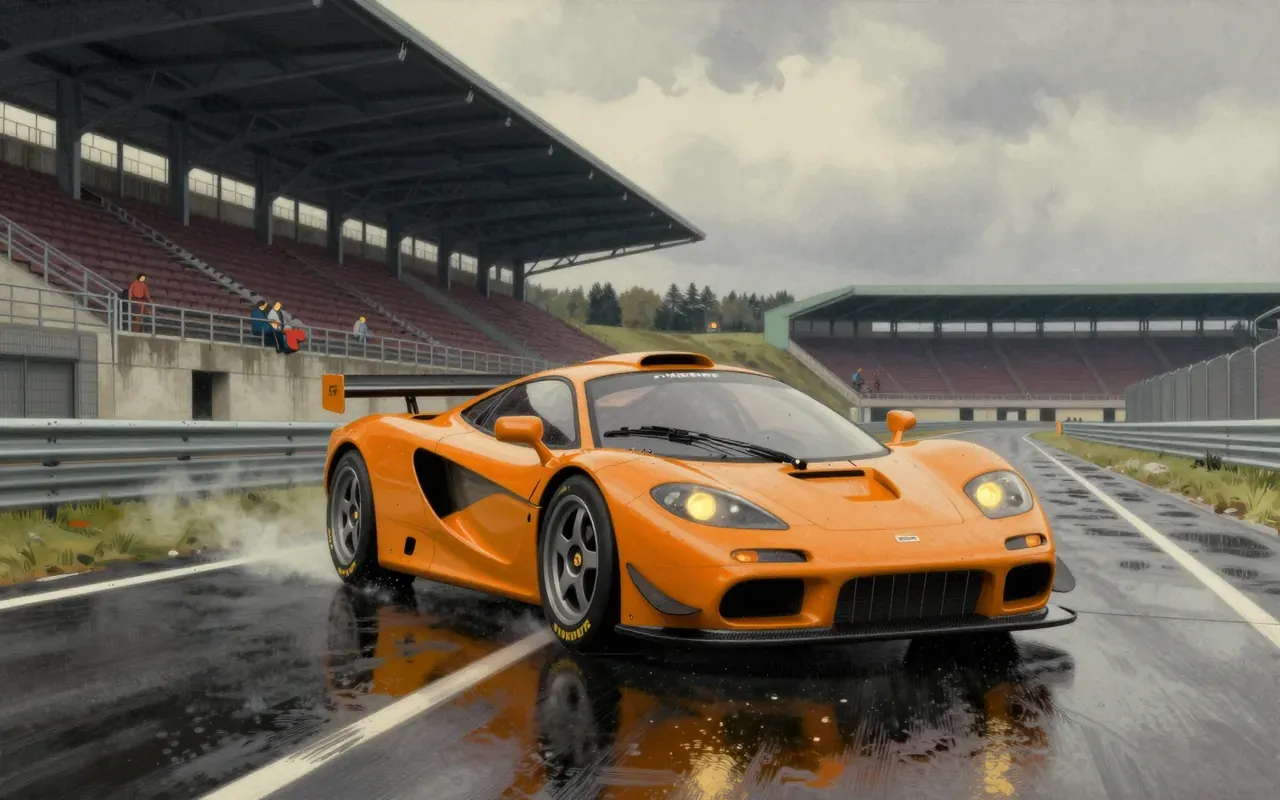
McLaren F1 GTRGordon Murray · 1995The McLaren F1 GTR is the racing variant of the McLaren F1 sports car, first produced in 1995 for grand touring style racing, such as the BPR Global GT Series, FIA GT Championship, JGTC, and British GT Championship. It was powered by the naturally aspirated BMW S70/2 V12 engine. It is most famous for its overall victory at the 1995 24 Hours of Le Mans where it won against faster purpose-built prototypes in very wet conditions. The F1 GTR raced internationally until 2005 when the final race chassis was retired. Bodywork modification saw the addition of various cooling ducts, most noticeably a large one in the center of the nose and two placed in the location of the storage lockers on the side of the car. A large adjustable fixed wing was added to the rear of the car. Even the 1995 versions of F1 GTR generated enough downforce to run along the ceiling at 100 mph. The interior was stripped of all luxuries and given a full racing cage. Carbon brakes replaced the stock units.
Up next in Automotive

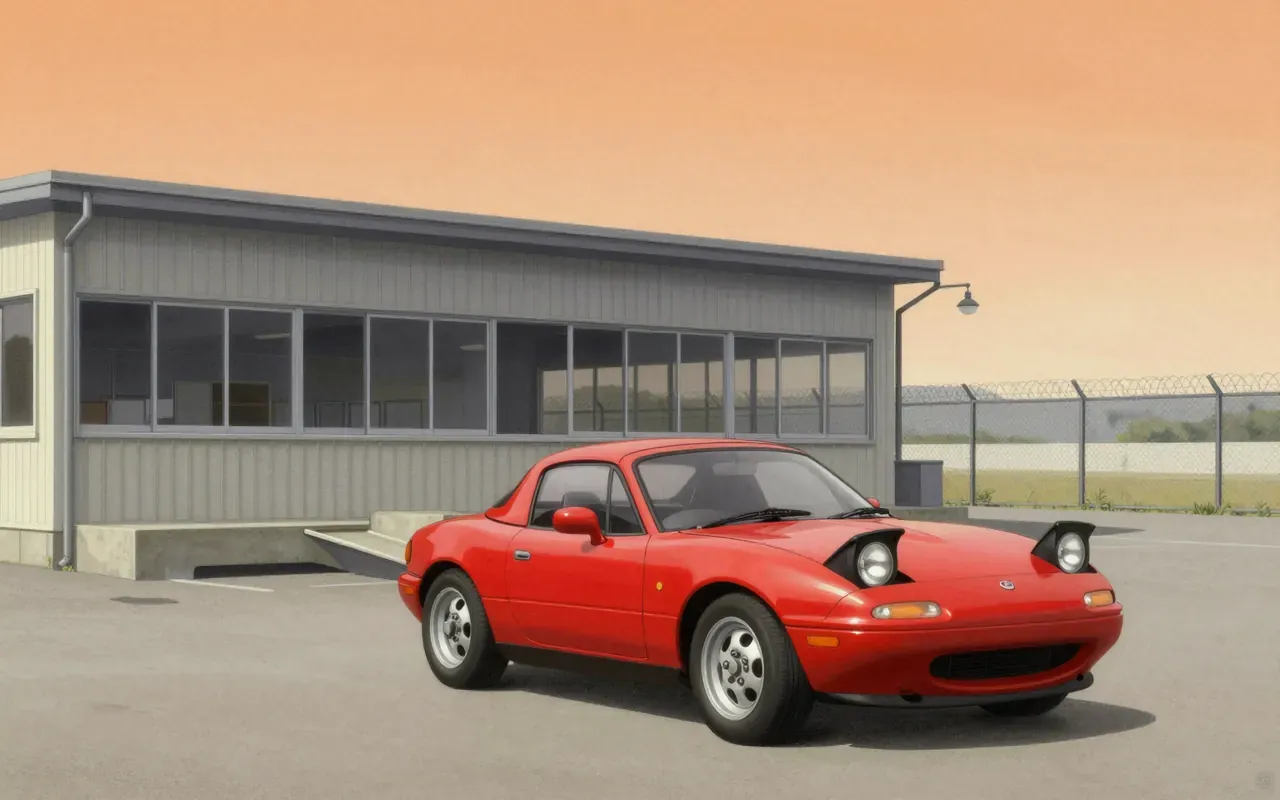
Mazda MX-5

Tom Matano · 1989 · 11:00

A roadster that refused to grow up — and forced the industry to remember why small was thrilling.

11:00