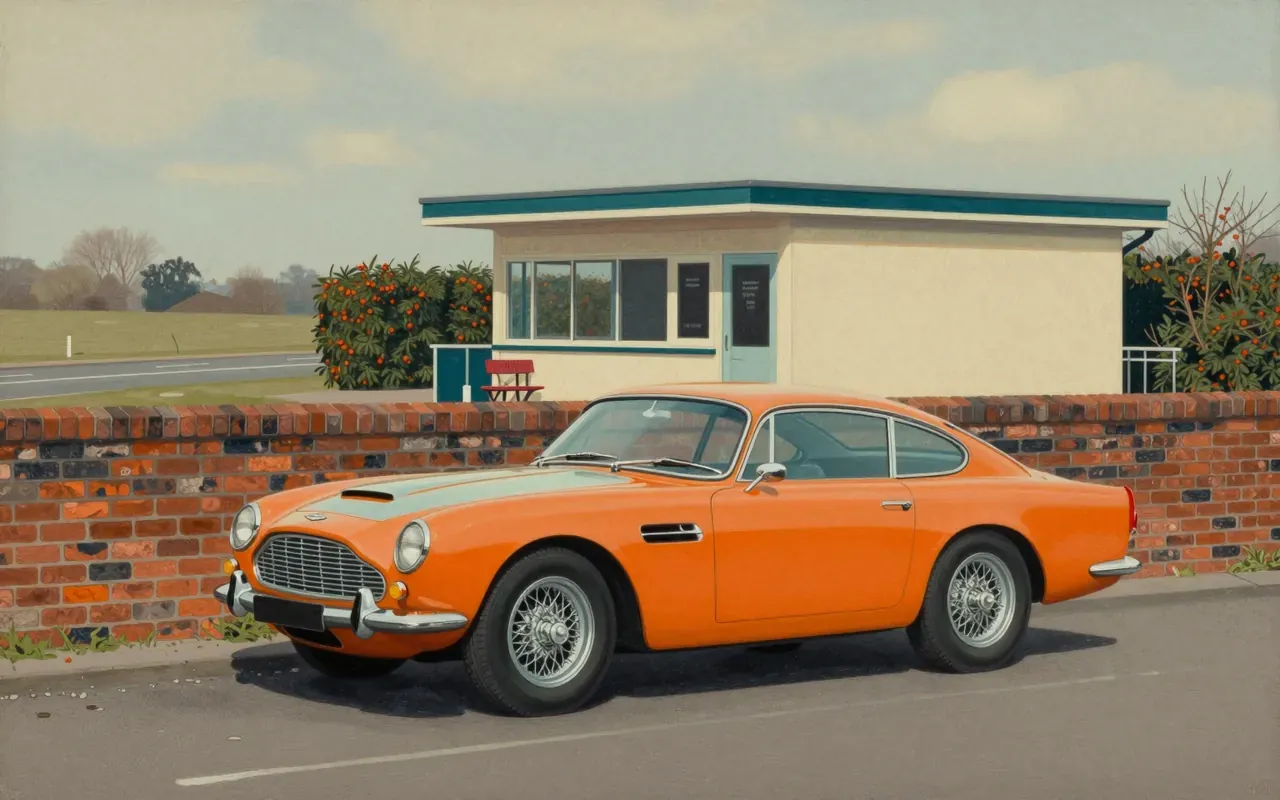
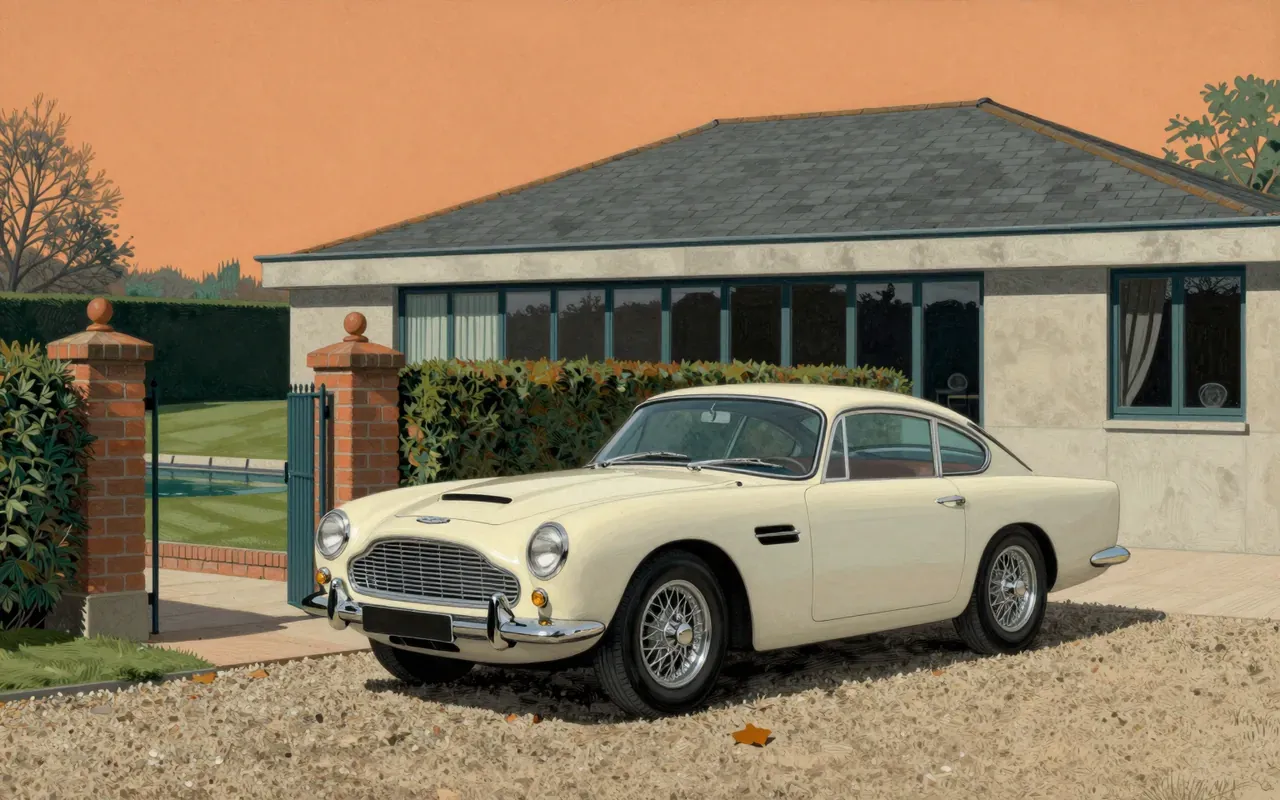
What the car is and where it came from
The Facel Vega FV is a French-built grand tourer launched by Facel in 1954. Jean Daninos styled it. Lance Macklin engineered its tubular chassis. It debuted at the 1954 Paris Salon.
How it works, in terms someone would actually use
It uses a tubular chassis with double wishbones and coil springs at the front, a leaf-sprung live rear axle, and a DeSoto Firedome 4.5 litre Hemi V8 engine. Power goes to the rear wheels via Chrysler’s two-speed Powerflite automatic or a Pont-à-Mousson four-speed manual.
What it gets right
It gets right the synthesis of long-haul comfort and straight-line urgency. The cabin is spacious and upright. The seating position suits hours behind the wheel. The body shape delivers presence without aggression. The Hemi engine provides effortless torque.
What it does not
It does not offer precise steering feel or balanced handling. Its live rear axle limits cornering composure. Its styling prioritises silhouette over aerodynamic function. It does not isolate the driver from engine noise or road vibration.
What it changed
It proved a small French firm could build a credible high-performance grand tourer using off-the-shelf American engines and bespoke coachwork — without relying on racing pedigree or mass production.
Who it is for, and who it is not
It is for collectors, historians and enthusiasts who value bold proportions, mechanical honesty and transatlantic design dialogue. It is not for those seeking agility, low-speed refinement or digital integration.
Is it worth your time
Yes — if you want to understand how post-war French ambition met American muscle on European tarmac. It is rare, physically distinct, and mechanically transparent. But it is not a driver’s car in the modern sense: its weight distribution, suspension layout and steering feedback are all secondary to presence and pace.