automotivebriefs
10:00in productionCh. 1 · Not Rally. Not Road./ 10:00 · ceiling 15 min
Hot hatches · Racing

List of rally cars

A hillclimb weapon disguised as a hot hatch — and nothing else.

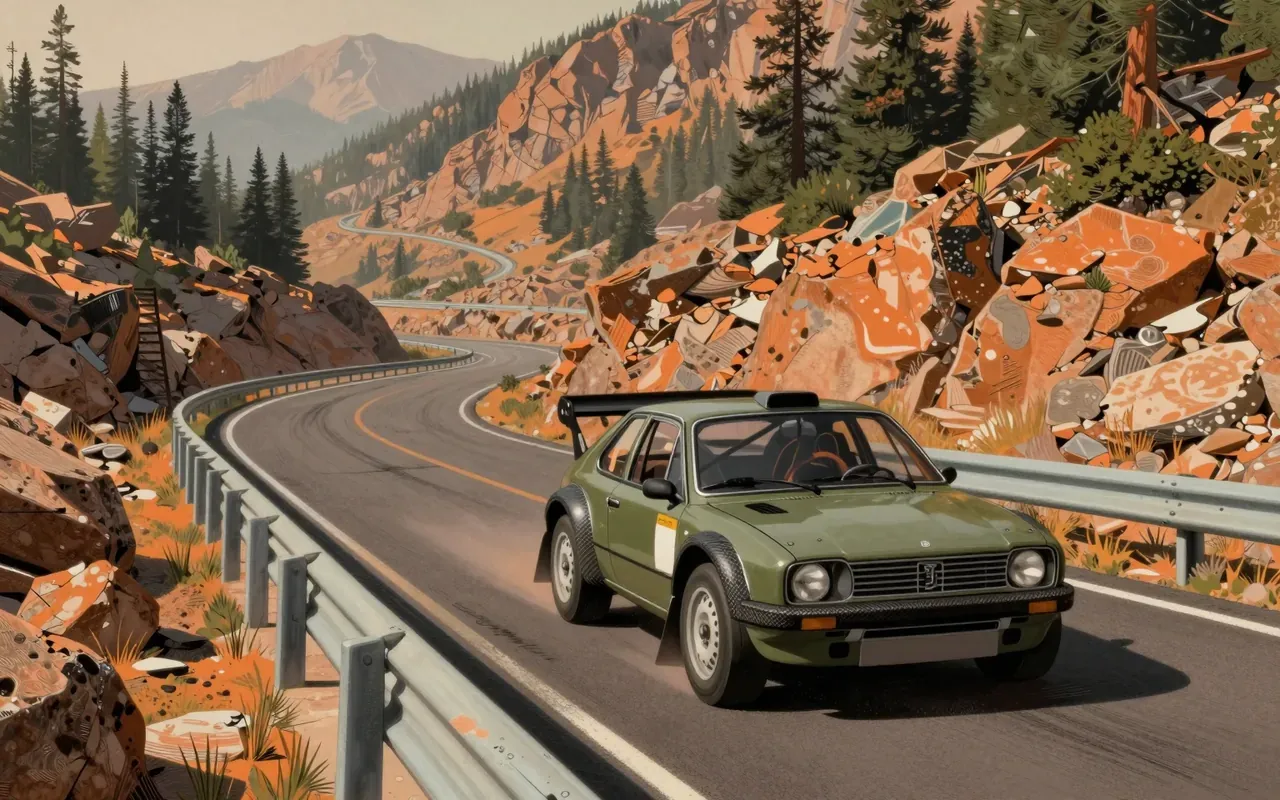
The Peugeot 208 T16 is a purpose-built hillclimb car. It is not a rally car. It does not belong in the Group B lineage. It exists solely to conquer Pikes Peak — and did so decisively on 30 June 2013.

Chapters & takeaways4
  1. 0:58
    Not Rally. Not Road.

    It is not a rally car — it is a Pikes Peak specialist built from scratch around a production silhouette.

  2. 2:43
    Power and Lightness, Not Compromise

    Its 875 kg weight and 875 bhp twin-turbo V6 are engineered for one thing: vertical acceleration.

  3. 4:02
    Wing from the 908

    It borrows the rear wing from the Le Mans–winning 908 — a direct link to Peugeot’s endurance DNA.

  4. 6:06
    Record Smashed

    It shattered the Pikes Peak record by over 90 seconds on 30 June 2013.

Worth your time?

Yes. Drive the whole thing.

4/ 5
What works
  • Pikes Peak performance
  • power-to-weight execution
  • aerodynamic borrowing
What does not
  • rally
  • road use
  • Group B
Drive it if
  • hillclimb fans
  • Peugeot motorsport followers
Skip it if
  • rally historians
  • hot hatch buyers
  • road drivers
The written brief1 min read

What the car is and where it came from

The Peugeot 208 T16 is a purpose-built hillclimb car loosely based on the production 208. It was developed by Peugeot Sport for Pikes Peak in 2013.

How it works, in terms someone would actually use

It is a lightweight, rear-wing-equipped hillclimb car built for Pikes Peak. It uses a twin-turbo V6 engine and weighs 875 kg.

What it gets right

It delivers extreme power-to-weight ratio and aerodynamic aggression for a single, specific hillclimb task.

What it does not

It is not a rally car. It does not compete in Group B or any FIA rally category. It does not share mechanicals, layout, or purpose with the 205 Turbo 16.

What it changed

It reset the Pikes Peak benchmark by over a minute and a half on 30 June 2013.

Who it is for, and who it is not

It is for fans of peak-physical-performance machines and Peugeot’s motorsport evolution. It is not for rally historians, road drivers, or Group B enthusiasts.

Is it worth your time

Yes — if you care about extreme hillclimb engineering or Peugeot’s late-stage Group B lineage. No — if you seek production relevance, rally history, or road usability.
Same garage · Hot hatches4 of 13
10:10
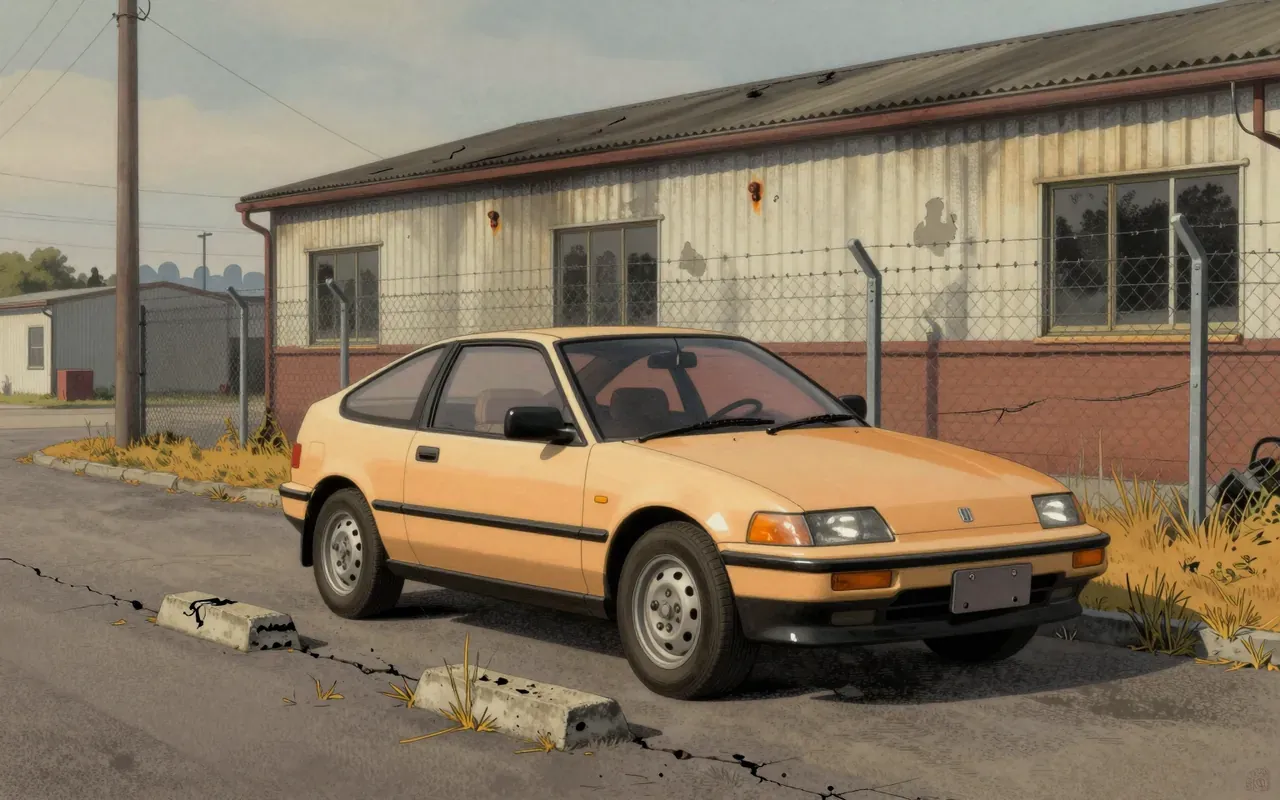
Honda CR-XHonda · 1983The Honda CR-X (1983) redefined what a compact front-wheel-drive car could do — not by adding power or luxury, but by removing mass and complication. It was never a sports car in form or intent. It was a Civic sharpened for feedback, visibility, and agility. Its global variations — two-seat in North America, 2+2 elsewhere — show Honda’s willingness to tailor packaging without fragmenting engineering. It changed expectations for economy cars: they could be fun to drive, not just efficient to own.
9:26
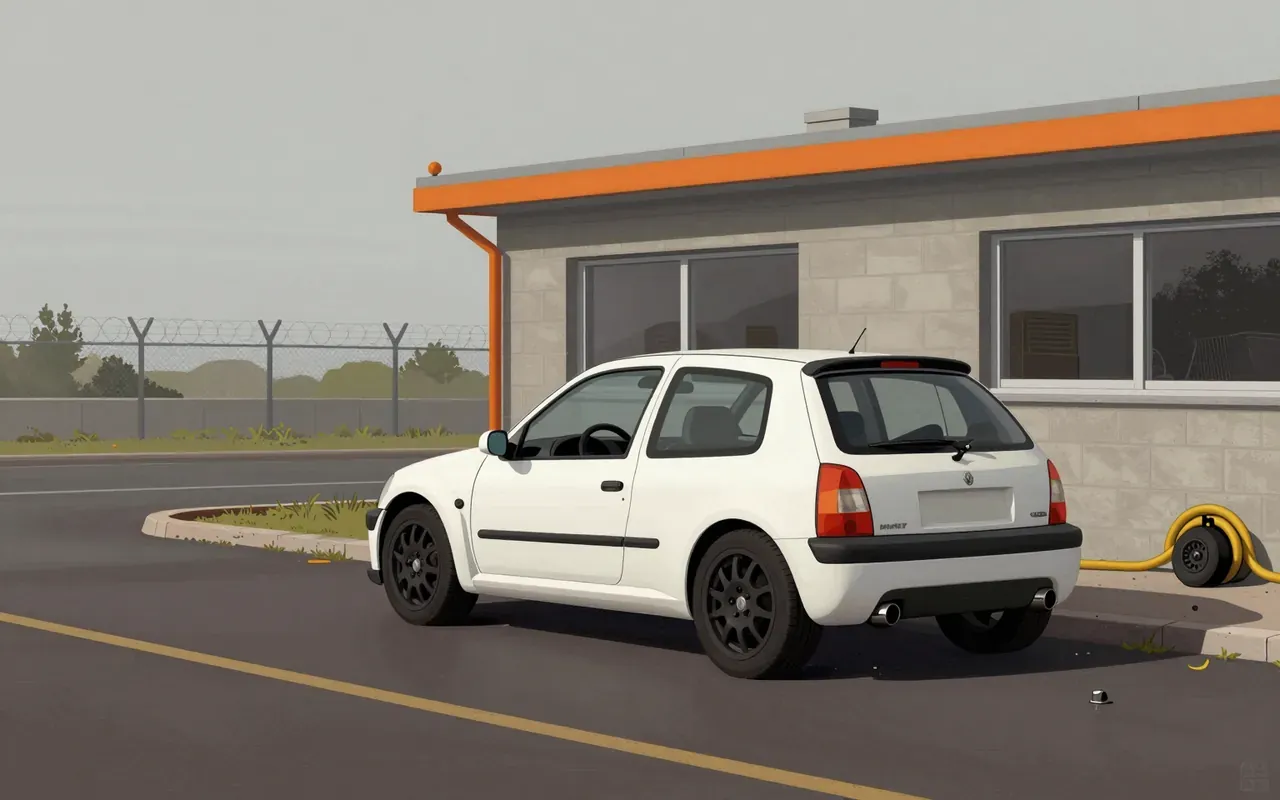
Renault Clio V6 RSRenault Sport · 2001The Renault Clio V6 RS is a radical departure from the hot hatch formula: mid-engined, rear-wheel drive, hand-built, and deliberately impractical. It exists as a mechanical argument—against front-drive orthodoxy, against shared-platform economics, against the idea that a ‘hatch’ must behave like one. Its legacy is not volume or versatility, but velocity of idea.
10:46
Audi RS 2 AvantAudi · 1994The Audi RS 2 Avant is Audi's first RS model and first high-performance Avant — a limited-edition, jointly developed Audi-Porsche estate car built on the B4 platform from March 1994 to July 1995. It features a modified 2,226 cc inline-five turbocharged petrol engine producing 315 PS and 410 N⋅m, paired with a six-speed manual transmission and quattro permanent all-wheel drive. Assembly occurred at Porsche’s Rossle-Bau plant. Approximately 2891 units were built, including only 180 right-hand-drive examples.
11:15
Ford Escort RS CosworthStephen Harper · 1992A rally-bred, mechanically singular hatchback—built to satisfy Group A, not taste.
Up next in Automotive

Peugeot 403

Pininfarina · 1955 · 9:40

Peugeot’s first million-seller wasn’t an engineering leap — it was Pininfarina’s first mass-market ponton, and it rewrote the rules for French family cars.

9:40