Saved
Road

Volvo 480

Volvo’s first front-wheel drive car wasn’t a compromise — it was a declaration.

Worth your time?3.5/5Yes.Drive the whole thing.What works, what does not, who it is for ↓
8:58in productionCh. 1 · Born in the Netherlands/ 8:58 · ceiling 15 min
4 chapters · 8:58Ceiling 15:00

The brief is written and checked. The video joins this page when it is cut.4 chapters · 1 min read · 8:58 planned

Read the brief

The Volvo 480 was Volvo’s first front-wheel drive car and the only one with pop-up headlights. Produced in Born, Netherlands, from 1986 to 1995, it was a three-door, four-seat hatchback coupé marketed in Europe. Its form fused liftback and estate cues. It was intended for the US as a 'sports wagon', but that plan was scrapped. It established Volvo’s move into compact, front-drive architecture — without sacrificing structural integrity or electronic innovation.

Chapters & takeaways4
  1. 0:59
    Born in the Netherlands

    Built in Born, Netherlands, the 480 was marketed as a coupé across Europe from 1986.

  2. 2:29
    FWD and pop-ups

    It was Volvo’s first front-wheel drive model — and the only one ever fitted with pop-up headlights.

  3. 3:58
    One shape only

    It came in one body style only: a four-seat, three-door hatchback with liftback-estate hybrid form.

  4. 5:27
    Almost American

    Volvo pitched it as a sporty four-seater — and briefly planned a US launch as a 'sports wagon' before cancelling it.

1 more chapterFewer chapters
Worth your time?

Yes. Drive the whole thing.

3.5/ 5
What works
  • It gets right the balance of compact packaging, European coupé proportions, and driver-focused electronics for its time.
  • Its three-door hatchback form delivers practicality without compromising the coupé silhouette.
What does not
  • It does not offer rear-wheel drive.
  • It does not have multiple body styles.
  • It does not have fixed headlights.
Drive it if
  • It is for people interested in Volvo’s technical evolution and 1980s European automotive design.
  • It is not for collectors seeking rarity, performance benchmarks, or mechanical complexity — it was never sold in the US and had no high-performance variant.
Skip it if
  • It is not for collectors seeking rarity, performance benchmarks, or mechanical complexity — it was never sold in the US and had no high-performance variant.
Who should drive it, and who should skipHide who it is for
The written brief1 min read

What the car is and where it came from

The Volvo 480 is a three-door, four-seat hatchback coupé produced in Born, Netherlands, from 1986 to 1995. It was Volvo’s first front-wheel drive car and the only Volvo with pop-up headlights.

How it works, in terms someone would actually use

It is a front-wheel drive hatchback coupé with pop-up headlights. The driver sits in a four-seat cabin behind a three-door body. The layout places the engine transversely ahead of the front axle.

What it gets right

It gets right the balance of compact packaging, European coupé proportions, and driver-focused electronics for its time. Its three-door hatchback form delivers practicality without compromising the coupé silhouette.

What it does not

It does not offer rear-wheel drive. It does not have multiple body styles. It does not have fixed headlights.

What it changed

It changed Volvo’s engineering direction: it was the first FWD Volvo and the only one with pop-up headlights. It established that Volvo could build a compact, youth-oriented car without abandoning its structural logic.

Who it is for, and who it is not

It is for people interested in Volvo’s technical evolution and 1980s European automotive design. It is not for collectors seeking rarity, performance benchmarks, or mechanical complexity — it was never sold in the US and had no high-performance variant.

Is it worth your time

Yes — if you care about Volvo’s pivot to front-wheel drive, or how a Swedish brand interpreted sporty styling for Europe in the mid-1980s.
Same garage · Road4 of 110
8:30
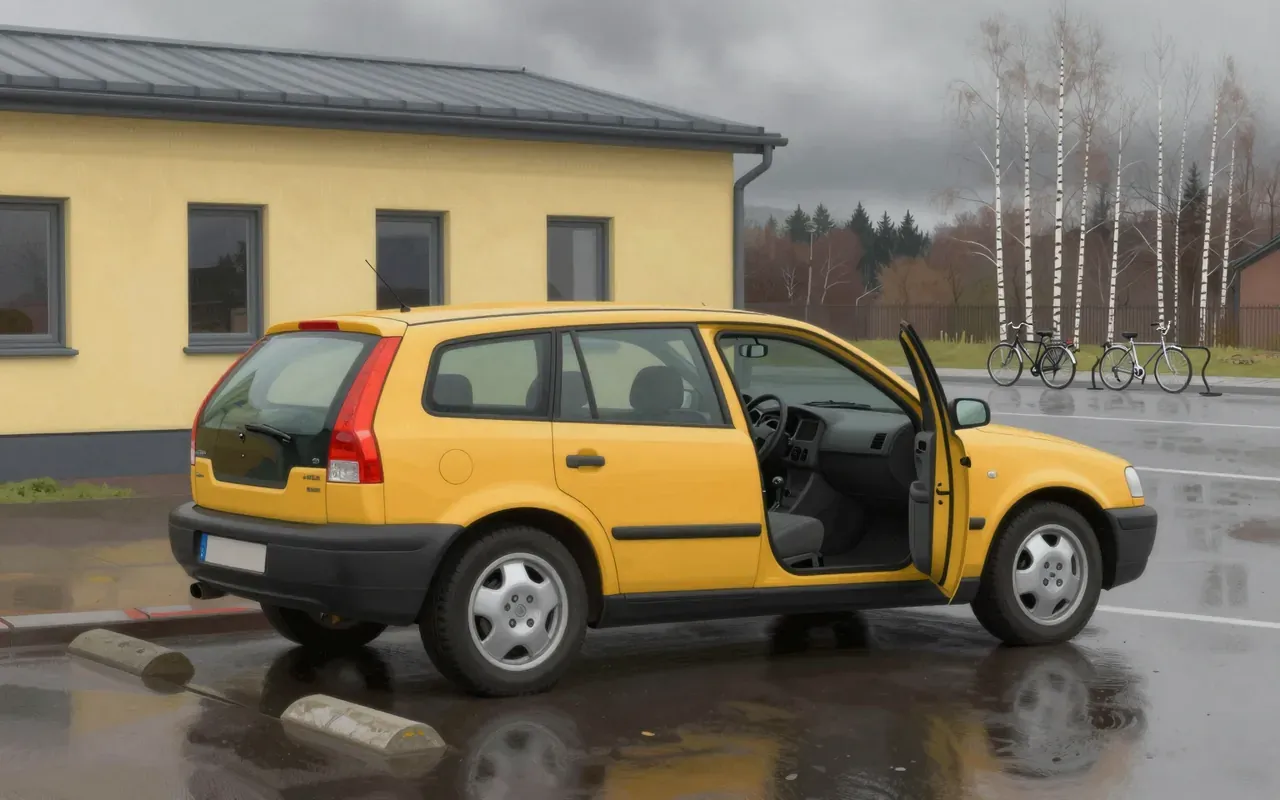
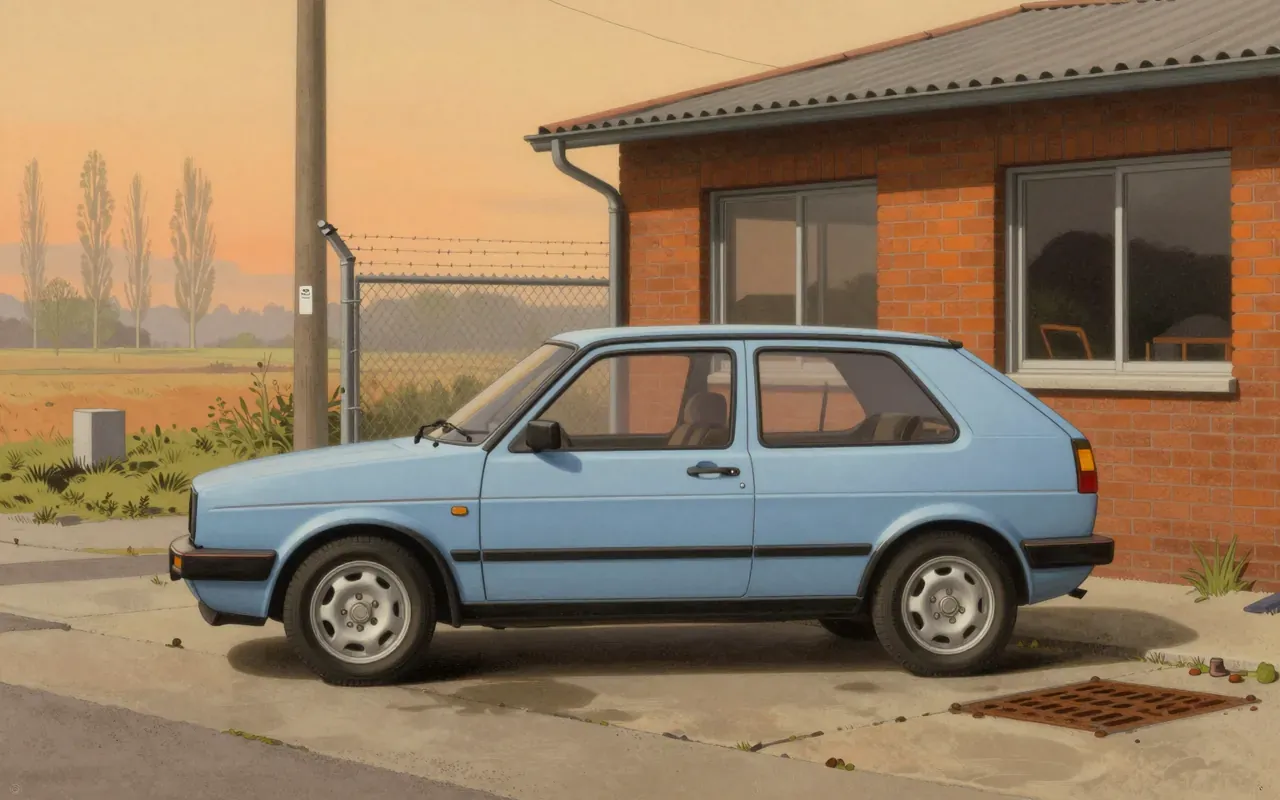
Volkswagen Golf Mk2Herbert Schäfer · 1983The Volkswagen Golf Mk2 is the second-generation hatchback successor to the Mk1, launched in Europe in September 1983, Britain in March 1984, and the US as a 1985 model. It was Volkswagen’s highest-volume seller from 1983, with German production ending in late 1992 and approximately 6.3 million units built. It was offered as a 3- and 5-door hatchback, with inline-four petrol and diesel engines ranging from 1.05 L to 1.8 L.
12:15
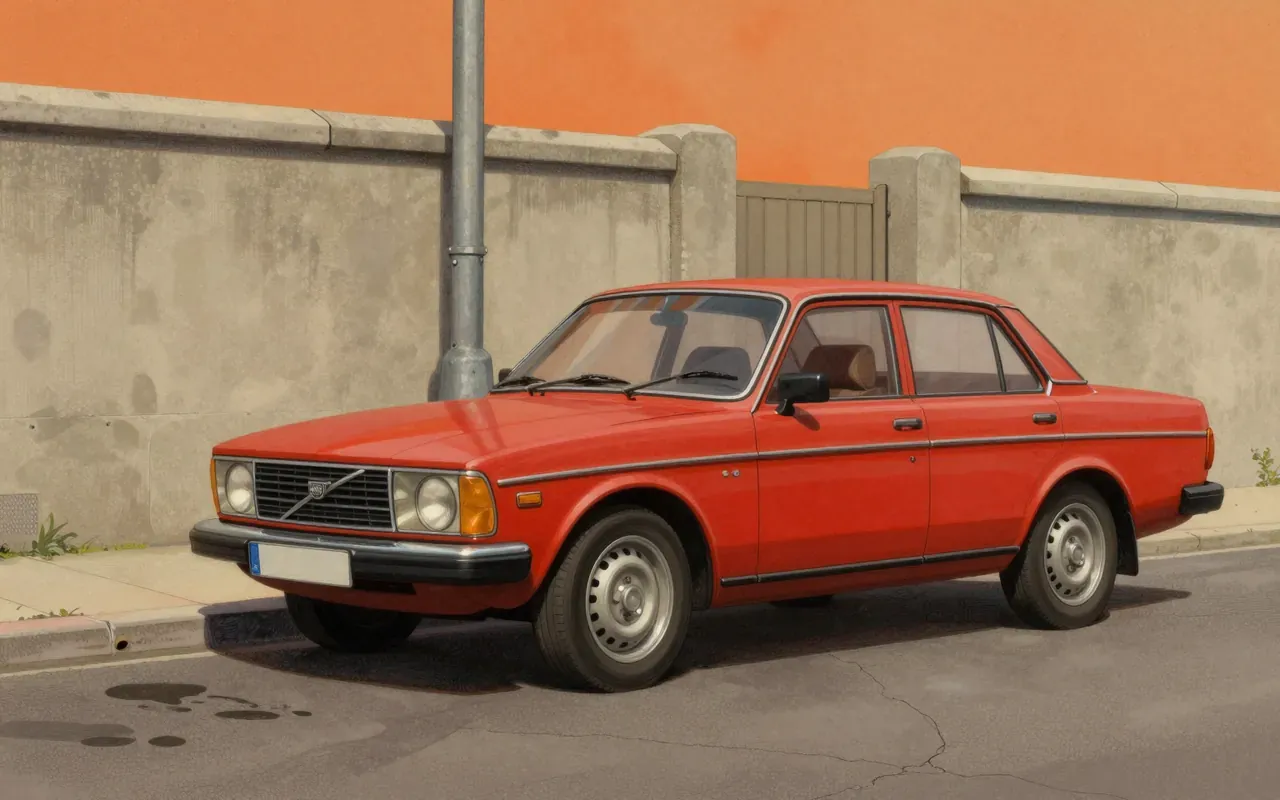
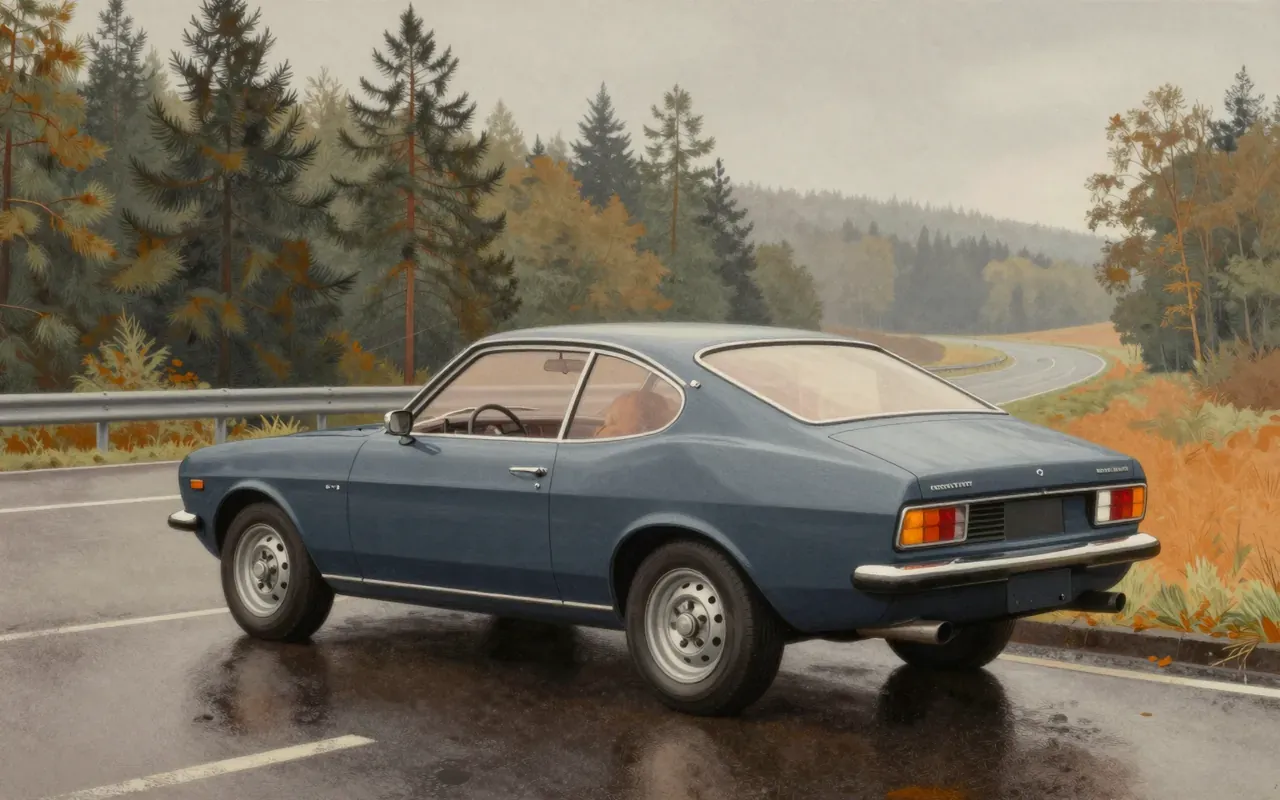
Opel MonzaGeorge Gallion · 1978The Opel Monza is an executive fastback coupe. It was built from 1977 to 1986. It replaced the Commodore Coupé. It shared its layout with the Senator A1. It used only overhead camshaft six-cylinder engines. The 3.0-litre version made it Opel’s fastest car at the time. It had no direct replacement. 43,812 were built.
9:06
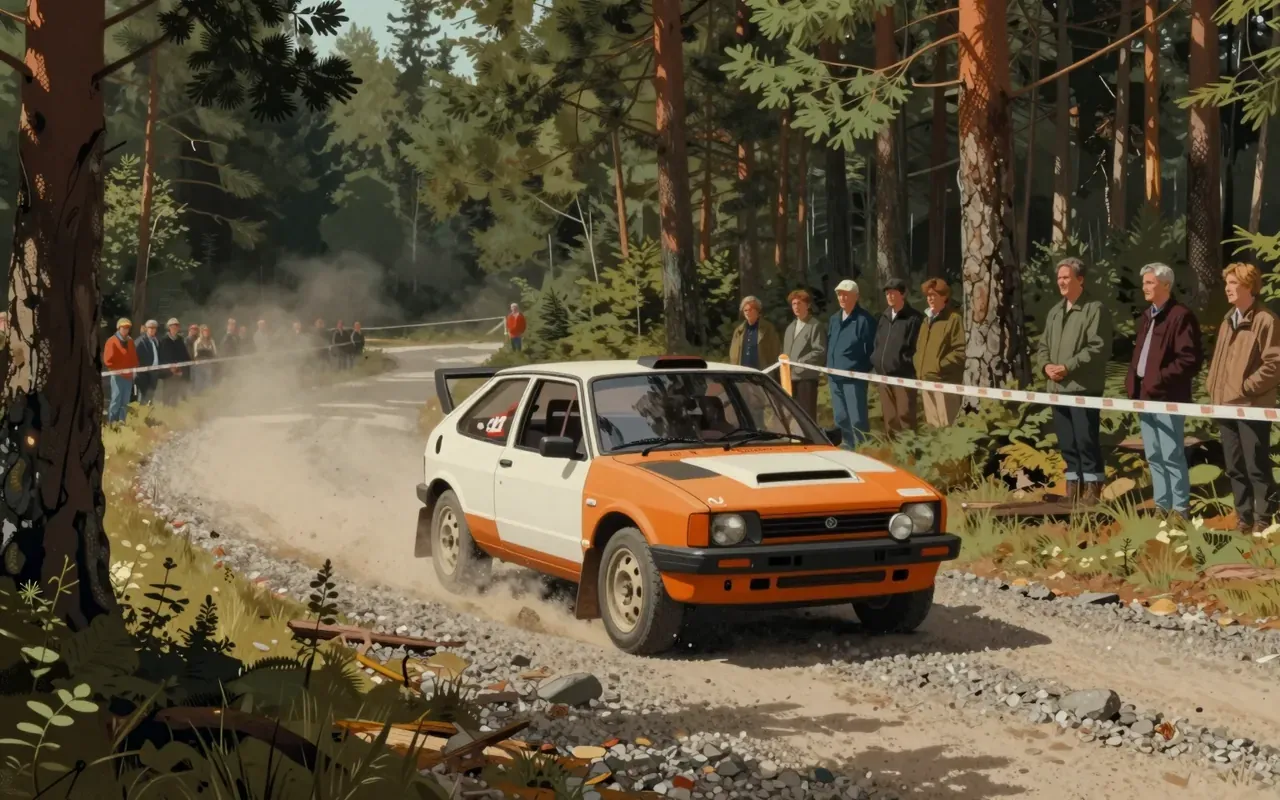
Nissan Pulsar GTI-RNissan · 1990The Nissan Pulsar GTI-R was a homologation special, a road-going version of the N14 hatchback sold as a Pulsar in Japan and a Sunny in Europe. It paired a turbocharged 2.0-litre SR20DET with ATTESA all-wheel drive. The works rally programme never won a Group A round, but the car did well in production-class rallying.
10:16
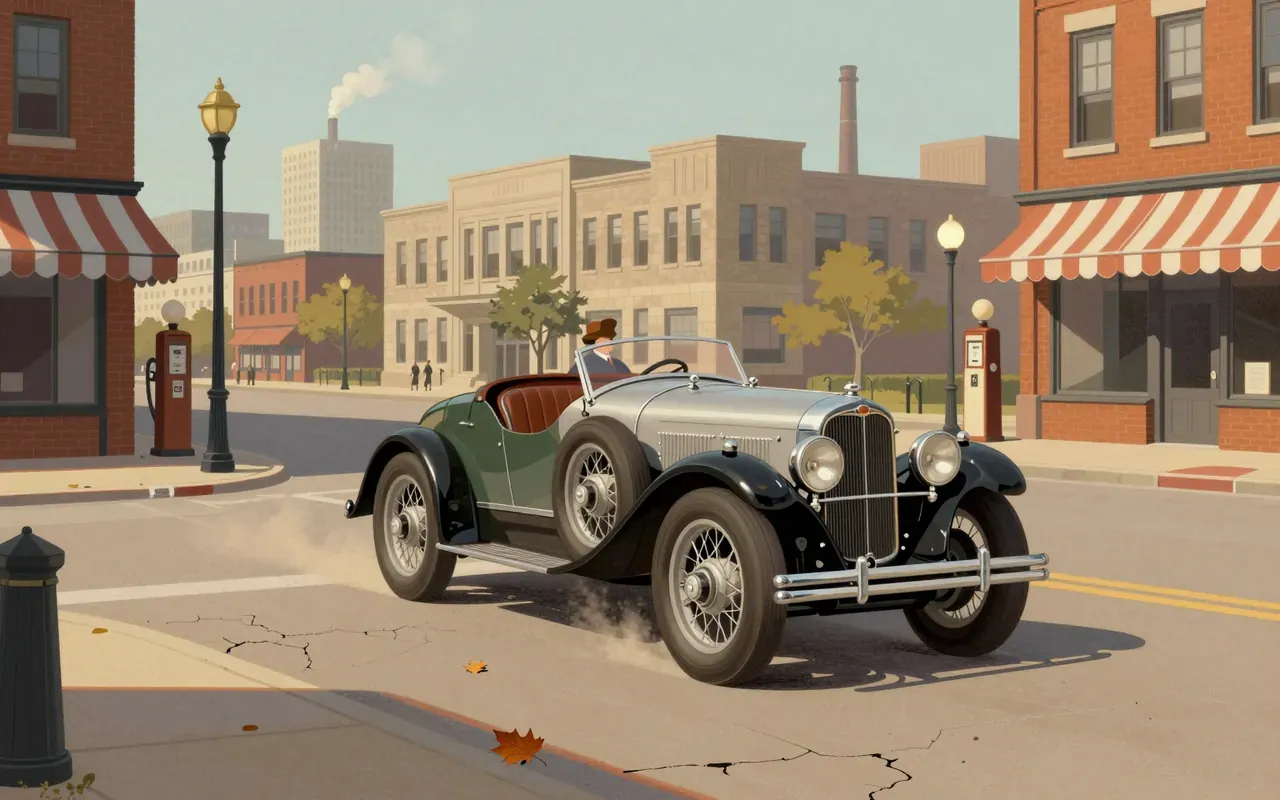
Duesenberg Model JGordon Buehrig · 1928The Duesenberg Model J is a luxury automobile made by Duesenberg, debuting in 1928 and offered for ten years. Gordon Buehrig, aged 25 and chief body designer for Duesenberg, designed it. Its 420 cu in straight-eight engine produced 265 horsepower in normally aspirated form, surpassing all larger-engined rivals. It achieved 116 mph top speed and 89 mph in second gear — making it both the fastest and most expensive American automobile on the market. It was intended to compete with the most luxurious and powerful cars in the world, launching the year before the 1929 stock market crash. Duesenberg Motors Company went bankrupt in 1937. Only the chassis and engine were factory-made; bodies were custom-built by third-party coachbuilders. Of 481 Model Js produced, about 378 survive.
Up next in Automotive

Volvo C30

Simon Lamarre · 2006 · 11:11

Volvo’s C30 is not a sports car — it’s a safety concept with doors, glass, and a hatch.

11:11