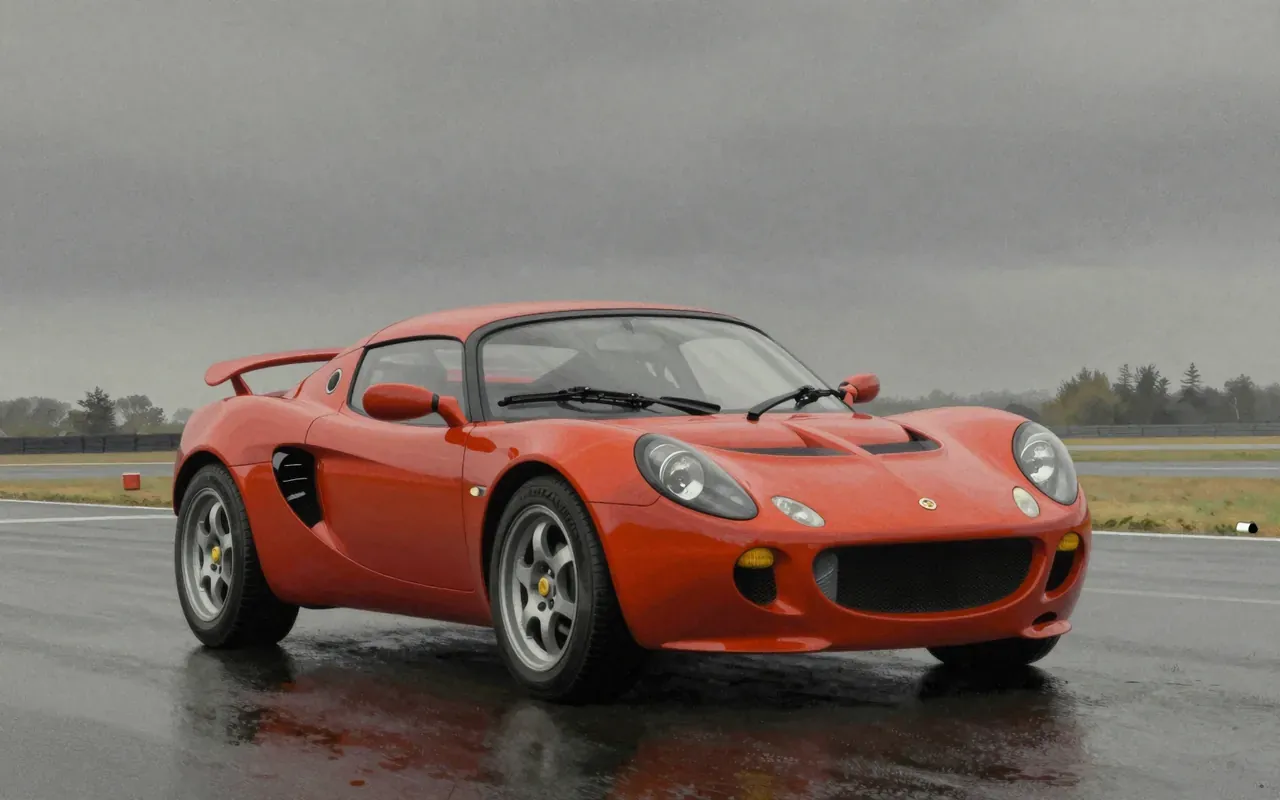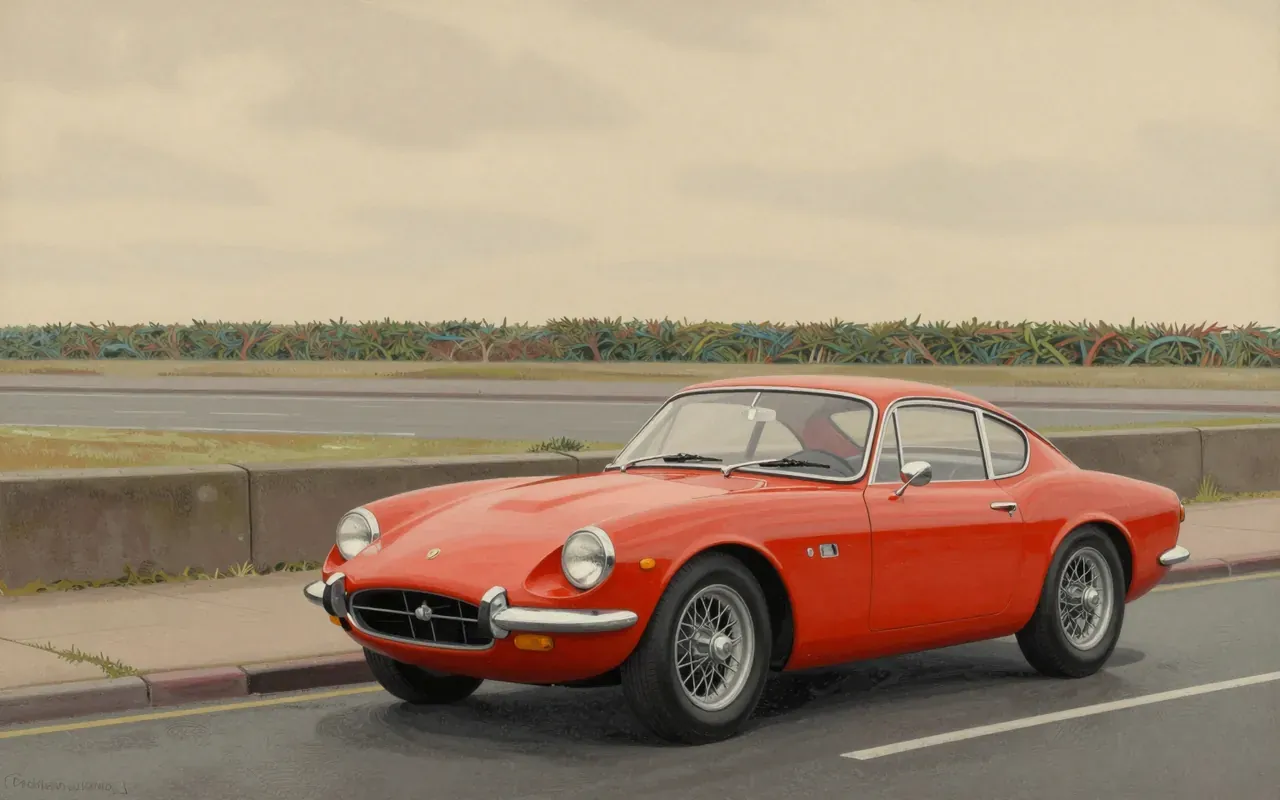
What the car is and where it came from
The Lotus Elan is the first production range (1962–1975) of that name: a rear-wheel-drive roadster designed by Ron Hickman for Lotus. It was Lotus’ first road car with a steel backbone chassis and fibreglass body. It launched in 1962 as the Elan 1500.
How it works, in terms someone would actually use
The Elan is a rear-wheel-drive roadster with a steel backbone chassis and fibreglass body. It uses a DOHC 1,558 cc engine, four-wheel disc brakes, rack and pinion steering, and 4-wheel independent suspension. Its light weight (~1,500 lb) delivers direct feedback through the wheel and immediate response to throttle and steering inputs.
What it gets right
It gets right the relationship between weight, rigidity, and responsiveness. The backbone chassis locates components precisely. The fibreglass body keeps mass low without compromising structural integration. The layout places the driver at the centre of the mechanical conversation.
What it does not
It does not offer space for more than two people. It does not isolate the driver from road noise or vibration. It does not prioritise ease of maintenance, cabin ergonomics, or weather protection.
What it changed
The Elan proved a lightweight, simple, driver-focused sports car could be both commercially viable and technically influential. It directly shaped later cars including the Mazda MX-5 and Toyota 2000GT.
Who it is for, and who it is not
It is for drivers who want to feel how a car reacts — not just what it does. It is not for those who need daily usability, passenger capacity, or isolation from the machine’s physical demands.
Is it worth your time
Yes — if you value clarity of purpose, mechanical honesty, and influence that outlived its production run. It is not worth your time if you expect comfort, refinement, or modern safety systems.