automotivebriefs
9:45in productionCh. 1 · Homegrown/ 9:45 · ceiling 15 min
Sports cars · Saloons & estates

Holden Monaro

Australia’s first factory-built RWD coupé wasn’t imported—it was engineered for home roads and then shipped worldwide under six different names.

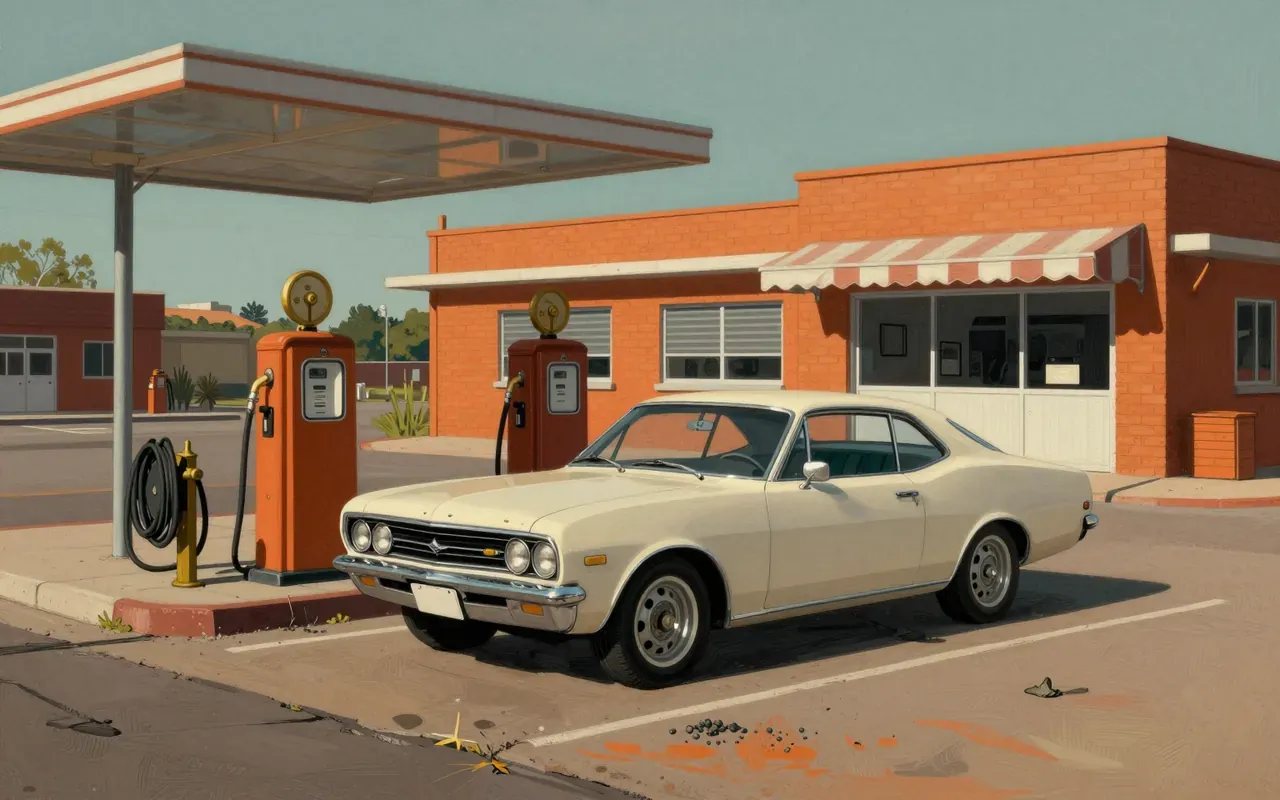
The Holden Monaro is an Australian-built, front-engine, rear-wheel-drive two-door coupé produced across three generations: 1968–1971 (HK/HT/HG), 1971–1979 (HQ/HJ/HX/HZ), and 2001–2006 (VX/VY/VZ). It was also assembled in South Africa (1970–1973) and exported globally under multiple badges including Chevrolet Lumina Coupe, Vauxhall Monaro, and Pontiac GTO. The third generation was also remanufactured by HSV as high-performance variants without the Monaro nameplate.

Chapters & takeaways4
  1. 1:04
    Homegrown

    The Monaro began as a locally designed Australian coupé—not a rebadged import.

  2. 2:53
    Layout First

    It used a front-engine, rear-wheel-drive layout and launched exclusively as a two-door coupé.

  3. 4:15
    Generations & Geography

    Three generations spanned 1968–2006—with the first built in South Africa from 1970 using Australian kits.

  4. 6:03
    Badge Engineering, Not Branding

    The third generation wore Chevrolet, Vauxhall, and Pontiac badges—and was remanufactured by HSV without the Monaro name.

Worth your time?

Yes. Drive the whole thing.

3.5/ 5
What works
  • clear generational structure
  • documented export strategy
  • confirmed local origin and layout
What does not
  • power output
  • kerb weight
  • chassis code
  • steering feedback
Drive it if
  • readers tracking badge engineering
  • readers studying regional automotive manufacturing
Skip it if
  • readers seeking driving impressions
  • readers needing performance specifications
The written brief1 min read

What the car is and where it came from

The Holden Monaro is an Australian-built, front-engine, rear-wheel-drive two-door coupé launched in 1968 by Holden, General Motors’ Australian division.

How it works, in terms someone would actually use

It is a front-engine, rear-wheel-drive two-door coupé. It was built for Australian roads and conditions by Holden, General Motors’ Australian division.

What it gets right

It gets the fundamentals right: a dedicated RWD coupé body from launch, clear generational breaks, and production continuity across three distinct eras. It commits to the two-door format before expanding to sedan.

What it does not

It does not have documented performance figures, suspension details, steering feel, or powertrain specs in the source material. It does not include design intent statements, driver feedback, or chassis innovations beyond layout and body form.

What it changed

It established a template for Australian-built RWD coupés exported globally under multiple badges. It showed GM that one platform could serve domestic and export markets with badge engineering.

Who it is for, and who it is not

It is for readers tracking badge-engineered global car strategies and regional manufacturing adaptations. It is not for readers seeking driving dynamics, technical deep dives, or cultural reception.

Is it worth your time

Yes—if you care about how locally adapted muscle cars evolved outside Detroit. No—if you expect performance data, driving impressions, or engineering specifics not in the record.
Same garage · Sports cars4 of 93
9:37
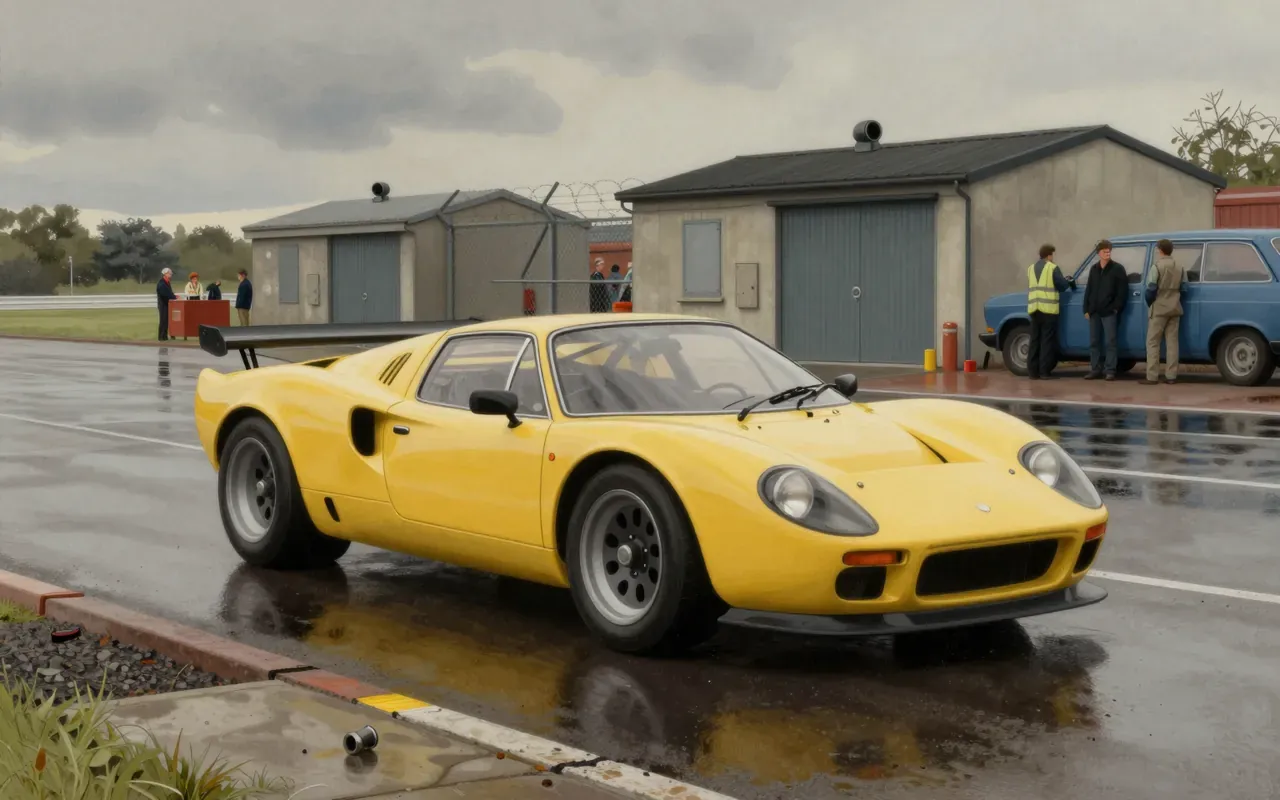
Ford RS200Ghia · 1984The Ford RS200 is a purpose-built homologation special: mid-engined, all-wheel drive, plastic-fiberglass body by Ghia, built by Reliant in Shenstone to meet FIA Group B’s 200-unit rule. It exists only to enable a rally car—not as a design statement, luxury product, or road-going evolution.
10:11
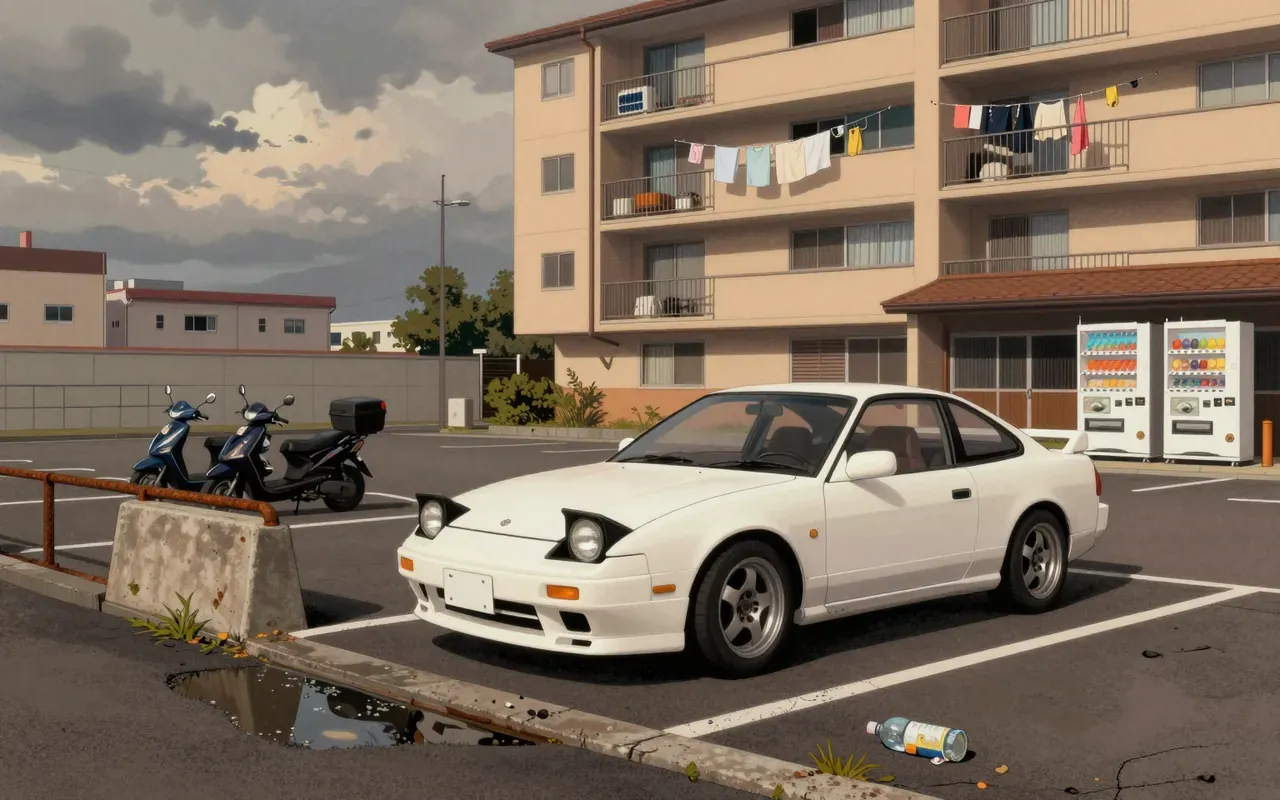
Nissan 180SXNissan · 1989The Nissan 180SX is a Japanese-market fastback built from 1988 to 1998 on the S13 platform. It featured pop-up headlights and a liftgate. It launched in March 1989 and was sold exclusively through Nissan Prince Stores alongside the Skyline and Silvia. It used the CA18DET turbo engine initially, then upgraded to the SR20DET in 1991 and added the SR20DE in 1996.
9:26
Renault Clio V6 RSRenault Sport · 2001The Renault Clio V6 RS is a radical departure from the hot hatch formula: mid-engined, rear-wheel drive, hand-built, and deliberately impractical. It exists as a mechanical argument—against front-drive orthodoxy, against shared-platform economics, against the idea that a ‘hatch’ must behave like one. Its legacy is not volume or versatility, but velocity of idea.
8:58
Saleen S7Phil Frank · 2000The Saleen S7 is an American hand-built, high-performance sports car. It debuted on August 19, 2000, at the Monterey Historic Races. It was the first fully proprietary car produced by Saleen. Phil Frank contributed the body and interior CAD design and development. Its all-aluminium engine is a bored-and-stroked derivative of Ford's 351 Windsor small block with Cleveland-style canted valve heads. It is not based on the FE big-block. It produces 550 hp (410 kW) at 6,400 rpm.
Up next in Automotive

Honda Beat

Pininfarina · 1991 · 11:31

A mid-engined kei car designed by Pininfarina — proof that regulation can sharpen, not dull, desire.

11:31