What the car is and where it came from
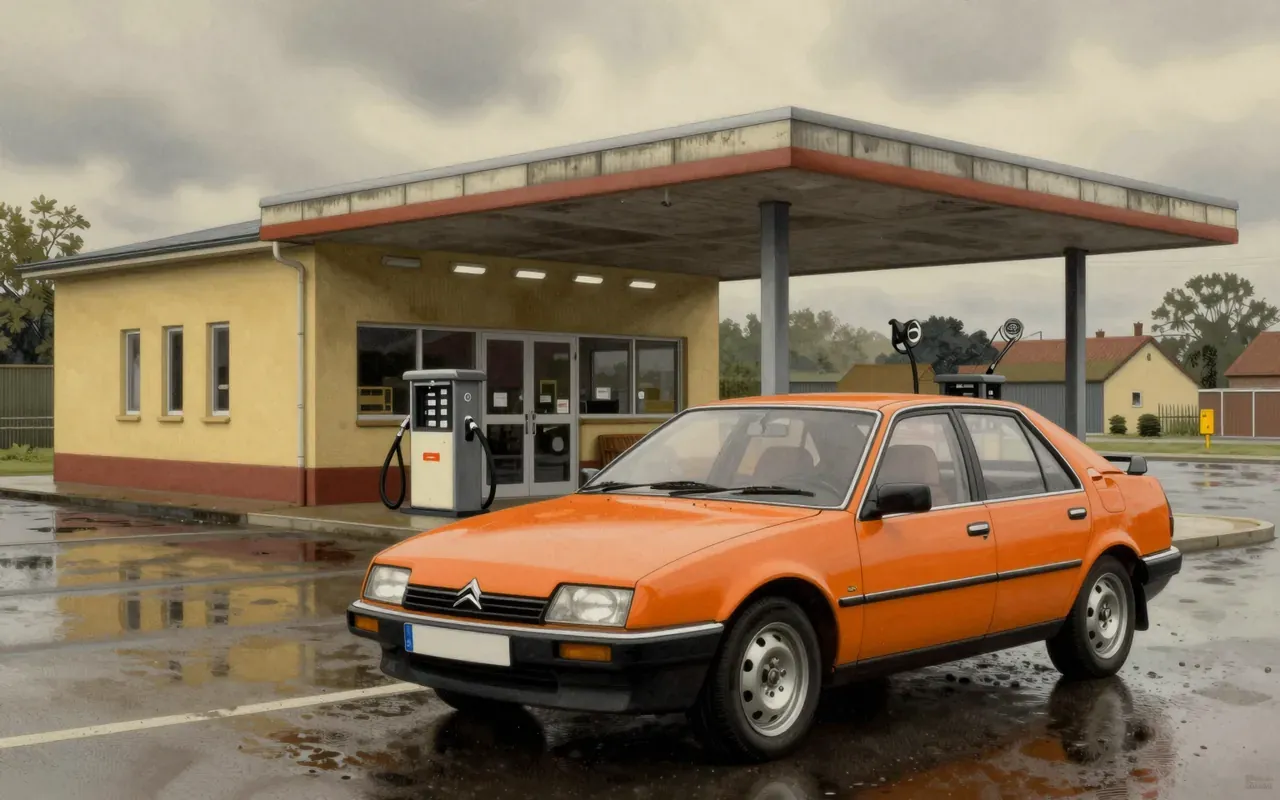
The Citroën XM is an executive saloon launched on 23 May 1989. It replaced the CX as Citroën’s flagship. It was built for 11 years, ending production in 2000.
How it works, in terms someone would actually use
The XM uses electronically controlled hydropneumatic suspension — the first production car to do so. It adjusts ride height and damping in real time. The driver feels no road texture through the wheel, only a distant, floating detachment.
What it gets right
It delivers a new kind of executive comfort: silent, level, unflustered. Its design prioritises cabin serenity over driver engagement. The hydropneumatic system works as intended — continuously, automatically, without input.
What it does not
It does not match the CX or DS in commercial success. It does not share their reputation for longevity or mechanical charisma. It does not stand apart from the Peugeot 605 — they share a floorpan and suffered similar teething problems.
What it changed
It proved electronic control could manage hydropneumatic suspension at scale. That idea outlived the XM: it became standard on later Citroëns and influenced rivals’ adaptive systems.
Who it is for, and who it is not
It is for drivers who value isolation from road noise and vibration above all else. It is not for those who seek feedback, involvement, or proven long-term reliability.
Is it worth your time
Yes — if you want to understand how Citroën’s engineering philosophy fractured under market pressure. No — if you expect the XM to deliver the CX’s cult durability or the DS’s cultural authority.