What the car is and where it came from
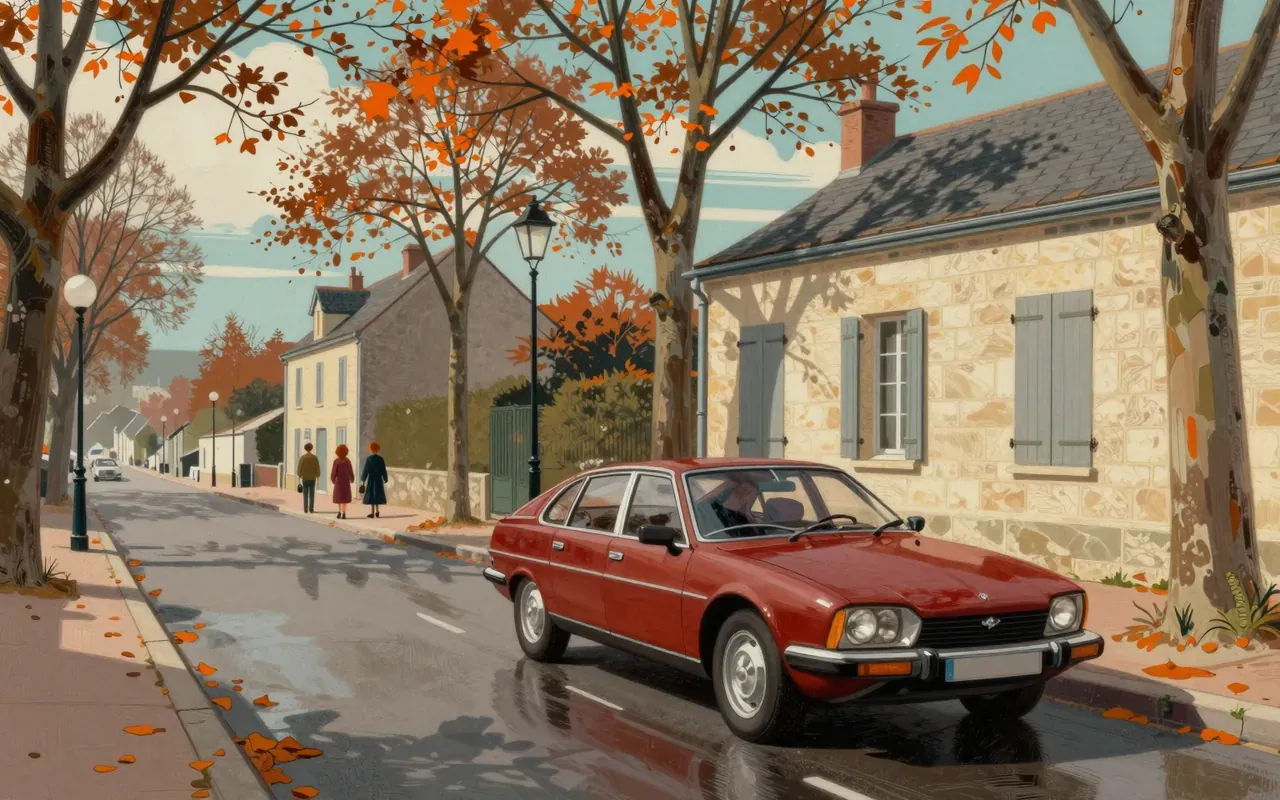
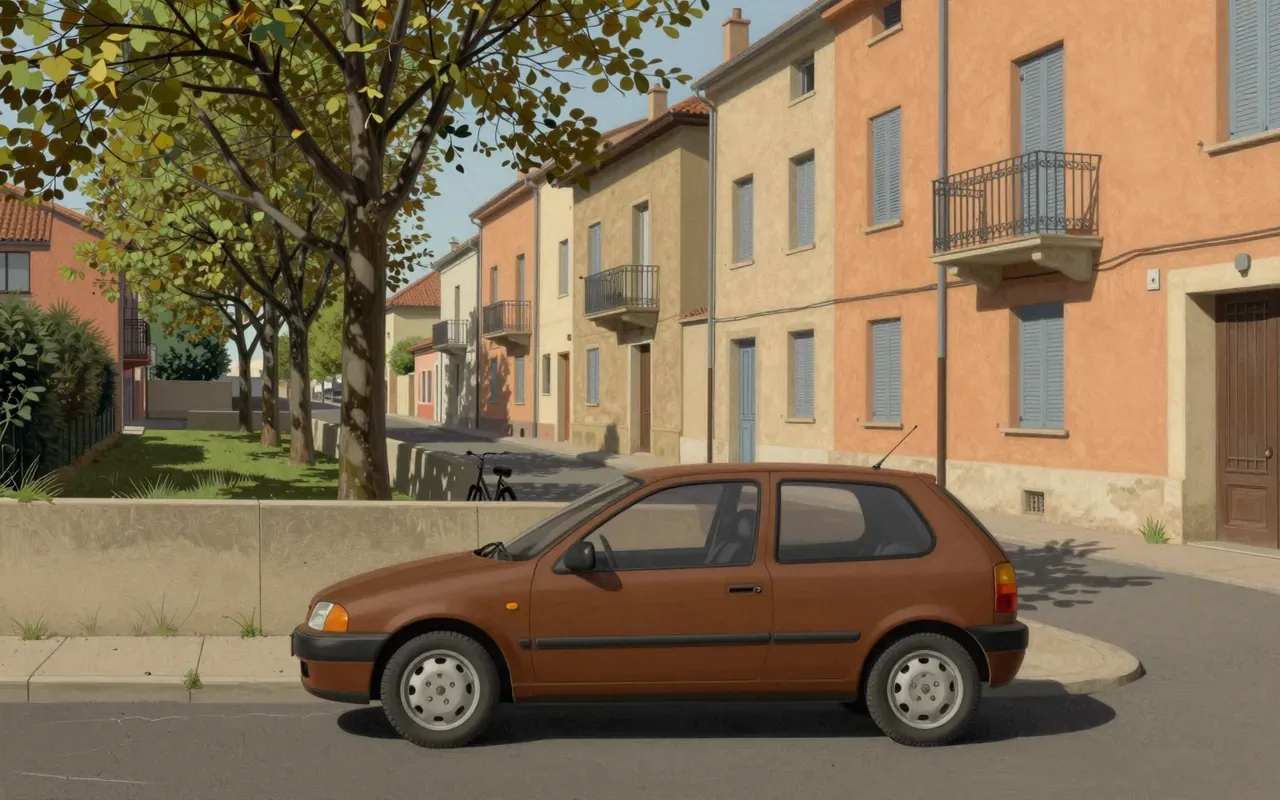
A B-segment supermini launched in April 2002 to replace the Citroën Saxo. It is in its fourth generation. Initial models used the Peugeot 206 platform.
How it works, in terms someone would actually use
It is a five-door hatchback. Early versions offered a two-door convertible body called the C3 Pluriel. A mini MPV version, the C3 Picasso, launched in July 2008. In South America, a mini SUV version — the C3 Aircross — was sold only there.
What it gets right
It delivers consistent packaging, adaptability, and longevity. Four generations since 2002. Over 4.5 million units built by May 2021. Five-door hatchback as standard. Platform reuse — first on the Peugeot 206 — ensured cost control and service familiarity.
What it does not
It does not embody a singular design vision. Jean-Pierre Ploué led Citroën Design from 1999 but was not involved in the original 2002 C3. His influence appears later, in models like the DS3 — a three-door derivative of the second-generation C3 — not the C3 itself.
What it changed
It became Citroën’s longest-running B-segment platform, enabling regional derivatives across three decades. It anchored Citroën’s shift from Saxo-era uniformity to segmented, market-specific product families.
Who it is for, and who it is not
It is for buyers prioritising reliability, regional availability, and derivative variety over driving engagement or stylistic singularity. It is not for those seeking a cohesive design narrative or a car defined by one designer’s hand.
Is it worth your time
Yes — if you need a pragmatic, globally adapted supermini with proven longevity and regional flexibility. No — if you seek a design-led statement or engineering distinction tied to a single generation or vision.