automotivebriefs
Marque

Citroën

8
briefs
10:25
average
83 min
in total
On automotive.briefs8
11:39

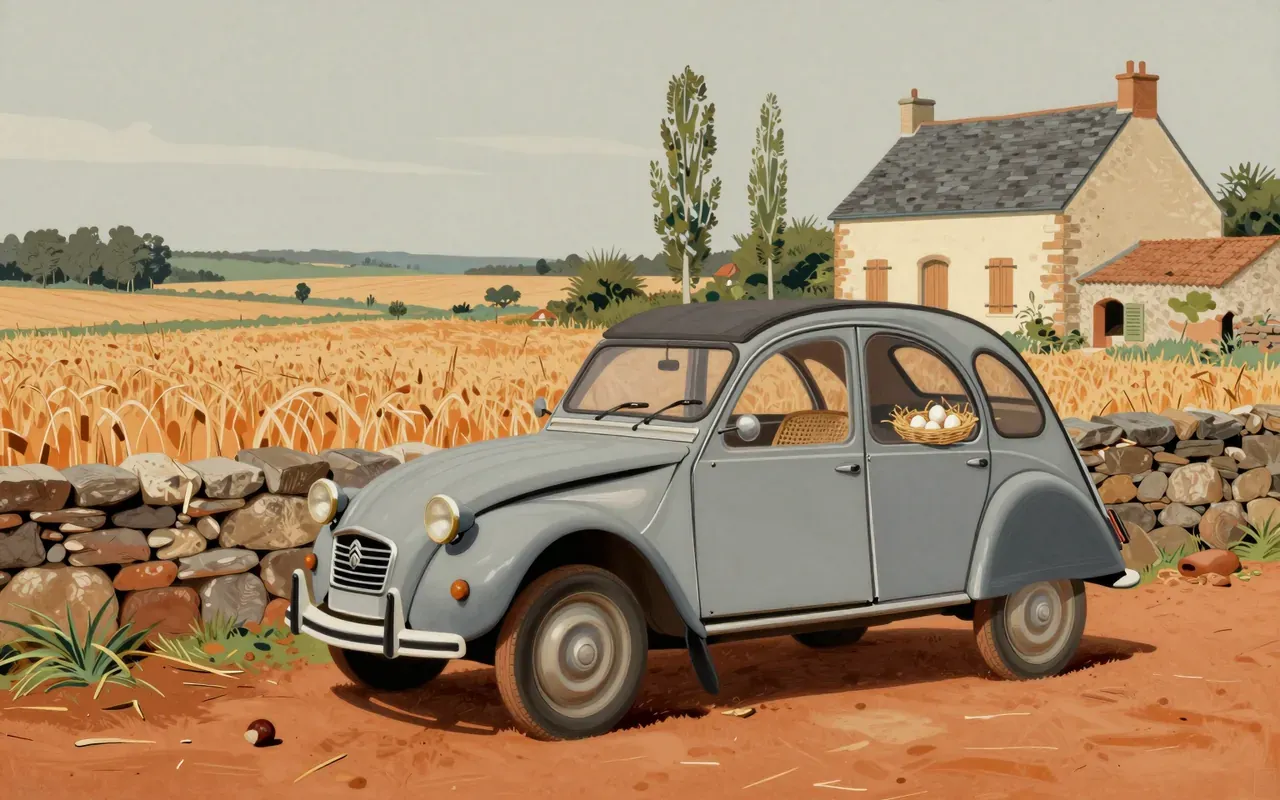
Citroën 2CV

Flaminio Bertoni · 1948

The Citroën 2CV is a French economy car conceived by Pierre Boulanger to motorise rural farmers, featuring innovative engineering, utilitarian design, low cost of ownership, minimal fuel consumption, and a long-travel suspension enabling it to cross ploughed fields without breaking eggs. It was often called 'an umbrella on wheels', introduced Michelin's radial tyres, and over 3.8 million units were produced from 1948 to 1990. Its body style is a fixed-profile convertible; it has an air-cooled engine; layout is front-engine, front-wheel drive; and production spanned 1948–1990.

9:32

Citroën BX

Marcello Gandini · 1982

The Citroën BX is a large family car designed by Marcello Gandini and produced by Citroën from 1982 to 1994. It was built as a hatchback and estate, with 2,315,739 units made. It is French, midsize, and categorised among Gandini’s practical mass-production designs.

9:49

Citroën C3

Jean-Pierre Ploué · 2005

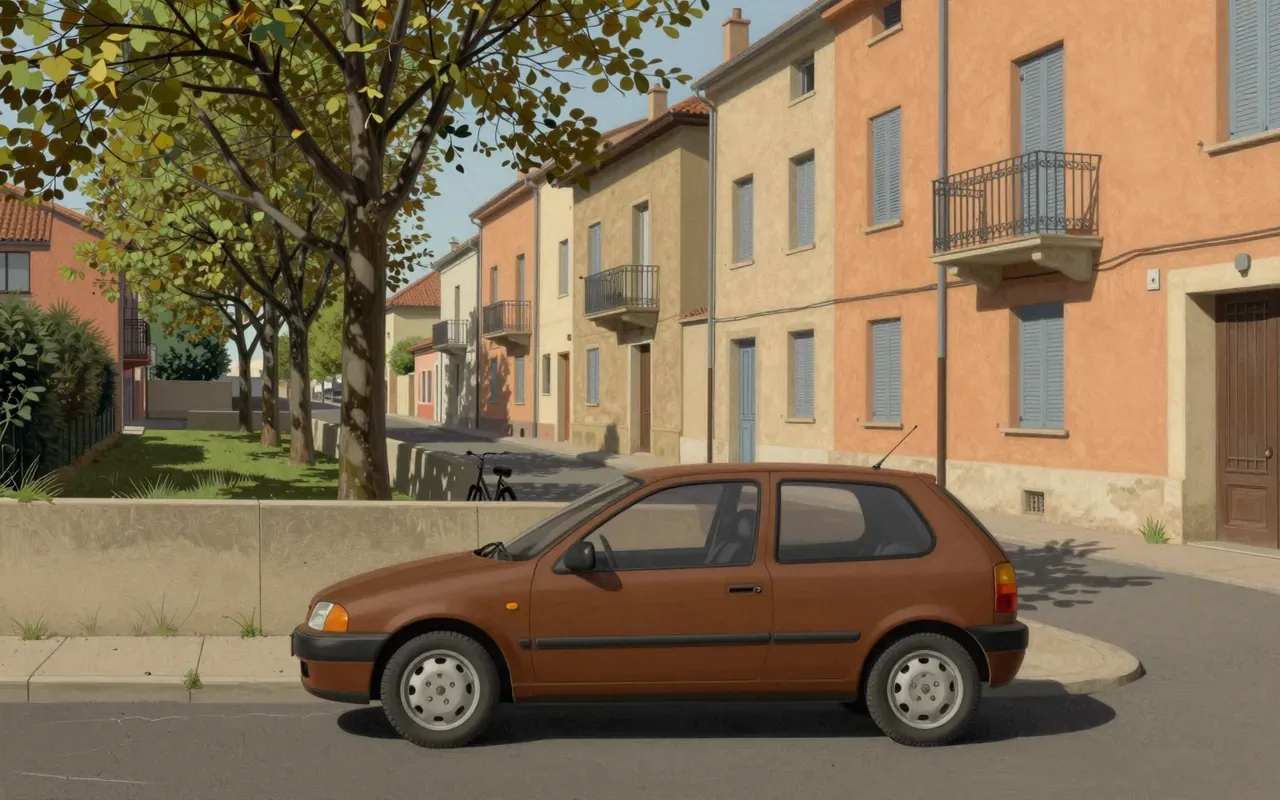
The Citroën C3 is a durable, adaptable B-segment hatchback — not a design manifesto. Its strength lies in iteration, not innovation; in volume, not vision.

10:44

Citroën CX

Robert Opron · 1974

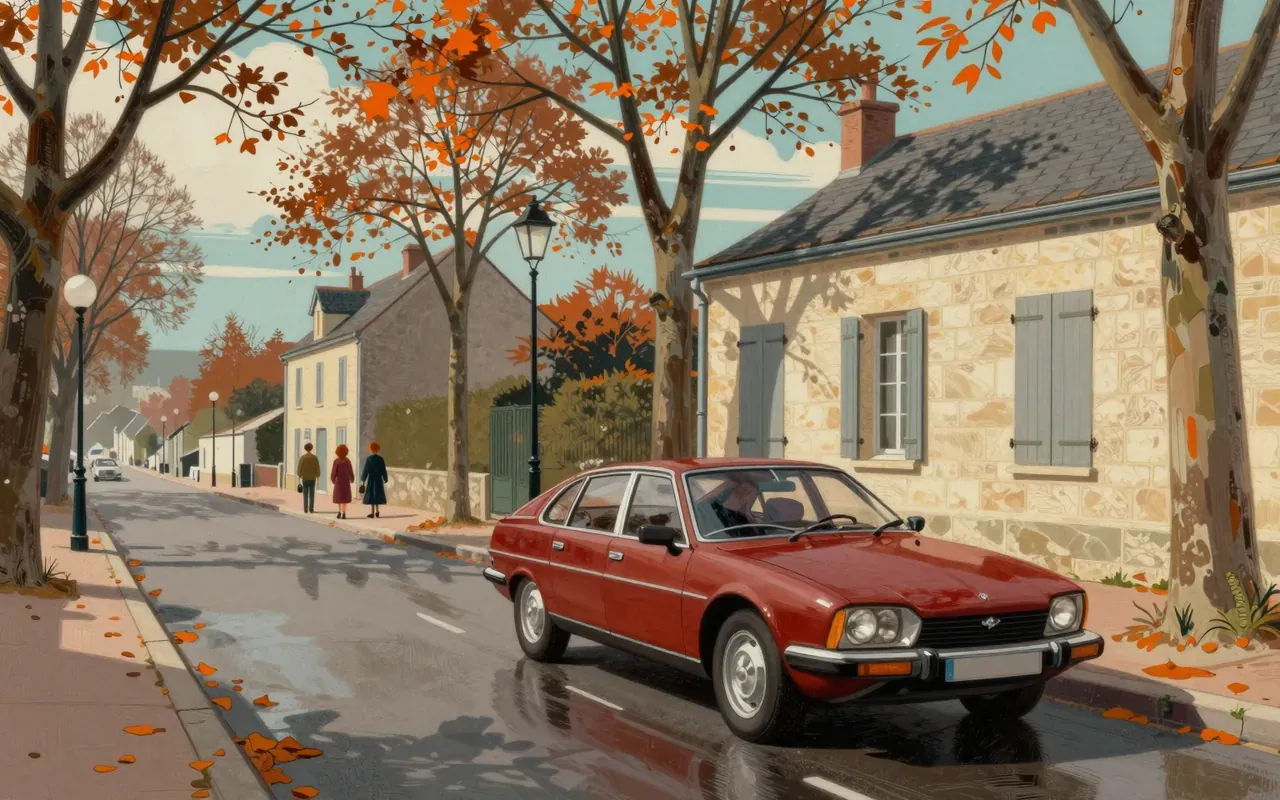
The CX is the last complete expression of Citroën’s pre-merger philosophy: hydropneumatic suspension, front-wheel drive, fastback form, and aerodynamic discipline. It succeeded the DS without imitating it. It won European Car of the Year in 1975. It was Robert Opron’s final and favourite design. It marked the end of the 'big Citroën' era that began in 1934.

9:12

Citroën GS

Robert Opron · 1970

The Citroën GS is a small family car designed by Robert Opron, launched in 1970 after winning Citroën’s 1967 internal Project G competition. It was built as a fastback four-door saloon and five-door estate until 1979. A revised version, the GSA, was produced from late 1979 until 1986 in five-door hatchback or estate body styles. Combined production reached approximately 2.5 million units. It has a front-engine, front-wheel-drive layout and seating for five passengers. Noted for its aerodynamic body shape with a drag coefficient of 0.318, fully independent hydro-pneumatic brakes and self-levelling suspension, and air-cooled flat-four engine, the GS was styled by Robert Opron, with a low nose, a two-box silhouette, semi-enclosed rear wheels and a sharply vertical Kamm-tail. In 1967, having abandoned the ambitious Projet F begun by Bertoni and taken over by Opron, Citroën initiated a competition for a new mid-range model that pitted Opron and the Bureau d'Études against Giorgetto Giugiaro and Italdesign. Both teams submitted designs for front wheel drive three- and five-door cars powered by flat-four engines. Opron's proposal carried the day, and his Project G eventually became the GS released in 1970. Some have claimed that Opron based the GS' shape on the Pininfarina Austin 1800 Aerodinamica Berline of 1967. Others assert that, while it may have been influenced by the Italo-English concept car, Opron's design was an independent work, and point out that Citroën has never acknowledged any link.
11:18

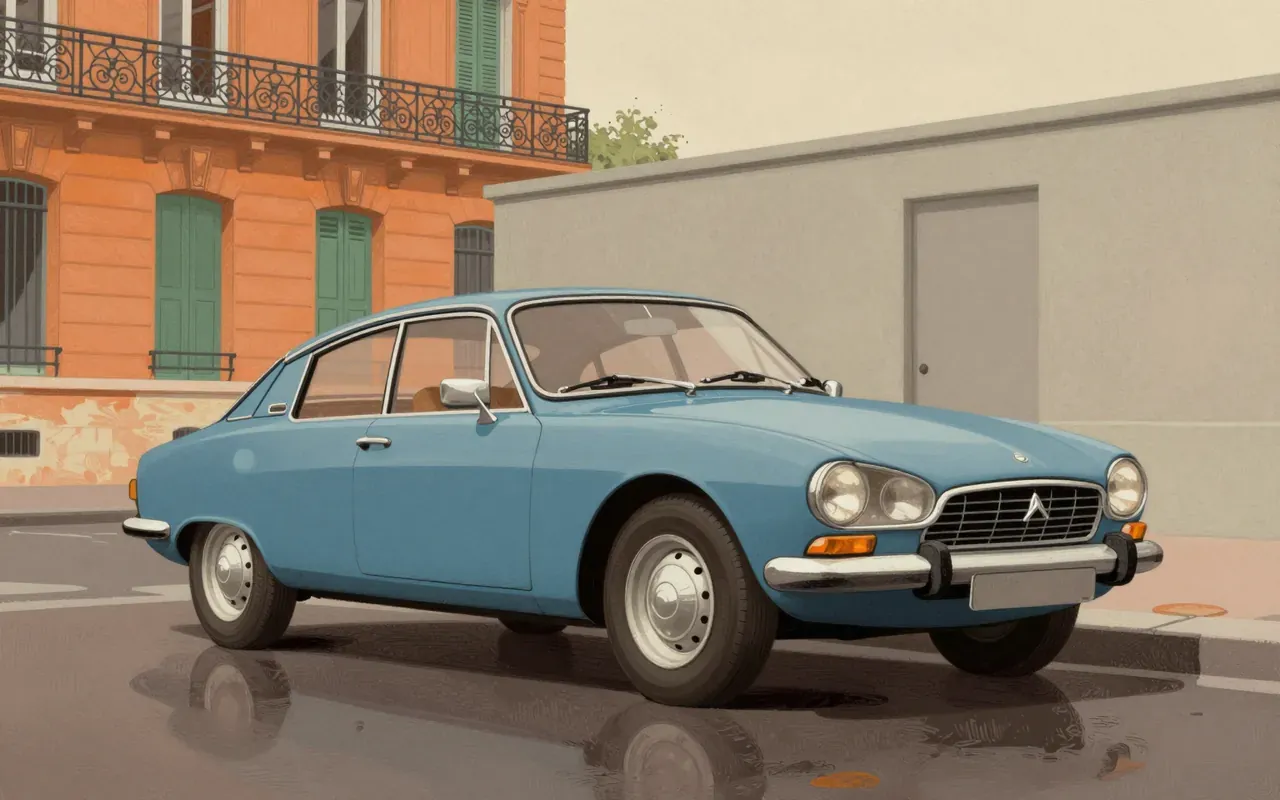
Citroën SM

Robert Opron · 1970

The Citroën SM is a high-performance coupé produced by Citroën from 1970 to 1975, featuring a 2.7 L V6 engine and front-engine, front-wheel-drive layout. It was developed as a Gran Tourer using Maserati's engine technology and Citroën's suspension, debuted at the 1970 Geneva Motor Show, and sold initially in France in September 1970. All factory-produced units were left-hand-drive, and its design was constrained by French puissance fiscale taxation.

10:57

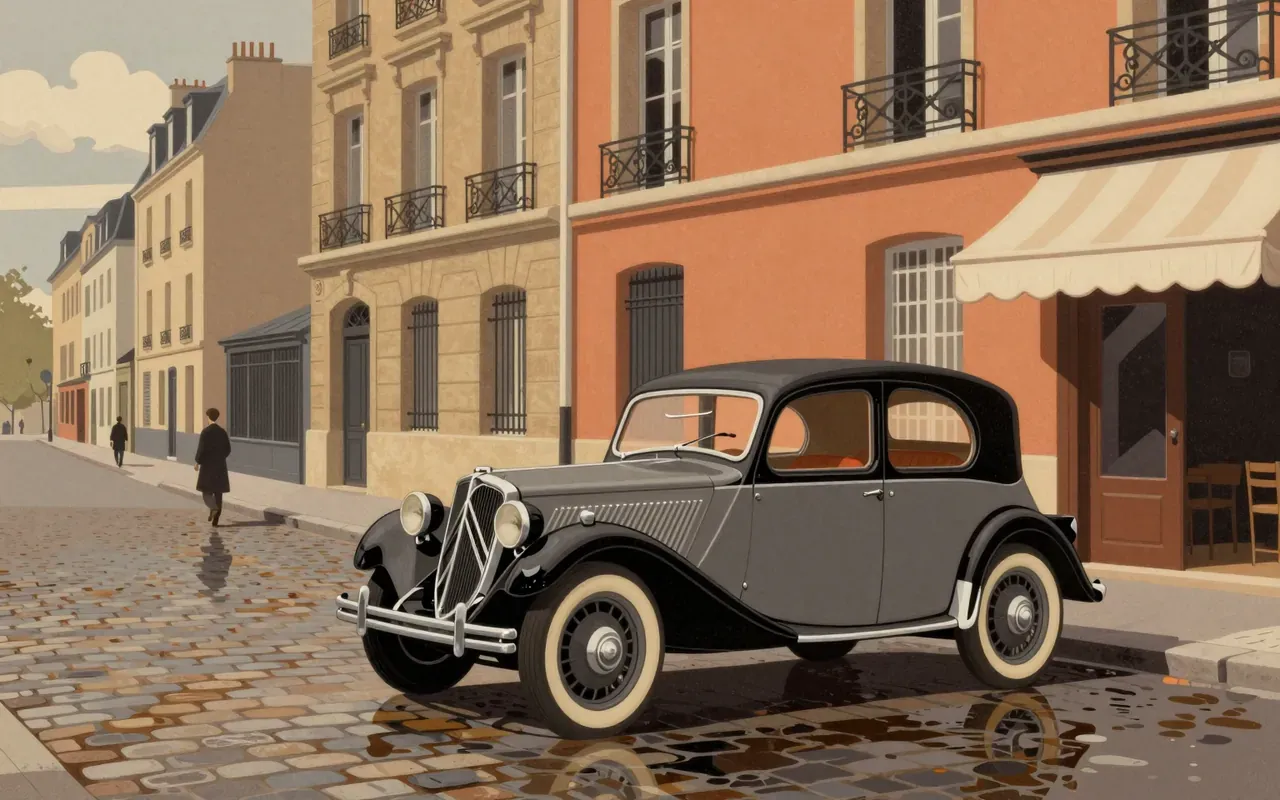
Citroën Traction Avant

Flaminio Bertoni · 1934

The Citroën Traction Avant redefined what a production car could be — not through novelty, but through integration. Its welded unitary body, front-wheel drive, and four-wheel independent suspension formed a coherent system. It did not chase speed or luxury. It solved for lightness, space, and real-world composure. Its influence is structural, not stylistic.

10:06

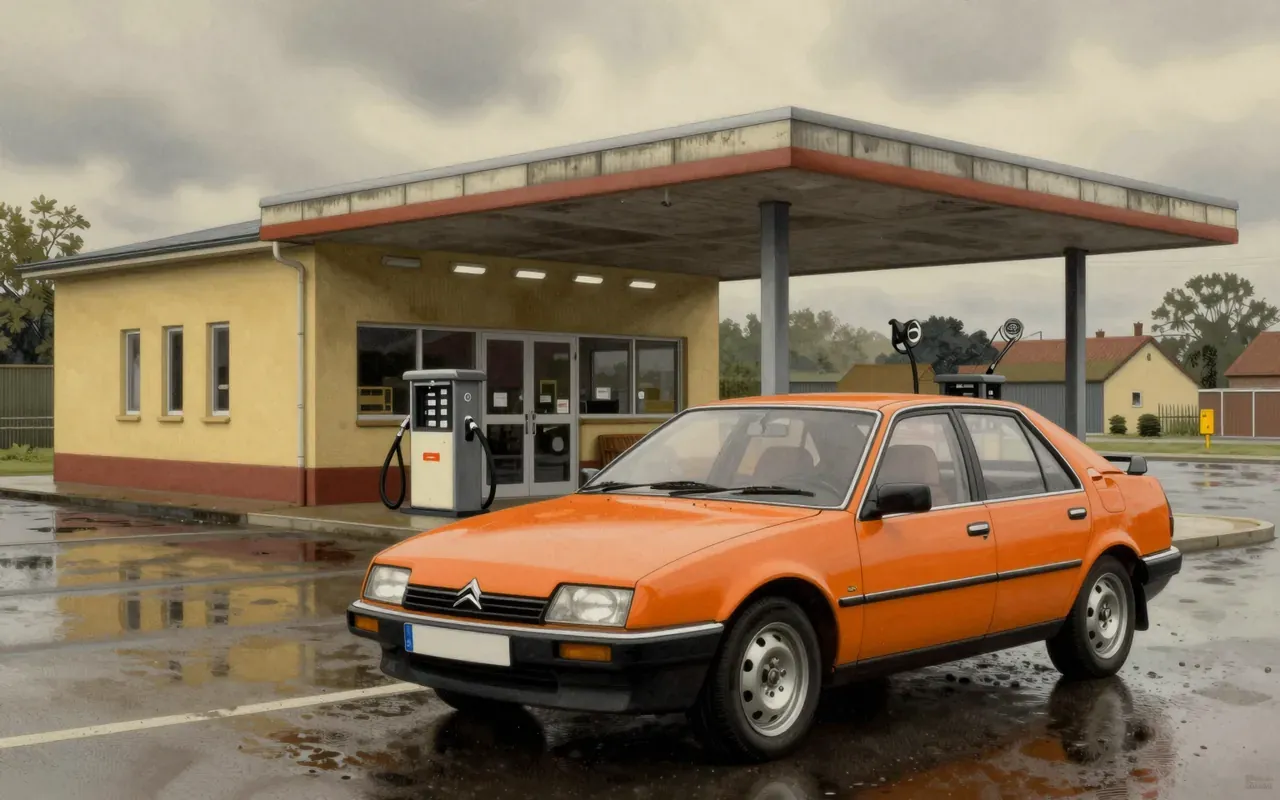
Citroën XM

Bertone · 1989

The Citroën XM is a pivotal failure: technically audacious, commercially inert, and stylistically isolated. It advanced hydropneumatic suspension into the electronic age — but lost the emotional and mechanical connection that made Citroën’s earlier flagships endure.