automotivebriefs
10:34in productionCh. 1 · The New Normal/ 10:34 · ceiling 15 min
Road

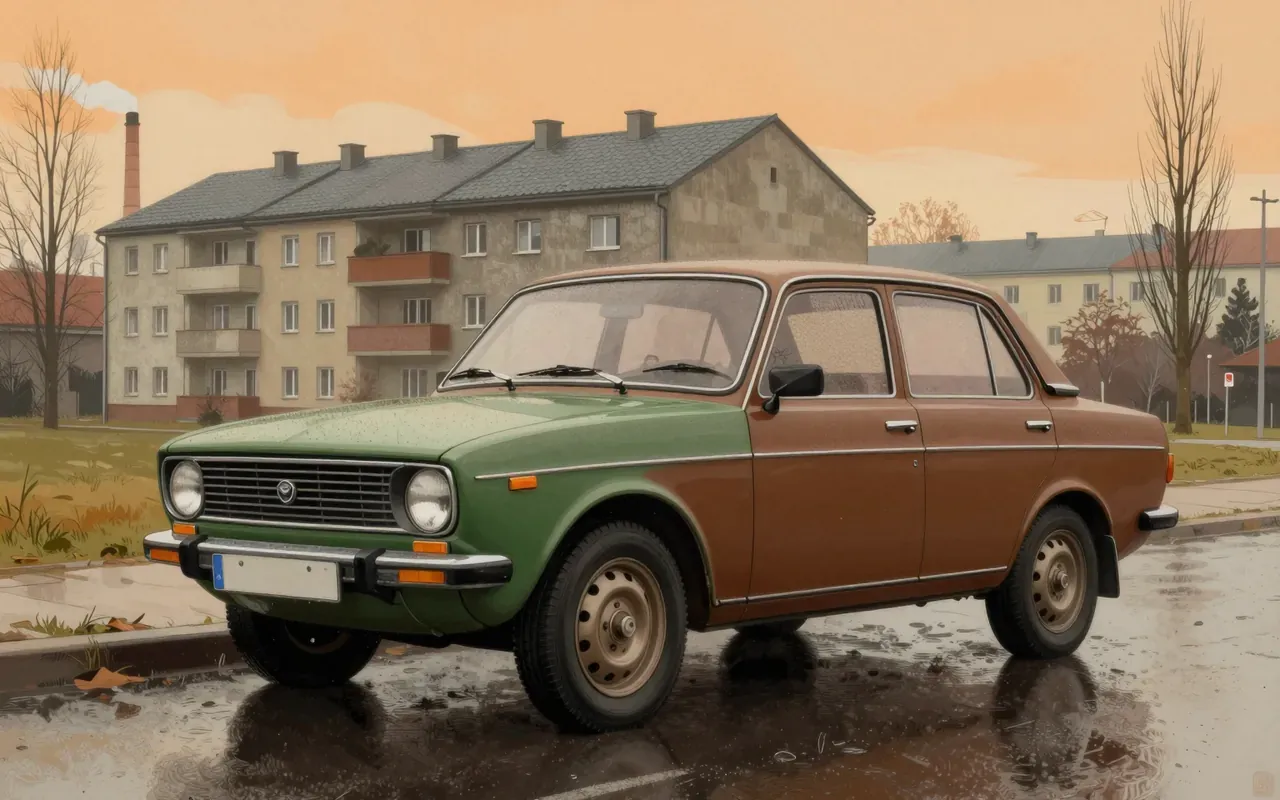
Škoda Favorit

A state-mandated hatchback that traded rear-engine eccentricity for front-wheel-drive pragmatism — and paid for it in delay, compromise, and cancelled coupés.

The Škoda Favorit is a front-engine, front-wheel-drive supermini hatchback introduced by Škoda Auto in 1987 after protracted development involving disputes with Nuccio Bertone; it succeeded the rear-engined Estelle and marked Škoda’s shift toward modern European design norms, with later estate and pickup variants, and notable motorsport success despite its modest specification.

Chapters & takeaways5
  1. 0:50
    The New Normal

    Launched in 1987, the Favorit was Škoda’s first supermini — and its first car built to European norms.

  2. 2:21
    Front-Engine, Front-Wheel Drive

    It swapped the Estelle’s rear engine for a front-mounted transverse unit and front-wheel drive — a fundamental rethinking of packaging.

  3. 4:03
    Five Years in the Making

    Approved in 1982, it took five years to reach production — held up by ideological and stylistic friction between Prague and Grugliasco.

  4. 5:30
    Two Bodies That Never Were

    Only the five-door hatchback entered production. A saloon and two-door coupé were fully designed — then scrapped.

  5. 6:36
    Bertone in Brno

    Its Bertone styling marked Škoda’s decisive pivot from Soviet-era isolation to Western design logic.

Worth your time?

Yes. Drive the whole thing.

3.5/ 5
What works
  • It delivers usable interior space from a compact footprint.
  • Its hatchback form gives practical load access.
  • Its front-wheel-drive layout improves cabin room over the Estelle’s rear-engine compromise.
What does not
  • It does not offer a saloon or coupé body — both were fully designed by Bertone but cancelled.
  • It does not use electric power, all-wheel drive, or any drivetrain configuration beyond front-wheel drive.
Drive it if
  • It is for people interested in automotive transitions under planned economies.
  • It is not for collectors seeking rarity, drivers seeking engagement, or buyers seeking comfort or speed.
Skip it if
  • It is not for collectors seeking rarity, drivers seeking engagement, or buyers seeking comfort or speed.
The written brief1 min read

What the car is and where it came from

The Škoda Favorit is a Bertone-designed supermini made by Škoda Auto. It launched in July 1987 at the Brno Engineering Fair in Czechoslovakia. It was approved for development by the communist government in 1982, with design delayed until mid-1985 due to disputes with Nuccio Bertone.

How it works, in terms someone would actually use

It is a front-engine, front-wheel-drive supermini hatchback. The engine sits transversely at the front. The driver sits behind a conventional steering wheel in a five-door hatchback body. It replaced a rear-engined, rear-wheel-drive predecessor.

What it gets right

It delivers usable interior space from a compact footprint. Its hatchback form gives practical load access. Its front-wheel-drive layout improves cabin room over the Estelle’s rear-engine compromise.

What it does not

It does not offer a saloon or coupé body — both were fully designed by Bertone but cancelled. It does not use electric power, all-wheel drive, or any drivetrain configuration beyond front-wheel drive.

What it changed

It ended Škoda’s reliance on rear-engined layouts. It aligned Škoda with mainstream European packaging and drivetrain norms. It enabled later estate and pickup variants.

Who it is for, and who it is not

It is for people interested in automotive transitions under planned economies. It is not for collectors seeking rarity, drivers seeking engagement, or buyers seeking comfort or speed.

Is it worth your time

Yes — if you care about how state-led automotive modernisation actually looked and felt in late-communist Europe. No — if you expect performance, refinement or technical novelty.
Same garage · Road4 of 82
8:59
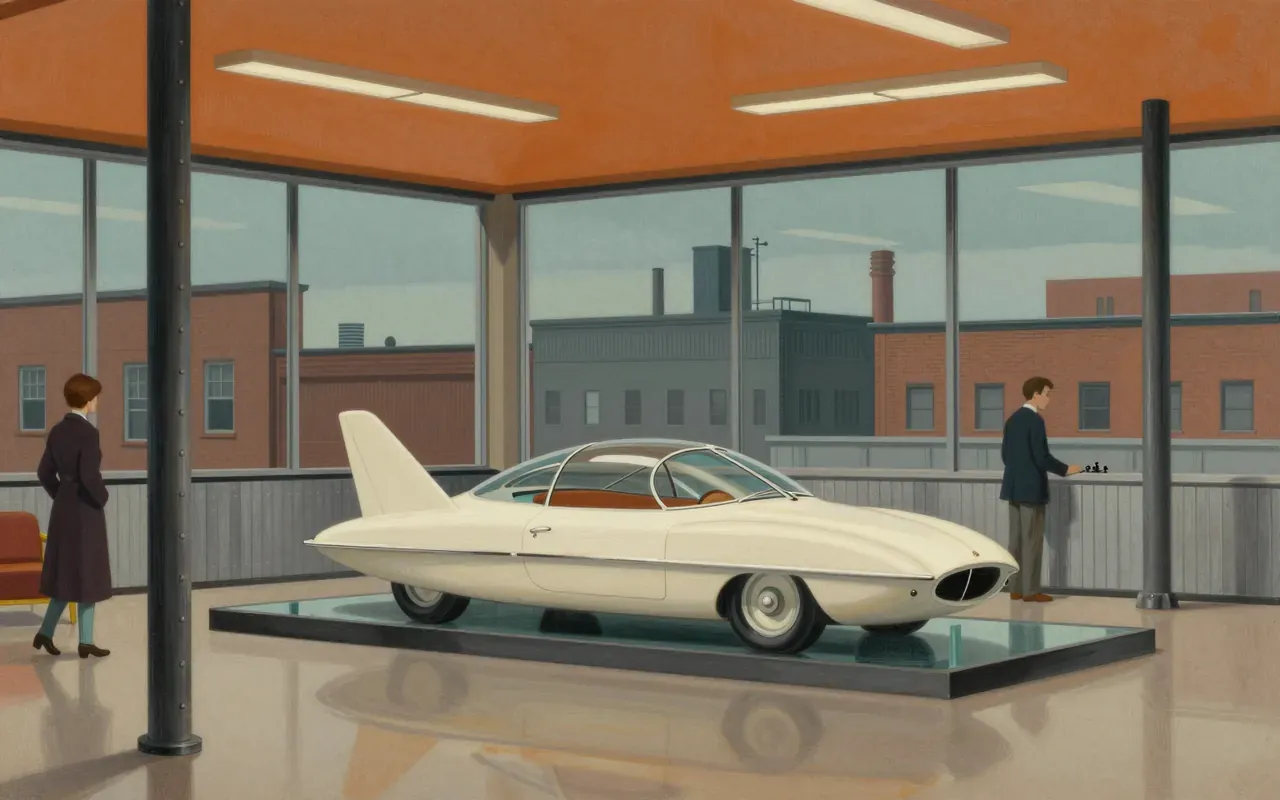
General Motors FirebirdHarley Earl · 1953The Firebird I is a 1953 GM concept car designed by Harley Earl. It was the first gas turbine-powered car tested in the United States. It features a single-seat cockpit under a bubble canopy, a bullet-shaped fiberglass fuselage, short wings, and a vertical tail fin. It was built for the 1953 Motorama show. GM never intended it for production.
9:57
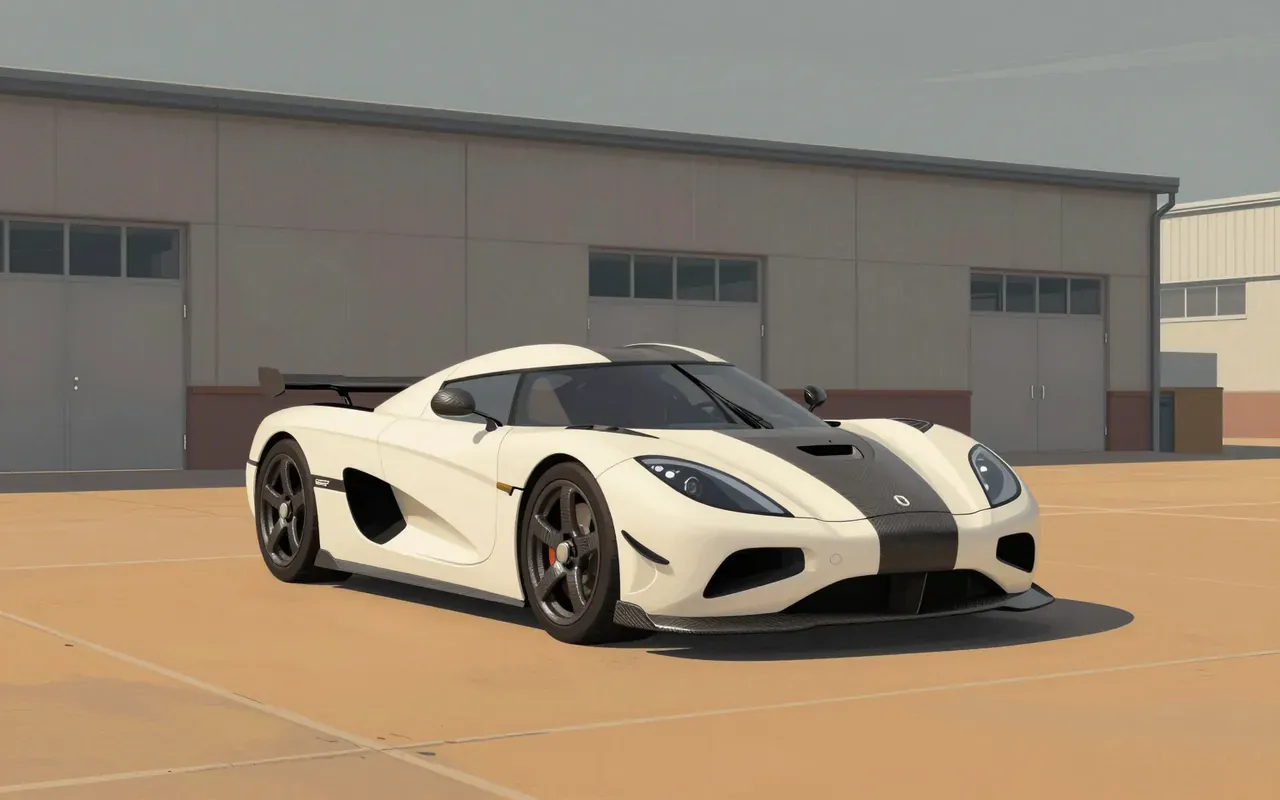
Koenigsegg CC8SChristian von Koenigsegg · 2002The CC8S is the first production car from Koenigsegg Automotive. It is a mid-engine, rear-wheel-drive targa top sports car built from 2002 to 2004 in six units. It introduced the dihedral synchro-helix doors and front-trunk roof stowage. It won the Guinness World Record for Most Powerful Production Engine and design awards from Red Dot and Utmärkt Svensk Form. It was developed from the CC prototype after eight years of research and development beginning in 1994. Chassis, suspension, brakes and other components were designed in-house. The pre-production car debuted at the 2000 Paris Auto Show. Its unique features include the front-trunk roof storage (unlike the Ferrari F50), the dihedral synchro-helix doors, and a central free-flowing exhaust based on the 'Rocket Cat Principle'. Christian von Koenigsegg and David Crafoord co-created the design concept.
10:57
Alfa Romeo 156Walter de Silva · 1997The Alfa Romeo 156 is a compact executive car introduced at the 1997 Frankfurt Motor Show to replace the 155. Designed by Walter de Silva, it won the 1998 European Car of the Year award. It was produced from 1996 to 2007 in saloon, Sportwagon, and Crosswagon bodystyles. Assembly occurred in Pomigliano d'Arco, Italy and Rayong, Thailand. 673,435 units were built.
9:33
Alfa Romeo 4CMarco Tencone · 2013The Alfa Romeo 4C is a focused, uncompromising expression of mid-engined sports car logic—light, stiff, direct. It sacrifices isolation and utility to sharpen the connection between driver and road. Its design solves for feedback, not comfort.
Up next in Automotive

SSC Ultimate Aero

Jerod Shelby · 2006 · 9:45

A throttle-controlled steering machine that broke the world speed record without electronic help.

9:45