Saved
Topic

The Cold War

Forty-five years of proxy wars and mutually assured restraint.

9
in automotive
10:06
average
91 min
in total
160
across the network
The Cold War across the network →
All briefs9
10:01

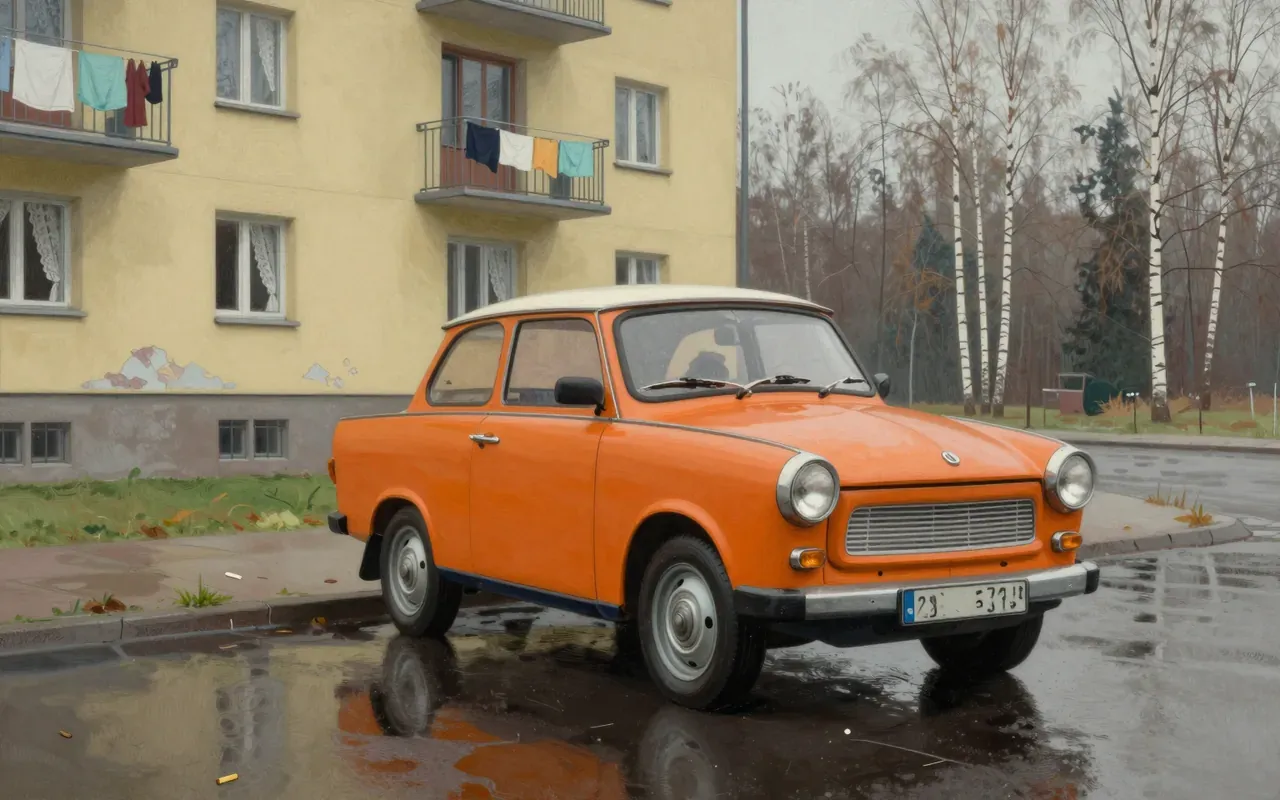
Trabant 601

Werner Lang · 1964

The Trabant 601 is a front-wheel-drive saloon built by VEB Sachsenring in Zwickau from 1964 to 1990. It used a transverse two-stroke engine and Duroplast body panels. It delivered on its promise of affordability and repairability — but offered no meaningful development over its 26-year run.

8:46

Wartburg 353

Hans Fleischer · 1966

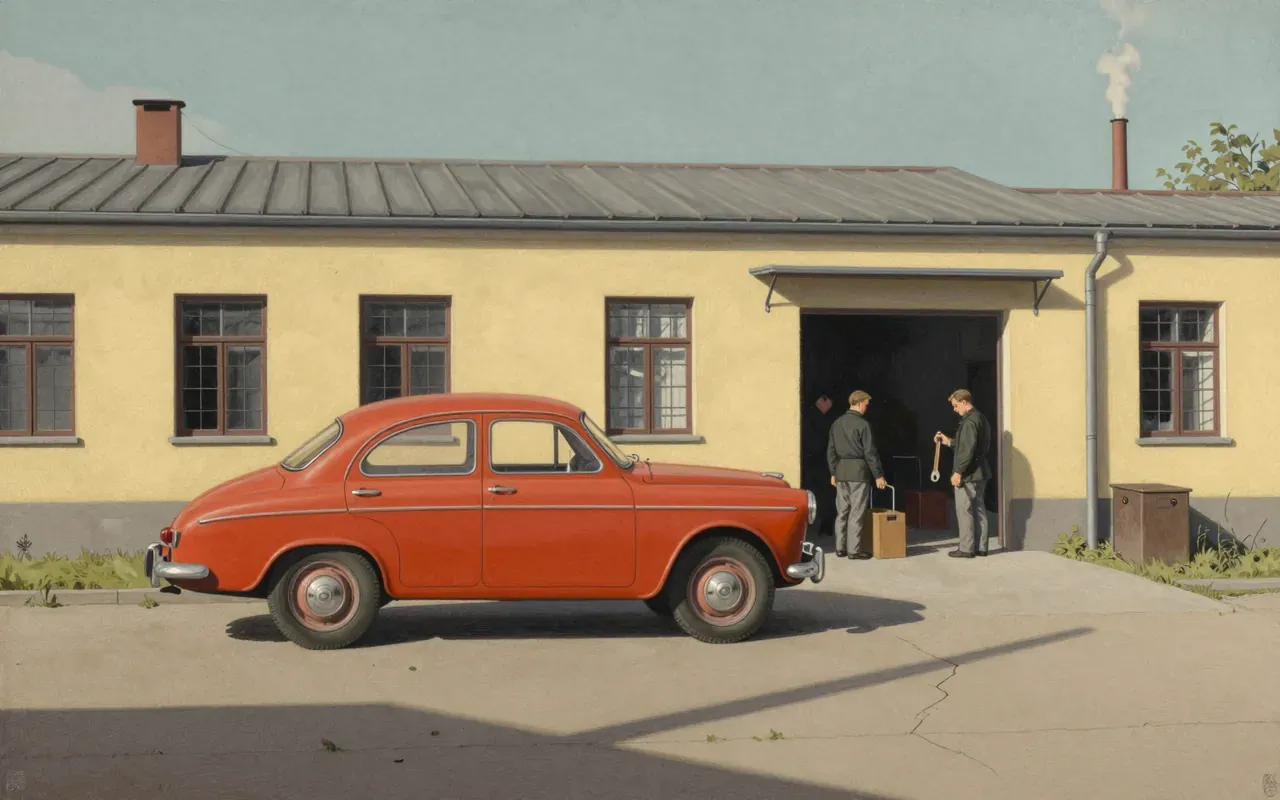
The Wartburg 353 is a medium-sized family car from East German manufacturer AWE, launched in 1966 and built until 1988. Over a million units were produced. It uses a 1-litre, 3-cylinder two-stroke engine, front-wheel drive, and a transmission with a freewheel.

12:56

Yugo 45

Giorgetto Giugiaro · 1980

The Yugo is a subcompact hatchback manufactured by Zastava Automobiles from 1980 to 2008. It is a shortened variant of the Fiat 128. It was built in Kragujevac, Serbia, then part of Yugoslavia.

8:59

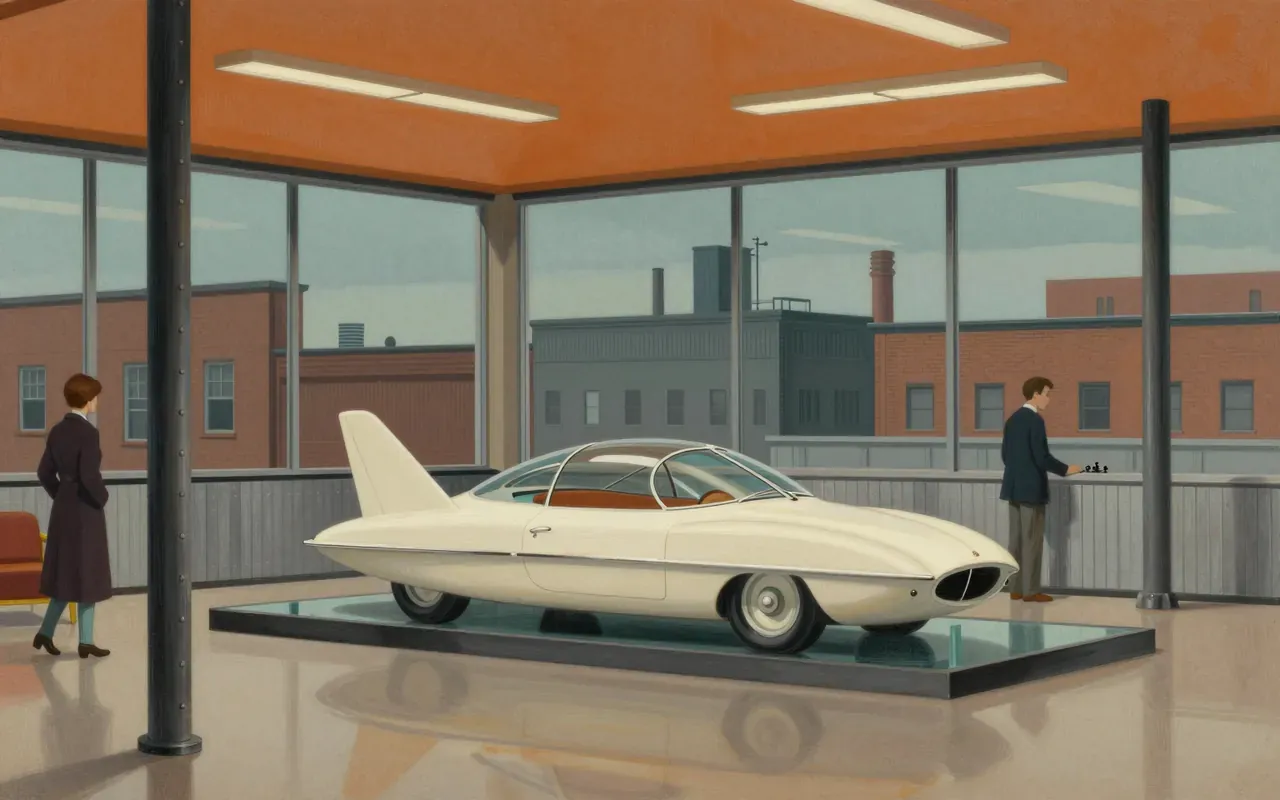
General Motors Firebird

Harley Earl · 1953

The Firebird I is a 1953 GM concept car designed by Harley Earl. It was the first gas turbine-powered car tested in the United States. It features a single-seat cockpit under a bubble canopy, a bullet-shaped fiberglass fuselage, short wings, and a vertical tail fin. It was built for the 1953 Motorama show. GM never intended it for production.

11:37

Chevrolet Corvette (C1)

Harley Earl · 1953

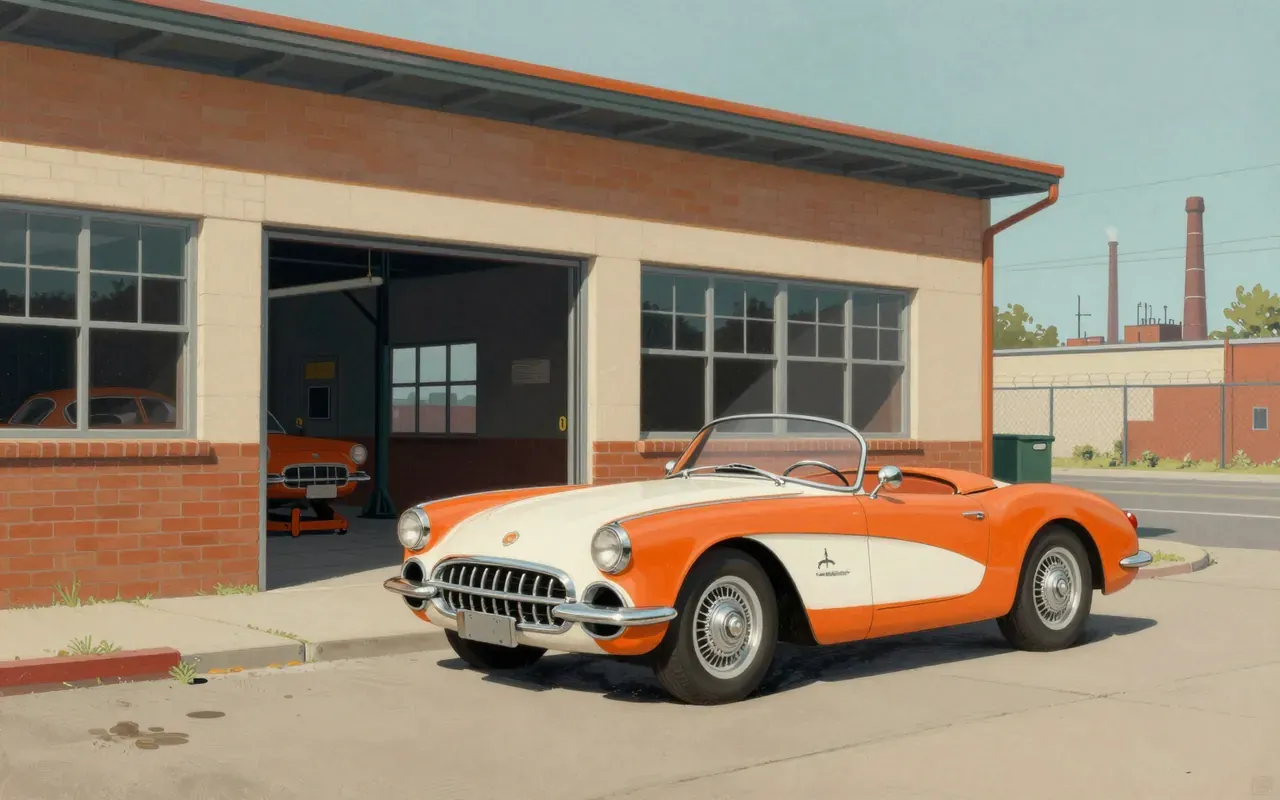
The C1 Corvette is the foundational American sports car: a rushed, hand-built, fibreglass roadster born from Harley Earl’s desire to answer European competition. It established Chevrolet’s two-seat lineage after 15 years’ silence. Its front-engine, rear-wheel-drive layout and solid rear axle reflect its derivation from full-size Chevrolets—not racing pedigree. It prioritises presence over precision. It is historically indispensable but dynamically unrefined.

9:26

Dacia 1300

Renault · 1969

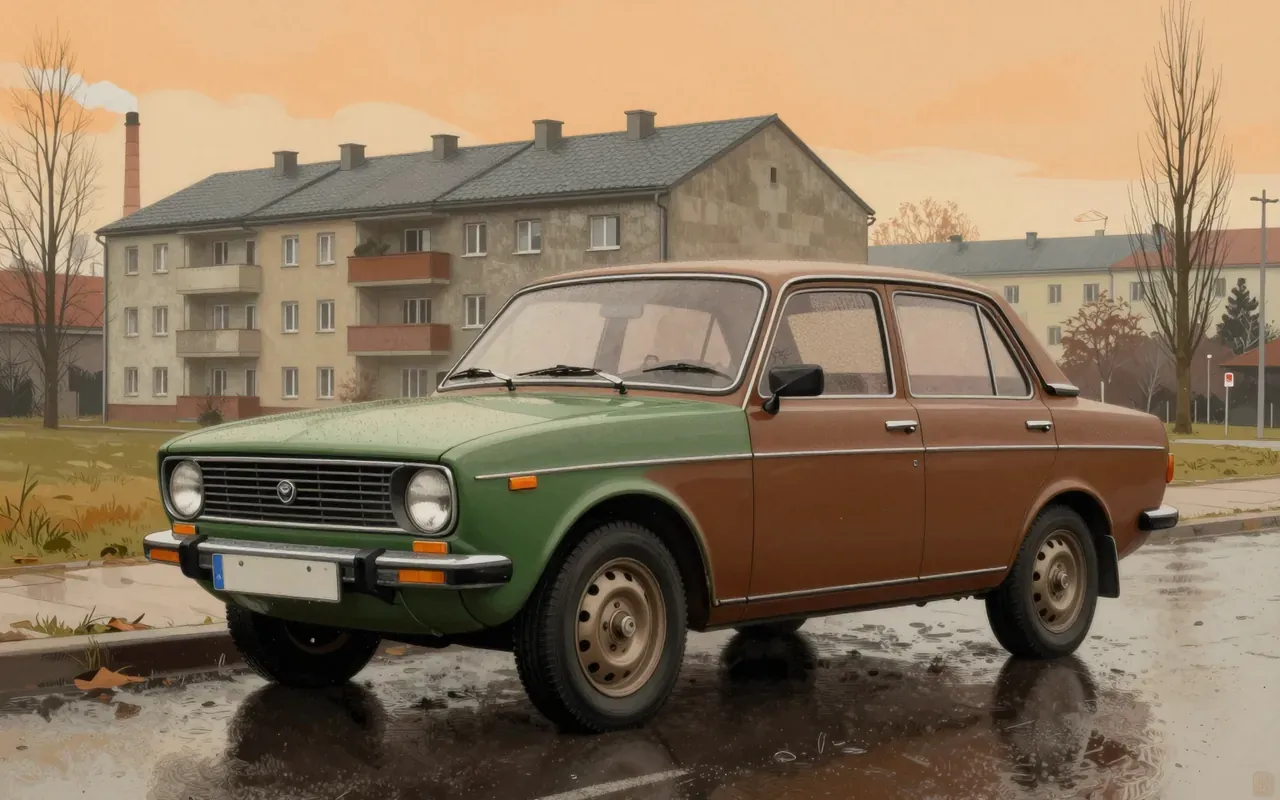
The Dacia 1300 is a Romanian-built, Renault 12–based medium-sized family car launched in 1969 under a state-directed initiative to reduce import dependence; it was required to be inexpensive, family-sized, and equipped with ≤1.3 L engine; Renault 12 was chosen over rivals for technical and political reasons; body styles included sedan, estate, and pickup truck; the name '1300' denotes engine displacement.

10:34

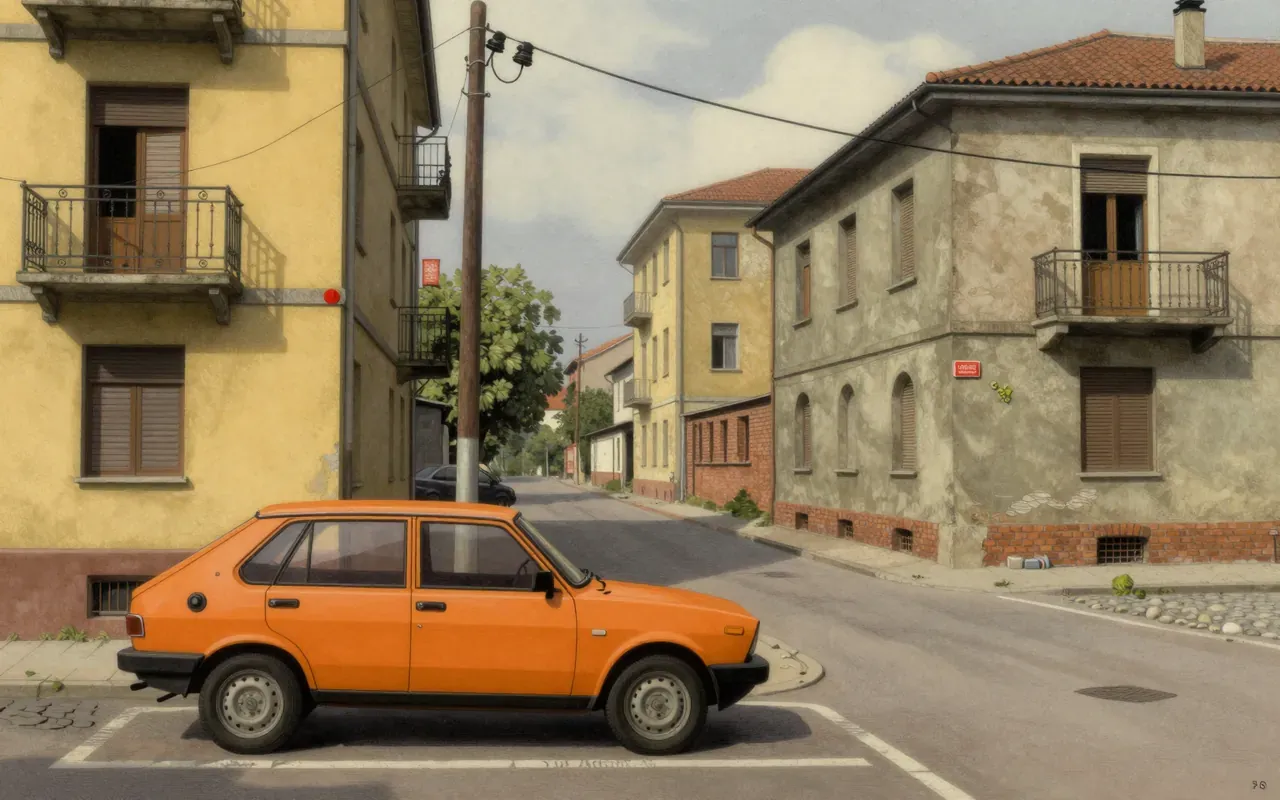
Škoda Favorit

Bertone · 1987

The Škoda Favorit is a front-engine, front-wheel-drive supermini hatchback introduced by Škoda Auto in 1987 after protracted development involving disputes with Nuccio Bertone; it succeeded the rear-engined Estelle and marked Škoda’s shift toward modern European design norms, with later estate and pickup variants, and notable motorsport success despite its modest specification.

9:30

Tatra 603

František Kardaus · 1956

The Tatra 603 is a large rear-engined luxury saloon produced by Tatra from 1956 to 1975. It continues the streamlined sedan lineage begun with the Tatra 77. In Socialist Czechoslovakia, only high-ranking party officials and factory heads were driven in 603s; the car was also exported to allied countries. Three successive versions—the T603, 2-603, and unofficial -3—were manufactured, distinguished by headlamp arrangements and progressive updates including disc brakes and contactless thyristor ignition. Its V8 overhead valve hemi engine was air-cooled and derived from earlier Tatra models. A total of 20,422 units were built, mostly by hand.

9:06

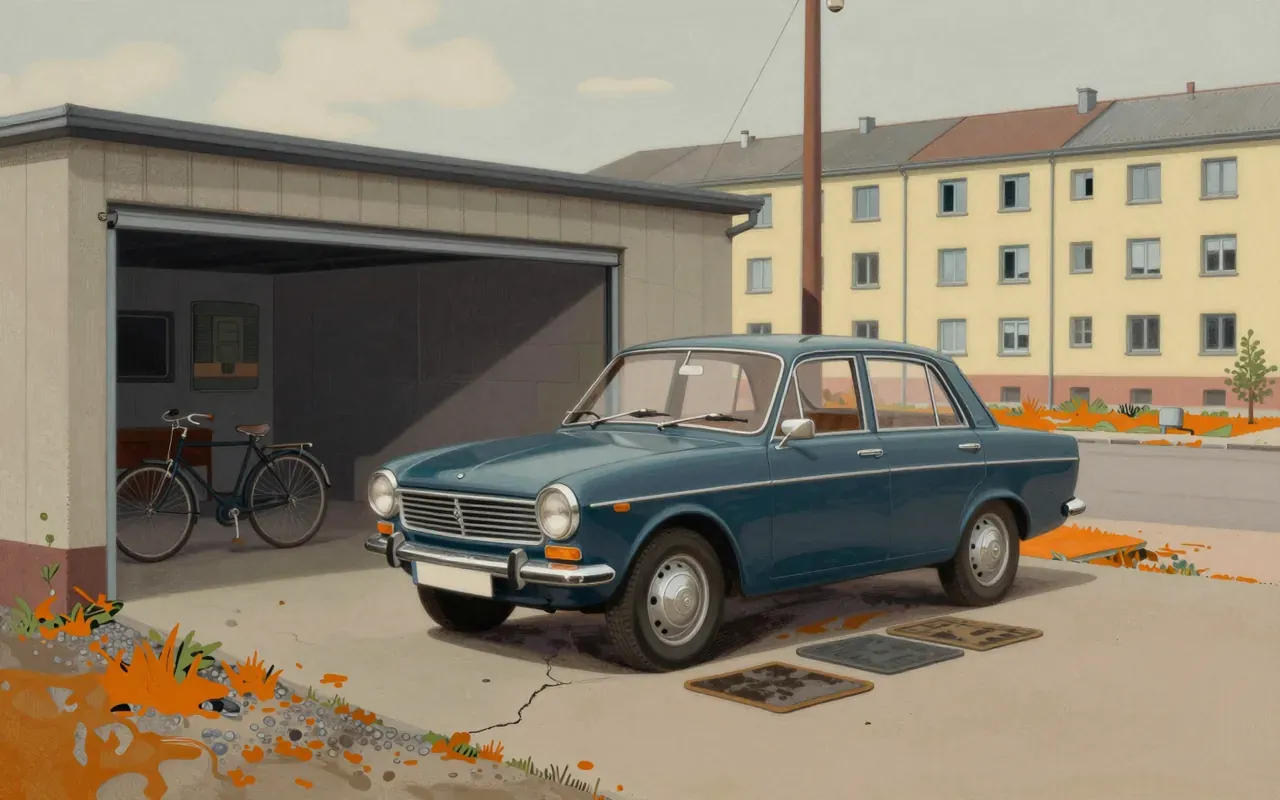
VAZ-2101

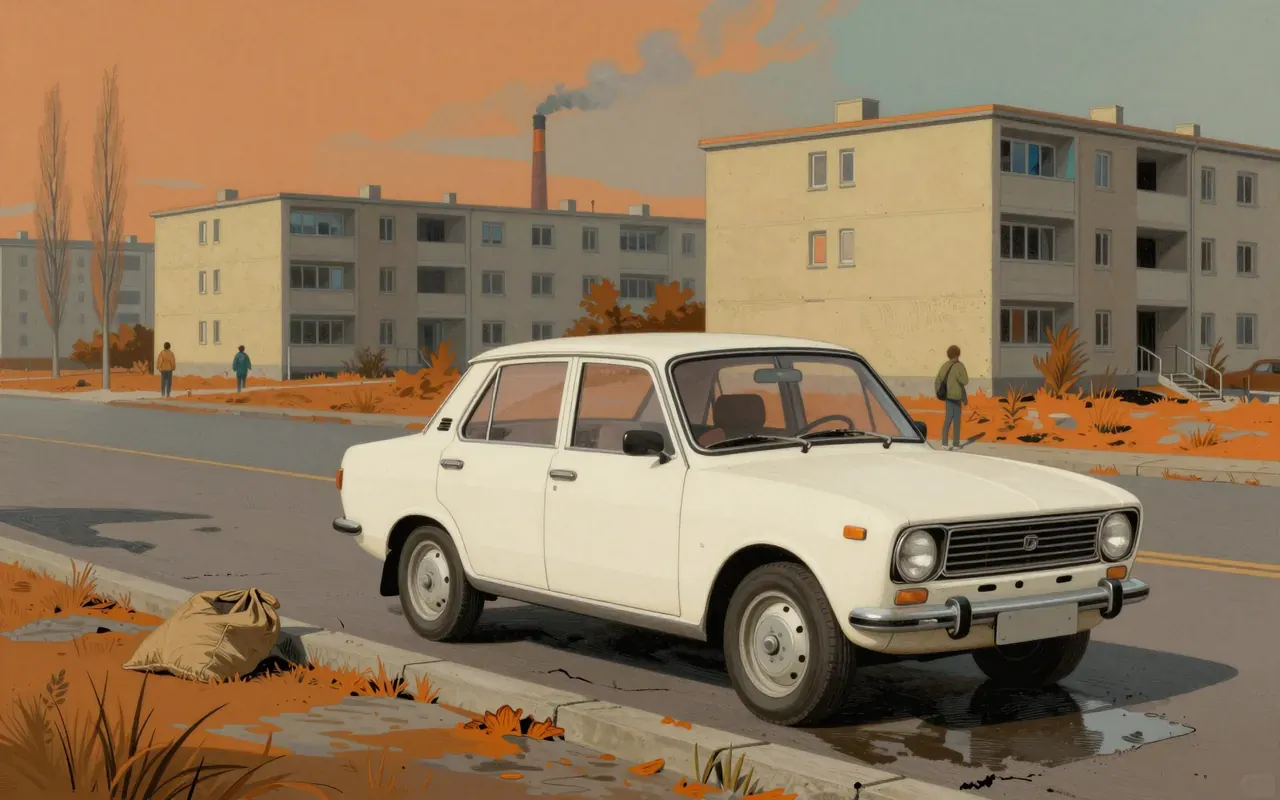
Fiat · 1970

The VAZ-2101 is a compact 4-door saloon or wagon, introduced in 1970 as AvtoVAZ's first product. It is a licence-built version of the Fiat 124, heavily modified for Soviet and Eastern Bloc conditions. Among many changes, aluminium brake drums were added to the rear, and the original Fiat engine was dropped in favour of a newer design made by NAMI. This new engine had a modern overhead camshaft design but was never used in Fiat cars. The suspension was raised to clear rough Russian roads and the bodyshell was made from thicker, heavier steel with reinforcement in key chassis areas after cracking was discovered during durability testing. The first Lada models were equipped with a starting handle in case the battery went flat in Siberian conditions, though this was later dropped. Another feature specifically intended to help out in cold conditions was a manual auxiliary fuel pump. The station wagon version (correspondingly based on the Fiat 124 Familiare) was known as the VAZ-2102. Subsequently, it was widely, and successfully exported to the West under the Lada brand, for over two decades.