What the car is and where it came from
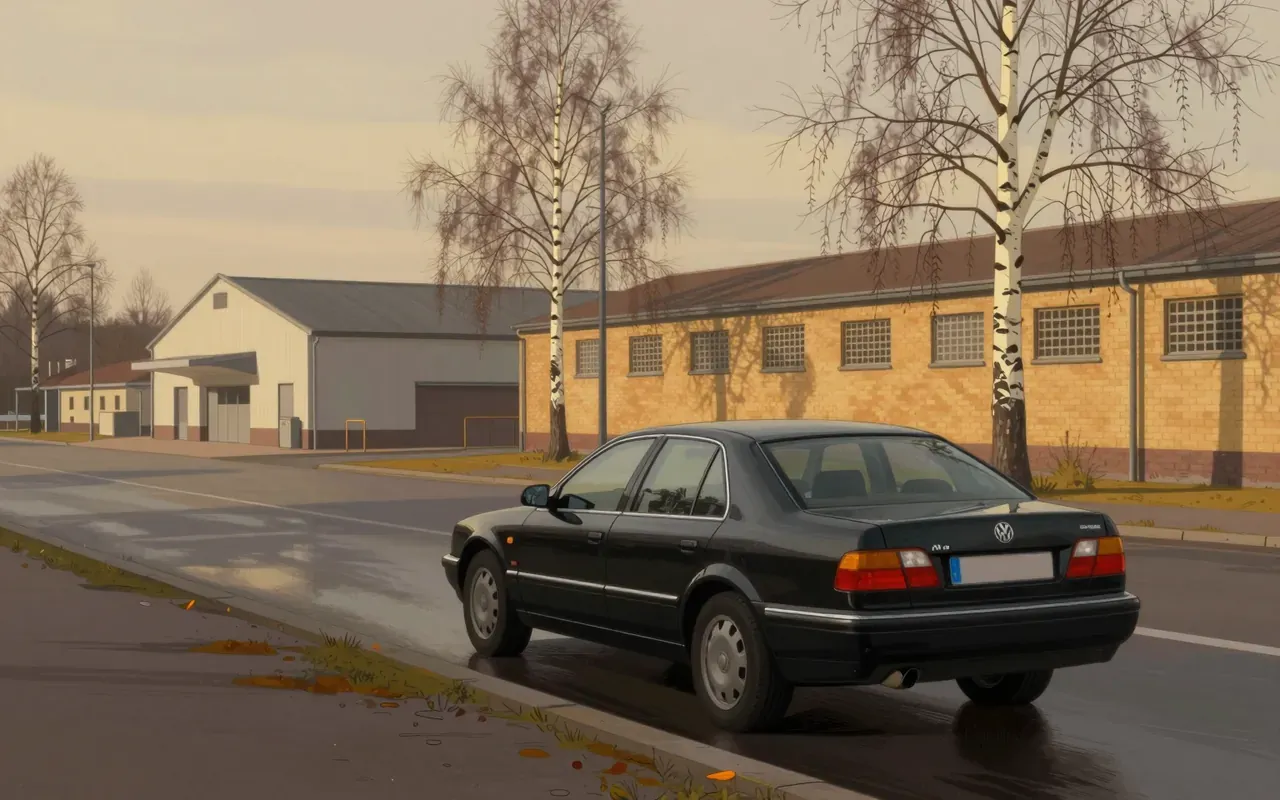
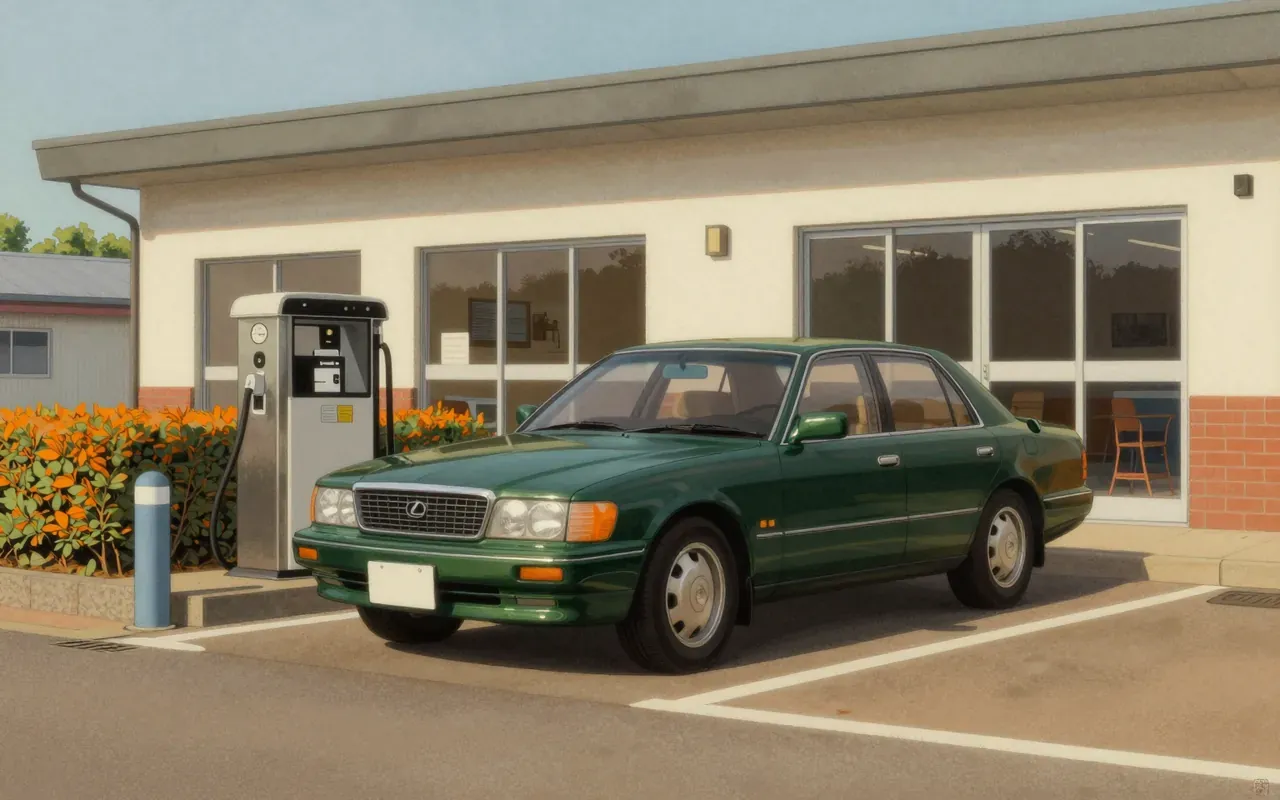
The LS 400, chassis code UCF10, is the first generation of the Lexus LS and the first model Lexus developed. In August 1983 Toyota chairman Eiji Toyoda started the F1 project, a secret effort to build a world-class luxury sedan for export. Toyota’s existing flagships, the Crown and the Century, were made for Japan and had little appeal abroad. Chief engineer Ichiro Suzuki developed an all-new design that used no existing Toyota platforms or parts, and the work took about five years and over US$1 billion. The LS 400 debuted in January 1989 at the Detroit auto show as a 1990 model.
How it works, in terms someone would actually use
It is a full-size sedan with a new 4.0-litre 1UZ-FE 32-valve V8 and a four-speed automatic with electronic shift control. The suspension is an independent double-wishbone layout, and an air suspension was optional. The targets were aerodynamics, cabin quietness, top speed and fuel efficiency. Wind-tunnel work brought a drag coefficient of 0.29. The cabin measured 58 dB at 100 km/h. It was among the first luxury sedans with a tilt-and-telescoping steering wheel carrying an airbag.
What it gets right
Quiet and low drag were the point, and the car delivered. Against the BMW 735i and Mercedes-Benz 420 SE it had a quieter cabin, a higher top speed, a lower drag coefficient and a lower kerb weight, and it avoided the U.S. Gas Guzzler Tax. Toyota built about 450 prototypes and 900 engine prototypes and logged 2.7 million kilometres of testing. The cabin used California walnut and leather trim, after two years of materials tests that covered 24 woods. In Japan the Celsior won Car of the Year Japan in 1989.
What it does not
It did not win everywhere. In a German comparison test by Auto Motor und Sport it finished last behind the BMW 735i L and Mercedes-Benz 420 SEL, ahead on power train but behind on bodywork, road holding and comfort. It was also slow to spread. Lexus concentrated on North America and Japan, and some lesser markets only saw it in late 1991. Production was held to about 50,000 cars a year.
What it changed
The LS 400 was largely responsible for the successful launch of the Lexus marque. The US price of US$35,000 undercut competitors and drew accusations from BMW of selling below cost. In December 1989 Lexus recalled the 8,000 cars sold so far over two customer complaints, and fixed them all within 20 days, which helped establish its customer service reputation. By 1990 its U.S. sales had passed those of Mercedes-Benz, BMW and Jaguar models. First-generation production totalled over 165,000 units.
Who it is for, and who it is not
It is for someone who wants to understand how a Japanese maker built a flagship to beat the Europeans at their own game, using numbers rather than legend. It is not for someone who puts road holding above quiet comfort, or who wants the later V8 and V6 generations.
Is it worth your time
Yes. The first LS 400 is a well-documented case of a company naming its target areas and then beating its rivals on several of them. The Celsior twin and the 1992 refresh, with its passenger airbag and larger brakes, round out the story.