What the car is and where it came from
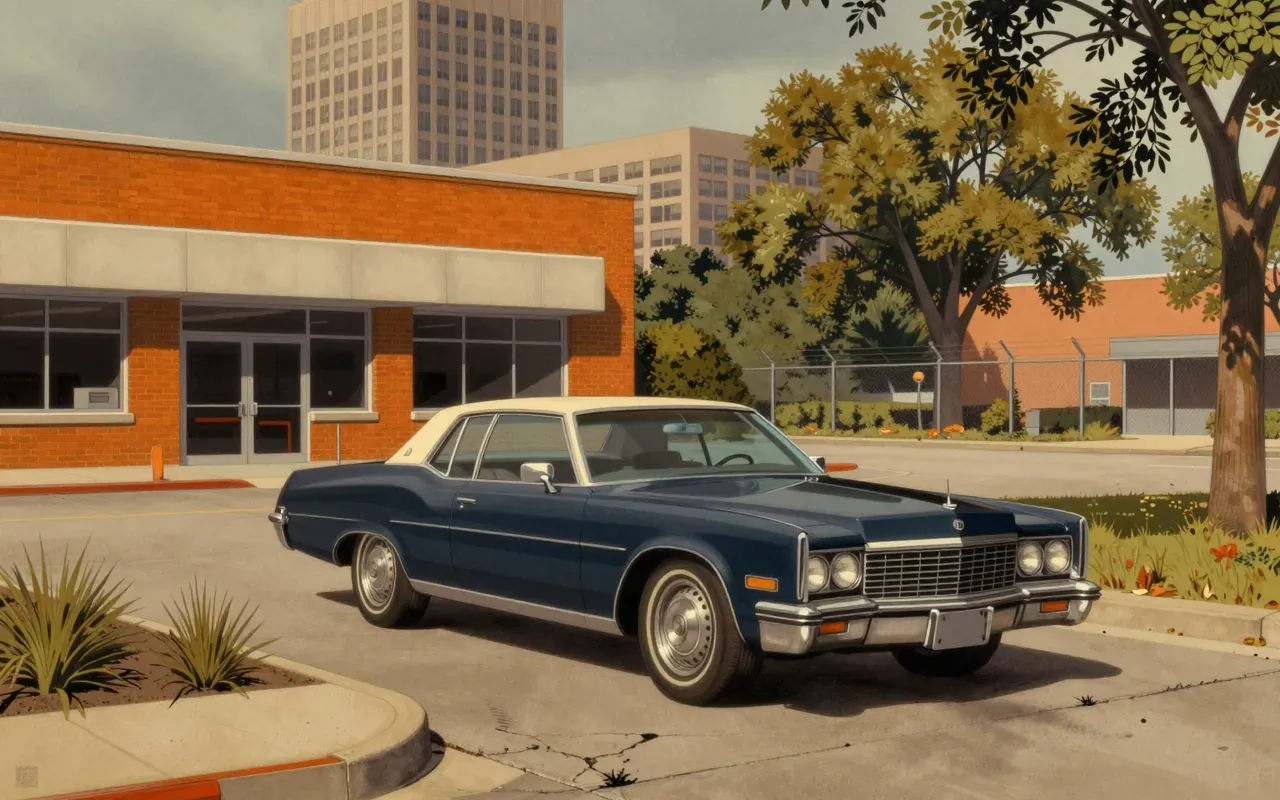
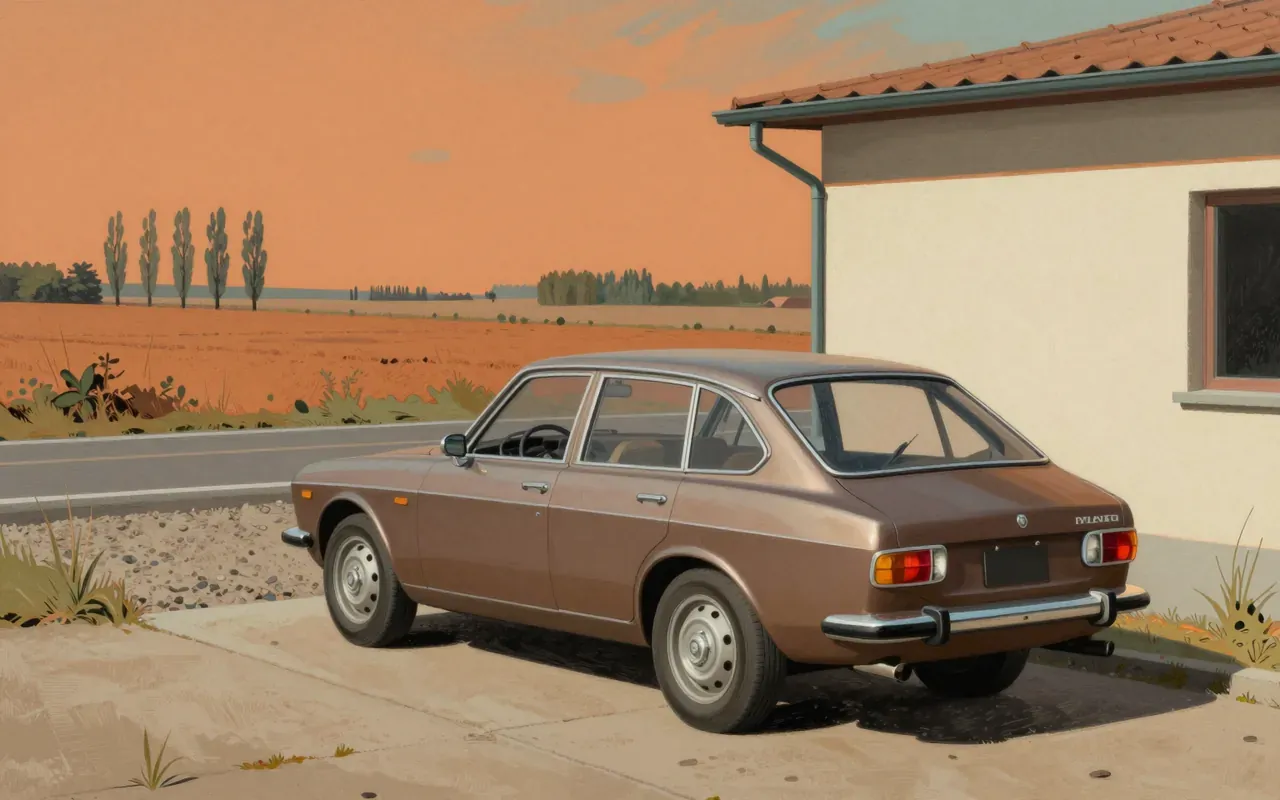
A front-engine, front-wheel-drive, four-door, five-passenger small family car. Designed by Giorgetto Giugiaro. Engineered by Rudolf Hruska. Built at Pomigliano d’Arco in southern Italy — hence ‘Alfasud’.
How it works, in terms someone would actually use
Front-wheel drive. Boxer engine mounted low and flat. MacPherson struts up front. Rear beam axle with Watt’s linkage. Rack-and-pinion steering. Four-wheel disc brakes.
What it gets right
The boxer engine delivers a low hood line. That lowers the centre of gravity. That improves road-holding and handling. The Giugiaro shape is tight, aerodynamic, and resolved.
What it does not
It does not resist corrosion. It does not scale beyond its original mechanical concept. It does not offer rear suspension sophistication beyond a rigid beam.
What it changed
It proved a front-wheel-drive Alfa could handle with precision. It moved the brand into volume production outside Milan. It anchored Giugiaro’s reputation for clean, functional packaging.
Who it is for, and who it is not
It is for students of automotive packaging and chassis philosophy. It is not for anyone who needs reliability, corrosion resistance, or structural longevity.
Is it worth your time
Yes — if you want to understand how a low-slung boxer layout reshaped small-car dynamics in the 1970s, and why rust killed an engineering experiment before it could mature.