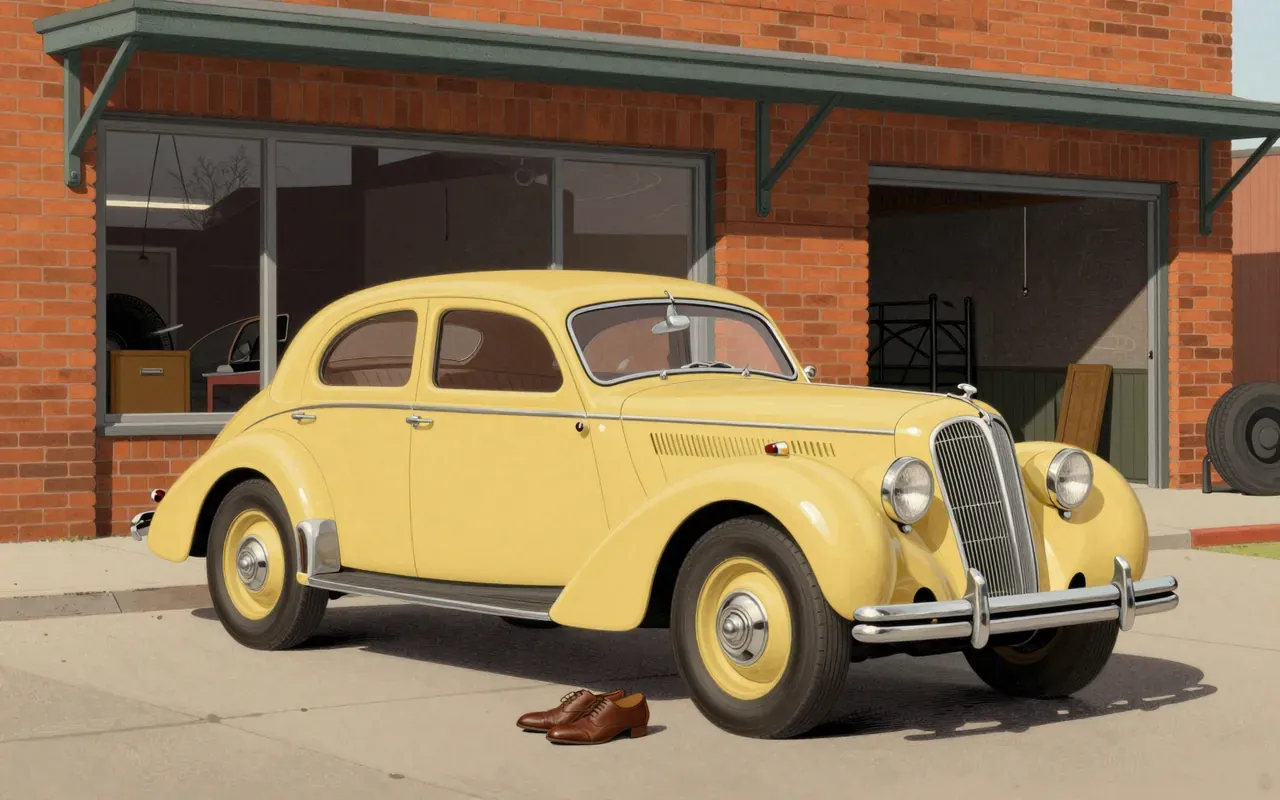
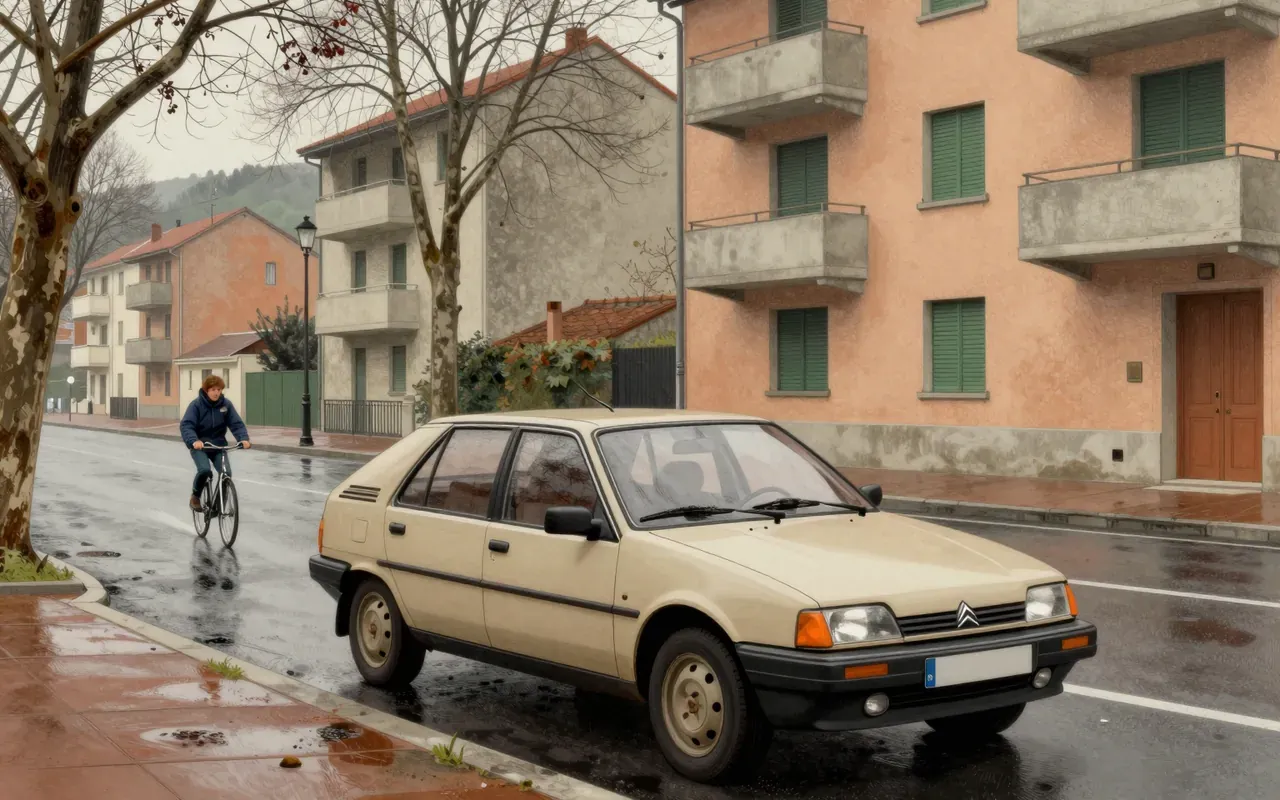
automotivebriefs
Oldest

All briefs

419 briefs · 4149 min · 1–96 on page 1 of 5
9:28

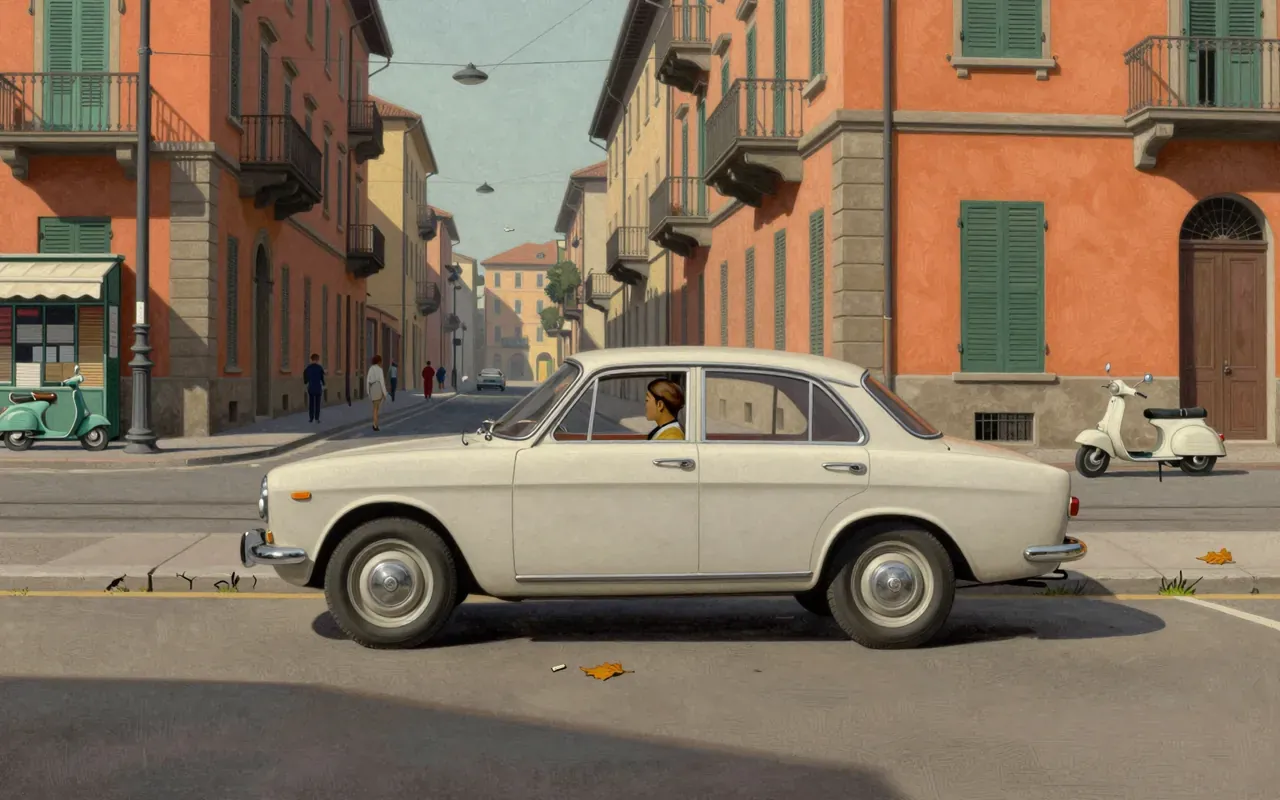
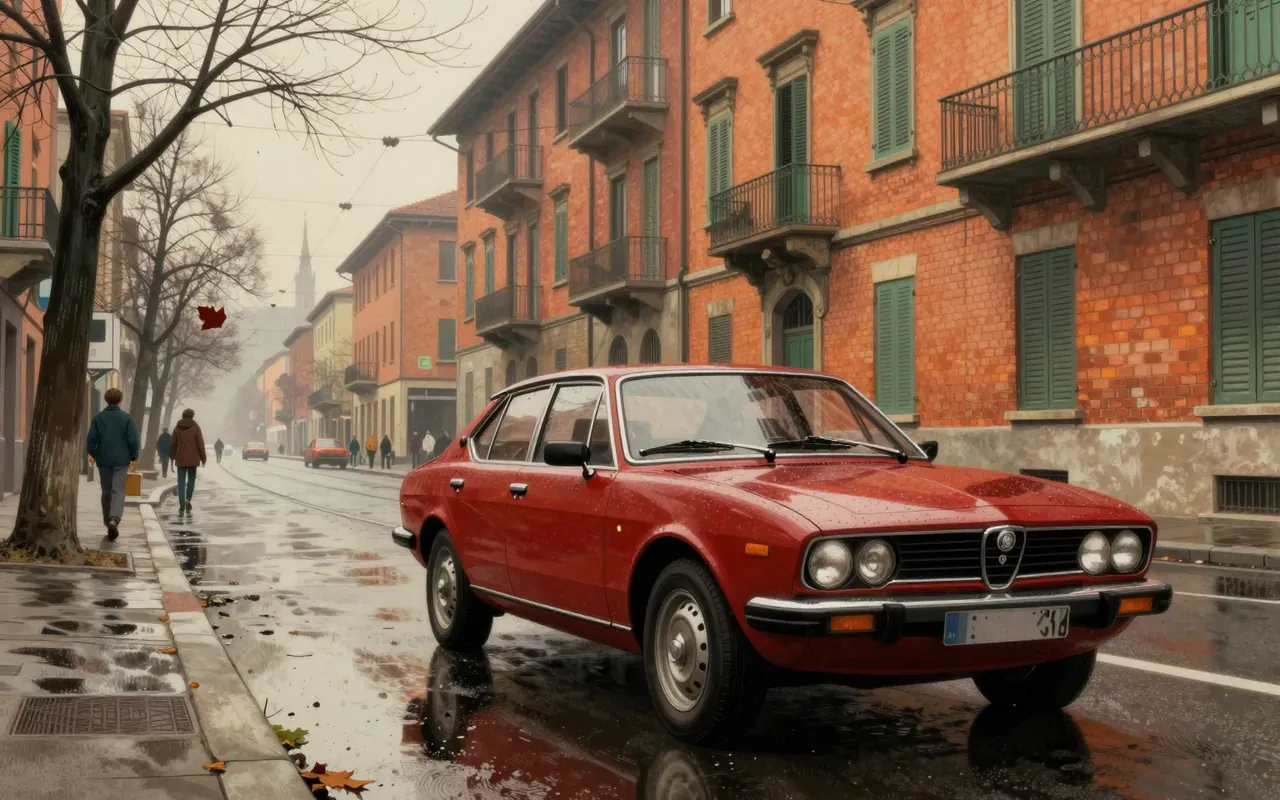
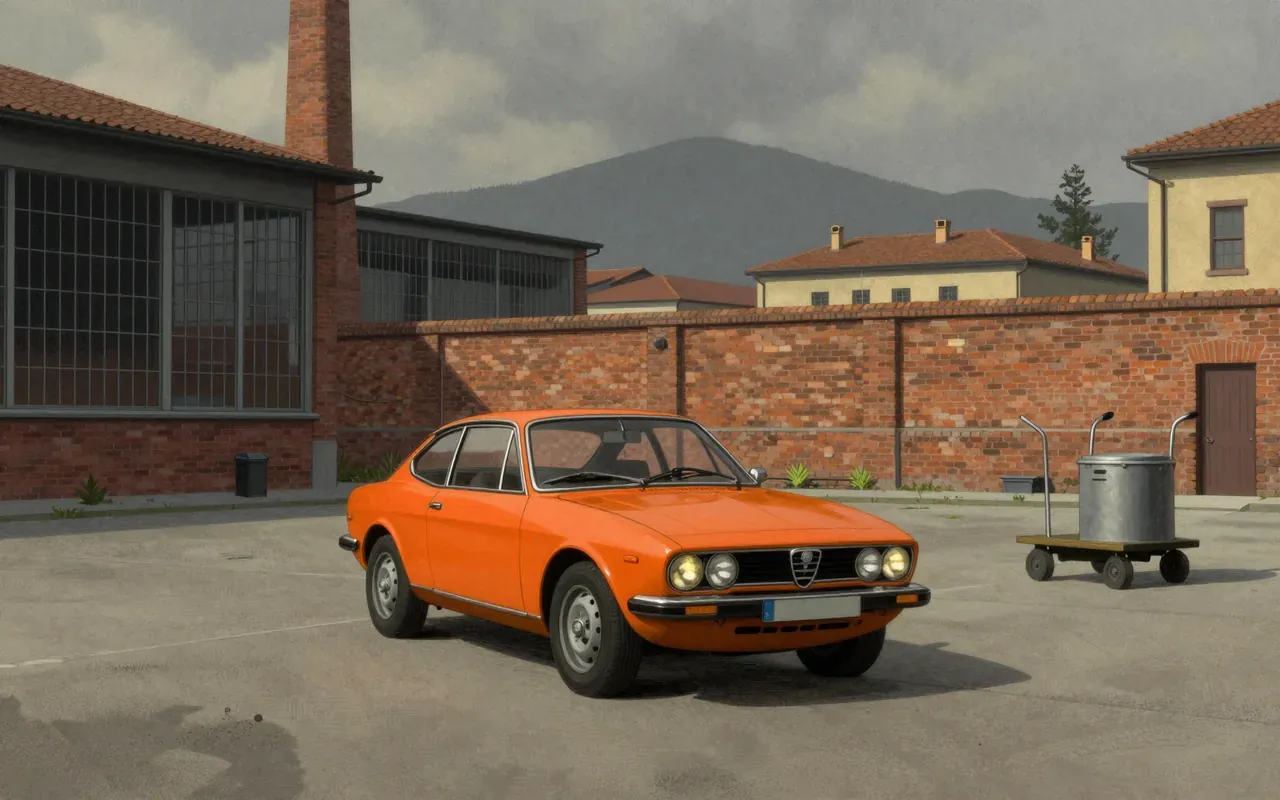
Alfa Romeo Alfetta

Alfa Romeo Centro Stile · 1972

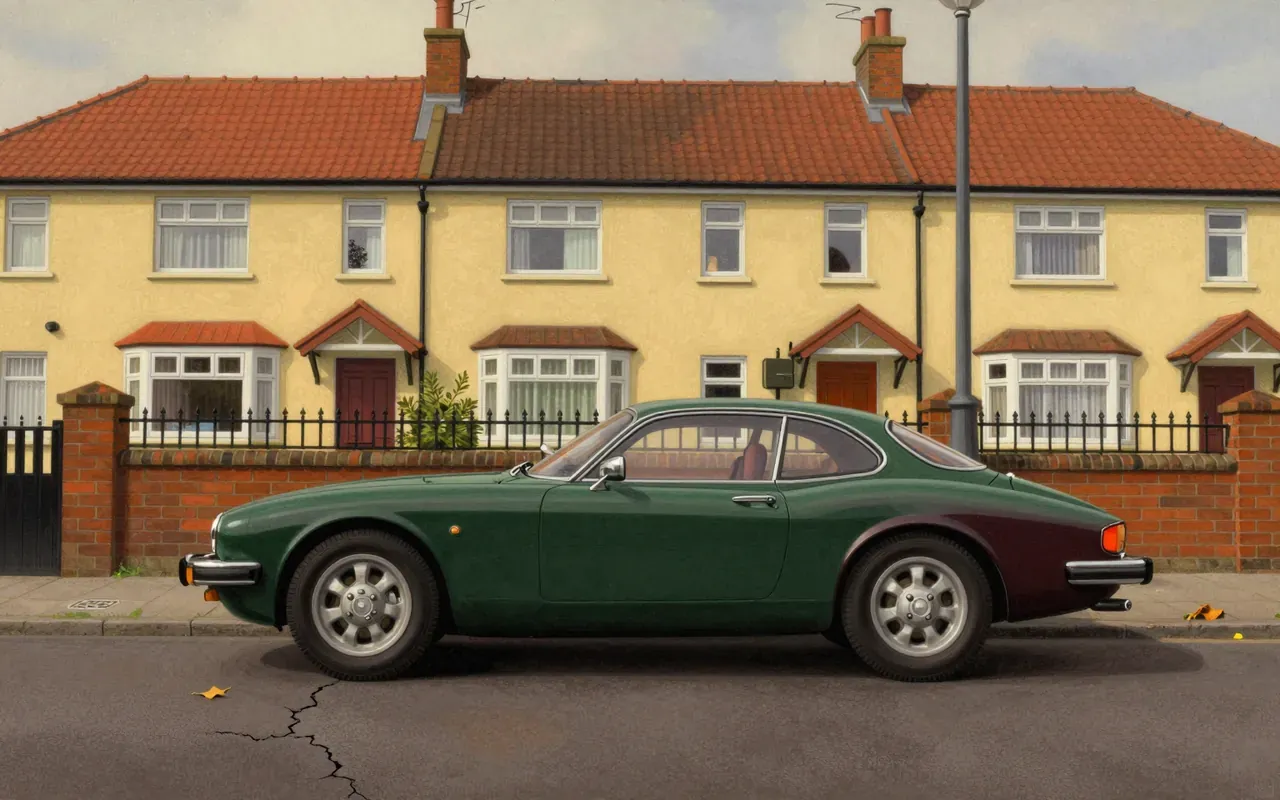
The Alfetta is a front-engine saloon and fastback coupé produced from 1972 to 1987. It used a rear transaxle and De Dion tube rear suspension to improve weight distribution and handling. Coupé models featured a central tachometer. All models left the factory with Pirelli Cinturato 165HR14 tyres.

9:02

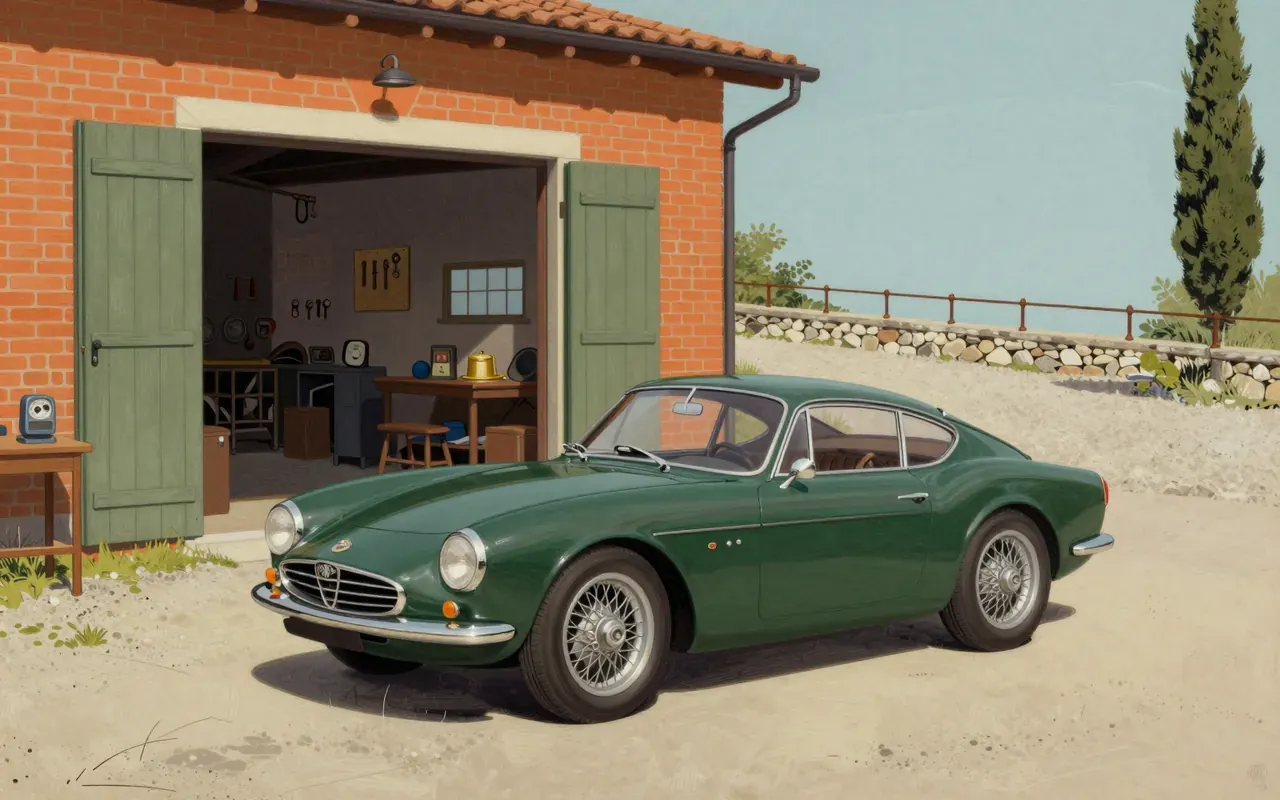
Alfa Romeo BAT

Franco Scaglione · 1953

The BAT series is a focused, documented exercise in aerodynamic research—not styling, not engineering for power, not market readiness. It is a rare case where form follows one measurable physical constraint, iterated across three years, with no deviation from that brief.

10:49

Alfa Romeo Giulia

Giuseppe Scarnati · 1965

The Alfa Romeo Giulia Type 105 redefined what a four-door saloon could do—without electronics, without weight, without apology.

9:56

Audi Quattro

Martin Smith · 1980

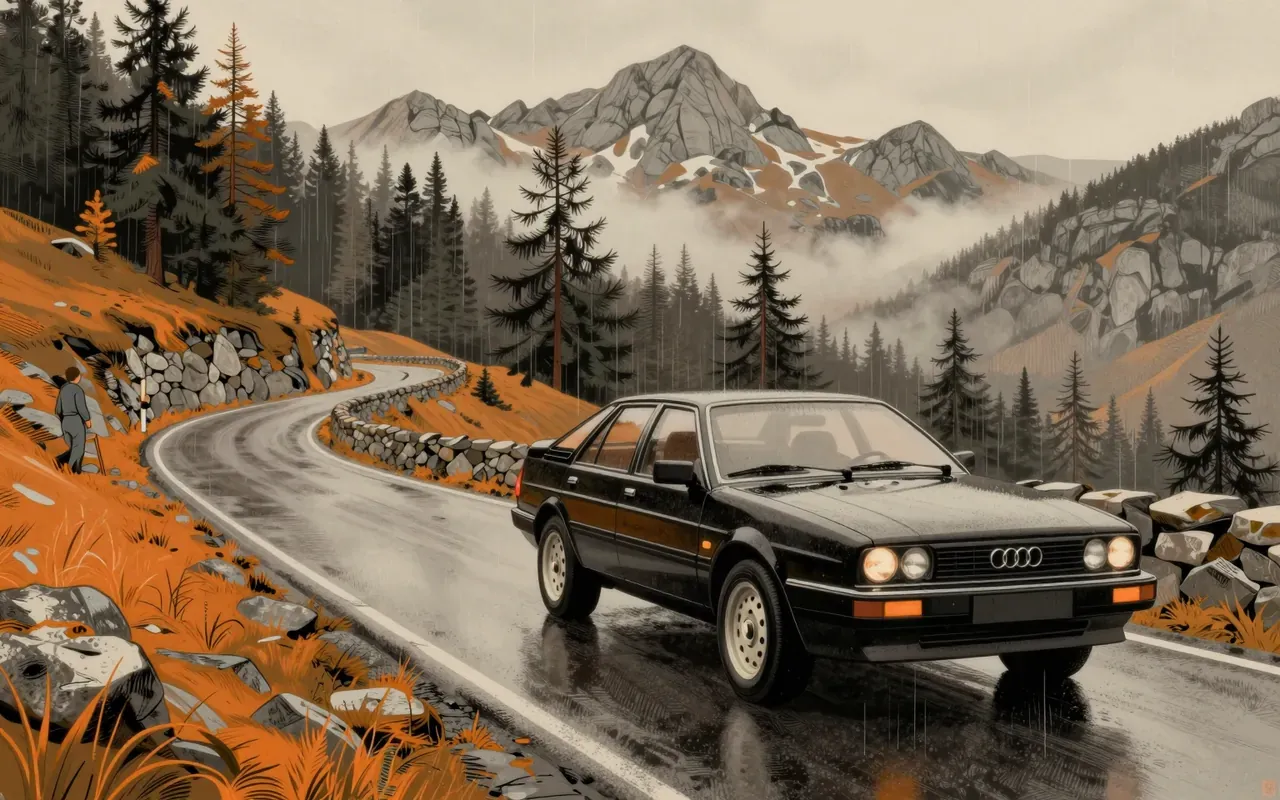
The Audi Quattro (1980) is a front-engine, four-wheel-drive coupé developed by Jörg Bensinger. First shown at the 1980 Geneva Motor Show. It was both a road car and the first rally car to use four-wheel drive under newly permitted competition rules. Its name comes from the Italian word for 'four'. Production ran until 1991. The original model is known as the Ur-Quattro.

9:02

Bizzarrini Strada

Giorgetto Giugiaro · 1965

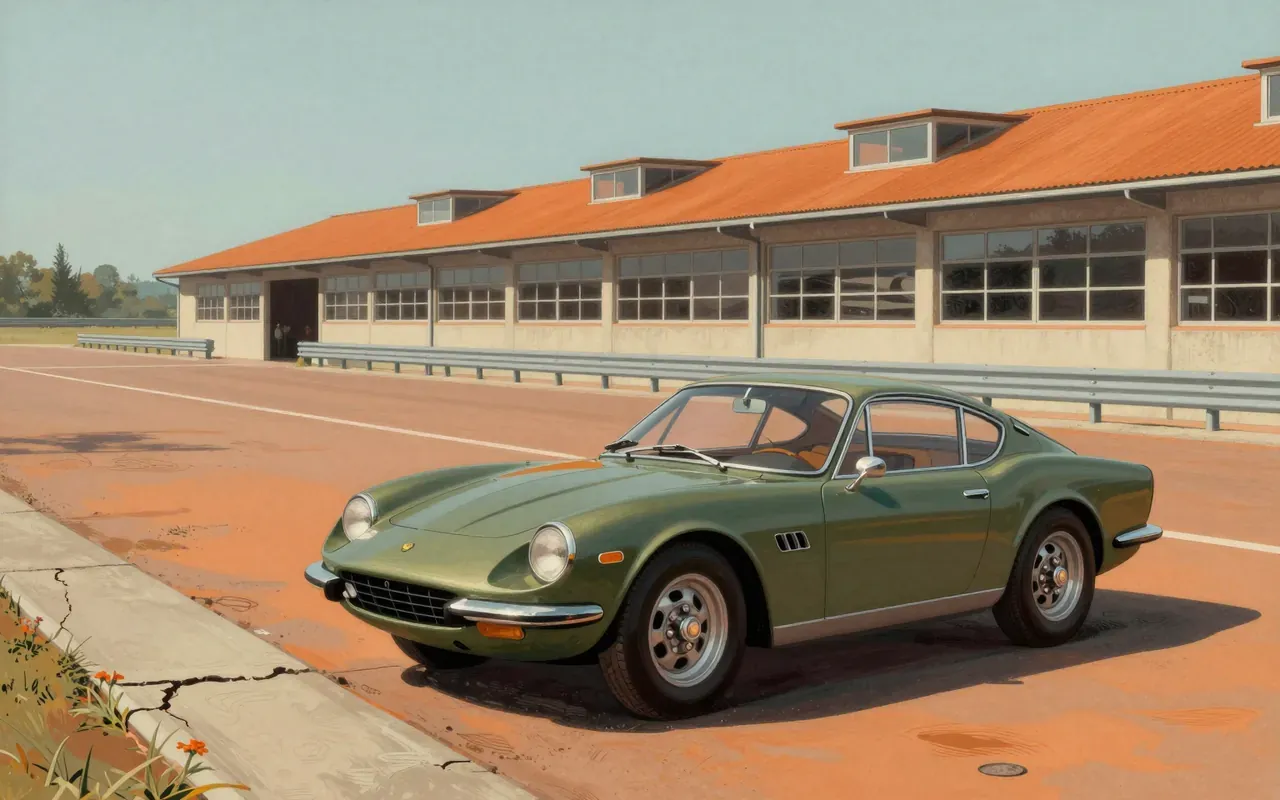
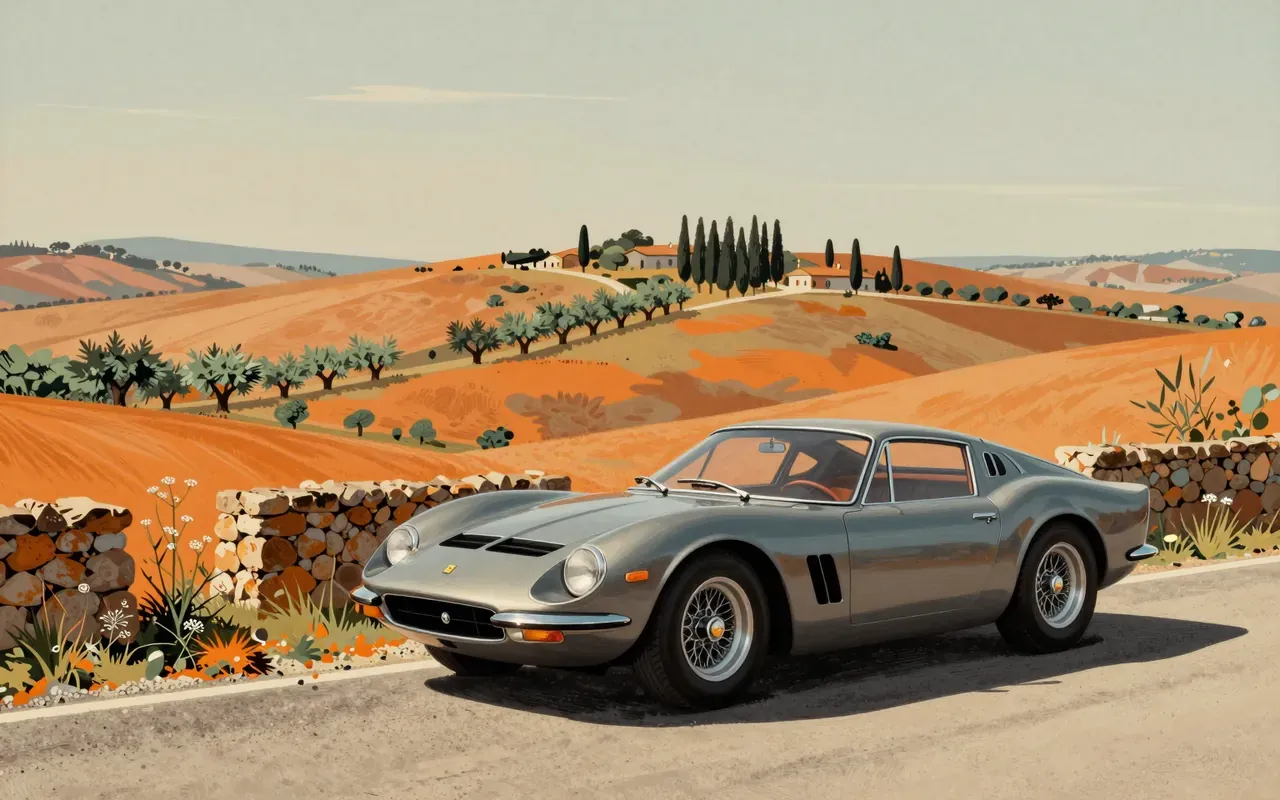
The Bizzarrini Strada is a mechanically focused, front mid-engine sports car from 1964–1968. It uses a rearward-placed Chevrolet V8 to optimise weight distribution and handling. Its aluminium body was styled by Bertone, under Giorgetto Giugiaro’s influence. It exists in coupé, roadster, and Corsa forms. Its performance figures are verified: sub-7-second 0–100 km/h, 280 km/h top speed.

9:03

Bugatti EB 110

Giampaolo Benedini · 1992

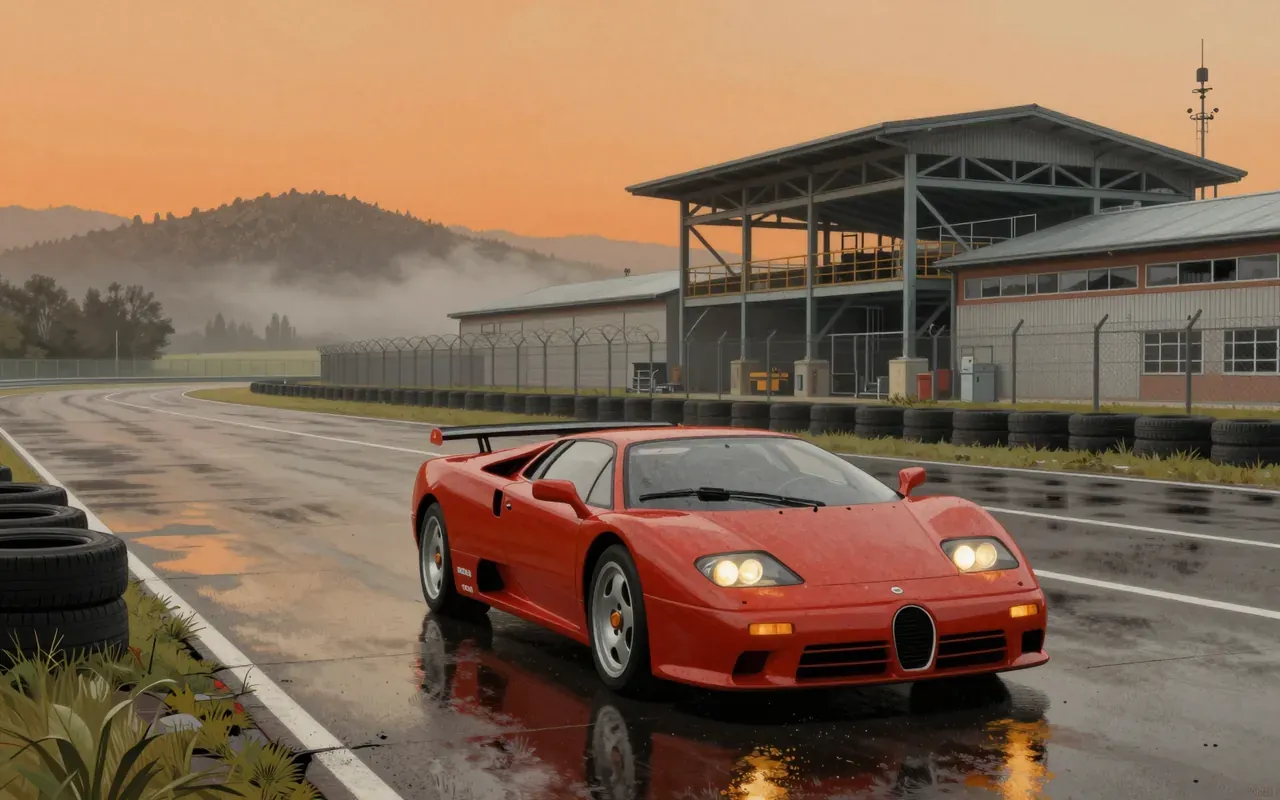
The Bugatti EB 110 is a mid-engine, all-wheel-drive supercar with a carbon fibre monocoque and active aerodynamics. It was produced from 1991 to 1995. Its name commemorates Ettore Bugatti’s 110th birthday. 139 units were built. It uses a 3.5 L quad-turbocharged V12 engine.

9:54

Cadillac Eldorado

Harley Earl · 1953

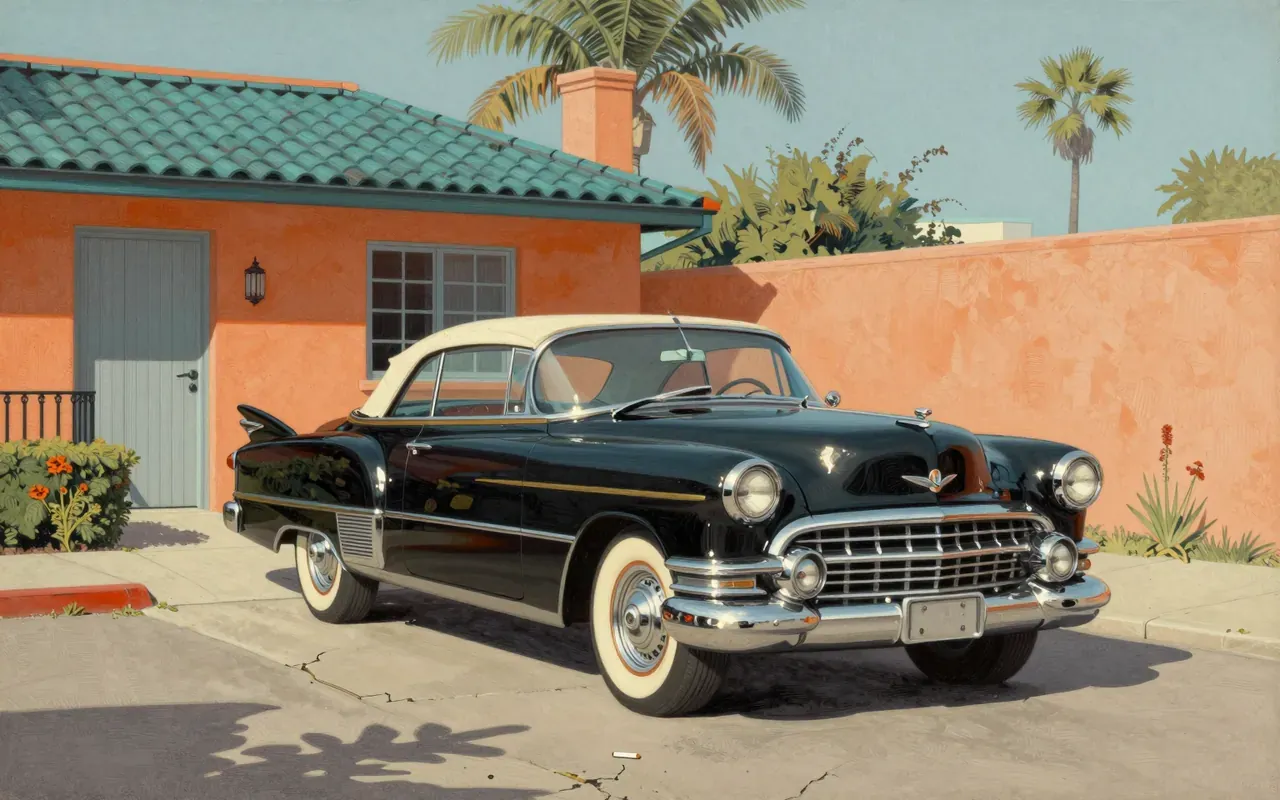
The 1953 Cadillac Eldorado is a foundational expression of postwar American automotive hierarchy: a limited-run, top-priced convertible defined by bespoke bodywork and Harley Earl’s tailfin language. It establishes no new powertrain or chassis architecture — but it does cement styling as a primary tool of luxury positioning.

10:06

Chevrolet Corvette (C2)

Bill Mitchell · 1963

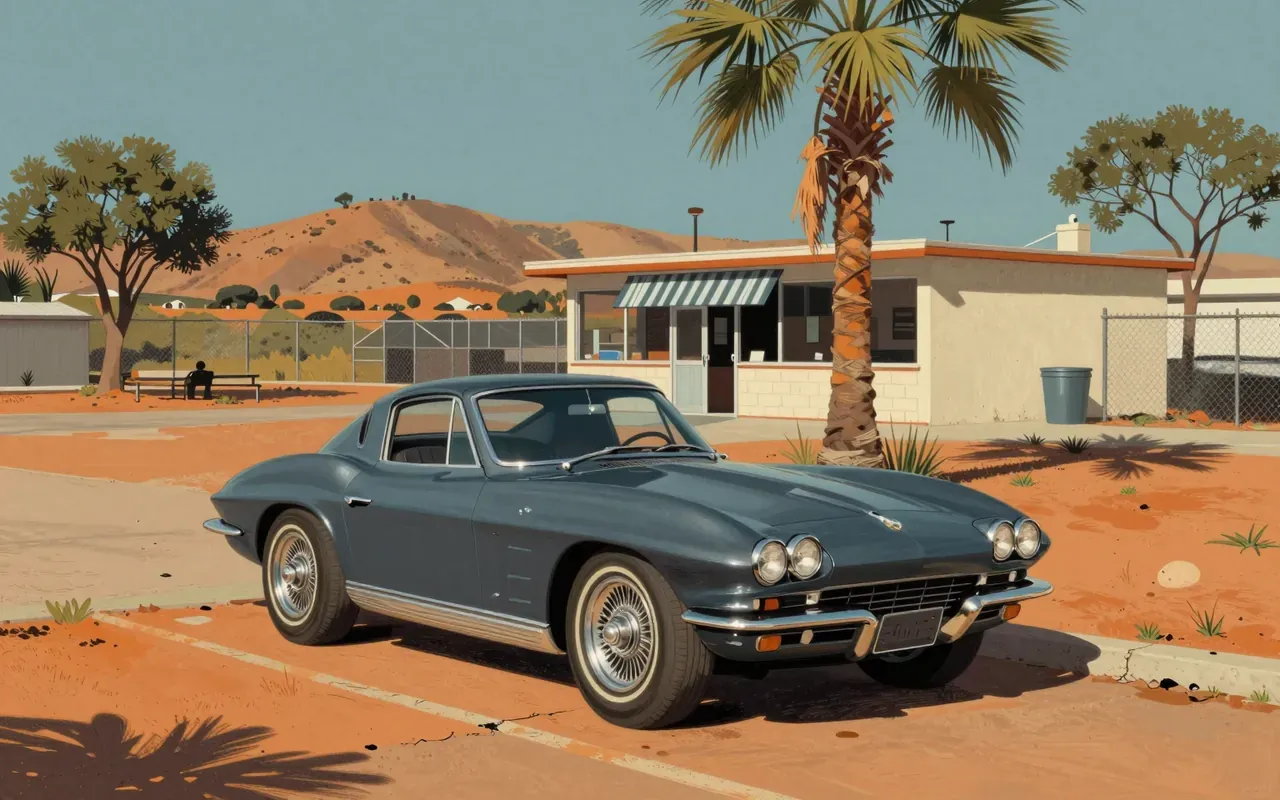
The Chevrolet Corvette (C2) redefined what a mass-market American sports car could be—not through engineering leaps, but through disciplined, wind-tunnel-informed packaging and a bold, structural fastback form.

1:20

Ferrari 365 GTB/4 Daytona

Leonardo Fioravanti · 1968

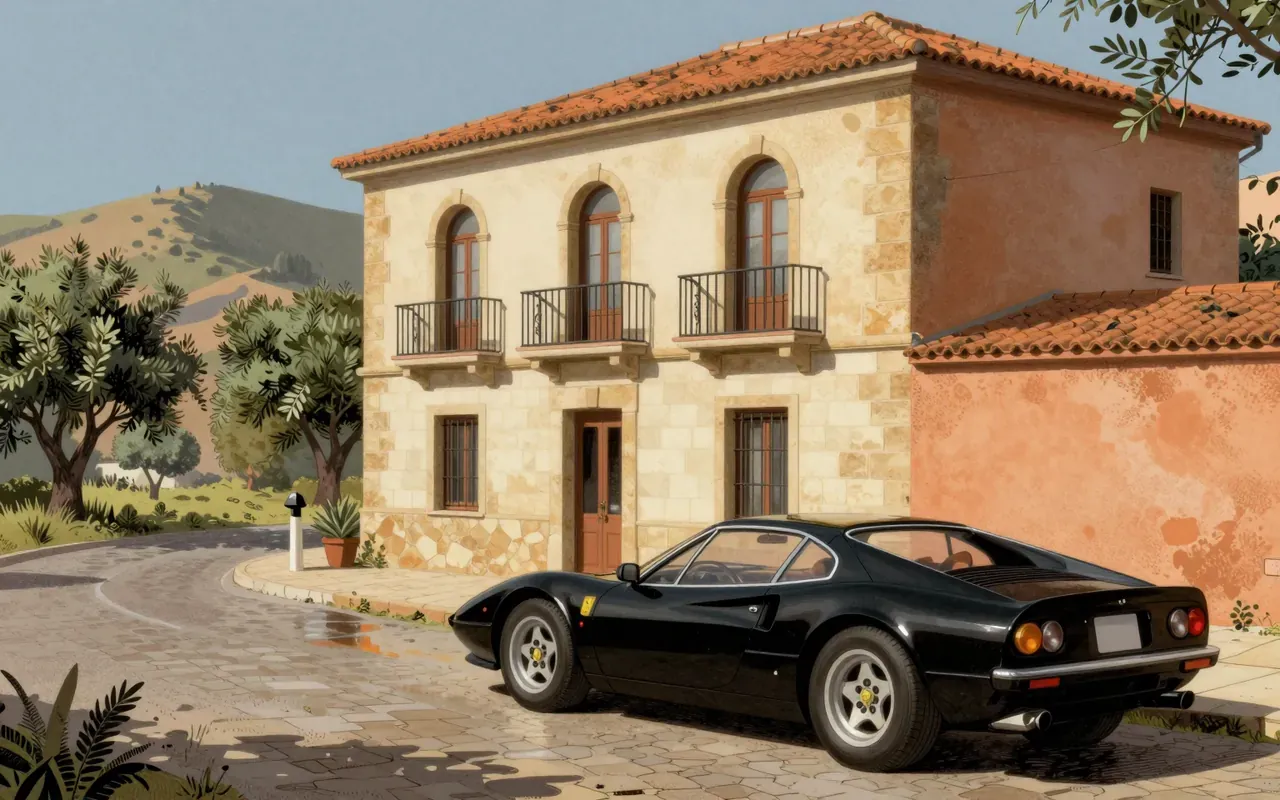
The Ferrari 365 GTB/4, commonly called Daytona, is a two-seat grand tourer introduced at the 1968 Paris Motor Show. Its front-mounted V12 drove the rear wheels.

1:15

Ferrari 512 BB

Leonardo Fioravanti · 1976

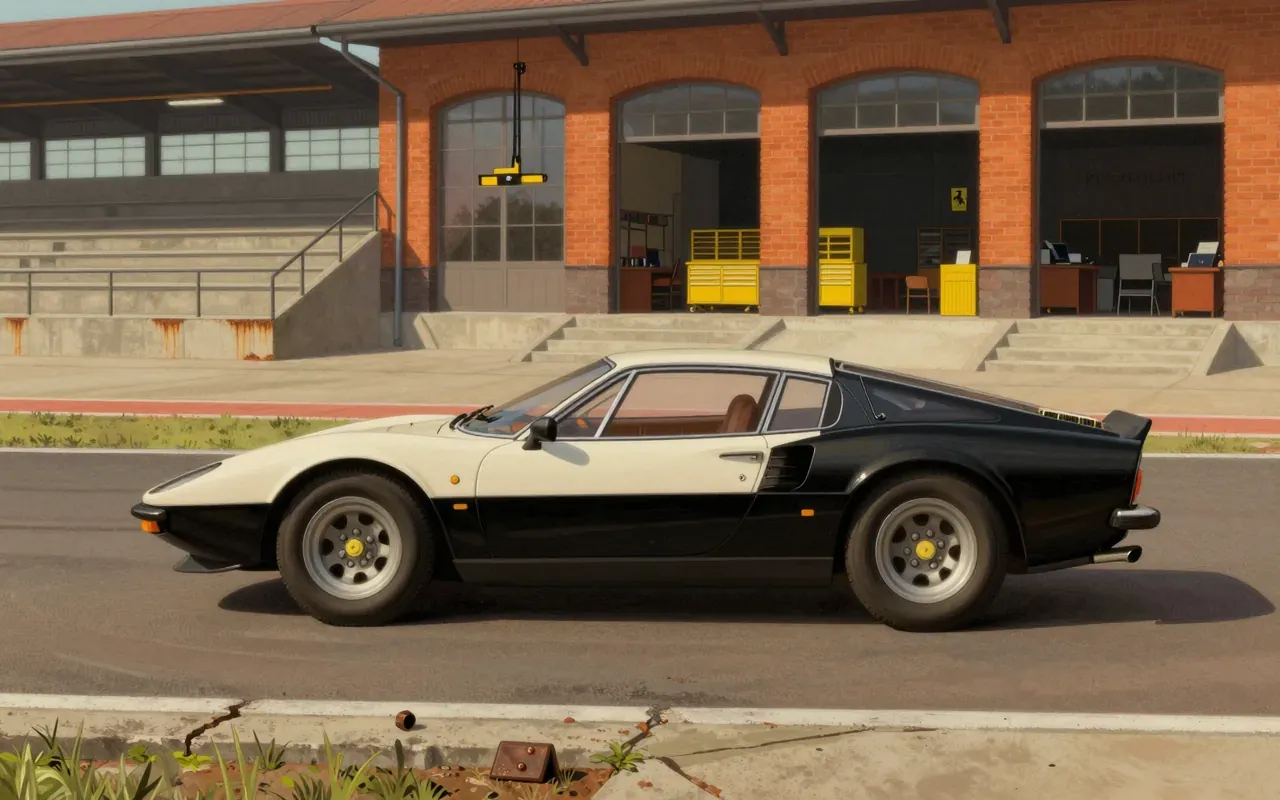
The Ferrari 512 BB replaced the 365 GT4 BB in 1976. It belongs to the Berlinetta Boxer family, but this carburetted model should be distinguished from the later fuel-injected 512 BBi.

9:25

Ford GT

Camilo Pardo · 2005

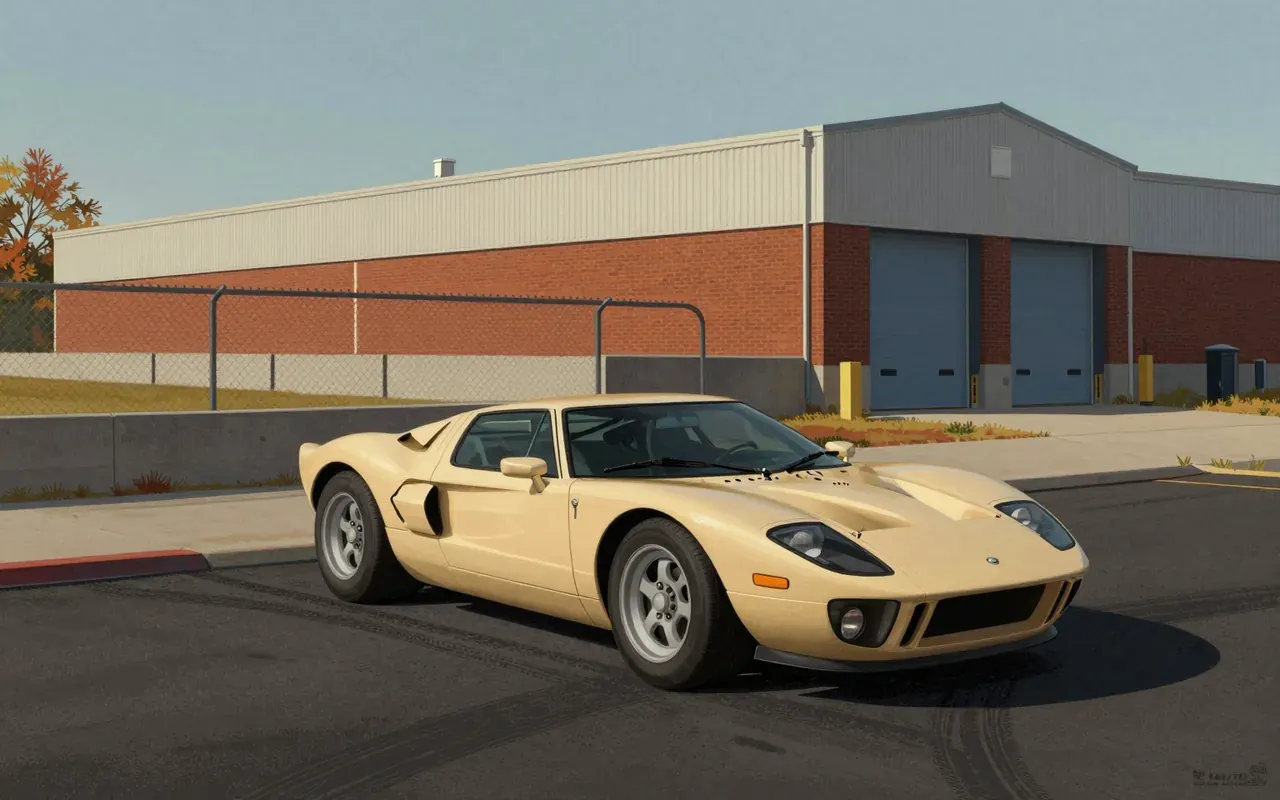
The Ford GT (2005) is a mid-engine two-seater designed by Camilo Pardo as a modern homage to the GT40, launched for Ford’s centenary. It recalls the GT40’s Le Mans legacy but shares no structural lineage. It is bigger, wider, and 4 in (100 mm) taller than the original — a deliberate recalibration, not a replication.

9:45

Ford Model A (1927–1932)

Edsel Ford · 1927

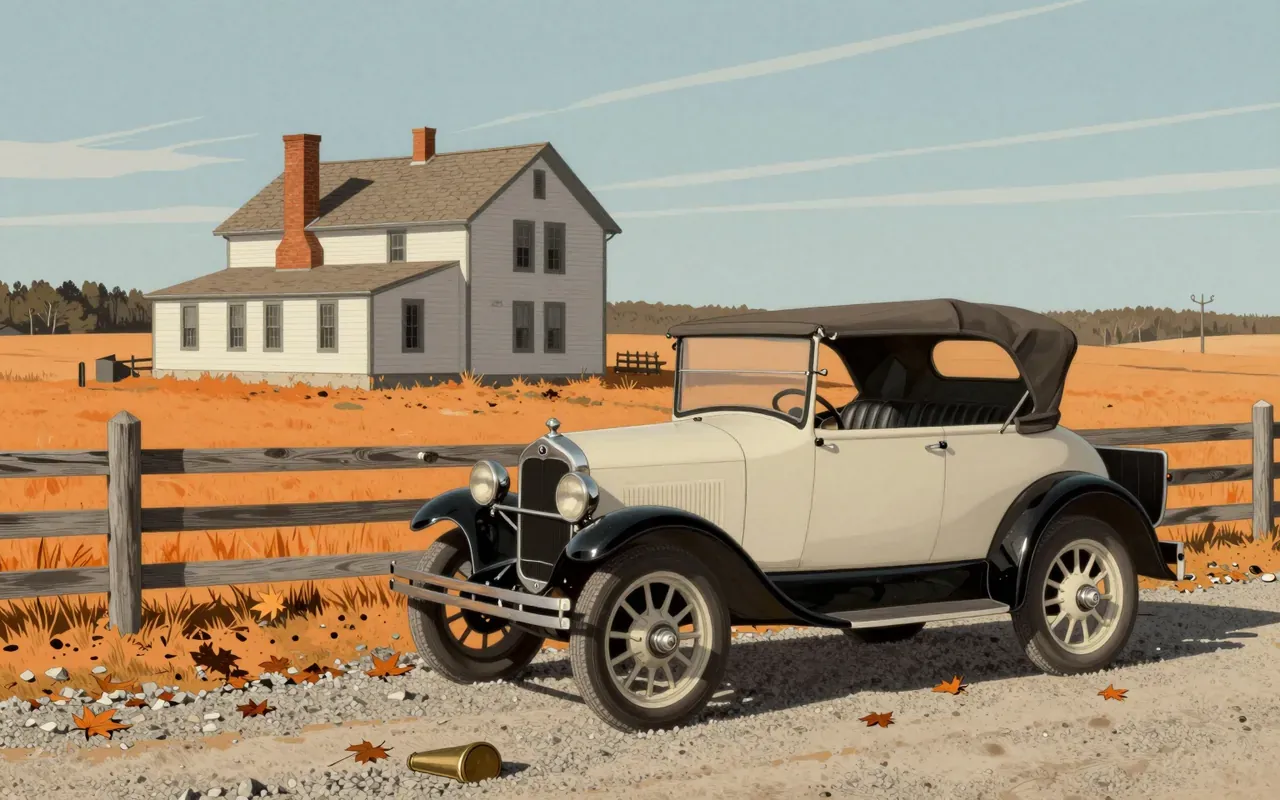
The Ford Model A (1927–1932) was Ford’s deliberate departure from the Model T. Edsel Ford led its body design with József Galamb. It introduced four-wheel mechanical brakes, a sliding-gear transmission, laminated windshields, and a water-cooled L-head inline-four. It sold 4,858,644 units between October 1927 and March 1932. It marked the end of the Model T’s dominance and the beginning of Ford’s driver-oriented era.

9:20

Ford Model T

Childe Harold Wills · 1908

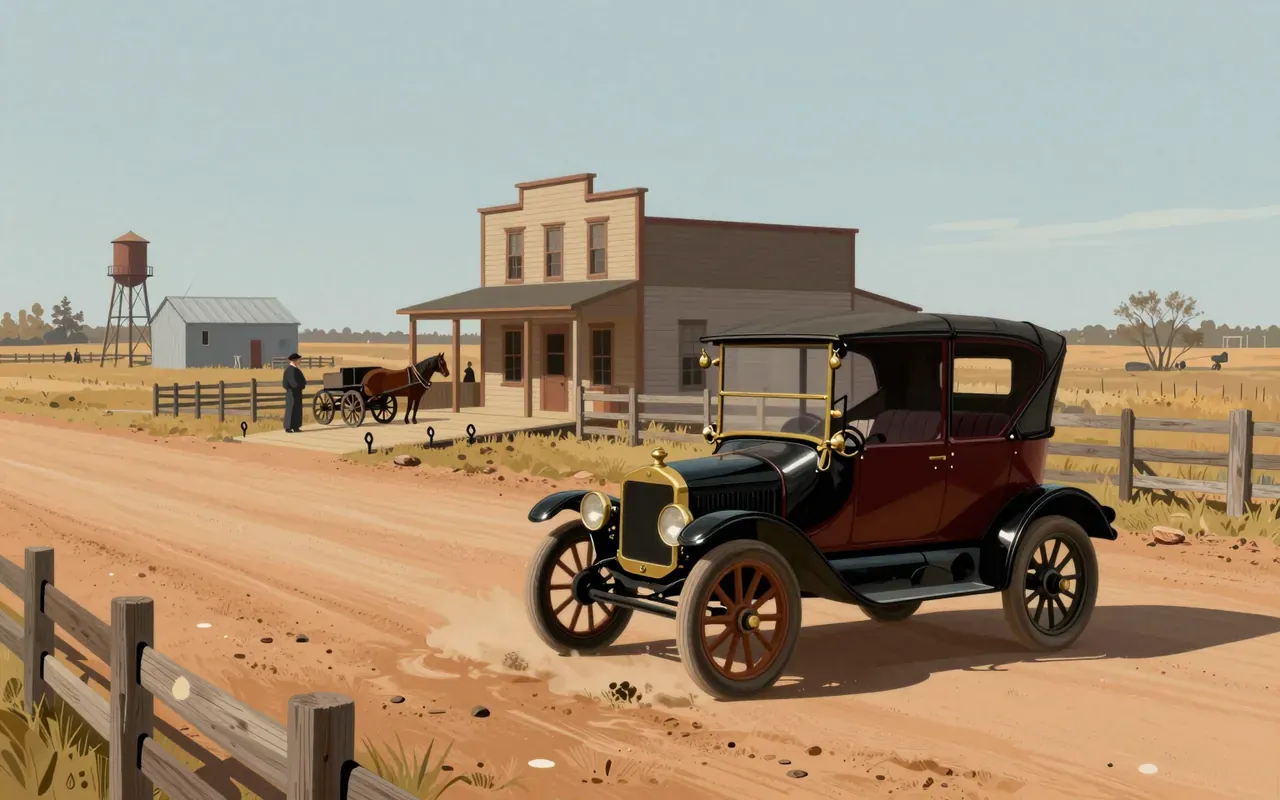
The Ford Model T is the foundational mass-market automobile—engineered for repairability, built for scale, and priced for the middle class. Its innovations were procedural (assembly line) and mechanical (planetary transmission, detachable cylinder head), not aesthetic or performance-led.

10:36

Honda S800

Honda · 1966

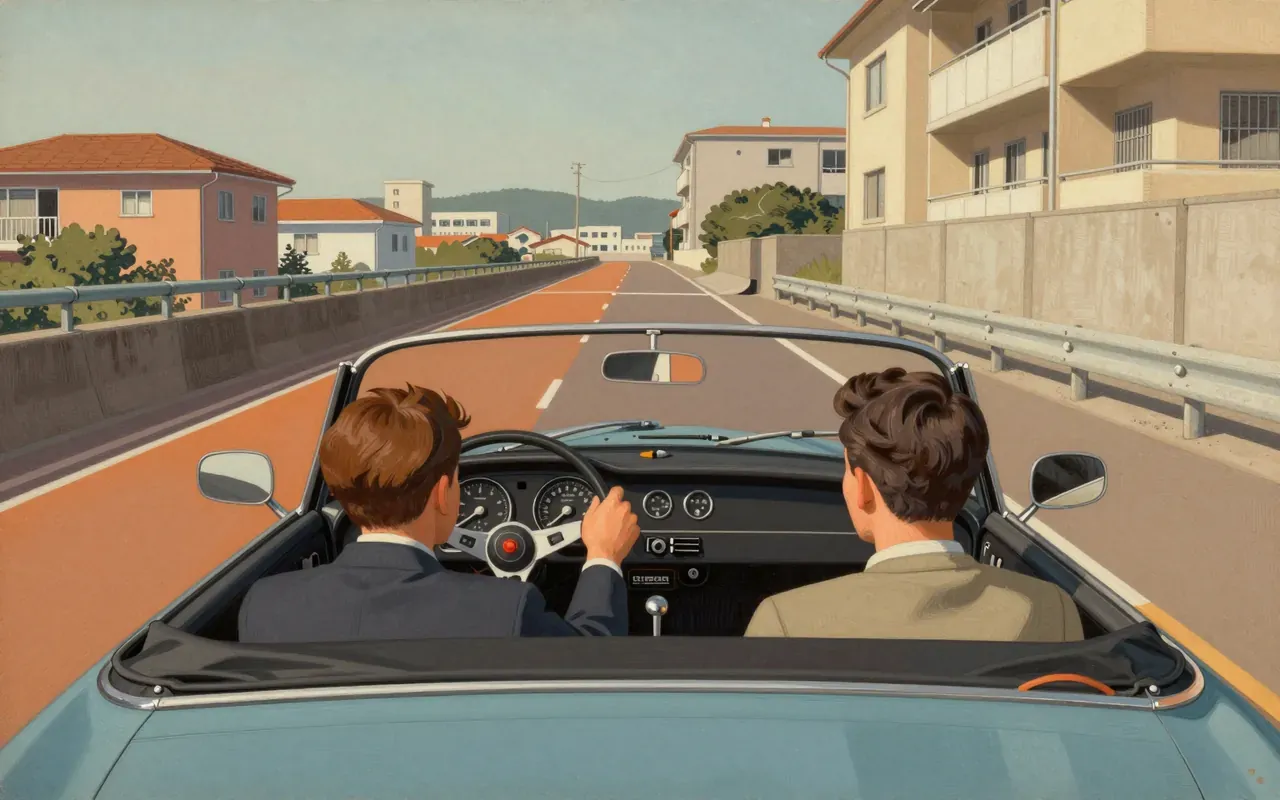
The Honda S800 is a 1965 sports car built to prove Honda could engineer a high-revving, lightweight, chain-driven automobile capable of 100 mph. It replaced the S600 as Honda’s image car. It was available as a roadster or coupe. Early units used chain drive and independent rear suspension. Just 994 chain-drive examples were built. Its 791 cc straight-4 produced 70 hp at 8,000 rpm and revved to 10,000 rpm.

8:52

Jaguar XK (X100)

Geoff Lawson · 1996

The XK (X100) is a disciplined, unflashy grand tourer that delivers cohesion over innovation. It shares architecture, not ambition, with the DB7. Its strength is execution—not invention.

9:06

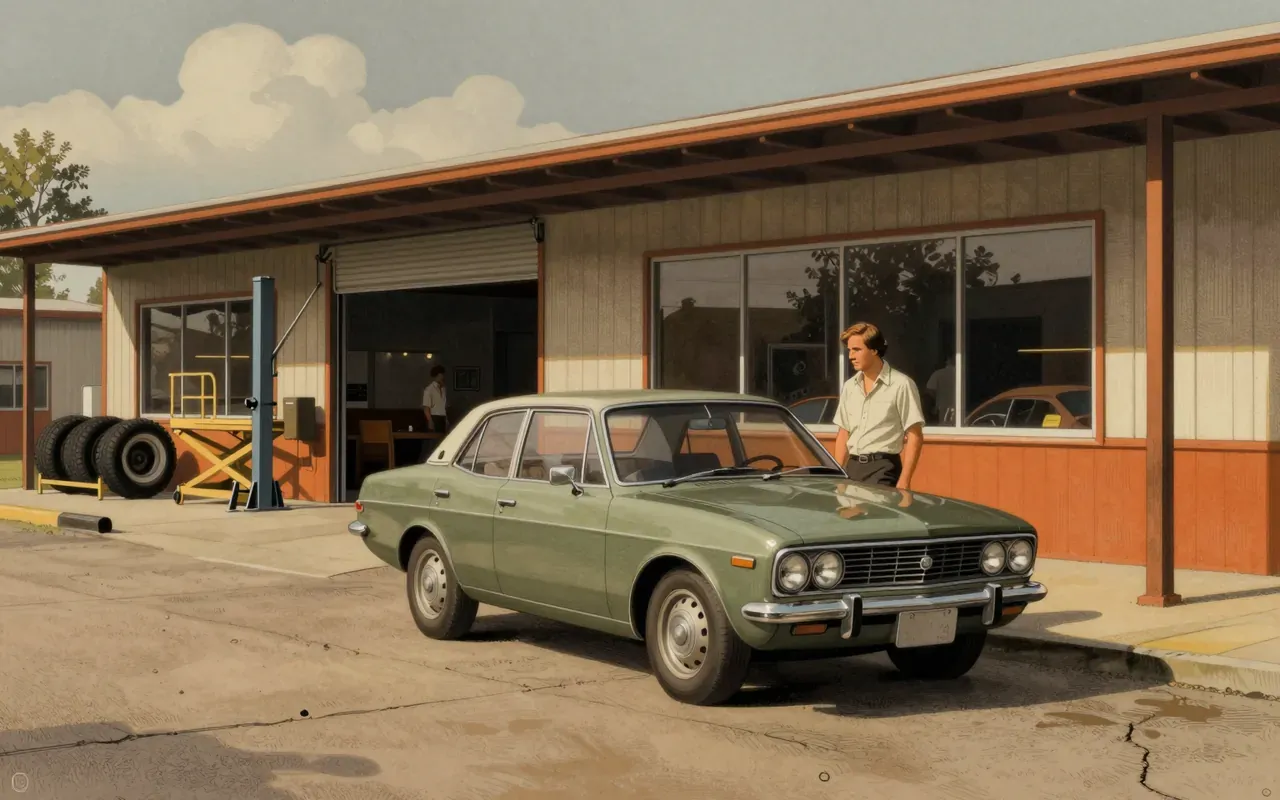
VAZ-2101

Fiat · 1970

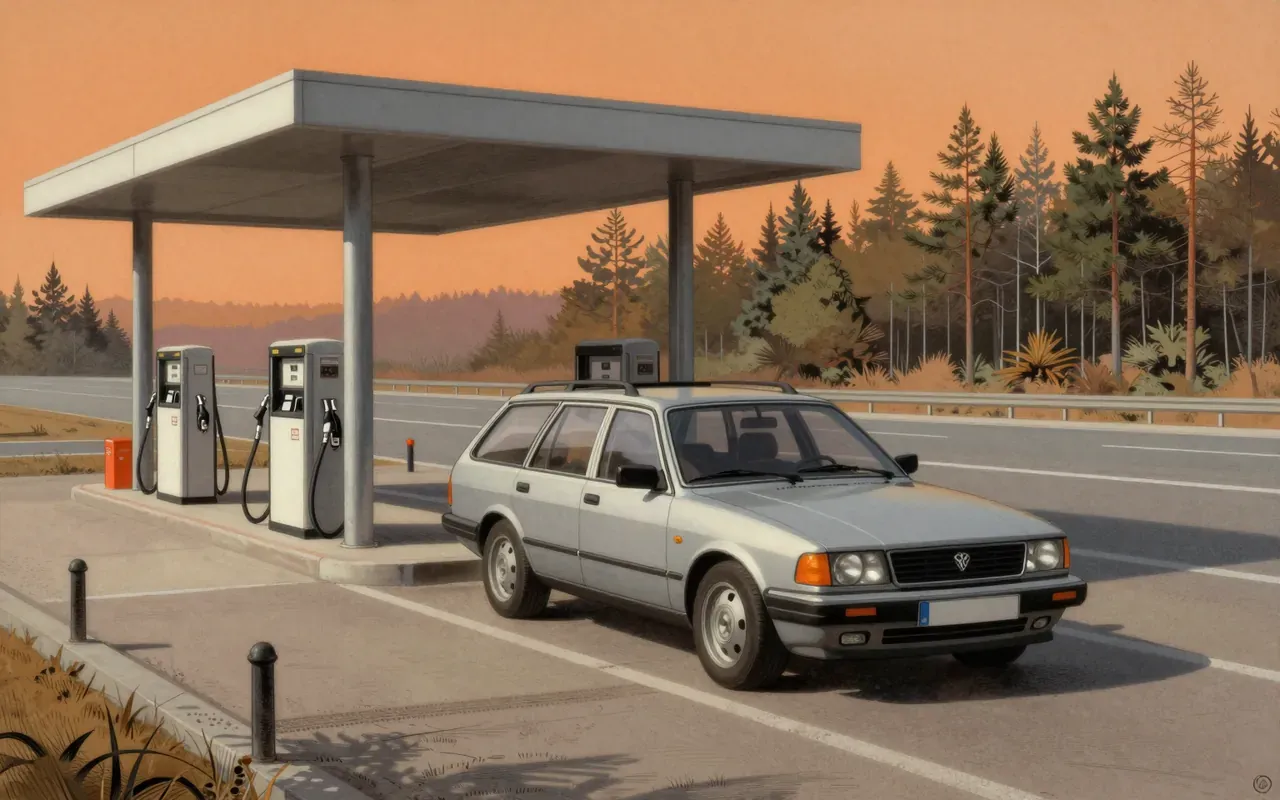
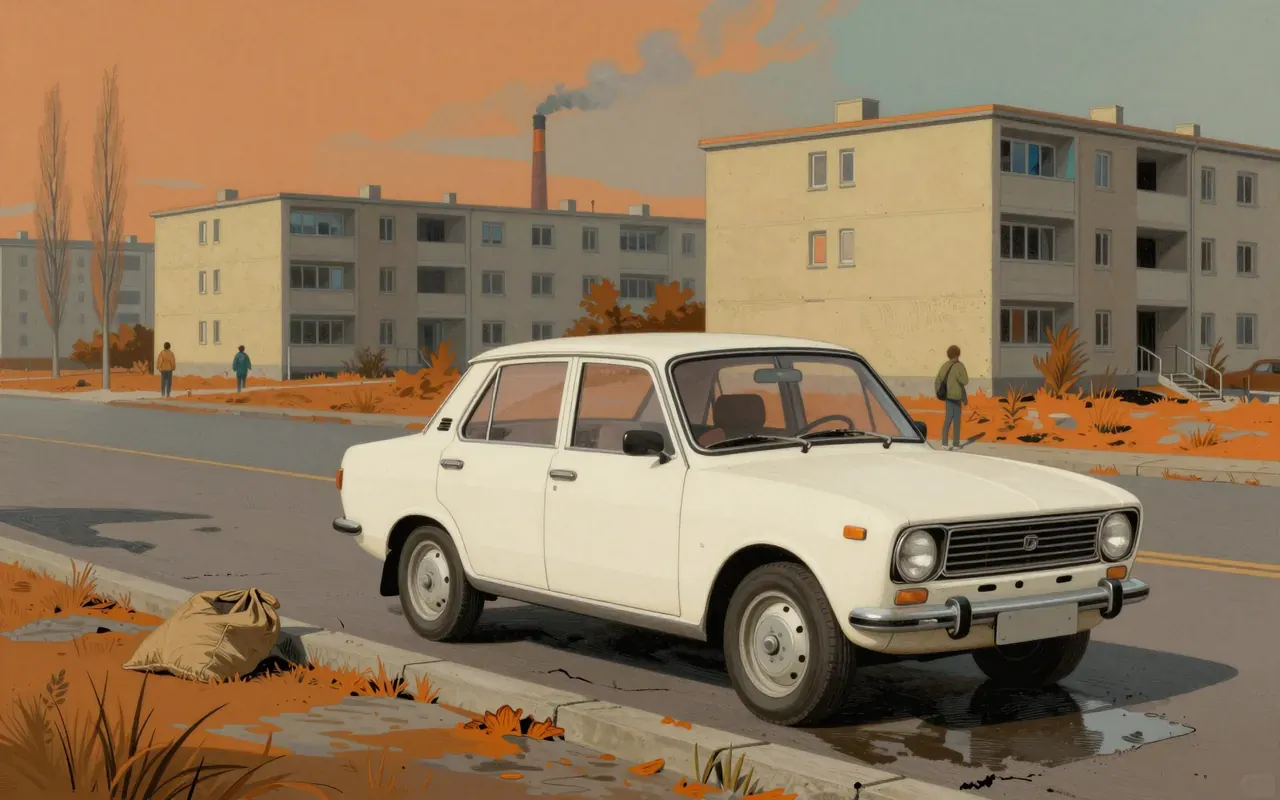
The VAZ-2101 is a compact 4-door saloon or wagon, introduced in 1970 as AvtoVAZ's first product. It is a licence-built version of the Fiat 124, heavily modified for Soviet and Eastern Bloc conditions. Among many changes, aluminium brake drums were added to the rear, and the original Fiat engine was dropped in favour of a newer design made by NAMI. This new engine had a modern overhead camshaft design but was never used in Fiat cars. The suspension was raised to clear rough Russian roads and the bodyshell was made from thicker, heavier steel with reinforcement in key chassis areas after cracking was discovered during durability testing. The first Lada models were equipped with a starting handle in case the battery went flat in Siberian conditions, though this was later dropped. Another feature specifically intended to help out in cold conditions was a manual auxiliary fuel pump. The station wagon version (correspondingly based on the Fiat 124 Familiare) was known as the VAZ-2102. Subsequently, it was widely, and successfully exported to the West under the Lada brand, for over two decades.

9:17

Lamborghini Estoque

Filippo Perini · 2005

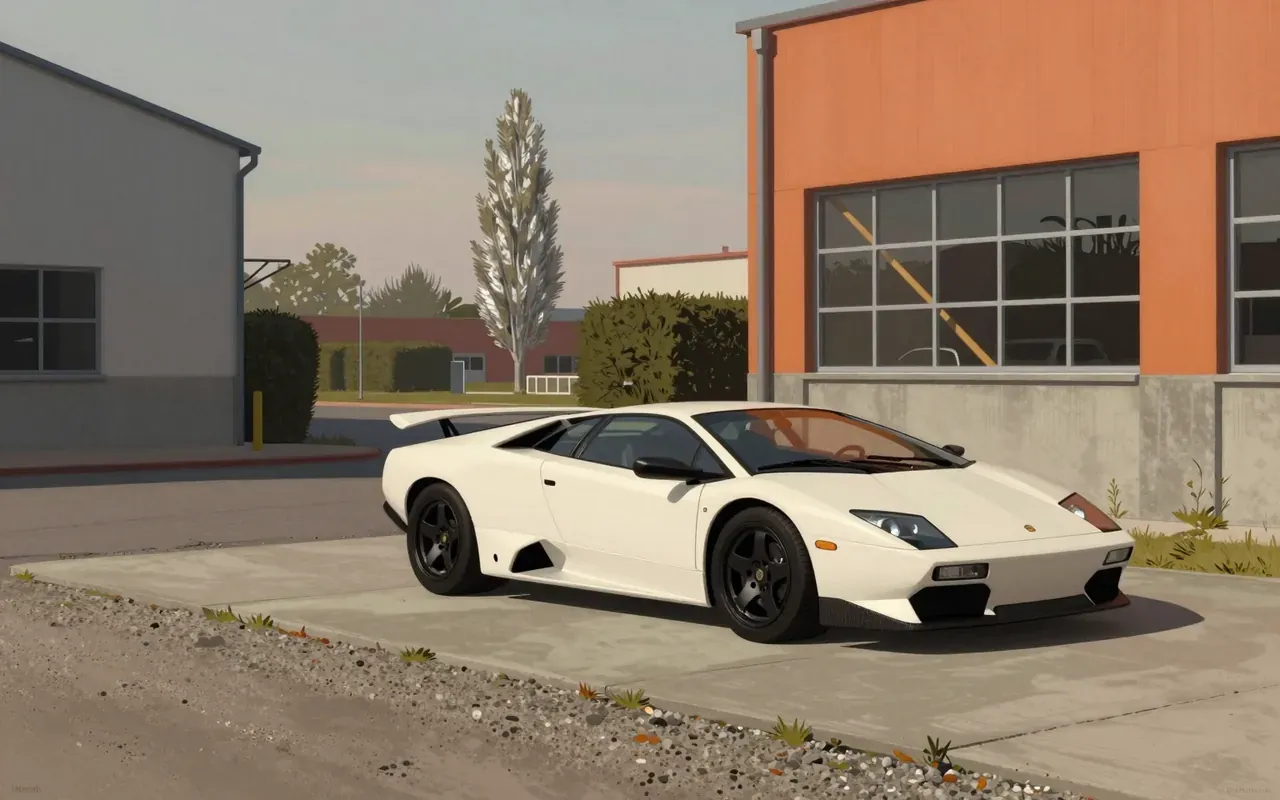
The Estoque is a speculative, non-production sedan that tested whether Lamborghini could stretch its brand into four-door territory without abandoning its core engine layout or visual aggression.

10:24

Lexus LS400

Kunihiro Uchida · 1989

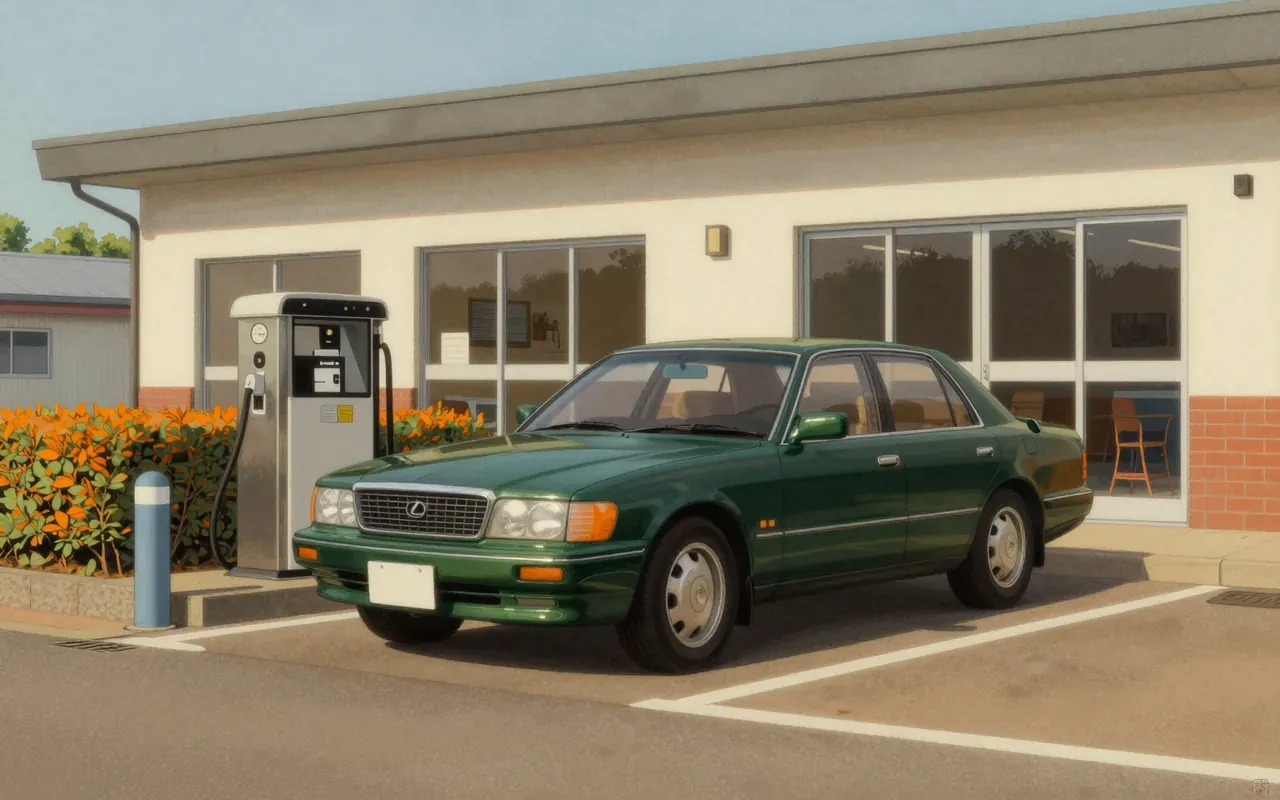
The LS 400 was the first model Lexus ever made. It grew out of the F1 project, started in 1983 with no set budget and no existing Toyota parts, and it cost over US$1 billion to develop. It debuted in January 1989 with a new V8, a quiet cabin and a low drag figure, and it was largely responsible for the successful launch of the Lexus marque.

9:33

Maserati Boomerang

Giorgetto Giugiaro · 1950

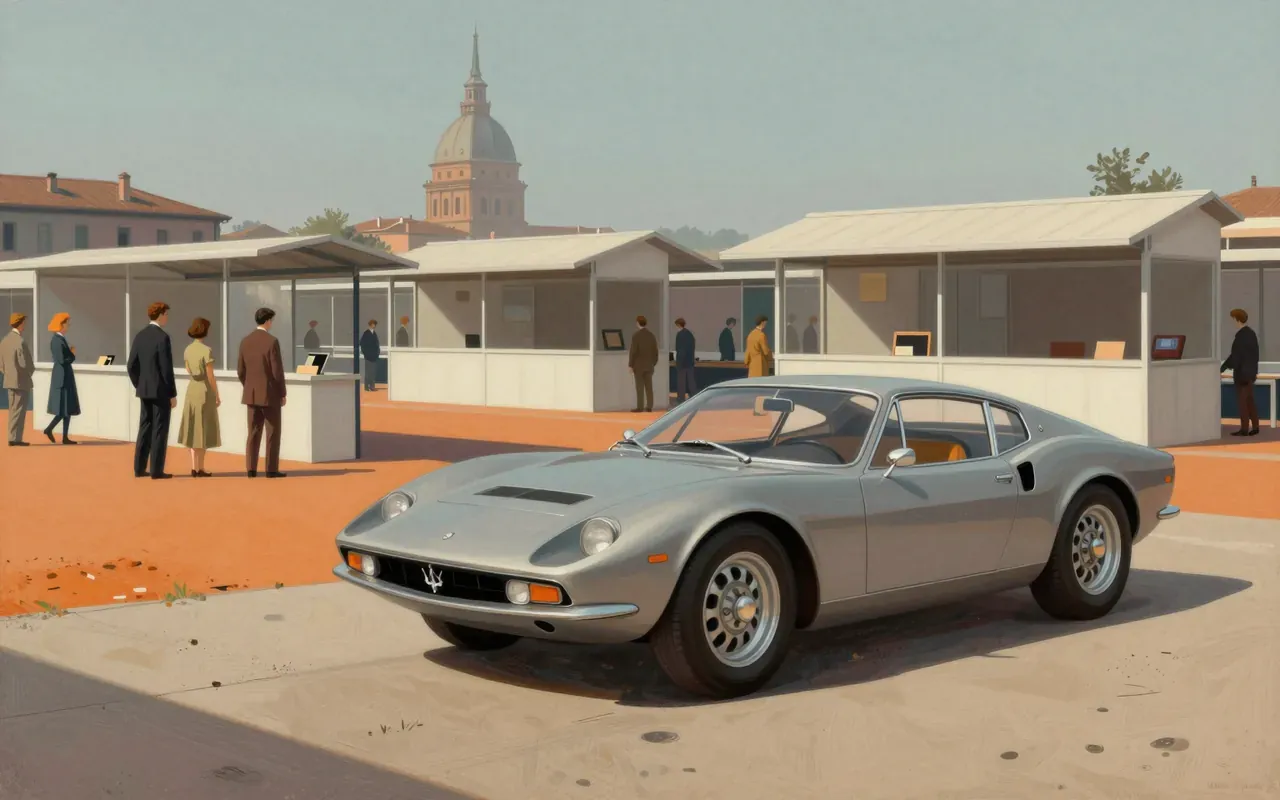
The Maserati Boomerang is a 1972 concept car designed by Giorgetto Giugiaro and produced by Italdesign. It debuted at the 1971 Turin Motor Show as a non-functional Epowood model, then reappeared at the 1972 Geneva Auto Show on a Maserati Bora chassis. It uses a 4.7L V8 engine producing 310 hp and 460 N⋅m, driving the rear wheels through a 5-speed manual. Its interior features a rotating steering wheel around stationary gauges. Though registered as a road car, it was intended solely as a one-off show car.

10:21

Mazda RX-7

Akio Uchiyama · 1985

The Mazda RX-7 is a Japanese sports car made by Mazda from 1978 to 2002. It uses a front mid-engine, rear-wheel-drive layout and a compact, lightweight Wankel rotary engine. The first generation is a two-seater coupé with a rear hatchback. Later generations added 2+2 and convertible options, but the core two-seater coupé remained. More than 800,000 were built, including 471,018 first-generation units.

10:20

Morgan +4

Morgan · 1950

The Morgan +4 is a sports car built across three discontinuous series (1950–1969, 1985–2000, 2005–2020), each using different 2-litre four-cylinder engines — Standard Vanguard, Triumph, Fiat Twin Cam, and Ford (Mazda) Duratec — on variations of the same ash-frame, front-engine, rear-wheel-drive layout. It is longer and more powerful than the 4/4, but shares its mechanical honesty and lack of structural modernity. It establishes Morgan’s ability to persist without standardisation. It falls short as a coherent technical proposition — no shared chassis, no unified development path, no safety or thermal upgrades across eras.

8:35

Nissan GT-R

Shiro Nakamura · 2007

The Nissan GT-R (R35) is a Japanese sports car and grand tourer produced from 2007 to 2025. It features a front-mid mounted 3.8 L V6 engine and all-wheel drive, built on the PM platform — a derivative of the FM platform — and was developed over seven years as part of the Nissan Revival Plan to deliver world-beating performance.

10:38

Peugeot 205

Gérard Welter · 1983

The Peugeot 205 is a supermini developed from Projet M24 and launched on 25 February 1983. It replaced the Peugeot 104 and Talbot Samba. Its styling is an in-house design by Gérard Welter — not Pininfarina, who only styled the Cabriolet. It used MacPherson struts at the front and trailing arms with torsion bars at the rear. The rear suspension was designed to minimise intrusion into the boot, giving a wide flat loadspace while providing excellent ride and handling. It won What Car?'s Car of the Year for 1984 and was declared 'car of the decade' by CAR Magazine in 1990. It is often credited as the car that turned Peugeot's fortunes around.

9:56

Peugeot Onyx

Gilles Vidal · 2012

The Peugeot Onyx is a 2012 concept car designed by Gilles Vidal. It uses a 3.7 L V8 diesel hybrid powertrain. Its body combines hand-beaten untreated copper and carbon fiber. Copper panels oxidise from mirror to blue-green. It features a double bubble roof, three-claw taillights, Cd 0.30, recycled interior materials—including felt, compressed newspaper-resin 'wood', blown crystal, and aluminum controls—and a 100 kg carbon fiber chassis in 12 parts.

9:51

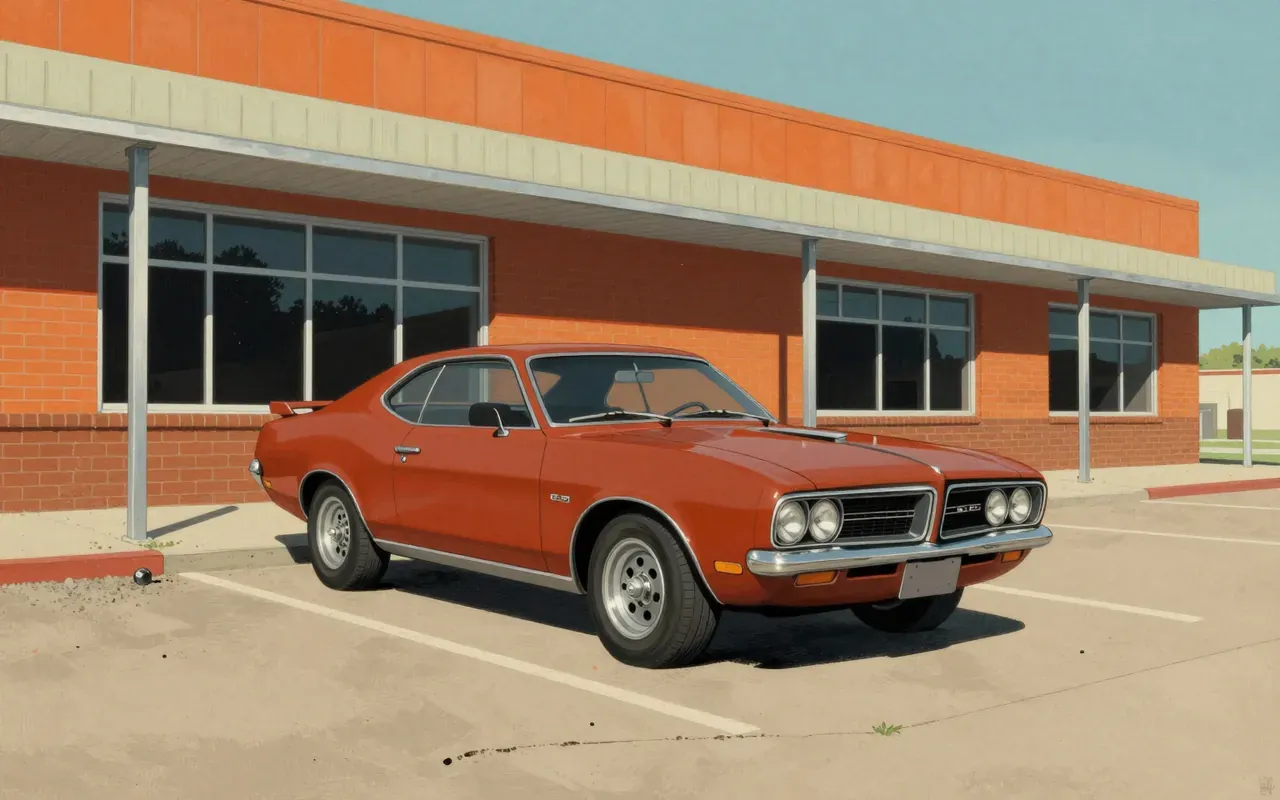
Pontiac Firebird

Jack Humbert · 1967

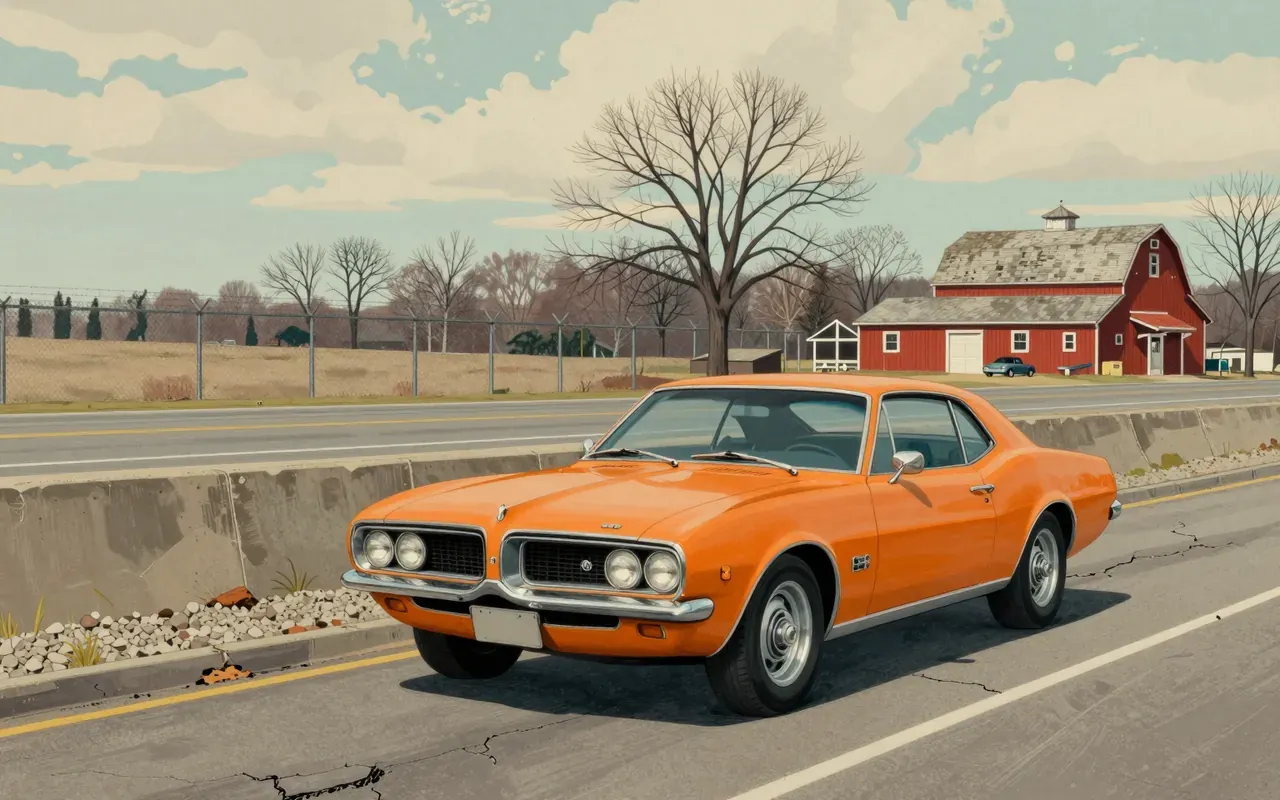
The 1967 Pontiac Firebird is a study in corporate constraint made visible. Its design solves for brand continuity—not performance. Its existence answers a veto, not a demand.

9:12

Porsche 911

Ferdinand Alexander Porsche · 1964

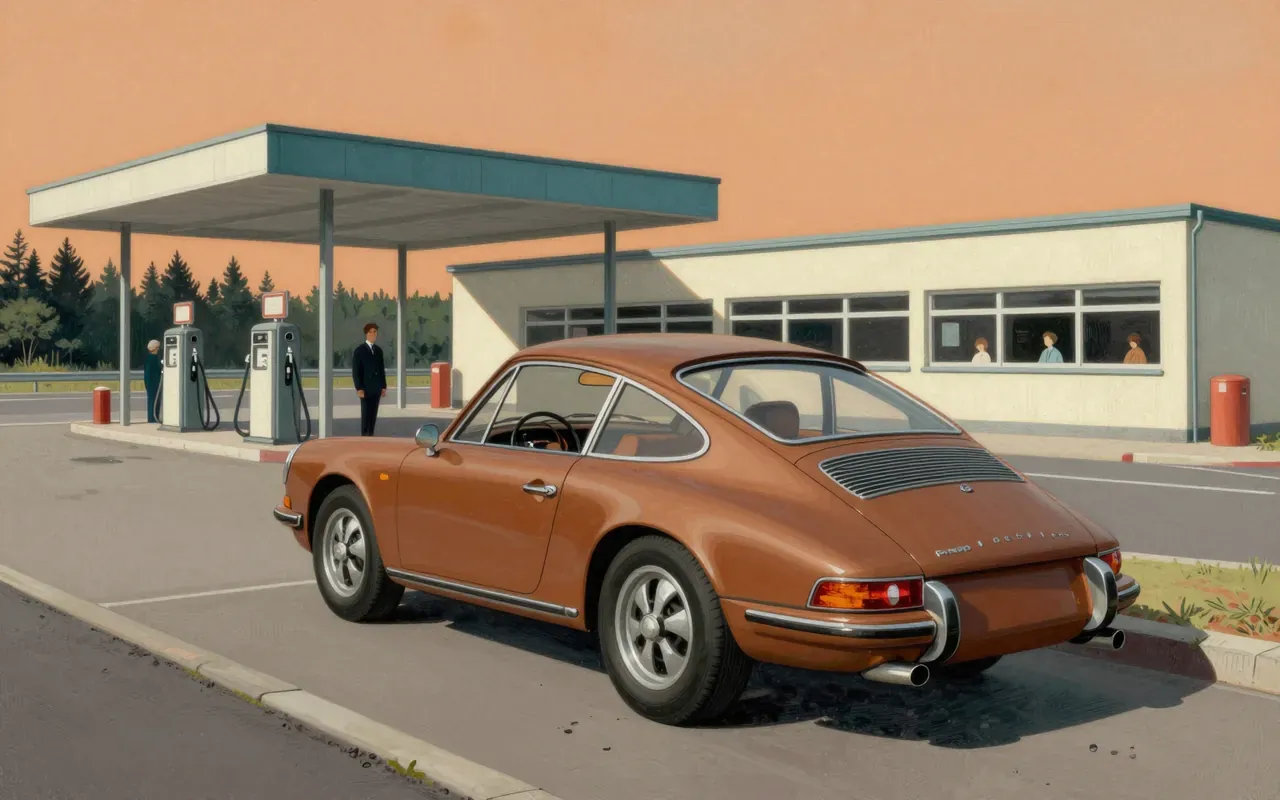
The Porsche 911 is a rear-engine sports car introduced in September 1964. Ferdinand Alexander Porsche designed its exterior. Reutter built the body from his drawings. It debuted as the 901 at the 1963 Frankfurt Motor Show. Peugeot forced the name change to 911. All 911s have a rear-mounted flat-six and usually 2+2 seating. Original models used air-cooled engines and torsion bar suspension. The 911 won the Targa Florio, Daytona, Le Mans, and four World Championships for Makes — all with 911-derived models.

9:39

Porsche 918 Spyder

Michael Mauer · 2013

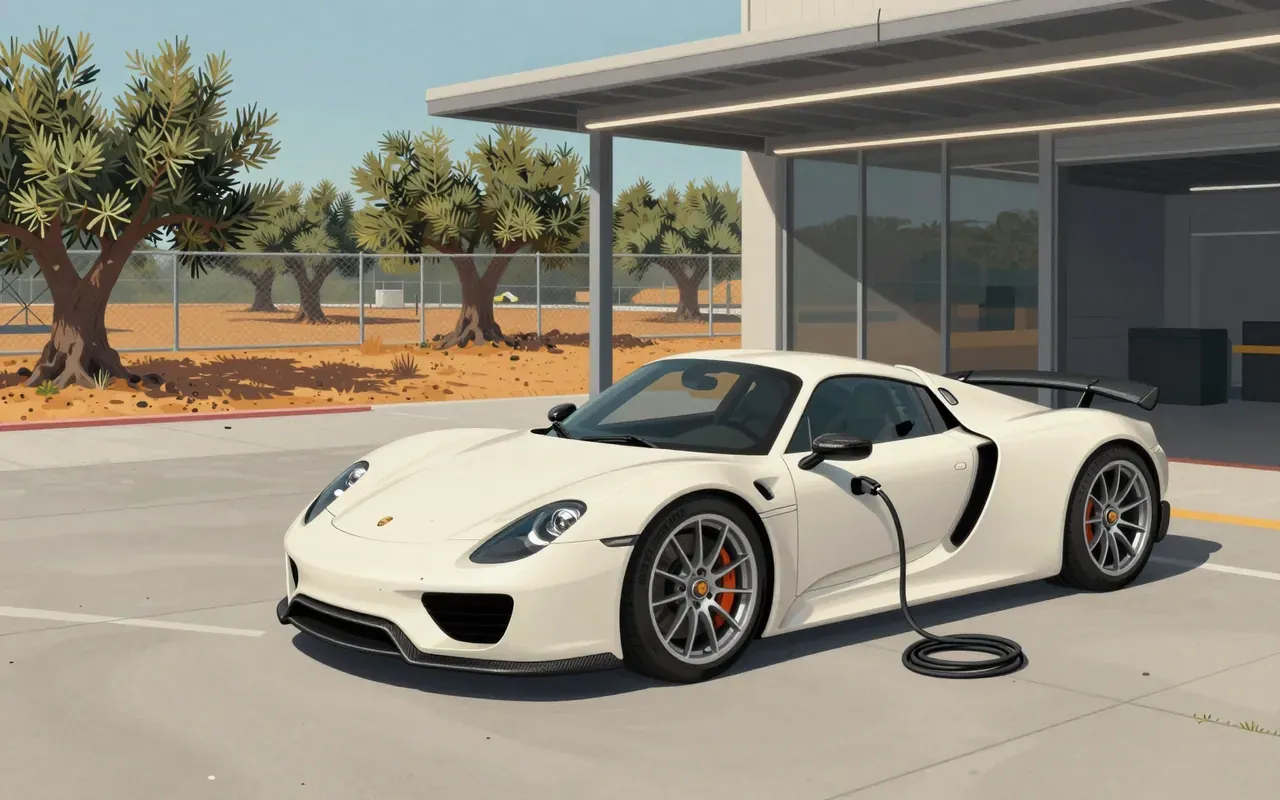
The Porsche 918 Spyder is a limited-production, mid-engine, plug-in-hybrid sports car manufactured by Porsche. It is powered by a mid-mounted naturally aspirated 4.6 L V8 engine and two electric motors. It has a 6.8 kWh lithium-ion battery pack providing 12 mi (19 km) all-electric range per EPA testing. Production began on 18 September 2013 and ended in June 2015. It was first shown as a concept at the 80th Geneva Motor Show in March 2010. The production version was unveiled at the September 2013 Frankfurt Motor Show. It was the second plug-in hybrid car manufactured by Porsche. It has been subject to half a dozen recalls for issues including front and rear control arms breaking and seat belts.

9:22

Renault 5 Turbo

Marc Deschamps · 1980

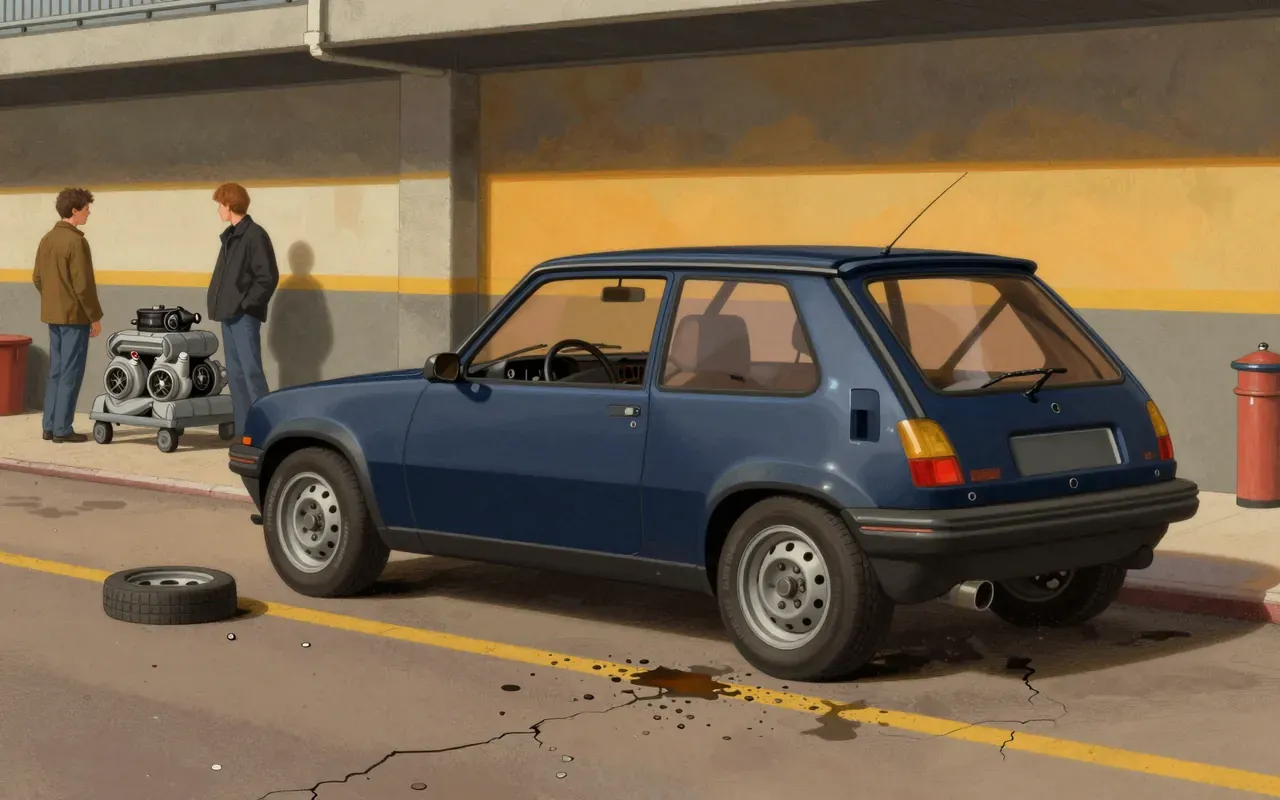
The Renault 5 Turbo is a homologation special that reimagines the Renault 5 supermini as a mid-engined rally car. Built from 1980 to 1984, it features a rear mid-engine, rear-wheel-drive layout, a 1,397 cc turbocharged Cléon-Fonte inline-four, and 4,987 total units produced. Though badged as a Renault 5, its mechanicals are radically different. It was launched at the Brussels Motor Show in January 1980 and sold in street-legal form to meet homologation requirements.

9:18

Sauber C9

Leo Ress · 1987

The Sauber C9 is a 1987 Group C prototype. It replaced the C8. It was a development of the C8, retaining its aluminium monocoque but making it stiffer. Six chassis were built. Early engines were prepared by Heini Mader as a cover for Mercedes’ involvement. Later engines came from Untertürkheim under Hermann Hiereth. The engine was semi-stressed and ran a dry sump. Weight reduction came from a new crankshaft, KKK turbochargers, and a liner-less block.

10:06

Toyota AE86 Corolla Levin

Toyota · 1986

The AE86 is a small, front-engine/rear-wheel-drive compact car derived from the fifth-generation Corolla (E80) range. It was the final Corolla model produced with rear-wheel drive. Its light weight, affordability, modifiability, and balanced front-engine/rear-drive layout made it distinctive amid an industry shift away from RWD. It featured a high-revving (7800 rpm) twin-cam engine in some markets, optionally elsewhere. It achieved early and enduring international prominence in drifting due to its inherent qualities. It was central to the manga and anime series Initial D (1995–2013) as the protagonist's drift and tofu delivery car. In 2015, Road & Track described it as 'a cult icon, inextricably interwoven with the earliest days of drifting.' It inspired the Toyota 86 (2012–present), a 2+2 sports car co-developed with Subaru.

9:29

Toyota Supra

Toyota Design · 1978

The 1978 Toyota Supra is a purpose-built response to dealer demand: a longer, six-cylinder Celica liftback engineered to match the Datsun 280Z. It is neither radical nor revolutionary—just a calibrated evolution of existing parts, packaging, and powertrain. Its value lies in continuity, not disruption.

9:54

Toyota 86

Tetsuya Tada · 2012

The Toyota 86 is a driver’s car defined by restraint: low weight, natural aspiration, precise weight distribution, and mechanical transparency. It trades speed for fidelity — and in doing so, redefined what an entry-level sports car could be.

8:56

Volkswagen Golf Mk1

Giorgetto Giugiaro · 1974

The Volkswagen Golf Mk1 is the first generation of Volkswagen’s small family car. It succeeded the Beetle. It was styled by Giorgetto Giugiaro’s Italdesign and debuted in Europe in May 1974.

11:37

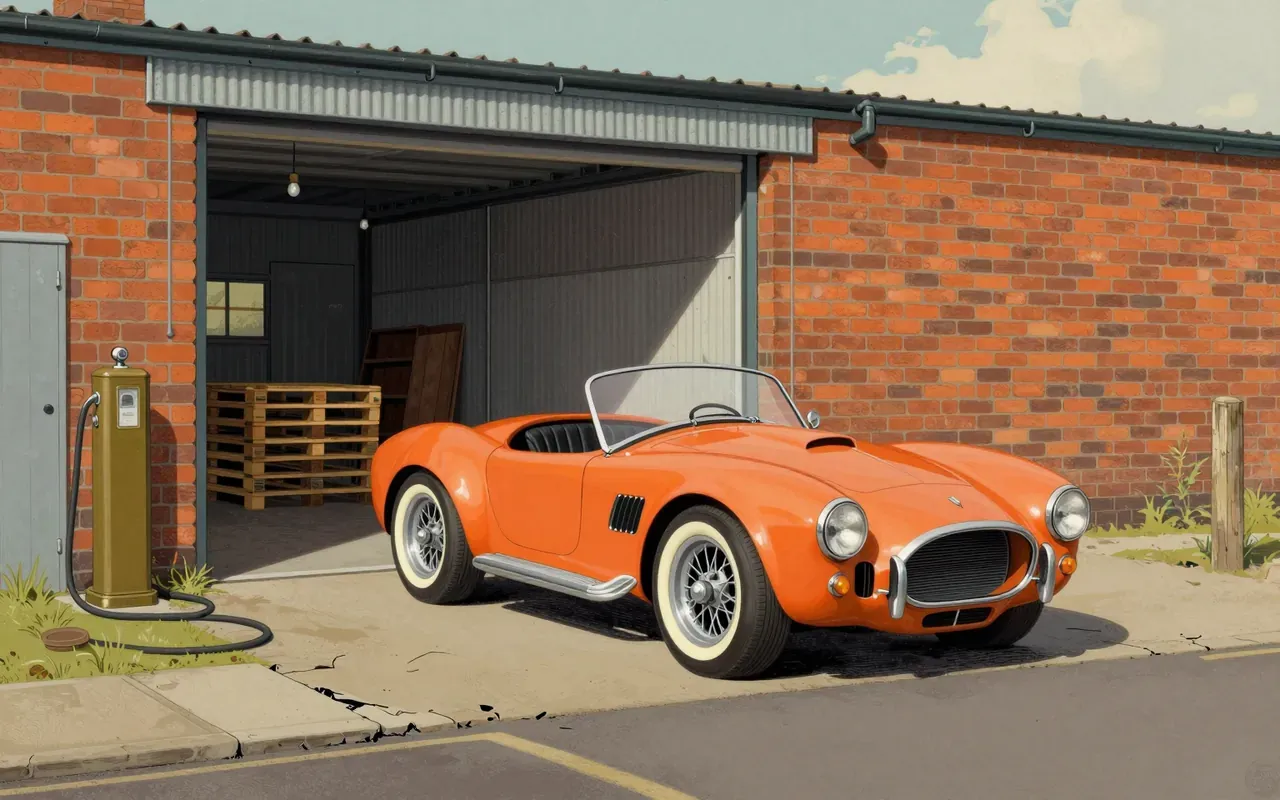
AC Cobra

AC Cars · 1962

The AC Cobra is a British-built sports roadster developed from the AC Ace, modified to accept Ford V8 engines, produced from 1962 to 1967 in the UK and US, with evolving chassis and suspension designs across Mk I–III iterations, and powered by various displacements of Ford V8 engines — notably the 4.3 L, 4.7 L, and 7.0 L variants.

10:57

Alfa Romeo 156

Walter de Silva · 1997

The Alfa Romeo 156 is a compact executive car introduced at the 1997 Frankfurt Motor Show to replace the 155. Designed by Walter de Silva, it won the 1998 European Car of the Year award. It was produced from 1996 to 2007 in saloon, Sportwagon, and Crosswagon bodystyles. Assembly occurred in Pomigliano d'Arco, Italy and Rayong, Thailand. 673,435 units were built.

11:01

Alfa Romeo 33 Stradale

Franco Scaglione · 1967

The Alfa Romeo 33 Stradale is a mid-engine sports car derived from the Tipo 33 racing prototype, designed by Franco Scaglione and built by Carrozzeria Marazzi. Eighteen units were produced between 1967 and 1969. It featured a 2.0 L V8 engine and was the fastest commercially available car for the standing kilometer upon its introduction.

9:33

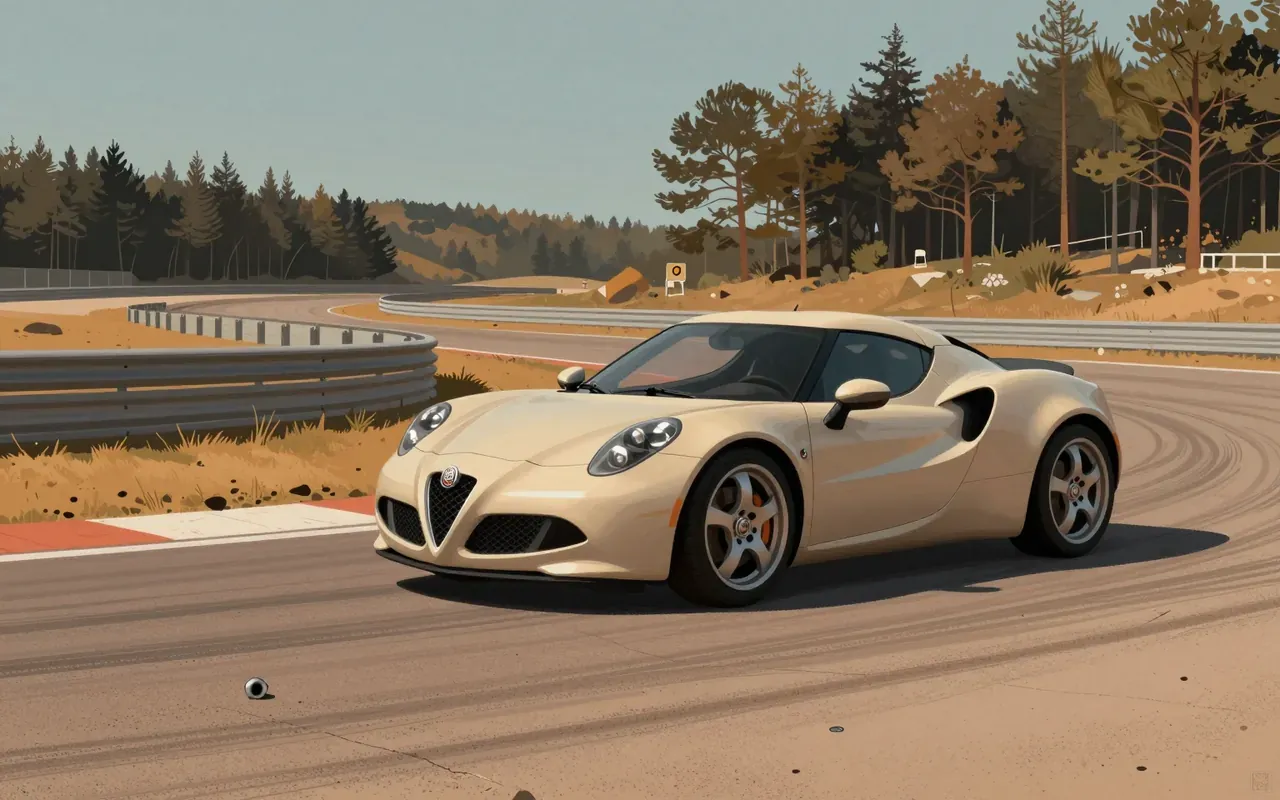
Alfa Romeo 4C

Marco Tencone · 2013

The Alfa Romeo 4C is a focused, uncompromising expression of mid-engined sports car logic—light, stiff, direct. It sacrifices isolation and utility to sharpen the connection between driver and road. Its design solves for feedback, not comfort.

9:27

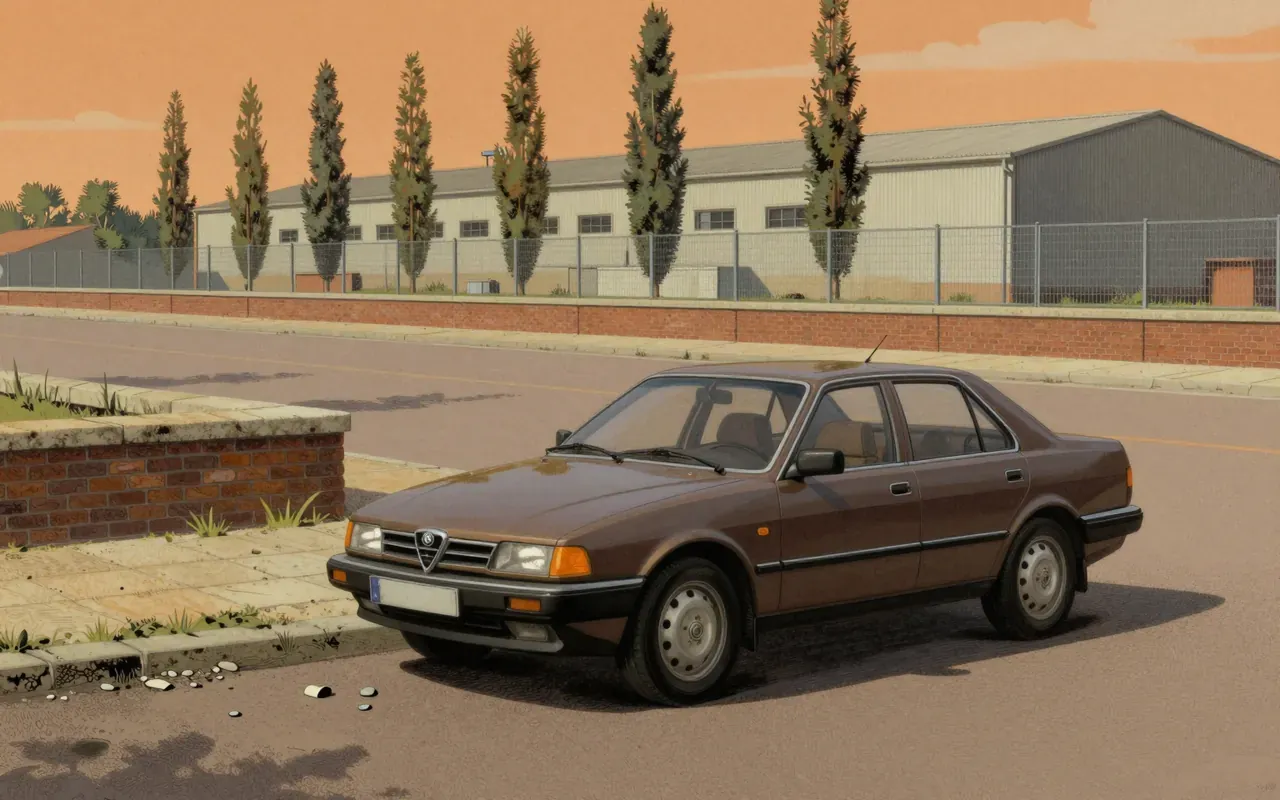
Alfa Romeo 75

Ermanno Cressoni · 1985

The Alfa Romeo 75 is a compact executive saloon produced between 1985 and 1992. Designed by Ermanno Cressoni, it features a striking wedge shape and a transaxle layout that achieves near-perfect front-to-rear balance. Its suspension combines torsion bars at the front with a de Dion tube at the rear, and rear brake discs are located centrally near the gearbox-differential group. A prototype estate was shown in 1986 but never entered production.

9:59

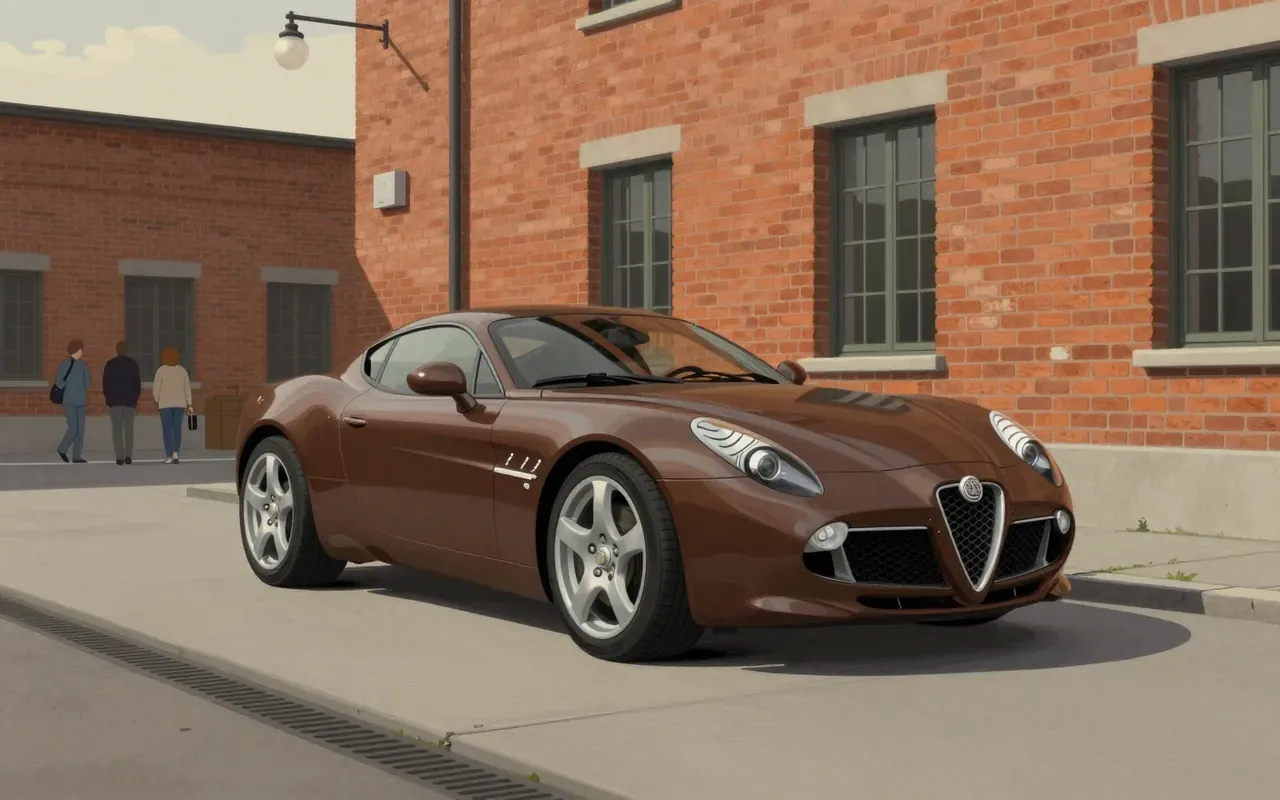
Alfa Romeo 8C Competizione

Wolfgang Egger · 2007

The Alfa Romeo 8C Competizione is a limited-production sports car developed by Alfa Romeo between 2007 and 2010. It was first shown as a concept at the 2003 Frankfurt Motor Show. Its name refers to its eight-cylinder engine and Alfa Romeo's racing pedigree. Maserati engineers created the production version using components from both Maserati and Ferrari. Development proceeded in parallel with the GranTurismo, and production coincided with the global crisis. Over 1,400 orders were received, but only 500 coupés and 329 spiders were delivered. It was designed by Wolfgang Egger and Daniele Gaglione at Centro Stile Alfa Romeo, echoing styling from Alfa Romeo automobiles of the 1950s and 1960s.

11:34

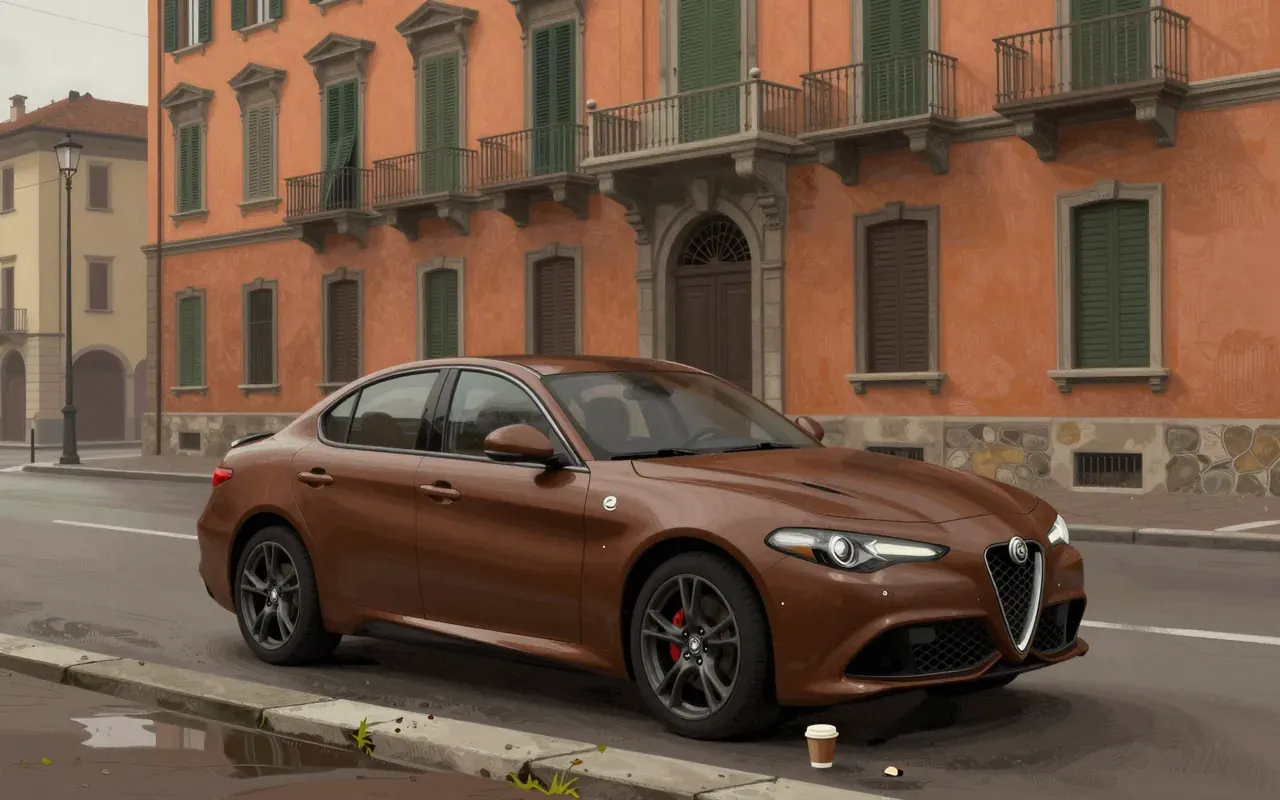
Alfa Romeo Giulia (2015)

Marco Tencone · 2015

The Alfa Romeo Giulia (2015) is a compact executive saloon. It marks Alfa Romeo’s return to the saloon segment after 2011 and to longitudinal rear-wheel drive after 1992. It uses a front-engine, rear-wheel-drive layout targeting 50/50 weight distribution. Unveiled 24 June 2015, it entered production on 19 April 2016 at FCA Italy’s Cassino Plant. It is the first model in Alfa Romeo’s €5 billion relaunch plan.

9:36

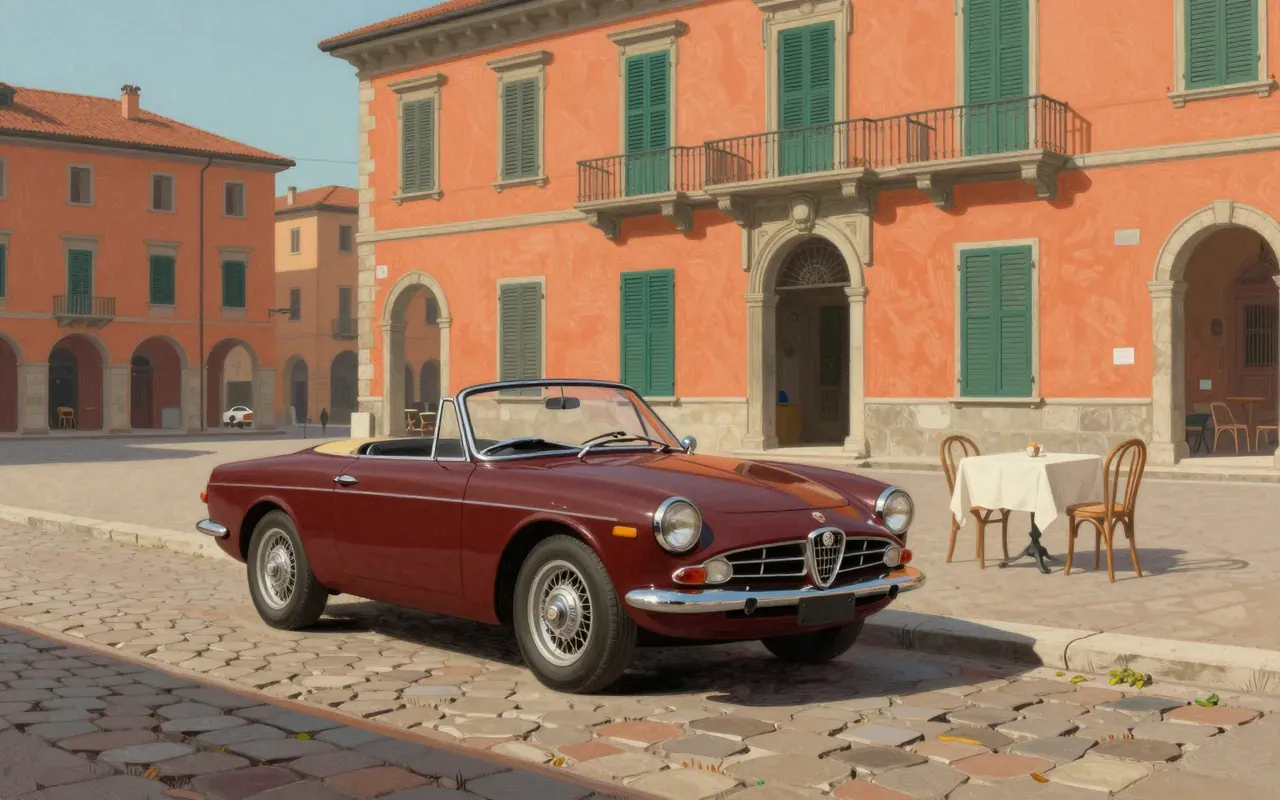
Alfa Romeo Spider

Pininfarina · 1955

The Alfa Romeo Spider (1955) was the first vehicle Pininfarina produced in large numbers. Designed and assembled by Pininfarina in Grugliasco, it was a front-engined, rear-drive roadster that launched in 1958 with 1,025 units and scaled to over 4,000 in 1959. It remained in production across four series until April 1993. Its success cemented Pininfarina’s role as Alfa Romeo’s long-term Spider partner—and proved coachbuilding could be industrial.

10:00

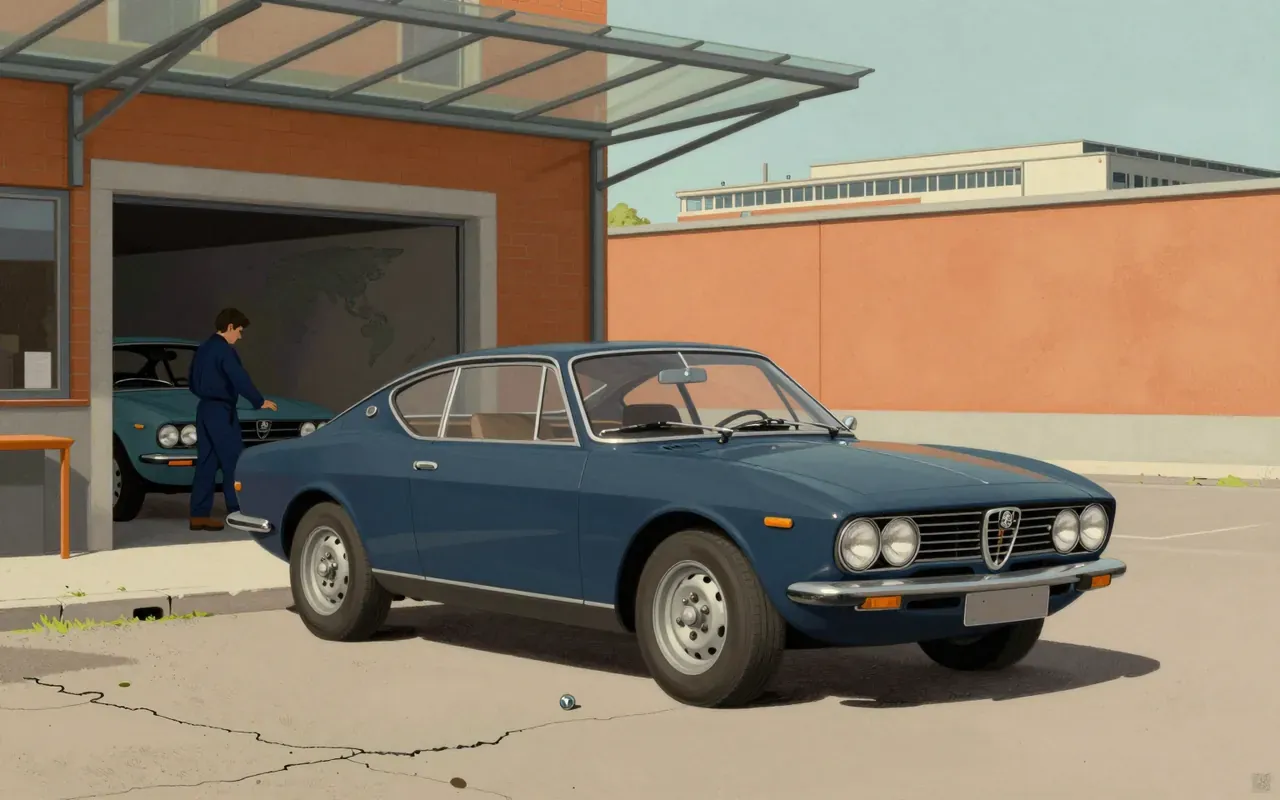
Alfa Romeo Montreal

Marcello Gandini · 1970

The Alfa Romeo Montreal is a Gandini-designed 2+2 coupe that began as a 1967 concept at Expo 67 in Montreal and entered production from 1970 to 1977. Its 2,593 cc 90° V8 engine was bespoke, dry-sump, cross-plane, and SPICA-injected—producing around 200 PS—but shared its chassis and suspension with the Giulia GTV. It embodies Gandini’s priority on vehicle architecture over styling, and its 3,917-unit production run reflects its status as a limited-series production car, not a prototype or coachbuilt one.

10:45

Alfa Romeo SZ

Robert Opron · 1989

The Alfa Romeo SZ is a high-performance limited-production sports car built from 1989 to 1991 by a partnership between Centro Stile Zagato, Centro Stile Alfa Romeo and Centro Stile Fiat.

8:48

AMC AMX

Dick Teague · 1968

The AMC AMX is a two-seat GT-style muscle car produced by American Motors Corporation from 1968 through 1970. It was one of only two American-built two-seaters and competed directly with the Chevrolet Corvette at a significantly lower price. Based on the Javelin but with a shorter wheelbase and no rear seat, it was styled as a coupe with fixed rear quarter windows. It featured AMC V8 engines in 290, 343, or 390 cubic inch displacements. After three model years, the two-seat version was discontinued, though the AMX name continued on high-performance Javelin models. Its name originated from the 'American Motors experimental' designation used on 1966 concept vehicles.

11:58

AMC Pacer

Dick Teague · 1975

The AMC Pacer is a design document in motion: a cab-forward, wide-small compact that prioritised interior volume and visibility over mechanical convention or market realism. It succeeded as a statement of spatial logic—not as a viable economy car.

10:24

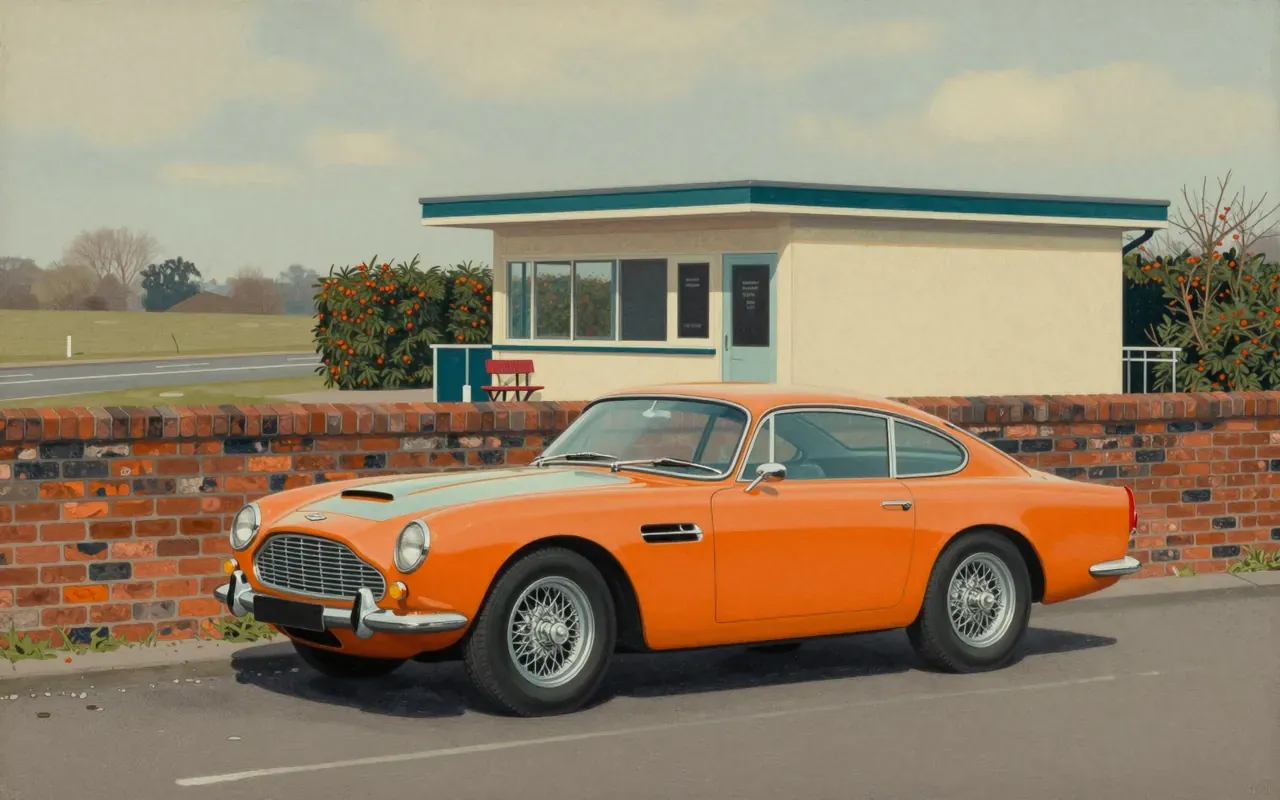
Aston Martin DB4

Touring · 1958

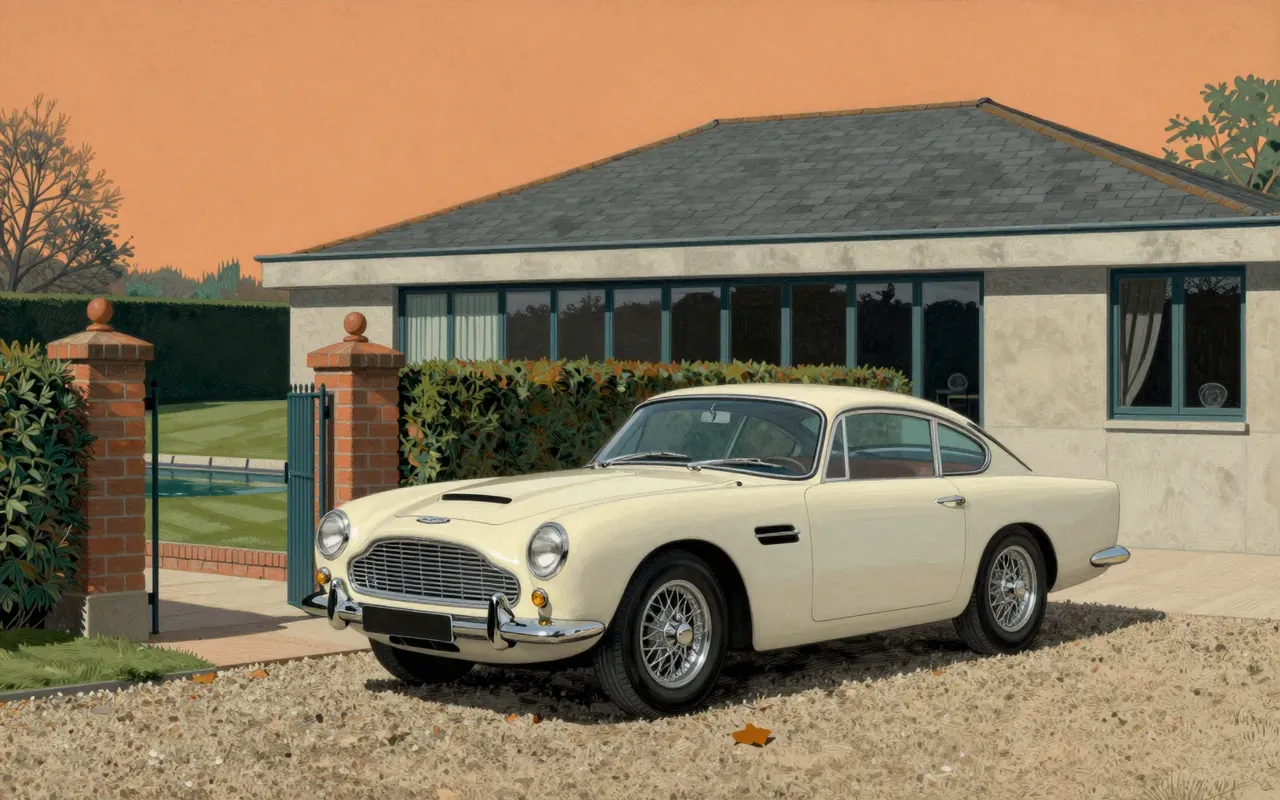
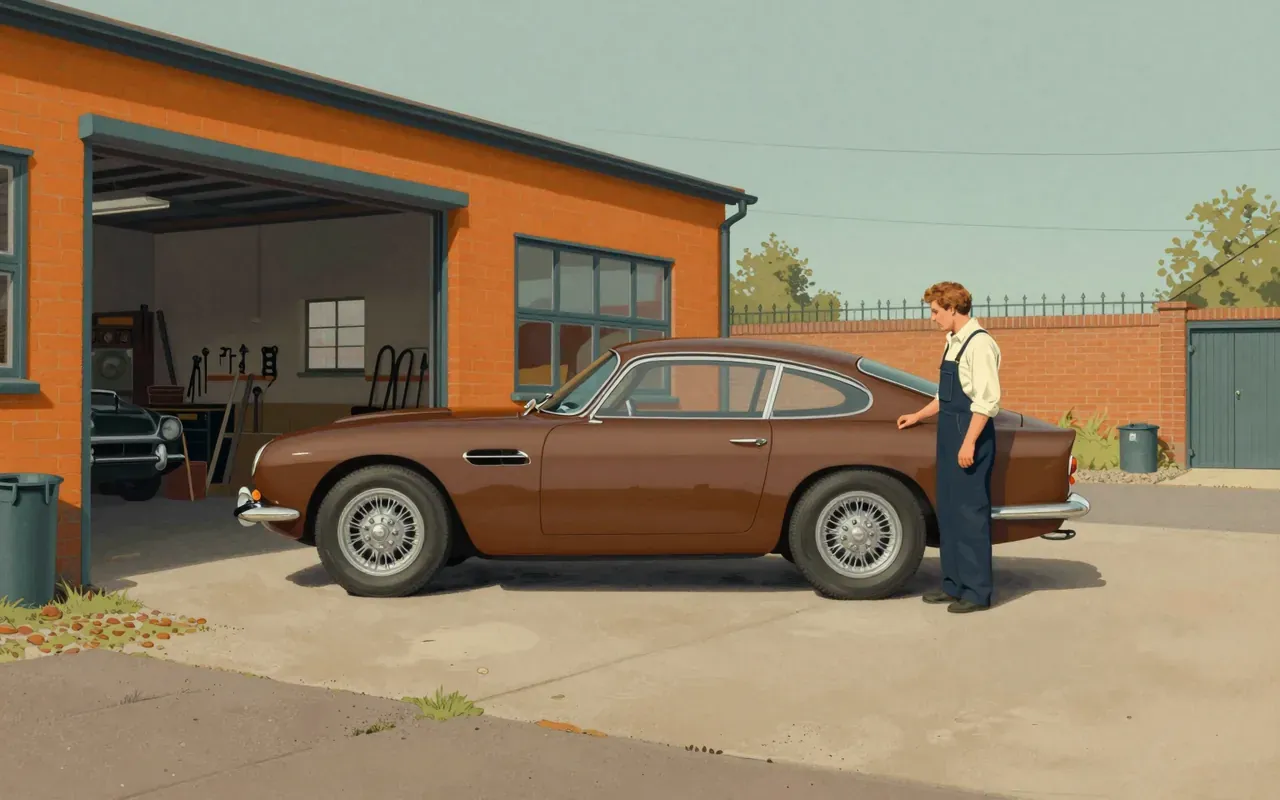
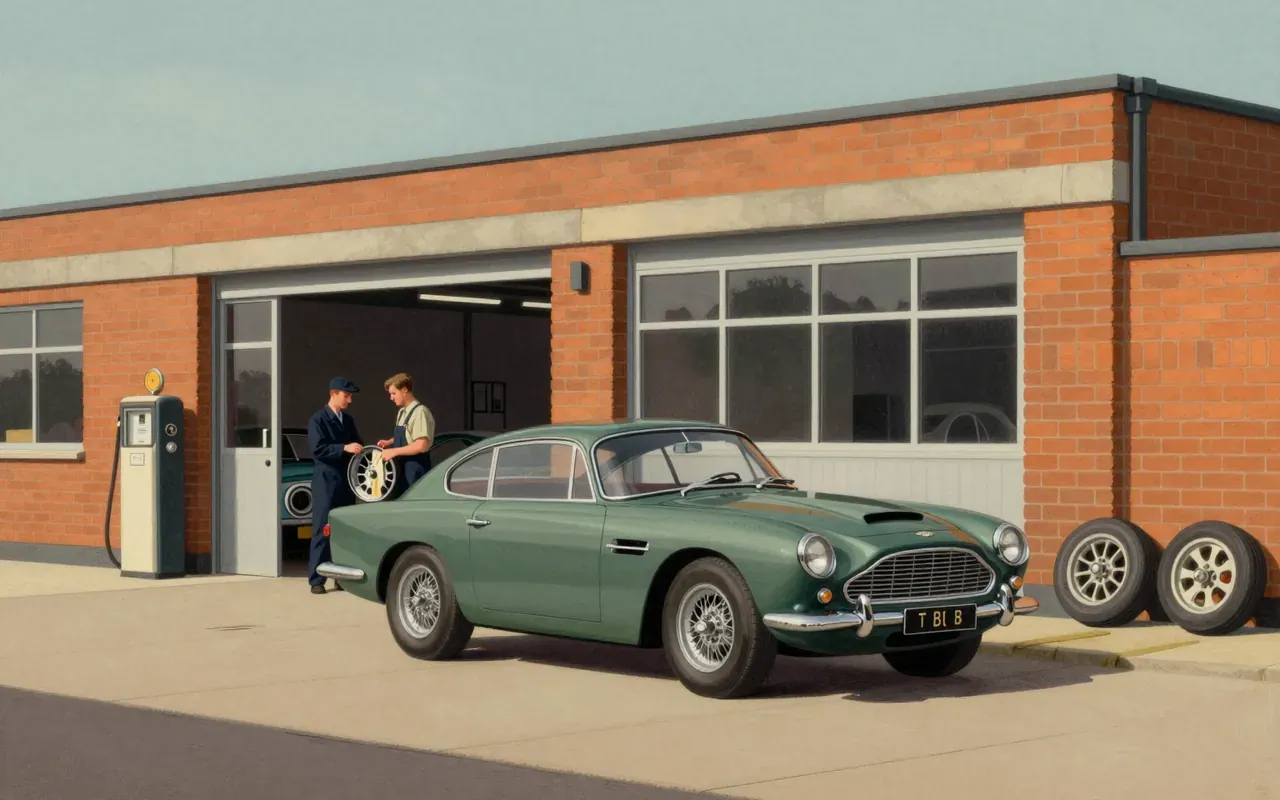
The DB4 is a grand tourer designed by Carrozzeria Touring, built at Newport Pagnell, and powered by a Tadek Marek–designed 3.7 L DOHC straight-6. It features servo-assisted disc brakes, independent front suspension with rack-and-pinion steering, and a live rear axle with Watt's linkage. Its design influenced later models including the DB4 GT Zagato and Lagonda Rapide. Technically distinct from both predecessor and successor, it was produced from 1958 to 1963.

9:43

Aston Martin DB5

Touring · 1963

The DB5 is a tightly specified British grand tourer, designed by Touring, built by Aston Martin, and defined by disciplined evolution — not revolution.

10:03

Aston Martin DB6

Touring · 1965

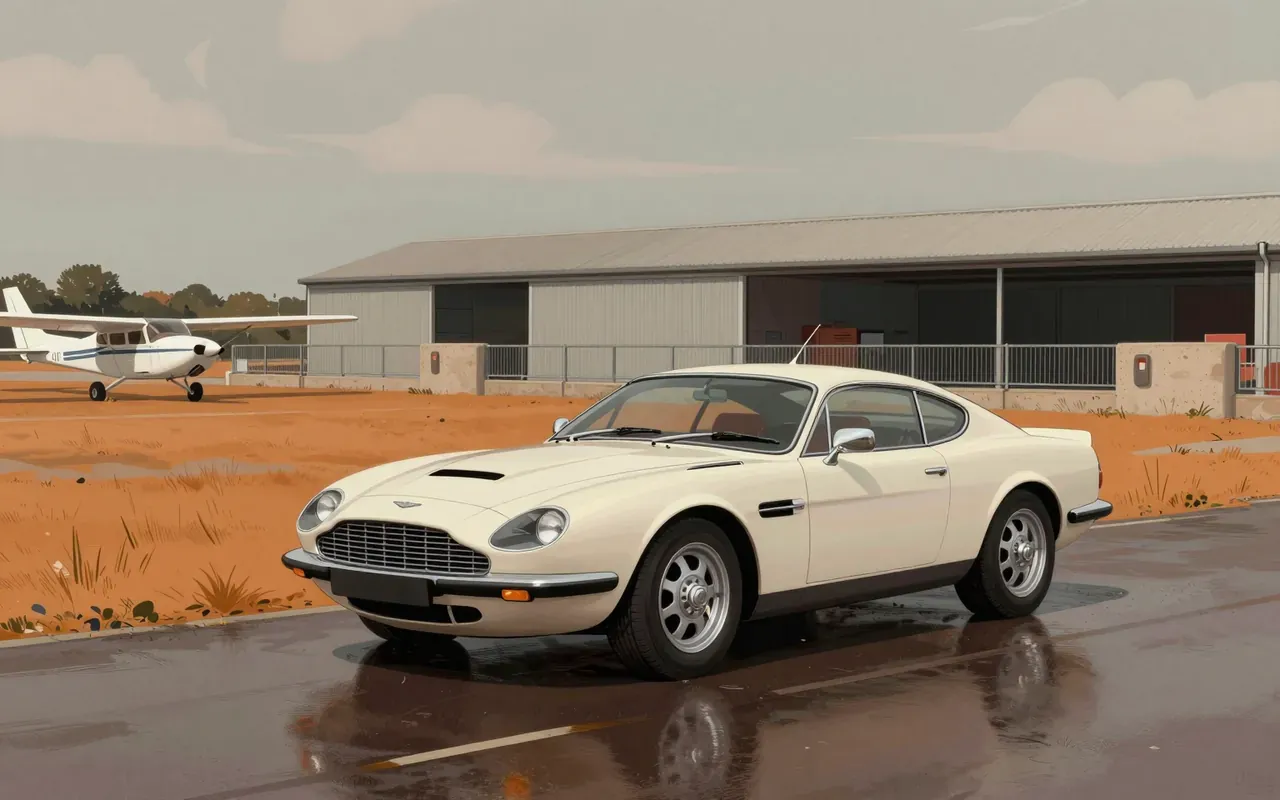
The DB6 is a functional evolution — not a revolution — in Aston Martin’s grand touring line. Its Kammback tail and lengthened wheelbase directly address aerodynamic lift identified in wind tunnel testing. It retains the live-axle layout, rejecting the more complex de Dion prototype to prioritise production readiness. It is recognisable, stable, and rooted in continuity — not novelty.

10:44

Aston Martin DB7

Ian Callum · 1994

The DB7 is a grand tourer designed by Ian Callum and Keith Helfet. It was produced by Aston Martin from September 1994 to December 2004. It was offered in coupé and convertible bodystyles. More than 7,000 were built. It was made mostly with resources from Jaguar Cars and had the financial backing of the Ford Motor Company. Ian Callum received the Jim Clark Memorial Award in 1995 for his styling work on the DB7.

9:05

Aston Martin DB9

Henrik Fisker · 2004

The DB9 is a two-door grand tourer designed by Ian Callum and Henrik Fisker. It was built in Gaydon, Warwickshire. Production ran from 2004 (coupé) to 2016, with the Volante convertible added in 2005. It uses aluminium and composites on a vertical/horizontal platform, with a front mid-engine, rear-wheel drive layout. It features a 5.9 L V12 engine. Henrik Fisker led its production design, drawing on Aston Martin’s heritage while enabling scalable manufacturing.

10:38

Aston Martin DBS

William Towns · 1967

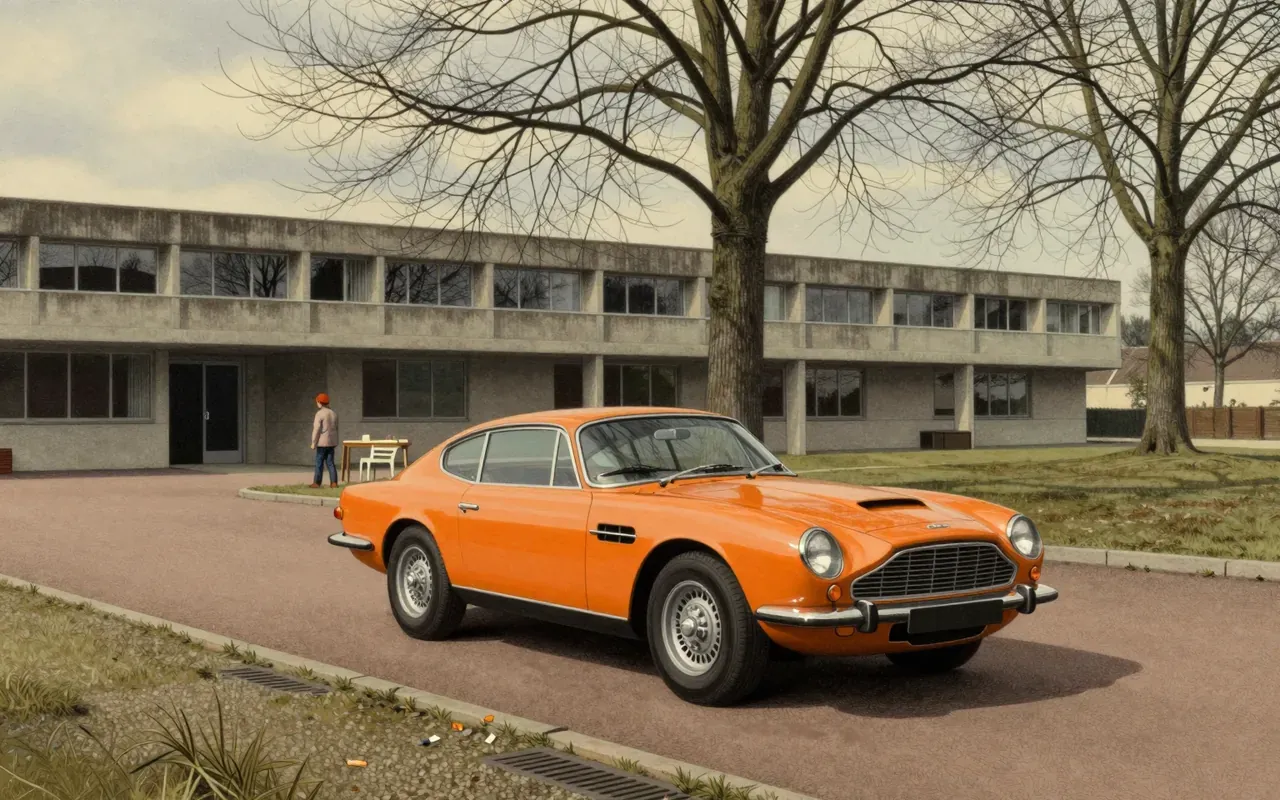
The Aston Martin DBS is a grand tourer produced from 1967 to 1972. It was designed by William Towns as a modern-looking successor to the DB6, following the collapse of Touring of Milan’s design effort. It shares the DB6’s 4.0 L engine and mechanical base but adopts a larger four-seat layout and a deliberately contemporary fastback silhouette with a squared front grille. It was the final model developed under David Brown’s ownership.

9:46

Aston Martin Lagonda

William Towns · 1976

The 1976 Aston Martin Lagonda Series 2 is a full-size luxury four-door saloon designed from the ground up by William Towns. It introduced the first digital instrument panel in a production car — an LED array whose development cost four times the car’s total budget. Later Series 3 used cathode-ray tubes, worsening reliability. Only 645 units were built across all generations. Its wedge shape defined 1970s automotive avant-garde. Its electronics were a warning, not a promise.

10:51

Aston Martin Vanquish

Ian Callum · 2001

The 2001 Aston Martin Vanquish is Ian Callum’s definitive statement on Aston Martin’s early-2000s direction: a V12 coupé evolved without deviation from his 1998 Project Vantage concept, styled with DB4 GT Zagato aggression, and built as the last all-new car at Newport Pagnell.

10:46

Audi RS 2 Avant

Audi · 1994

The Audi RS 2 Avant is Audi's first RS model and first high-performance Avant — a limited-edition, jointly developed Audi-Porsche estate car built on the B4 platform from March 1994 to July 1995. It features a modified 2,226 cc inline-five turbocharged petrol engine producing 315 PS and 410 N⋅m, paired with a six-speed manual transmission and quattro permanent all-wheel drive. Assembly occurred at Porsche’s Rossle-Bau plant. Approximately 2891 units were built, including only 180 right-hand-drive examples.

9:36

Audi TT

Freeman Thomas · 1998

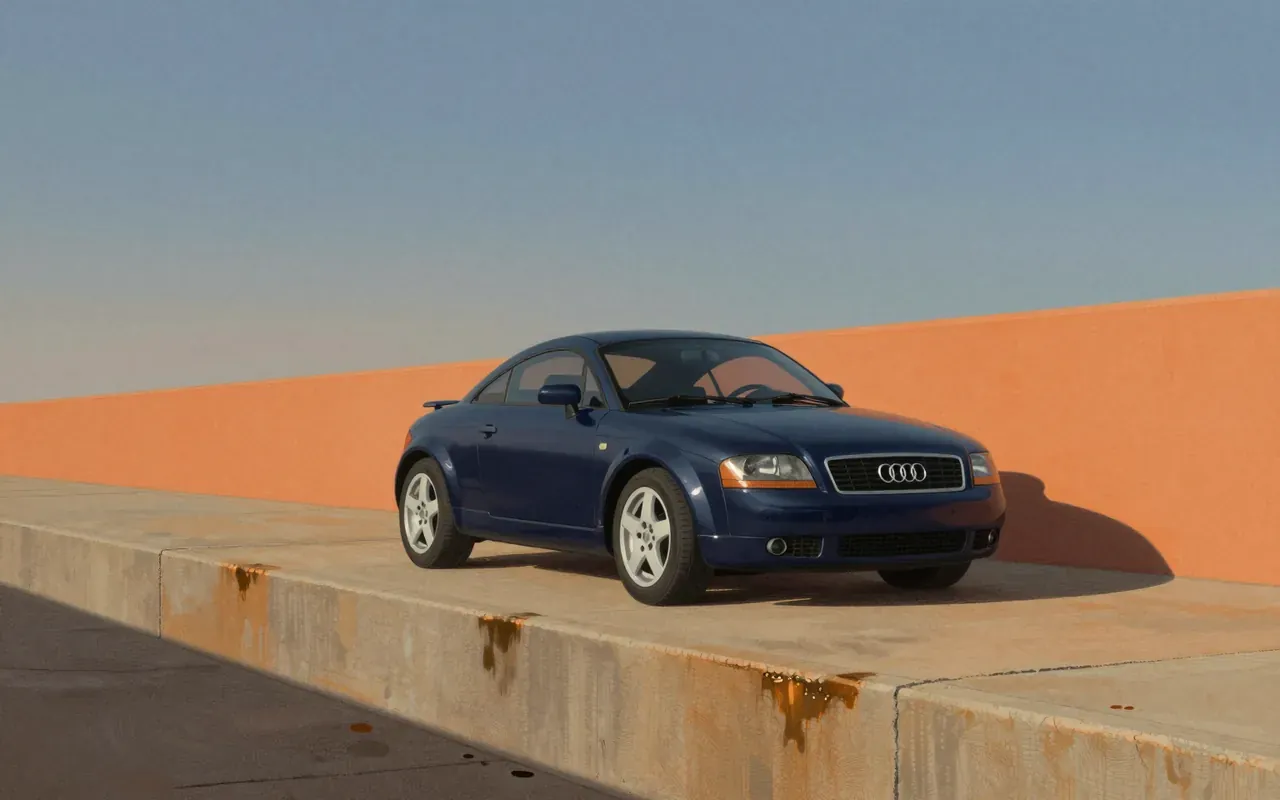
Audi TT (1998) — Freeman Thomas co-design. Front-engine, transverse, FWD or quattro. Coupé and roadster. Built on VW Group A-platforms. Named after Isle of Man TT.

8:50

Autozam AZ-1

Toshiko Hirai · 1992

The Autozam AZ-1 is a tightly packaged, rear mid-engine kei sports car built by Mazda between October 1992 and October 1994. It uses a Suzuki-sourced 657 cc turbocharged engine and features gullwing doors. Its design prioritises driver engagement and compact agility over practicality or comfort.

13:32

Bentley Continental R

John Heffernan · 1991

The Bentley Continental R is a luxury coupé built from 1991 to 2003 on the Rolls-Royce SZ platform, featuring a unique non-Rolls-Royce body, a 6.75 L turbocharged V8 engine, front-engine RWD layout, Cd=0.37 aerodynamics, roof-cut door frames, and a subtle rear spoiler. It was the fastest, most expensive, and most powerful Bentley of its day—and the most expensive production car in the world at launch.

10:54

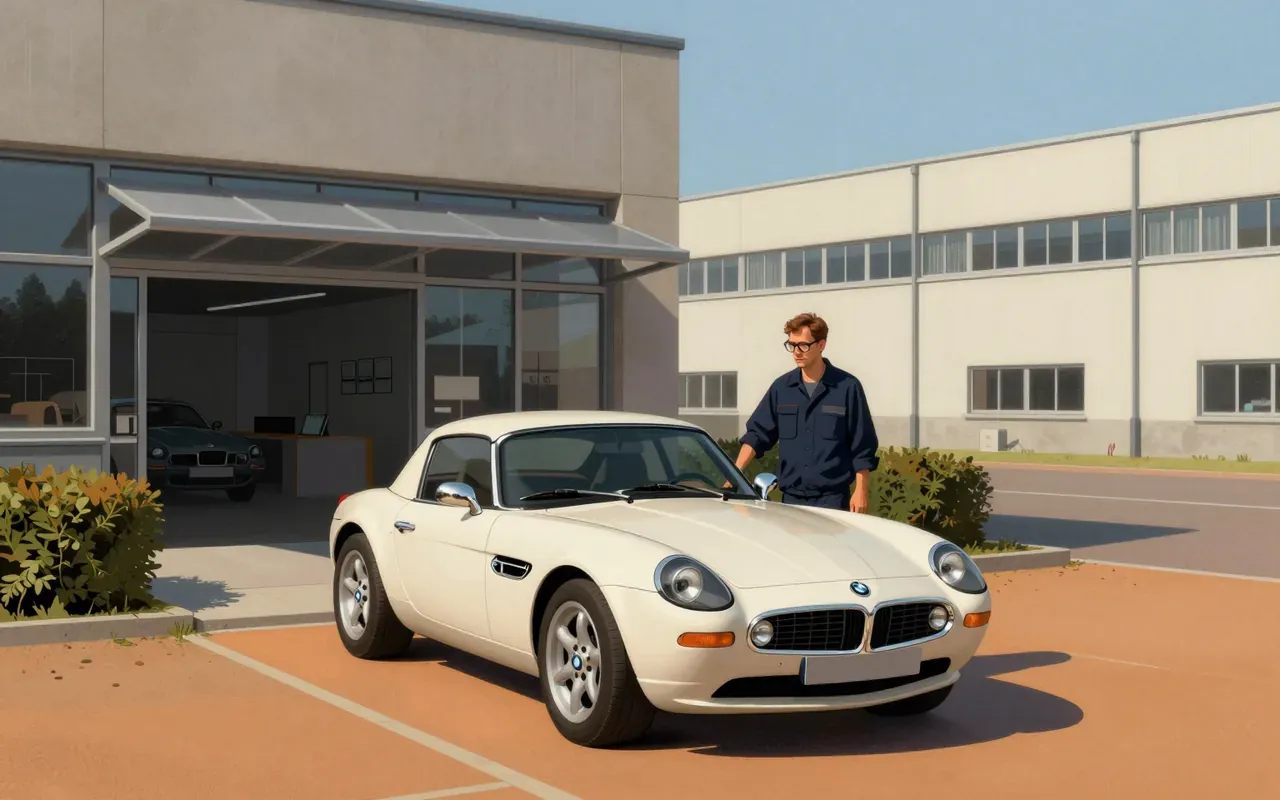
BMW 507

Albrecht von Goertz · 1956

The BMW 507 is a hand-formed aluminium luxury grand touring convertible designed by Albrecht von Goertz, developed from a shortened BMW 503 frame, powered by a 3.2 L V8 engine and mated to a four-speed manual transmission, produced from 1956 to 1959 in only 252 units due to high costs.

9:06

BMW 3 Series (E21)

Paul Bracq · 1975

The E21 is the first-generation BMW 3 Series. Paul Bracq designed it. It launched in June 1975. It ended production in December 1983. It replaced the 02 Series. It was built exclusively as a two-door sedan or coupé. It did not offer a Touring variant. Six-cylinder models used quad round headlights. Initial engines were carburetted four-cylinders (1.6 L, 1.8 L, 2.0 L). Fuel injection debuted on the 320i in late 1975. The 323i introduced fuel-injected six-cylinders in 1978.

10:11

BMW i8

Benoit Jacob · 2014

The BMW i8 is a plug-in hybrid sports car designed by Benoit Jacob and marketed under the BMW i sub-brand. It was unveiled at the 2013 Frankfurt Motor Show and released in Germany in June 2014. U.S. deliveries began in August 2014. A roadster variant launched in May 2018. Production ended in June 2020. The 2015 i8 accelerated from 0 to 100 km/h in 4.4 seconds. It had a 7.1-kWh lithium-ion battery pack and an all-electric range of 37 km under the New European Driving Cycle. The plug-in hybrid system comprised a three-cylinder, 1.5-litre BMW TwinPower Turbo gasoline engine.

9:03

BMW M1

Giorgetto Giugiaro · 1974

The BMW M1 is a mid-engined, rear-wheel-drive coupé designed by Giorgetto Giugiaro in 1977. Hand-built from 1978 to 1981 as a homologation special, it was the first car developed solely by BMW M and the first mass-produced mid-engine BMW. Its fibreglass body reflects Giugiaro’s angular 'folded paper' design language. Only 453 units were produced.

10:15

BMW Z8

Henrik Fisker · 1999

The BMW Z8 is a roadster designed by Henrik Fisker, produced from 1999 to 2003. It evolved from the Z07 concept shown at the October 1997 Tokyo Motor Show. Its design honours the 1956–1959 BMW 507. It uses a 4.9 L S62 V8 engine mounted behind the front axle for 50/50 weight distribution. The body and chassis are all-aluminium. It was hand-finished in Munich after spaceframe production in Dingolfing. A total of 5,703 units were built.

8:21

Borgward Isabella

Carl Borgward · 1954

The Borgward Isabella is a 1954–1962 two-door saloon built in Bremen. It uses a 1493 cc four-cylinder engine, front-engine rear-wheel-drive layout, monocoque construction, and swing axle rear suspension. It was originally planned as the Hansa 1500 but renamed Isabella due to internal and media preference. Though smaller and less powerful than its predecessor, it became Borgward’s largest commercial success—11,150 units were built in its first year, and 202,862 total by end of production. Its launch price was DM 7,265—higher than Opel Rekord and Ford Taunus, but lower than Mercedes-Benz 180. A launch road test recorded 130 km/h top speed and 8.4 L/100 km fuel consumption. Testers praised its wide cabin, large windows, effective brakes, cigarette lighter, and clock. Carl Borgward participated in detail in its design. It embodied American-type styling and chrome decoration with European compact dimensions.

10:24

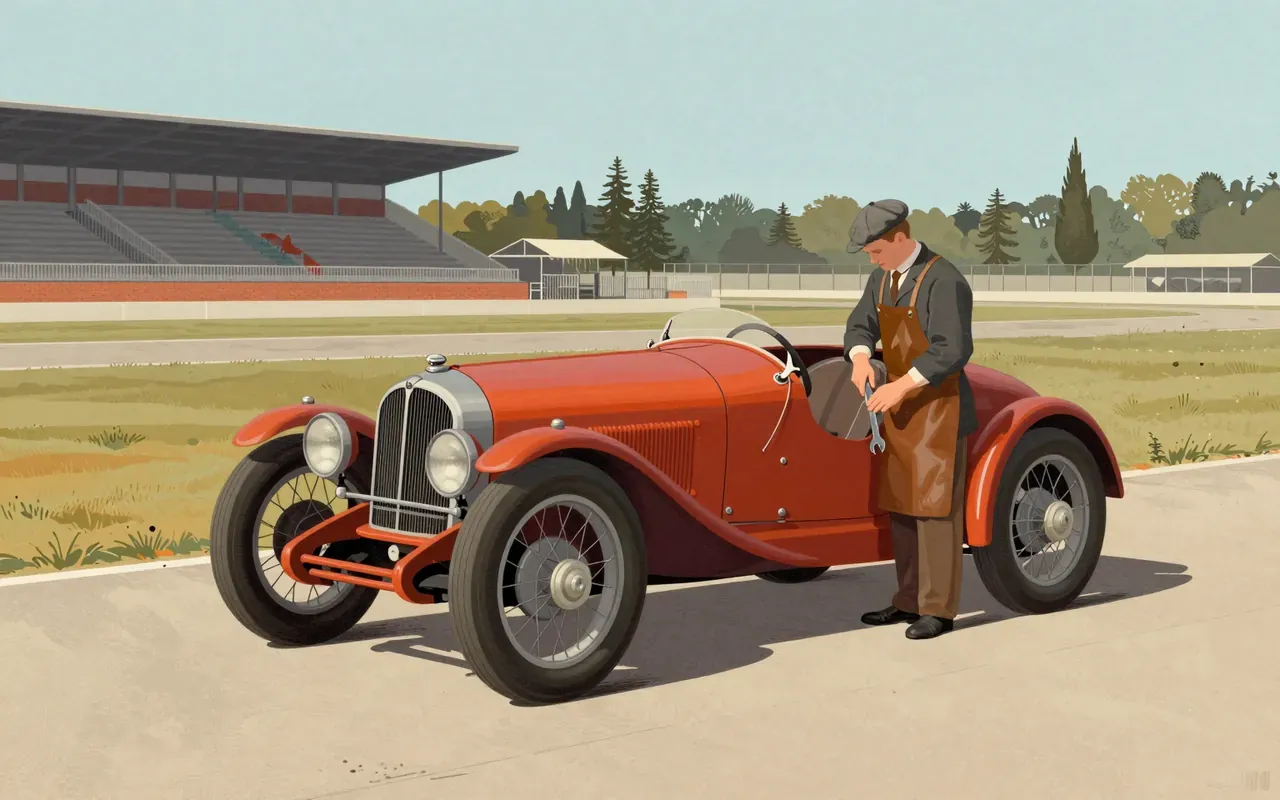
Bugatti Type 35

Ettore Bugatti · 1924

The Bugatti Type 35 is the first holistically conceived, race-ready car sold as a complete system. It pioneered cast alloy wheels and won over 1,000 races between 1924 and 1930. Its design prioritised integration over adaptation—and succeeded globally, with factory and privateer teams alike.

11:19

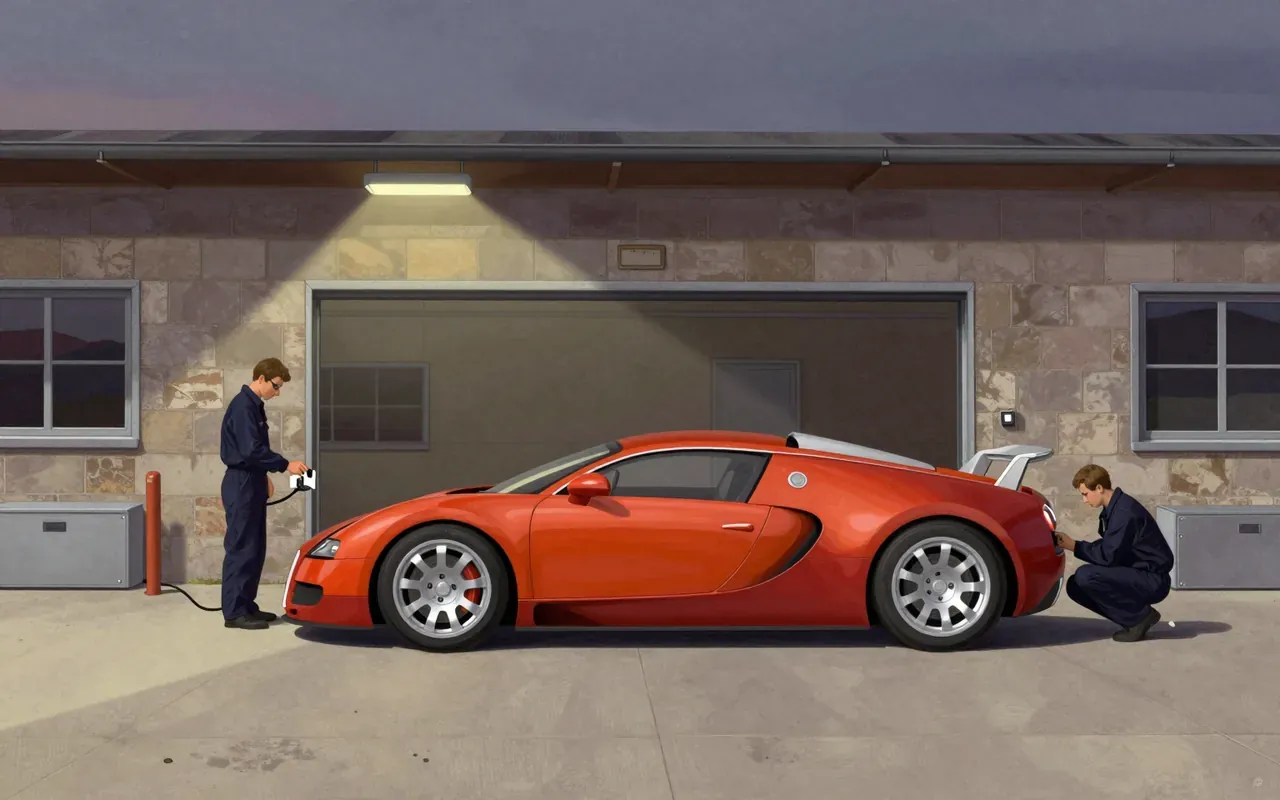
Bugatti Veyron

Jozef Kabaň · 2005

The Bugatti Veyron is a mid-engine, all-wheel-drive sports car with an 8.0 L quad-turbocharged W16 engine, designed by Jozef Kabaň (exterior) and Hartmut Warkuß (chief designer), produced from 2005 to 2015 in a total of 450 units. It features a seven-speed dual-clutch direct-shift automatic transmission built by Ricardo and permanent all-wheel drive using the Haldex Traction system. Multiple variants — standard, Super Sport, Grand Sport, and Grand Sport Vitesse — achieved verified top speeds up to 431.072 km/h.

9:46

Buick Riviera

Ned Nickles · 1963

The 1963 Buick Riviera is the origin point of GM’s personal luxury car strategy. It is not a sports car. It is not a sedan. It is a two-door hardtop built on a new platform, named for a coastline, engineered for quiet authority.

9:26

Buick Wildcat

Buick Design · 1963

The Buick Wildcat is a full-size car produced from 1963 to 1970. It was positioned between the LeSabre and the larger C-body Electra. It offered two-door hardtop, convertible, and four-door hardtop sedan body styles. It replaced the 1962 Invicta subseries and was itself replaced by the Centurion in 1971.

8:58

Canoo Lifestyle Vehicle

Richard Kim · 2019

The Canoo Lifestyle Vehicle was a battery electric vehicle with multiple body styles sharing a common platform, including minivan, cargo van, and pickup truck, manufactured by Canoo.

11:37

Chevrolet Corvette (C1)

Harley Earl · 1953

The C1 Corvette is the foundational American sports car: a rushed, hand-built, fibreglass roadster born from Harley Earl’s desire to answer European competition. It established Chevrolet’s two-seat lineage after 15 years’ silence. Its front-engine, rear-wheel-drive layout and solid rear axle reflect its derivation from full-size Chevrolets—not racing pedigree. It prioritises presence over precision. It is historically indispensable but dynamically unrefined.

9:47

Chevrolet Corvette (C3)

David Holls · 1968

The C3 is a stylistic pivot built on mechanical continuity. Its shape is decisive. Its engineering is inherited.

9:38

Chevrolet Impala

Harley Earl team · 1959

The 1958 Chevrolet Impala is a full-size car, launched as a top-tier Bel Air variant without Bel Air badging, distinguished by symmetrical triple taillights, named after the African antelope, and developed from a 1956 GM Motorama concept car. It rides on GM’s shared 'A' body platform. Harley Earl personally reviewed the foundational styling sketch. Production spanned discontinuous periods: 1958–1985, 1994–1996, and 2000–2020.

10:58

Chrysler Airflow

Carl Breer · 1934

The Chrysler Airflow is a full-size car produced by Chrysler from 1934 to 1937. It pioneered streamlining, unibody construction, full-steel body between the wheels, and innovative weight distribution for improved handling and ride. Despite its engineering breakthroughs, it failed commercially due to controversial styling and poor market acceptance.

11:39

Citroën 2CV

Flaminio Bertoni · 1948

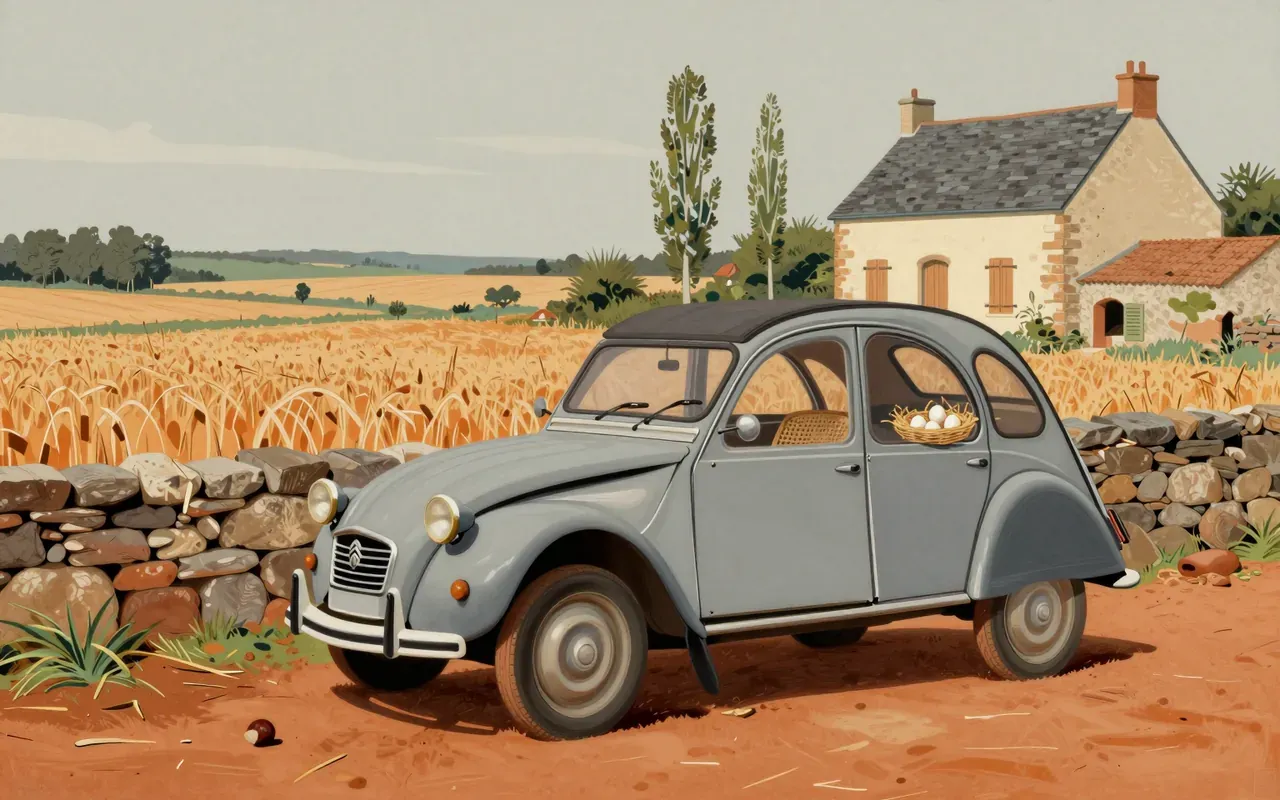
The Citroën 2CV is a French economy car conceived by Pierre Boulanger to motorise rural farmers, featuring innovative engineering, utilitarian design, low cost of ownership, minimal fuel consumption, and a long-travel suspension enabling it to cross ploughed fields without breaking eggs. It was often called 'an umbrella on wheels', introduced Michelin's radial tyres, and over 3.8 million units were produced from 1948 to 1990. Its body style is a fixed-profile convertible; it has an air-cooled engine; layout is front-engine, front-wheel drive; and production spanned 1948–1990.

9:32

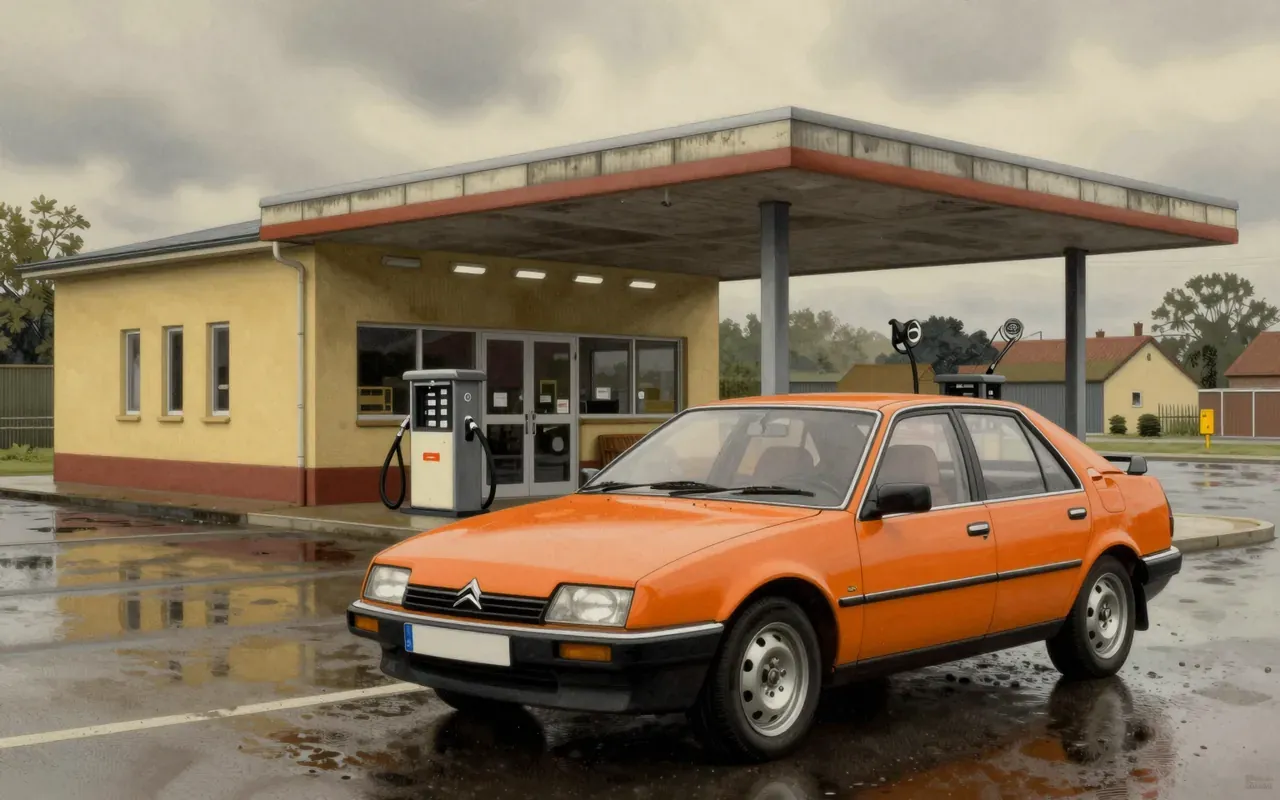
Citroën BX

Marcello Gandini · 1982

The Citroën BX is a large family car designed by Marcello Gandini and produced by Citroën from 1982 to 1994. It was built as a hatchback and estate, with 2,315,739 units made. It is French, midsize, and categorised among Gandini’s practical mass-production designs.

10:44

Citroën CX

Robert Opron · 1974

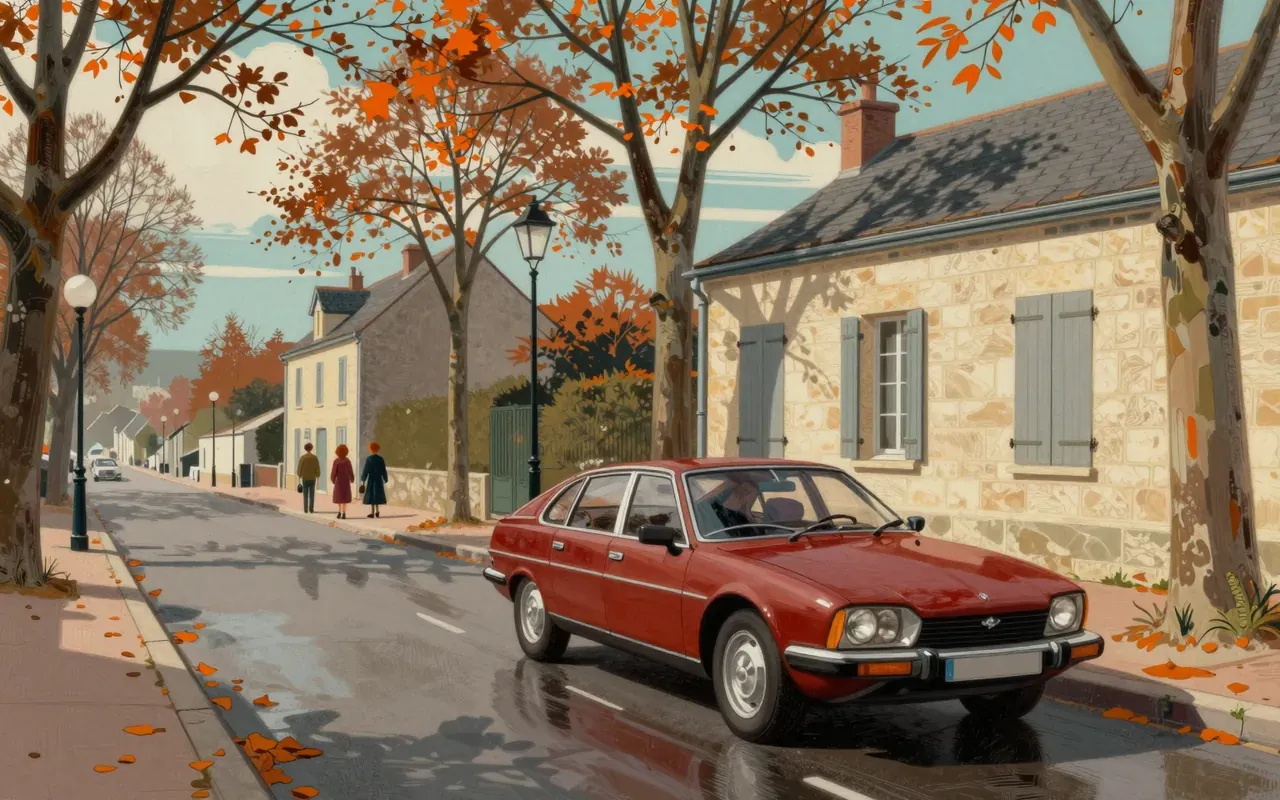
The CX is the last complete expression of Citroën’s pre-merger philosophy: hydropneumatic suspension, front-wheel drive, fastback form, and aerodynamic discipline. It succeeded the DS without imitating it. It won European Car of the Year in 1975. It was Robert Opron’s final and favourite design. It marked the end of the 'big Citroën' era that began in 1934.

9:12

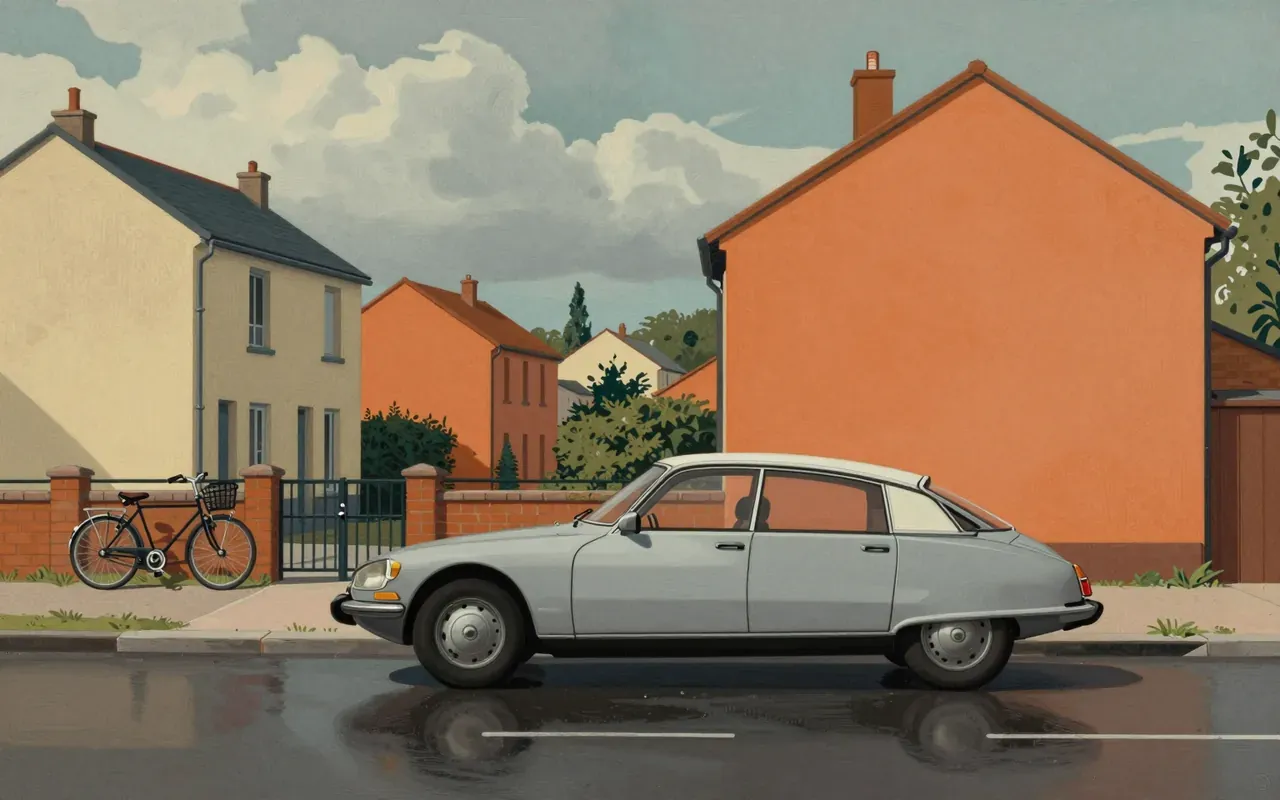
Citroën GS

Robert Opron · 1970

The Citroën GS is a small family car designed by Robert Opron, launched in 1970 after winning Citroën’s 1967 internal Project G competition. It was built as a fastback four-door saloon and five-door estate until 1979. A revised version, the GSA, was produced from late 1979 until 1986 in five-door hatchback or estate body styles. Combined production reached approximately 2.5 million units. It has a front-engine, front-wheel-drive layout and seating for five passengers. Noted for its aerodynamic body shape with a drag coefficient of 0.318, fully independent hydro-pneumatic brakes and self-levelling suspension, and air-cooled flat-four engine, the GS was styled by Robert Opron, with a low nose, a two-box silhouette, semi-enclosed rear wheels and a sharply vertical Kamm-tail. In 1967, having abandoned the ambitious Projet F begun by Bertoni and taken over by Opron, Citroën initiated a competition for a new mid-range model that pitted Opron and the Bureau d'Études against Giorgetto Giugiaro and Italdesign. Both teams submitted designs for front wheel drive three- and five-door cars powered by flat-four engines. Opron's proposal carried the day, and his Project G eventually became the GS released in 1970. Some have claimed that Opron based the GS' shape on the Pininfarina Austin 1800 Aerodinamica Berline of 1967. Others assert that, while it may have been influenced by the Italo-English concept car, Opron's design was an independent work, and point out that Citroën has never acknowledged any link.

11:18

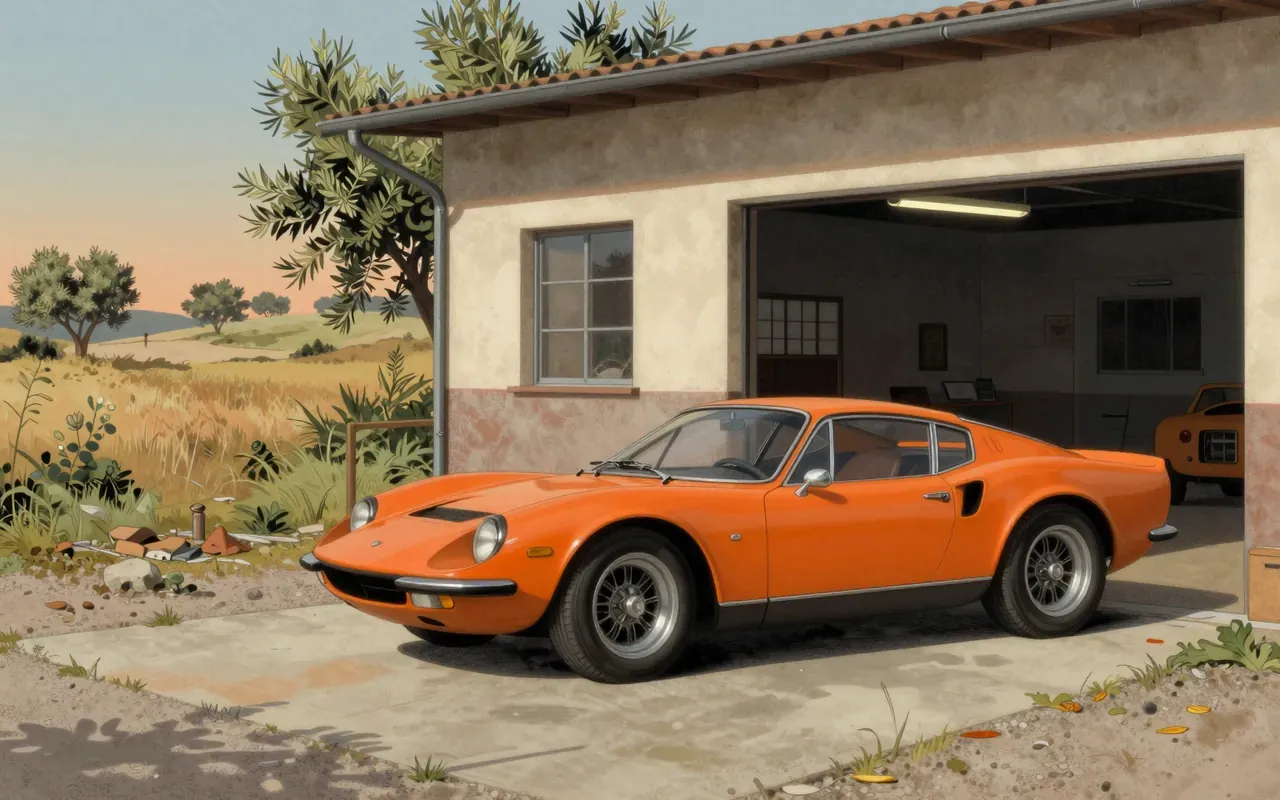
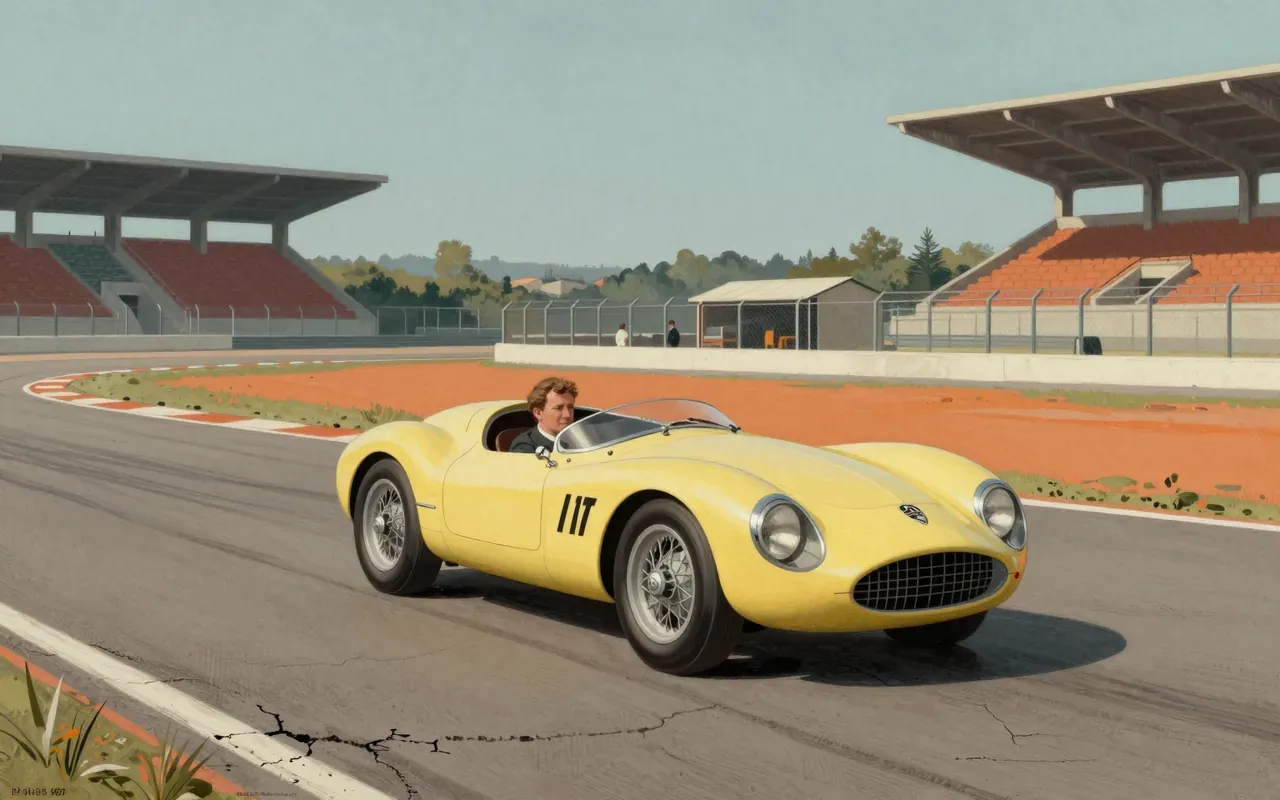
Citroën SM

Robert Opron · 1970

The Citroën SM is a high-performance coupé produced by Citroën from 1970 to 1975, featuring a 2.7 L V6 engine and front-engine, front-wheel-drive layout. It was developed as a Gran Tourer using Maserati's engine technology and Citroën's suspension, debuted at the 1970 Geneva Motor Show, and sold initially in France in September 1970. All factory-produced units were left-hand-drive, and its design was constrained by French puissance fiscale taxation.
10:57

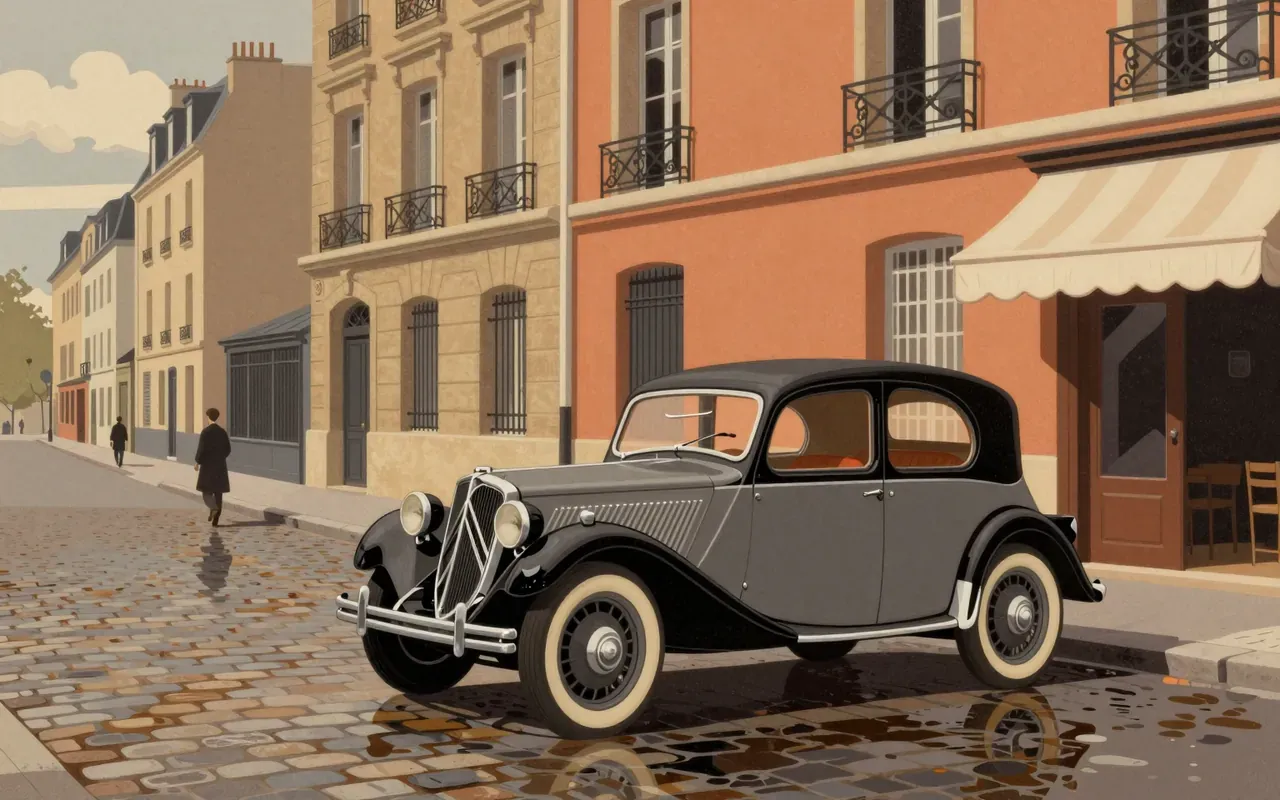
Citroën Traction Avant

Flaminio Bertoni · 1934

The Citroën Traction Avant redefined what a production car could be — not through novelty, but through integration. Its welded unitary body, front-wheel drive, and four-wheel independent suspension formed a coherent system. It did not chase speed or luxury. It solved for lightness, space, and real-world composure. Its influence is structural, not stylistic.

10:06

Citroën XM

Bertone · 1989

The Citroën XM is a pivotal failure: technically audacious, commercially inert, and stylistically isolated. It advanced hydropneumatic suspension into the electronic age — but lost the emotional and mechanical connection that made Citroën’s earlier flagships endure.

10:21

Cizeta-Moroder V16T

Marcello Gandini · 1991

The Cizeta-Moroder V16T is a self-contained argument in sheet metal and alloy: that a car’s reason for being can be singular, uncompromising, and entirely divorced from utility.

9:26

Dacia 1300

Renault · 1969

The Dacia 1300 is a Romanian-built, Renault 12–based medium-sized family car launched in 1969 under a state-directed initiative to reduce import dependence; it was required to be inexpensive, family-sized, and equipped with ≤1.3 L engine; Renault 12 was chosen over rivals for technical and political reasons; body styles included sedan, estate, and pickup truck; the name '1300' denotes engine displacement.

10:04

De Tomaso Mangusta

Giorgetto Giugiaro · 1967

De Tomaso Mangusta (1967) — a Giugiaro-designed mid-engined sports car built on a modified P70 steel backbone chassis, with Ford V8 power and a distinctive gull-wing bonnet. 401 units produced. Suffered from handling instability, cramped cabin, and low ground clearance.

9:45

De Tomaso Pantera

Tom Tjaarda · 1971

The De Tomaso Pantera is a mid-engine, rear-wheel-drive sports car designed by Tom Tjaarda at Ghia in 1970 and built by Italian manufacturer De Tomaso from 1971 to 1992. Its steel monocoque chassis was the brand’s first use of that construction. Over 7,000 units were produced—the most of any De Tomaso—with more than three quarters sold through Lincoln-Mercury dealers in the US between 1972 and 1975.

9:52

De Tomaso Vallelunga

Fissore · 1964

The De Tomaso Vallelunga is a foundational mid-engine sports car. Its aluminium Fissore body, Ford Kent engine and Volkswagen transaxle formed a lightweight, race-derived package—built in just fifteen examples before production shifted to Ghia. It is historically significant but physically sparse: no performance data, no driver testimonials, no surviving service history. Its value lies entirely in its architecture and provenance—not its execution.

10:29

Dodge Charger Daytona

Chrysler Engineering · 1969

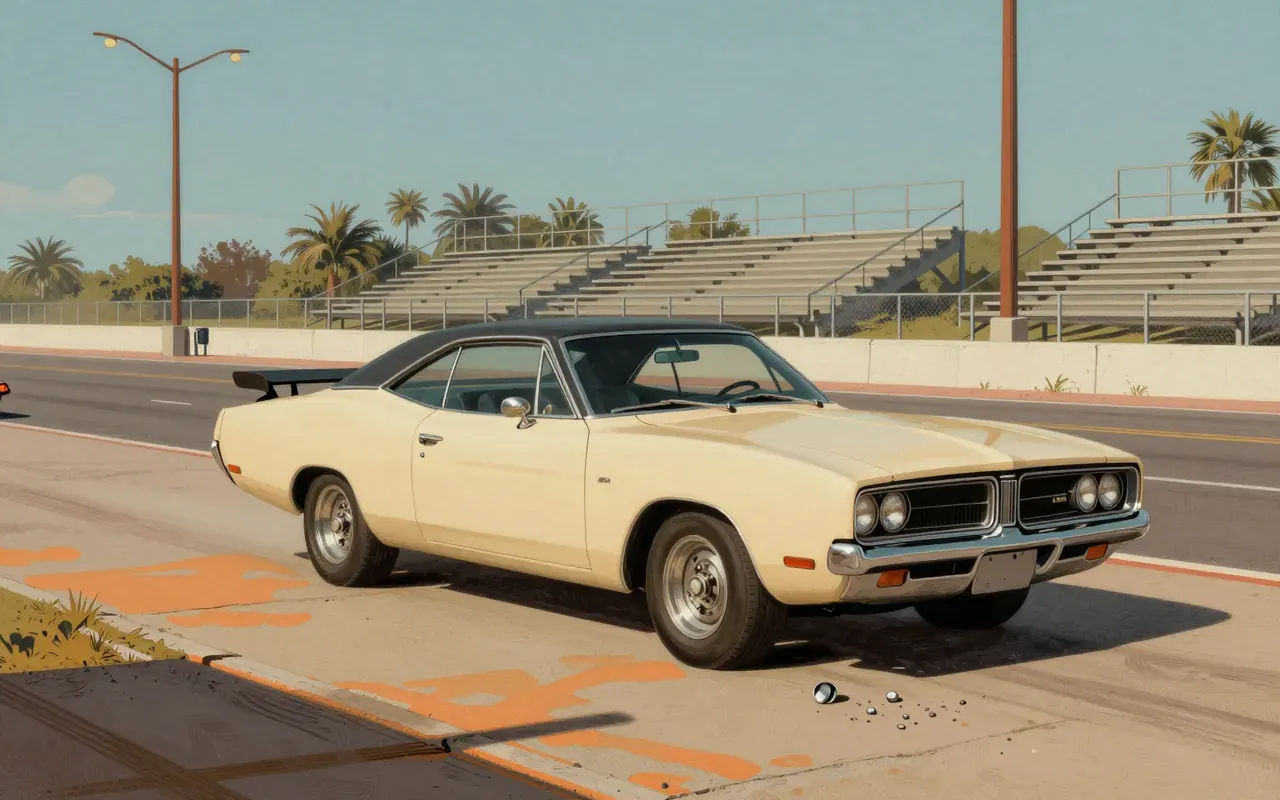
The 1969 Dodge Charger Daytona is a purpose-built NASCAR racer derived from the Charger R/T. It introduced radical aerodynamics — nose cone and rear wing — to achieve stability at 200 mph. It won six races and changed how American manufacturers approached superspeedway competition. It is not a grand tourer, not a collector’s lounge piece, and not a design exercise — it is a documented response to a specific racing problem.

10:16

Duesenberg Model J

Gordon Buehrig · 1928

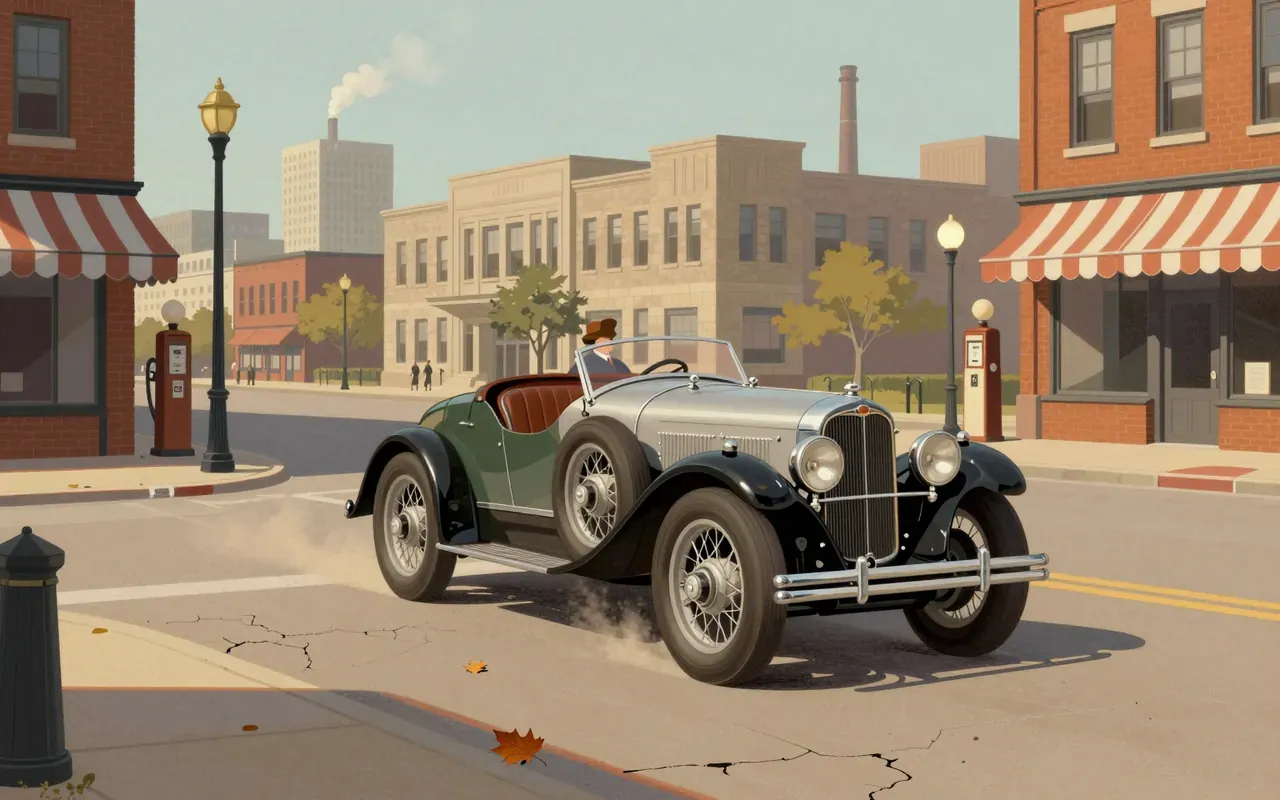
The Duesenberg Model J is a luxury automobile made by Duesenberg, debuting in 1928 and offered for ten years. Gordon Buehrig, aged 25 and chief body designer for Duesenberg, designed it. Its 420 cu in straight-eight engine produced 265 horsepower in normally aspirated form, surpassing all larger-engined rivals. It achieved 116 mph top speed and 89 mph in second gear — making it both the fastest and most expensive American automobile on the market. It was intended to compete with the most luxurious and powerful cars in the world, launching the year before the 1929 stock market crash. Duesenberg Motors Company went bankrupt in 1937. Only the chassis and engine were factory-made; bodies were custom-built by third-party coachbuilders. Of 481 Model Js produced, about 378 survive.

10:18

Ferrari 250 GTO

Giotto Bizzarrini · 1962

The Ferrari 250 GTO is a front-engine, RWD grand tourer built between 1962 and 1964. Giotto Bizzarrini led its development from 1960 to improve aerodynamics over the 250 GT SWB. It used wind tunnel testing at Pisa University, a hand-welded oval tube frame, all-aluminium bodywork by Scaglietti, and a dry-sumped Tipo 168/62 Comp. 3.0 L V12. Only 36 were built after Ferrari counted earlier 250 GT SWB units toward FIA Group 3 homologation. It features a belly pan and underbody spoiler formed by the fuel tank cover.

11:06

Ferrari 456

Pietro Camardella · 1992

The Ferrari 456 is a front-engine grand tourer produced by Ferrari from 1992 to 2003. Designed by Pietro Camardella at Pininfarina and introduced in October 1993, it succeeded the 412 as Ferrari’s V12-powered four-seater. Its design drew heavy inspiration from the 365 GTB Daytona. It was offered in GT (six-speed manual) and GTA (four-speed automatic, from 1996) trims. The automatic transmission was Ferrari’s second and last conventional hydraulic automatic with torque converter. Its 5.5 L 65° V12 engine was derived from the Dino V6 — not the 60° V12s used in the 412 and Daytona.

8:29

Ferrari Enzo

Ken Okuyama · 2002

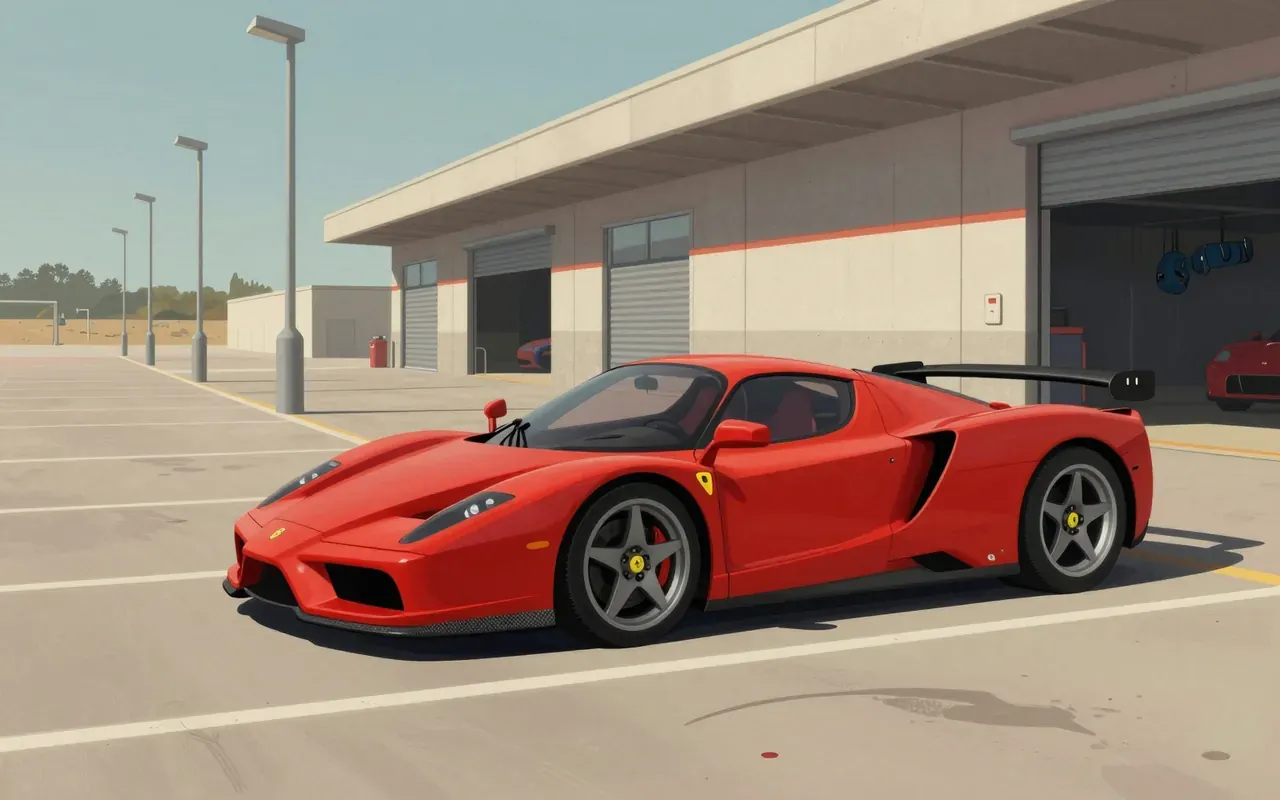
The Ferrari Enzo is a mid-engine sports car developed by Ferrari in 2002, named after Enzo Ferrari, and designed by Ken Okuyama while at Pininfarina. It uses a naturally aspirated 65° V12 engine, rear mid-engine/rear-wheel-drive layout, and an automated manual F1 gearbox. Production spanned 2002–2004 with 498 units built. It was developed using Formula One technology including a carbon-fibre body, automated-shift manual transmission, ceramic composite disc brakes, and active aerodynamics. Its F140 B V12 engine was the first of a new generation for Ferrari. It was announced at the 2002 Paris Motor Show with a limited production run of 399 units, later increased to 498. Ken Okuyama designed and supervised its design at Pininfarina before becoming Creative Director there in 2004. In 2022, he was arrested for speeding in an Enzo at 88 km/h over the limit.

9:07

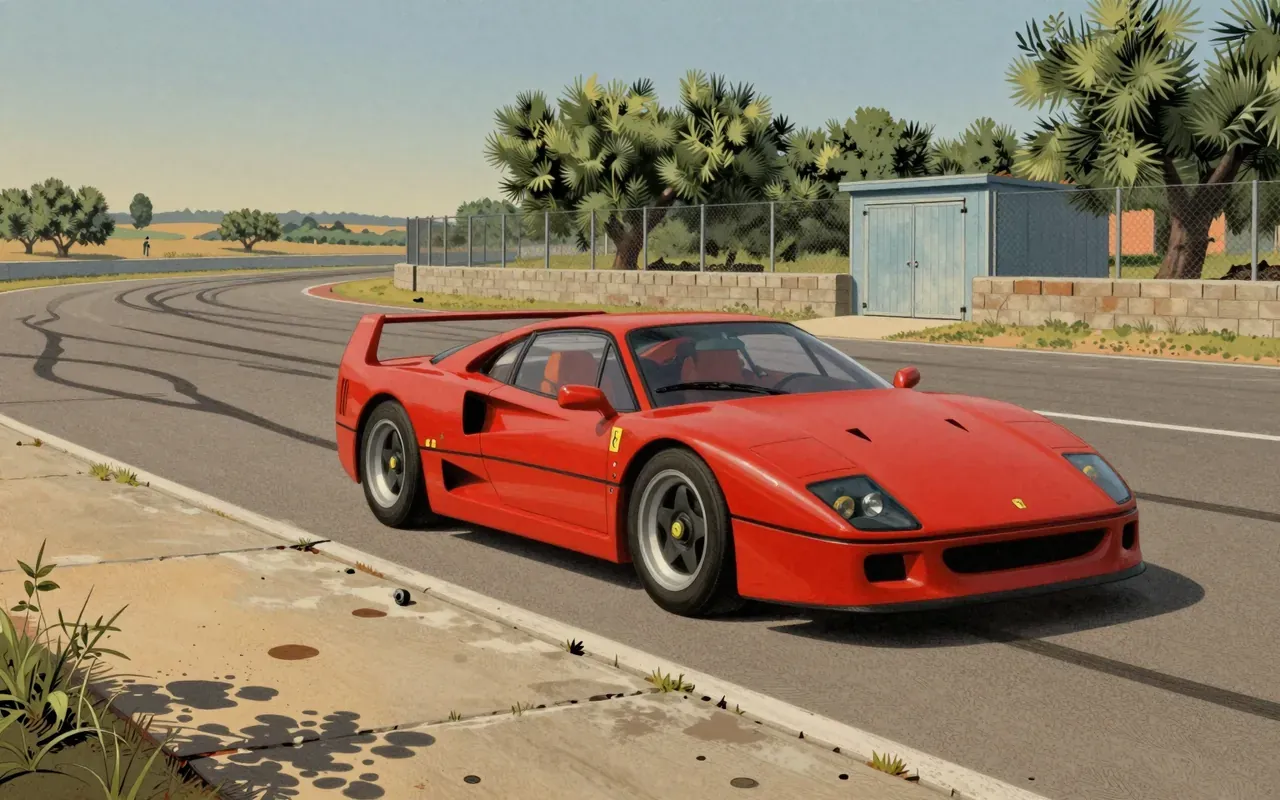
Ferrari F40

Pietro Camardella · 1987

The Ferrari F40 is a mid-engine, rear-wheel drive sports car designed by Pietro Camardella under Pininfarina, powered by a 2.9 L twin-turbocharged and intercooled V8, produced from 1987 to 1993 in 1,311–1,315 units, all originally in Rosso Corsa and left-hand drive, and that it was Ferrari's final forced induction engine until 2014.

10:25

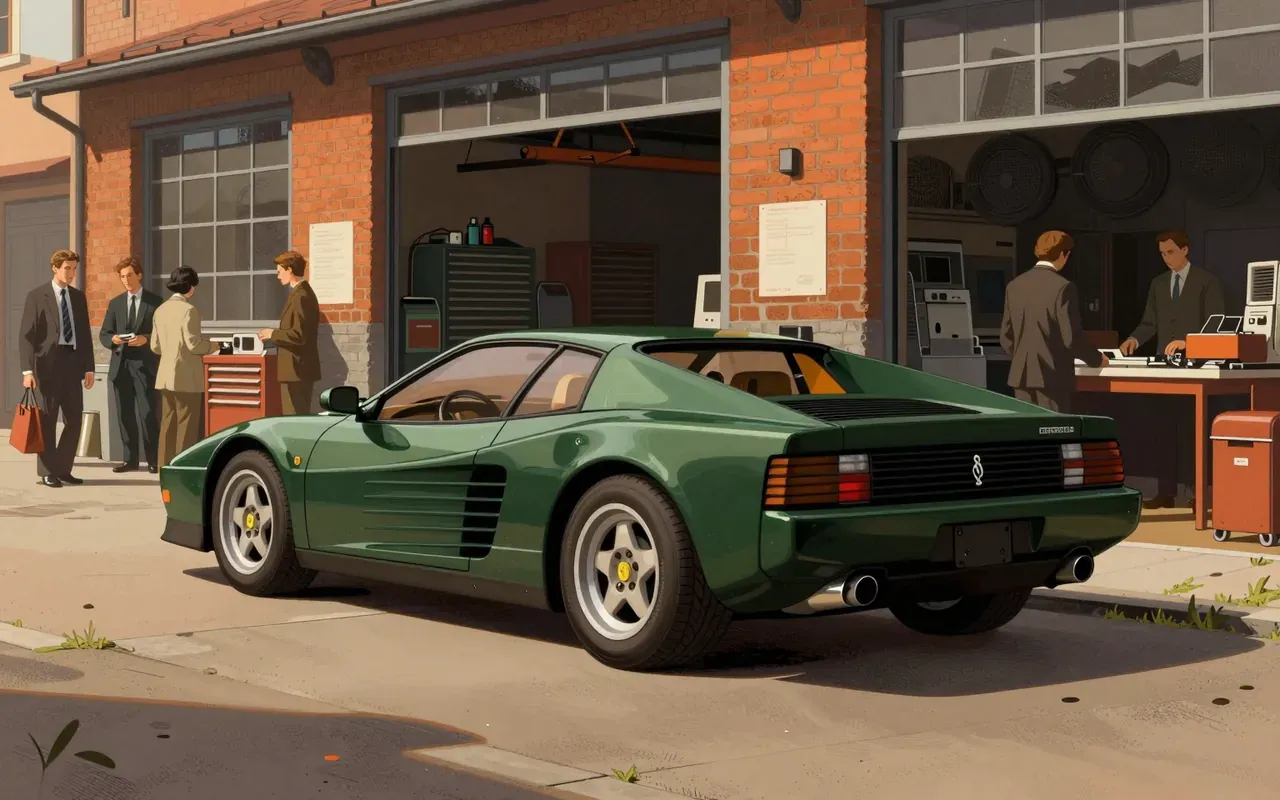
Ferrari Testarossa

Pininfarina · 1984

The Testarossa is a Pininfarina-designed, two-door coupé introduced in 1984 as the successor to the Berlinetta Boxer. It features a 4.9 L flat-12 engine and rear mid-engine/RWD layout. Production ran from 1984 to 1991, followed by the 512 TR and F512 M until 1996. Nearly 10,000 Testarossa-series cars were produced. It was developed to resolve thermal and packaging issues of the 512 BBi and is distinguished by its side strakes, twin rear radiators, and aerodynamic efficiency. Designers included Diego Ottina, Guido Campoli, Ian Cameron, and Emanuele Nicosia. It is a cultural icon of the 1980s, popularised by Miami Vice and Out Run.

9:44

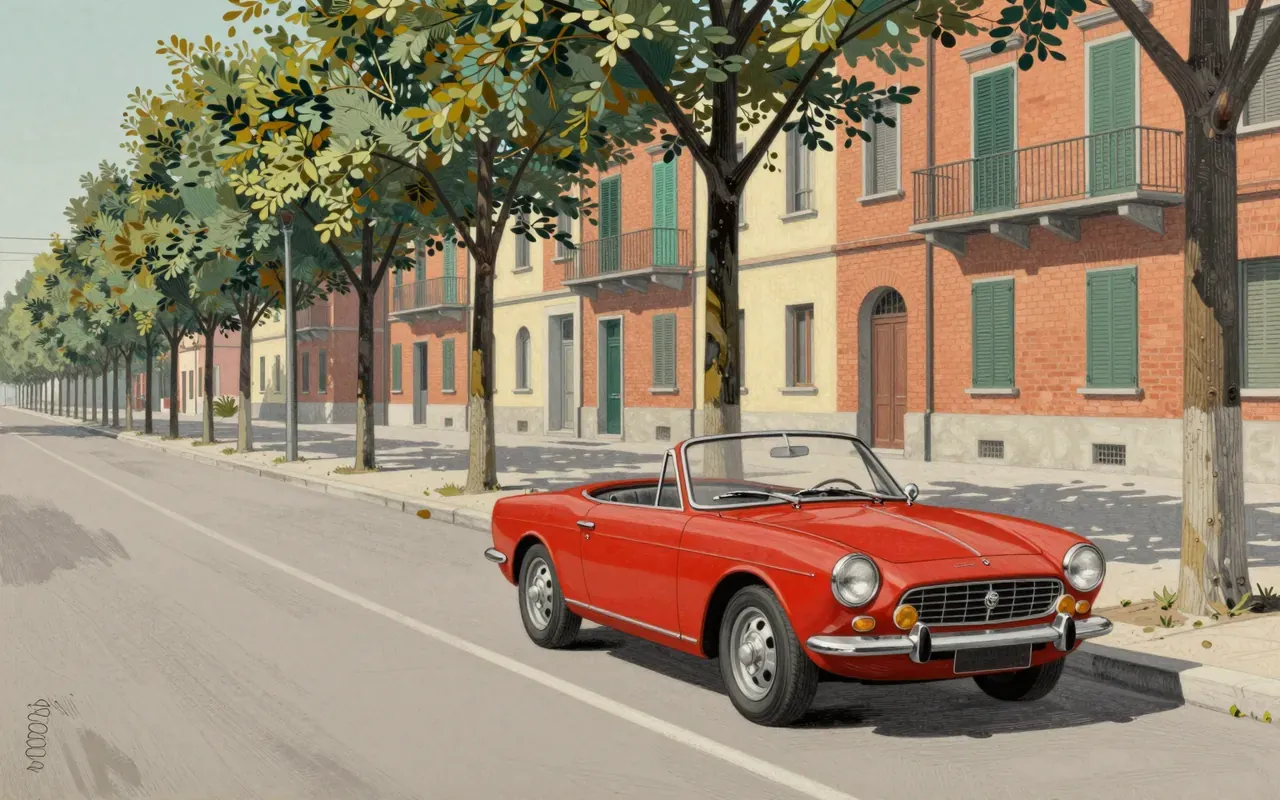
Fiat 124 Sport Spider

Tom Tjaarda · 1966

The Fiat 124 Sport Spider is a convertible sports car designed by Pininfarina and styled by Tom Tjaarda. It debuted at the November 1966 Turin Auto Show. It used monocoque construction and a front-engine/rear-wheel-drive layout. Fiat marketed it from 1966 to 1982. Pininfarina continued production under its own name until 1985.

10:02

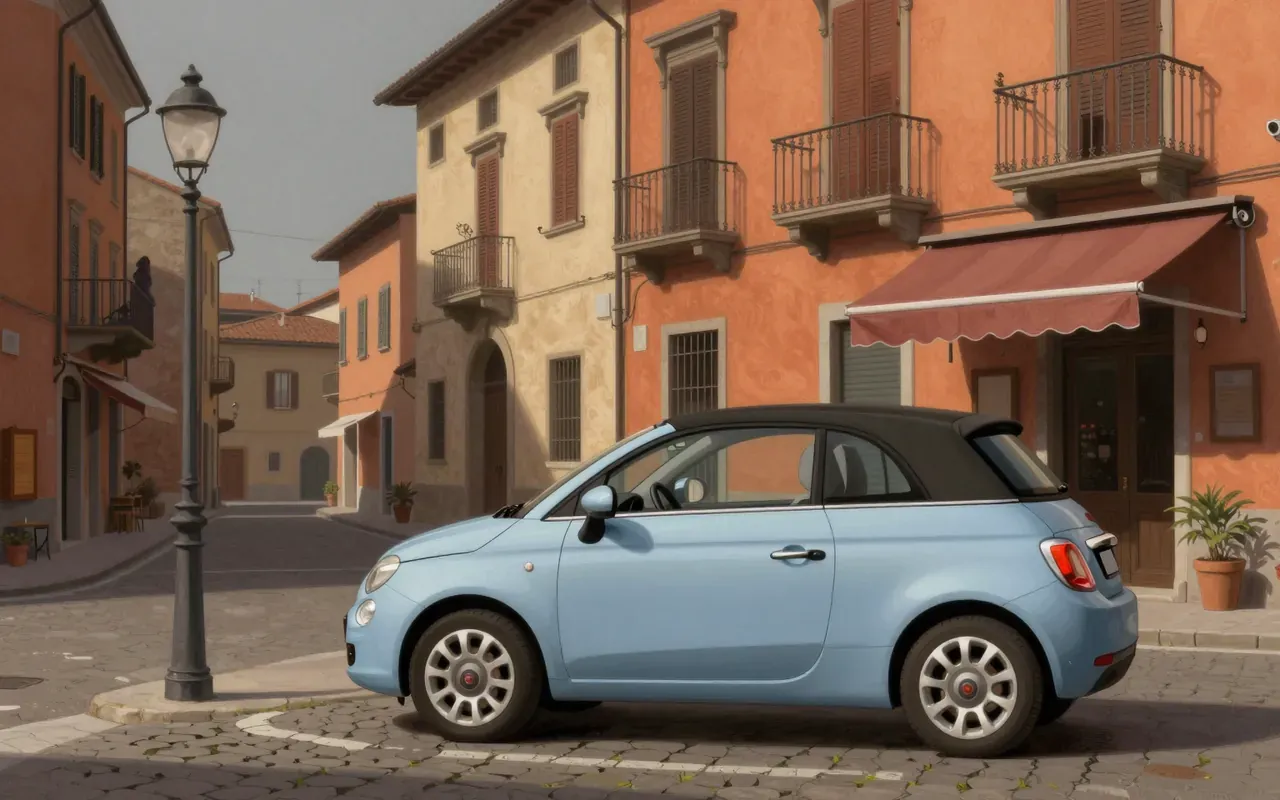
Fiat 500

Dante Giacosa · 1957

The Fiat 500 (1957) is a foundational microcar — not a scaled-down sedan, but a rethinking of mobility for postwar Italian cities. Designed by Dante Giacosa, it prioritises dimension, weight, and layout over comfort or power. Its 479 cc air-cooled twin, unsynchronised gearbox, suicide doors, and sub-500 kg mass make it physically immediate and spatially precise. It won the 1959 Compasso d’Oro for ‘courageous renunciation’ — a verdict confirmed by 181,036 units built before 1960. It is essential study for anyone interested in how constraints shape intelligent machines.

10:28

Fiat 500e

FCA Centro Stile · 2012

The Fiat 500e is an electric city car that redefines the 500 lineage without abandoning its visual language. It trades engine noise for immediacy, space for charm, and range for urban precision.

11:14

Fiat 600

Dante Giacosa · 1955

The Fiat 600 is a foundational rear-engined microcar that redefined packaging and suspension logic for mass-market mobility.

11:44

Fiat Barchetta

Andreas Zapatinas · 1995

The Fiat Barchetta is a roadster — not a convertible, not a sports car in the modern sense, but a barchetta: open, light, and purpose-built for the act of driving. Designed by Andreas Zapatinas and Alessandro Cavazza, it uses a shortened Mark 1 Fiat Punto chassis and a 1,747 cc DOHC four-cylinder engine producing 131 PS at 6,300 rpm. Built from 1995 to 2005, it delivers immediacy over isolation, simplicity over sophistication.