automotivebriefs
9:00in productionCh. 1 · Launch Timing/ 9:00 · ceiling 15 min
Sports cars

Chevrolet Corvette (C7)

It chose cost control over layout revolution—and proved the old formula still had teeth.

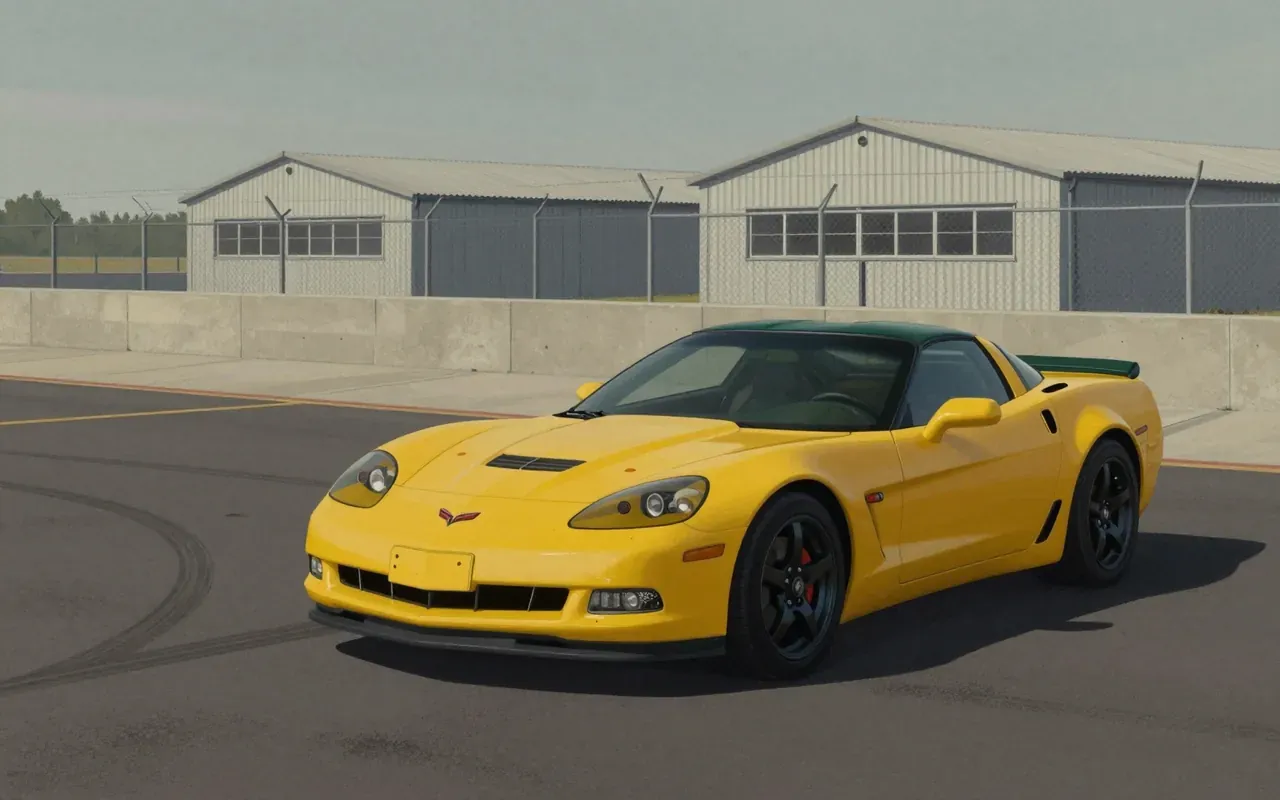
The Chevrolet Corvette (C7) is the seventh generation of the Corvette sports car, manufactured by Chevrolet from 2014 until 2019.

Chapters & takeaways5
  1. 1:02
    Launch Timing

    The C7 launched as the 2014 Corvette Stingray, with coupe deliveries in September 2013 and convertible production starting at year-end.

  2. 2:07
    Layout Choice

    It kept the front mid-engine, rear-wheel-drive layout—rejecting mid- and rear-engine alternatives to hold down costs.

  3. 3:03
    Engine Output

    Its all-new LT1 6.2 L Small Block V-8 produces 460 hp and 465 lb·ft of torque.

  4. 4:29
    Suspension Design

    Suspension uses independent unequal-length double wishbones with transverse fiberglass mono-leaf springs and optional magnetorheological dampers.

  5. 5:50
    Materials Use

    It features a carbon fibre hood and removable roof panel—lightweight touches applied selectively.

Worth your time?

Yes. Drive the whole thing.

3.5/ 5
What works
  • front mid-engine, rear-wheel-drive layout
  • LT1 6.2 L Small Block V-8 output
  • carbon fibre hood and removable roof panel
What does not
  • mid-engine layout
  • new suspension kinematics
  • chassis reinvention
Drive it if
  • buyers wanting a contemporary American sports car with proven packaging
  • buyers prioritising torque delivery and selective lightweighting
Skip it if
  • buyers seeking layout disruption
  • buyers expecting structural innovation beyond its generation
The written brief1 min read

What the car is and where it came from

The Chevrolet Corvette (C7) is the seventh generation of the Corvette sports car, manufactured by Chevrolet from 2014 until 2019. It launched as the 2014 Corvette Stingray, with coupe deliveries beginning in September 2013 and convertible production starting at the end of 2013.

How it works, in terms someone would actually use

It places the driver behind a front mid-engine, rear-wheel-drive layout. The suspension uses independent unequal-length double wishbones with transverse fiberglass mono-leaf springs. Optional magnetorheological dampers tune response without altering mechanical geometry.

What it gets right

It delivers strong torque and power from its all-new LT1 6.2 L Small Block V-8. It integrates lightweight materials where they matter most: the hood and roof. It maintains production continuity across coupe and convertible variants from late 2013.

What it does not

It does not adopt a mid-engine or rear-engine layout. It does not introduce new suspension kinematics. It does not break from the Corvette’s long-standing packaging logic.

What it changed

It confirmed Chevrolet’s commitment to the front mid-engine, rear-wheel-drive formula for cost control—not engineering ambition. It shifted materials use with a carbon fibre hood and removable roof panel, but retained suspension architecture from its predecessor.

Who it is for, and who it is not

It is for buyers who want a contemporary, high-output American sports car with proven packaging and incremental material upgrades. It is not for those seeking layout disruption, chassis reinvention, or engineering departure from the Corvette lineage.

Is it worth your time

Yes—if you want a modern American sports car that prioritises accessible performance over radical rethinking. No—if you expect structural or layout innovation beyond its generation.
Same garage · Sports cars4 of 93
9:37
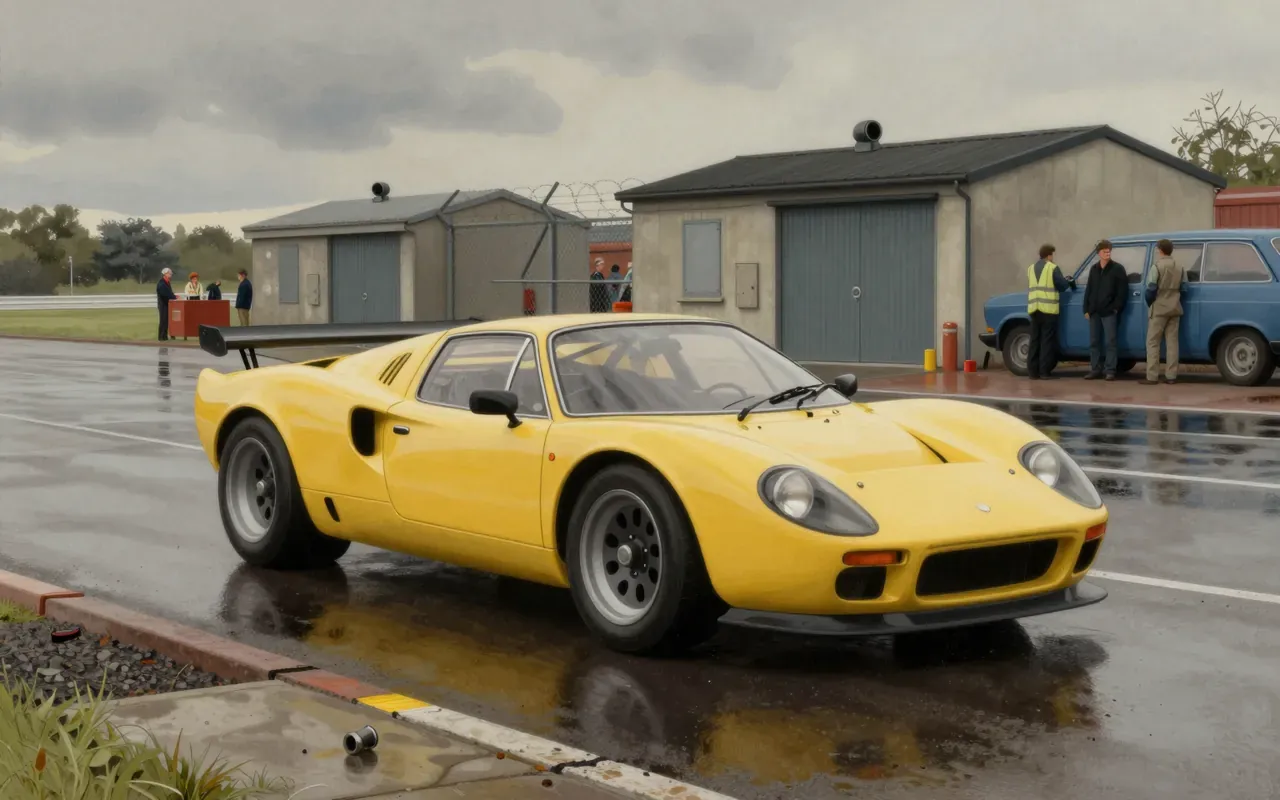
Ford RS200Ghia · 1984The Ford RS200 is a purpose-built homologation special: mid-engined, all-wheel drive, plastic-fiberglass body by Ghia, built by Reliant in Shenstone to meet FIA Group B’s 200-unit rule. It exists only to enable a rally car—not as a design statement, luxury product, or road-going evolution.
10:11
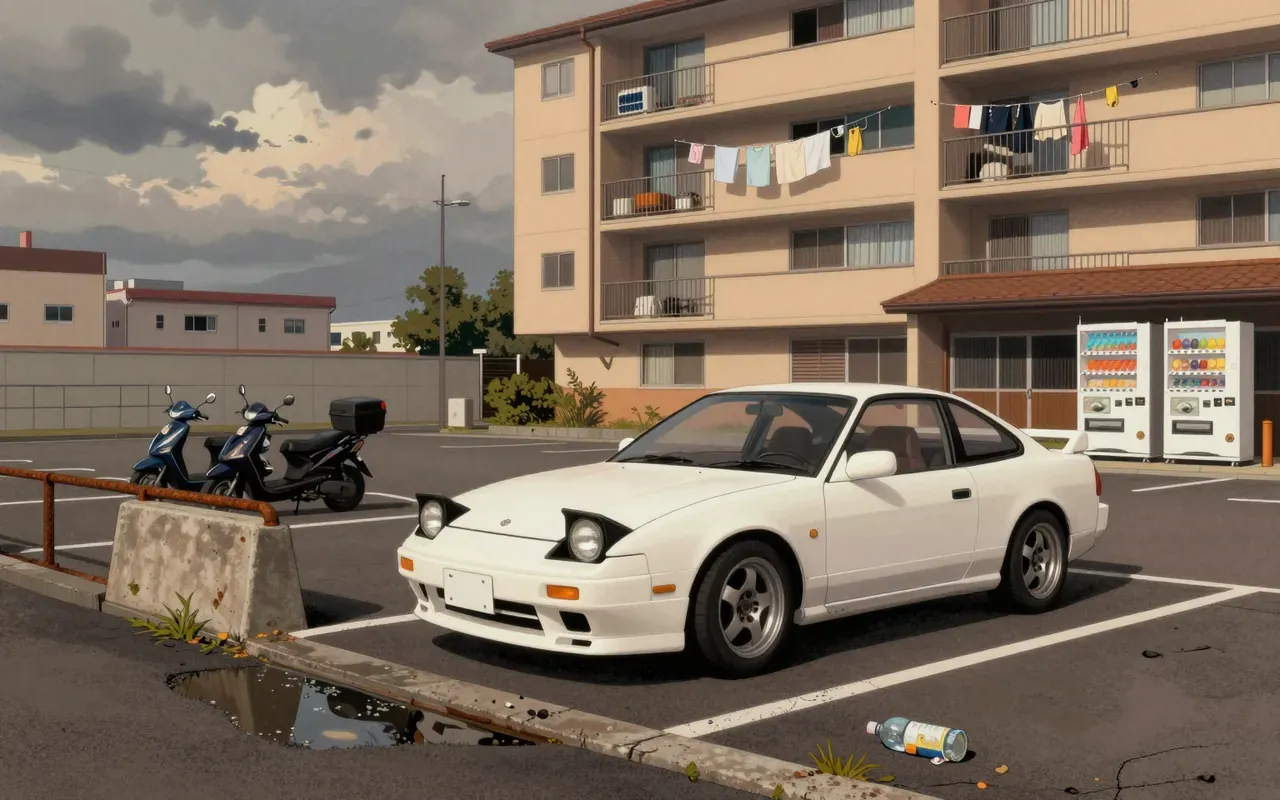
Nissan 180SXNissan · 1989The Nissan 180SX is a Japanese-market fastback built from 1988 to 1998 on the S13 platform. It featured pop-up headlights and a liftgate. It launched in March 1989 and was sold exclusively through Nissan Prince Stores alongside the Skyline and Silvia. It used the CA18DET turbo engine initially, then upgraded to the SR20DET in 1991 and added the SR20DE in 1996.
9:26
Renault Clio V6 RSRenault Sport · 2001The Renault Clio V6 RS is a radical departure from the hot hatch formula: mid-engined, rear-wheel drive, hand-built, and deliberately impractical. It exists as a mechanical argument—against front-drive orthodoxy, against shared-platform economics, against the idea that a ‘hatch’ must behave like one. Its legacy is not volume or versatility, but velocity of idea.
8:58
Saleen S7Phil Frank · 2000The Saleen S7 is an American hand-built, high-performance sports car. It debuted on August 19, 2000, at the Monterey Historic Races. It was the first fully proprietary car produced by Saleen. Phil Frank contributed the body and interior CAD design and development. Its all-aluminium engine is a bored-and-stroked derivative of Ford's 351 Windsor small block with Cleveland-style canted valve heads. It is not based on the FE big-block. It produces 550 hp (410 kW) at 6,400 rpm.
Up next in Automotive

Chevrolet Impala

Harley Earl team · 1959 · 9:38

Chevrolet launched a new flagship not with engineering, but with a name, a sketch, and three lights.

9:38