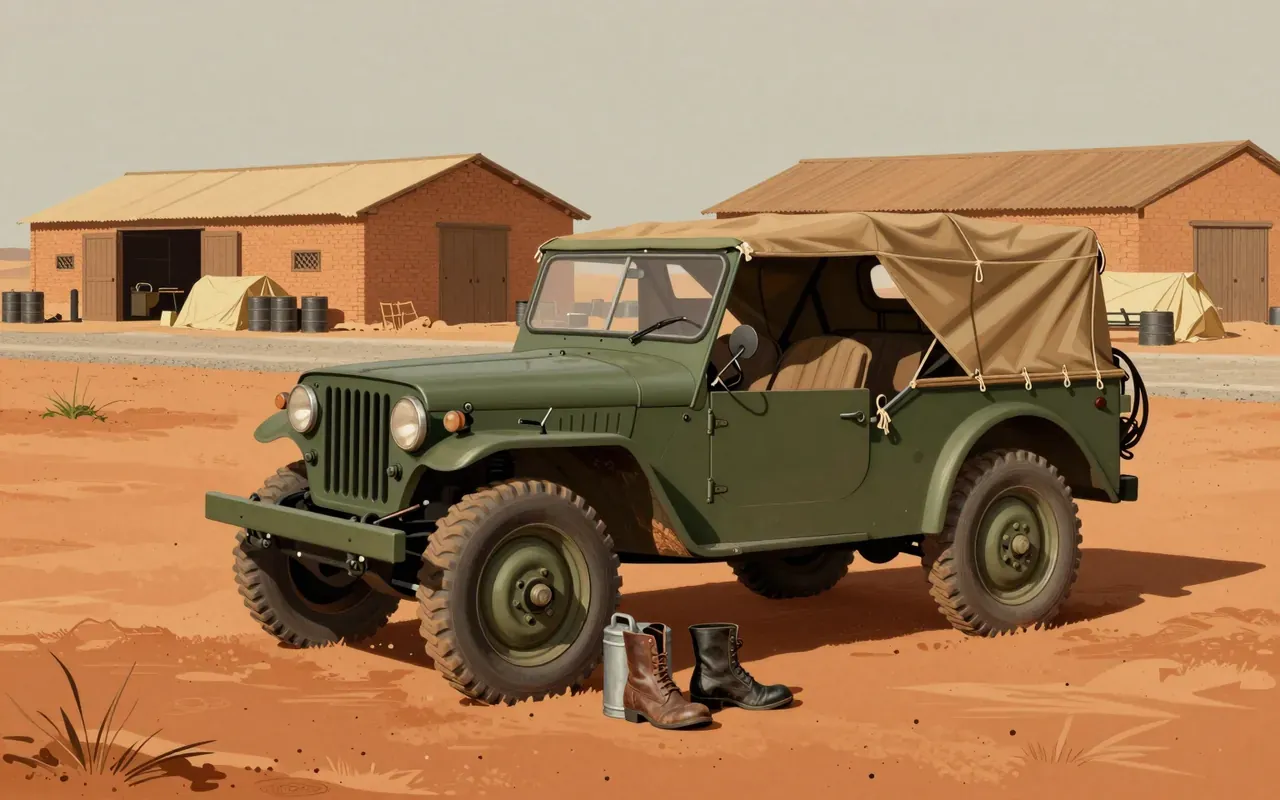
Jeep
Willys engineering · 1941
The 1941 Willys MB Jeep is the origin point of the modern off-road vehicle: a purpose-built, mass-produced, mechanically simple 4×4 designed for battlefield mobility. Its influence is structural, not stylistic.
The event the modern world still measures itself against.
The 1941 Willys MB Jeep is the origin point of the modern off-road vehicle: a purpose-built, mass-produced, mechanically simple 4×4 designed for battlefield mobility. Its influence is structural, not stylistic.
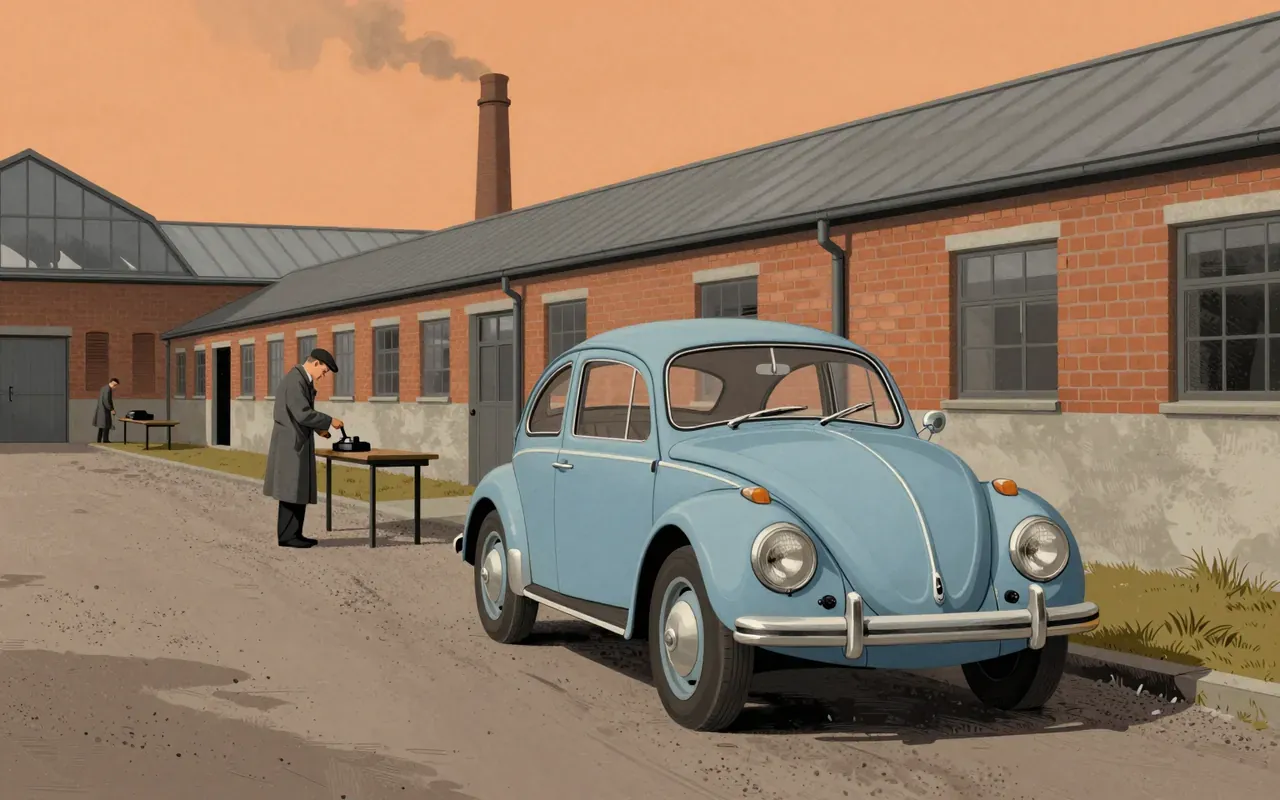
The Volkswagen Beetle is the Volkswagen Type 1. It was conceived in the early 1930s under Adolf Hitler’s directive for a 'people’s car' to serve Germany’s Reichsautobahn. Ferdinand Porsche’s team developed it from 1934, building two prototypes in 1935. Production began in 1938 but was delayed until 1945 by World War II.
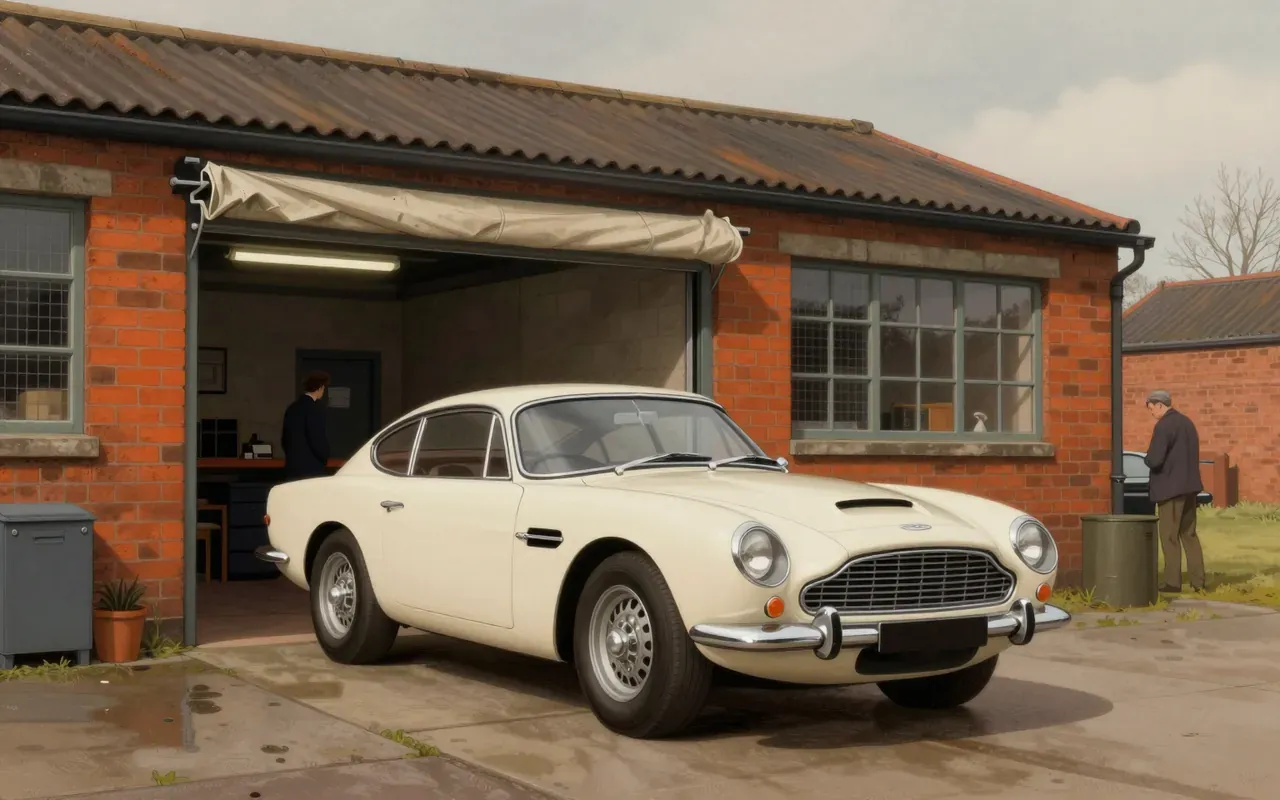
A one-off 1979 concept built to show off Newport Pagnell—and chase a title it never claimed.
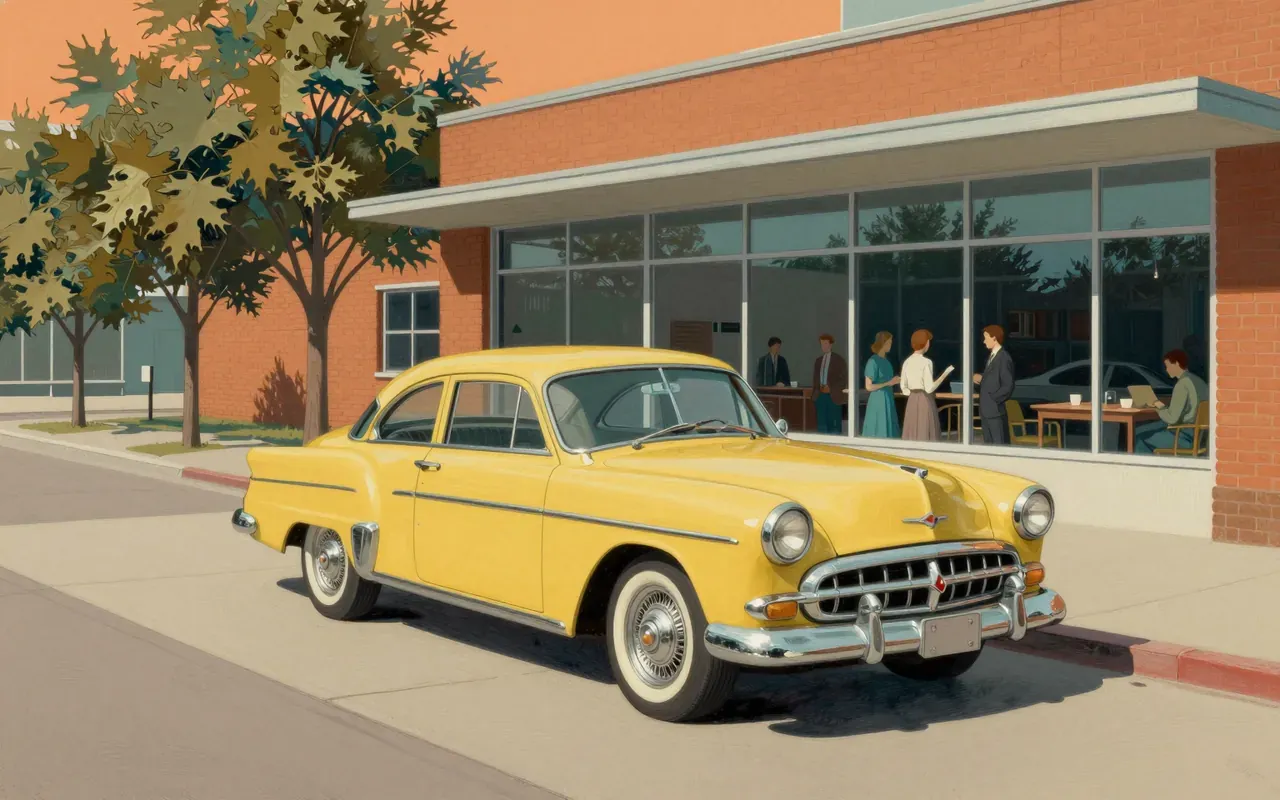
The Chrysler Turbine Car was an experimental two-door hardtop coupe designed by Elwood Engel and built by Chrysler with bodywork by Carrozzeria Ghia. It used the A-831 turbine engine, was produced in 55 units between 1963 and 1964, and featured power brakes, power steering, and a TorqueFlite transmission. All were finished in 'turbine bronze' paint.
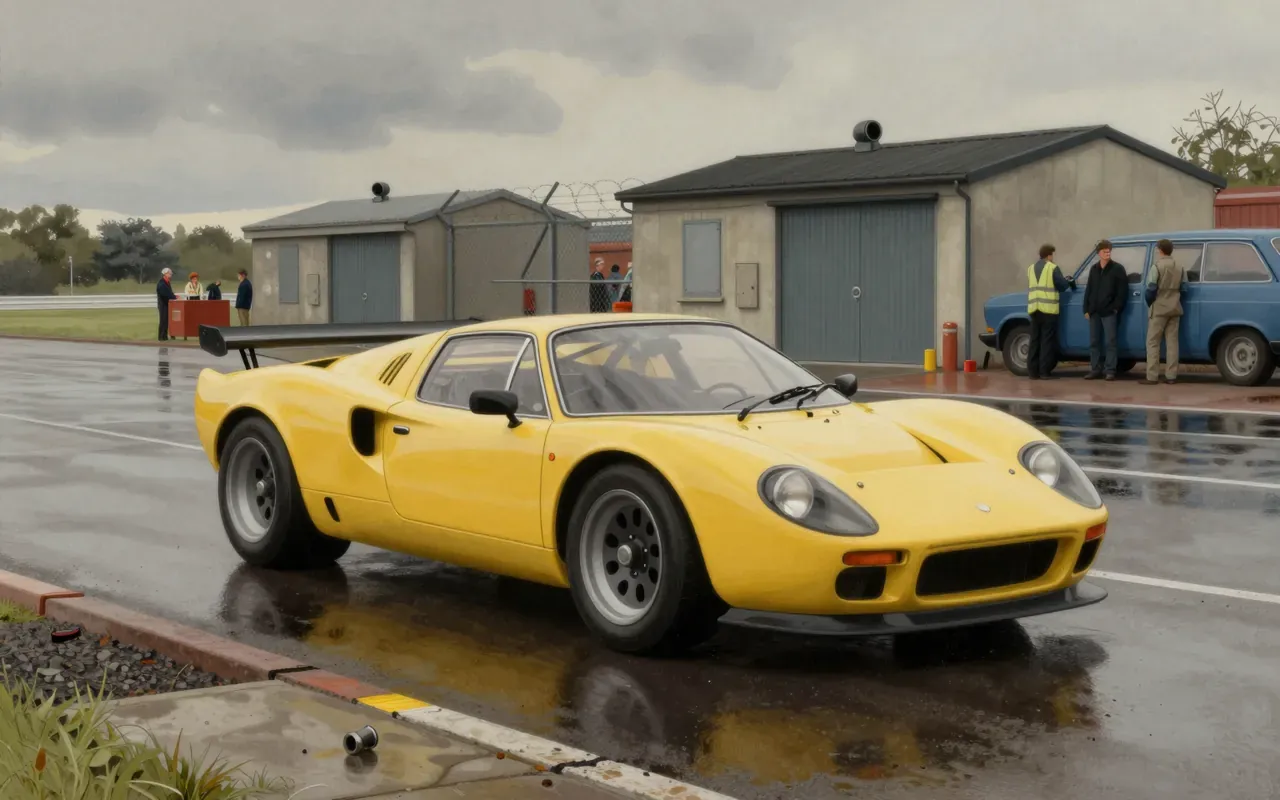
The Ford RS200 is a purpose-built homologation special: mid-engined, all-wheel drive, plastic-fiberglass body by Ghia, built by Reliant in Shenstone to meet FIA Group B’s 200-unit rule. It exists only to enable a rally car—not as a design statement, luxury product, or road-going evolution.
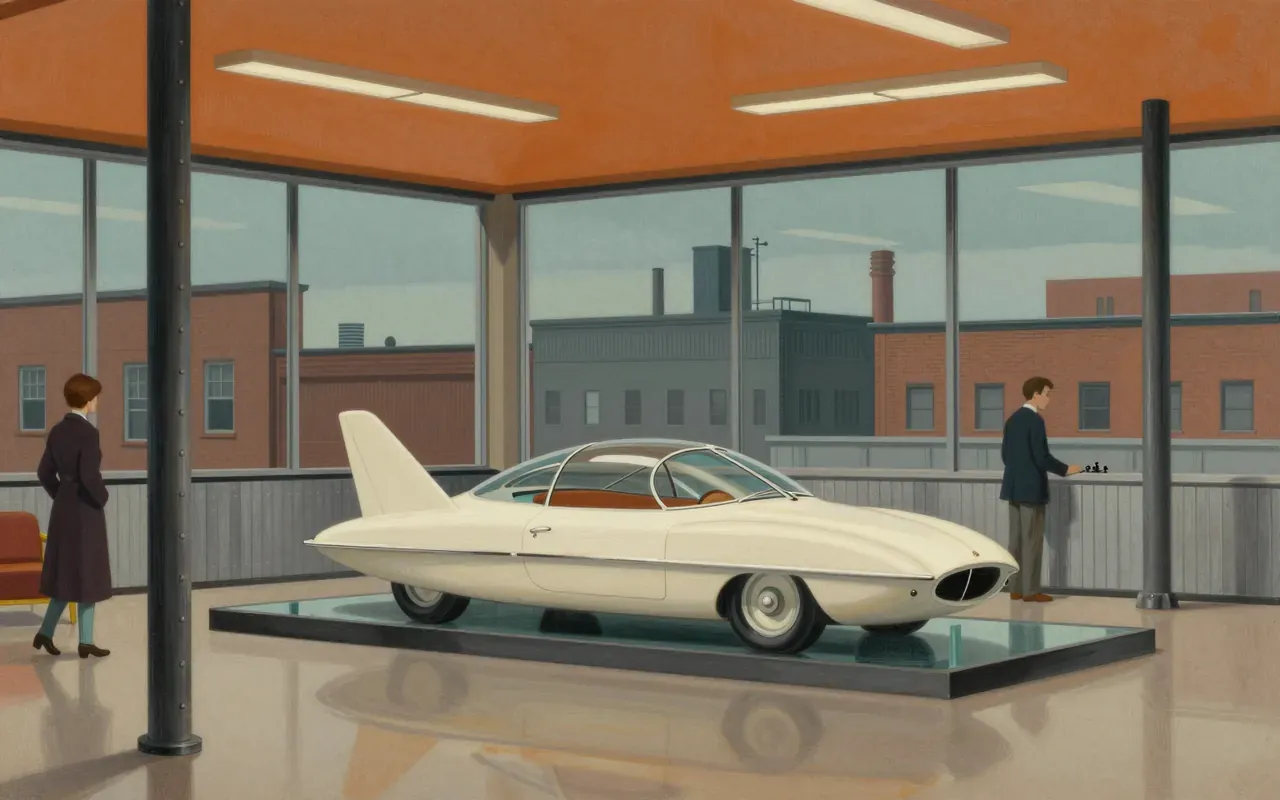
The Firebird I is a 1953 GM concept car designed by Harley Earl. It was the first gas turbine-powered car tested in the United States. It features a single-seat cockpit under a bubble canopy, a bullet-shaped fiberglass fuselage, short wings, and a vertical tail fin. It was built for the 1953 Motorama show. GM never intended it for production.