automotivebriefs
12:25in productionCh. 1 · A first in two dimensions/ 12:25 · ceiling 15 min
Road

Tata Indica

India’s first diesel hatchback wasn’t refined — it was necessary.

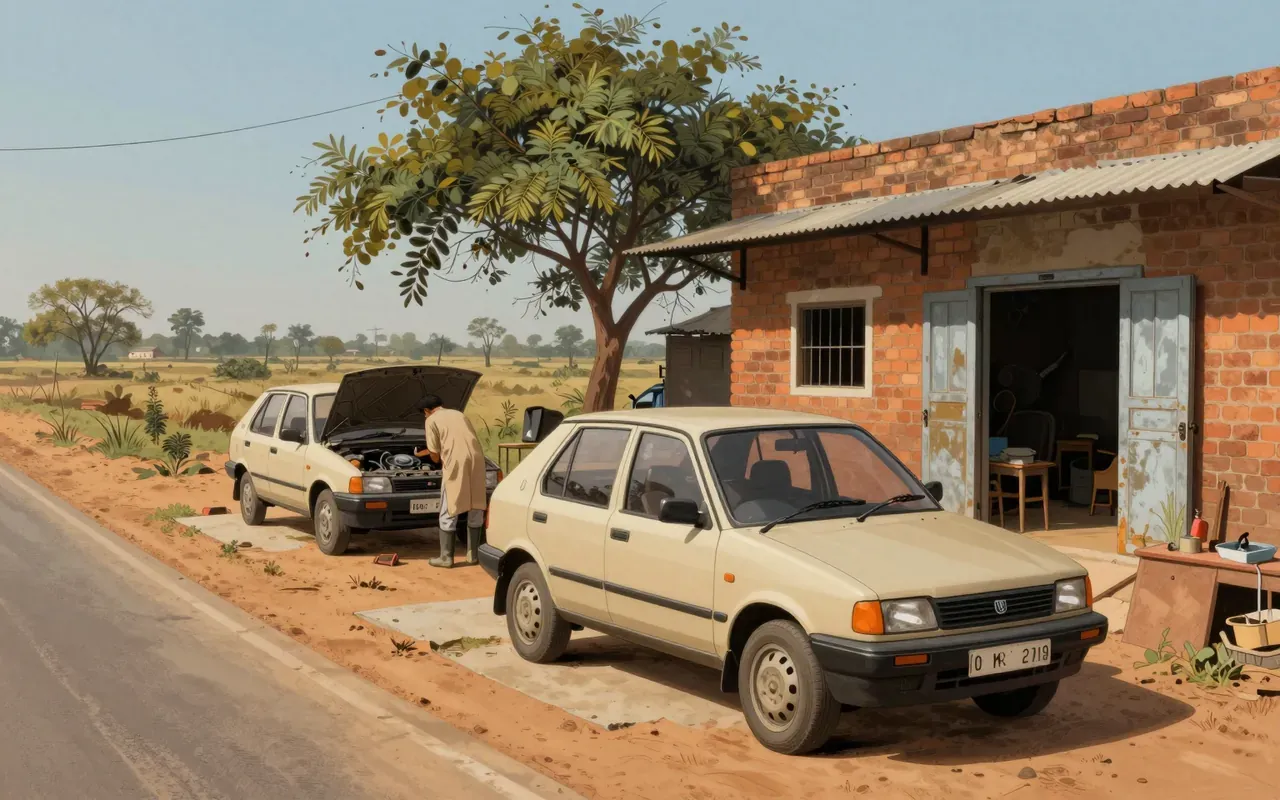
The Tata Indica (1998) is a B-segment five-door compact hatchback, India’s first diesel hatchback and Tata’s first passenger hatchback. Styled by I.DE.A Institute, it used an indigenous 1.4-L petrol/diesel inline-four engine. Early buyers reported discrepancies between promised and delivered horsepower and mileage. Production ran from 1998 to 2018.

Chapters & takeaways4
  1. 0:56
    A first in two dimensions

    It was Tata’s first passenger hatchback — and India’s first diesel hatchback.

  2. 2:48
    Designed in Turin, engineered in Pune

    An Italian studio shaped its five-door hatchback form, built around an indigenous 1.4-L engine.

  3. 4:36
    Homegrown power, untested promise

    The 1.4-L petrol/diesel inline-four was wholly Indian — and wholly unproven at launch.

  4. 5:58
    The gap between brochure and road

    Early buyers found its real-world performance fell short of marketing claims.

Worth your time?

Yes. Drive the whole thing.

3.5/ 5
What works
  • packaging a B-segment hatchback for Indian roads and conditions
  • establishing a domestic design-and-engineering pipeline for Tata Motors
What does not
  • deliver promised horsepower or mileage
  • use rear-wheel drive outside the Silhouette concept
Drive it if
  • readers interested in industrial self-reliance
  • readers studying post-liberalisation Indian manufacturing
  • readers tracking localisation of global car formats
Skip it if
  • readers seeking driving dynamics
  • readers seeking technical novelty
  • readers seeking aesthetic influence
The written brief1 min read

What the car is and where it came from

The Tata Indica is a B-segment compact hatchback launched by Tata Motors in 1998. It was India’s first diesel hatchback and Tata’s first passenger hatchback. Its outer body styling was designed by I.DE.A Institute.

How it works, in terms someone would actually use

It is a five-door compact hatchback with a 1.4-L petrol/diesel inline-four engine. The engine is indigenous. It uses front-wheel drive in production form.

What it gets right

It gets right the packaging of a B-segment hatchback for Indian roads and conditions. It establishes a domestic design-and-engineering pipeline for Tata Motors.

What it does not

It does not deliver the horsepower or mileage promised at launch. It does not use rear-wheel drive outside the Silhouette concept variant.

What it changed

It changed expectations for domestically designed Indian passenger cars. It proved a diesel hatchback could be mass-produced locally.

Who it is for, and who it is not

It is for readers interested in industrial self-reliance, post-liberalisation Indian manufacturing, and the mechanics of localising global car formats. It is not for readers seeking driving dynamics, technical novelty, or aesthetic influence.

Is it worth your time

Yes — as a pivot point in Indian automotive history, not as a driver’s tool or engineering reference.
Same garage · Road4 of 82
8:59
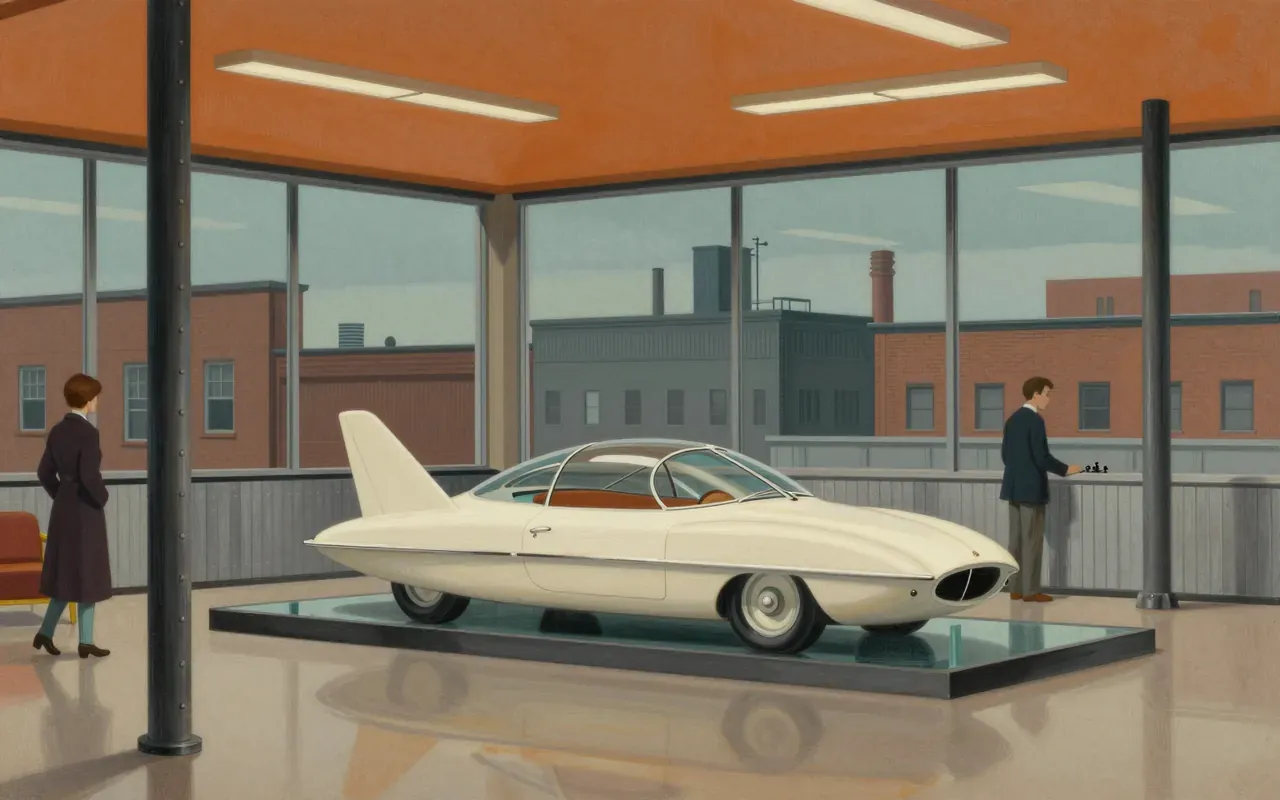
General Motors FirebirdHarley Earl · 1953The Firebird I is a 1953 GM concept car designed by Harley Earl. It was the first gas turbine-powered car tested in the United States. It features a single-seat cockpit under a bubble canopy, a bullet-shaped fiberglass fuselage, short wings, and a vertical tail fin. It was built for the 1953 Motorama show. GM never intended it for production.
9:57
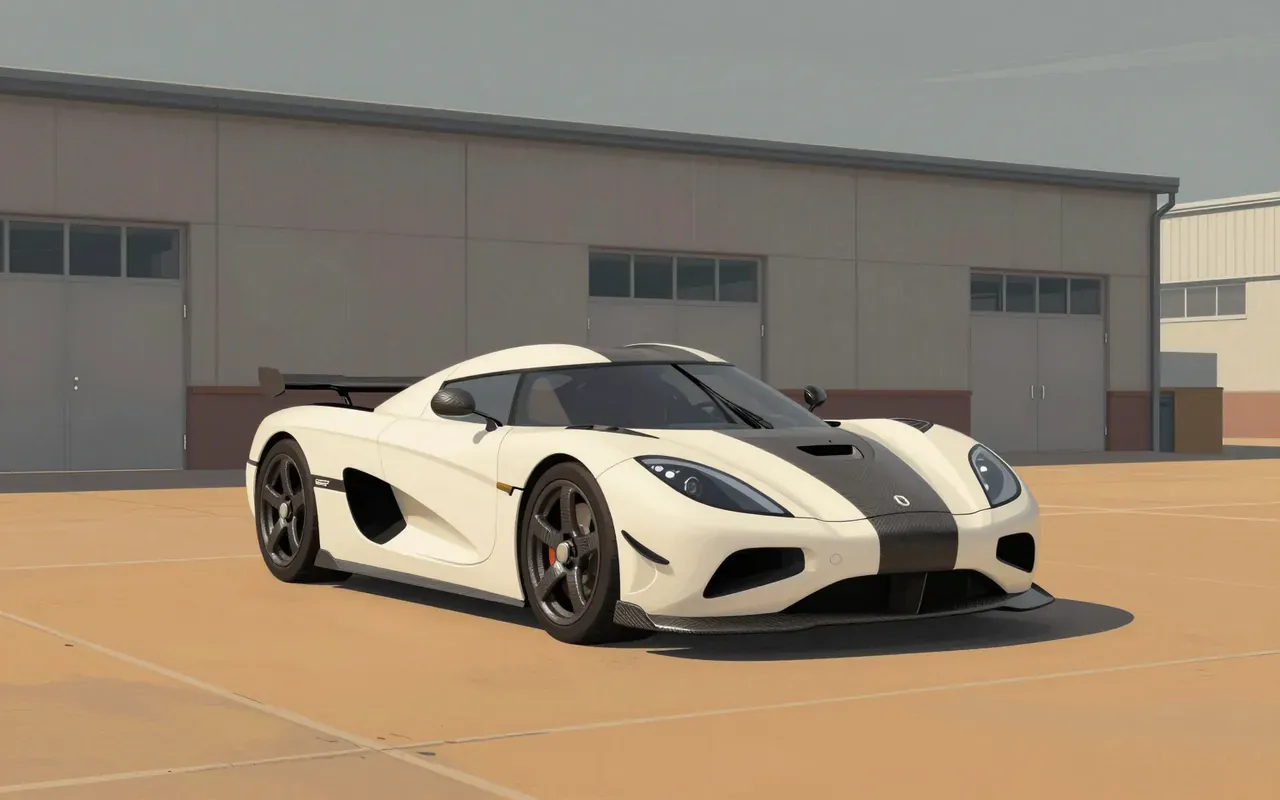
Koenigsegg CC8SChristian von Koenigsegg · 2002The CC8S is the first production car from Koenigsegg Automotive. It is a mid-engine, rear-wheel-drive targa top sports car built from 2002 to 2004 in six units. It introduced the dihedral synchro-helix doors and front-trunk roof stowage. It won the Guinness World Record for Most Powerful Production Engine and design awards from Red Dot and Utmärkt Svensk Form. It was developed from the CC prototype after eight years of research and development beginning in 1994. Chassis, suspension, brakes and other components were designed in-house. The pre-production car debuted at the 2000 Paris Auto Show. Its unique features include the front-trunk roof storage (unlike the Ferrari F50), the dihedral synchro-helix doors, and a central free-flowing exhaust based on the 'Rocket Cat Principle'. Christian von Koenigsegg and David Crafoord co-created the design concept.
10:57
Alfa Romeo 156Walter de Silva · 1997The Alfa Romeo 156 is a compact executive car introduced at the 1997 Frankfurt Motor Show to replace the 155. Designed by Walter de Silva, it won the 1998 European Car of the Year award. It was produced from 1996 to 2007 in saloon, Sportwagon, and Crosswagon bodystyles. Assembly occurred in Pomigliano d'Arco, Italy and Rayong, Thailand. 673,435 units were built.
9:33
Alfa Romeo 4CMarco Tencone · 2013The Alfa Romeo 4C is a focused, uncompromising expression of mid-engined sports car logic—light, stiff, direct. It sacrifices isolation and utility to sharpen the connection between driver and road. Its design solves for feedback, not comfort.
Up next in Automotive

Tatra 603

František Kardaus · 1956 · 9:30

A state-issued aerodynamic saloon that treated drag reduction as doctrine—and kept it alive long after the world moved on.

9:30