automotivebriefs
10:16in productionCh. 1 · Not a car. An option./ 10:16 · ceiling 15 min
Sports cars

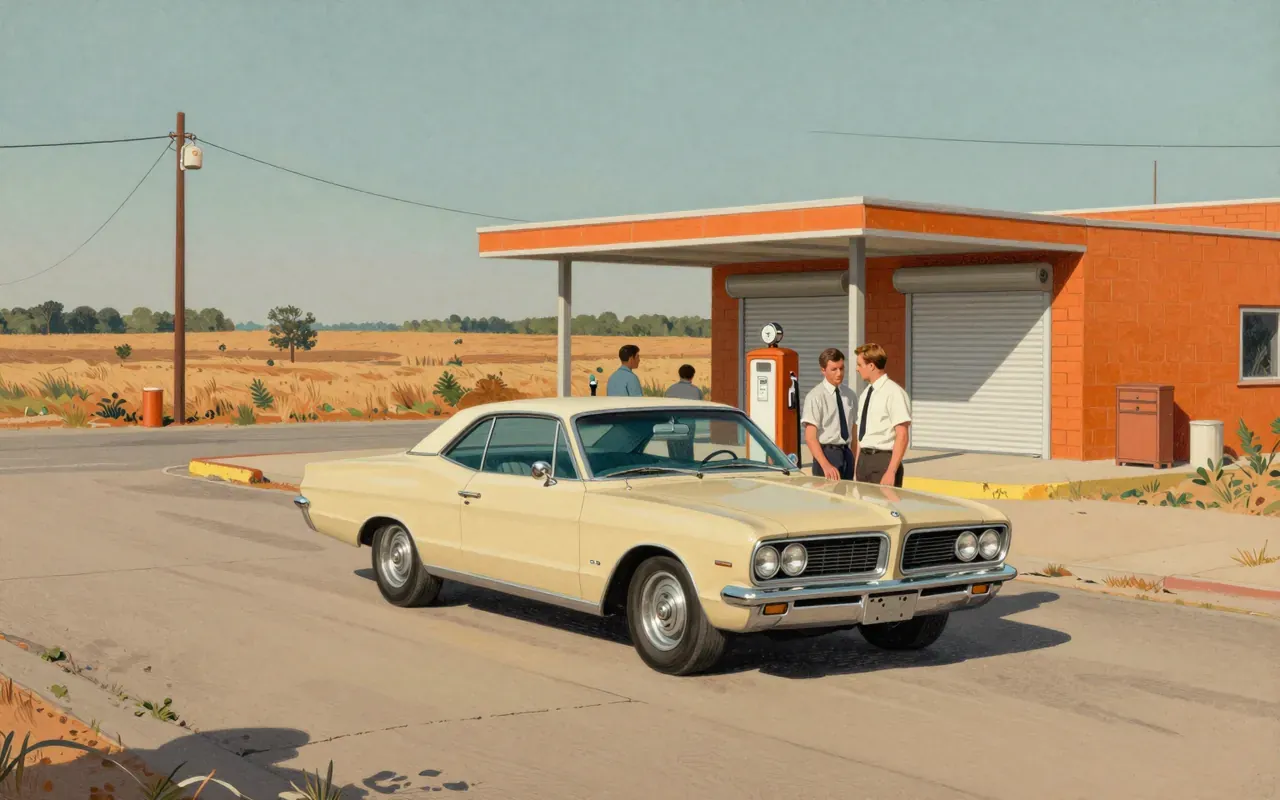
Pontiac GTO

It was never a car — it was a regulatory hack wrapped in Italian branding.

The 1964 Pontiac GTO is a front-engine, rear-drive, two-door, four-passenger automobile. It began as an optional package on the LeMans. It exploited a GM policy loophole to install a larger engine. It popularised the muscle car segment. It marked the start of Pontiac’s identity as GM’s performance division. It was named after the Ferrari 250 GTO.

Chapters & takeaways4
  1. 1:12
    Not a car. An option.

    The GTO began as an engine option on the LeMans — not a new model.

  2. 2:48
    The loophole

    It bypassed GM’s 330 cu in engine limit by treating the big block as an 'option', not standard equipment.

  3. 4:29
    The category maker

    It created the muscle car segment and redefined Pontiac’s role inside GM.

  4. 6:07
    Name, not lineage

    Its name borrowed prestige; its success earned DeLorean the Pontiac division.

Worth your time?

Yes. Drive the whole thing.

3.5/ 5
What works
  • delivers more power where buyers demanded it
  • names itself after the Ferrari 250 GTO to signal intent, not capability
What does not
  • redefine chassis dynamics
  • introduce new transmission, suspension, or braking technology
  • alter the fundamental packaging or weight distribution of the LeMans
Drive it if
  • people who care about how market categories are invented
Skip it if
  • drivers seeking engineering innovation
  • collectors chasing rarity or technical distinction
The written brief1 min read

What the car is and where it came from

A 1964 Pontiac LeMans option package conceived by John DeLorean, Bill Collins, and Russ Gee. Front-engine, rear-drive, two-door, four-passenger. Not a standalone model until 1966.

How it works, in terms someone would actually use

Front-engine, rear-drive layout. Two-door, four-passenger body. Engine option on the LeMans platform. No structural or suspension redesign — it used existing A-body architecture with a larger engine bolted in.

What it gets right

It delivers more power where buyers demanded it — by exploiting a policy loophole to fit a larger engine into an intermediate body. It names itself after the Ferrari 250 GTO to signal intent, not capability.

What it does not

It does not redefine chassis dynamics. It does not introduce new transmission, suspension, or braking technology. It does not alter the fundamental packaging or weight distribution of the LeMans.

What it changed

It popularised the muscle car segment. It forced all four domestic automakers to respond with competing models. It repositioned Pontiac as GM’s performance division.

Who it is for, and who it is not

For people who care about how market categories are invented — not drivers seeking engineering innovation, nor collectors chasing rarity or technical distinction.

Is it worth your time

Yes — if you want to understand how regulatory loopholes and marketing ambition reshaped an entire market segment.

Same garage · Sports cars4 of 93
9:37
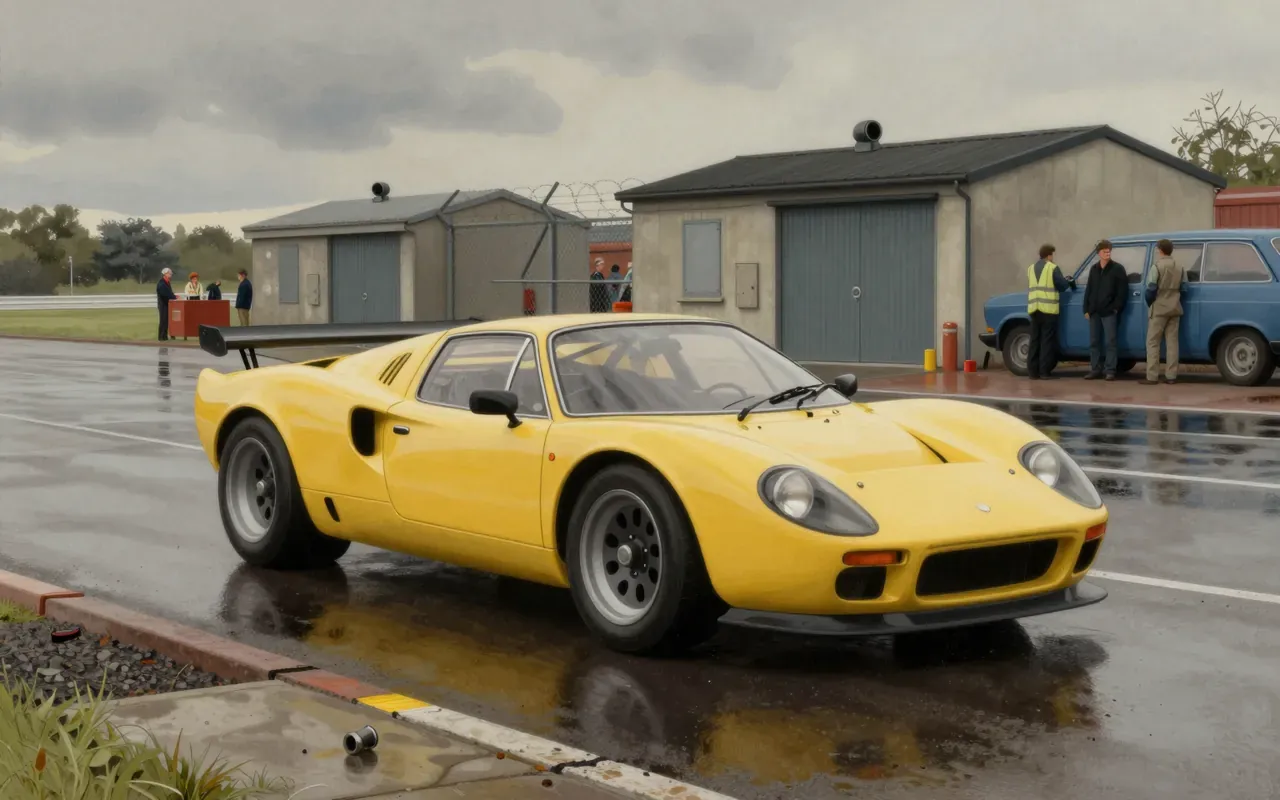
Ford RS200Ghia · 1984The Ford RS200 is a purpose-built homologation special: mid-engined, all-wheel drive, plastic-fiberglass body by Ghia, built by Reliant in Shenstone to meet FIA Group B’s 200-unit rule. It exists only to enable a rally car—not as a design statement, luxury product, or road-going evolution.
10:11
Nissan 180SXNissan · 1989The Nissan 180SX is a Japanese-market fastback built from 1988 to 1998 on the S13 platform. It featured pop-up headlights and a liftgate. It launched in March 1989 and was sold exclusively through Nissan Prince Stores alongside the Skyline and Silvia. It used the CA18DET turbo engine initially, then upgraded to the SR20DET in 1991 and added the SR20DE in 1996.
9:26
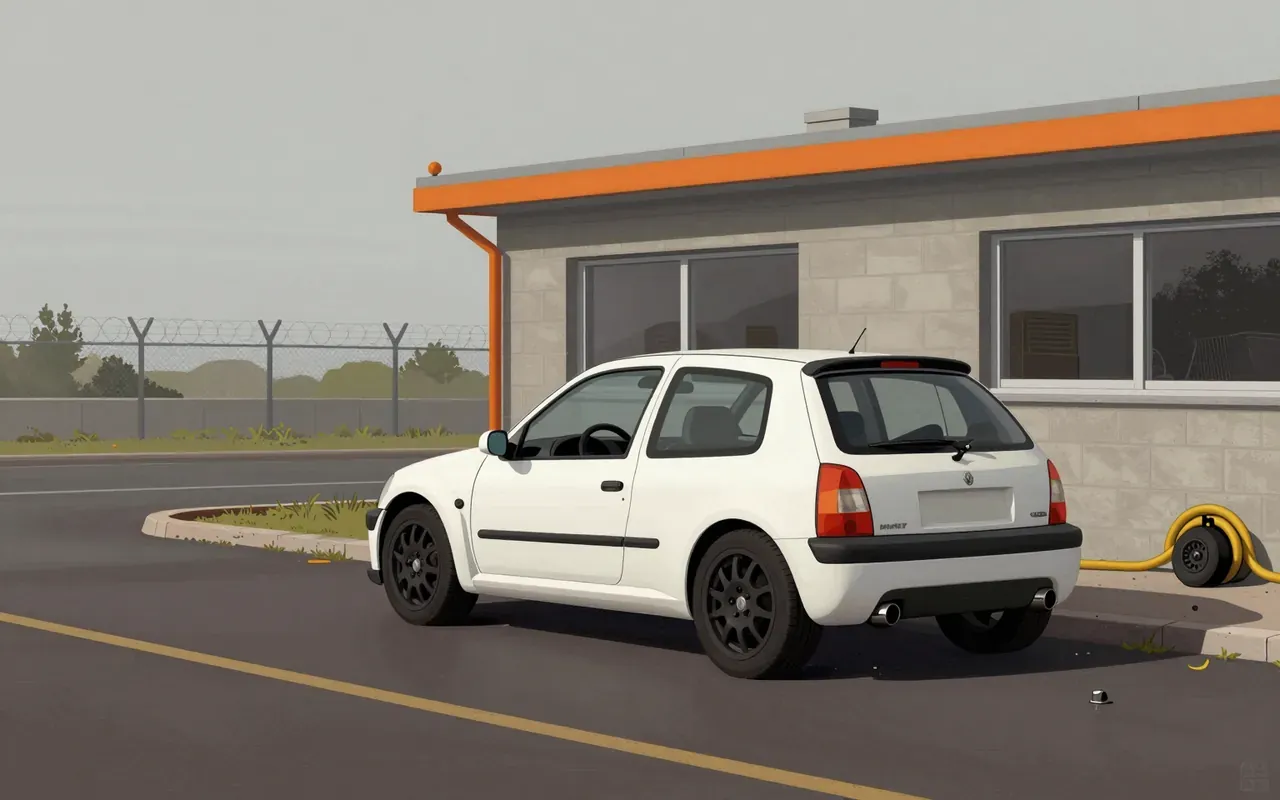
Renault Clio V6 RSRenault Sport · 2001The Renault Clio V6 RS is a radical departure from the hot hatch formula: mid-engined, rear-wheel drive, hand-built, and deliberately impractical. It exists as a mechanical argument—against front-drive orthodoxy, against shared-platform economics, against the idea that a ‘hatch’ must behave like one. Its legacy is not volume or versatility, but velocity of idea.
8:58
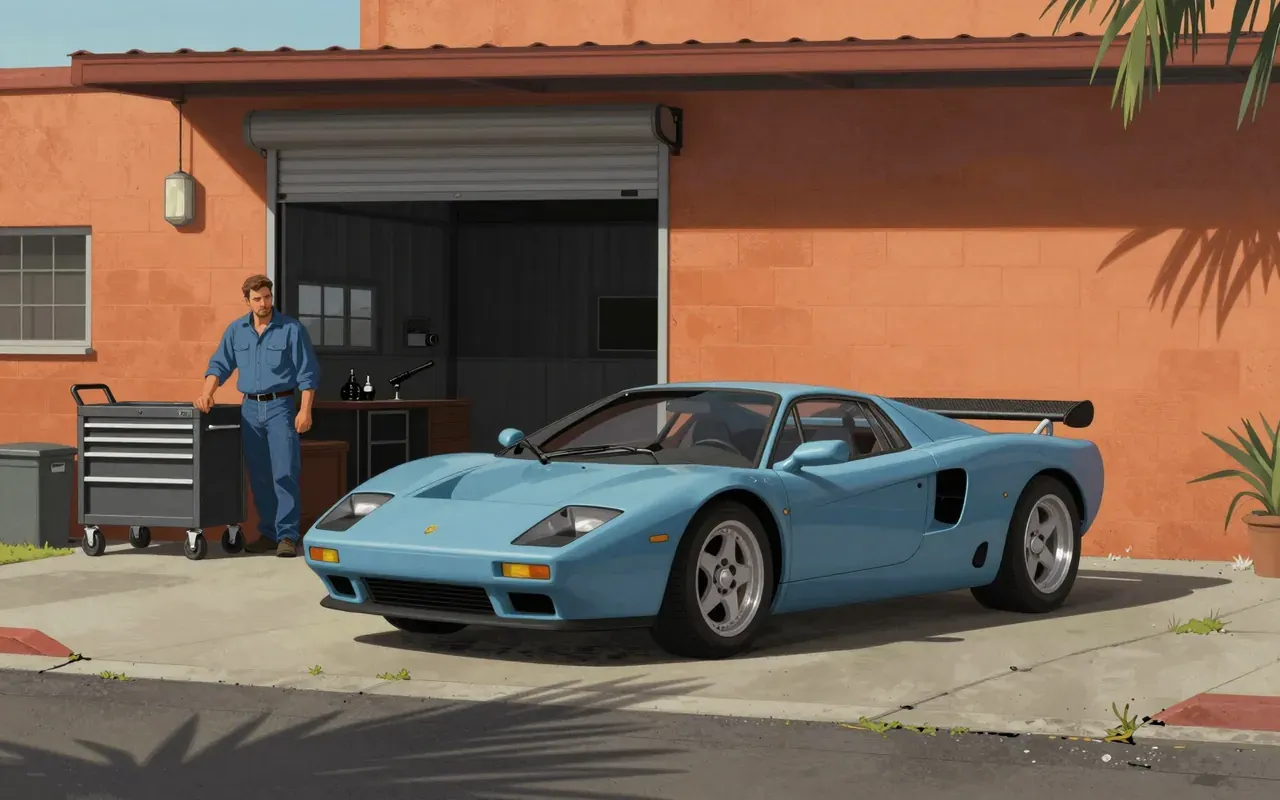
Saleen S7Phil Frank · 2000The Saleen S7 is an American hand-built, high-performance sports car. It debuted on August 19, 2000, at the Monterey Historic Races. It was the first fully proprietary car produced by Saleen. Phil Frank contributed the body and interior CAD design and development. Its all-aluminium engine is a bored-and-stroked derivative of Ford's 351 Windsor small block with Cleveland-style canted valve heads. It is not based on the FE big-block. It produces 550 hp (410 kW) at 6,400 rpm.
Up next in Automotive

Porsche 356

Erwin Komenda · 1948 · 10:49

The 356 isn’t the start of Porsche — it’s the first time Porsche chose what kind of car it would be.

10:49