automotivebriefs
9:14in productionCh. 1 · Birth/ 9:14 · ceiling 15 min
Sports cars

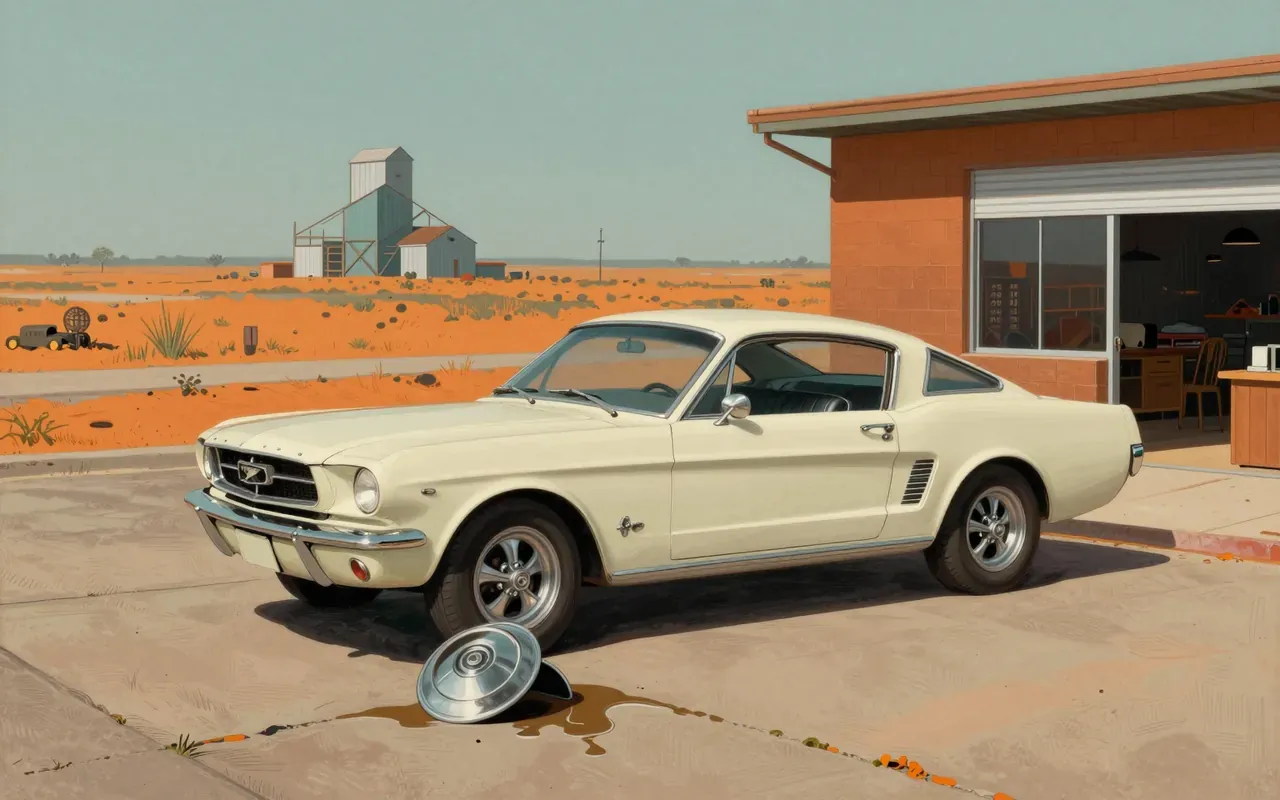
Ford Mustang (first generation)

It was never about power — it was about making a compact car feel like a European sports car.

The first-generation Ford Mustang is a compact, front-engine, rear-wheel-drive saloon designed under Joe Oros and launched by Ford in March 1964. It originated as a two-seat, mid-mounted engine roadster prototype, then remodeled into a four-seat car.

Chapters & takeaways4
  1. 1:06
    Birth

    Launched in March 1964, it debuted as a hardtop and convertible — the fastback followed in August.

  2. 2:24
    Design Mandate

    Oros directed a team to build a car women would love and men would desire — with Ferrari front-end drama and side brake intakes.

  3. 4:20
    Platform & Evolution

    It shared the Falcon’s platform but grew steadily in size and power across nine model years.

  4. 5:30
    Legacy & Exit

    It defined the pony car segment — then declined in sales, prompting the smaller Mustang II before the 1973 oil crisis.

Worth your time?

Yes. Drive the whole thing.

4.5/ 5
What works
  • It delivers Ferrari-inspired front-end presence with Maserati-like massing.
  • It balances European sporty character against American practicality.
  • It achieves dual appeal: women love its shape; men desire its stance.
What does not
  • It does not offer mid-engine balance.
  • It does not isolate the driver from road noise or suspension movement.
  • It does not prioritise structural rigidity over cost or production speed.
Drive it if
  • It is for buyers who want a car that looks fast while remaining usable daily.
  • It is not for drivers seeking precision handling, lightweight agility, or mechanical sophistication.
Skip it if
  • It is not for drivers seeking precision handling, lightweight agility, or mechanical sophistication.
The written brief1 min read

What the car is and where it came from

The first-generation Ford Mustang is a compact, front-engine, rear-wheel-drive saloon designed under Joe Oros and launched by Ford in March 1964. It originated as a two-seat, mid-mounted engine roadster prototype, then remodeled into a four-seat car.

How it works, in terms someone would actually use

It sits on the Falcon’s compact platform. It is a front-engine, rear-wheel-drive saloon with a long hood and short deck. The driver sits low in a four-seat cabin. The steering wheel feeds direct, unassisted feedback. The side air intakes feed cooling air to the rear brakes.

What it gets right

It delivers Ferrari-inspired front-end presence with Maserati-like massing. It balances European sporty character against American practicality. It achieves dual appeal: women love its shape; men desire its stance.

What it does not

It does not offer mid-engine balance. It does not isolate the driver from road noise or suspension movement. It does not prioritise structural rigidity over cost or production speed.

What it changed

It created the pony car class. It proved a mass-market car could be styled for emotional appeal first, engineering second.

Who it is for, and who it is not

It is for buyers who want a car that looks fast while remaining usable daily. It is not for drivers seeking precision handling, lightweight agility, or mechanical sophistication.

Is it worth your time

Yes. It redefined what an affordable American car could be — not by engineering innovation, but by design intent and market timing.
Same garage · Sports cars4 of 140
8:12
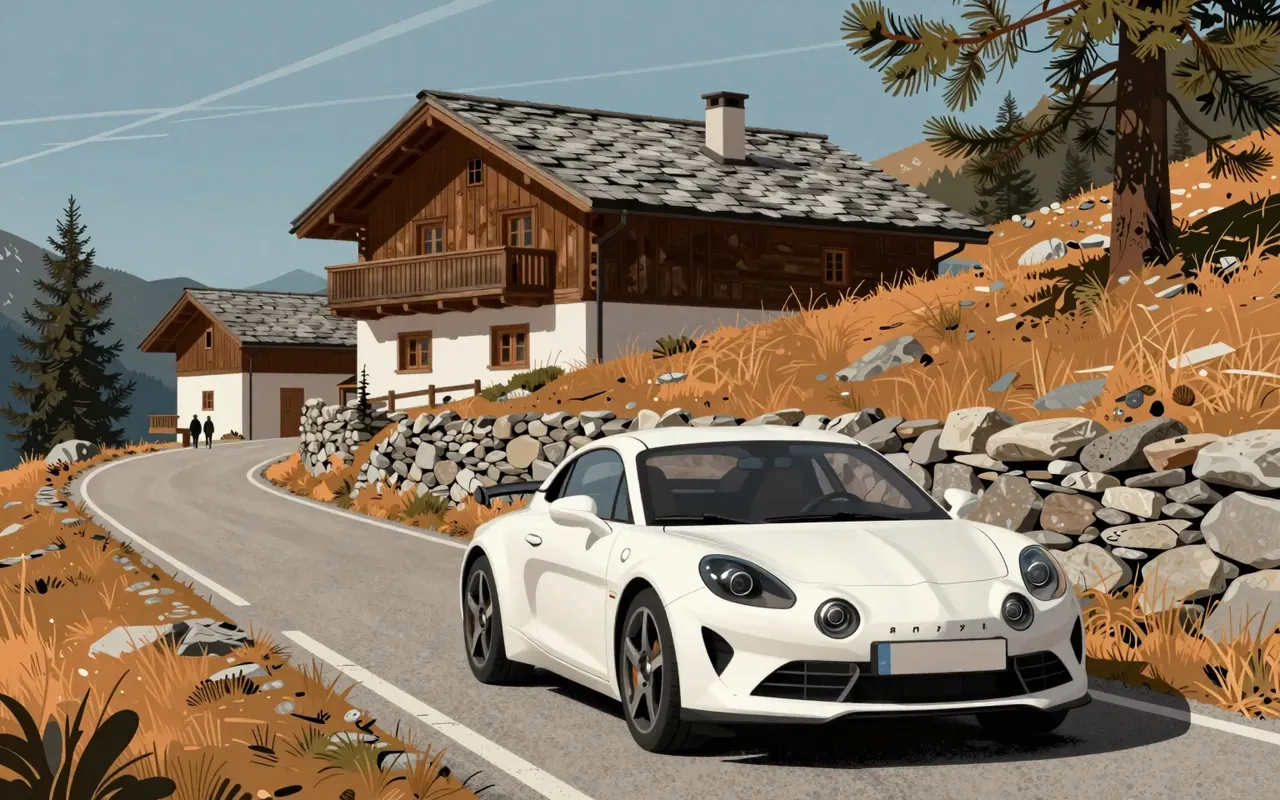
Alpine A110 (2017)Antony Villain · 2017The Alpine A110 (2017) is a rear mid-engine, rear-wheel-drive sports car built on an all-aluminium chassis and powered by a Nissan-derived 1.8-litre turbocharged inline-four engine. It debuted at the 2017 Geneva Motor Show. Production ended in June 2026.
8:32
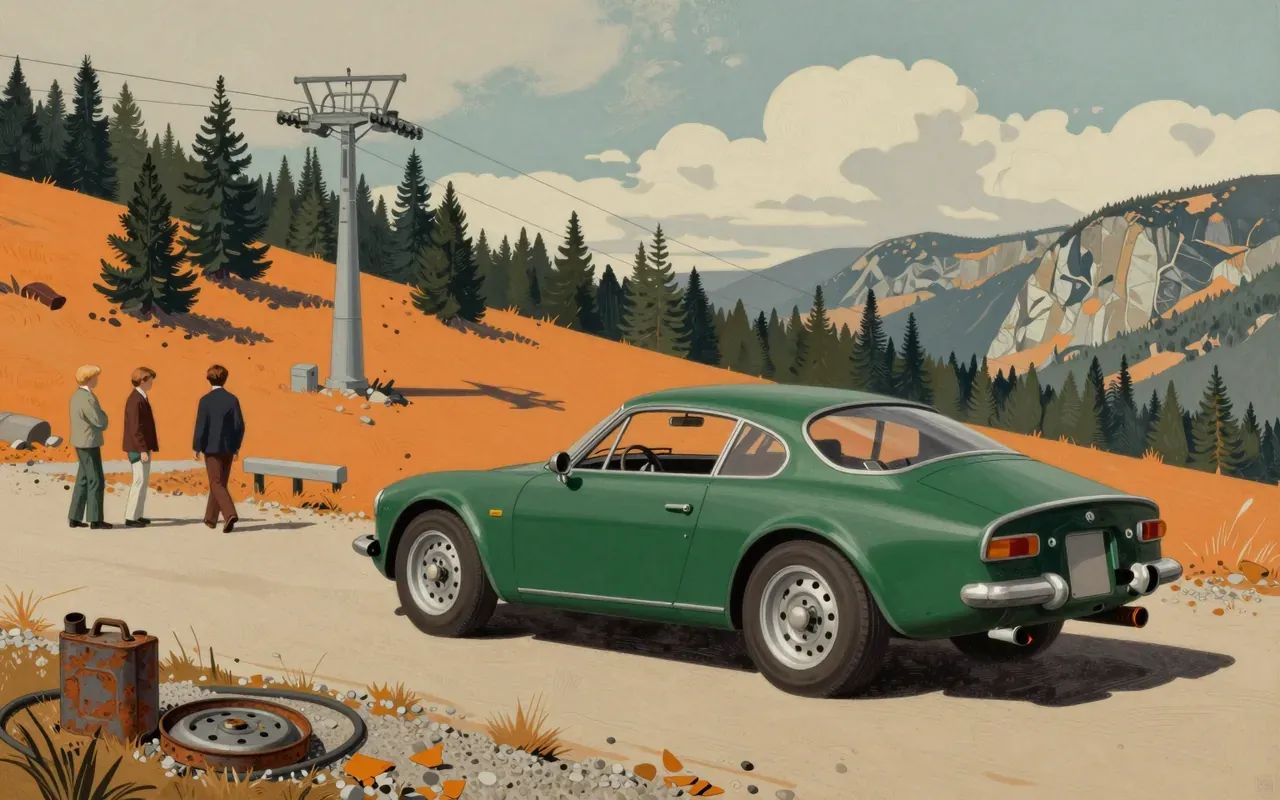
Alpine A310Michel Beligond · 1971The Alpine A310 is a French sports car, launched in 1971 as Jean Rédélé’s final Alpine model. It debuted at the 1971 Geneva Motor Show. It used a tubular steel backbone chassis and a one-piece fiberglass body. Its engine was mounted longitudinally in the rear and drove the rear wheels via a five-speed manual gearbox. The driving position was low and sporty, with footwells angled toward the car’s centre.
9:14
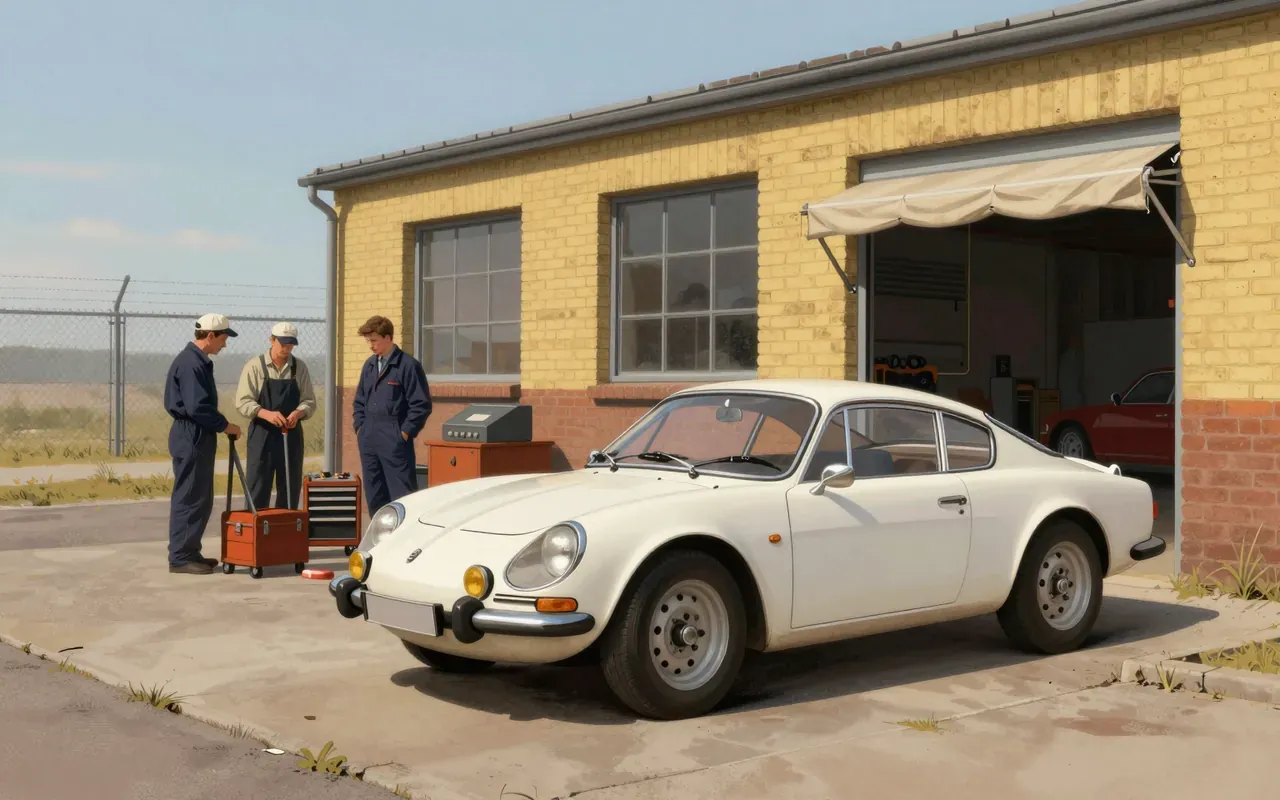
Renault Alpine GTA/A610Heuliez · 1984The Renault Alpine GTA is a rear-engined sports coupé launched in 1985 by Alpine under full Renault ownership. It replaced the A310, sharing its layout and V6 PRV engine. Marketed as the Alpine V6 GT or V6 Turbo in Europe—and as the Renault GTA in Britain—it featured aerodynamic design (Cx 0.28–0.30), lightweight composite body panels, and a steel backbone chassis. Production spanned 1984–1995, totalling ~7,300 units across both GTA and A610 models.
9:40
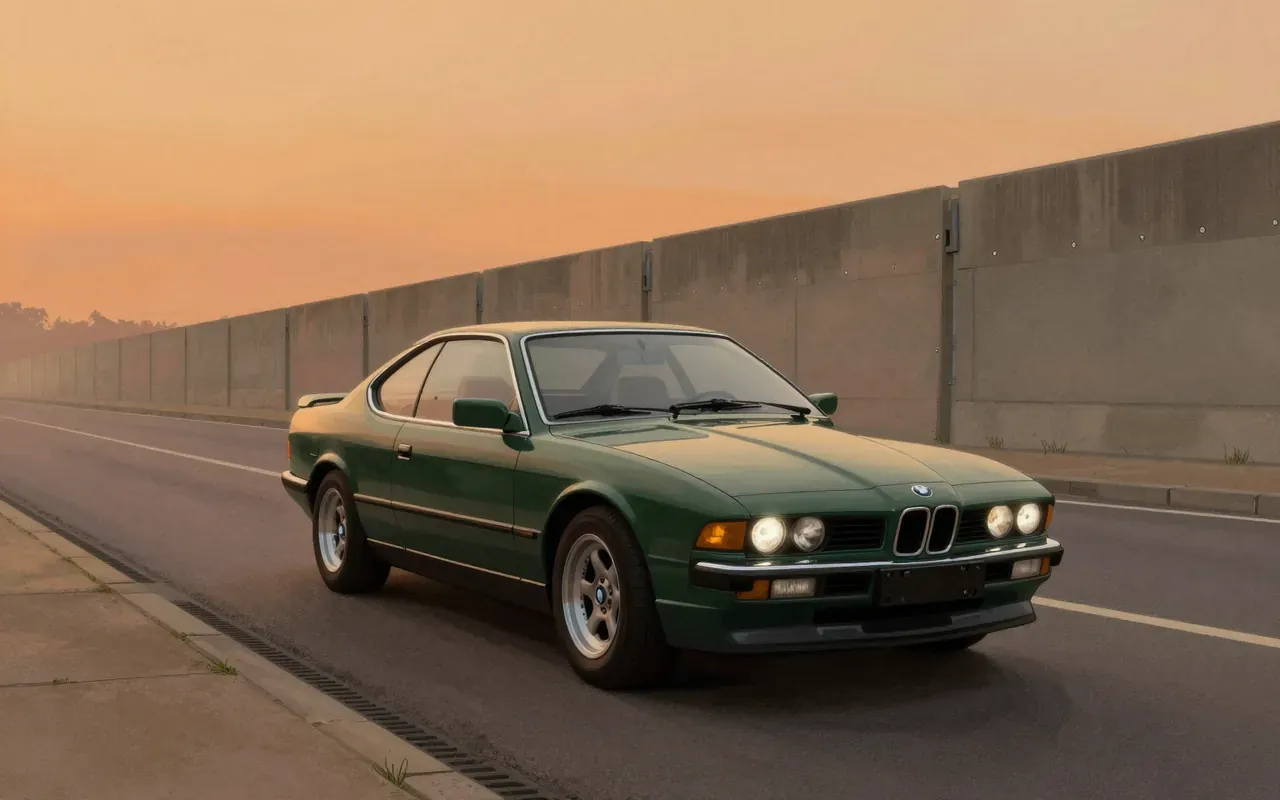
BMW 8 Series (E31)Klaus Kapitza · 1989The BMW 8 Series (E31) is a two-door grand tourer built by BMW from 1990 to 1999. It uses a front-engine, rear-wheel-drive layout. It is powered by either a V8 or V12 engine. Development began in July 1981 and concluded in 1986. It debuted at the Frankfurt Motor Show in early September 1989. BMW used CAD tools to design its all-new body. Its drag coefficient is Cd=0.29. It replaced the E24 6 Series but was not a direct successor. Total production was 30,609 units.
Up next in Automotive

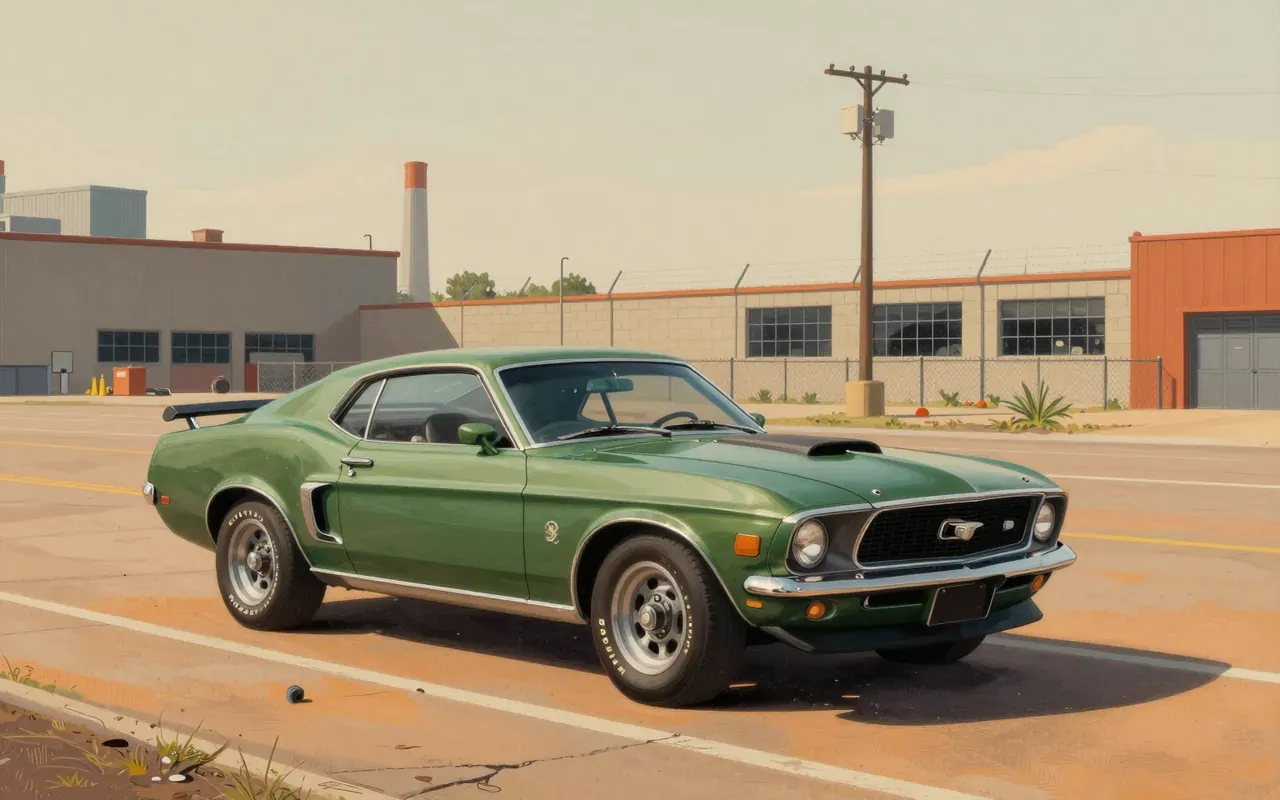
Boss 429 Mustang

Larry Shinoda · 1969 · 10:42

The Boss 429 wasn’t made to drive—it was made to count.

10:42