automotivebriefs
10:12in productionCh. 1 · Three Firsts/ 10:12 · ceiling 15 min
Sports cars · Road

TVR Cerbera

TVR killed the convertible, ditched Rover, and built its first hard-top 2+2 — all to put the driver back in charge.

The TVR Cerbera is a British-built coupé manufactured by TVR from 1996 to 2006. It debuted at the 1993 London Motor Show as the third model under Peter Wheeler’s leadership, following the Griffith and Chimaera. It is a hard-top with a 2+2 seating layout, described as both a sports car and a grand touring car. It was TVR’s first model powered by an in-house engine—the AJP8 V8—ending historical reliance on purchased engines from Rover, Ford and Triumph. Its name derives from Cerberus, the three-headed beast of Greek legend guarding Hades’ entrance.

Chapters & takeaways4
  1. 0:49
    Three Firsts

    The Cerbera was TVR’s first hard-top, first 2+2, and first model with an in-house engine.

  2. 2:45
    Myth and Momentum

    Named after Cerberus, it launched at the 1993 London Motor Show as TVR’s third model under Peter Wheeler.

  3. 4:07
    Hard-Top Grand Touring

    A coupé described as both sports car and grand tourer, ending TVR’s reliance on tuned Rover V8s.

  4. 6:04
    Ten Years of Ownership

    Built from 1996 to 2006, it defined TVR’s post-Griffith engineering independence.

Worth your time?

Yes. Drive the whole thing.

4/ 5
What works
  • synthesis of sports car immediacy and grand touring practicality
  • rigid hardtop structure
  • compact 2+2 footprint
  • direct mechanical feedback
What does not
  • comfort-focused ergonomics
  • cabin isolation
  • modern driver-assistance systems
Drive it if
  • drivers who prioritise tactile connection over polish
  • those who accept compromised rear seats and sparse electronics as trade-offs for mechanical honesty
Skip it if
  • daily commuters
  • families
  • those reliant on adaptive cruise or stability control
The written brief1 min read

What the car is and where it came from

The TVR Cerbera is a British-built coupé manufactured by TVR from 1996 to 2006. It debuted at the 1993 London Motor Show as the third model under Peter Wheeler’s leadership, following the Griffith and Chimaera.

How it works, in terms someone would actually use

The Cerbera is a rear-wheel-drive coupé with a hardtop roof and 2+2 seating. It uses TVR’s first in-house AJP8 V8 engine, replacing purchased Rover, Ford and Triumph units. Its layout prioritises driver engagement through sharp steering and minimal electronic aids.

What it gets right

It gets right the synthesis of sports car immediacy and grand touring practicality—via its rigid hardtop structure, compact 2+2 footprint, and direct mechanical feedback.

What it does not

It does not offer comfort-focused ergonomics, cabin isolation, or modern driver-assistance systems. It does not share chassis or drivetrain architecture with any other TVR before 1996.

What it changed

It changed TVR’s engineering identity: ending reliance on third-party engines, introducing the first hard-top and first 2+2, and establishing proprietary powertrain development under Peter Wheeler.

Who it is for, and who it is not

It is for drivers who prioritise tactile connection over polish, and who accept compromised rear seats and sparse electronics as trade-offs for mechanical honesty. It is not for daily commuters, families, or those reliant on adaptive cruise or stability control.

Is it worth your time

Yes—if you value raw, unassisted driver focus in a British-built grand tourer that broke from TVR’s convertible, two-seat, bought-engine past. No—if you need refinement, space, or electronic safety nets.
Same garage · Sports cars4 of 140
8:12
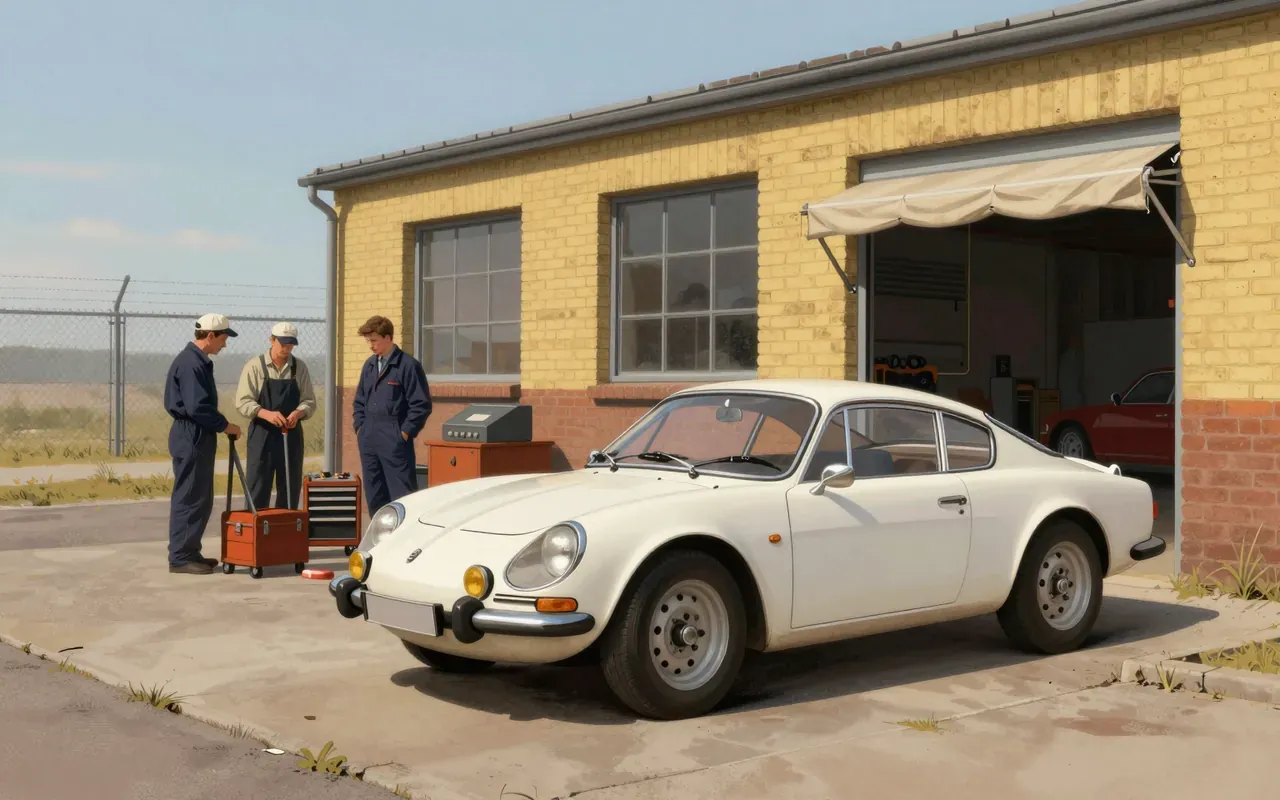
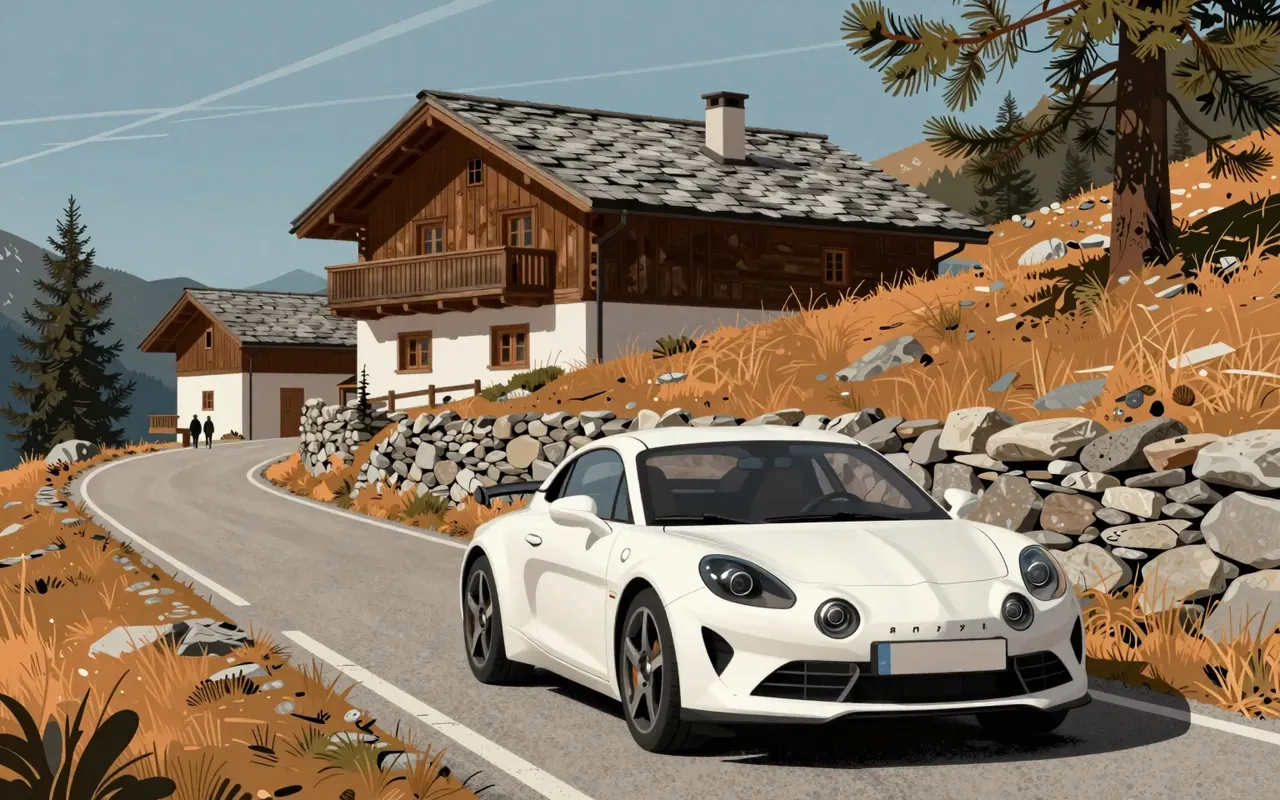
Alpine A110 (2017)Antony Villain · 2017The Alpine A110 (2017) is a rear mid-engine, rear-wheel-drive sports car built on an all-aluminium chassis and powered by a Nissan-derived 1.8-litre turbocharged inline-four engine. It debuted at the 2017 Geneva Motor Show. Production ended in June 2026.
8:32
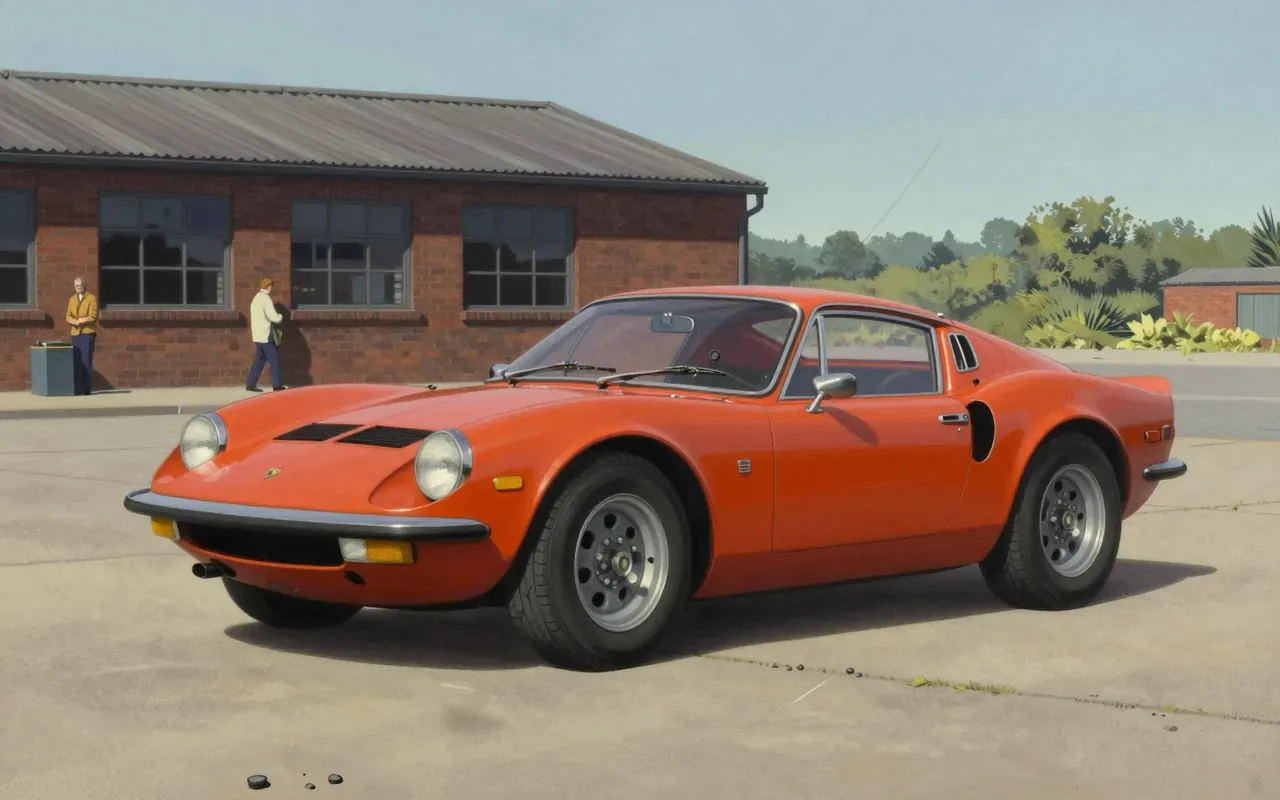
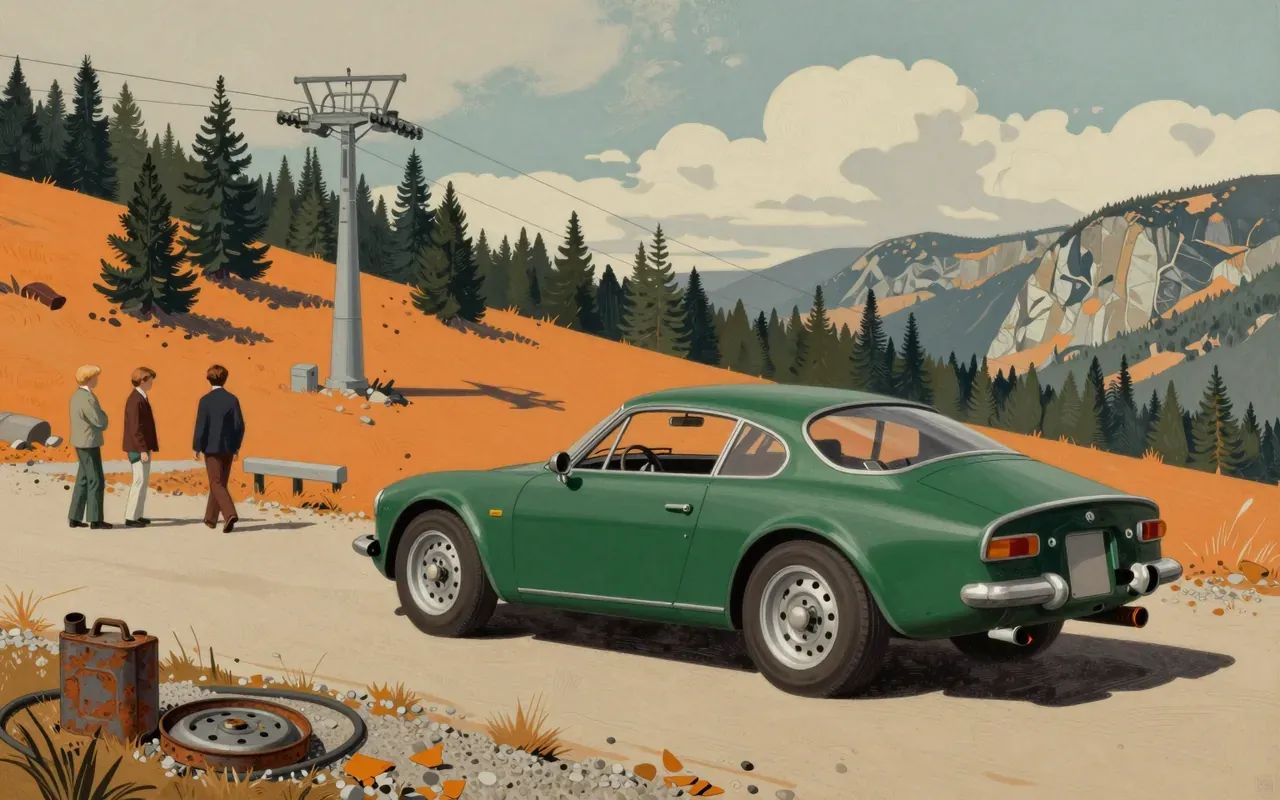
Alpine A310Michel Beligond · 1971The Alpine A310 is a French sports car, launched in 1971 as Jean Rédélé’s final Alpine model. It debuted at the 1971 Geneva Motor Show. It used a tubular steel backbone chassis and a one-piece fiberglass body. Its engine was mounted longitudinally in the rear and drove the rear wheels via a five-speed manual gearbox. The driving position was low and sporty, with footwells angled toward the car’s centre.
9:14
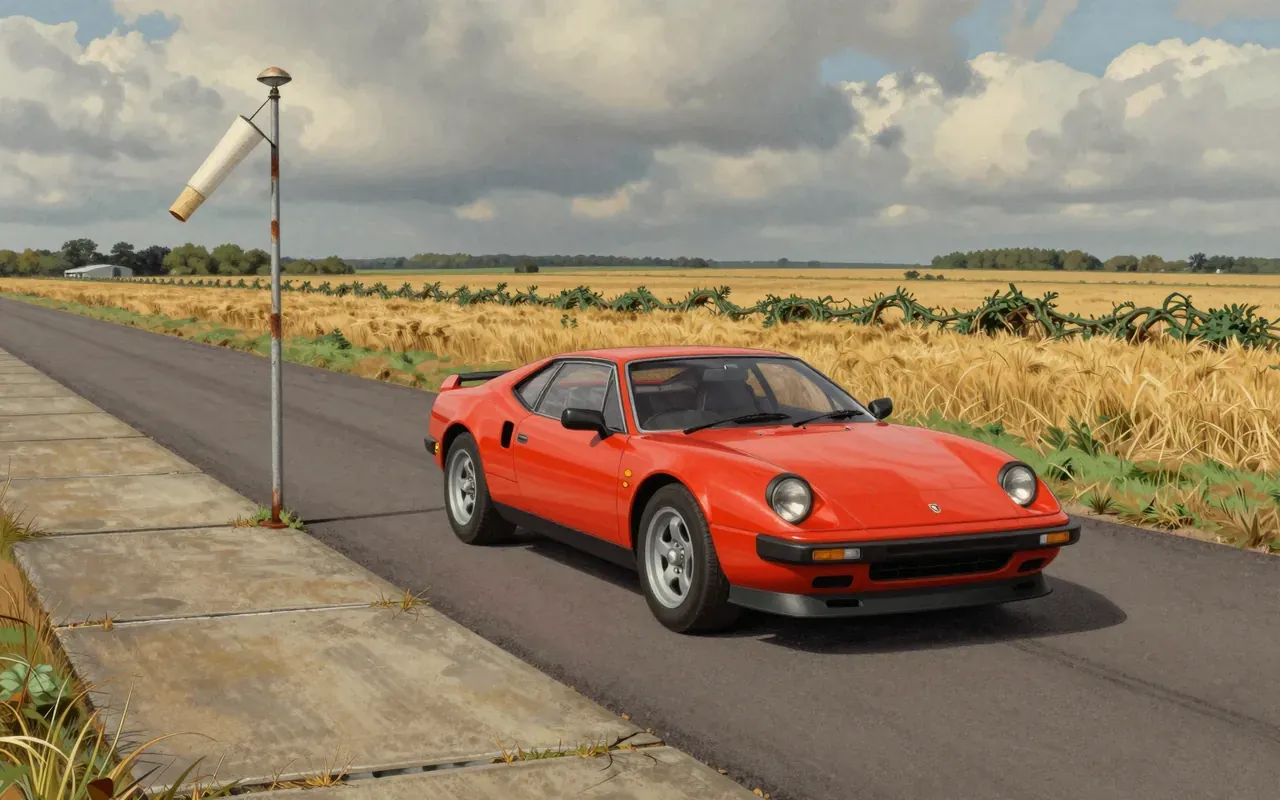
Renault Alpine GTA/A610Heuliez · 1984The Renault Alpine GTA is a rear-engined sports coupé launched in 1985 by Alpine under full Renault ownership. It replaced the A310, sharing its layout and V6 PRV engine. Marketed as the Alpine V6 GT or V6 Turbo in Europe—and as the Renault GTA in Britain—it featured aerodynamic design (Cx 0.28–0.30), lightweight composite body panels, and a steel backbone chassis. Production spanned 1984–1995, totalling ~7,300 units across both GTA and A610 models.
9:40
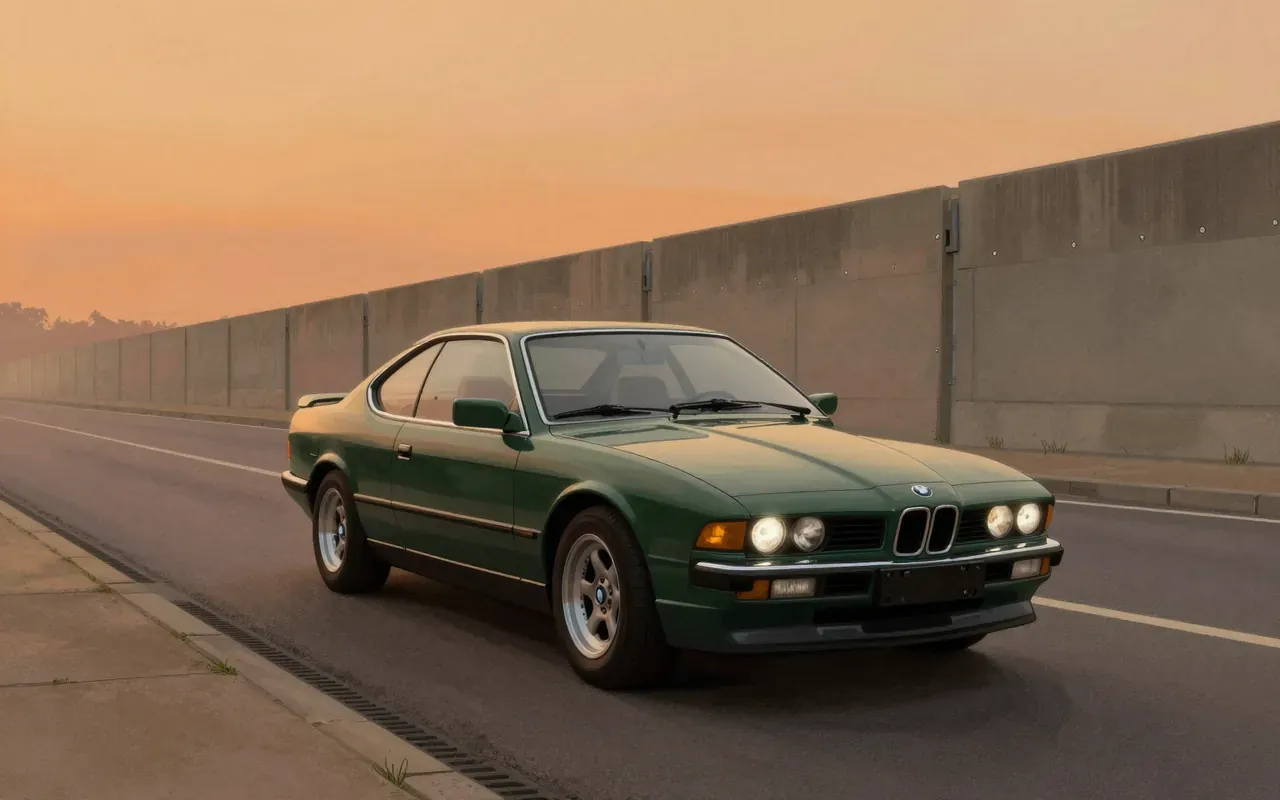
BMW 8 Series (E31)Klaus Kapitza · 1989The BMW 8 Series (E31) is a two-door grand tourer built by BMW from 1990 to 1999. It uses a front-engine, rear-wheel-drive layout. It is powered by either a V8 or V12 engine. Development began in July 1981 and concluded in 1986. It debuted at the Frankfurt Motor Show in early September 1989. BMW used CAD tools to design its all-new body. Its drag coefficient is Cd=0.29. It replaced the E24 6 Series but was not a direct successor. Total production was 30,609 units.
Up next in Automotive

TVR Griffith

Peter Wheeler · 1991 · 9:08

A V8-powered fiberglass scalpel — thrilling, uncompromising, and utterly indifferent to your comfort.

9:08