What the car is and where it came from
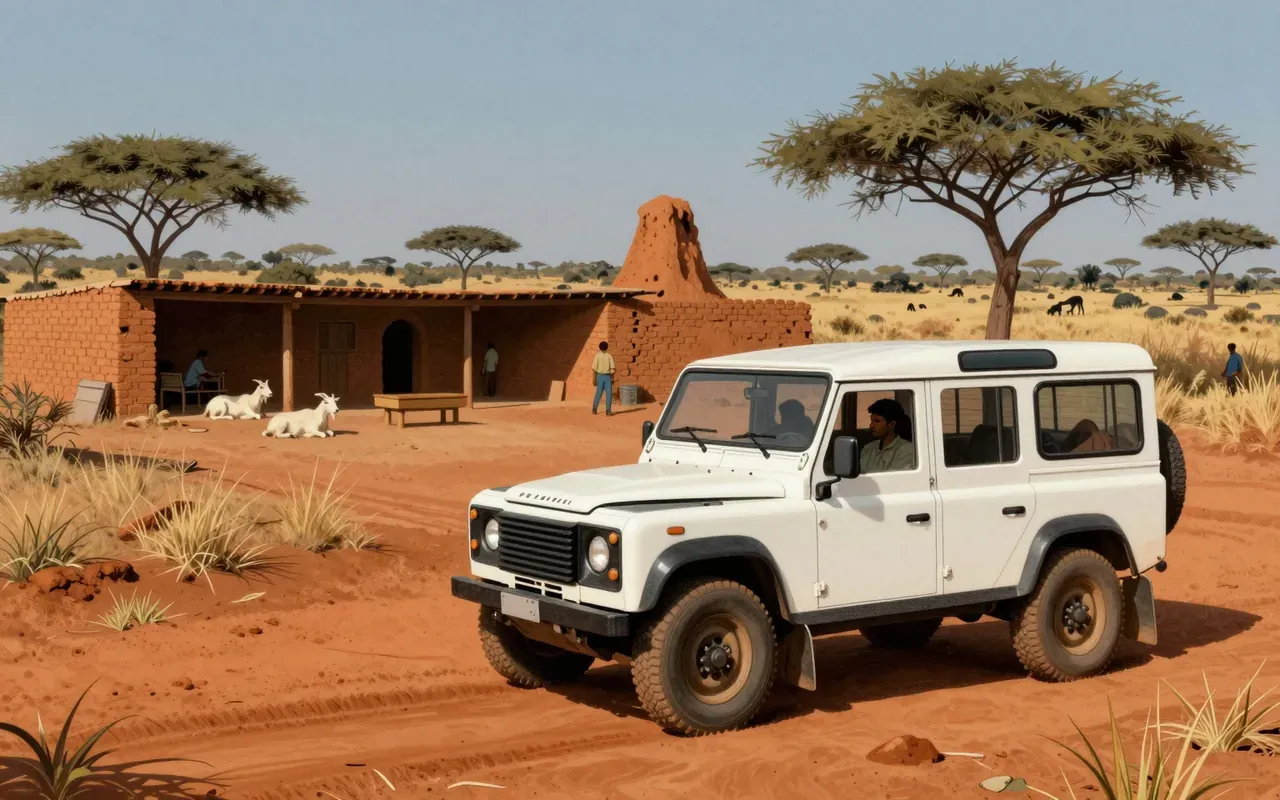
The Defender is a British off-road vehicle lineage. It began as the Ninety (1984), One Ten (1983), and One Two Seven (1985). It was officially named Defender 90, 110, and 130 in 1990 following the Discovery’s 1989 launch.
How it works, in terms someone would actually use
It uses a steel ladder chassis with aluminium alloy bodywork. Coil springs front and rear improve ride quality and axle articulation. A centre differential in the transfer case enables permanent four-wheel drive.
What it gets right
It gets ruggedness right. It gets versatility right. It gets global assembly and field repairability right — licensed builds in Spain, Iran, Brazil, and Turkey prove its adaptability.
What it does not
It does not offer modern driver-assistance systems. It does not use unibody construction. It does not have independent suspension or electronic traction control.
What it changed
It cemented Land Rover as a marque, not just a model name, after the Discovery’s 1989 launch. It became the last Land Rover to retain the original 1948 ladder-frame architecture until 2016.
Who it is for, and who it is not
It is for operators who prioritise durability over comfort, field maintainability over refinement, and mechanical transparency over digital integration. It is not for drivers who expect car-like ride, cabin quietness, or ergonomic convenience.
Is it worth your time
Yes — if you need a vehicle defined by mechanical simplicity, global field serviceability, and unbroken lineage from 1948 underpinnings.