automotivebriefs
9:37in productionCh. 1 · Prototype to production/ 9:37 · ceiling 15 min
Sports cars

Toyota Sports 800

Toyota’s first sports car wasn’t about power—it was about proving lightness could be a language.

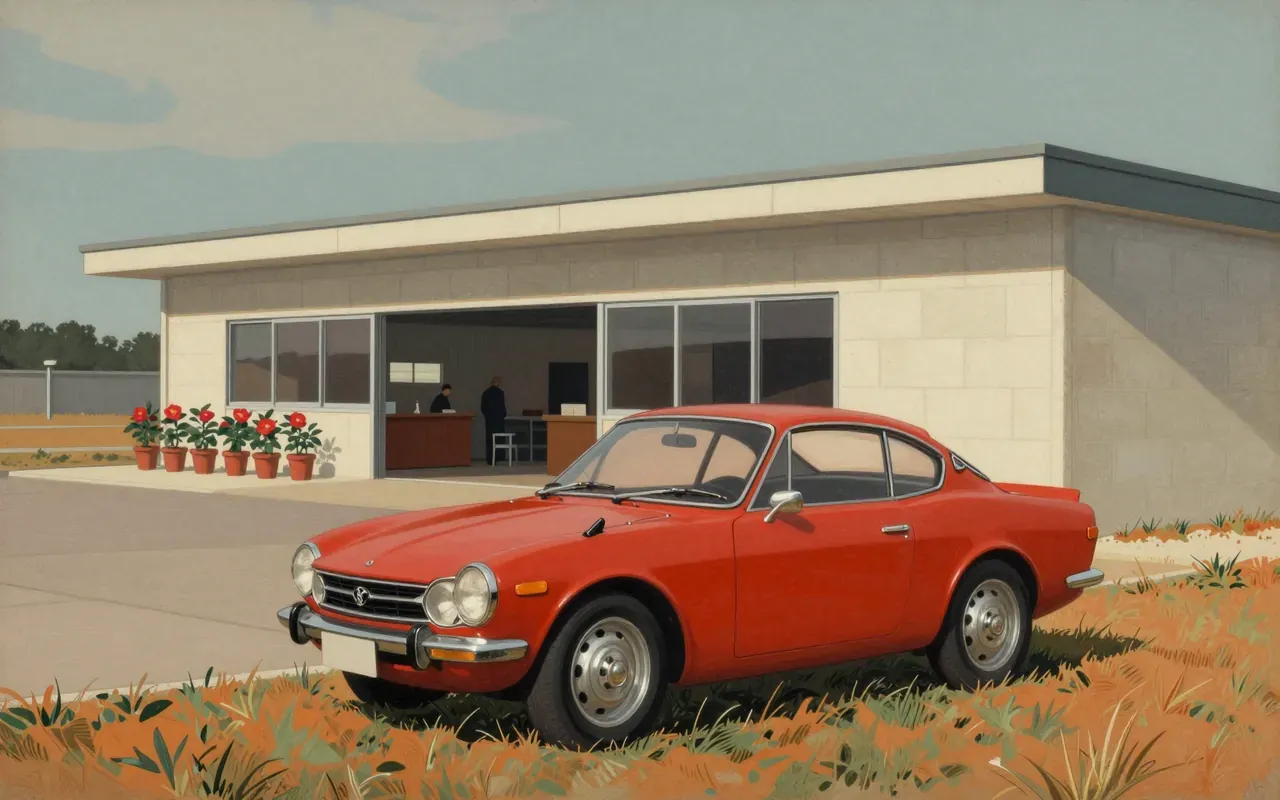
Toyota Sports 800 (1965) — A lightweight, targa-top roadster built around an air-cooled 800 cc boxer engine. Designed for agility and aerodynamic efficiency, not speed or comfort. Sold exclusively in Japan via Toyota Publica Stores. Production: 1965–1969. Units built: ~3,131.

Chapters & takeaways4
  1. 0:56
    Prototype to production

    It began as a prototype called Publica Sports—Toyota’s first attempt at a dedicated two-seater.

  2. 2:32
    A boxer for balance, not brawn

    Its 800 cc boxer engine delivered just enough power for town and track—not autobahn speeds, but precise response.

  3. 4:06
    Airframe thinking, on the road

    Aerodynamic styling and aircraft-derived lightweight construction made it agile, not heavy.

  4. 5:30
    A store-exclusive identity

    Sold only through Toyota Publica Stores, it was niche by design—and beloved as 'Yota-Hachi'.

Worth your time?

Yes. Drive the whole thing.

3.5/ 5
What works
  • lightweight construction
  • aerodynamic form
  • targa usability
  • accessibility within Toyota’s retail network
What does not
  • water-cooled engine
  • soft-top convertible
  • motorway-rated stability
  • global distribution
Drive it if
  • automotive historians
  • Japanese design scholars
  • microcar collectors
Skip it if
  • daily drivers
  • track-day enthusiasts
  • modern performance buyers
The written brief1 min read

What the car is and where it came from

Toyota’s first production sports car. It launched in 1965 as the evolution of the 1962 Publica Sports prototype. It was sold exclusively through the Toyota Publica Store in Japan and nicknamed ‘Yota-Hachi’.

How it works, in terms someone would actually use

It is a lightweight targa-top roadster with an air-cooled 800 cc horizontally opposed two-cylinder boxer engine. It delivers modest power for city driving at 70 km/h, and reaches up to 160 km/h on a race track. Its chassis code is UP15.

What it gets right

It gets right the balance of low weight and aerodynamic form. Its aircraft-influenced construction yields agility. Its targa top gives open-air driving without sacrificing structural rigidity like a full convertible.

What it does not

It does not offer high-speed stability at motorway pace. It does not have a folding soft top or fixed roof—only a removable targa panel. It does not use a water-cooled engine or conventional inline or V layout.

What it changed

It established Toyota’s entry into the sports car segment and proved that a mass-market manufacturer could produce a dedicated, driver-focused two-seater in Japan.

Who it is for, and who it is not

It is for collectors and historians interested in Japanese post-war automotive ambition. It is not for drivers seeking modern handling, refinement, or daily usability.

Is it worth your time

Yes—if you want to understand how Toyota’s first sports car prioritised lightness, aerodynamics, and accessibility over outright performance or luxury.
Same garage · Sports cars4 of 106
9:37
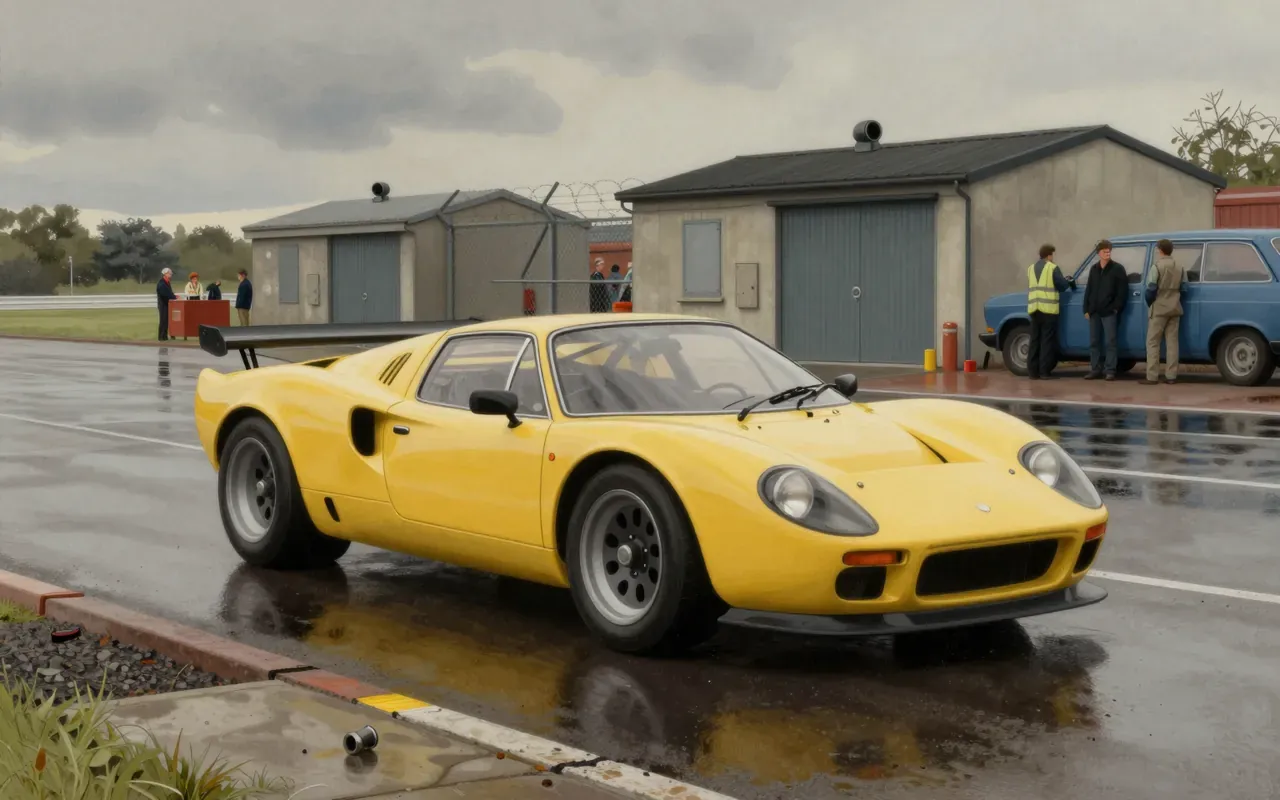
Ford RS200Ghia · 1984The Ford RS200 is a purpose-built homologation special: mid-engined, all-wheel drive, plastic-fiberglass body by Ghia, built by Reliant in Shenstone to meet FIA Group B’s 200-unit rule. It exists only to enable a rally car—not as a design statement, luxury product, or road-going evolution.
10:11
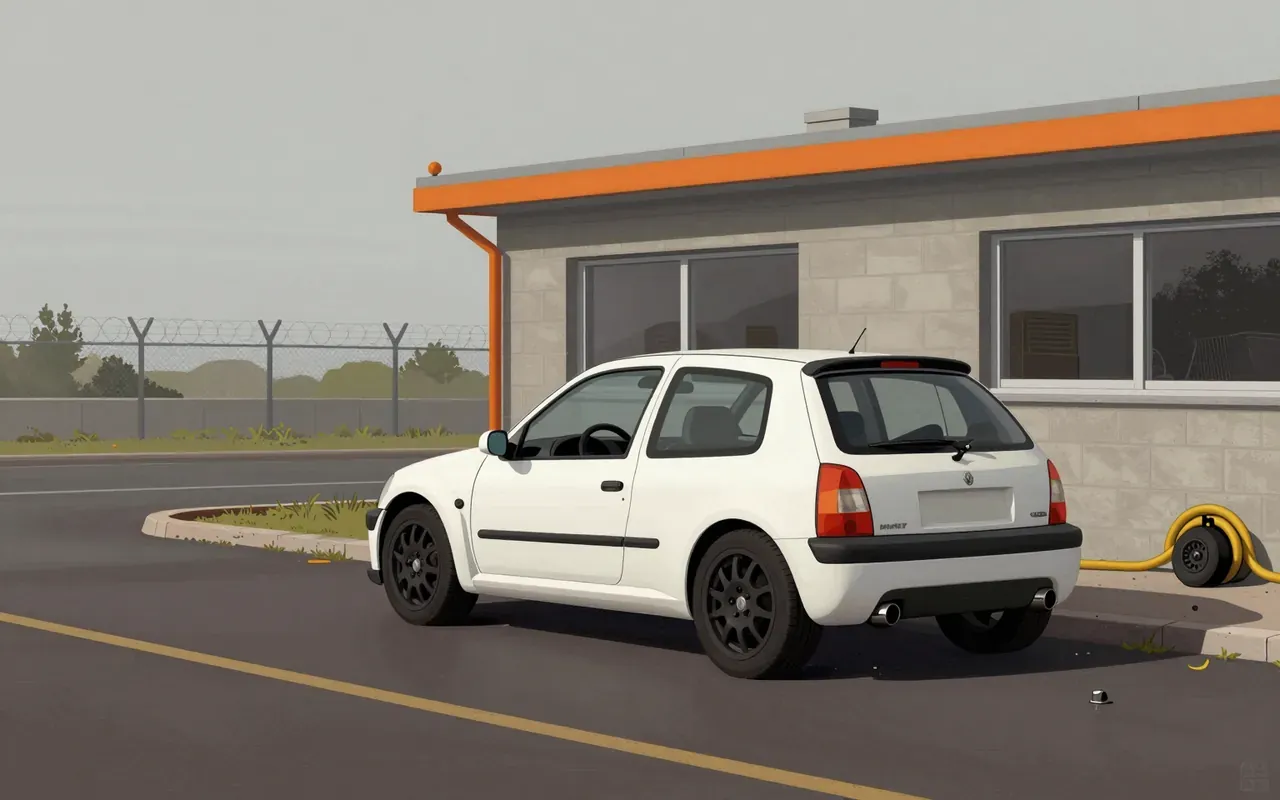
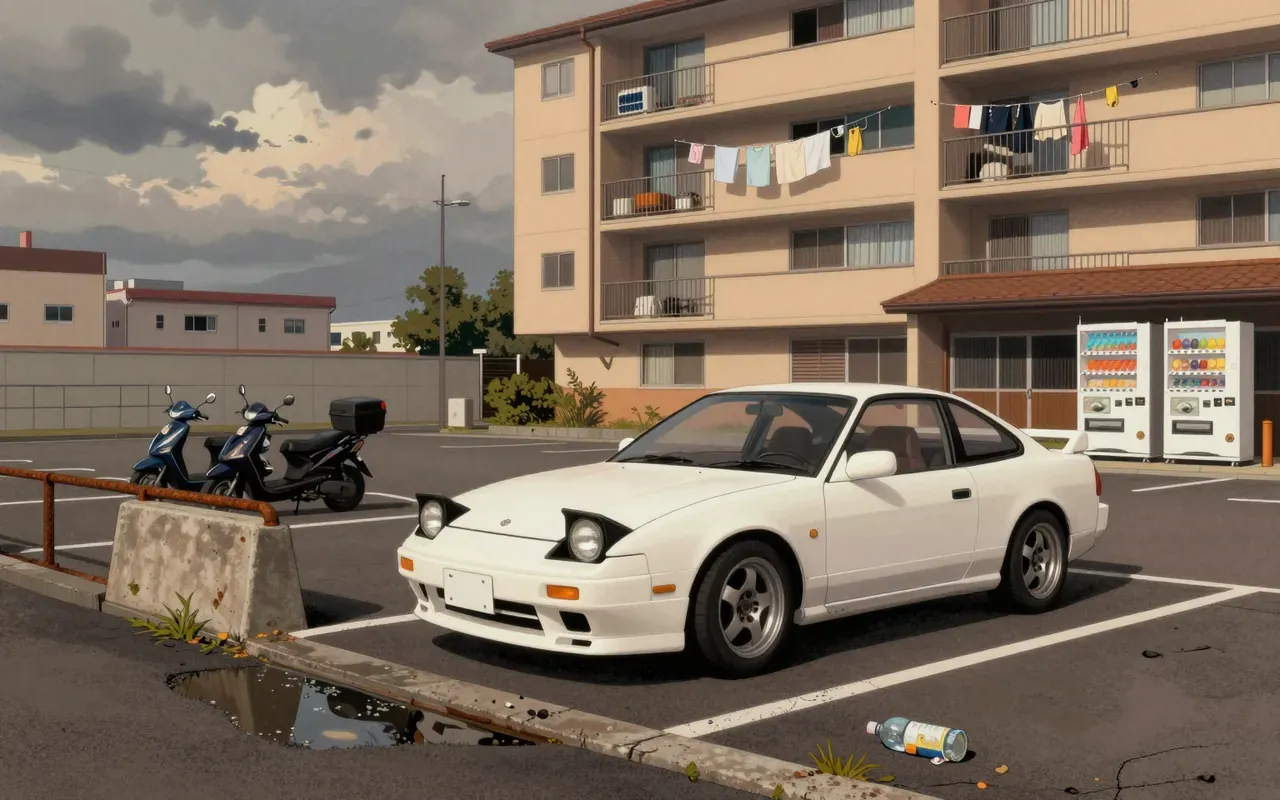
Nissan 180SXNissan · 1989The Nissan 180SX is a Japanese-market fastback built from 1988 to 1998 on the S13 platform. It featured pop-up headlights and a liftgate. It launched in March 1989 and was sold exclusively through Nissan Prince Stores alongside the Skyline and Silvia. It used the CA18DET turbo engine initially, then upgraded to the SR20DET in 1991 and added the SR20DE in 1996.
9:26
Renault Clio V6 RSRenault Sport · 2001The Renault Clio V6 RS is a radical departure from the hot hatch formula: mid-engined, rear-wheel drive, hand-built, and deliberately impractical. It exists as a mechanical argument—against front-drive orthodoxy, against shared-platform economics, against the idea that a ‘hatch’ must behave like one. Its legacy is not volume or versatility, but velocity of idea.
8:58
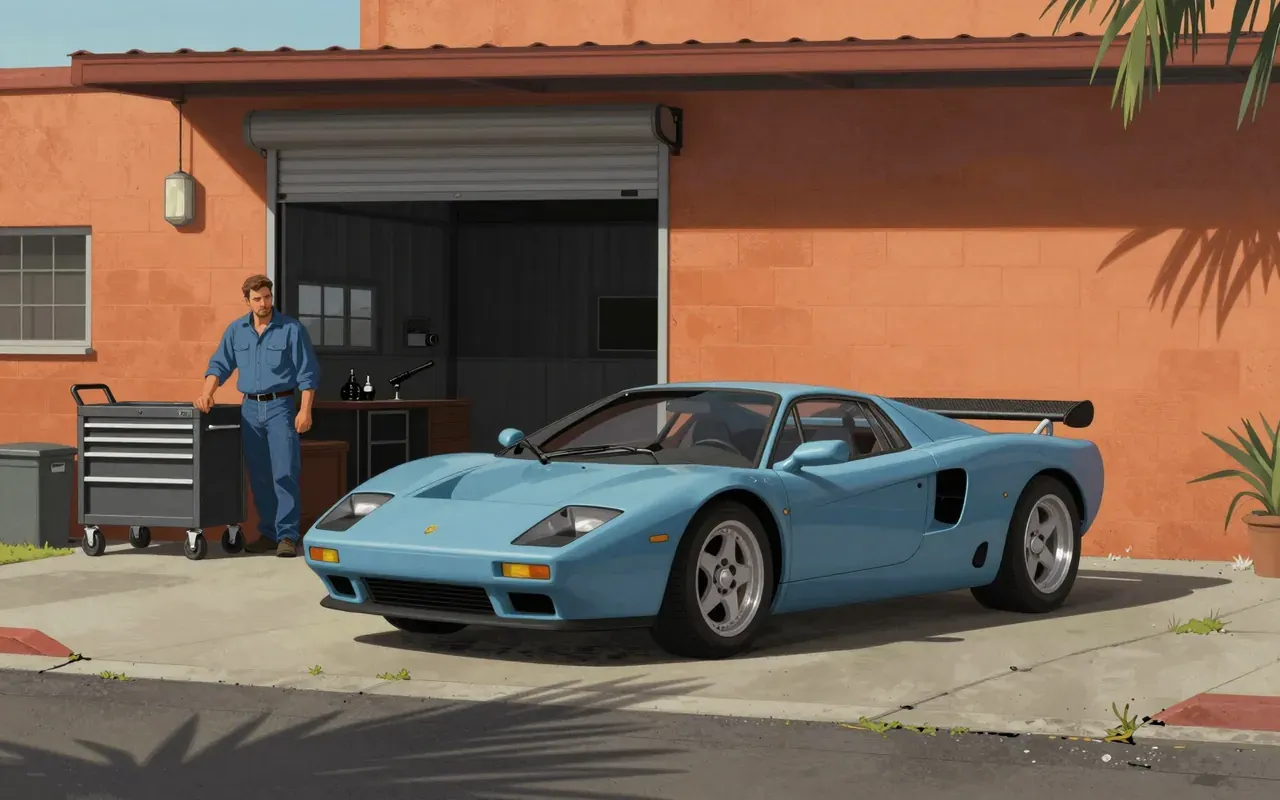
Saleen S7Phil Frank · 2000The Saleen S7 is an American hand-built, high-performance sports car. It debuted on August 19, 2000, at the Monterey Historic Races. It was the first fully proprietary car produced by Saleen. Phil Frank contributed the body and interior CAD design and development. Its all-aluminium engine is a bored-and-stroked derivative of Ford's 351 Windsor small block with Cleveland-style canted valve heads. It is not based on the FE big-block. It produces 550 hp (410 kW) at 6,400 rpm.
Up next in Automotive

Tucker 48

Alex Tremulis · 1948 · 11:12

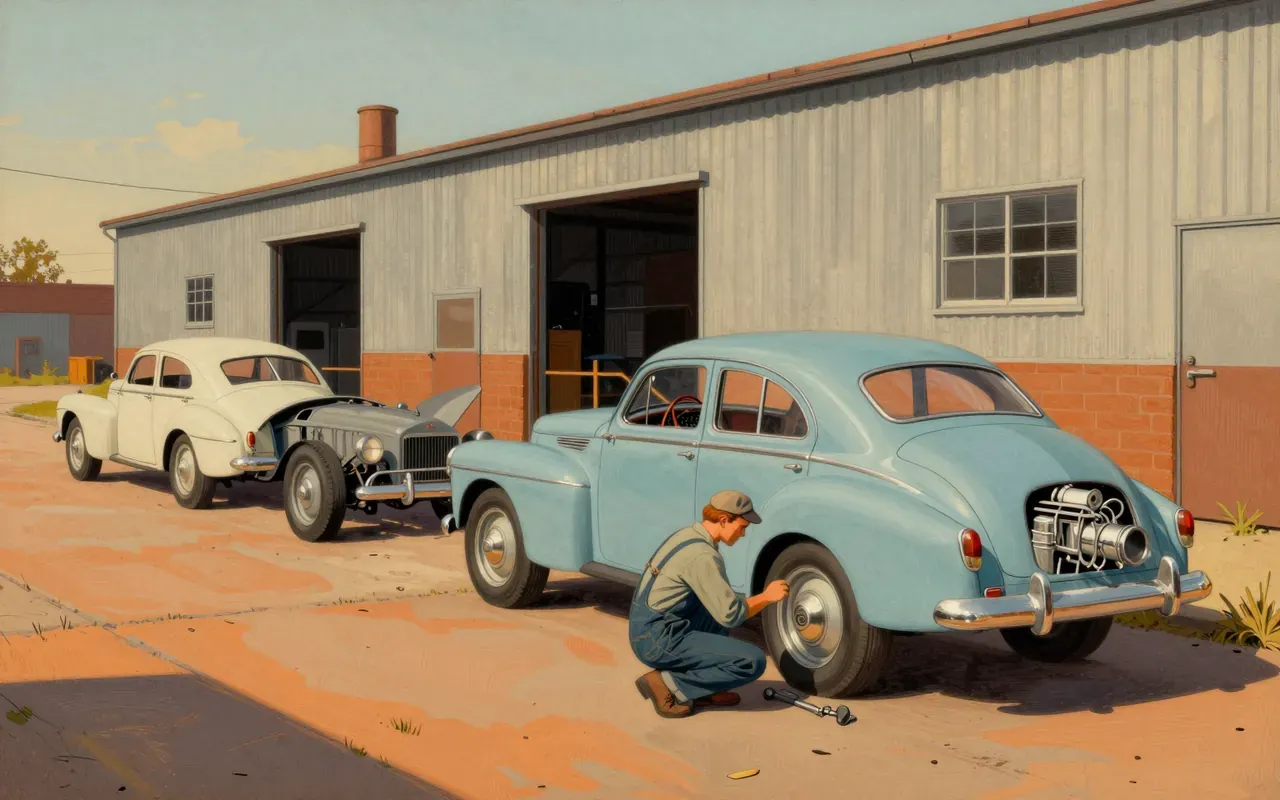
A sedan built to sell a vision—not a vehicle.

11:12