automotivebriefs
Topic

Aviation

A century of flight, and the safest way to travel by a wide margin.

11
in automotive
9:46
average
107 min
in total
79
across the network
Aviation across the network →
All briefs11
8:49

Buick Y-Job

Harley Earl · 1950

The Buick Y-Job is the first concept car — a 1938 Buick convertible built to test design ideas, not sell units. Designed by Harley Earl, it used a Buick Super chassis and featured power-operated hidden headlamps, electric windows, and styling cues that defined Buick for decades. It became Earl’s daily driver after public debut. It changed how mass manufacturers develop cars: by treating design as a public-facing experiment.
9:15

Aston Martin Bulldog

William Towns · 1979

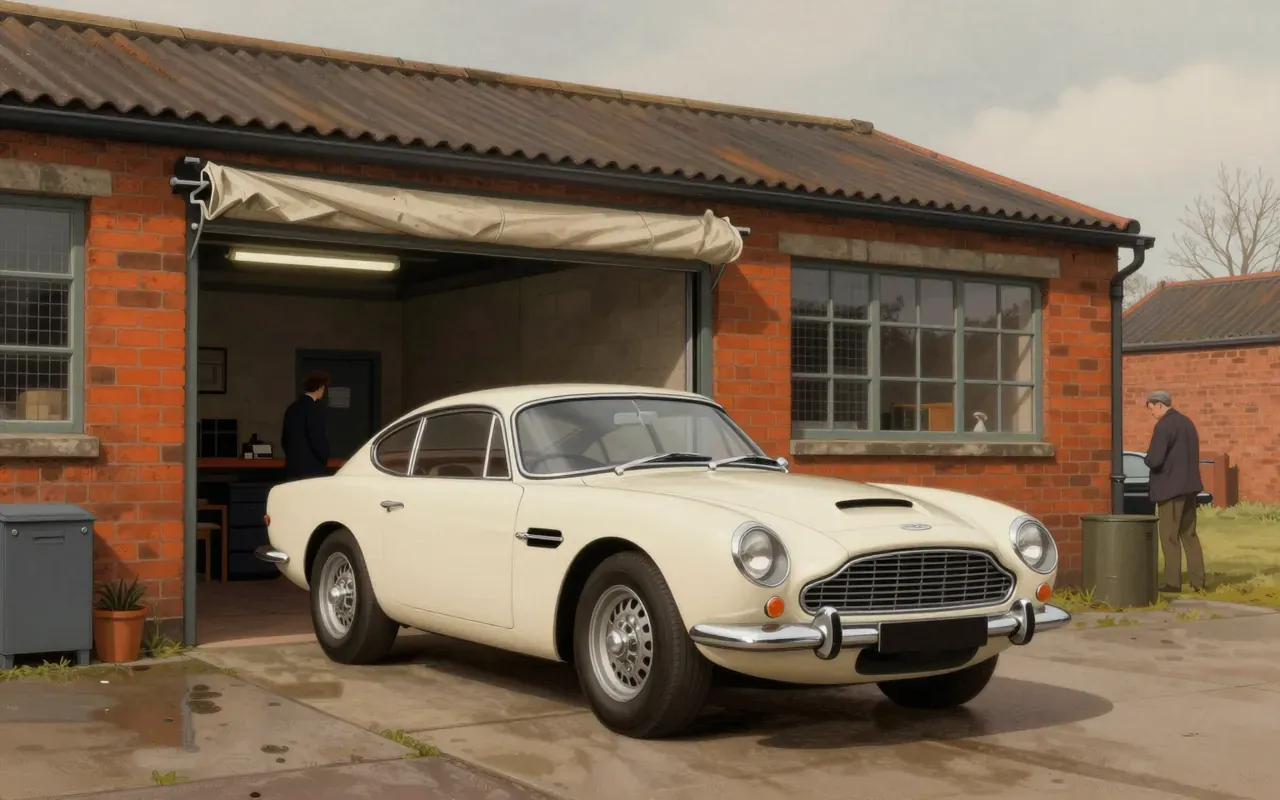
A one-off 1979 concept built to show off Newport Pagnell—and chase a title it never claimed.

10:10

Chrysler Turbine Car

Elwood Engel · 1950

The Chrysler Turbine Car was an experimental two-door hardtop coupe designed by Elwood Engel and built by Chrysler with bodywork by Carrozzeria Ghia. It used the A-831 turbine engine, was produced in 55 units between 1963 and 1964, and featured power brakes, power steering, and a TorqueFlite transmission. All were finished in 'turbine bronze' paint.

8:59

General Motors Firebird

Harley Earl · 1953

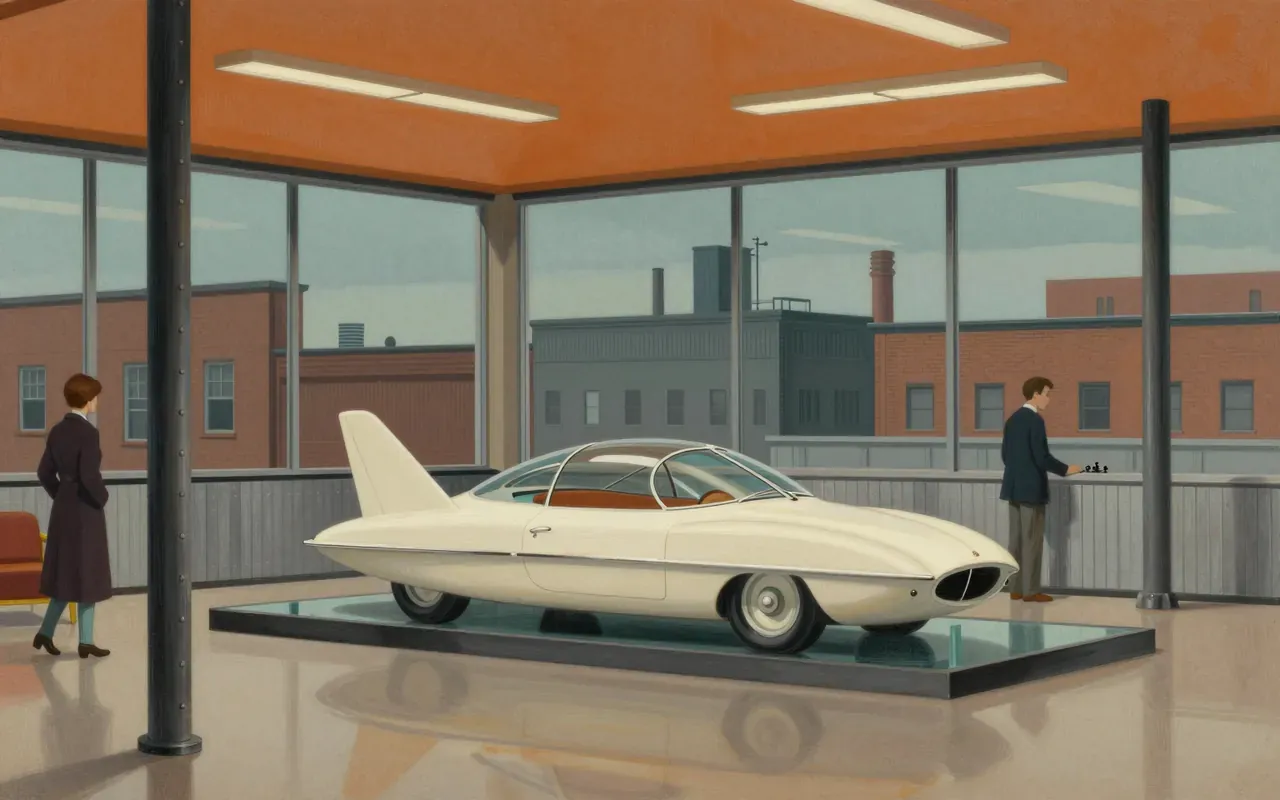
The Firebird I is a 1953 GM concept car designed by Harley Earl. It was the first gas turbine-powered car tested in the United States. It features a single-seat cockpit under a bubble canopy, a bullet-shaped fiberglass fuselage, short wings, and a vertical tail fin. It was built for the 1953 Motorama show. GM never intended it for production.

10:25

Subaru SVX

Giorgetto Giugiaro · 1991

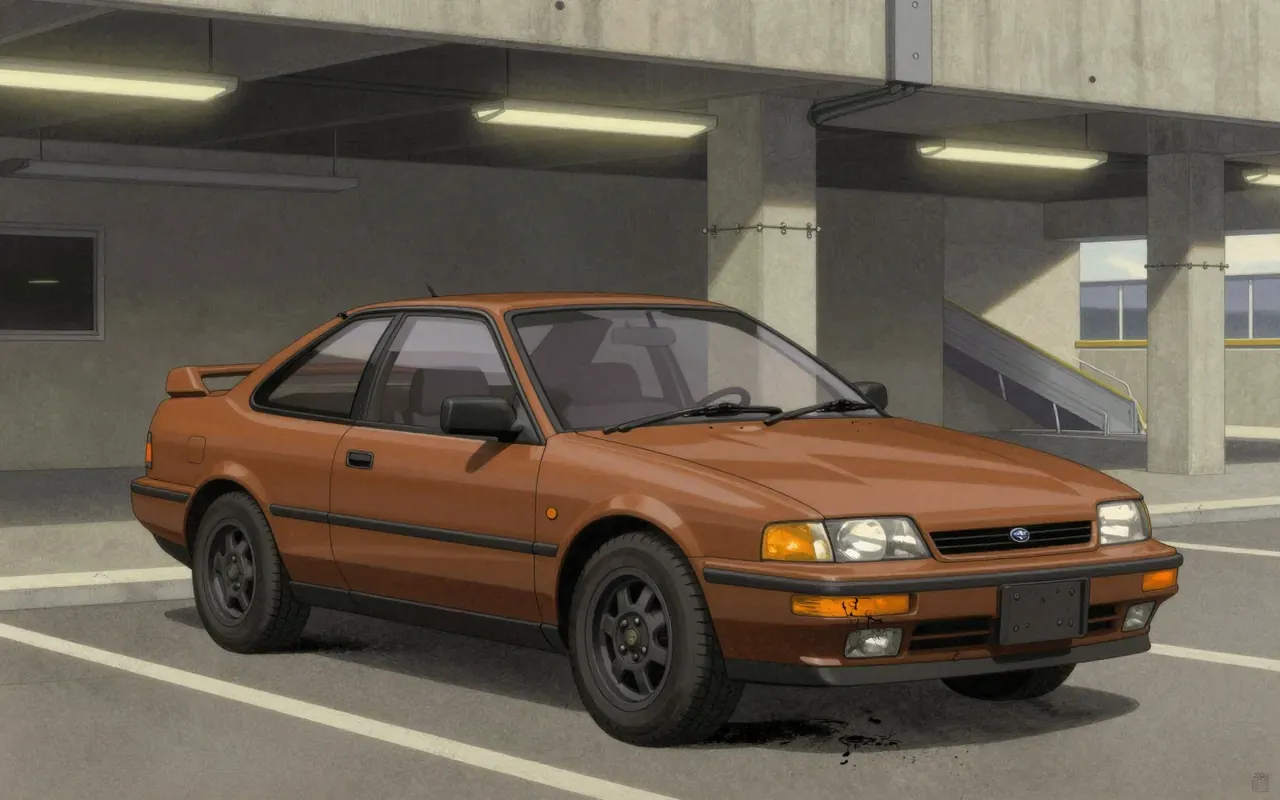
The Subaru Alcyone SVX is a 1991 two-door, front-engine coupé styled by Giorgetto Giugiaro. It was Subaru’s first luxury/performance vehicle. It featured an aircraft-inspired 'window-within-a-window' side-glass configuration. It used only the 3.3-litre flat-six EG33 engine and an automatic transmission. All-wheel drive was offered via ACT-4 or VTD systems — or front-wheel drive in some markets. Production ran from 1991 to 1996.

10:06

Tatra 87

Hans Ledwinka · 1936

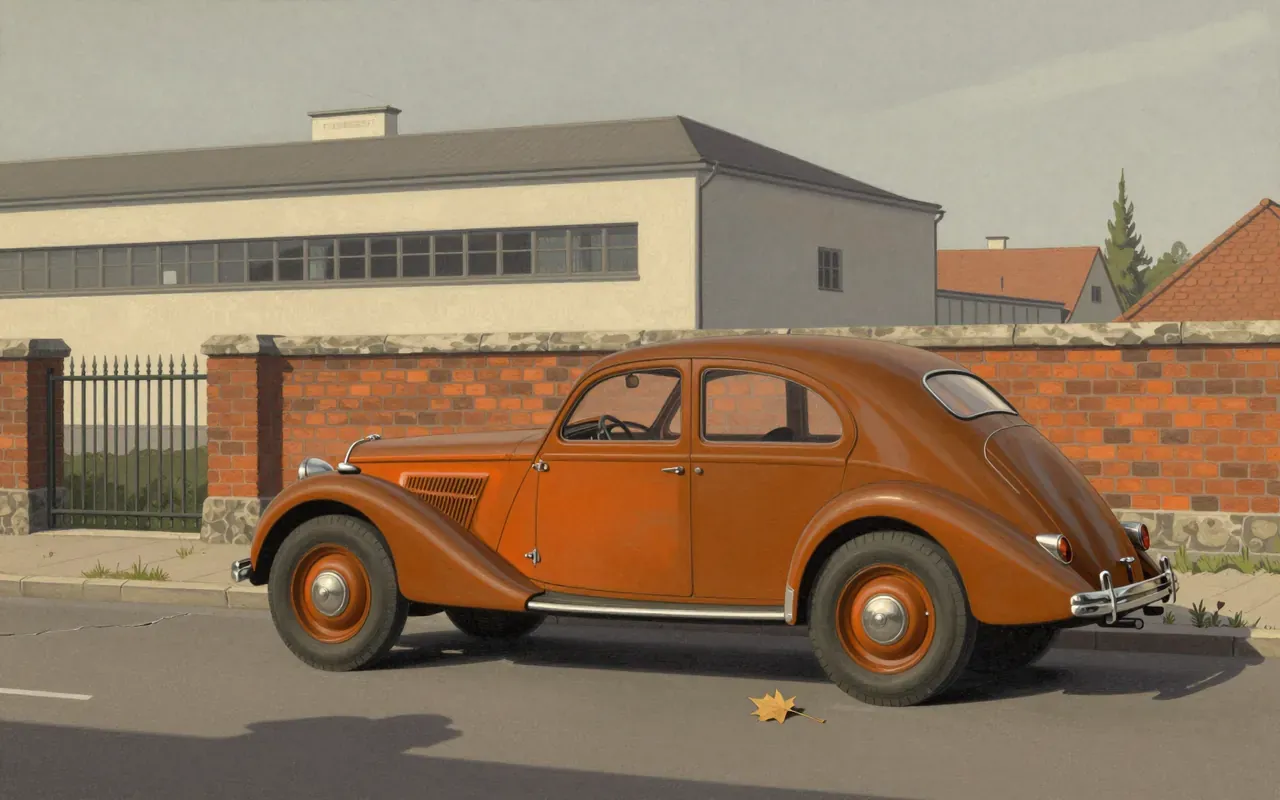
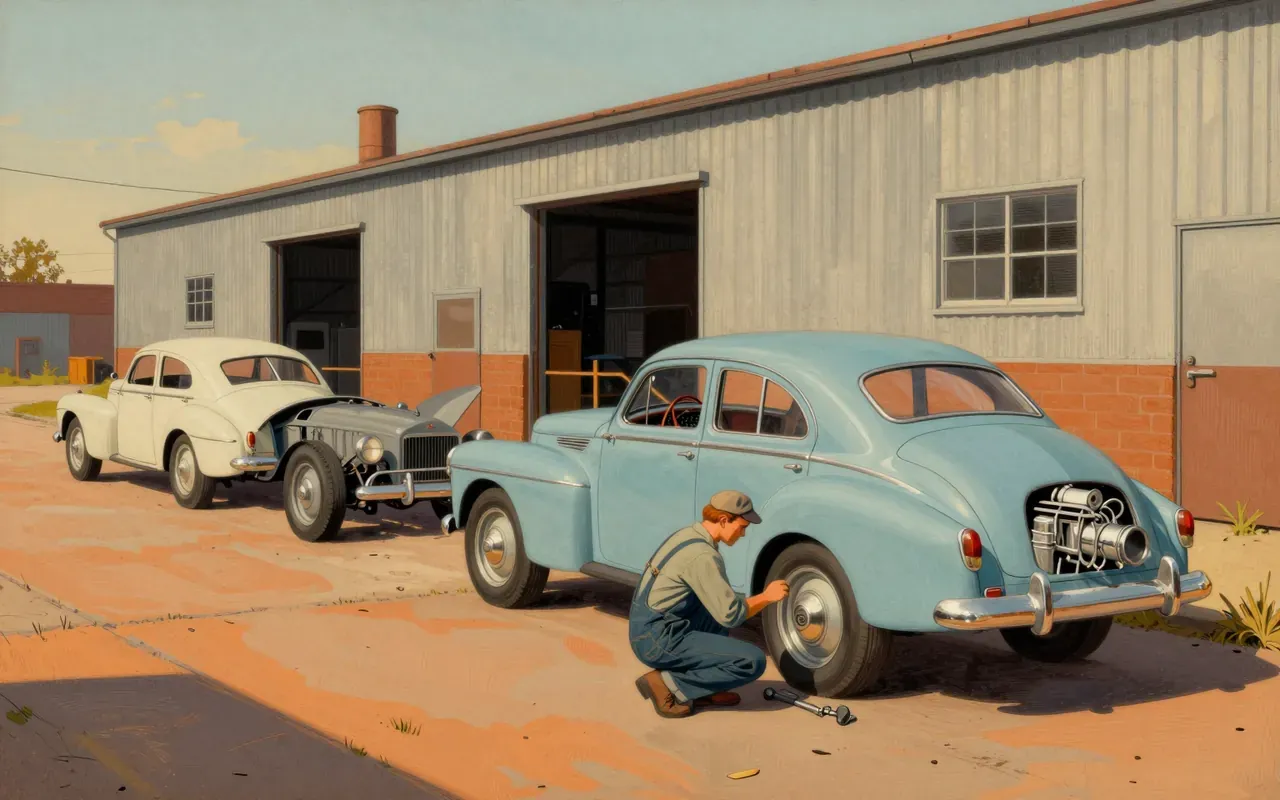
The Tatra 87 is a Czechoslovak-built, rear-engine, streamlined saloon produced from 1936 to 1950. Designed by Hans Ledwinka, Erich Ledwinka, and Erich Übelacker. Based on Paul Jaray’s aerodynamic proposals.

9:37

Toyota Sports 800

Shozo Sato · 1965

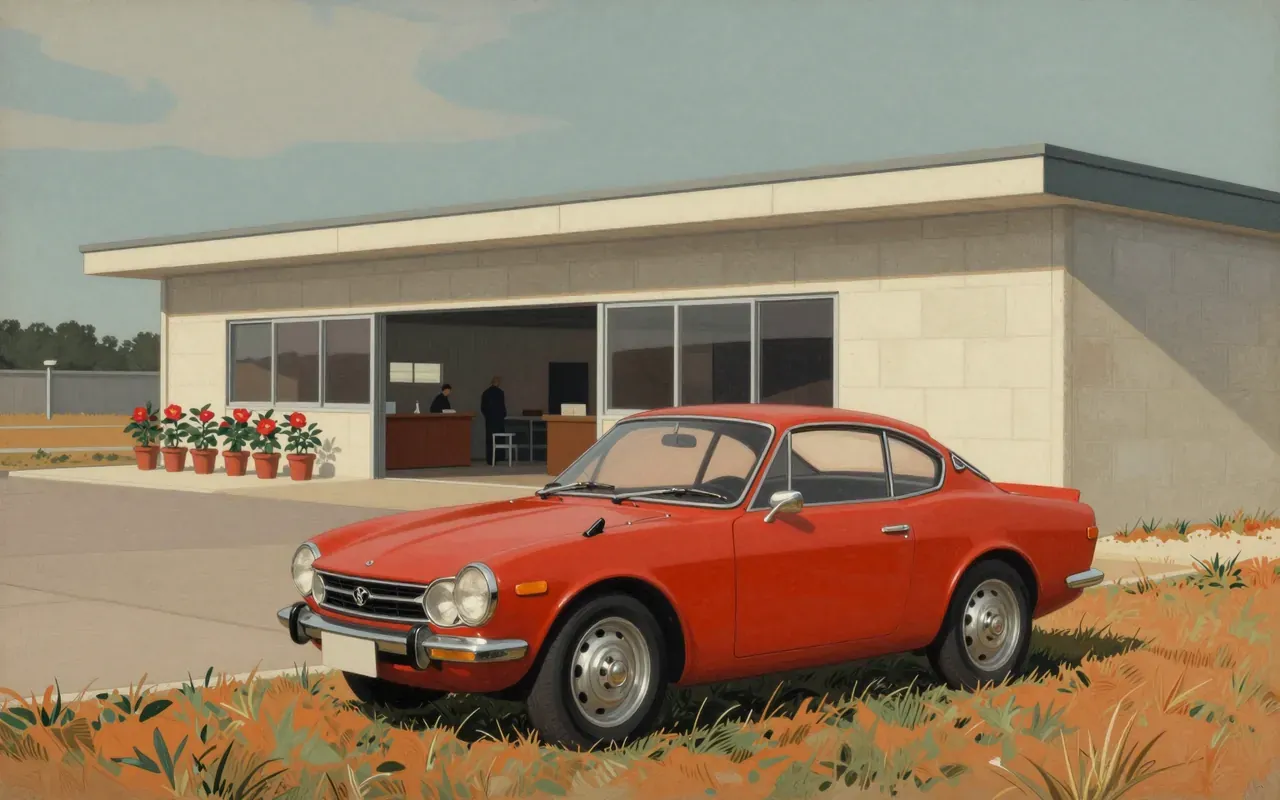
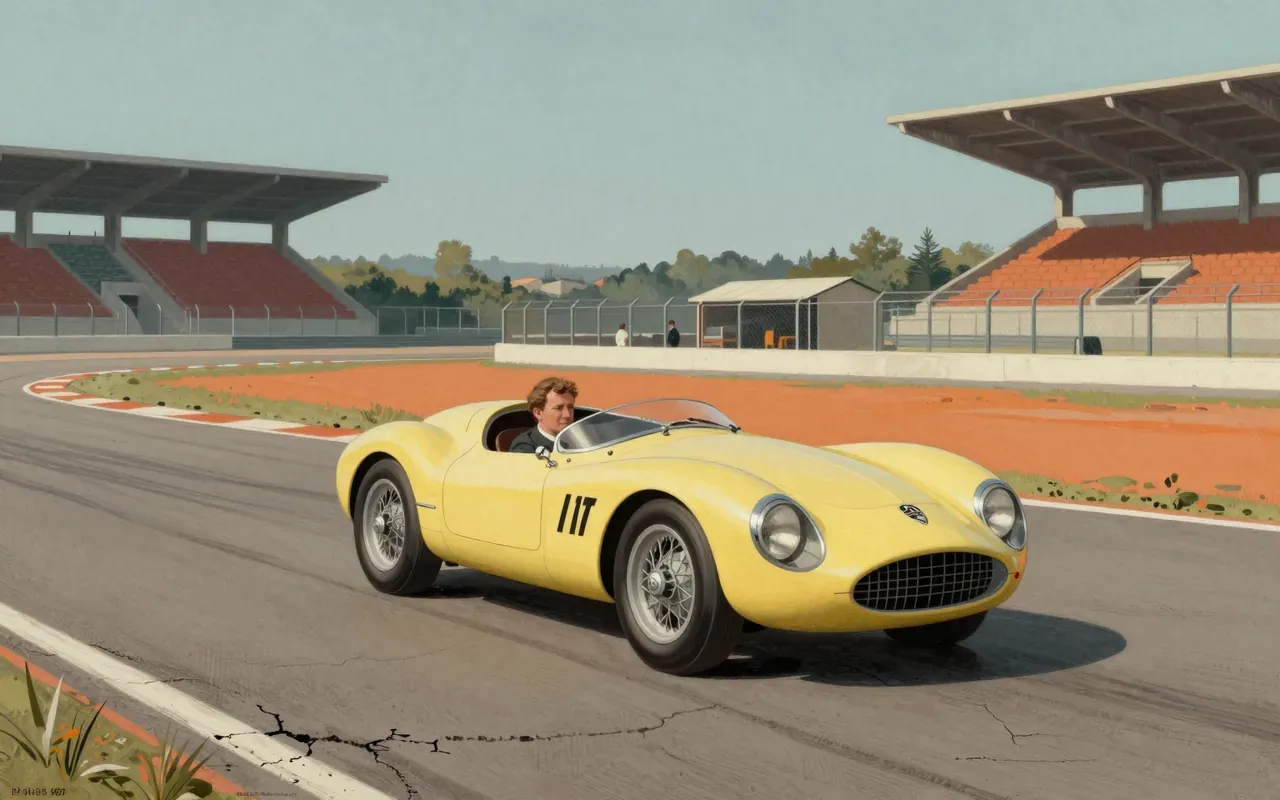
Toyota Sports 800 (1965) — A lightweight, targa-top roadster built around an air-cooled 800 cc boxer engine. Designed for agility and aerodynamic efficiency, not speed or comfort. Sold exclusively in Japan via Toyota Publica Stores. Production: 1965–1969. Units built: ~3,131.

11:12

Tucker 48

Alex Tremulis · 1948

The Tucker 48 is a saloon defined by unmet promise and tangible innovation. It established safety and driver-centred layout as non-negotiables—before Detroit accepted them. It failed to deliver its own engine or prove its systems in volume. Its legacy is procedural, not mechanical.

9:56

Vector W8

Gerald Wiegert · 1989

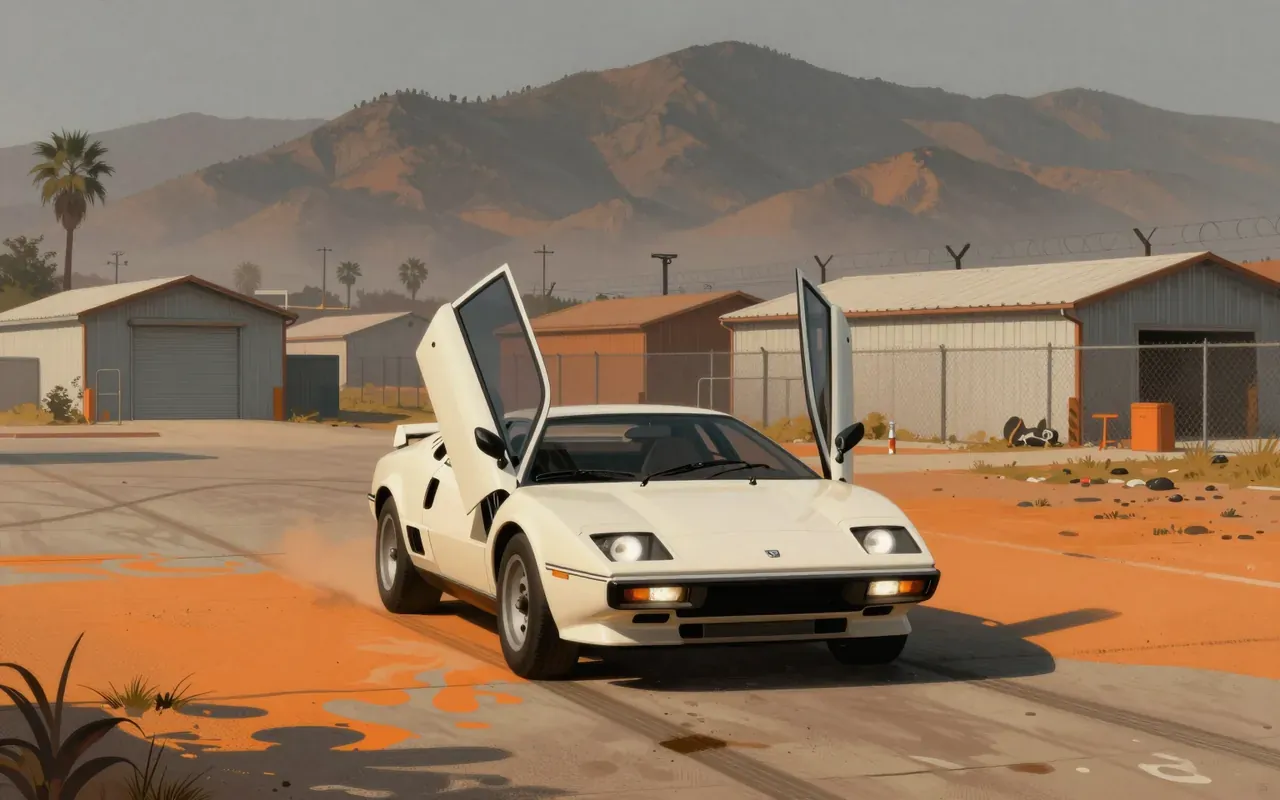
The Vector W8 is a 1989–1993 American supercar built by Vector Aeromotive Corporation. Designed by Jerry Wiegert and refined by David Kostka, it evolved from the W2 prototype shown publicly in 1976. Inspired by the Alfa Romeo Carabo and fighter jets, it used aerospace materials and ‘Aeromotive Engineering’. It passed DOT crash and emissions tests before production. Conceived as America’s answer to Ferrari, Lamborghini, and Porsche, it remains a singular demonstration of ambition over execution.

9:02

Alfa Romeo BAT

Franco Scaglione · 1953

The BAT series is a focused, documented exercise in aerodynamic research—not styling, not engineering for power, not market readiness. It is a rare case where form follows one measurable physical constraint, iterated across three years, with no deviation from that brief.

9:54

Cadillac Eldorado

Harley Earl · 1953

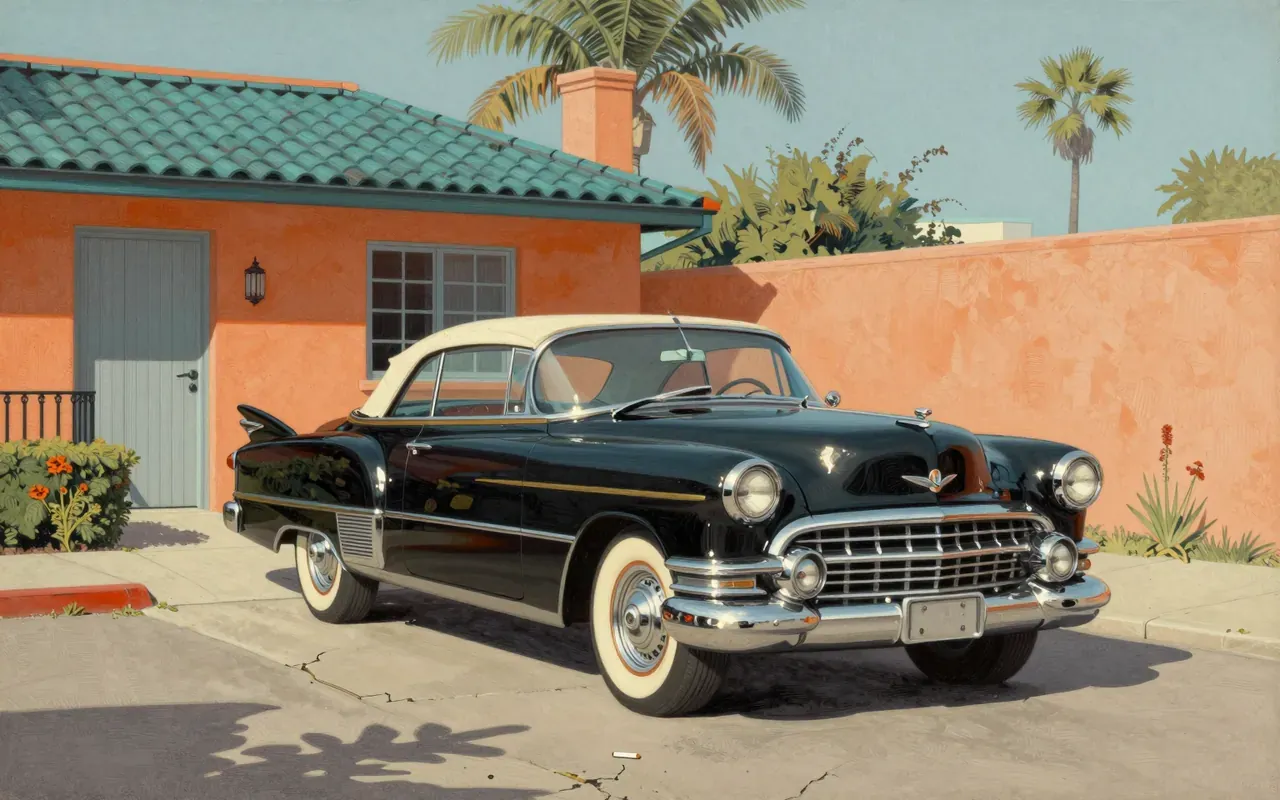
The 1953 Cadillac Eldorado is a foundational expression of postwar American automotive hierarchy: a limited-run, top-priced convertible defined by bespoke bodywork and Harley Earl’s tailfin language. It establishes no new powertrain or chassis architecture — but it does cement styling as a primary tool of luxury positioning.