Saved
Sports cars

Honda S2000

A naturally aspirated roadster built to talk back — not to you, but through you.

Worth your time?4.5/5Yes.Drive the whole thing.What works, what does not, who it is for ↓
10:38in productionCh. 1 · What It Is/ 10:38 · ceiling 15 min
4 chapters · 10:38Ceiling 15:00

The brief is written and checked. The video joins this page when it is cut.4 chapters · 1 min read · 10:38 planned

Read the brief

The Honda S2000 is a front-mid engine, rear-wheel-drive open-top sports car manufactured by Honda from 1999 to 2009. It launched on April 15, 1999, to mark Honda’s 50th anniversary. Its name honours the 1960s S-series roadsters and its two-litre engine. It holds the record for highest specific power output of any mass-production naturally aspirated car until 2010. It was tested on race tracks and mountain roads. Development followed classic Honda engineering values, not marketing input.

Chapters & takeaways4
  1. 1:09
    What It Is

    It is a deliberate revival: front-mid, RWD, open-top, named for displacement and legacy.

  2. 2:44
    How It Was Made

    It was engineered for track and mountain roads — not showrooms or focus groups.

  3. 4:44
    What It Delivered

    Its specific power output set a record for mass-production, naturally aspirated cars — held until 2010.

  4. 6:01
    What It Rejected

    The SSM concept used a five-cylinder engine and was designed entirely in-house — not by Pininfarina.

1 more chapterFewer chapters
Worth your time?

Yes. Drive the whole thing.

4.5/ 5
What works
  • It gets the weight distribution right: front-mid layout places the engine just ahead of the front axle, sharpening turn-in and balancing longitudinal inertia.
  • It gets the throttle response right: no turbo lag, no torque fill, just immediate, linear power delivery.
What does not
  • It does not isolate the driver from road texture or engine noise.
  • It does not offer automatic transmission.
  • It does not accommodate luggage or passengers beyond two.
Drive it if
  • It is for drivers who want to feel the chassis articulate through the wheel and pedals — not as an abstraction, but as continuous, real-time feedback.
  • It is not for those who prioritise daily usability, quietness or low-effort driving.
Skip it if
  • It is not for those who prioritise daily usability, quietness or low-effort driving.
Who should drive it, and who should skipHide who it is for
The written brief1 min read

What the car is and where it came from

The Honda S2000 is a front-mid engine, rear-wheel-drive open-top sports car manufactured by Honda from 1999 to 2009. It launched on April 15, 1999, to mark Honda’s 50th anniversary. Its name honours the 1960s S-series roadsters and its two-litre engine.

How it works, in terms someone would actually use

It is a two-seat, open-top roadster with front-mid engine layout and rear-wheel drive. The driver sits close to the rear axle. The steering is direct and unassisted in early models. The gearshift is short-throw and precise. The engine revs freely to its redline.

What it gets right

It gets the weight distribution right: front-mid layout places the engine just ahead of the front axle, sharpening turn-in and balancing longitudinal inertia. It gets the throttle response right: no turbo lag, no torque fill, just immediate, linear power delivery.

What it does not

It does not isolate the driver from road texture or engine noise. It does not offer automatic transmission. It does not accommodate luggage or passengers beyond two.

What it changed

It proved that a mass-production, naturally aspirated roadster could prioritise driver feedback and mechanical honesty over comfort, convenience or marketing trends — and still sell.

Who it is for, and who it is not

It is for drivers who want to feel the chassis articulate through the wheel and pedals — not as an abstraction, but as continuous, real-time feedback. It is not for those who prioritise daily usability, quietness or low-effort driving.

Is it worth your time

Yes. It remains a benchmark for naturally aspirated sports car engagement — not because it is rare or nostalgic, but because its engineering logic is still legible and uncompromised.

Same garage · Sports cars4 of 157
9:46
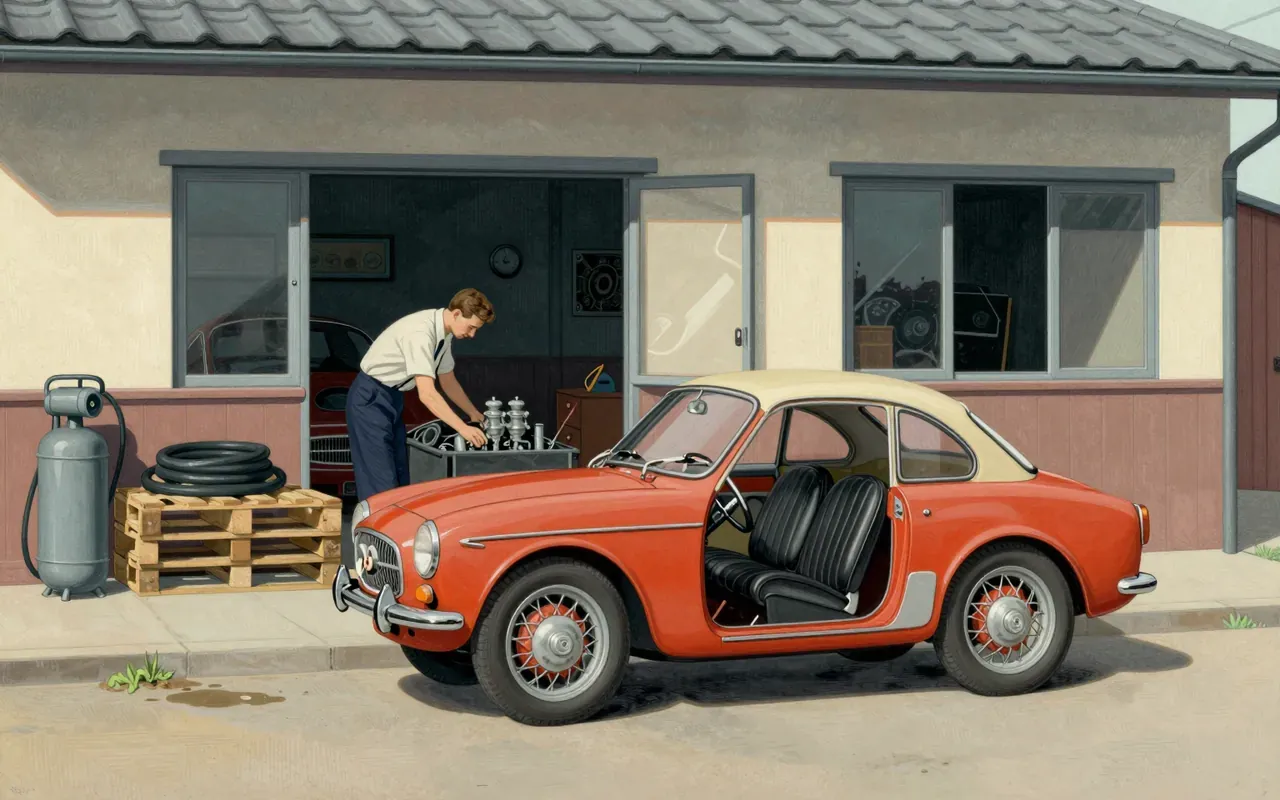
Lotus SevenColin Chapman · 1957The Lotus Seven is a British-built, open-wheel, two-seat, open-top sports car designed by Colin Chapman to embody performance through low weight and simplicity. It was produced from 1957 to 1973, originally by Lotus Cars (Lotus Engineering), and featured a front-engine, rear-wheel-drive layout with a tubular spaceframe and lightweight aluminium/fibreglass bodywork. The Series 1 used a 1,172 cc Ford Sidevalve straight-four engine and was used both on road and in club racing. Over 2,500 original Lotuses were sold. After 1973, Caterham acquired the rights and continued production as the Caterham 7. The design inspired widespread imitation in the kit car market.
9:54
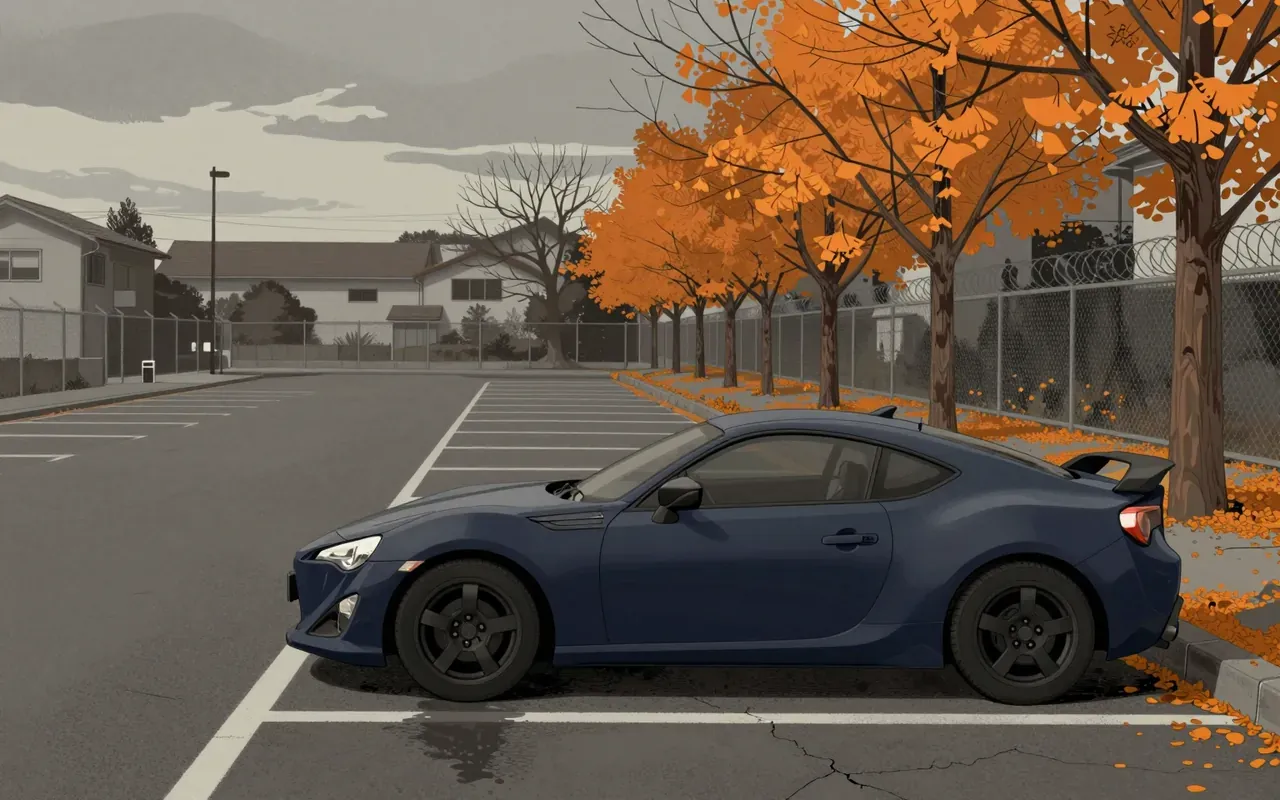
Toyota 86Tetsuya Tada · 2012The Toyota 86 is a driver’s car defined by restraint: low weight, natural aspiration, precise weight distribution, and mechanical transparency. It trades speed for fidelity — and in doing so, redefined what an entry-level sports car could be.
10:11
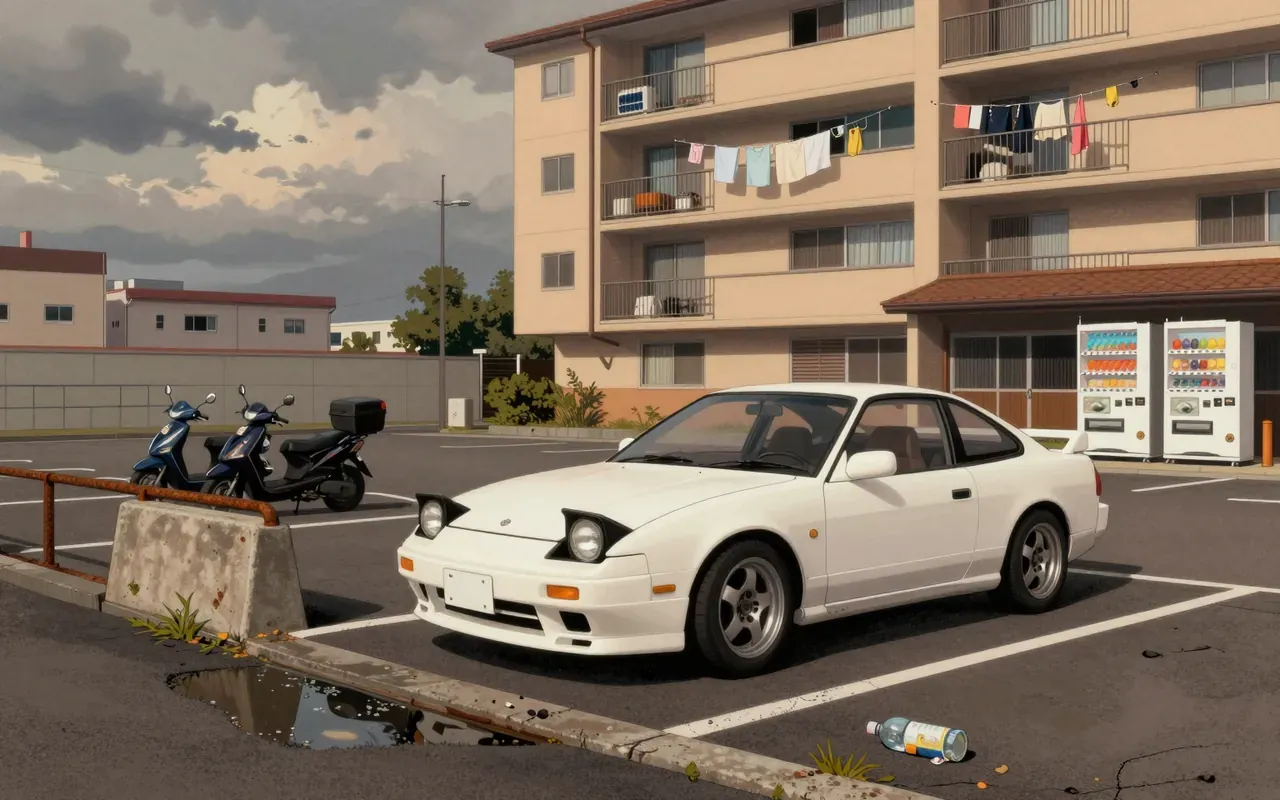
Nissan 180SXNissan · 1989The Nissan 180SX is a Japanese-market fastback built from 1988 to 1998 on the S13 platform. It featured pop-up headlights and a liftgate. It launched in March 1989 and was sold exclusively through Nissan Prince Stores alongside the Skyline and Silvia. It used the CA18DET turbo engine initially, then upgraded to the SR20DET in 1991 and added the SR20DE in 1996.
9:51
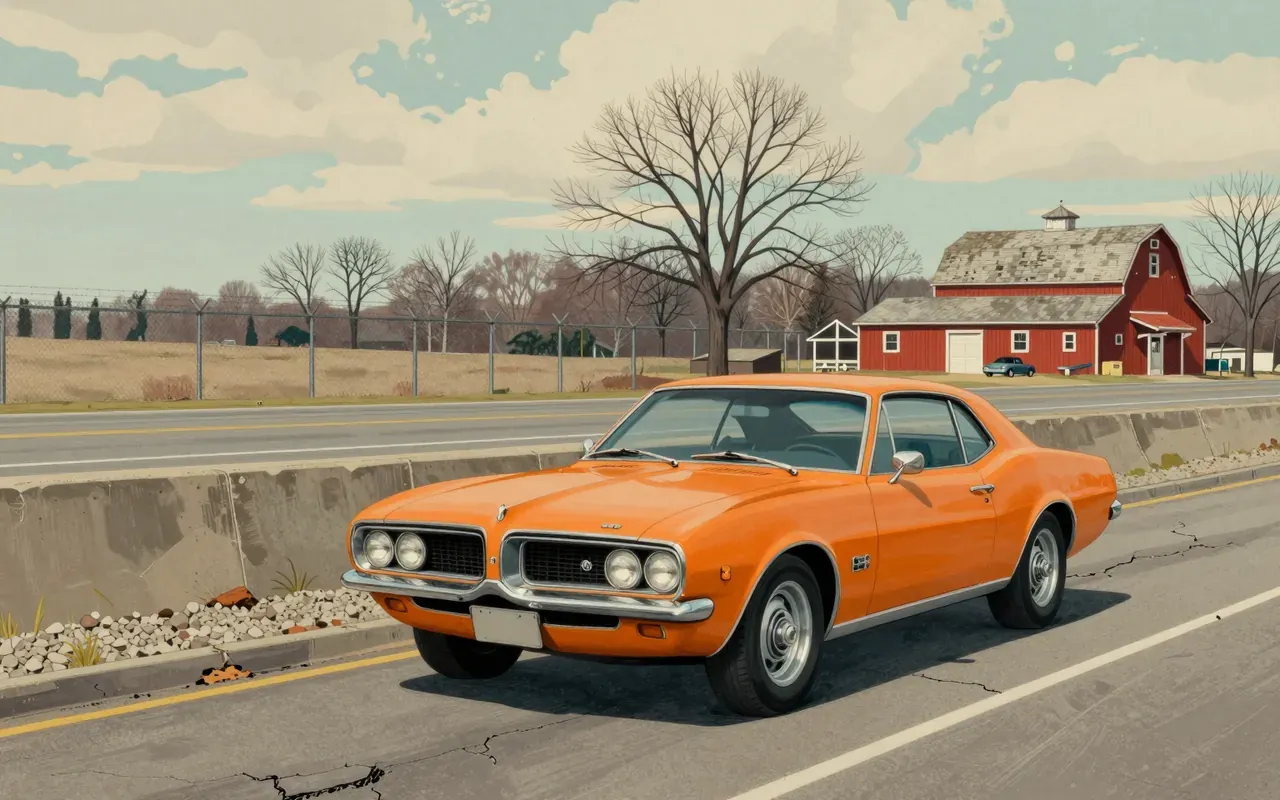
Pontiac FirebirdJack Humbert · 1967The 1967 Pontiac Firebird is a study in corporate constraint made visible. Its design solves for brand continuity—not performance. Its existence answers a veto, not a demand.
Up next in Automotive

Honda S500

Honda · 1963 · 9:37

Honda didn’t build a car first—it built a motorcycle on four wheels, then called it a sports car.

9:37