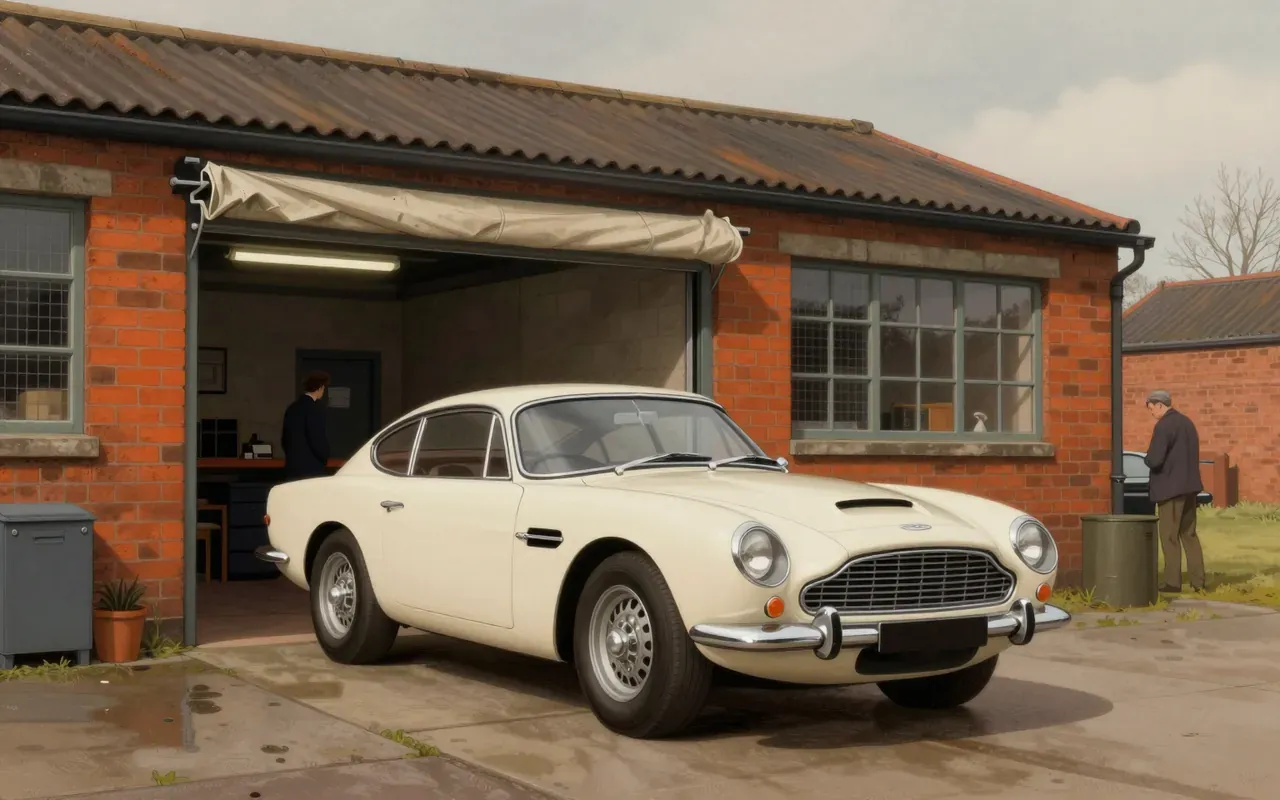
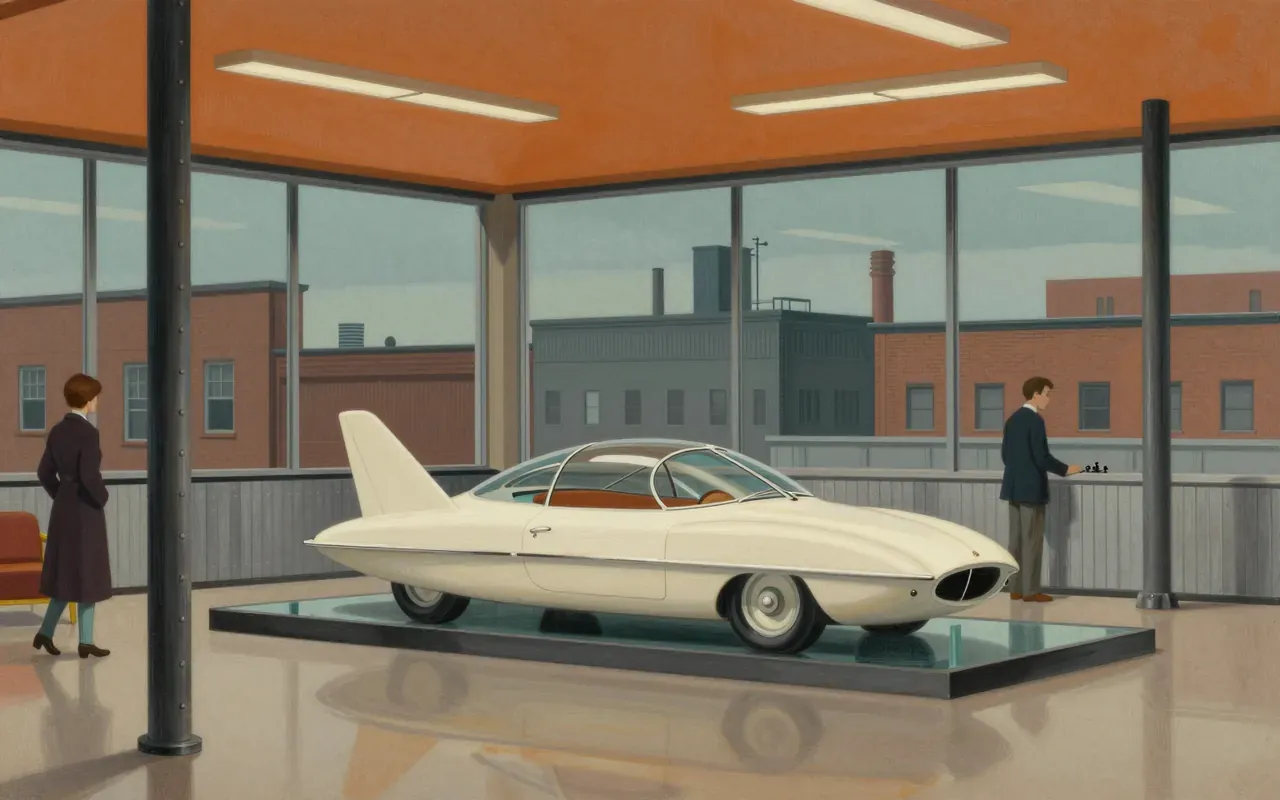
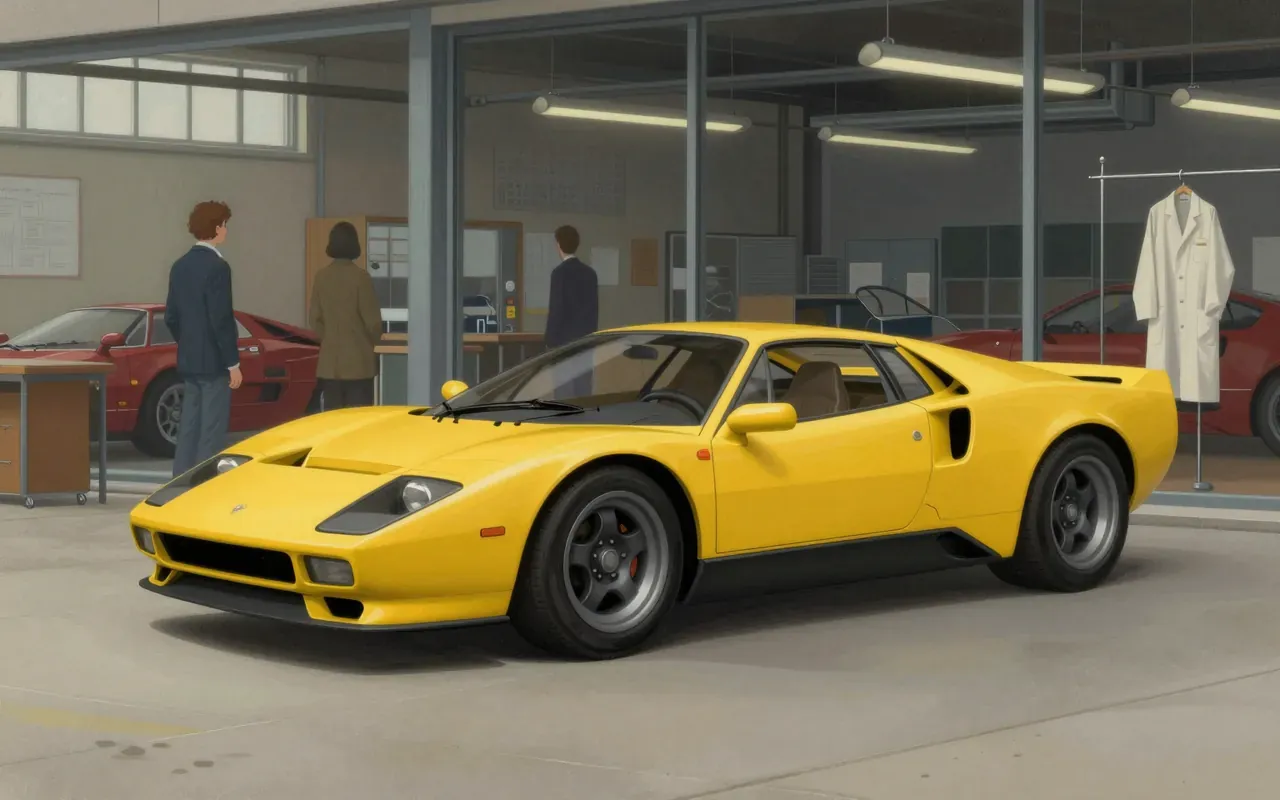
A hydrogen-electric RWD coupe built on a Stinger — not a fantasy, but a prototype with purpose.
Hyundai N Vision 74 is a functional, road-capable concept that tests hydrogen-electric drive in a rear-wheel-drive sports layout. It is not a production preview, nor a styling manifesto — it is engineering made visible.
SangYup Lee led the design of a concept that reimagines Hyundai’s 1974 Pony Coupe for a hydrogen-electric era.
3:14
From show stand to showroom
Unveiled in 2022, it transitions from concept to limited production: 200 units starting in 2026.
4:34
How it moves
Its drivetrain combines battery and hydrogen, co-developed with Rimac, and bolted into a modified Kia Stinger.
5:54
Beyond concept
It is a 'Rolling Lab', not a styling exercise — functional, road-capable, and rooted in Pony Coupe form.
Worth your time?
Yes. Drive the whole thing.
3.5/ 5
What works
Bridges 1974 Pony heritage with next-gen energy systems
Uses a Stinger chassis to validate complex powertrain integration
Makes hydrogen-electric duality physically tangible, not theoretical
What does not
Prove hydrogen’s scalability in performance cars
Decouple from donor-vehicle packaging limits
Offer a scalable platform beyond 200 units
Drive it if
Drivetrain engineers
Korean automotive historians
Hydrogen-system integrators
Skip it if
Daily drivers
Track-day enthusiasts seeking proven hardware
EV buyers comparing range or charging speed
The written brief1 min read
What the car is and where it came from
A road-capable, rear-wheel-drive electric-hydrogen hybrid coupe concept. Designed by SangYup Lee. Unveiled in 2022. Rooted in the 1974 Pony Coupe. Co-developed with Rimac. Built as a ‘Rolling Lab’ on a modified Kia Stinger chassis.
How it works, in terms someone would actually use
It is a rear-wheel-drive coupe with two electric traction motors on the rear axle. Power comes from both a storage battery and a hydrogen fuel cell. It is road-capable, not a static display.
What it gets right
It integrates hydrogen fuel cell and battery power into a rear-drive sports layout without masking the engineering. It uses the Pony Coupe’s proportions to anchor a modern electric-hydrogen proposition in tangible heritage.
What it does not
It does not establish a new architecture for mass-market EVs. It does not prove long-term viability of hydrogen in performance applications. It does not decouple from donor-vehicle constraints.
What it changed
It shifted Hyundai N’s concept-car practice from styling studies to functional, drivable prototypes. It moved hydrogen-electric integration from theory into a Stinger-derived chassis.
Who it is for, and who it is not
Engineers testing hydrogen-battery synergy in RWD dynamics. Historians tracking how Korean automotive identity reinterprets its own origins. Not for buyers seeking a production-spec performance car — only 200 units will exist from 2026.
Is it worth your time
Yes — as a rare hybrid drivetrain testbed built on real hardware, not renderings. Its value lies in its function as a rolling lab, not its aesthetics or production intent.