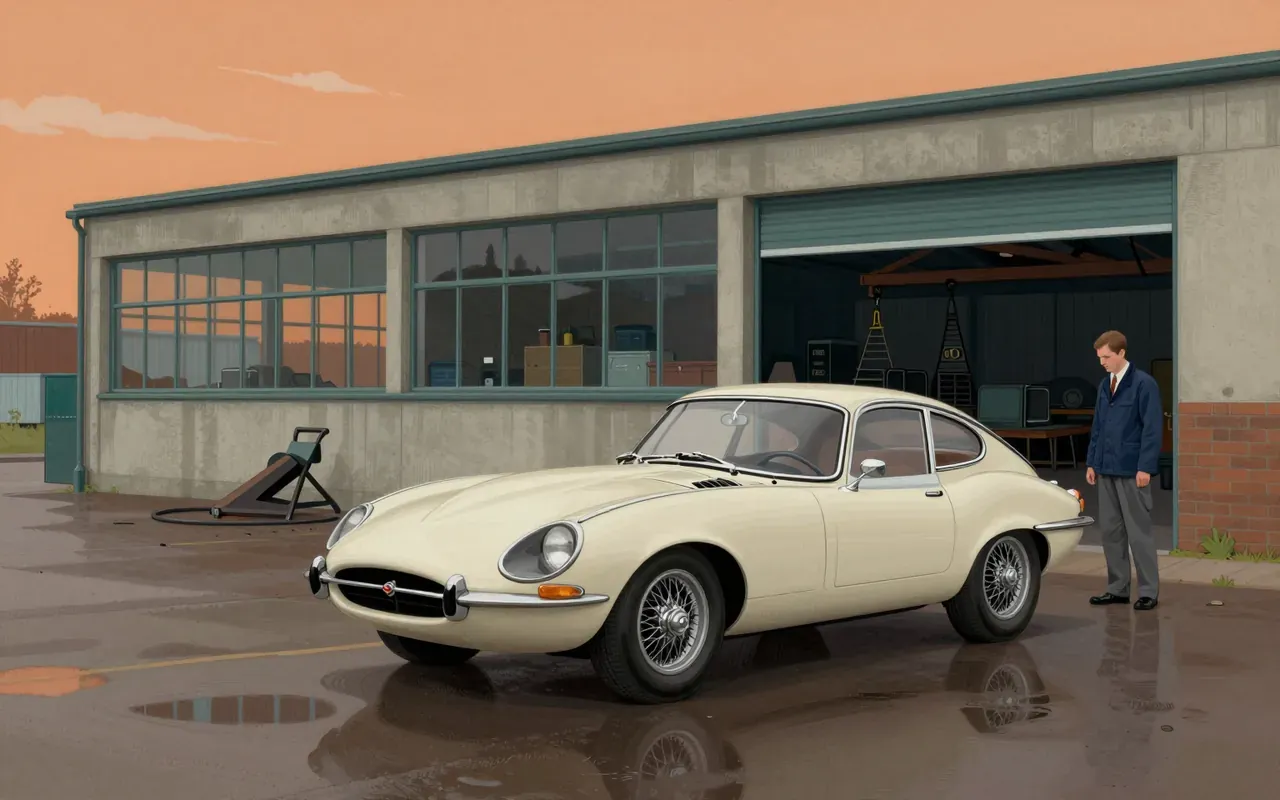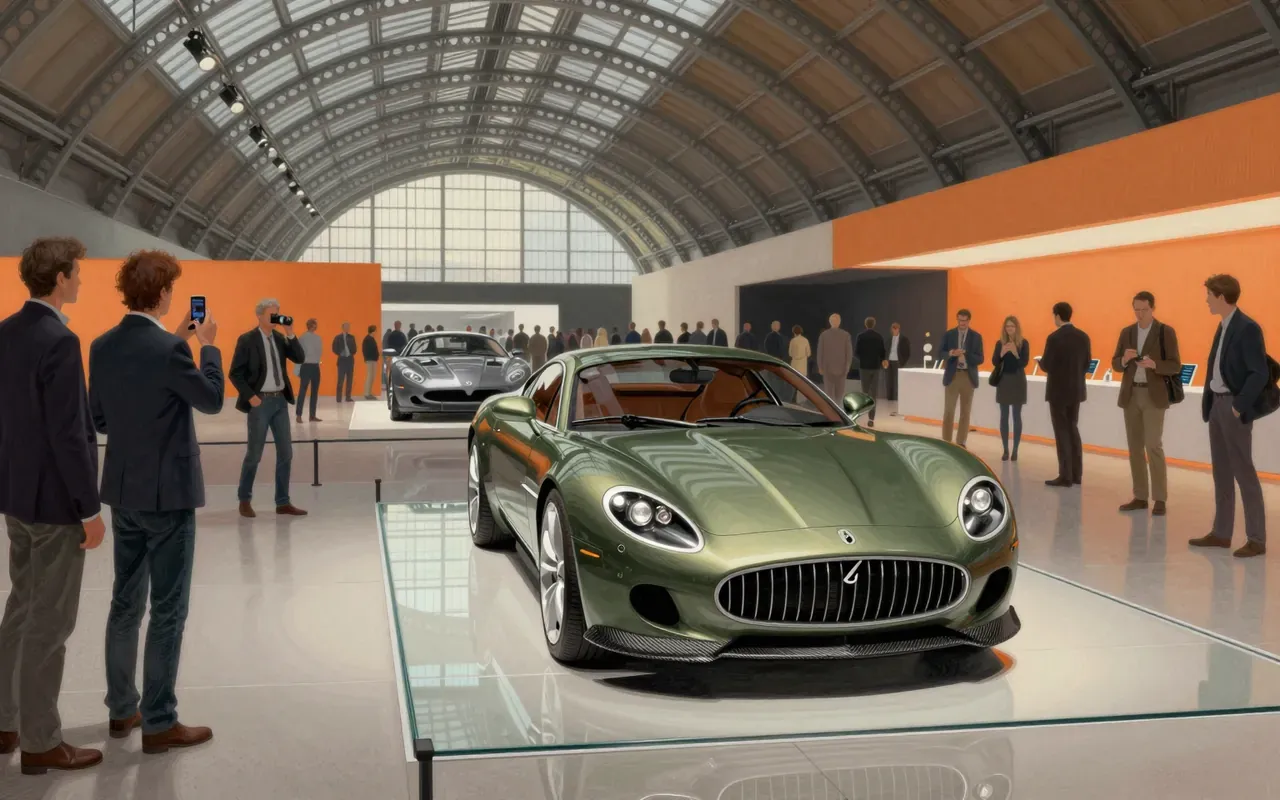
What the car is and where it came from
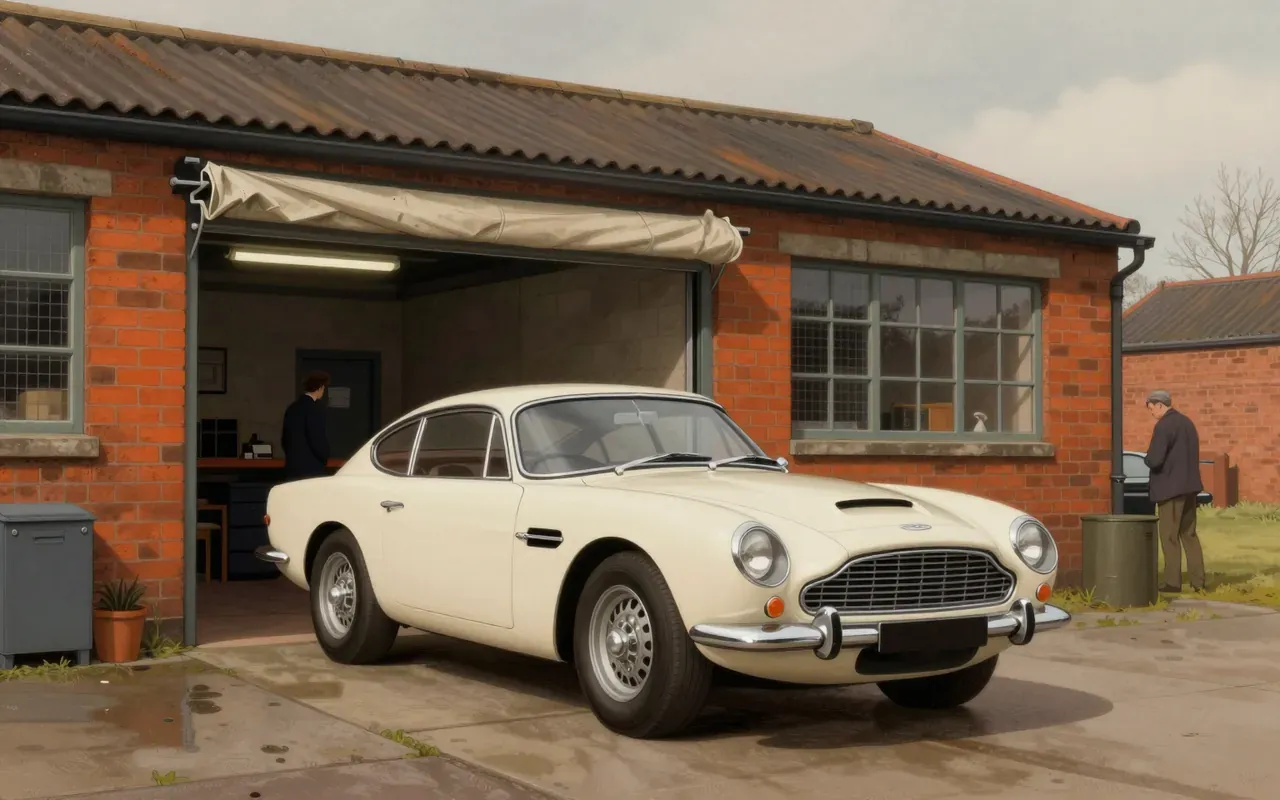
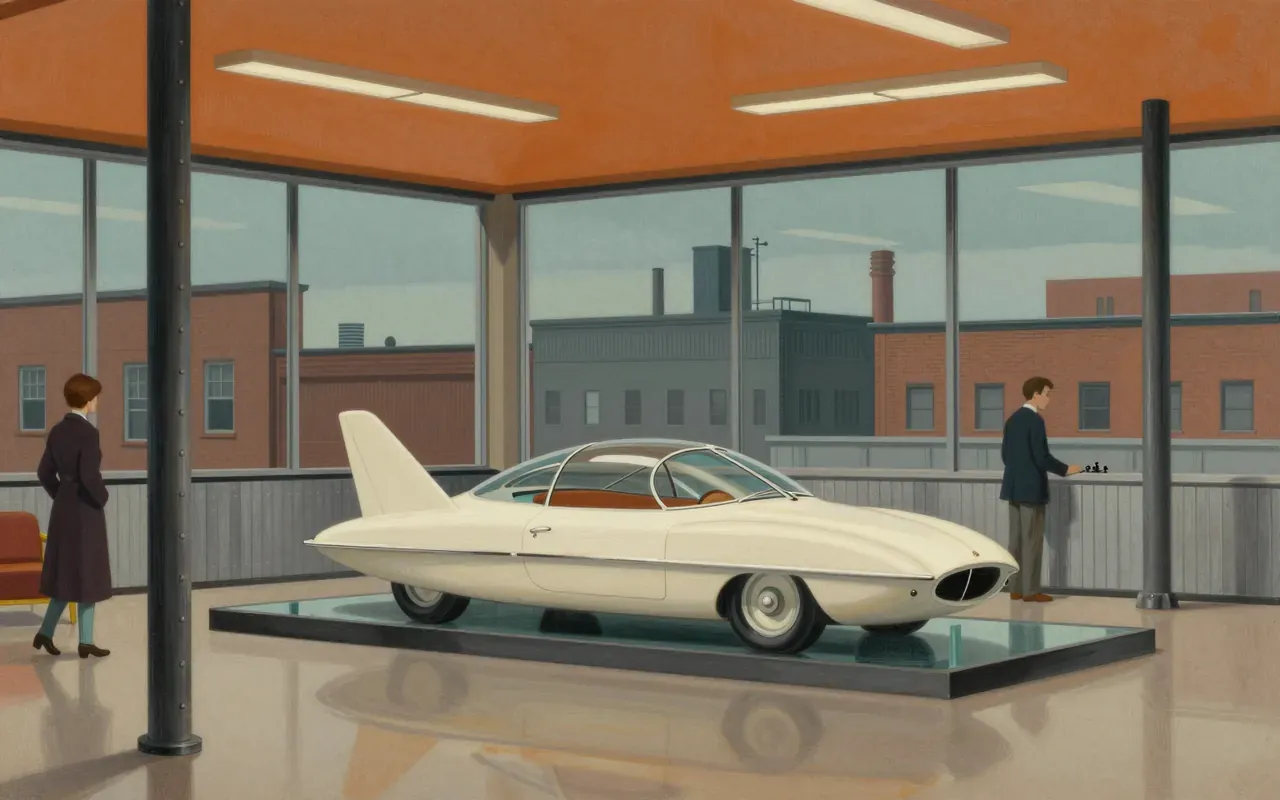
A 2-seat hybrid-electric concept car unveiled by Jaguar in 2010. Designed by Ian Callum. Built in partnership with Williams Advanced Engineering. Debuted at the 2010 Paris Motor Show.
How it works, in terms someone would actually use
Four electric motors drive each wheel. Diesel-fed micro gas turbines recharge the batteries. No conventional engine. No clutch. No gearbox. No exhaust note from combustion.
What it gets right
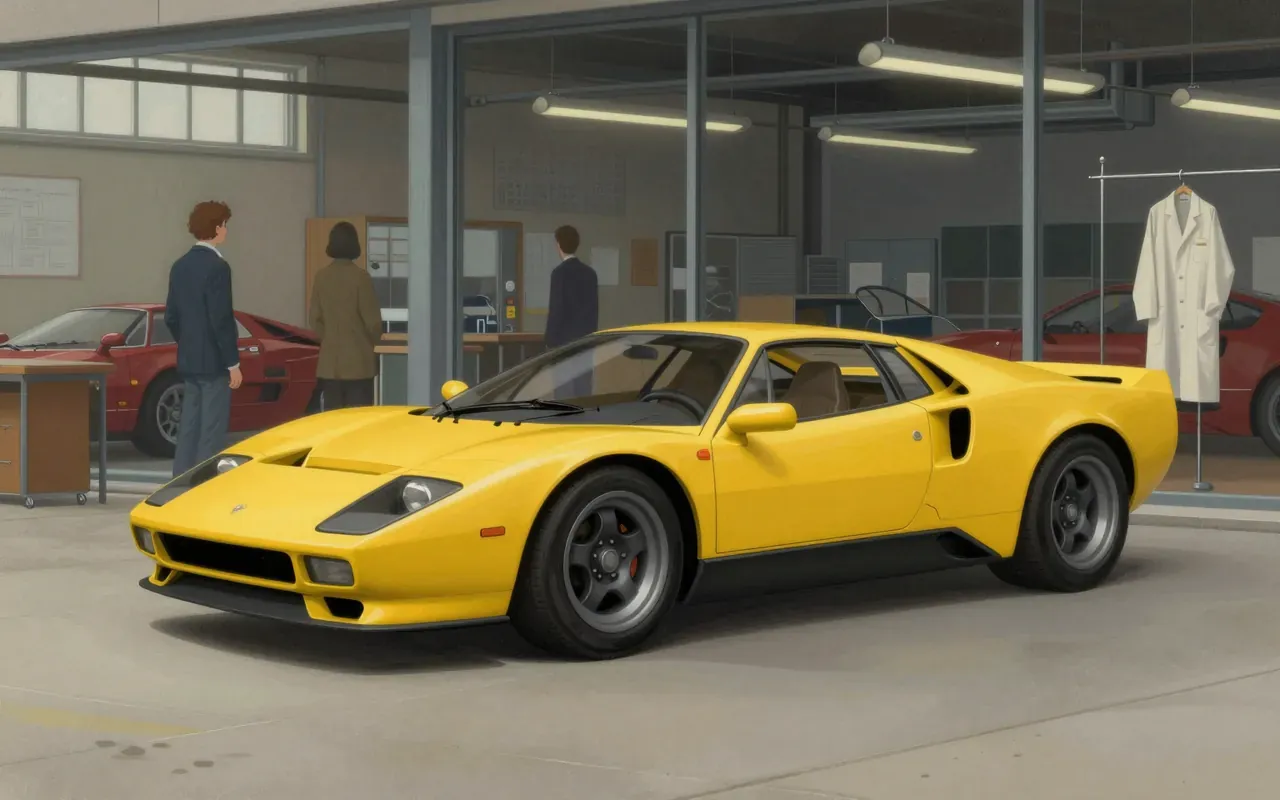
It establishes a low, wide, mid-engined silhouette that reads as urgent and coherent. The body is tightly packaged around its four-motor layout. The cabin is driver-focused, minimal, and uncluttered. It solves for visual clarity in a concept car: every line serves packaging or airflow.
What it does not
It does not deliver usable torque vectoring in practice. It does not prove the turbine system was viable beyond a show car. It does not offer driver engagement through mechanical feedback — no drivetrain inertia, no gearshift rhythm, no throttle linkage.
What it changed
It influenced Jaguar’s design language for the F-Type and XE. It tested the viability of distributed electric drive with on-board generation — an idea that did not survive into production but shaped later thinking about modular powertrains.
Who it is for, and who it is not
It is for engineers watching how turbine hybrids scale. It is for designers studying how to express electric drive without pretending it is mechanical. It is not for buyers. It was never for drivers.
Is it worth your time
Yes — as a snapshot of what hybrid architecture looked like when turbine range extenders were still plausible, and before battery density forced the industry toward simpler plug-in layouts.