Saved
Marque

Jaguar

8
briefs
9:49
average
79 min
in total
On automotive.briefs8
8:54

Jaguar C-X75

Ian Callum · 2010

The Jaguar C-X75 is a 2010 concept car designed by Ian Callum. It uses four wheel-mounted electric motors and two diesel-fed micro gas turbines. It was intended to influence future Jaguar design and technology. Production was announced in 2011 for 2013–2015 but cancelled in December 2012 due to the Great Recession.
9:09

Jaguar E-Type

Malcolm Sayer · 1961

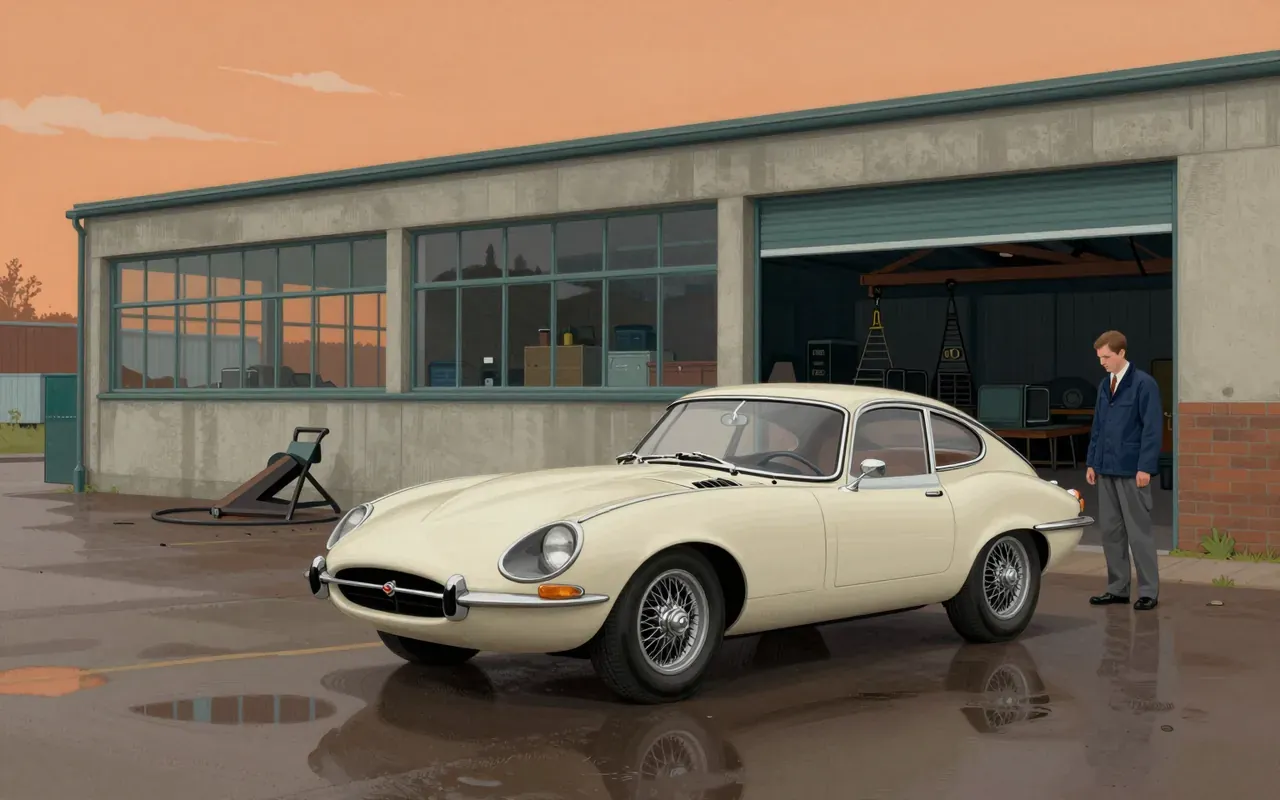
The Jaguar E-Type is a British front-engined, rear-wheel drive grand tourer introduced in March 1961 in Geneva. Designed by Malcolm Sayer as a roadster, it was based on the D-Type racing car and used a novel front-subframe-to-body-tub construction that eliminated the ladder frame. It featured independent coil-spring rear suspension, torsion-bar front suspension, and four-wheel disc brakes — inboard at the rear — all power-assisted. Its sleek appearance, advanced technologies, high performance, and competitive pricing established it as an icon. A 2+2 four-seater version was released in 1966.

10:00

Jaguar XJ

William Lyons · 1968

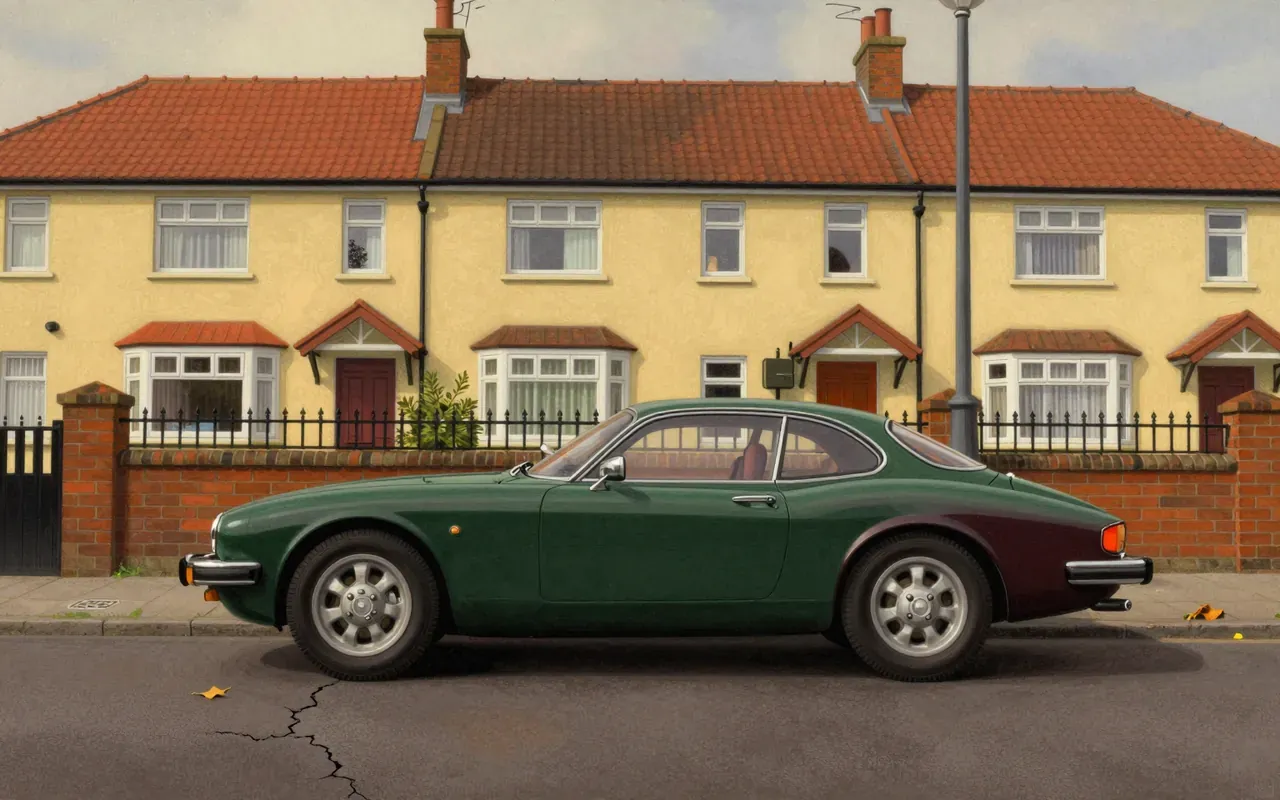
The 1968 Jaguar XJ6 is the last saloon designed under Sir William Lyons’ leadership. It is a full-size luxury car, front-engine, rear-wheel drive, launched as a four-door straight-six on a 2.76 m wheelbase. It uses the 4.2 litre XK engine. From 1970, it served as Jaguar’s flagship four-door model. It did not gain a long-wheelbase option or V12 engine until 1972. Lyons considered it his last and proudest achievement.

9:53

Jaguar XJS

Malcolm Sayer · 1975

The Jaguar XJS is a luxury grand tourer launched in 1975, developed by William Heynes on the XJ saloon platform, with early styling by Malcolm Sayer under project XJ27. It evolved from 1967 proposals into a V12-powered coupé, later offered as fixed-profile and full convertible.

10:21

Jaguar XJ220

Keith Helfet · 1992

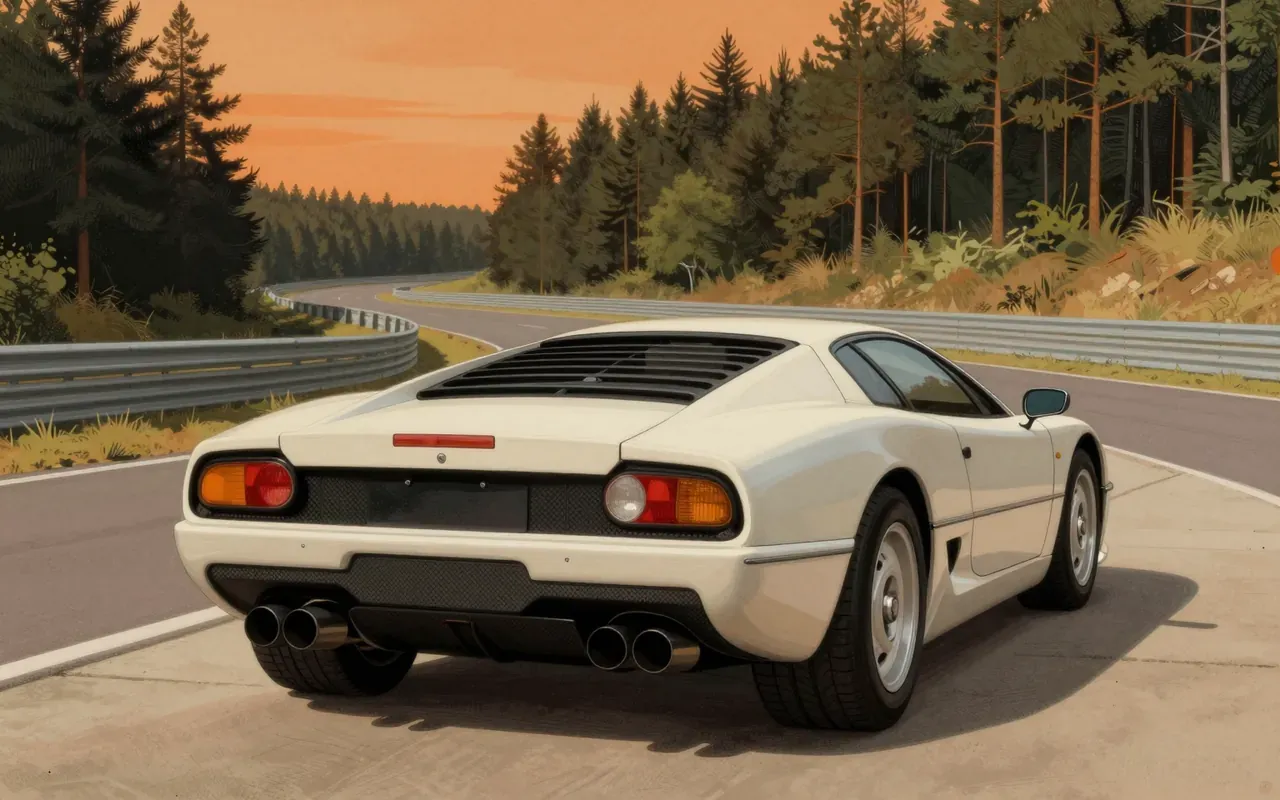
A mid-engine, rear-wheel drive two-seat supercar produced by Jaguar from 1992 to 1994 in collaboration with Tom Walkinshaw Racing. Developed from a V12, 4WD concept by Jaguar employees working in their spare time — the 'Saturday Club' — to revive Jaguar’s Le Mans legacy for FIA Group B. Final production version used a 3.5 L twin-turbo V6, achieved 217 mph at Nardo (catalytic converter removed), and set a Nürburgring lap time of 7:46.36 in 1991 — faster than any prior production car. Made use of engineering from Jaguar’s then-current racing car family. Unveiled publicly at the 1988 British International Motor Show in Birmingham.

10:26

Jaguar XJR-9

Tony Southgate · 1988

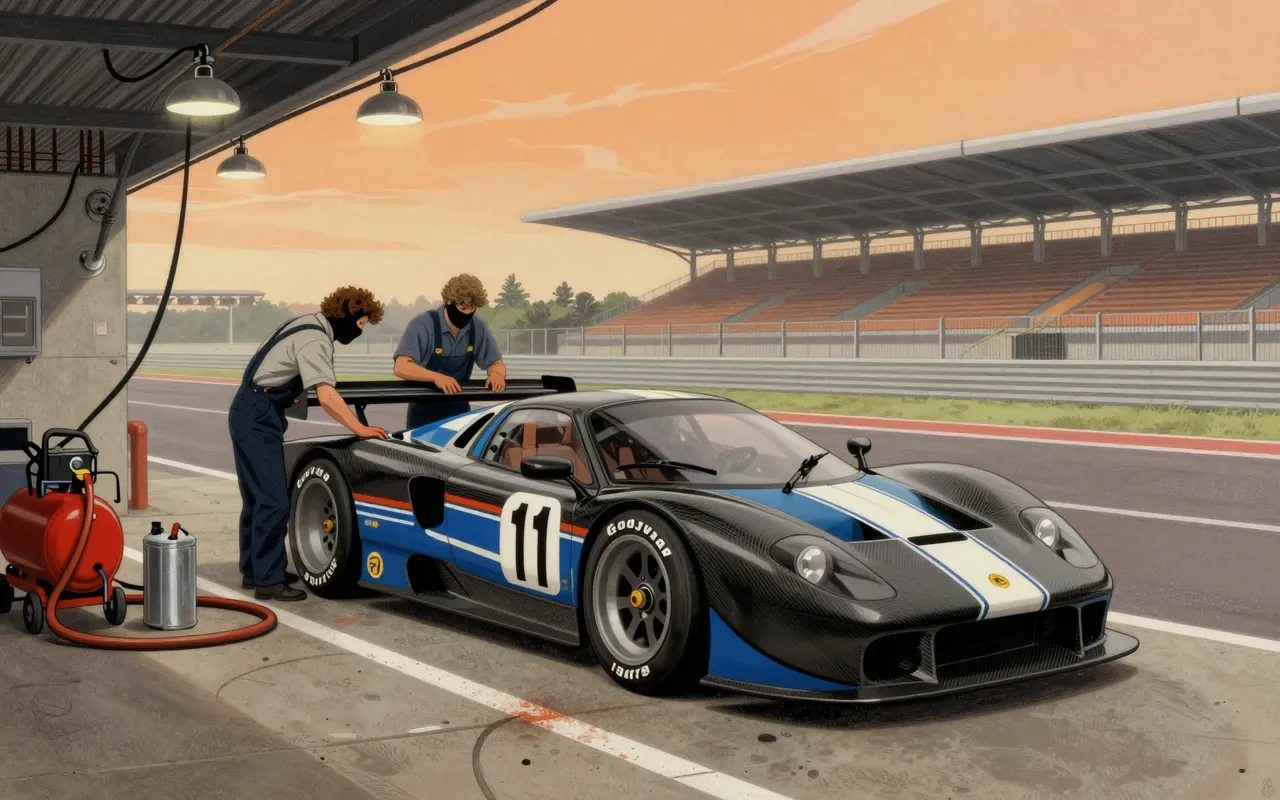
The Jaguar XJR-9 is a sports-prototype race car designed by Tony Southgate and built by Tom Walkinshaw Racing (TWR) in 1988. It features a Jaguar 7.0-litre V12 engine, carbon composite body, and mid-mounted, longitudinally oriented, rear-wheel-drive layout. A Le Mans–specific variant, the XJR-9LM, used a low-drag aerodynamic package. It won the 24 Hours of Le Mans and the 24 Hours of Daytona in 1988, and took six victories in the 1988 World Sports Prototype Championship.

10:59

Jaguar XK120

William Lyons · 1948

The XK120 is a pivotal machine—not because it was perfect, but because it was decisive. It launched a new engine. It forced production. It claimed speed before the world had recovered enough to question it. Its value lies in its clarity of purpose and its consequences.

8:52

Jaguar XK (X100)

Geoff Lawson · 1996

The XK (X100) is a disciplined, unflashy grand tourer that delivers cohesion over innovation. It shares architecture, not ambition, with the DB7. Its strength is execution—not invention.