Saved
Sports cars

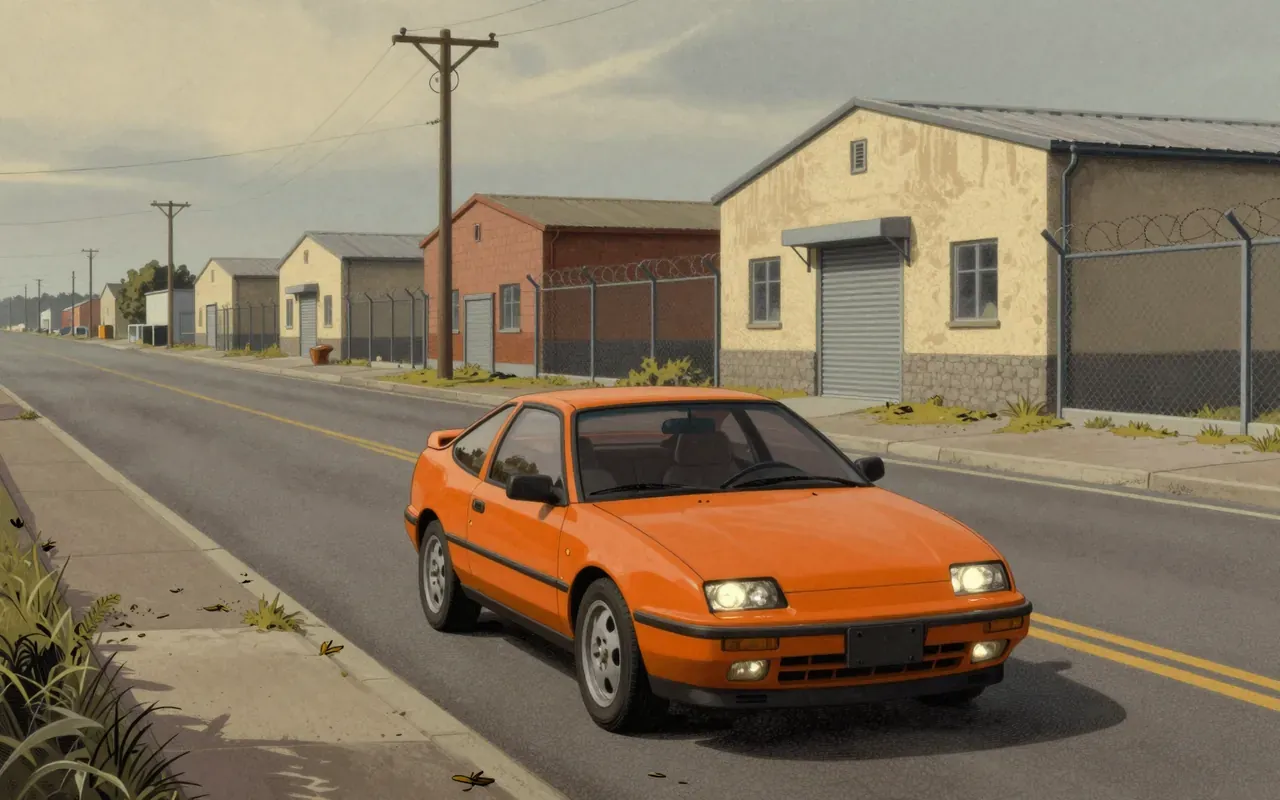
Hyundai Tiburon

Hyundai’s first global sports coupe was never about handling — it was about claiming space in the showroom with a shark’s name and a sloping roof.

Worth your time?3/5Yes.Drive the whole thing.What works, what does not, who it is for ↓
15:04in productionCh. 1 · A shark in a new sea/ 15:04 · ceiling 15 min
4 chapters · 15:04Ceiling 15:00

The brief is written and checked. The video joins this page when it is cut.4 chapters · 1 min read · 15:04 planned

Read the brief

The Hyundai Tiburon is a front-wheel-drive sports coupe produced by Hyundai from 1996 to 2008. It launched as the RD generation and continued as the GK generation. It carried different names across markets — Tiburon, Coupé, Turbulence, Tuscani — all describing the same body and layout.

Chapters & takeaways4
  1. 0:52
    A shark in a new sea

    It is Hyundai’s first dedicated sports coupe — built by a South Korean automobile manufacturer emerging from a chaebol structure.

  2. 2:56
    Twelve years, two shapes

    Two generations spanned twelve years: RD (1996–2001), then GK (2002–2008).

  3. 4:32
    One car, four names

    It wore four names across markets — Tiburon, Coupé, Turbulence, Tuscani — all tied to one body.

  4. 6:48
    Front-driven, not rear-led

    Front-wheel drive defined its layout, packaging, and driving character from day one.

1 more chapterFewer chapters
Worth your time?

Yes. Drive the whole thing.

3/ 5
What works
  • visual compression of a low-slung coupe silhouette
  • clear regional naming without diluting the core form
  • packaging exercise with shark-themed branding
What does not
  • rear-wheel drive
  • mid-engine layout
  • chassis refinement
  • driver engagement
Drive it if
  • buyers seeking affordable compact two-door cars with sporty styling
  • markets where Hyundai lacked performance credibility
Skip it if
  • drivers prioritising mechanical balance
Who should drive it, and who should skipHide who it is for
The written brief1 min read

What the car is and where it came from

The Hyundai Tiburon is a front-wheel-drive sports coupe made by Hyundai, a South Korean automobile manufacturer, from 1996 to 2008. It launched as the RD generation in 1996 and continued as the GK generation from 2002 until 2008.

How it works, in terms someone would actually use

It is a front-wheel-drive sports coupe. The driver sits ahead of the front axle. Power goes to the front wheels. Steering feedback comes through a direct rack-and-pinion system.

What it gets right

It gets right the visual compression of a low-slung coupe silhouette within a front-wheel-drive architecture. It establishes clear regional naming — Tiburon, Coupé, Turbulence, Tuscani — without diluting the core form.

What it does not

It does not offer rear-wheel drive. It does not have a mid-engine layout. It does not share platforms or engineering with European or Japanese sports coupes.

What it changed

It changed Hyundai’s product language from economy sedans to aspirational two-doors in key export markets. It gave Hyundai a dedicated coupe line for over a decade.

Who it is for, and who it is not

It is for buyers seeking an affordable, compact, two-door car with sporty styling in markets where Hyundai lacked performance credibility. It is not for drivers prioritising mechanical balance, driver engagement, or chassis refinement.

Is it worth your time

Yes, if you want a compact, front-wheel-drive coupe that signals Hyundai’s first attempt at a global sports car identity — not as engineering benchmark, but as packaging exercise with shark-themed branding.
Same garage · Sports cars4 of 157
8:32
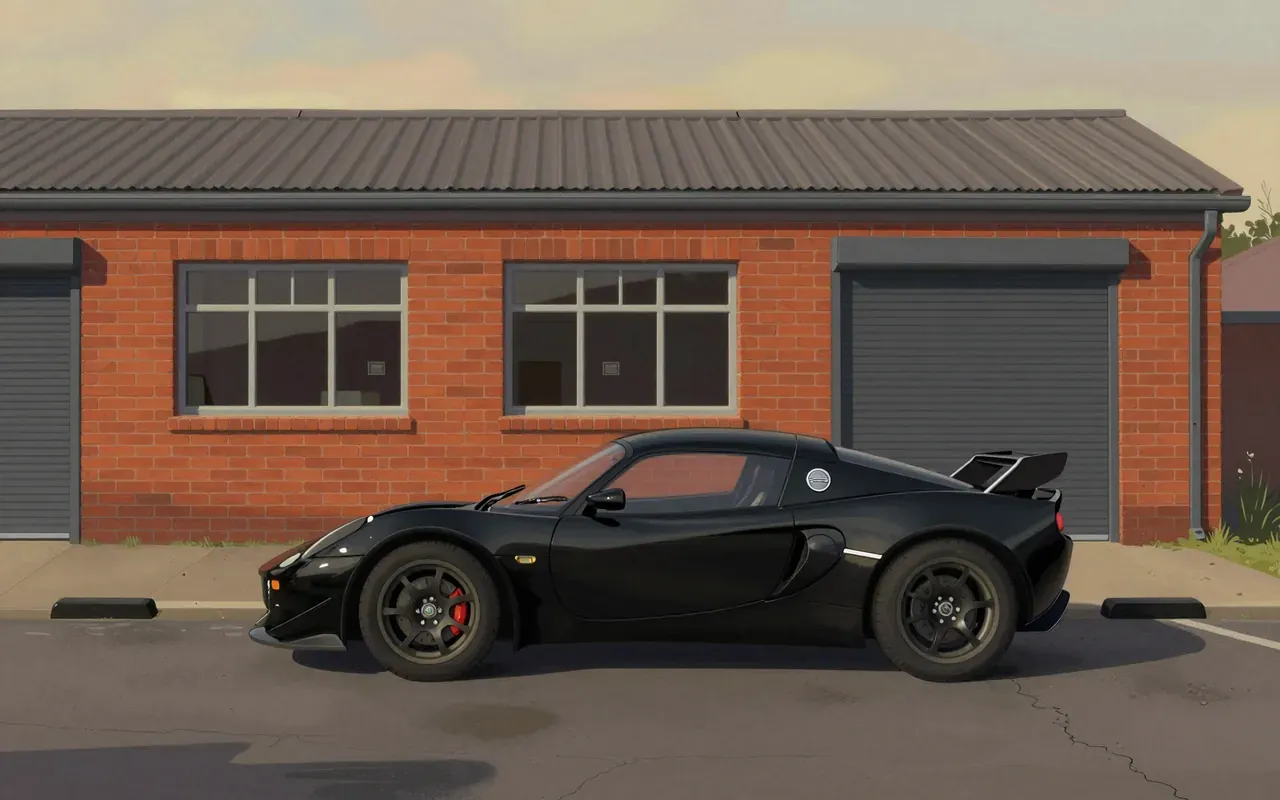
Lotus ExigeRussell Carr · 2000The Lotus Exige is a British sports car produced from 2000 to 2021. It began as a hardtop coupé derivative of the Elise roadster. Its name means 'demand' or 'require' in French. The original 2000 model used a naturally aspirated 1.8 L Rover K-Series inline-four. Series 2 (2004) switched to a naturally aspirated 1.8 L Toyota/Yamaha 2ZZ-GE. Series 3 (2012) adopted a supercharged 3.5 L V6 from the Evora S. All generations featured mid-engine, rear-wheel-drive layout, non-removable hardtop, kamm-tail rear bodywork, and a pylon-mounted rear wing.
10:11
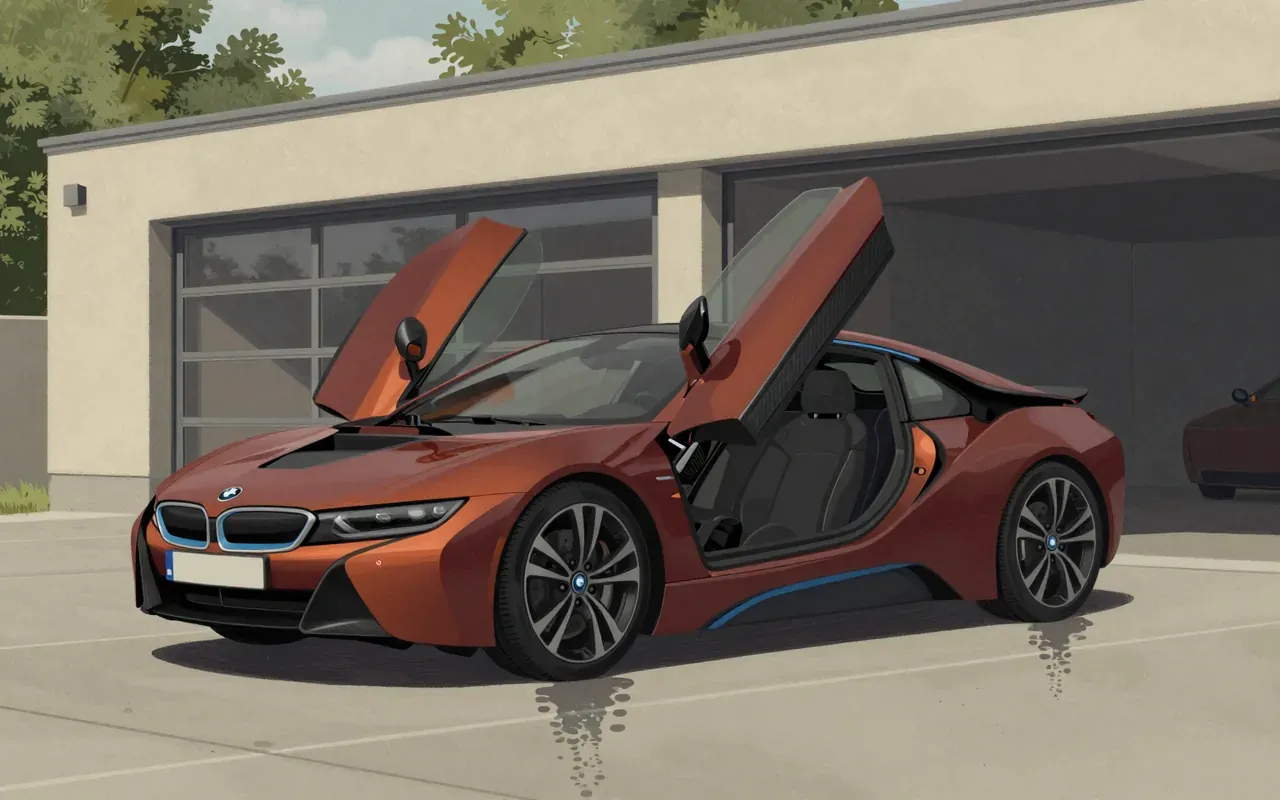
BMW i8Benoit Jacob · 2014The BMW i8 is a plug-in hybrid sports car designed by Benoit Jacob and marketed under the BMW i sub-brand. It was unveiled at the 2013 Frankfurt Motor Show and released in Germany in June 2014. U.S. deliveries began in August 2014. A roadster variant launched in May 2018. Production ended in June 2020. The 2015 i8 accelerated from 0 to 100 km/h in 4.4 seconds. It had a 7.1-kWh lithium-ion battery pack and an all-electric range of 37 km under the New European Driving Cycle. The plug-in hybrid system comprised a three-cylinder, 1.5-litre BMW TwinPower Turbo gasoline engine.
10:15
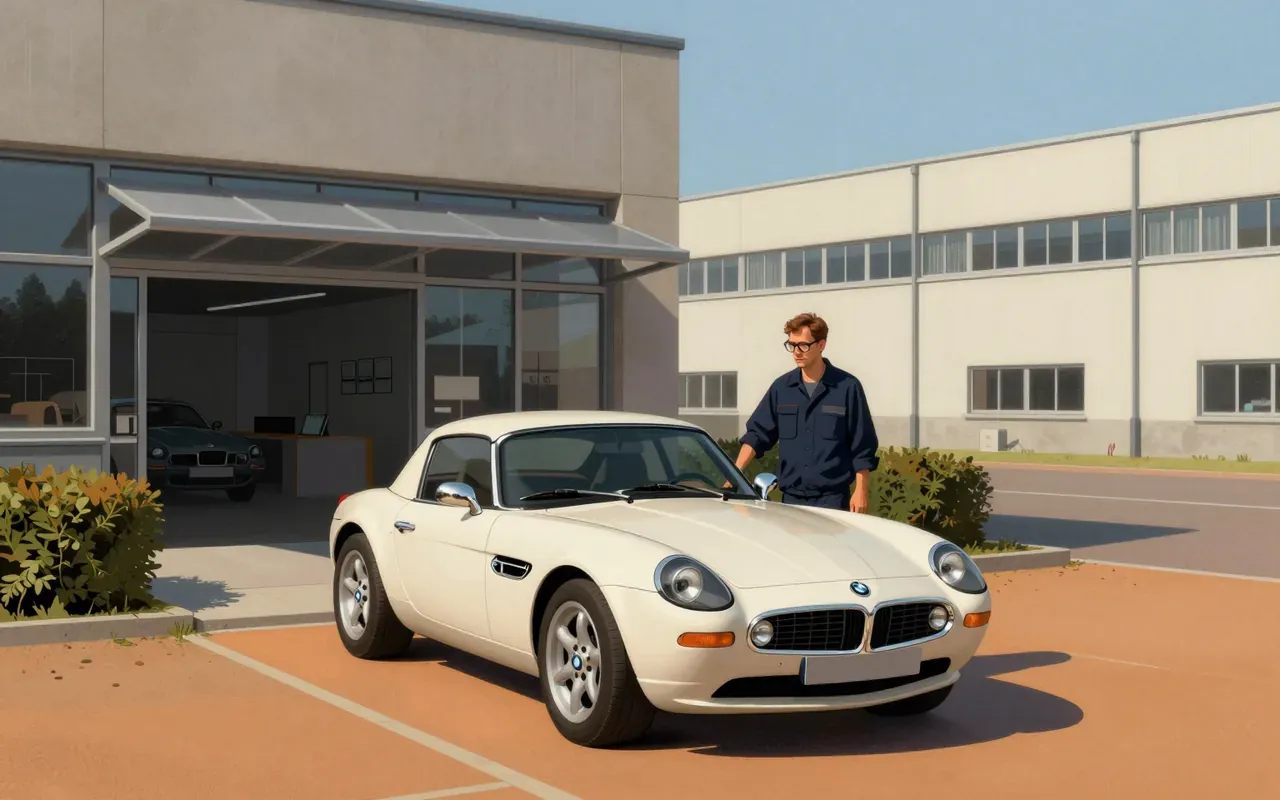
BMW Z8Henrik Fisker · 1999The BMW Z8 is a roadster designed by Henrik Fisker, produced from 1999 to 2003. It evolved from the Z07 concept shown at the October 1997 Tokyo Motor Show. Its design honours the 1956–1959 BMW 507. It uses a 4.9 L S62 V8 engine mounted behind the front axle for 50/50 weight distribution. The body and chassis are all-aluminium. It was hand-finished in Munich after spaceframe production in Dingolfing. A total of 5,703 units were built.
9:44
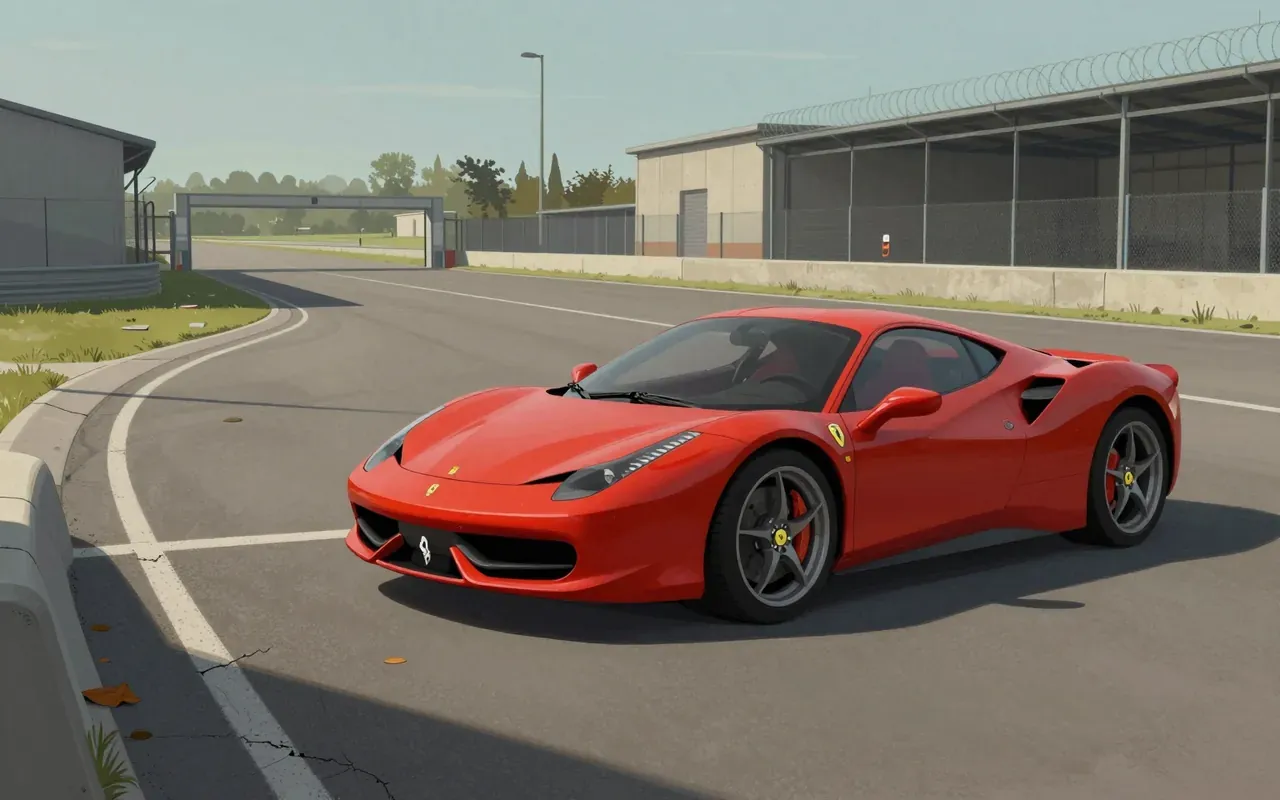
Ferrari 458Pininfarina · 2009The Ferrari 458 Italia is a mid-engine sports car. It launched in 2009 as a clean-sheet replacement for the F430. It uses a 4.5 L V8 with direct fuel injection — the first such setup in a Ferrari mid-engine road car — and a 7-speed dual-clutch automatic transmission. No manual option exists. Magneti Marelli developed its body computer system. Pininfarina designed it under Donato Coco, with Carlo Palazzani as lead designer.
Up next in Automotive

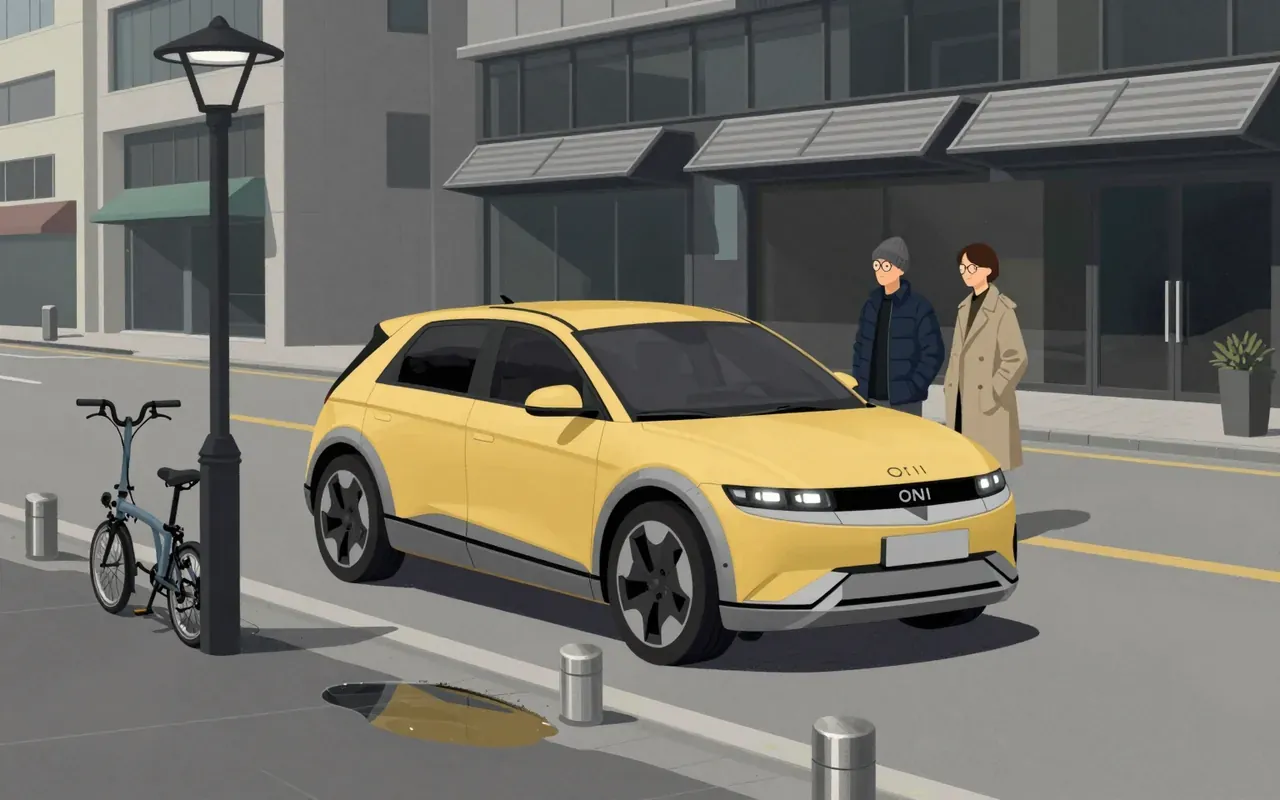
Hyundai Ioniq 5

SangYup Lee · 2021 · 9:21

Hyundai’s first E-GMP vehicle isn’t a statement of intent — it’s the blueprint.

9:21