automotivebriefs
Newest

All briefs

419 briefs · 4149 min · 193–288 on page 3 of 5
10:38

Aston Martin DBS

William Towns · 1967

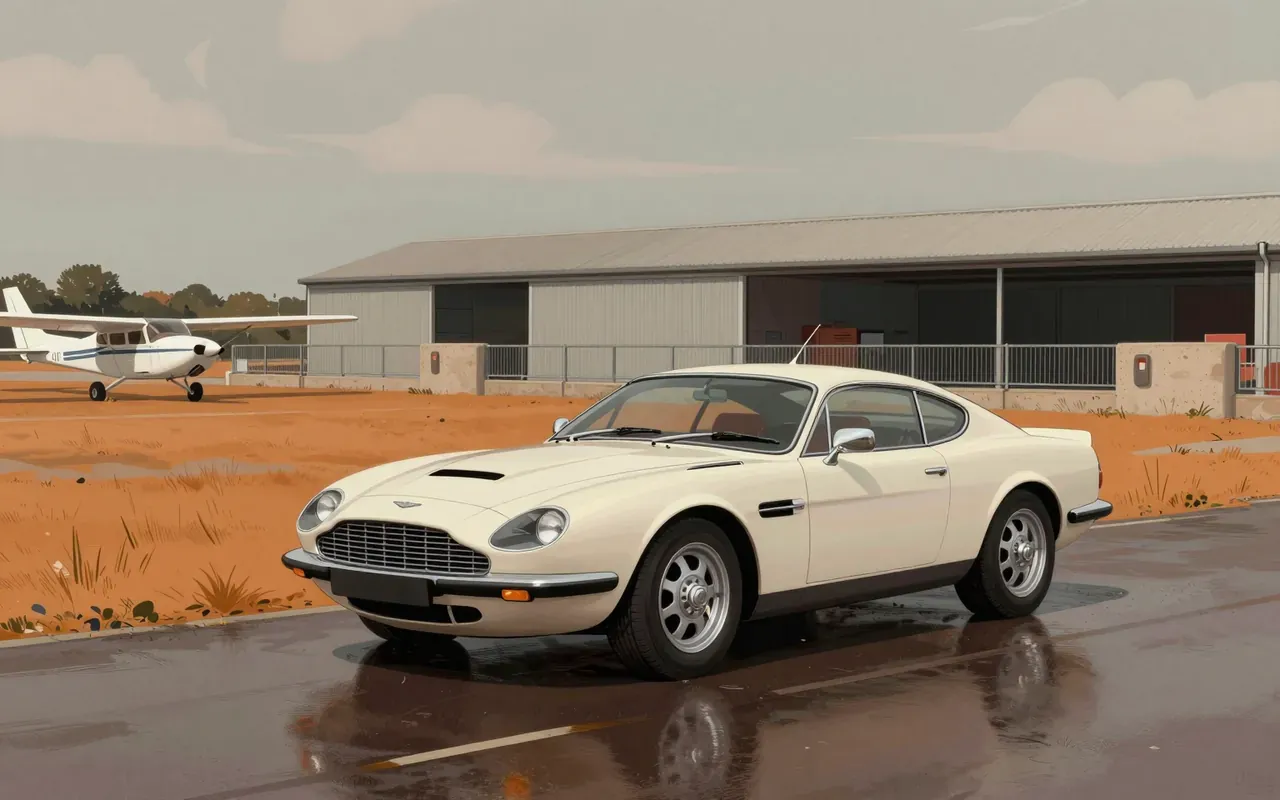
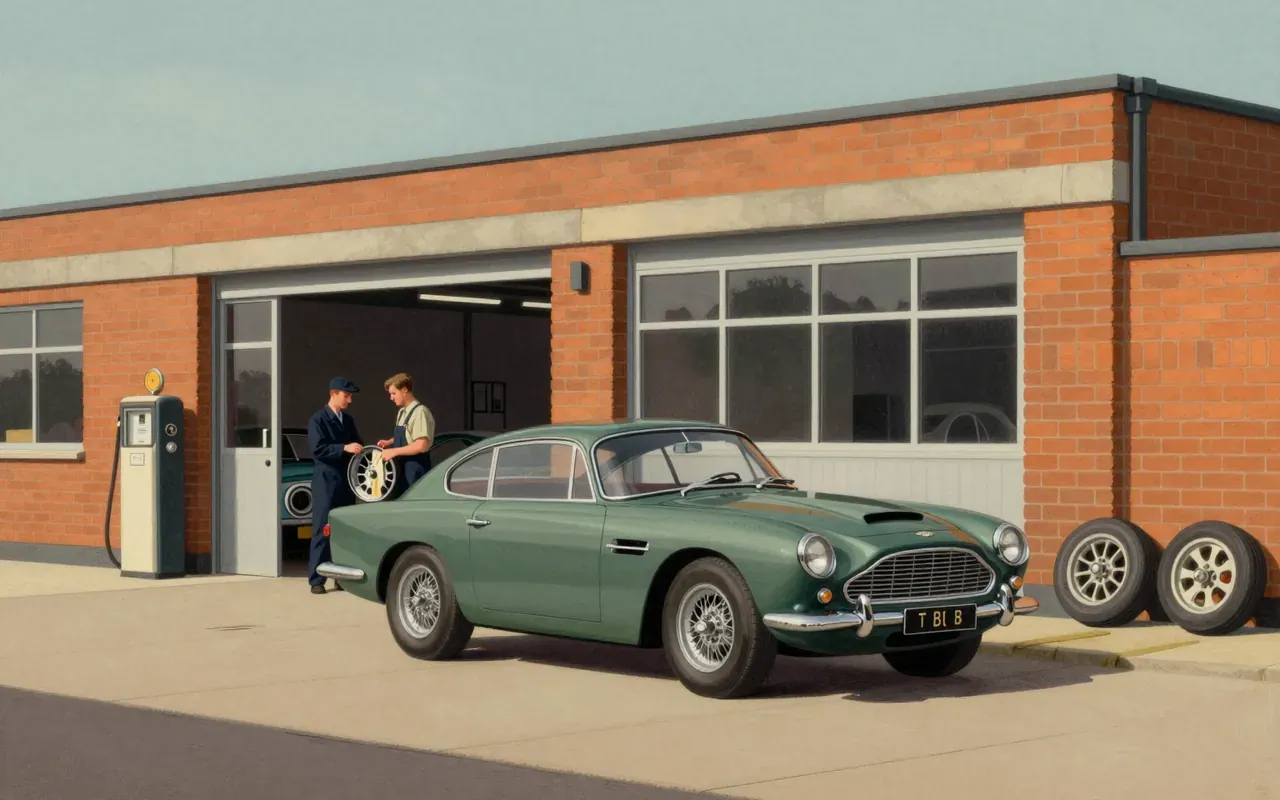
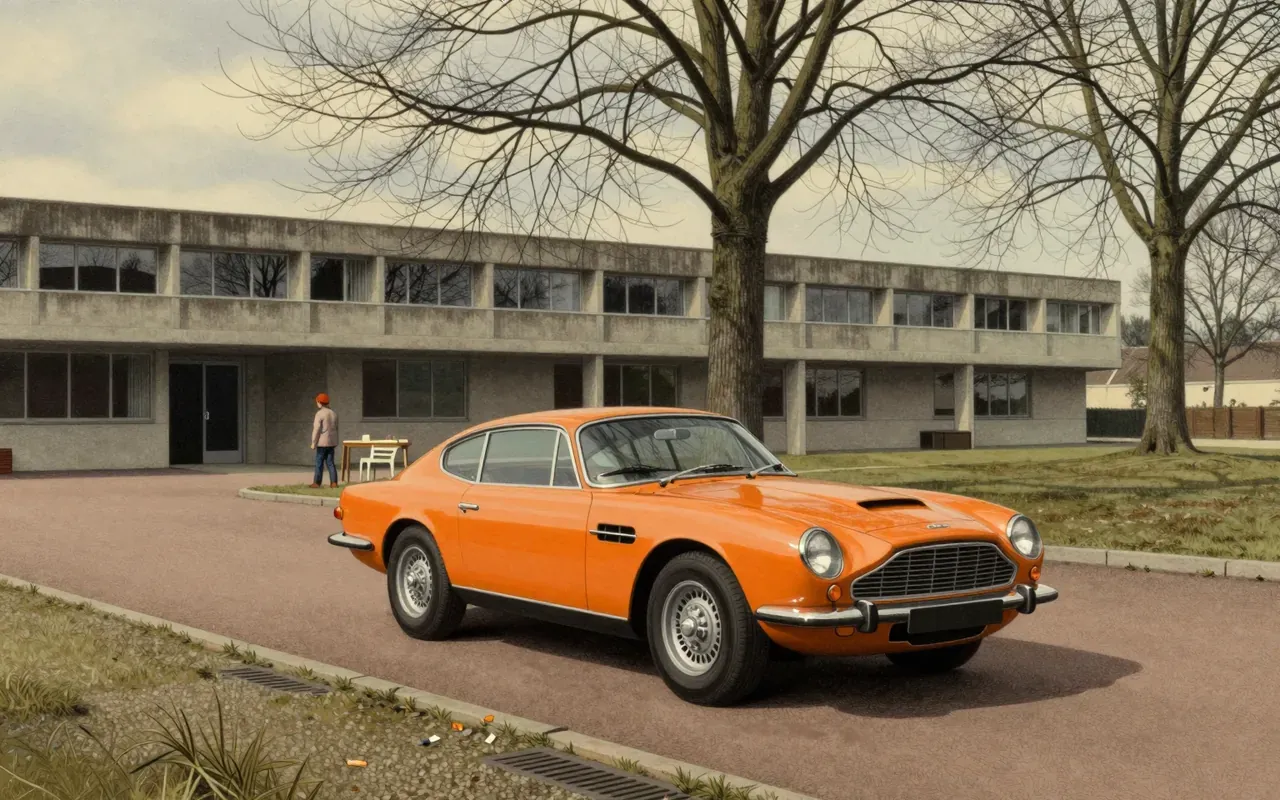
The Aston Martin DBS is a grand tourer produced from 1967 to 1972. It was designed by William Towns as a modern-looking successor to the DB6, following the collapse of Touring of Milan’s design effort. It shares the DB6’s 4.0 L engine and mechanical base but adopts a larger four-seat layout and a deliberately contemporary fastback silhouette with a squared front grille. It was the final model developed under David Brown’s ownership.

9:46

Aston Martin Lagonda

William Towns · 1976

The 1976 Aston Martin Lagonda Series 2 is a full-size luxury four-door saloon designed from the ground up by William Towns. It introduced the first digital instrument panel in a production car — an LED array whose development cost four times the car’s total budget. Later Series 3 used cathode-ray tubes, worsening reliability. Only 645 units were built across all generations. Its wedge shape defined 1970s automotive avant-garde. Its electronics were a warning, not a promise.

10:51

Aston Martin Vanquish

Ian Callum · 2001

The 2001 Aston Martin Vanquish is Ian Callum’s definitive statement on Aston Martin’s early-2000s direction: a V12 coupé evolved without deviation from his 1998 Project Vantage concept, styled with DB4 GT Zagato aggression, and built as the last all-new car at Newport Pagnell.

10:46

Audi RS 2 Avant

Audi · 1994

The Audi RS 2 Avant is Audi's first RS model and first high-performance Avant — a limited-edition, jointly developed Audi-Porsche estate car built on the B4 platform from March 1994 to July 1995. It features a modified 2,226 cc inline-five turbocharged petrol engine producing 315 PS and 410 N⋅m, paired with a six-speed manual transmission and quattro permanent all-wheel drive. Assembly occurred at Porsche’s Rossle-Bau plant. Approximately 2891 units were built, including only 180 right-hand-drive examples.

9:36

Audi TT

Freeman Thomas · 1998

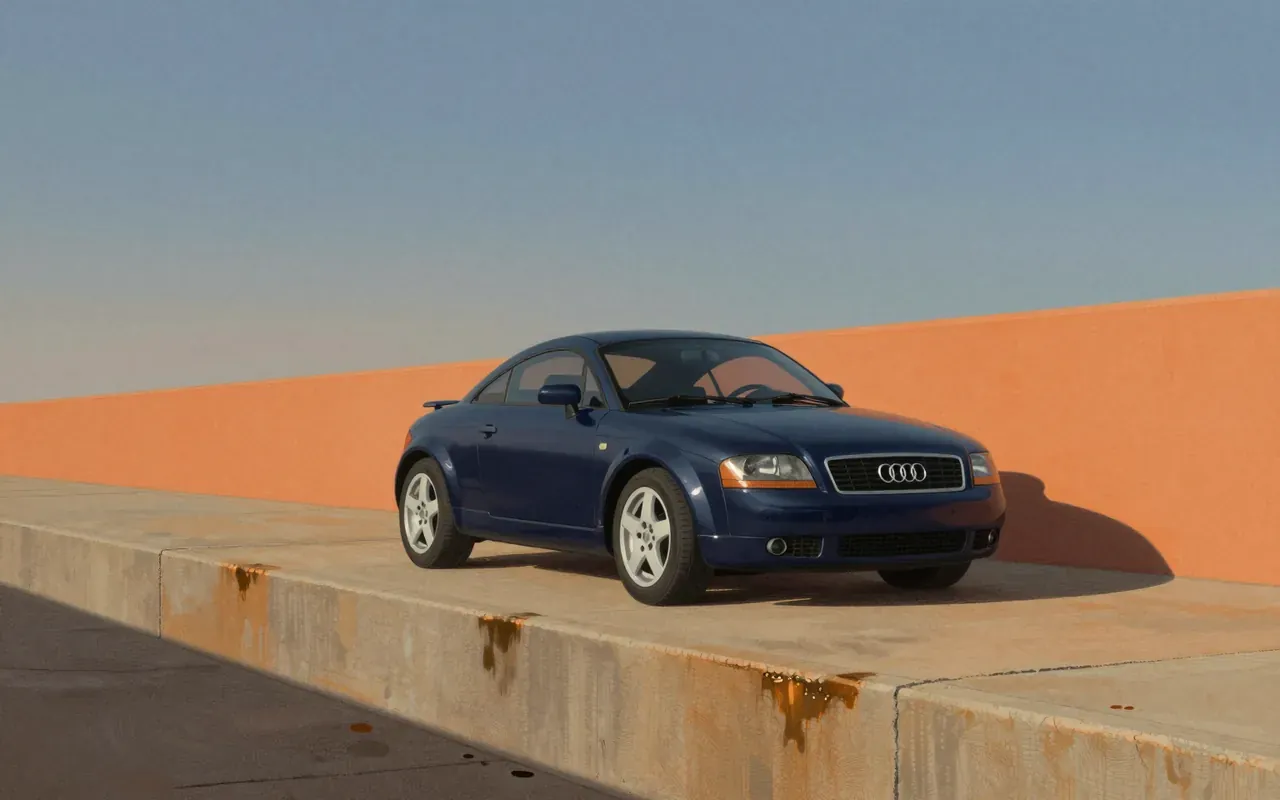
Audi TT (1998) — Freeman Thomas co-design. Front-engine, transverse, FWD or quattro. Coupé and roadster. Built on VW Group A-platforms. Named after Isle of Man TT.

8:50

Autozam AZ-1

Toshiko Hirai · 1992

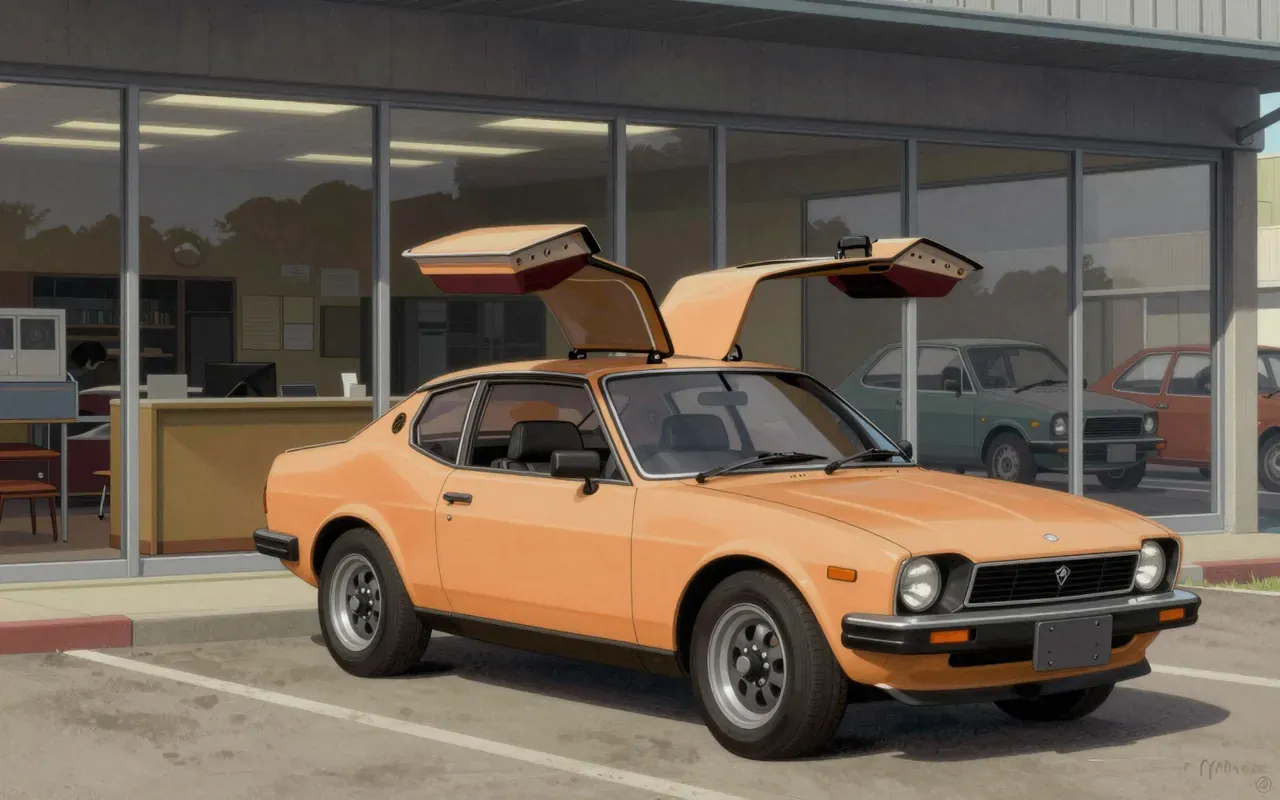
The Autozam AZ-1 is a tightly packaged, rear mid-engine kei sports car built by Mazda between October 1992 and October 1994. It uses a Suzuki-sourced 657 cc turbocharged engine and features gullwing doors. Its design prioritises driver engagement and compact agility over practicality or comfort.

13:32

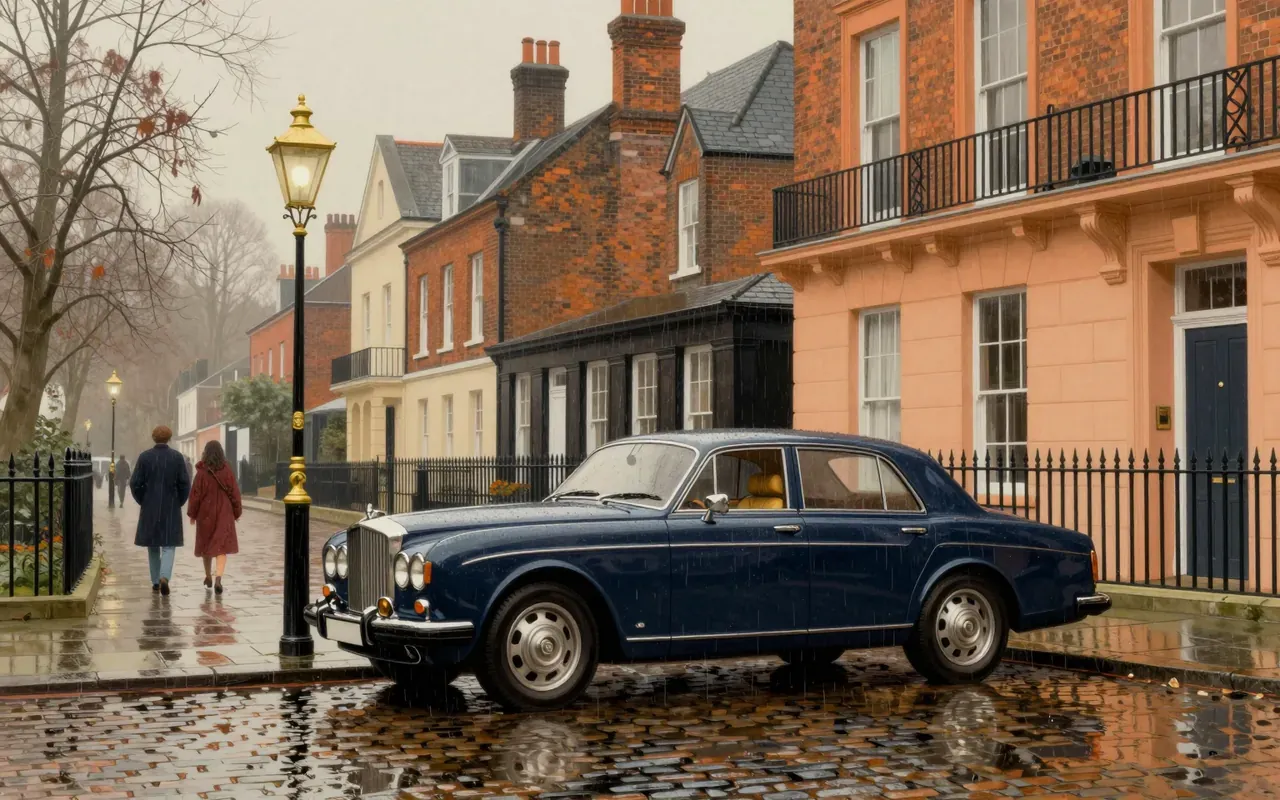
Bentley Continental R

John Heffernan · 1991

The Bentley Continental R is a luxury coupé built from 1991 to 2003 on the Rolls-Royce SZ platform, featuring a unique non-Rolls-Royce body, a 6.75 L turbocharged V8 engine, front-engine RWD layout, Cd=0.37 aerodynamics, roof-cut door frames, and a subtle rear spoiler. It was the fastest, most expensive, and most powerful Bentley of its day—and the most expensive production car in the world at launch.

10:54

BMW 507

Albrecht von Goertz · 1956

The BMW 507 is a hand-formed aluminium luxury grand touring convertible designed by Albrecht von Goertz, developed from a shortened BMW 503 frame, powered by a 3.2 L V8 engine and mated to a four-speed manual transmission, produced from 1956 to 1959 in only 252 units due to high costs.

9:06

BMW 3 Series (E21)

Paul Bracq · 1975

The E21 is the first-generation BMW 3 Series. Paul Bracq designed it. It launched in June 1975. It ended production in December 1983. It replaced the 02 Series. It was built exclusively as a two-door sedan or coupé. It did not offer a Touring variant. Six-cylinder models used quad round headlights. Initial engines were carburetted four-cylinders (1.6 L, 1.8 L, 2.0 L). Fuel injection debuted on the 320i in late 1975. The 323i introduced fuel-injected six-cylinders in 1978.

10:11

BMW i8

Benoit Jacob · 2014

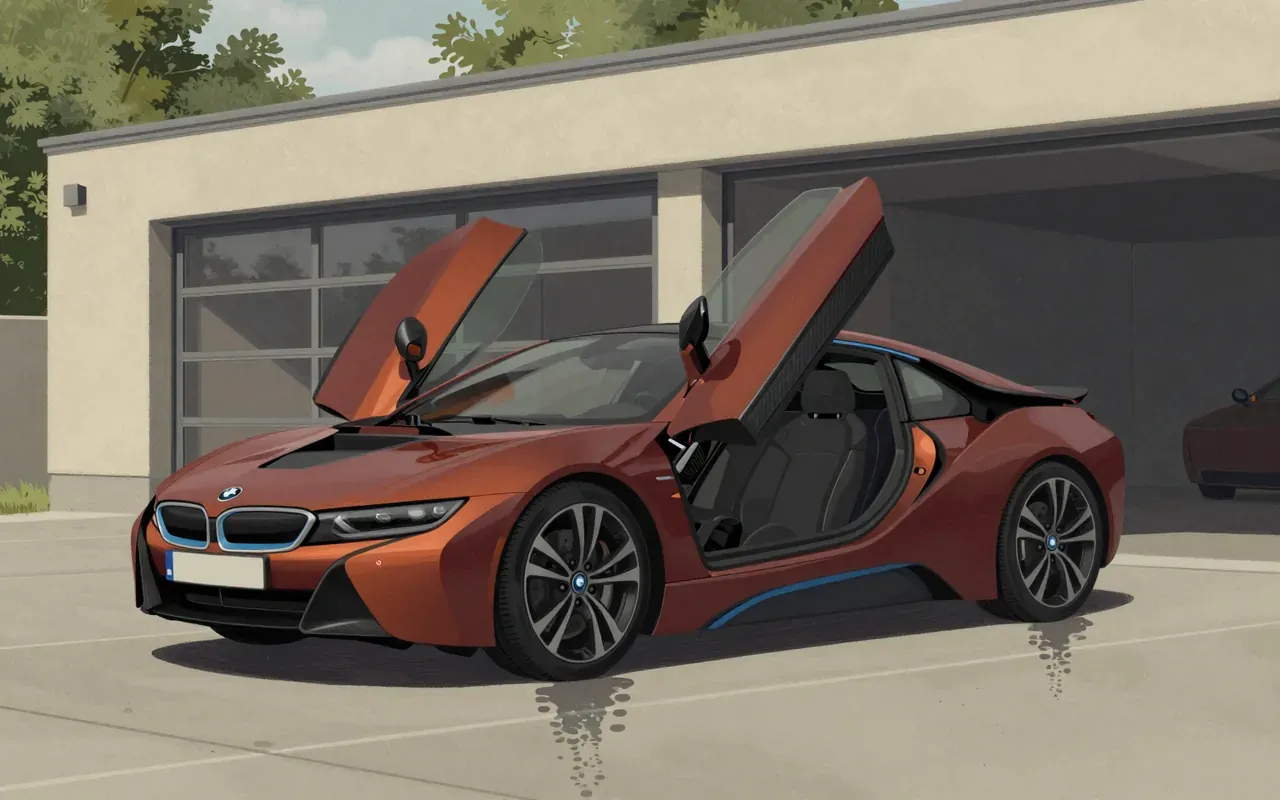
The BMW i8 is a plug-in hybrid sports car designed by Benoit Jacob and marketed under the BMW i sub-brand. It was unveiled at the 2013 Frankfurt Motor Show and released in Germany in June 2014. U.S. deliveries began in August 2014. A roadster variant launched in May 2018. Production ended in June 2020. The 2015 i8 accelerated from 0 to 100 km/h in 4.4 seconds. It had a 7.1-kWh lithium-ion battery pack and an all-electric range of 37 km under the New European Driving Cycle. The plug-in hybrid system comprised a three-cylinder, 1.5-litre BMW TwinPower Turbo gasoline engine.

9:03

BMW M1

Giorgetto Giugiaro · 1974

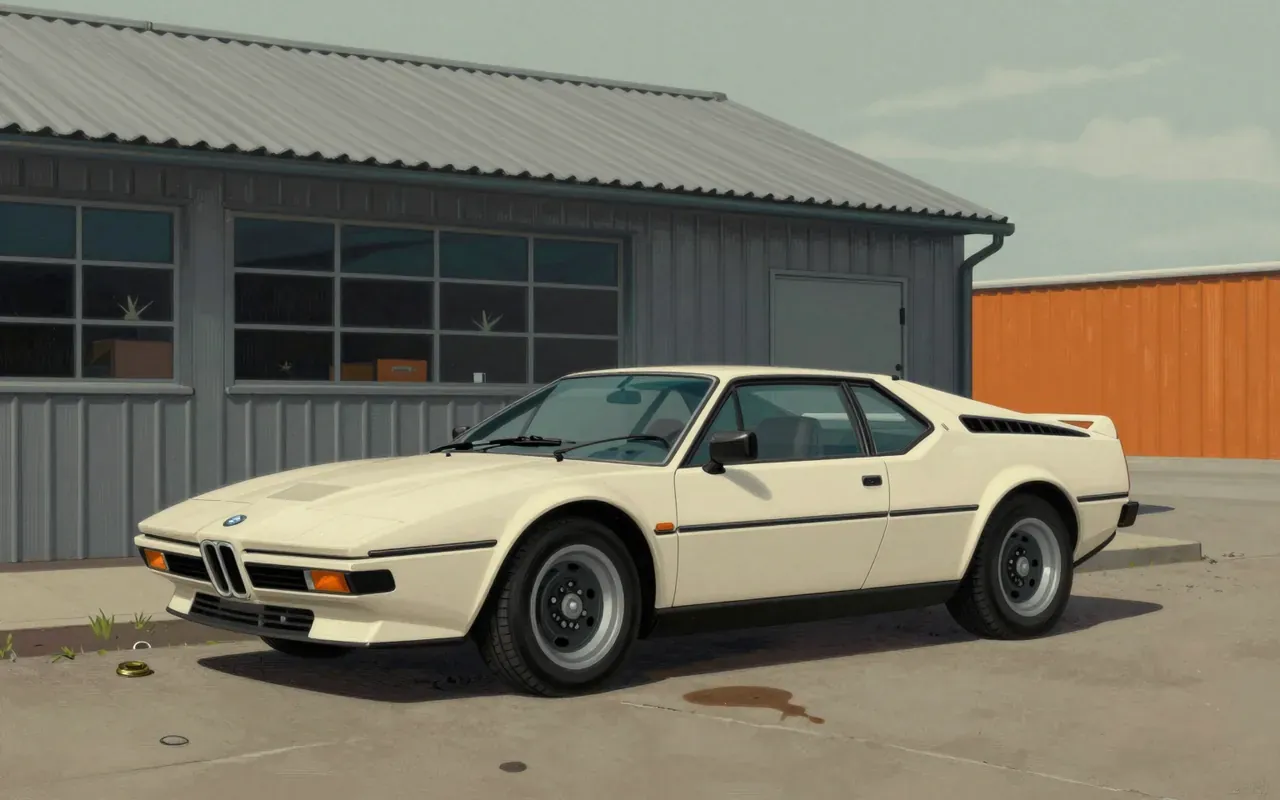
The BMW M1 is a mid-engined, rear-wheel-drive coupé designed by Giorgetto Giugiaro in 1977. Hand-built from 1978 to 1981 as a homologation special, it was the first car developed solely by BMW M and the first mass-produced mid-engine BMW. Its fibreglass body reflects Giugiaro’s angular 'folded paper' design language. Only 453 units were produced.

10:15

BMW Z8

Henrik Fisker · 1999

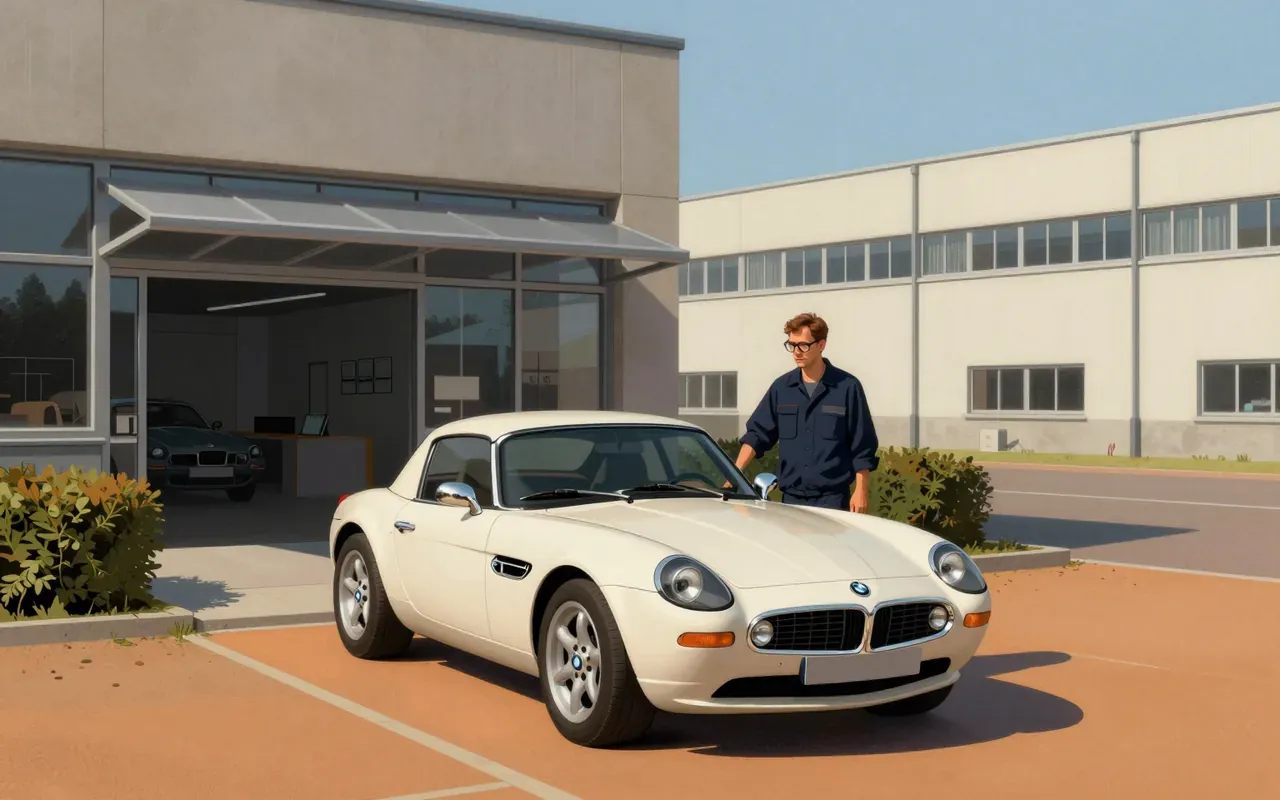
The BMW Z8 is a roadster designed by Henrik Fisker, produced from 1999 to 2003. It evolved from the Z07 concept shown at the October 1997 Tokyo Motor Show. Its design honours the 1956–1959 BMW 507. It uses a 4.9 L S62 V8 engine mounted behind the front axle for 50/50 weight distribution. The body and chassis are all-aluminium. It was hand-finished in Munich after spaceframe production in Dingolfing. A total of 5,703 units were built.

8:21

Borgward Isabella

Carl Borgward · 1954

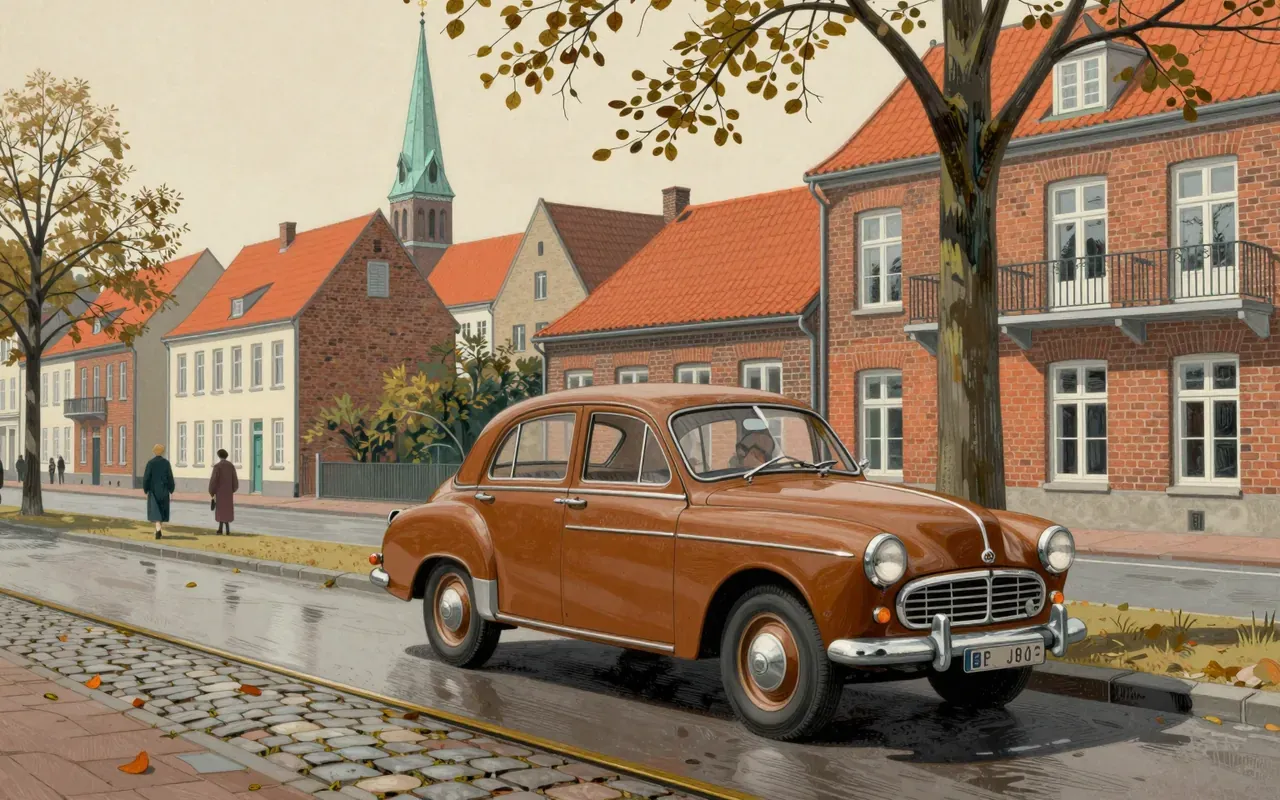
The Borgward Isabella is a 1954–1962 two-door saloon built in Bremen. It uses a 1493 cc four-cylinder engine, front-engine rear-wheel-drive layout, monocoque construction, and swing axle rear suspension. It was originally planned as the Hansa 1500 but renamed Isabella due to internal and media preference. Though smaller and less powerful than its predecessor, it became Borgward’s largest commercial success—11,150 units were built in its first year, and 202,862 total by end of production. Its launch price was DM 7,265—higher than Opel Rekord and Ford Taunus, but lower than Mercedes-Benz 180. A launch road test recorded 130 km/h top speed and 8.4 L/100 km fuel consumption. Testers praised its wide cabin, large windows, effective brakes, cigarette lighter, and clock. Carl Borgward participated in detail in its design. It embodied American-type styling and chrome decoration with European compact dimensions.

10:24

Bugatti Type 35

Ettore Bugatti · 1924

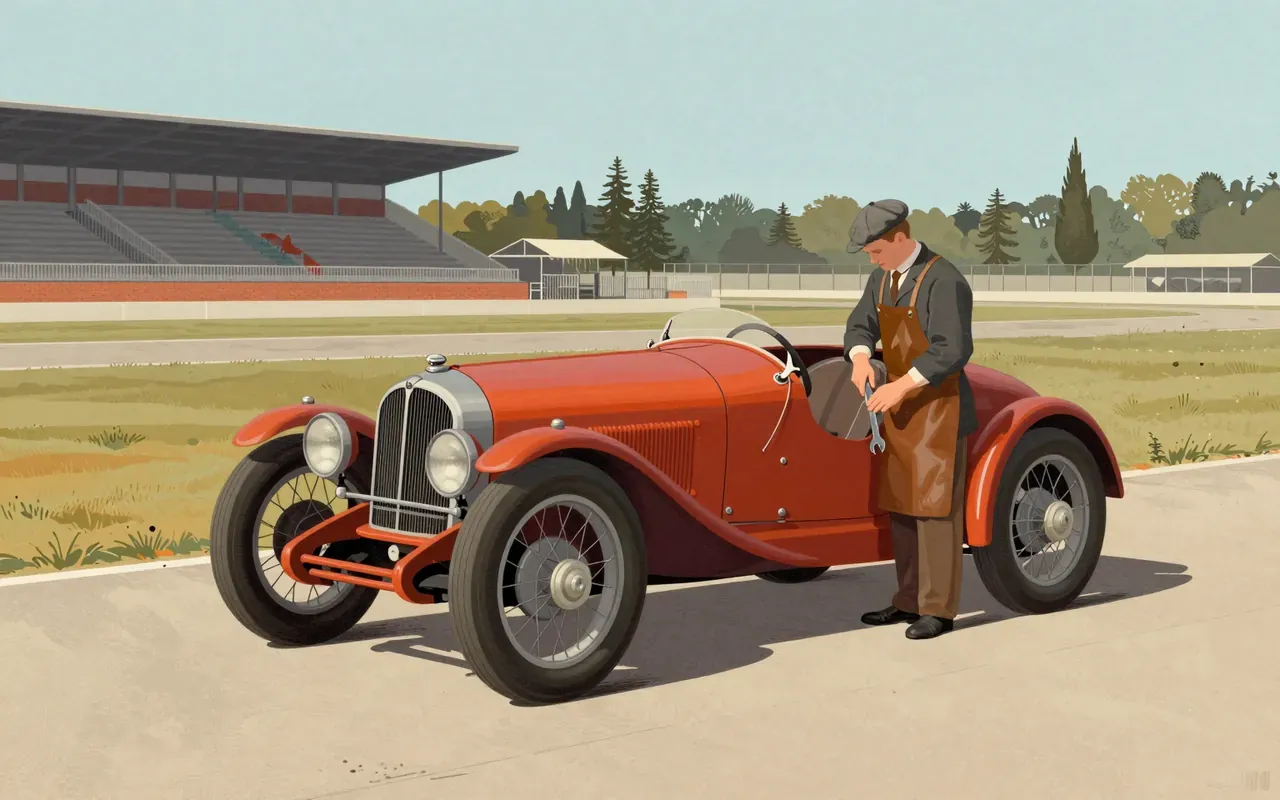
The Bugatti Type 35 is the first holistically conceived, race-ready car sold as a complete system. It pioneered cast alloy wheels and won over 1,000 races between 1924 and 1930. Its design prioritised integration over adaptation—and succeeded globally, with factory and privateer teams alike.

11:19

Bugatti Veyron

Jozef Kabaň · 2005

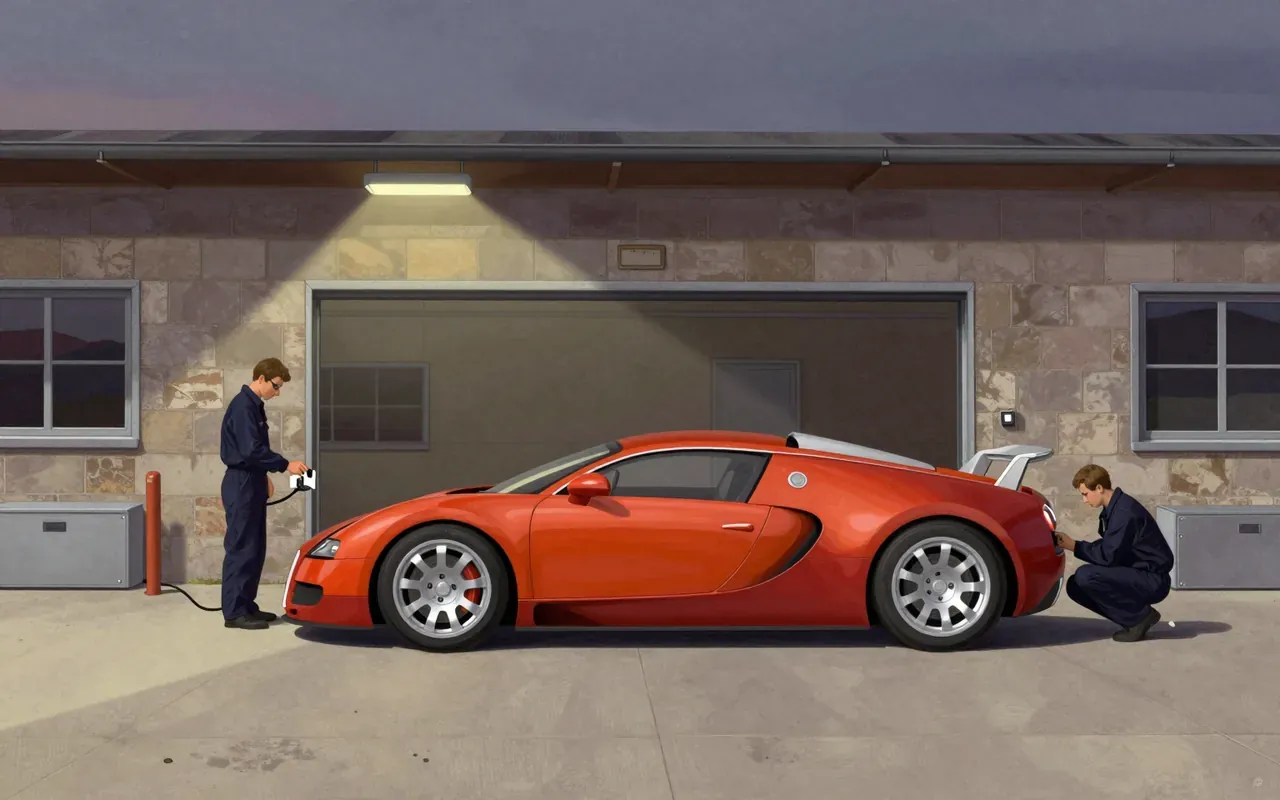
The Bugatti Veyron is a mid-engine, all-wheel-drive sports car with an 8.0 L quad-turbocharged W16 engine, designed by Jozef Kabaň (exterior) and Hartmut Warkuß (chief designer), produced from 2005 to 2015 in a total of 450 units. It features a seven-speed dual-clutch direct-shift automatic transmission built by Ricardo and permanent all-wheel drive using the Haldex Traction system. Multiple variants — standard, Super Sport, Grand Sport, and Grand Sport Vitesse — achieved verified top speeds up to 431.072 km/h.

9:46

Buick Riviera

Ned Nickles · 1963

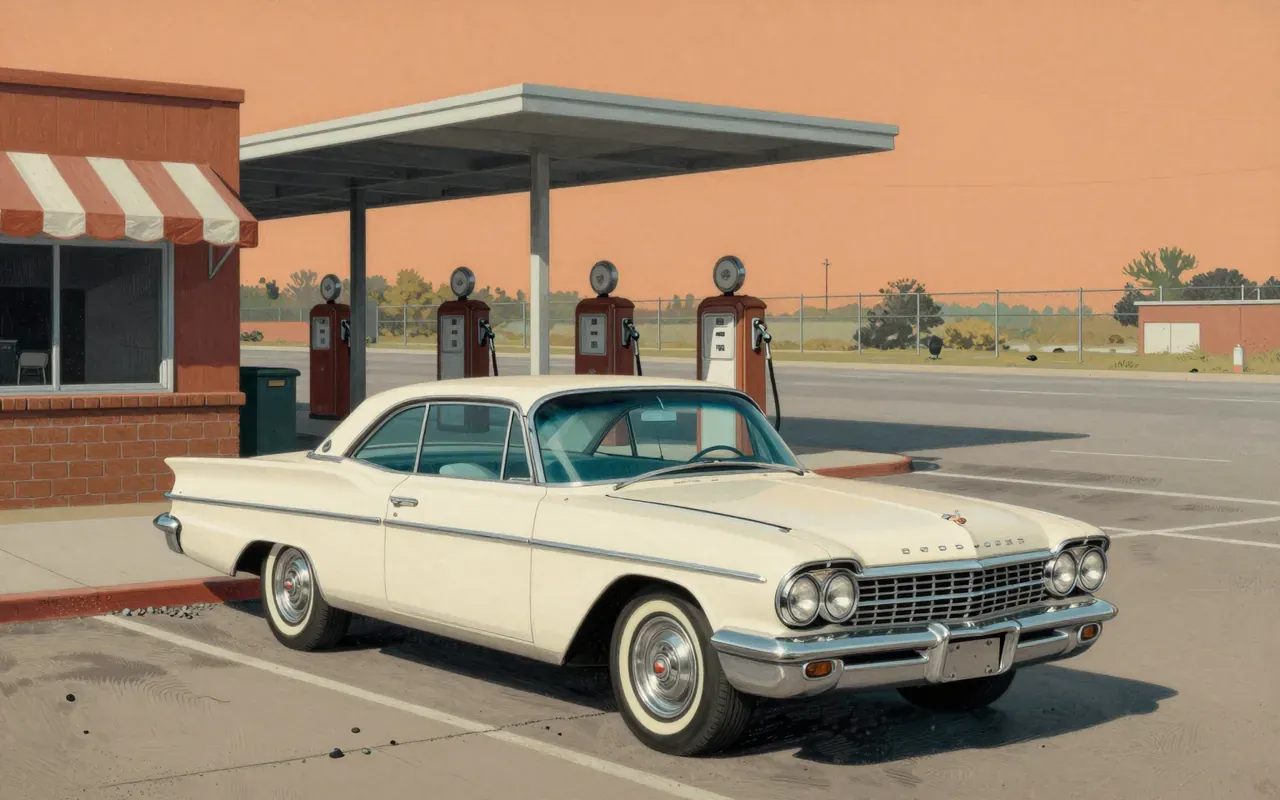
The 1963 Buick Riviera is the origin point of GM’s personal luxury car strategy. It is not a sports car. It is not a sedan. It is a two-door hardtop built on a new platform, named for a coastline, engineered for quiet authority.

9:26

Buick Wildcat

Buick Design · 1963

The Buick Wildcat is a full-size car produced from 1963 to 1970. It was positioned between the LeSabre and the larger C-body Electra. It offered two-door hardtop, convertible, and four-door hardtop sedan body styles. It replaced the 1962 Invicta subseries and was itself replaced by the Centurion in 1971.

8:58

Canoo Lifestyle Vehicle

Richard Kim · 2019

The Canoo Lifestyle Vehicle was a battery electric vehicle with multiple body styles sharing a common platform, including minivan, cargo van, and pickup truck, manufactured by Canoo.

11:37

Chevrolet Corvette (C1)

Harley Earl · 1953

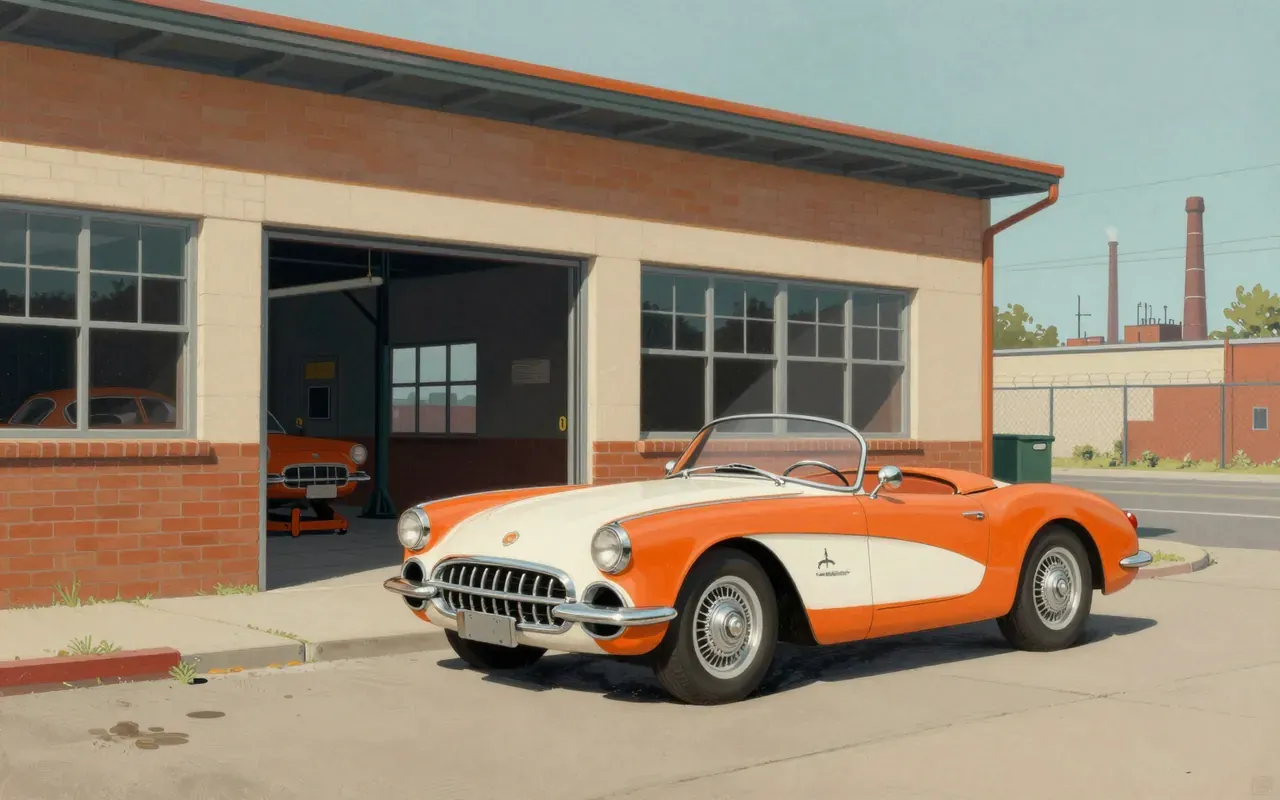
The C1 Corvette is the foundational American sports car: a rushed, hand-built, fibreglass roadster born from Harley Earl’s desire to answer European competition. It established Chevrolet’s two-seat lineage after 15 years’ silence. Its front-engine, rear-wheel-drive layout and solid rear axle reflect its derivation from full-size Chevrolets—not racing pedigree. It prioritises presence over precision. It is historically indispensable but dynamically unrefined.

9:47

Chevrolet Corvette (C3)

David Holls · 1968

The C3 is a stylistic pivot built on mechanical continuity. Its shape is decisive. Its engineering is inherited.

9:38

Chevrolet Impala

Harley Earl team · 1959

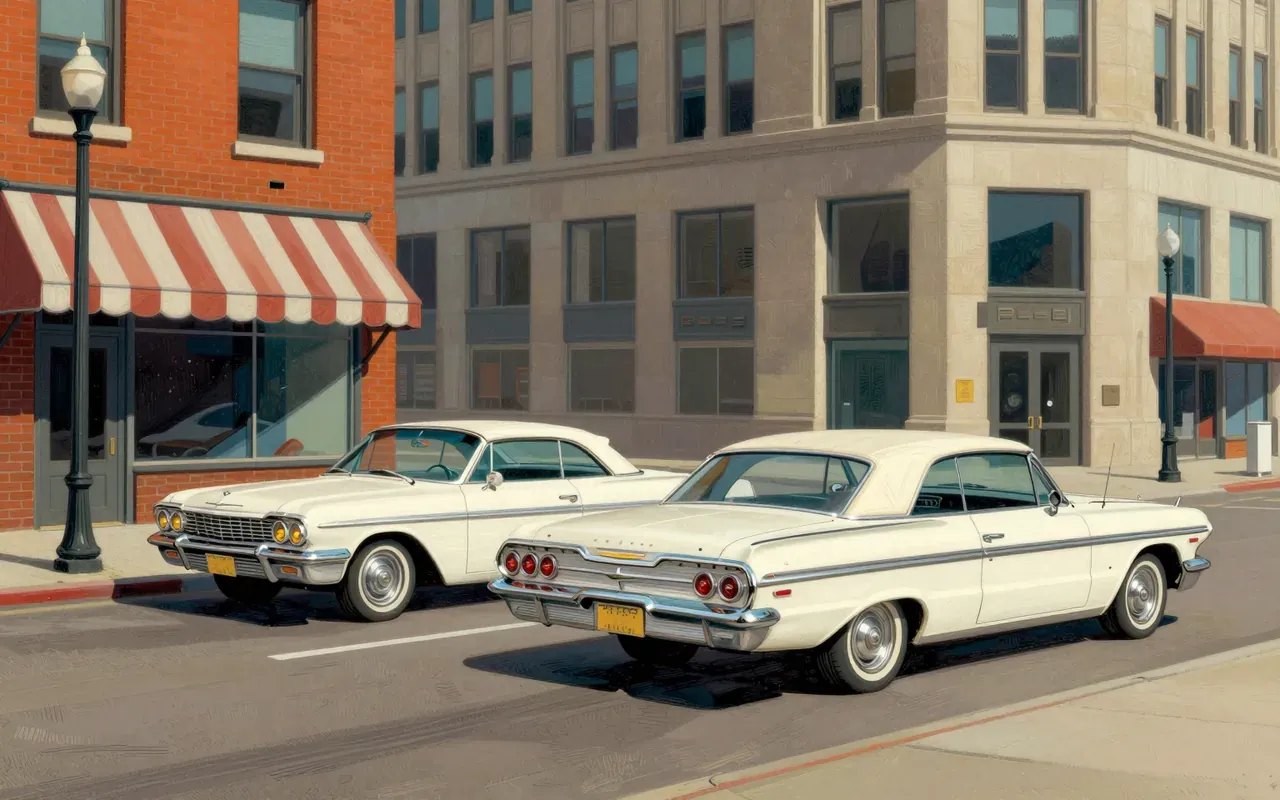
The 1958 Chevrolet Impala is a full-size car, launched as a top-tier Bel Air variant without Bel Air badging, distinguished by symmetrical triple taillights, named after the African antelope, and developed from a 1956 GM Motorama concept car. It rides on GM’s shared 'A' body platform. Harley Earl personally reviewed the foundational styling sketch. Production spanned discontinuous periods: 1958–1985, 1994–1996, and 2000–2020.

10:58

Chrysler Airflow

Carl Breer · 1934

The Chrysler Airflow is a full-size car produced by Chrysler from 1934 to 1937. It pioneered streamlining, unibody construction, full-steel body between the wheels, and innovative weight distribution for improved handling and ride. Despite its engineering breakthroughs, it failed commercially due to controversial styling and poor market acceptance.

11:39

Citroën 2CV

Flaminio Bertoni · 1948

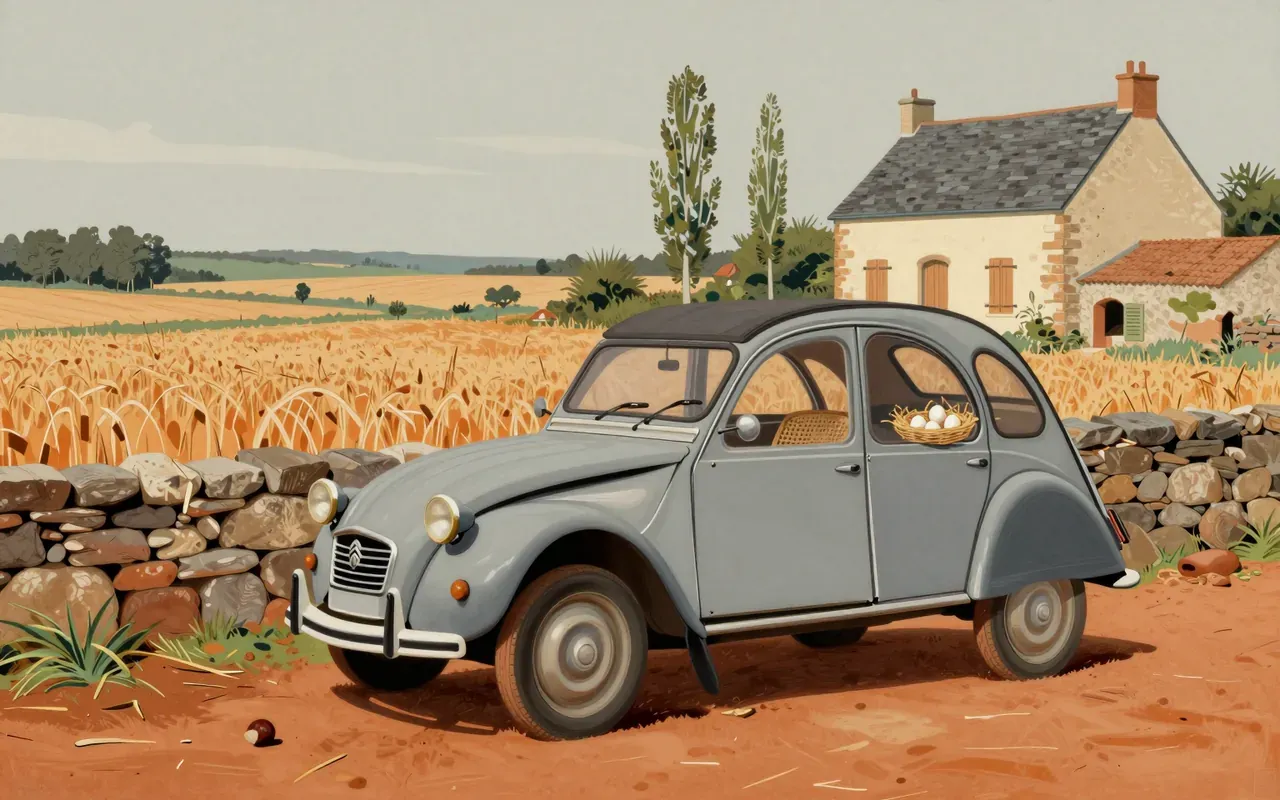
The Citroën 2CV is a French economy car conceived by Pierre Boulanger to motorise rural farmers, featuring innovative engineering, utilitarian design, low cost of ownership, minimal fuel consumption, and a long-travel suspension enabling it to cross ploughed fields without breaking eggs. It was often called 'an umbrella on wheels', introduced Michelin's radial tyres, and over 3.8 million units were produced from 1948 to 1990. Its body style is a fixed-profile convertible; it has an air-cooled engine; layout is front-engine, front-wheel drive; and production spanned 1948–1990.

9:32

Citroën BX

Marcello Gandini · 1982

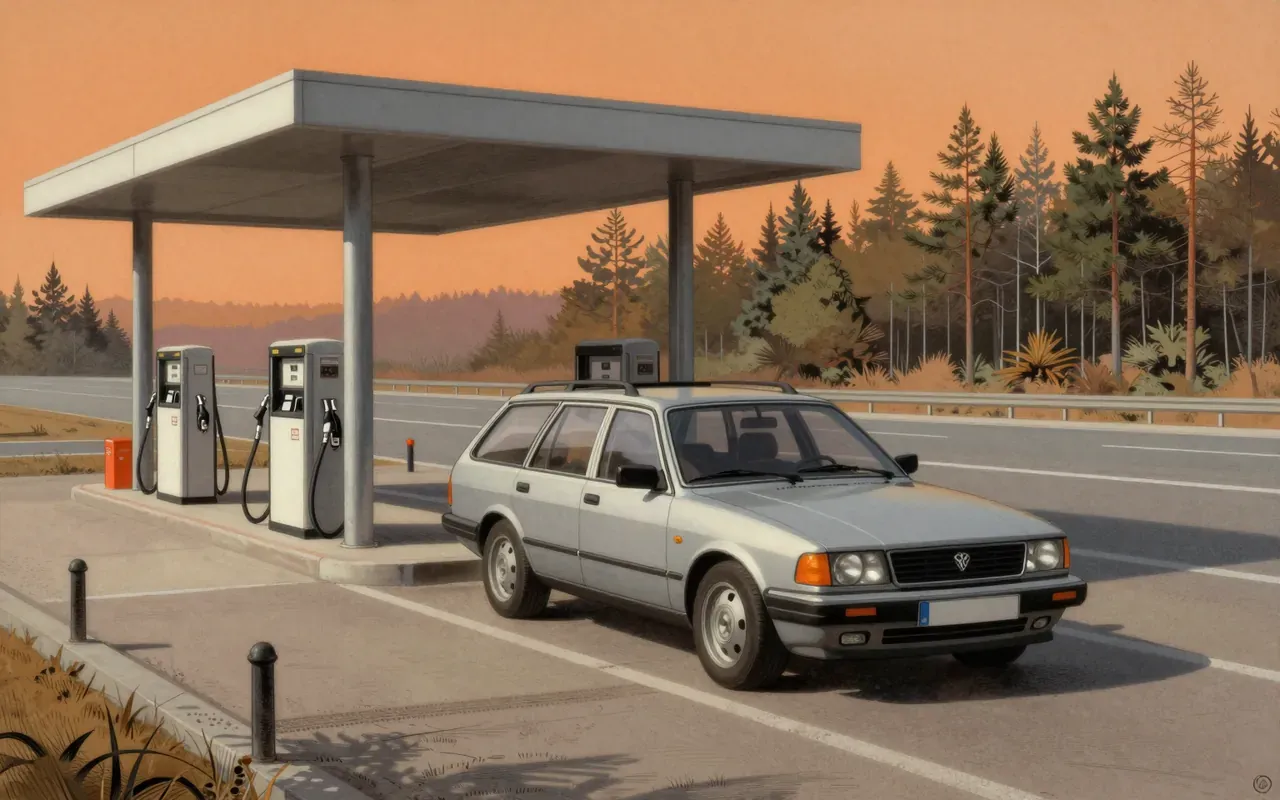
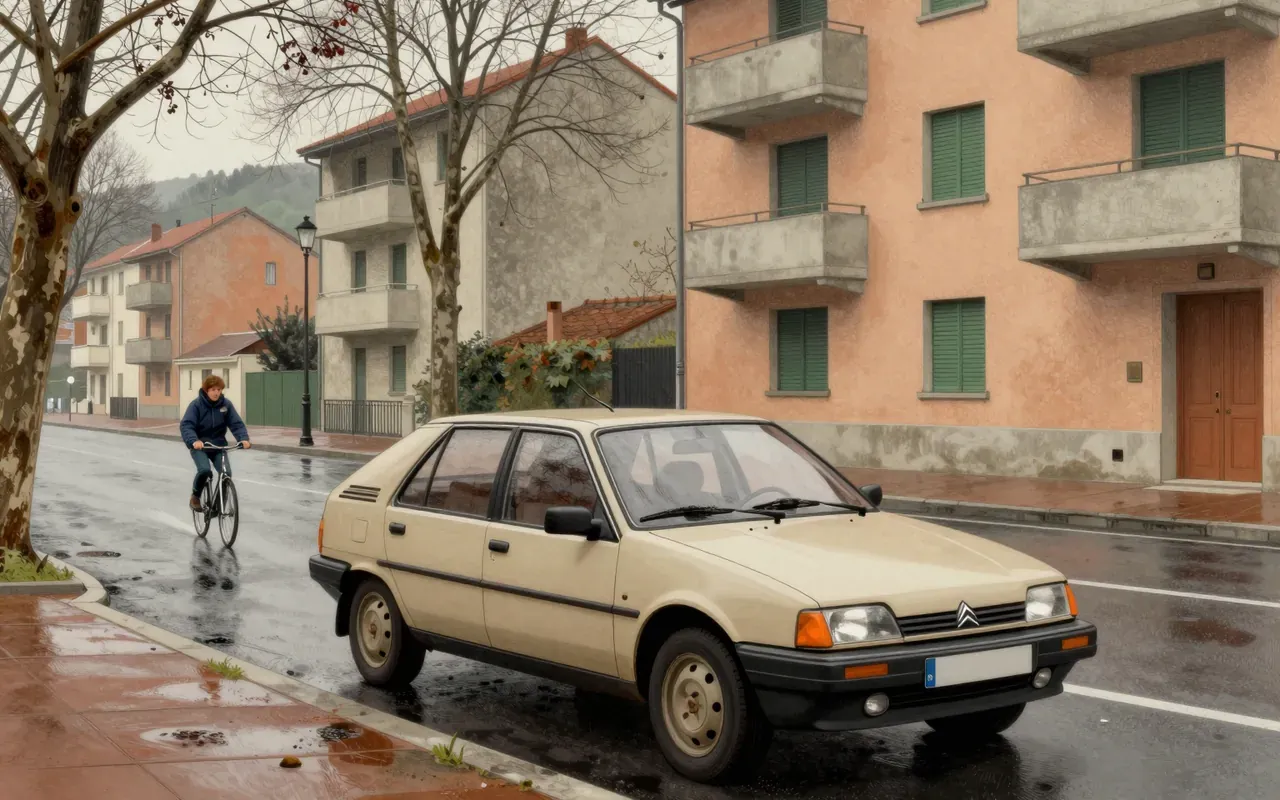
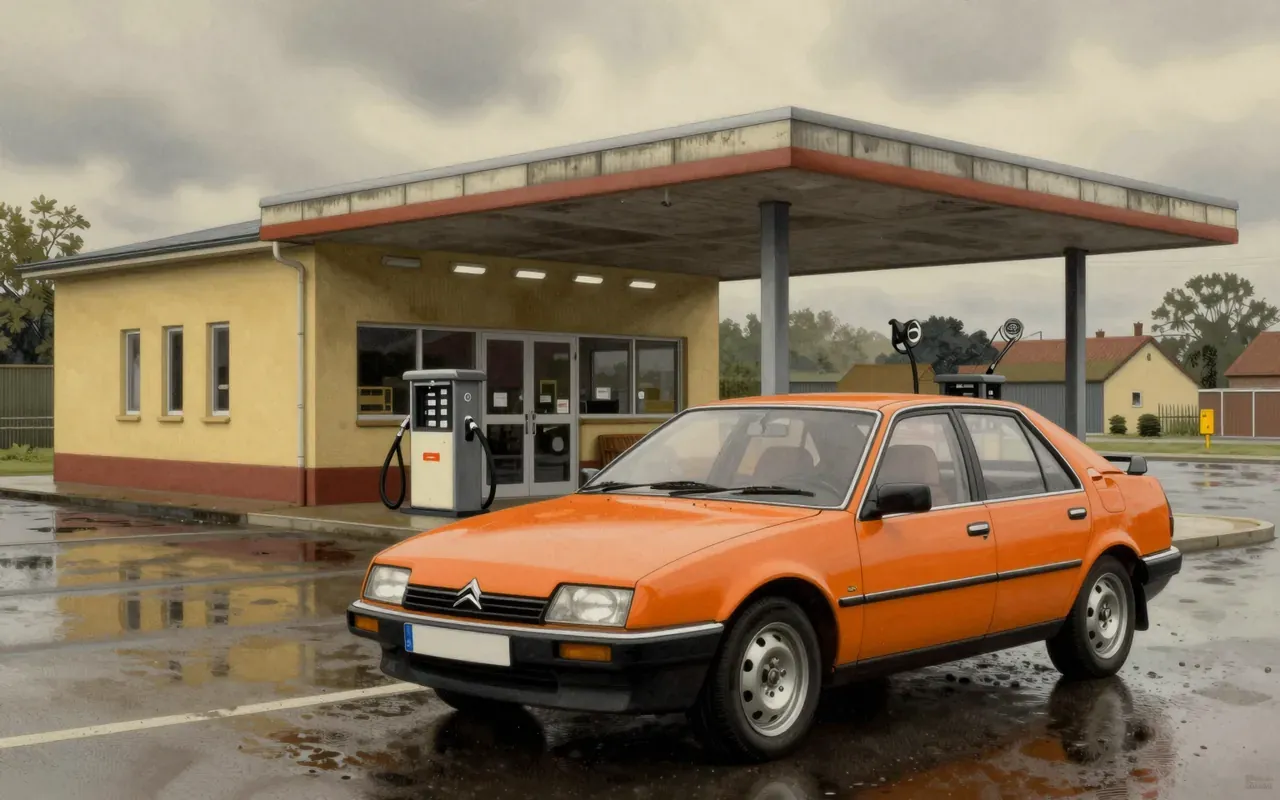
The Citroën BX is a large family car designed by Marcello Gandini and produced by Citroën from 1982 to 1994. It was built as a hatchback and estate, with 2,315,739 units made. It is French, midsize, and categorised among Gandini’s practical mass-production designs.

10:44

Citroën CX

Robert Opron · 1974

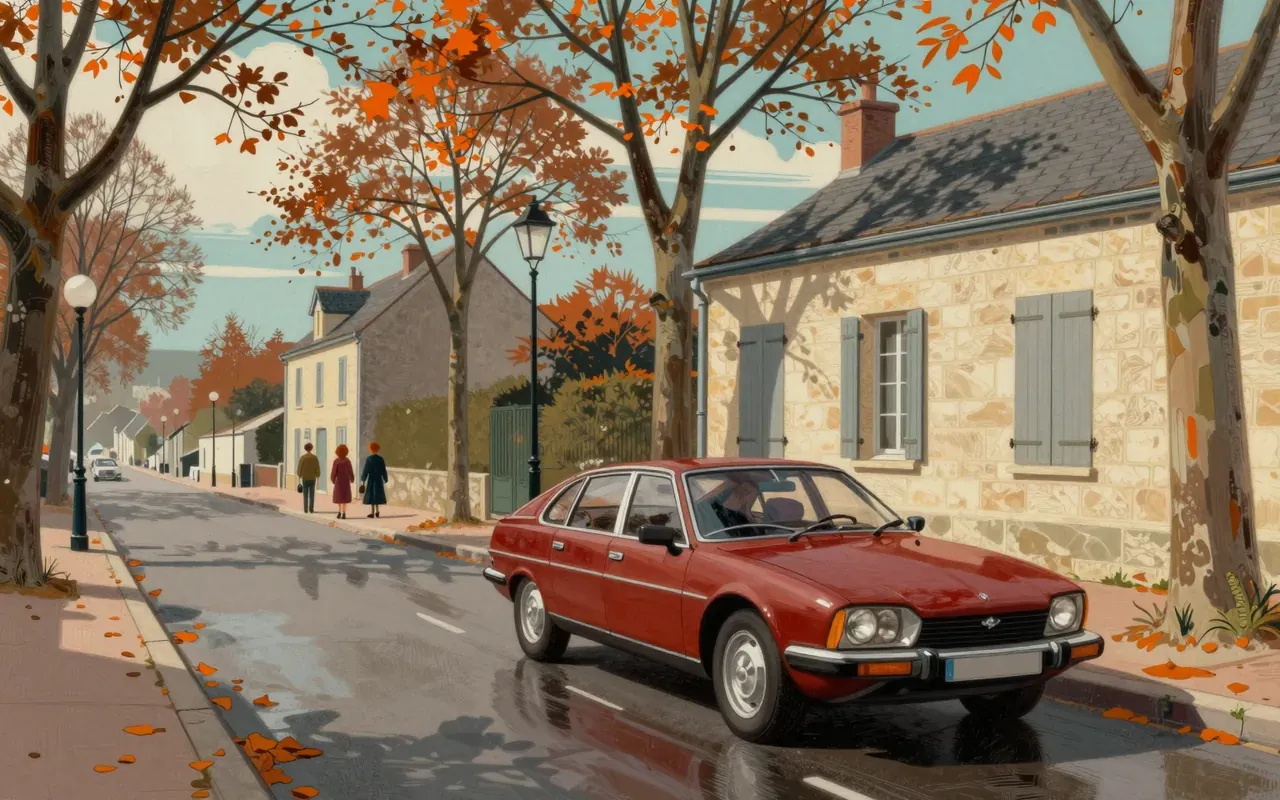
The CX is the last complete expression of Citroën’s pre-merger philosophy: hydropneumatic suspension, front-wheel drive, fastback form, and aerodynamic discipline. It succeeded the DS without imitating it. It won European Car of the Year in 1975. It was Robert Opron’s final and favourite design. It marked the end of the 'big Citroën' era that began in 1934.

9:12

Citroën GS

Robert Opron · 1970

The Citroën GS is a small family car designed by Robert Opron, launched in 1970 after winning Citroën’s 1967 internal Project G competition. It was built as a fastback four-door saloon and five-door estate until 1979. A revised version, the GSA, was produced from late 1979 until 1986 in five-door hatchback or estate body styles. Combined production reached approximately 2.5 million units. It has a front-engine, front-wheel-drive layout and seating for five passengers. Noted for its aerodynamic body shape with a drag coefficient of 0.318, fully independent hydro-pneumatic brakes and self-levelling suspension, and air-cooled flat-four engine, the GS was styled by Robert Opron, with a low nose, a two-box silhouette, semi-enclosed rear wheels and a sharply vertical Kamm-tail. In 1967, having abandoned the ambitious Projet F begun by Bertoni and taken over by Opron, Citroën initiated a competition for a new mid-range model that pitted Opron and the Bureau d'Études against Giorgetto Giugiaro and Italdesign. Both teams submitted designs for front wheel drive three- and five-door cars powered by flat-four engines. Opron's proposal carried the day, and his Project G eventually became the GS released in 1970. Some have claimed that Opron based the GS' shape on the Pininfarina Austin 1800 Aerodinamica Berline of 1967. Others assert that, while it may have been influenced by the Italo-English concept car, Opron's design was an independent work, and point out that Citroën has never acknowledged any link.
11:18

Citroën SM

Robert Opron · 1970

The Citroën SM is a high-performance coupé produced by Citroën from 1970 to 1975, featuring a 2.7 L V6 engine and front-engine, front-wheel-drive layout. It was developed as a Gran Tourer using Maserati's engine technology and Citroën's suspension, debuted at the 1970 Geneva Motor Show, and sold initially in France in September 1970. All factory-produced units were left-hand-drive, and its design was constrained by French puissance fiscale taxation.
10:57

Citroën Traction Avant

Flaminio Bertoni · 1934

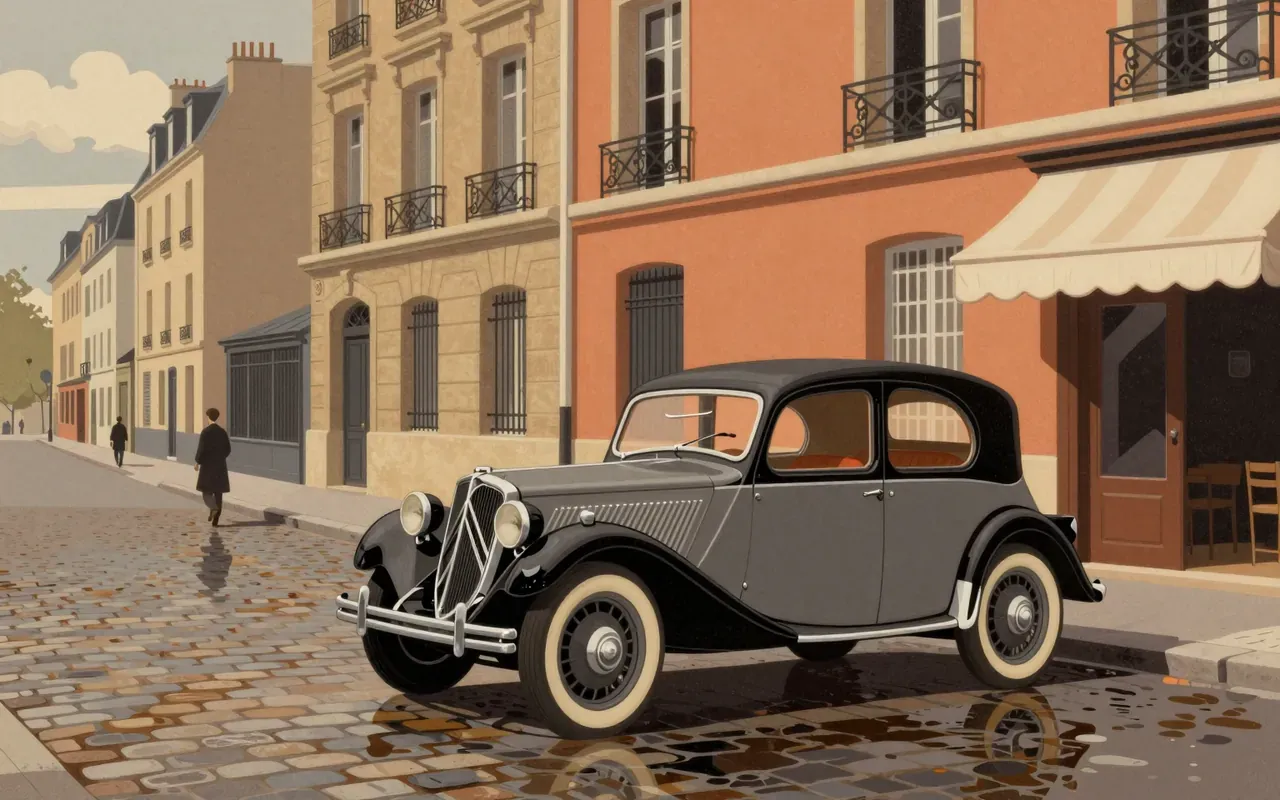
The Citroën Traction Avant redefined what a production car could be — not through novelty, but through integration. Its welded unitary body, front-wheel drive, and four-wheel independent suspension formed a coherent system. It did not chase speed or luxury. It solved for lightness, space, and real-world composure. Its influence is structural, not stylistic.

10:06

Citroën XM

Bertone · 1989

The Citroën XM is a pivotal failure: technically audacious, commercially inert, and stylistically isolated. It advanced hydropneumatic suspension into the electronic age — but lost the emotional and mechanical connection that made Citroën’s earlier flagships endure.

10:21

Cizeta-Moroder V16T

Marcello Gandini · 1991

The Cizeta-Moroder V16T is a self-contained argument in sheet metal and alloy: that a car’s reason for being can be singular, uncompromising, and entirely divorced from utility.

9:26

Dacia 1300

Renault · 1969

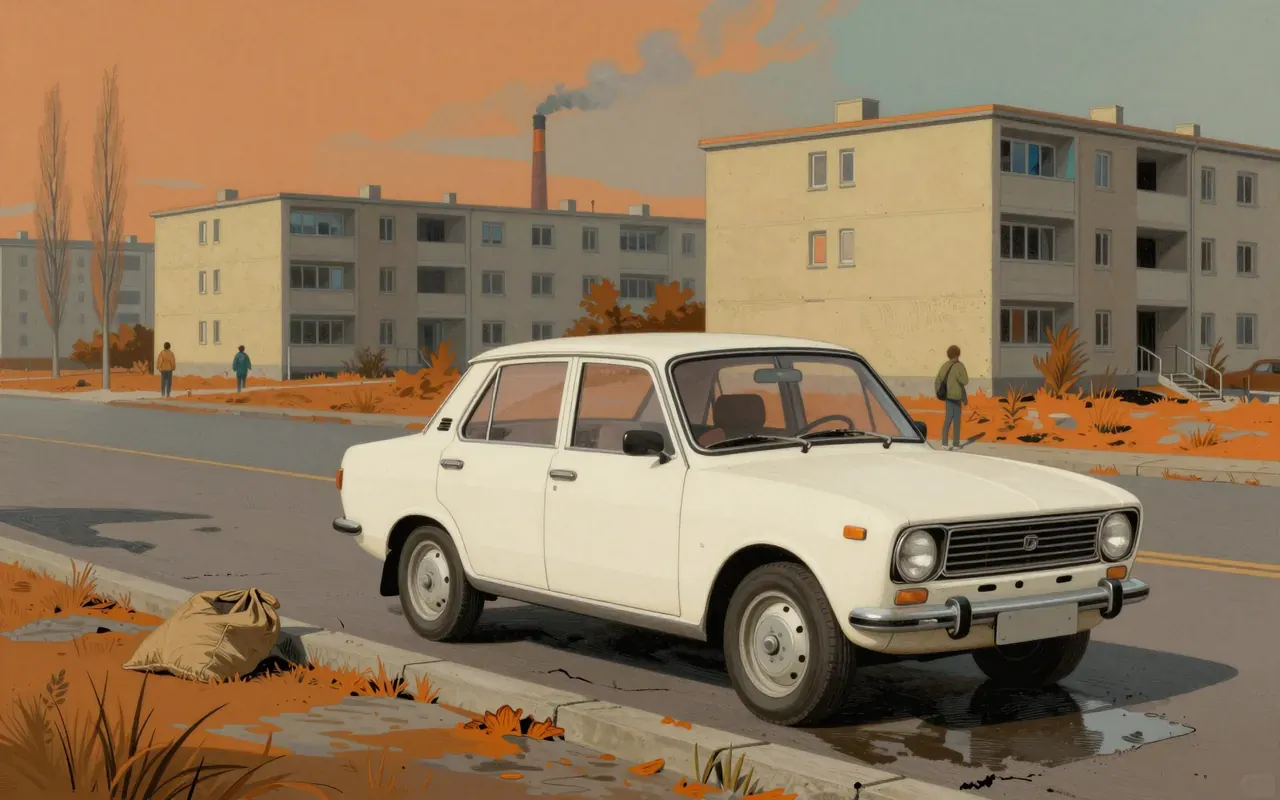
The Dacia 1300 is a Romanian-built, Renault 12–based medium-sized family car launched in 1969 under a state-directed initiative to reduce import dependence; it was required to be inexpensive, family-sized, and equipped with ≤1.3 L engine; Renault 12 was chosen over rivals for technical and political reasons; body styles included sedan, estate, and pickup truck; the name '1300' denotes engine displacement.

10:04

De Tomaso Mangusta

Giorgetto Giugiaro · 1967

De Tomaso Mangusta (1967) — a Giugiaro-designed mid-engined sports car built on a modified P70 steel backbone chassis, with Ford V8 power and a distinctive gull-wing bonnet. 401 units produced. Suffered from handling instability, cramped cabin, and low ground clearance.

9:45

De Tomaso Pantera

Tom Tjaarda · 1971

The De Tomaso Pantera is a mid-engine, rear-wheel-drive sports car designed by Tom Tjaarda at Ghia in 1970 and built by Italian manufacturer De Tomaso from 1971 to 1992. Its steel monocoque chassis was the brand’s first use of that construction. Over 7,000 units were produced—the most of any De Tomaso—with more than three quarters sold through Lincoln-Mercury dealers in the US between 1972 and 1975.

9:52

De Tomaso Vallelunga

Fissore · 1964

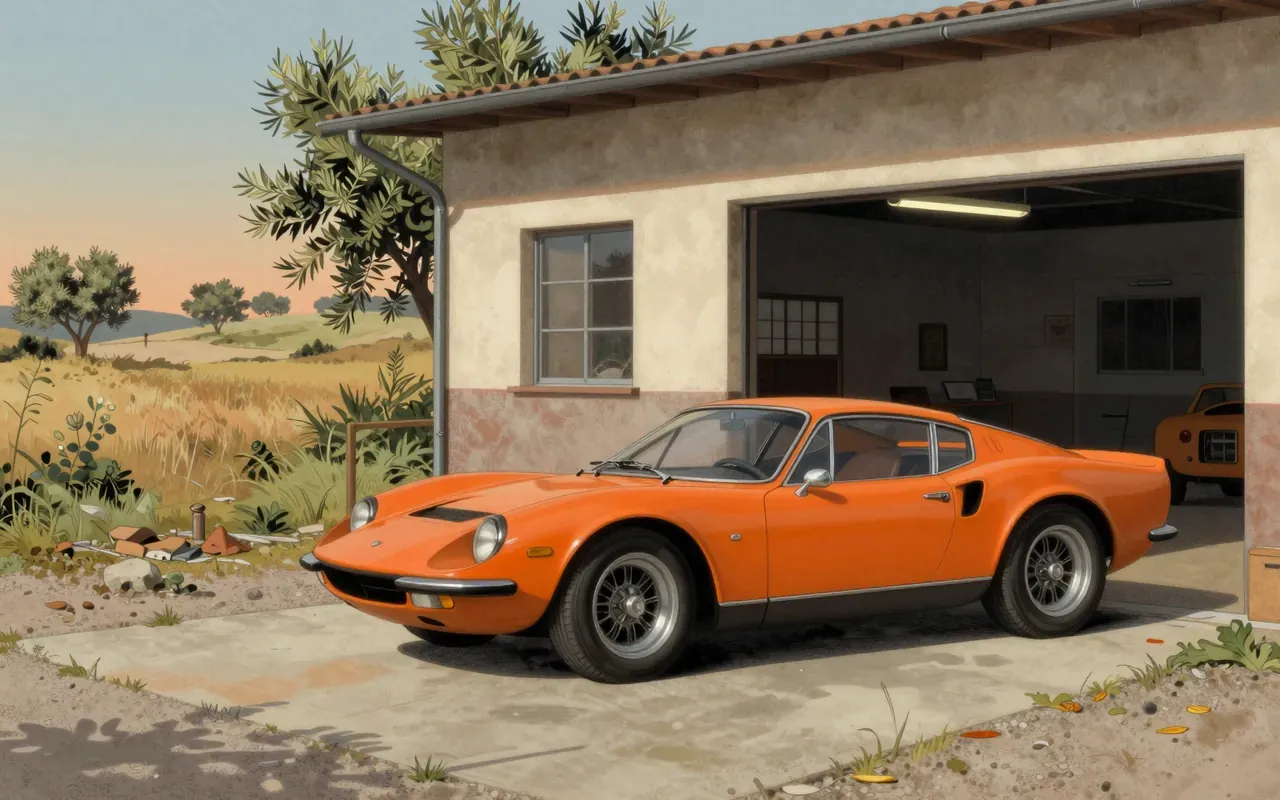
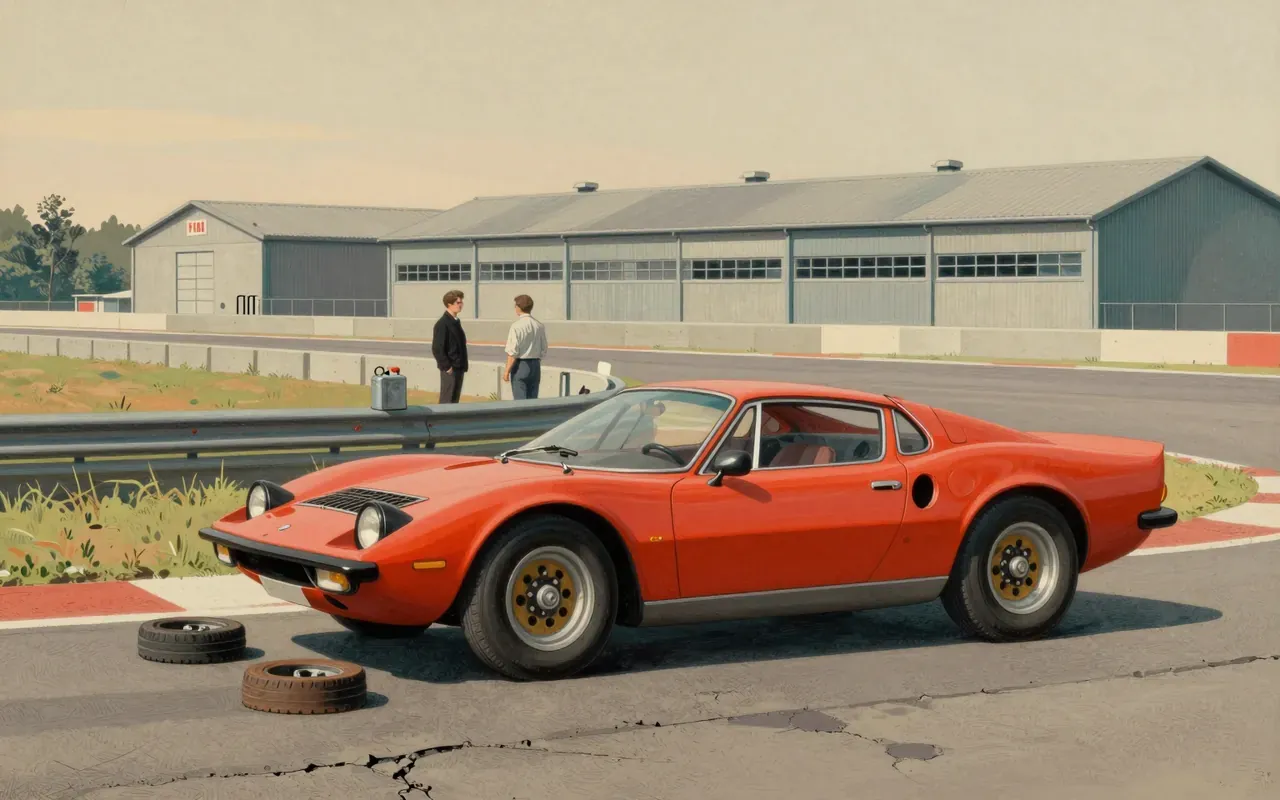
The De Tomaso Vallelunga is a foundational mid-engine sports car. Its aluminium Fissore body, Ford Kent engine and Volkswagen transaxle formed a lightweight, race-derived package—built in just fifteen examples before production shifted to Ghia. It is historically significant but physically sparse: no performance data, no driver testimonials, no surviving service history. Its value lies entirely in its architecture and provenance—not its execution.

10:29

Dodge Charger Daytona

Chrysler Engineering · 1969

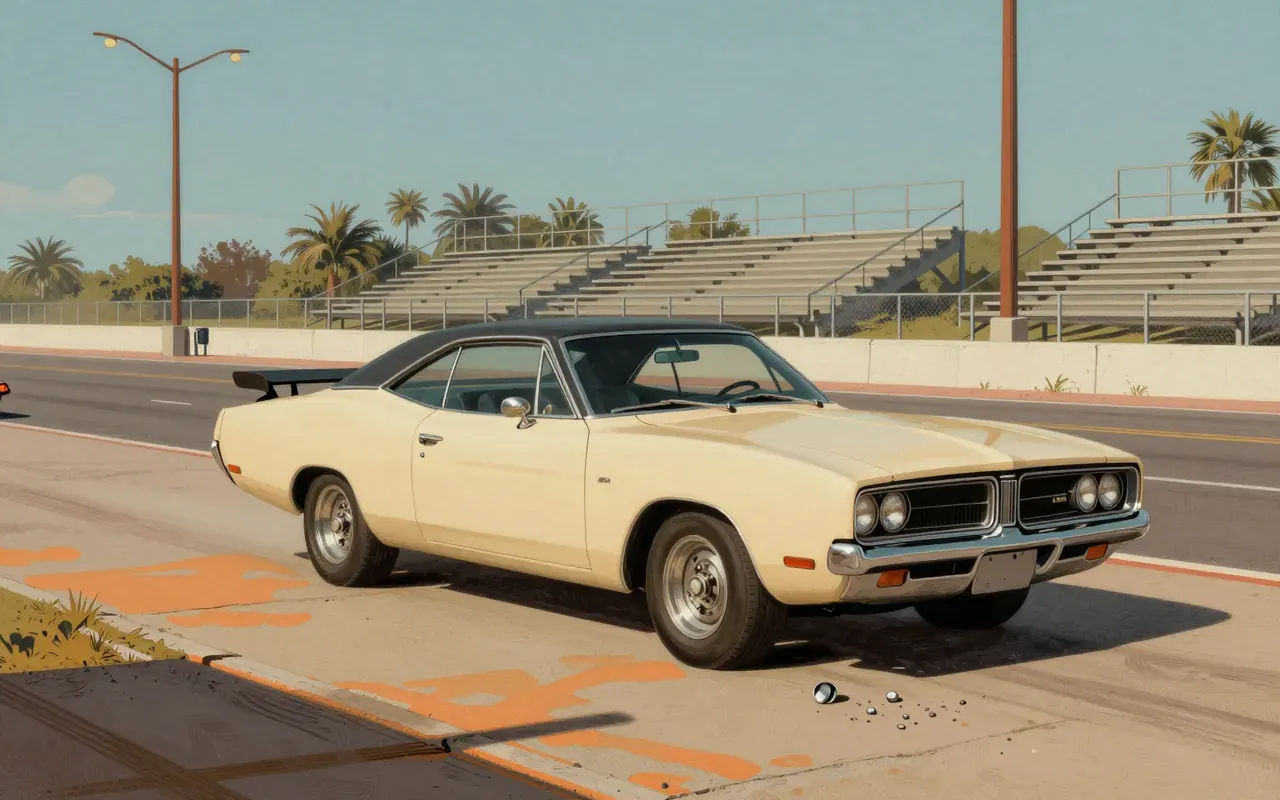
The 1969 Dodge Charger Daytona is a purpose-built NASCAR racer derived from the Charger R/T. It introduced radical aerodynamics — nose cone and rear wing — to achieve stability at 200 mph. It won six races and changed how American manufacturers approached superspeedway competition. It is not a grand tourer, not a collector’s lounge piece, and not a design exercise — it is a documented response to a specific racing problem.

10:16

Duesenberg Model J

Gordon Buehrig · 1928

The Duesenberg Model J is a luxury automobile made by Duesenberg, debuting in 1928 and offered for ten years. Gordon Buehrig, aged 25 and chief body designer for Duesenberg, designed it. Its 420 cu in straight-eight engine produced 265 horsepower in normally aspirated form, surpassing all larger-engined rivals. It achieved 116 mph top speed and 89 mph in second gear — making it both the fastest and most expensive American automobile on the market. It was intended to compete with the most luxurious and powerful cars in the world, launching the year before the 1929 stock market crash. Duesenberg Motors Company went bankrupt in 1937. Only the chassis and engine were factory-made; bodies were custom-built by third-party coachbuilders. Of 481 Model Js produced, about 378 survive.

10:18

Ferrari 250 GTO

Giotto Bizzarrini · 1962

The Ferrari 250 GTO is a front-engine, RWD grand tourer built between 1962 and 1964. Giotto Bizzarrini led its development from 1960 to improve aerodynamics over the 250 GT SWB. It used wind tunnel testing at Pisa University, a hand-welded oval tube frame, all-aluminium bodywork by Scaglietti, and a dry-sumped Tipo 168/62 Comp. 3.0 L V12. Only 36 were built after Ferrari counted earlier 250 GT SWB units toward FIA Group 3 homologation. It features a belly pan and underbody spoiler formed by the fuel tank cover.

11:06

Ferrari 456

Pietro Camardella · 1992

The Ferrari 456 is a front-engine grand tourer produced by Ferrari from 1992 to 2003. Designed by Pietro Camardella at Pininfarina and introduced in October 1993, it succeeded the 412 as Ferrari’s V12-powered four-seater. Its design drew heavy inspiration from the 365 GTB Daytona. It was offered in GT (six-speed manual) and GTA (four-speed automatic, from 1996) trims. The automatic transmission was Ferrari’s second and last conventional hydraulic automatic with torque converter. Its 5.5 L 65° V12 engine was derived from the Dino V6 — not the 60° V12s used in the 412 and Daytona.

8:29

Ferrari Enzo

Ken Okuyama · 2002

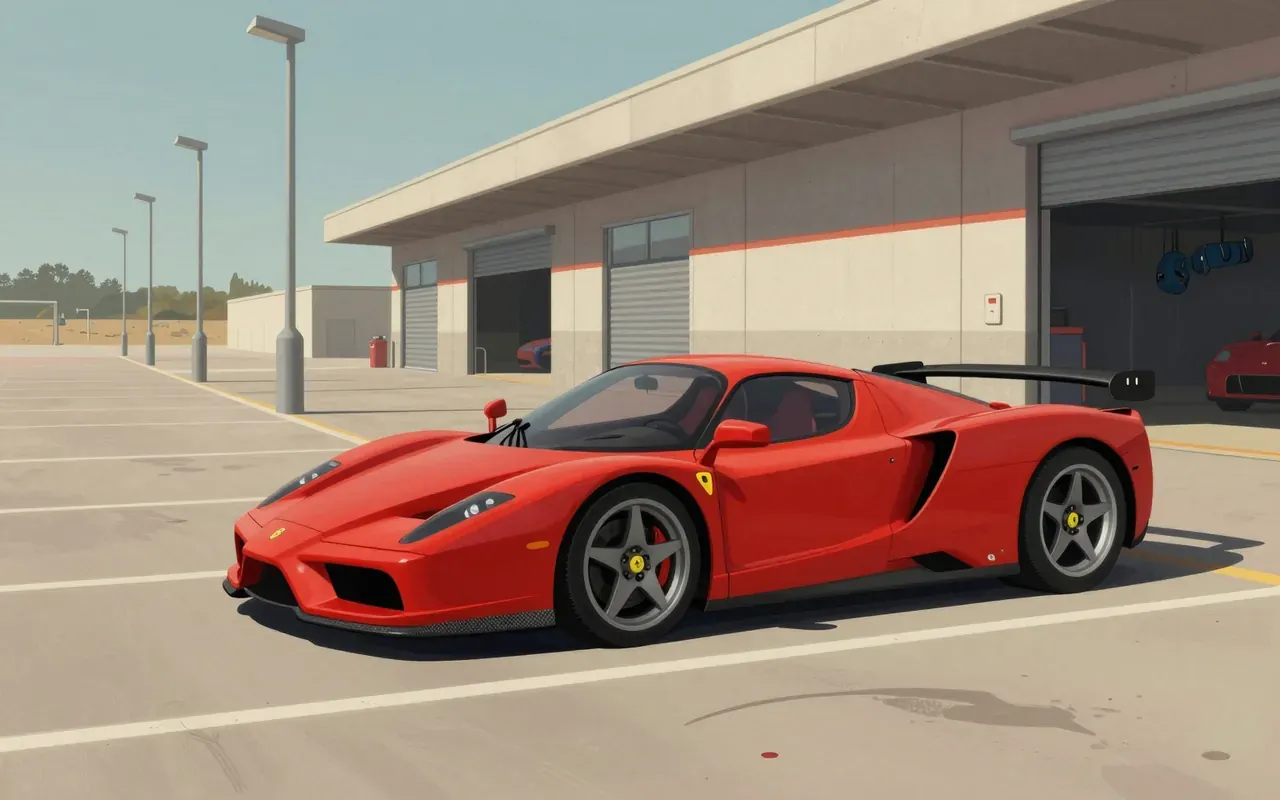
The Ferrari Enzo is a mid-engine sports car developed by Ferrari in 2002, named after Enzo Ferrari, and designed by Ken Okuyama while at Pininfarina. It uses a naturally aspirated 65° V12 engine, rear mid-engine/rear-wheel-drive layout, and an automated manual F1 gearbox. Production spanned 2002–2004 with 498 units built. It was developed using Formula One technology including a carbon-fibre body, automated-shift manual transmission, ceramic composite disc brakes, and active aerodynamics. Its F140 B V12 engine was the first of a new generation for Ferrari. It was announced at the 2002 Paris Motor Show with a limited production run of 399 units, later increased to 498. Ken Okuyama designed and supervised its design at Pininfarina before becoming Creative Director there in 2004. In 2022, he was arrested for speeding in an Enzo at 88 km/h over the limit.

9:07

Ferrari F40

Pietro Camardella · 1987

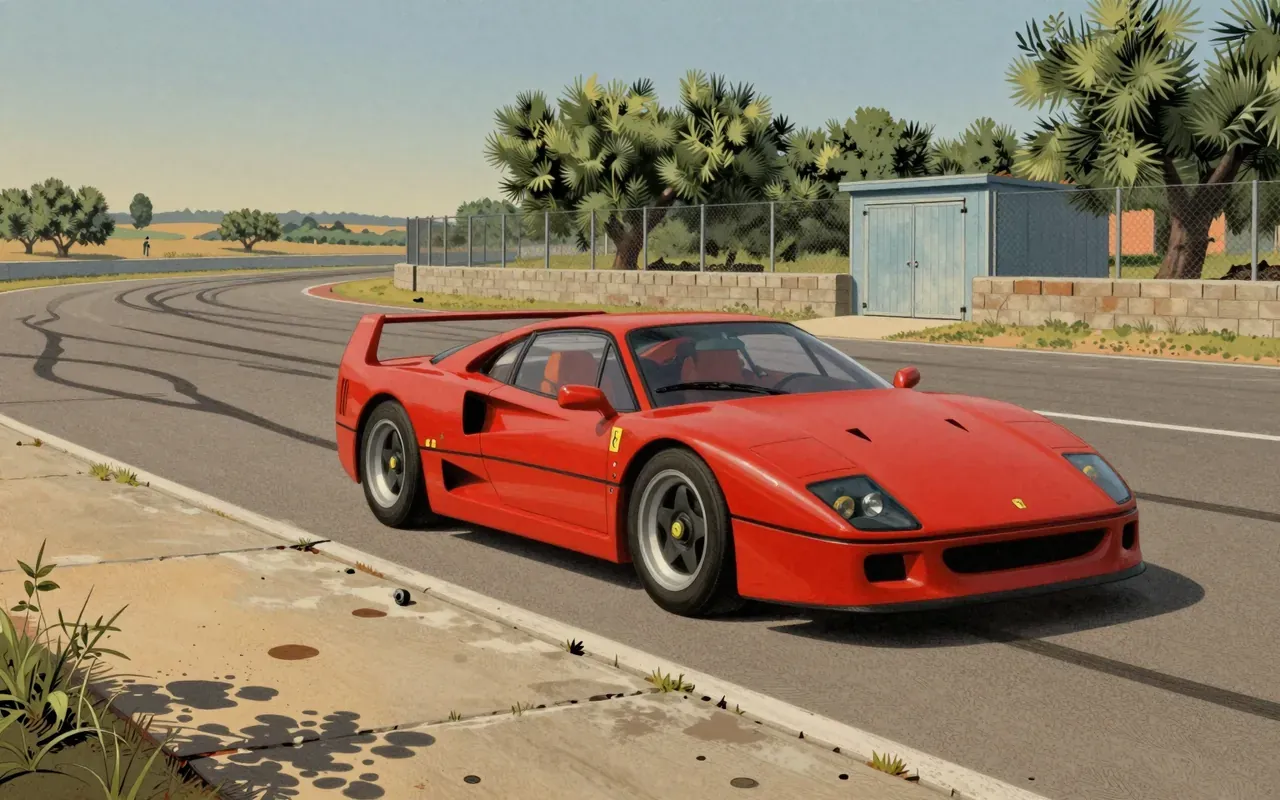
The Ferrari F40 is a mid-engine, rear-wheel drive sports car designed by Pietro Camardella under Pininfarina, powered by a 2.9 L twin-turbocharged and intercooled V8, produced from 1987 to 1993 in 1,311–1,315 units, all originally in Rosso Corsa and left-hand drive, and that it was Ferrari's final forced induction engine until 2014.

10:25

Ferrari Testarossa

Pininfarina · 1984

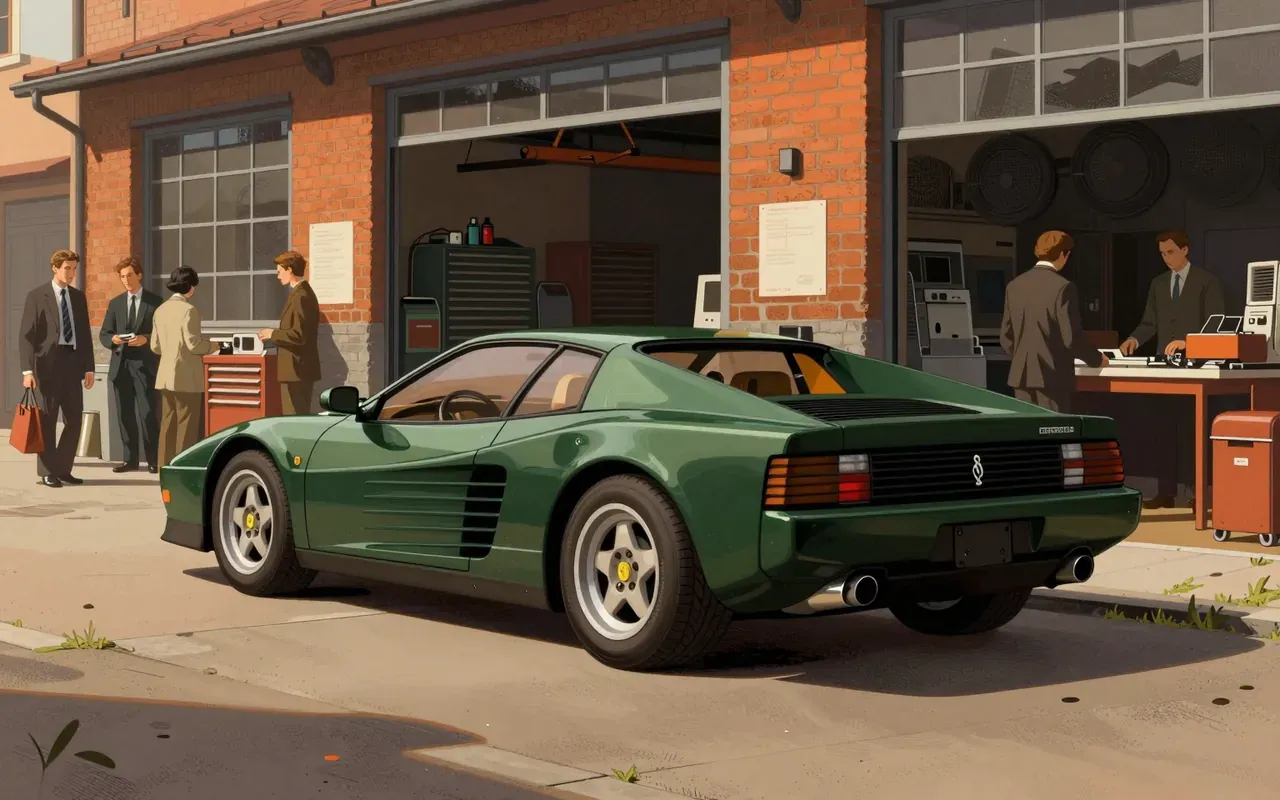
The Testarossa is a Pininfarina-designed, two-door coupé introduced in 1984 as the successor to the Berlinetta Boxer. It features a 4.9 L flat-12 engine and rear mid-engine/RWD layout. Production ran from 1984 to 1991, followed by the 512 TR and F512 M until 1996. Nearly 10,000 Testarossa-series cars were produced. It was developed to resolve thermal and packaging issues of the 512 BBi and is distinguished by its side strakes, twin rear radiators, and aerodynamic efficiency. Designers included Diego Ottina, Guido Campoli, Ian Cameron, and Emanuele Nicosia. It is a cultural icon of the 1980s, popularised by Miami Vice and Out Run.

9:44

Fiat 124 Sport Spider

Tom Tjaarda · 1966

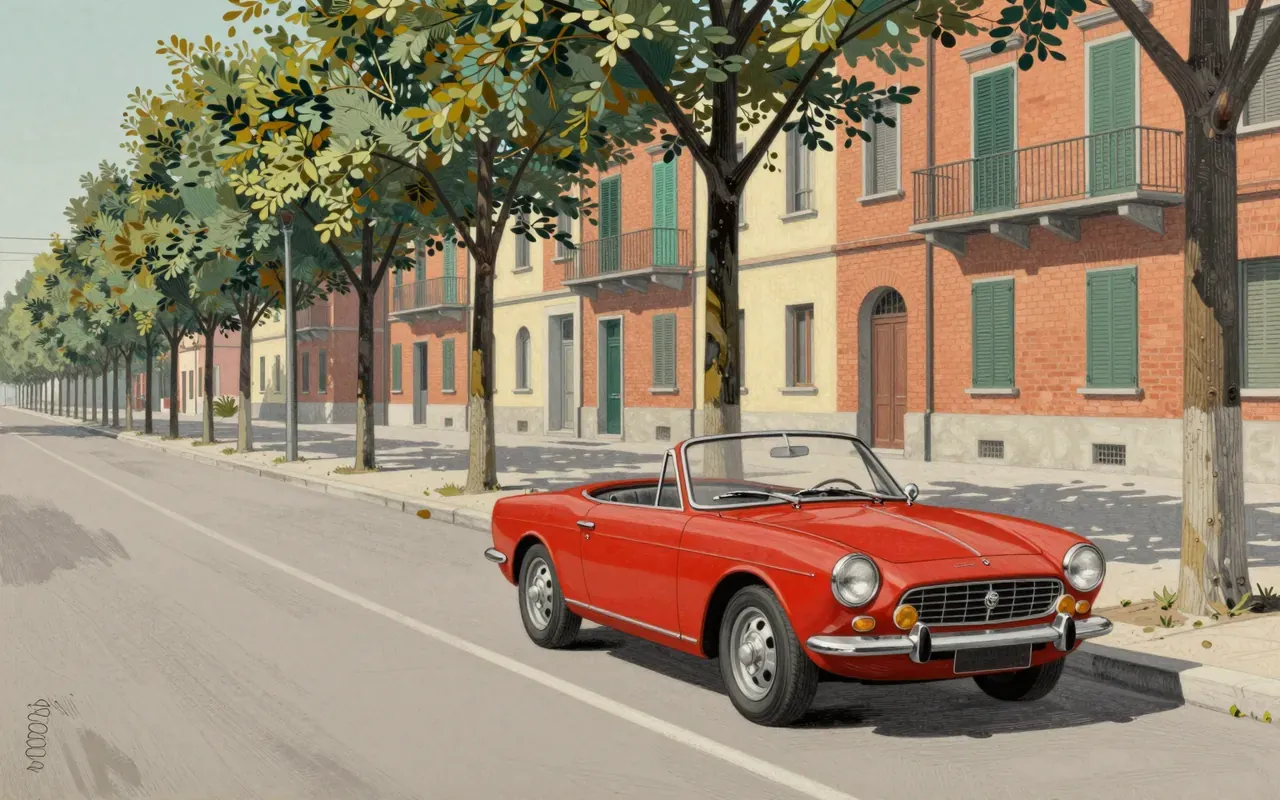
The Fiat 124 Sport Spider is a convertible sports car designed by Pininfarina and styled by Tom Tjaarda. It debuted at the November 1966 Turin Auto Show. It used monocoque construction and a front-engine/rear-wheel-drive layout. Fiat marketed it from 1966 to 1982. Pininfarina continued production under its own name until 1985.

10:02

Fiat 500

Dante Giacosa · 1957

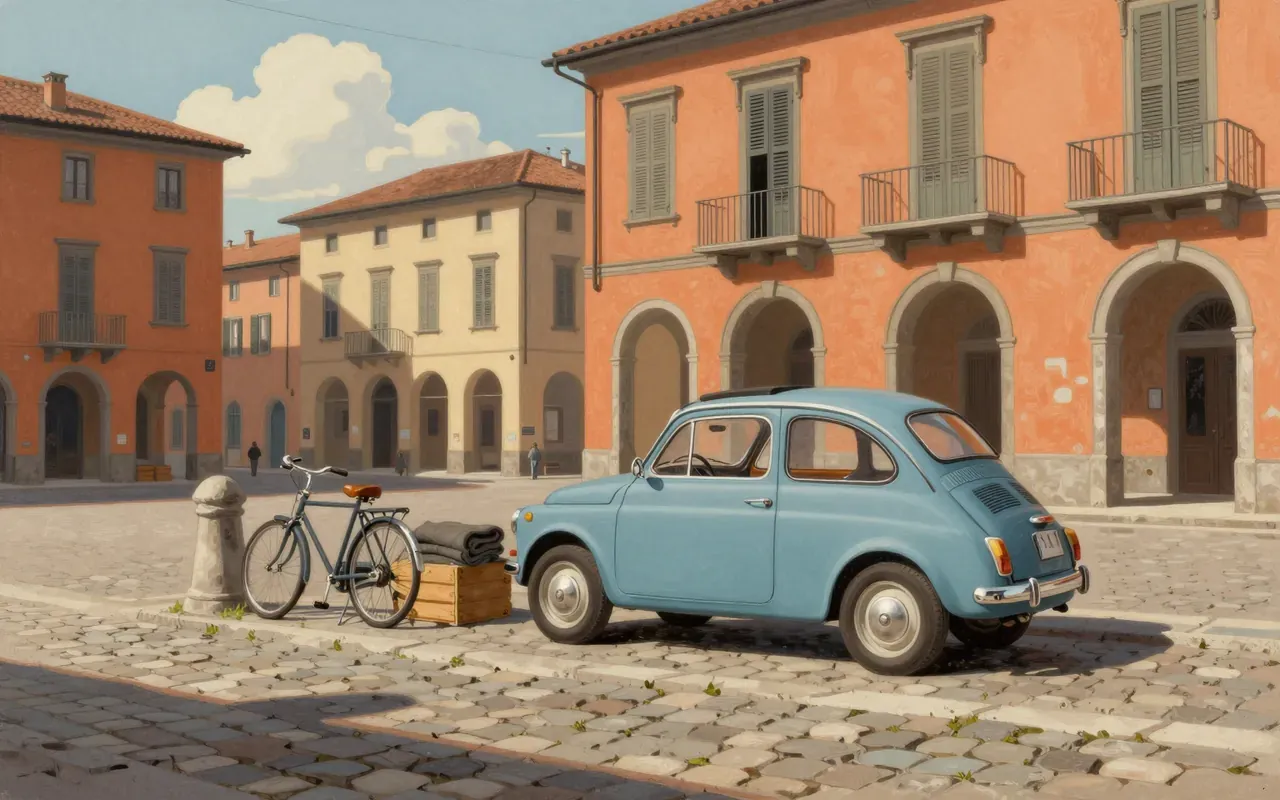
The Fiat 500 (1957) is a foundational microcar — not a scaled-down sedan, but a rethinking of mobility for postwar Italian cities. Designed by Dante Giacosa, it prioritises dimension, weight, and layout over comfort or power. Its 479 cc air-cooled twin, unsynchronised gearbox, suicide doors, and sub-500 kg mass make it physically immediate and spatially precise. It won the 1959 Compasso d’Oro for ‘courageous renunciation’ — a verdict confirmed by 181,036 units built before 1960. It is essential study for anyone interested in how constraints shape intelligent machines.

10:28

Fiat 500e

FCA Centro Stile · 2012

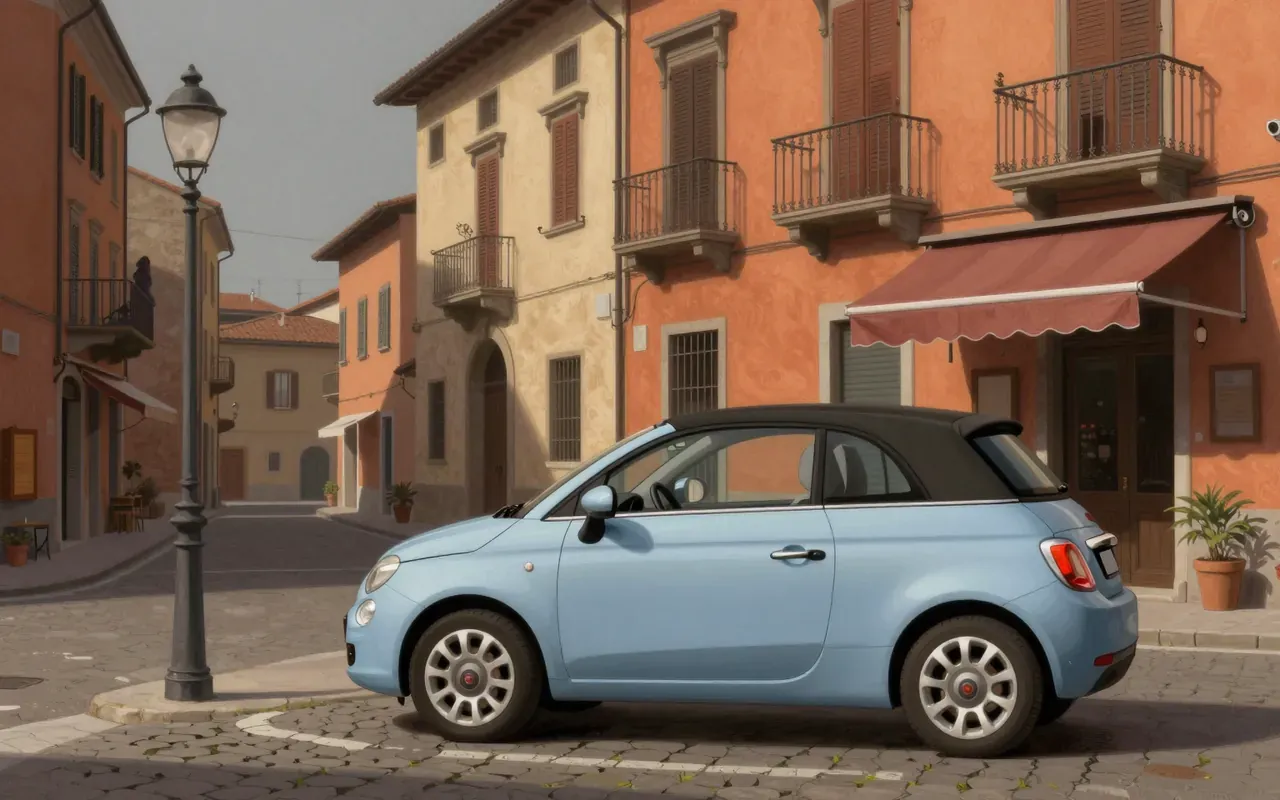
The Fiat 500e is an electric city car that redefines the 500 lineage without abandoning its visual language. It trades engine noise for immediacy, space for charm, and range for urban precision.

11:14

Fiat 600

Dante Giacosa · 1955

The Fiat 600 is a foundational rear-engined microcar that redefined packaging and suspension logic for mass-market mobility.

11:44

Fiat Barchetta

Andreas Zapatinas · 1995

The Fiat Barchetta is a roadster — not a convertible, not a sports car in the modern sense, but a barchetta: open, light, and purpose-built for the act of driving. Designed by Andreas Zapatinas and Alessandro Cavazza, it uses a shortened Mark 1 Fiat Punto chassis and a 1,747 cc DOHC four-cylinder engine producing 131 PS at 6,300 rpm. Built from 1995 to 2005, it delivers immediacy over isolation, simplicity over sophistication.

9:55

Fiat Coupé

Chris Bangle · 1993

The Fiat Coupé is a front-wheel drive two-door, four-seater designed by Chris Bangle at Centro Stile Fiat and built by Fiat between 1993 and 2000. Production ended with 72,762 units. It launched with 2.0 L 16V four-cylinder engines, added 1.8 L and five-cylinder 2.0 L variants in 1996, and received updates including a Variable Inlet System in 1998. Special editions included the 1998 Limited Edition with body kit and titanium grey details, and a 2000 1.8 L European edition marketed as elegant and affordable. Its design prioritised silhouette over packaging. It did not solve front-wheel drive compromises. It changed expectations of what a mainstream coupé could look like—and how long it could endure without reinvention.

8:03

Fiat Panda

Giorgetto Giugiaro · 1980

The Fiat Panda (1980) is a two-box, three-door hatchback designed by Giorgetto Giugiaro and Aldo Mantovani. It was conceived as a utilitarian 'container' matching the Fiat 126's weight and cost, using monocoque construction, a flat floor, and high roof for upright seating. Its interior features a seven-position adjustable rear seat — inspired by a folding lounge chair — enabling multiple configurations including a flat bed or V-shaped load support. The cargo area accommodates two 50-litre wine demijohns with all passengers aboard. Giugiaro described it as 'like a pair of jeans': simple, practical, unadorned. It won the Compasso d'Oro industrial design award in 1980.

9:29

Fiat Uno

Giorgetto Giugiaro · 1983

The Fiat Uno is a supermini designed by Giorgetto Giugiaro, launched in January 1983 to replace the Fiat 127. It was produced over a single generation with a 1989 facelift, offered in three- and five-door hatchback body styles, and built from 1983 to 1995 in Europe and until 1 January 2014 in Brazil. With over 8,800,000 units built, it ranks as the eighth most produced automobile platform in history. Its tall, square body featured a Kamm tail and achieved a drag coefficient of 0.34. It used front-engine, front-wheel-drive layout with MacPherson strut front and twist-beam rear suspension.

9:26

Fiat X1/9

Marcello Gandini · 1972

The Fiat X1/9 is a pragmatic mid-engined sports car — engineered, not styled. Its innovation lies in relocation, not invention: moving the Fiat 128’s transverse drivetrain to the rear of the cabin. Gandini’s architecture-first method produced a car that met US safety rules from day one, offered usable storage and visibility, and proved mid-engine packaging could work in volume production. It is neither fast nor refined. It is consequential because it worked — and because it showed how much could be achieved without starting over.

10:43

Fisker Karma

Henrik Fisker · 2011

The Fisker Karma is a luxury plug-in range-extended electric sports sedan produced by Fisker Automotive between 2011 and 2012. It was manufactured by Valmet Automotive in Finland. The EPA rated its all-electric range at 32 mi (51 km), and its fuel economy at 52 mpg‑US equivalent in all-electric mode and 20 mpg‑US in gasoline-only mode. It was priced from US$102,000 in the U.S., and around 1,800 units were delivered in North America and Europe through December 2012. Approximately 2,450 Karmas were built before production ceased in November 2012.

10:00

Ford Bronco

Paul G. Axelrad · 1966

The 1966 Ford Bronco is Ford’s first SUV. It launched as a compact, off-road vehicle using its own chassis. It was built at Ford’s Michigan Truck Plant in Wayne, Michigan.

11:09

Ford GT40

Roy Lunn · 1964

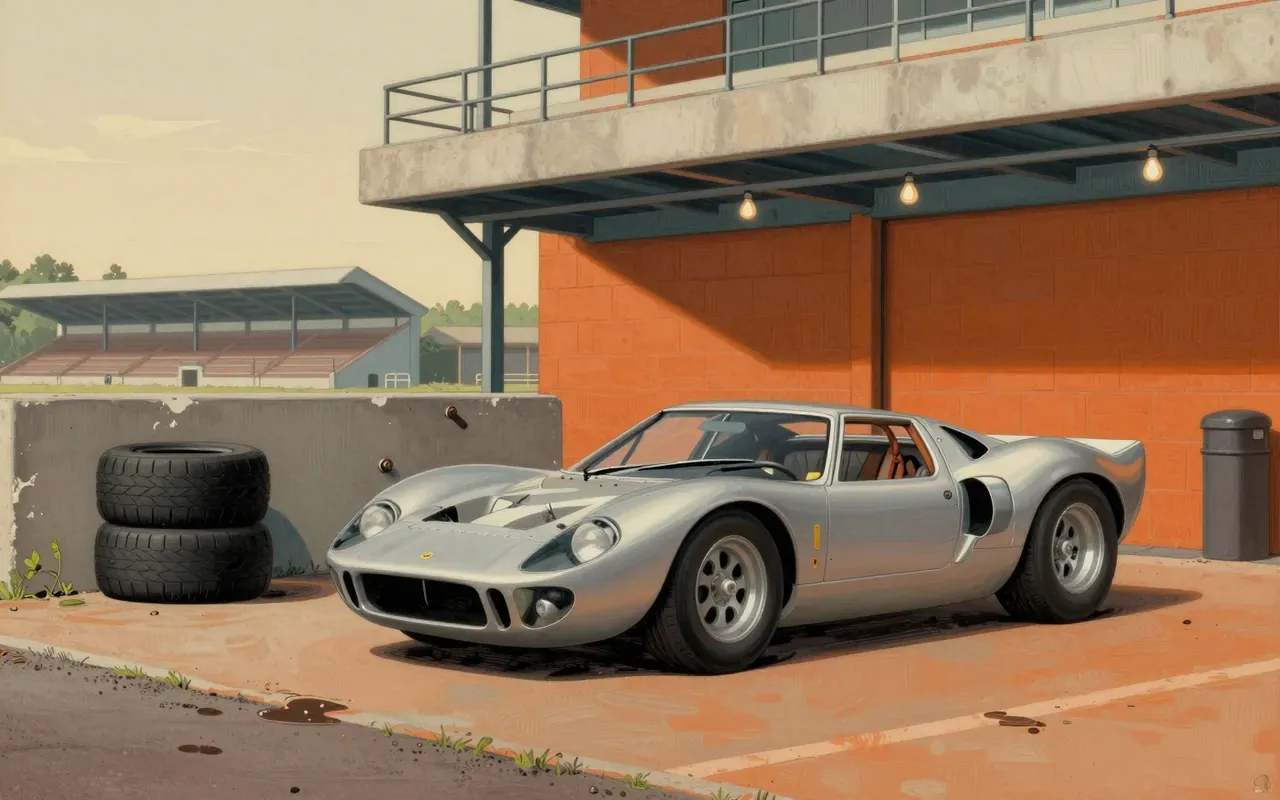
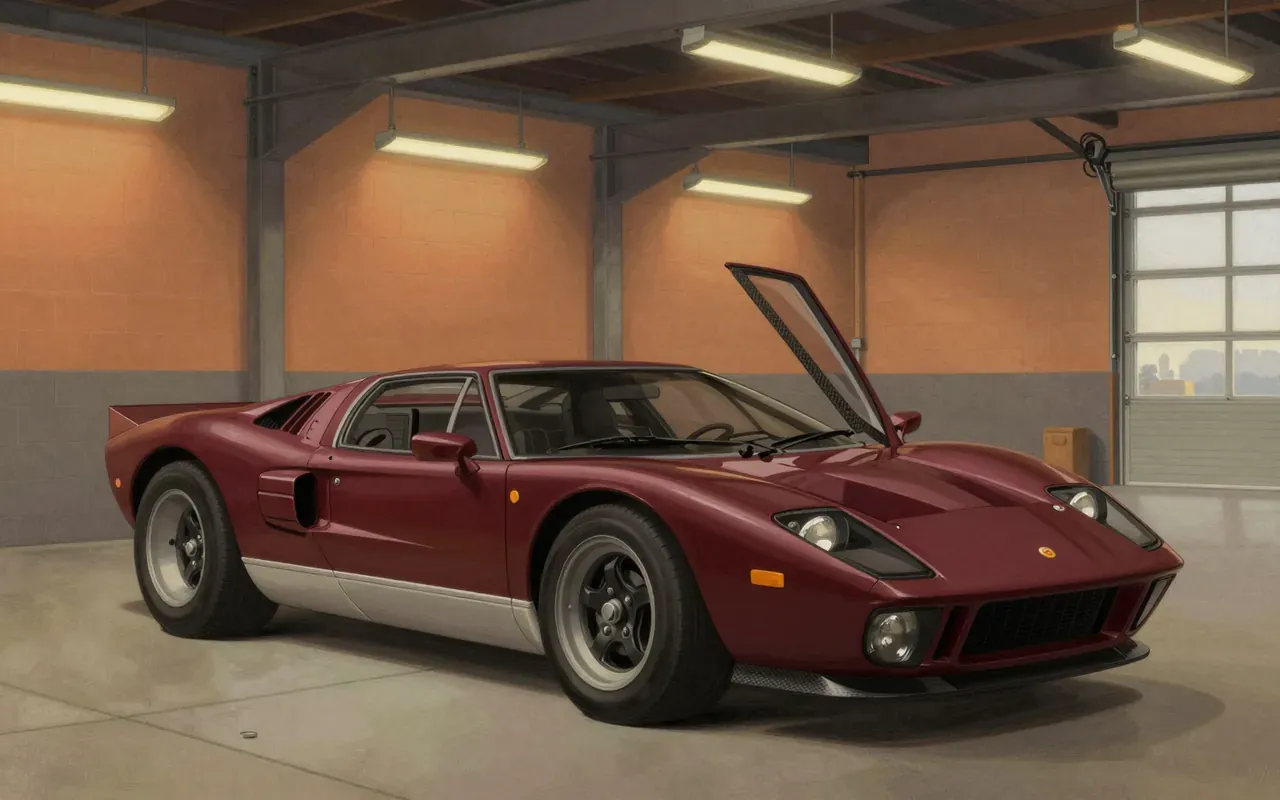
A mid-engined, rear-wheel-drive racing car developed by Ford between 1963 and 1964 under Roy Lunn’s direction, built in Slough then Dearborn, to beat Ferrari at Le Mans.

9:43

Ford GT90

John Coletti team · 1995

The Ford GT90 is a 1995 concept car that launched Ford’s 'New Edge' design language. It uses a carbon-fibre body over an aluminium monocoque, and mounts a 5.9-litre V12 mid-ship. It shares only roof-cutting doors with the GT40. It was never intended for production or racing. As of 2025, it resides in the Hajek Motorsports Museum.

9:42

Boss 302 Mustang

Larry Shinoda · 1969

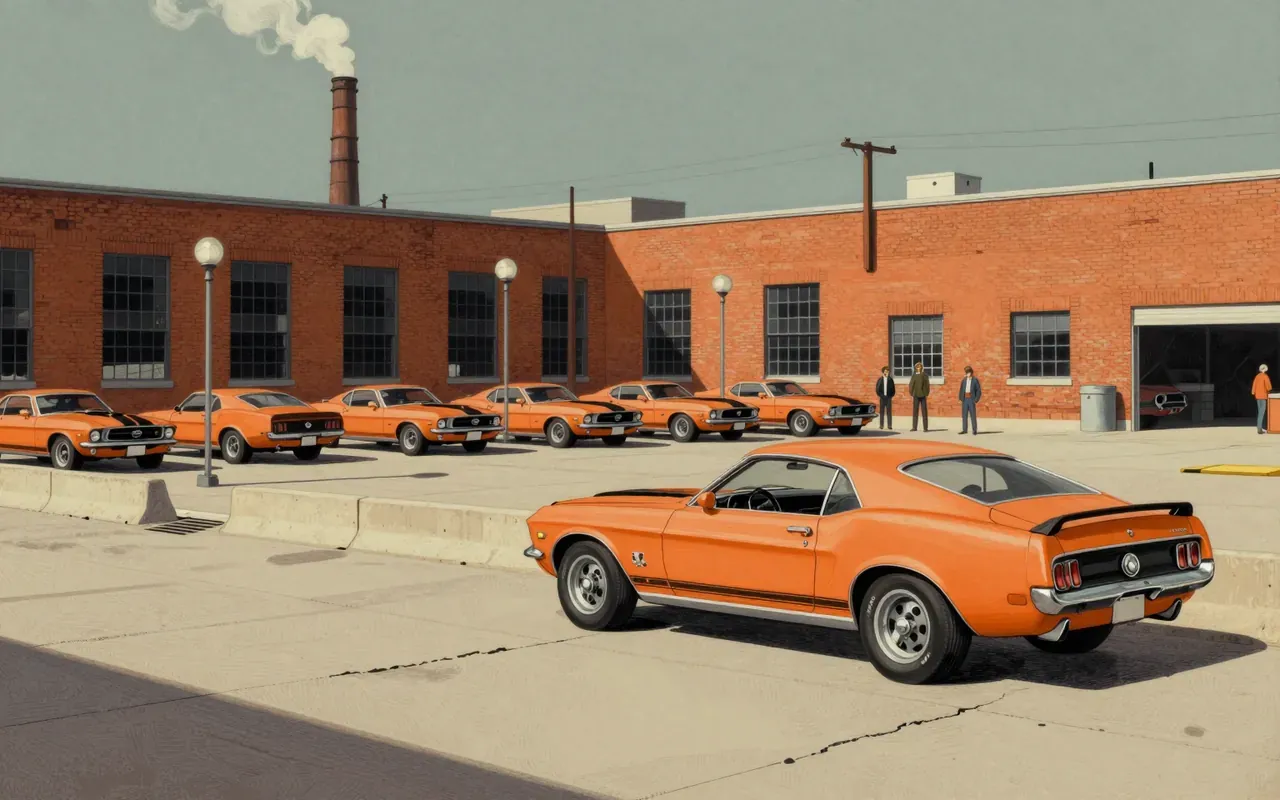
The 1969–1970 Boss 302 Mustang is a Trans-Am homologation special designed by Larry Shinoda. It used a unique thin-wall, high-nickel 302 cu in (4.9 L) H.O. V8 with solid lifters, 4-bolt main bearings, threaded freeze plugs, and canted-valve heads. It was sold only in a complete package including a four-speed manual, upgraded suspension, brakes, and aerodynamic aids. A total of 7,013 units were sold.

9:41

Ford Sierra RS Cosworth

Uwe Bahnsen team · 1986

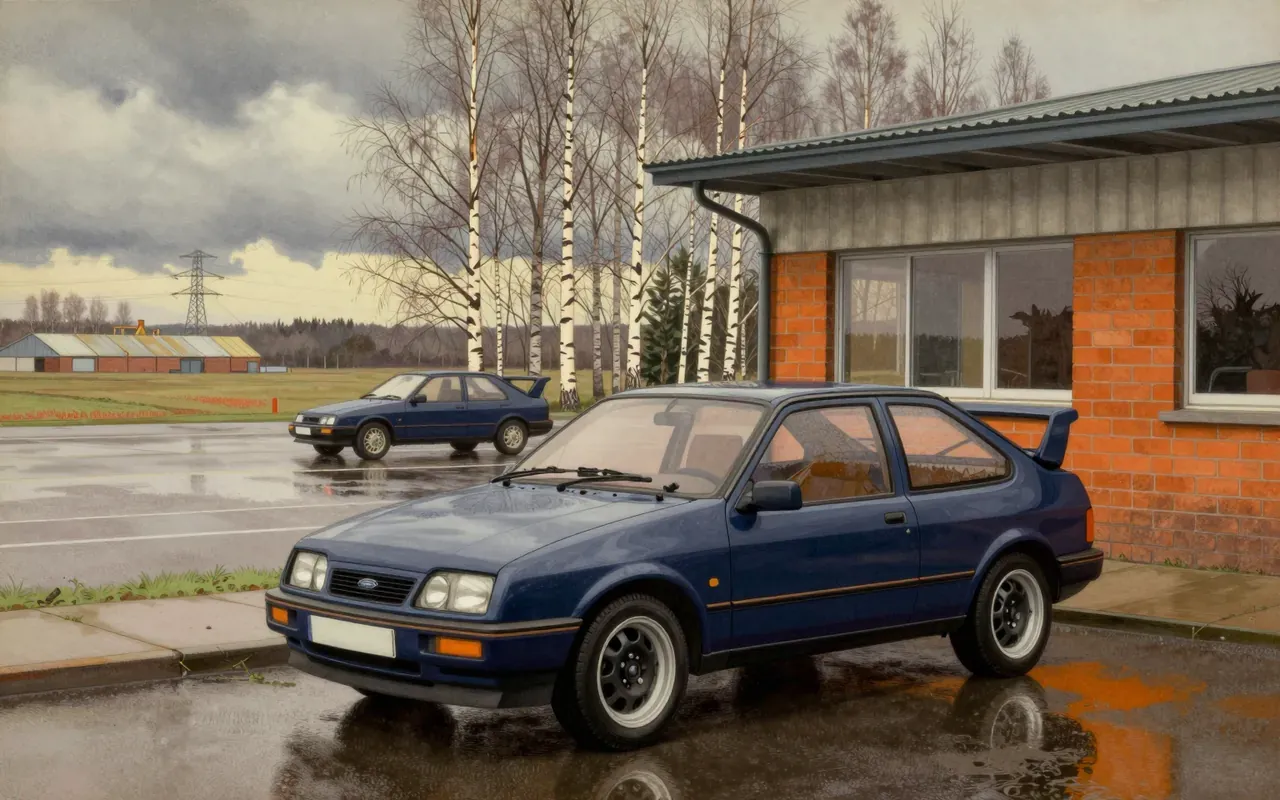
A purpose-built Group A weapon disguised as a saloon — engineered for stability, not style.

10:01

GMC Syclone

GMC · 1991

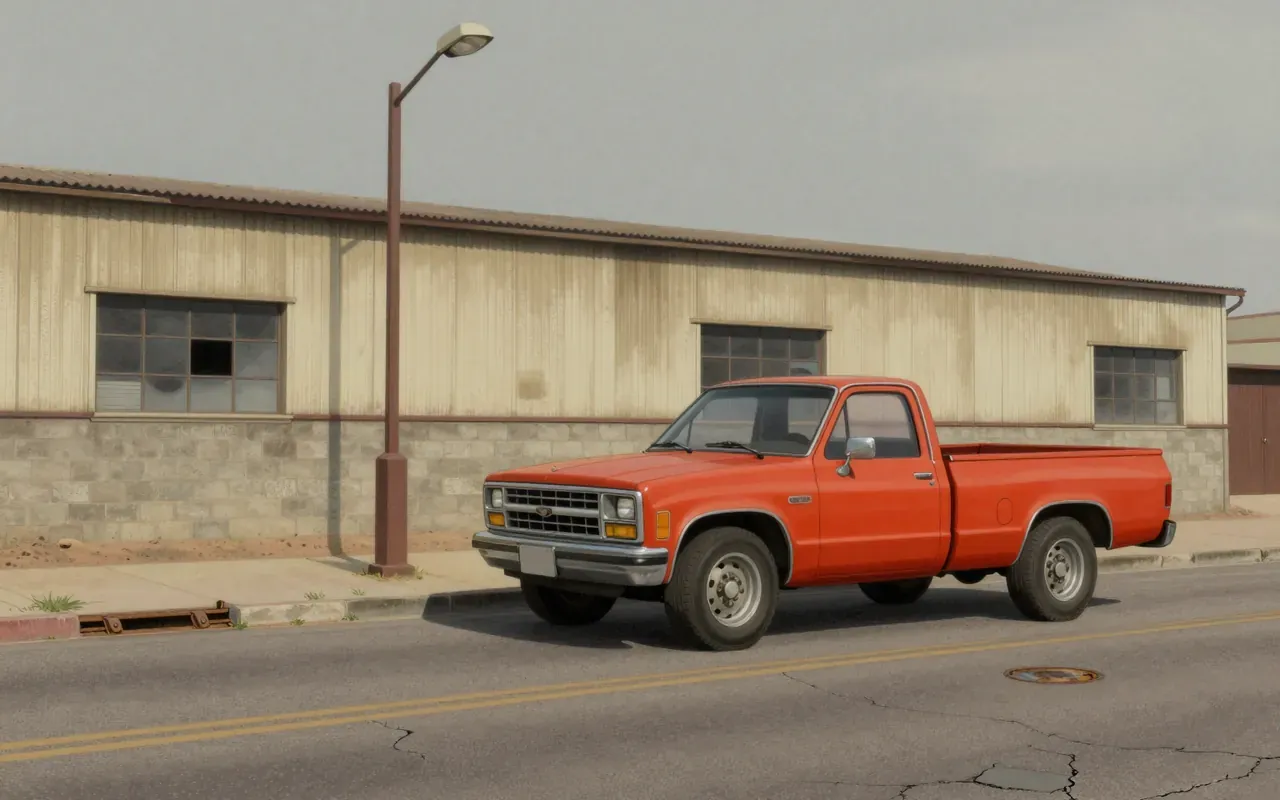
The GMC Syclone is a 1991 high-performance compact pickup based on the GMC Sonoma. Built by GMC and Production Automotive Services (PAS), it featured a 4.3L turbocharged V6, 4L60 automatic transmission, BorgWarner 4472 AWD transfer case (35/65 torque split), Mitsubishi turbo, Garrett intercooler, and 4-wheel ABS. At launch, it was the fastest stock pickup in the world—and its acceleration outperformed the Chevrolet Corvette and Ferrari 348 ts. It established that AWD and forced induction could coexist in a production truck without sacrificing usability. It did not offer a manual, nor did it prioritise ride comfort or cabin isolation. Its legacy is mechanical audacity, not longevity or luxury.

9:46

Gordon Murray Automotive T.50

Gordon Murray · 2022

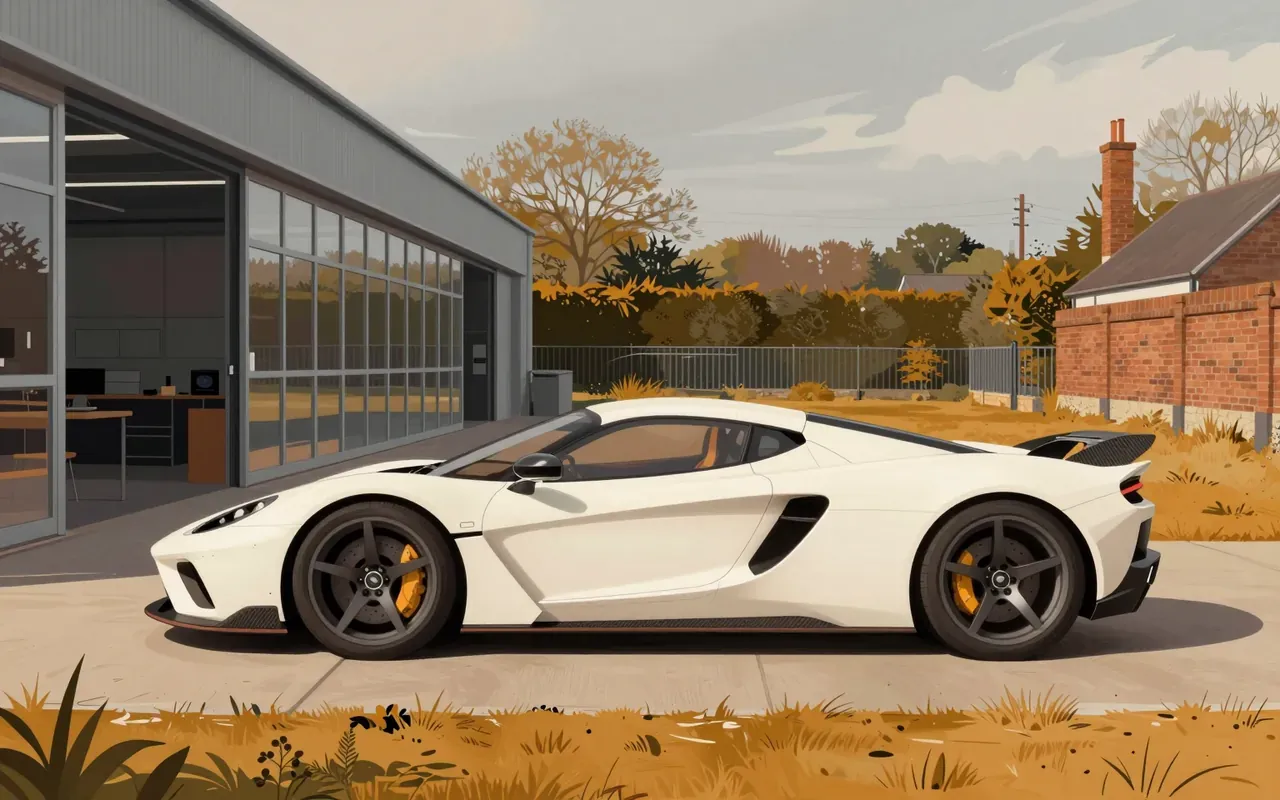
The GMA T.50 is a sports car manufactured by Gordon Murray Automotive. Designed by Gordon Murray, it is the logical successor to the McLaren F1. It went into production in 2022 at GMA’s Surrey facility. It features a 3,994 cc naturally aspirated V12 developed by Cosworth. It achieves a dry weight of 997 kg, with its V12 weighing 178 kg and its chassis 30 kg lighter than the McLaren F1’s. A distinctive feature is the 8.5 kW 40 cm aerodynamic fan integrated into the rear, powered by a 48 volt electrical motor. It incorporates the fan car concept of the Brabham BT46B.

10:52

Hindustan Ambassador

Morris · 1957

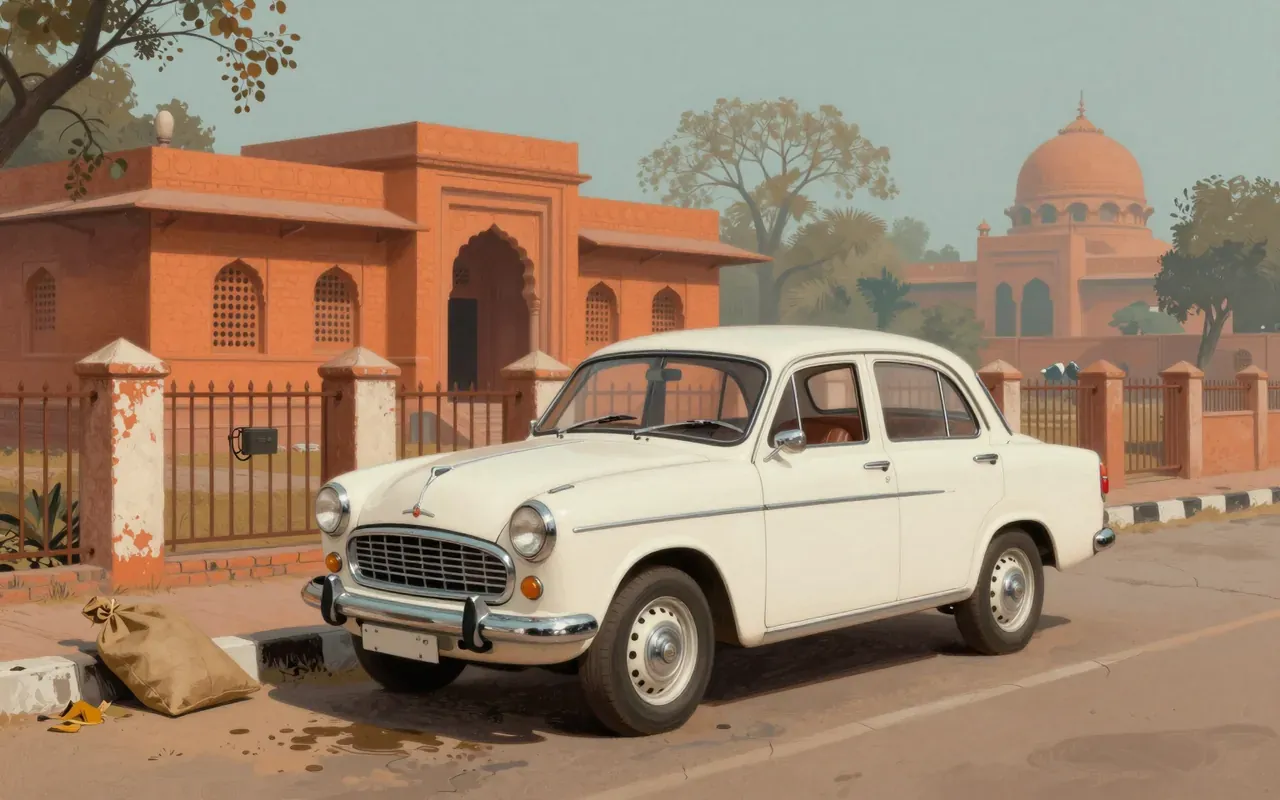
The Hindustan Ambassador is a saloon built in India from 1957 to 2014, based directly on the Morris Oxford Series III. It used a fully enclosed monocoque chassis and remained almost unchanged across its entire production run. It was not designed in India, nor did it evolve with changing global standards—but it endured as a functional, spatially generous, mechanically simple vehicle embedded in India’s administrative and transport systems.

9:45

Holden Monaro

Joe Schemansky team · 1968

The Holden Monaro is an Australian-built, front-engine, rear-wheel-drive two-door coupé produced across three generations: 1968–1971 (HK/HT/HG), 1971–1979 (HQ/HJ/HX/HZ), and 2001–2006 (VX/VY/VZ). It was also assembled in South Africa (1970–1973) and exported globally under multiple badges including Chevrolet Lumina Coupe, Vauxhall Monaro, and Pontiac GTO. The third generation was also remanufactured by HSV as high-performance variants without the Monaro nameplate.

11:31

Honda Beat

Pininfarina · 1991

The Honda Beat is a kei-class, two-seater roadster with rear mid-engine, rear-wheel-drive layout, designed by Pininfarina and produced by Honda from May 1991 to February 1996; approximately 33,600 units were built. It features a 656 cc three-cylinder engine with MTREC technology, a 5-speed manual transmission, disc brakes on all four wheels, and was marketed exclusively in Japan as 'Midship Amusement'.

8:34

Honda Civic Type R EK9

Honda · 1997

The 1997 Honda Civic Type R (EK9) is the origin point of Honda’s Type R line — a JDM-only, naturally aspirated, front-wheel-drive hot hatch built on the sixth-generation Civic platform. It introduced the core Type R principles: weight reduction, chassis stiffening, engine tuning, upgraded brakes and suspension, manual-only transmission, and red Honda badging. Produced in 16,000 units between 1997 and 1999, it used a hand-ported 1.6 L DOHC VTEC B16B engine, seam-welded monocoque, helical LSD, and Recaro seats.

8:09

Honda NSX

Masahito Nakano · 1990

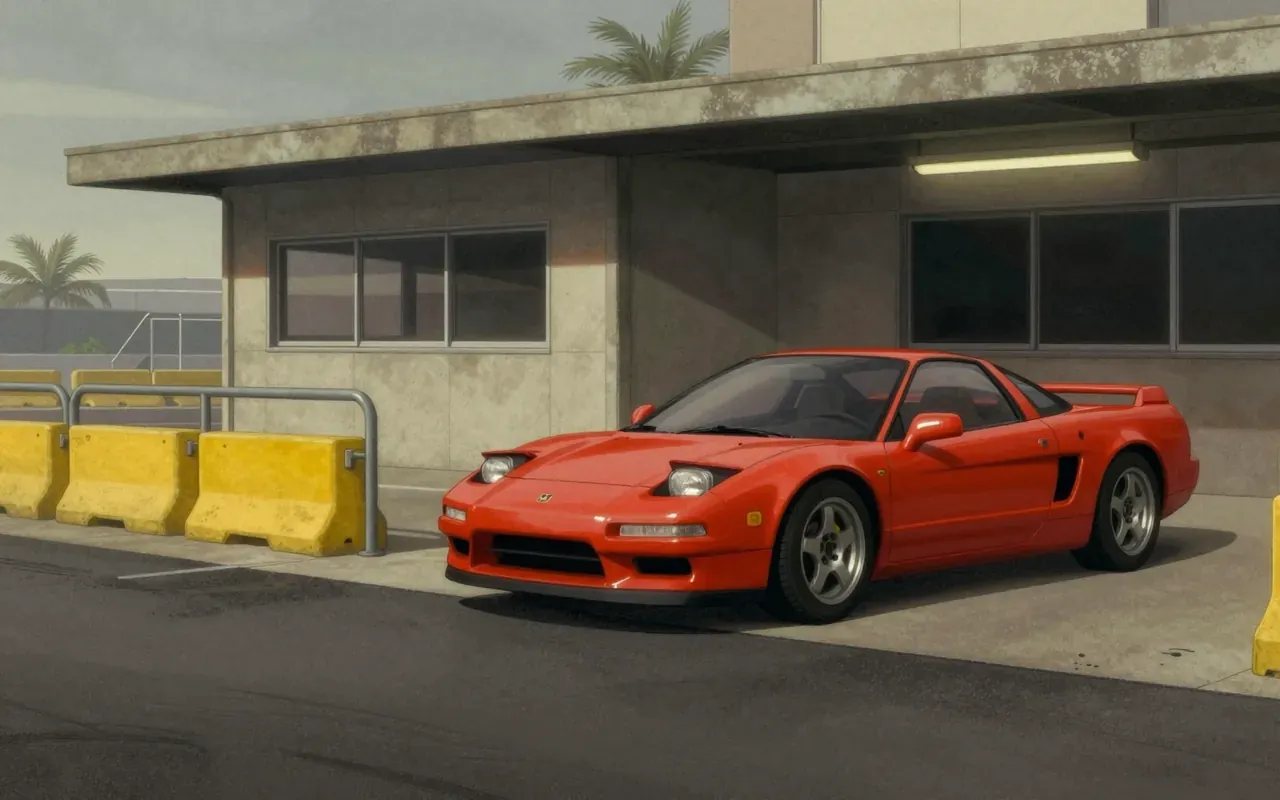
The Honda NSX (1990) is a two-seater sports car manufactured by Acura. Masahito Nakano was Chief Designer of the first generation, produced from 1990 until 2006. It launched as a two-door coupé, later adding a targa top variant. It has a rear mid-engine, rear-wheel-drive layout and a transversely-mounted naturally-aspirated V6 engine.

9:38

Honda NSX (first generation)

Honda · 1992

The first-generation Honda NSX is a Japanese-built, mid-engine, two-seater sports car introduced in 1991. It was the first production car with an all-aluminium semi-monocoque, using a revolutionary extruded aluminium alloy frame and suspension components. This construction saved nearly 200 kg over steel in the body and 20 kg in the suspension. It featured an independent 4-channel ABS, electric power steering, and a suspension compliance pivot that maintained near-zero wheel alignment change. Its 3.0 L V6 engine was DOHC 24-valve and non-VTEC in early production, later upgraded to VTEC.

10:29

Hummer H1

AM General · 1992

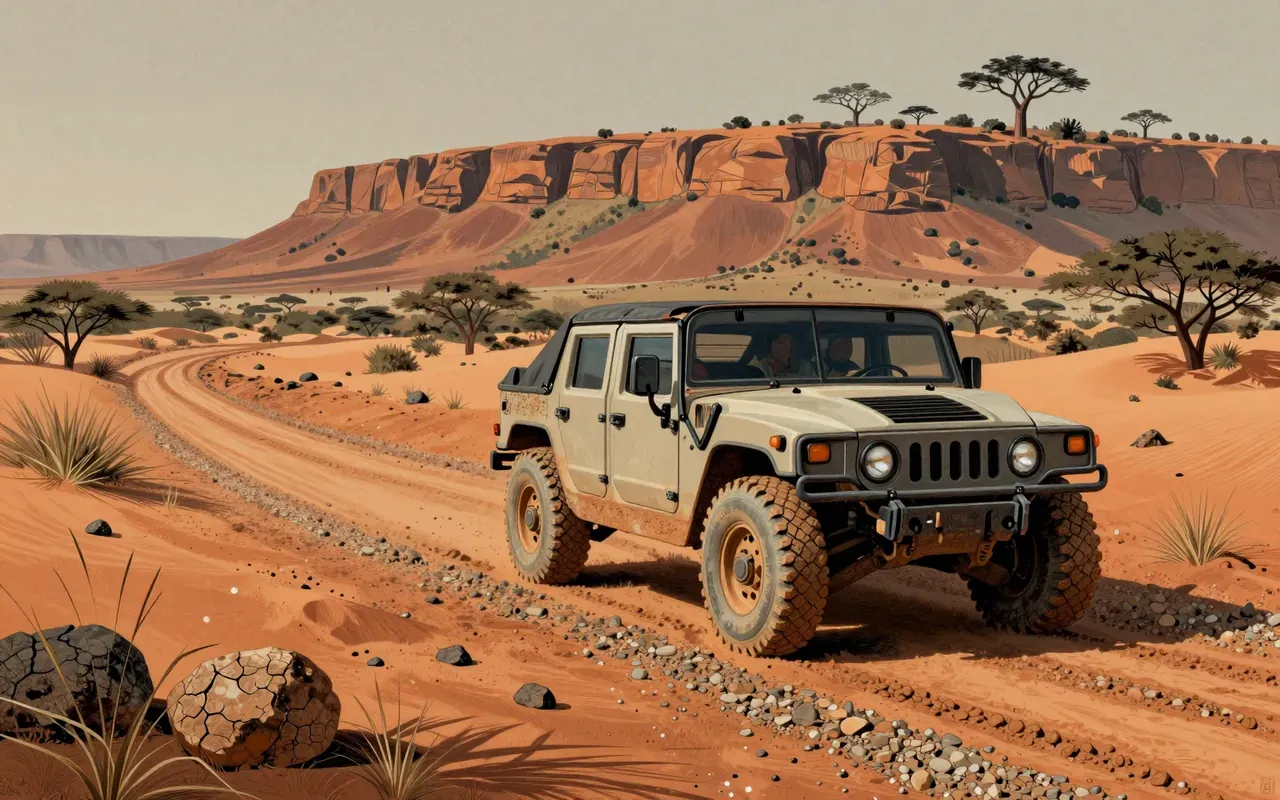
The Hummer H1 is a full-size, four-wheel-drive utility vehicle based on the M998 Humvee, developed and built by AM General. It was produced from 1992 to 2006, rebadged as the Hummer H1 under GM's 1999 marketing agreement, and powered by multiple V8 engines — gasoline and diesel — with varying displacements and configurations. Production occurred at AM General’s Mishawaka, Indiana facility, and ended in June 2006 due to impending diesel emissions regulations. The vehicle was offered in several body styles including soft top, four-door hard top Sport Utility Truck, and Alpha Wagon.

9:45

Hyundai Genesis Coupe

Joel Piaskowski team · 2008

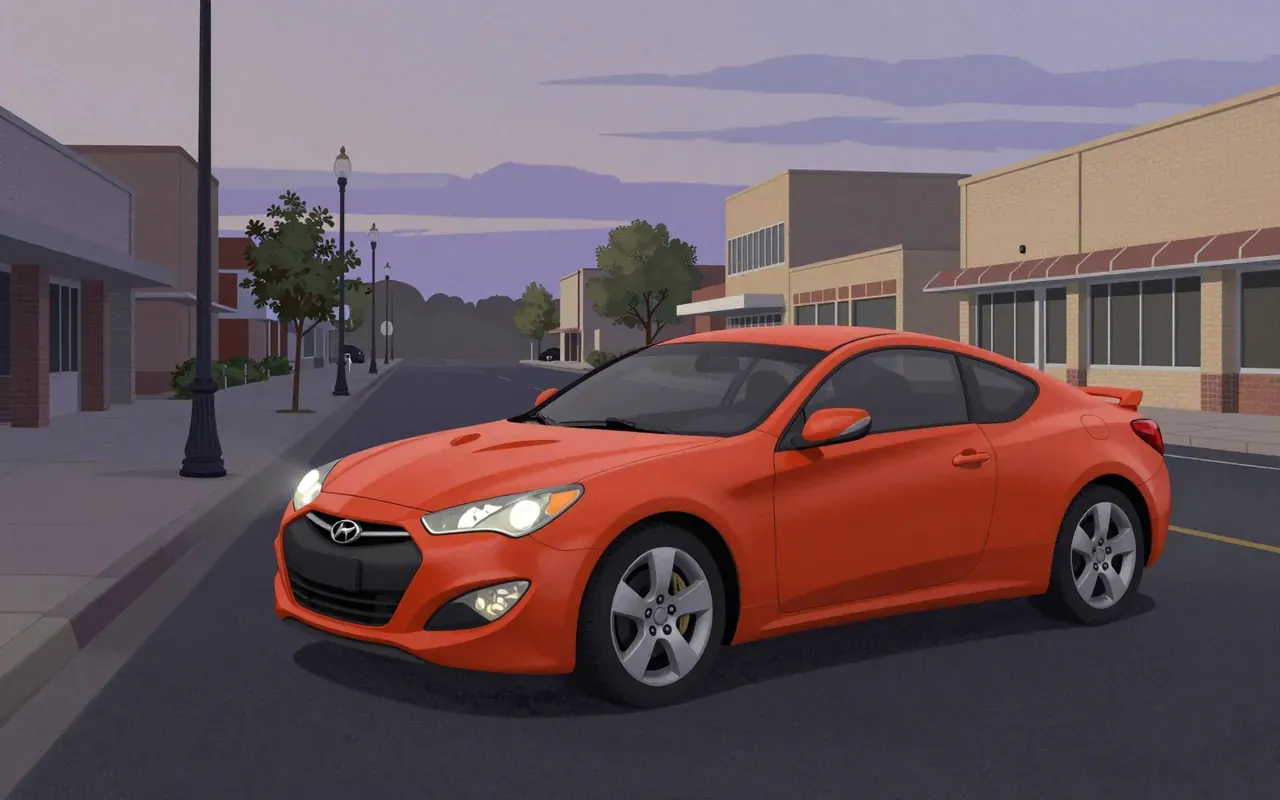
The Hyundai Genesis Coupe is a front-engine, rear-wheel drive sports coupe launched in Korea on October 13, 2008. It shares its platform with the Genesis luxury sedan. It arrived in US dealerships on February 26, 2009, as a 2010 model. It was discontinued in 2016. Engine options included a 2.0T turbocharged 4-cylinder and an optional 3.8 L Lambda V6. A 6-speed manual was standard; automatics were 5-speed or ZF 6-speed. Powertrain upgrades followed a 2011 facelift. The 2.0T was dropped in North America after 2014.

10:16

Hyundai N Vision 74

SangYup Lee · 2022

Hyundai N Vision 74 is a functional, road-capable concept that tests hydrogen-electric drive in a rear-wheel-drive sports layout. It is not a production preview, nor a styling manifesto — it is engineering made visible.

11:10

Hyundai Pony

Giorgetto Giugiaro · 1975

The Hyundai Pony is South Korea’s first mass-produced and exported car. It is a small rear-wheel-drive automobile produced from 1975 to 1990 in saloon, liftback, coupé utility, and estate body styles. Giorgetto Giugiaro designed both the 1974 Pony Coupé Concept — shown at Turin, uncommissioned by Hyundai — and the 1975 production Pony. The concept influenced domestic advertising and reverse engineering at Ulsan, but never entered mass production.

11:06

Iso Grifo

Giorgetto Giugiaro · 1965

The Iso Grifo is a 1965 Italian grand tourer styled by Giorgetto Giugiaro at Bertone and engineered by Giotto Bizzarrini. It uses American-sourced Chevrolet V8 engines and Borg-Warner transmissions. Production ran from 1965 to 1974, totalling 413 units. It was intended to compete with Ferrari and Maserati GTs.

9:09

Iso Rivolta IR 300

Giorgetto Giugiaro · 1962

The Iso Rivolta IR 300 is a 1962 Italian grand tourer designed for long journeys. It was Iso's first luxury car. Giorgetto Giugiaro styled it at Bertone. It used a Chevrolet 327 V8 and BorgWarner 4-speed manual. 797 units were made between 1962 and 1970.

8:54

Jaguar C-X75

Ian Callum · 2010

The Jaguar C-X75 is a 2010 concept car designed by Ian Callum. It uses four wheel-mounted electric motors and two diesel-fed micro gas turbines. It was intended to influence future Jaguar design and technology. Production was announced in 2011 for 2013–2015 but cancelled in December 2012 due to the Great Recession.

9:09

Jaguar E-Type

Malcolm Sayer · 1961

The Jaguar E-Type is a British front-engined, rear-wheel drive grand tourer introduced in March 1961 in Geneva. Designed by Malcolm Sayer as a roadster, it was based on the D-Type racing car and used a novel front-subframe-to-body-tub construction that eliminated the ladder frame. It featured independent coil-spring rear suspension, torsion-bar front suspension, and four-wheel disc brakes — inboard at the rear — all power-assisted. Its sleek appearance, advanced technologies, high performance, and competitive pricing established it as an icon. A 2+2 four-seater version was released in 1966.

10:00

Jaguar XJ

William Lyons · 1968

The 1968 Jaguar XJ6 is the last saloon designed under Sir William Lyons’ leadership. It is a full-size luxury car, front-engine, rear-wheel drive, launched as a four-door straight-six on a 2.76 m wheelbase. It uses the 4.2 litre XK engine. From 1970, it served as Jaguar’s flagship four-door model. It did not gain a long-wheelbase option or V12 engine until 1972. Lyons considered it his last and proudest achievement.

9:53

Jaguar XJS

Malcolm Sayer · 1975

The Jaguar XJS is a luxury grand tourer launched in 1975, developed by William Heynes on the XJ saloon platform, with early styling by Malcolm Sayer under project XJ27. It evolved from 1967 proposals into a V12-powered coupé, later offered as fixed-profile and full convertible.

10:21

Jaguar XJ220

Keith Helfet · 1992

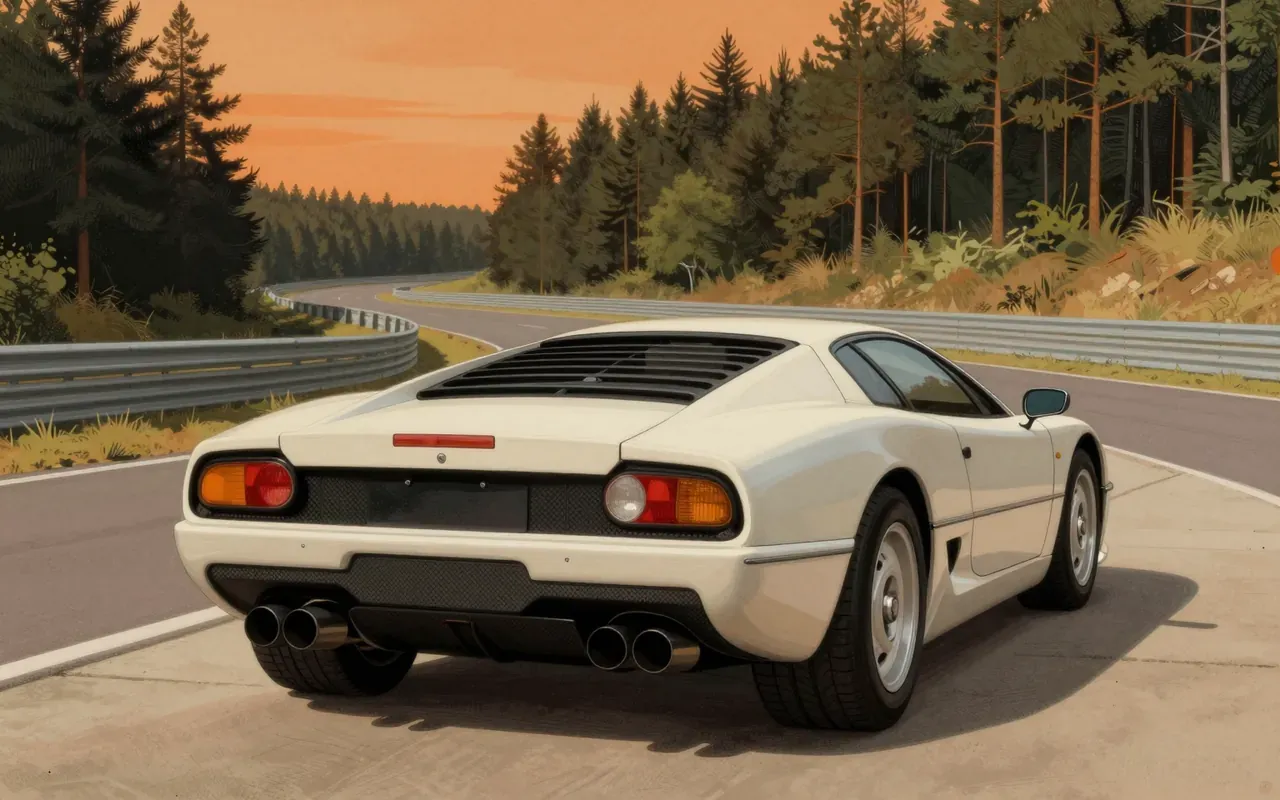
A mid-engine, rear-wheel drive two-seat supercar produced by Jaguar from 1992 to 1994 in collaboration with Tom Walkinshaw Racing. Developed from a V12, 4WD concept by Jaguar employees working in their spare time — the 'Saturday Club' — to revive Jaguar’s Le Mans legacy for FIA Group B. Final production version used a 3.5 L twin-turbo V6, achieved 217 mph at Nardo (catalytic converter removed), and set a Nürburgring lap time of 7:46.36 in 1991 — faster than any prior production car. Made use of engineering from Jaguar’s then-current racing car family. Unveiled publicly at the 1988 British International Motor Show in Birmingham.

10:26

Jaguar XJR-9

Tony Southgate · 1988

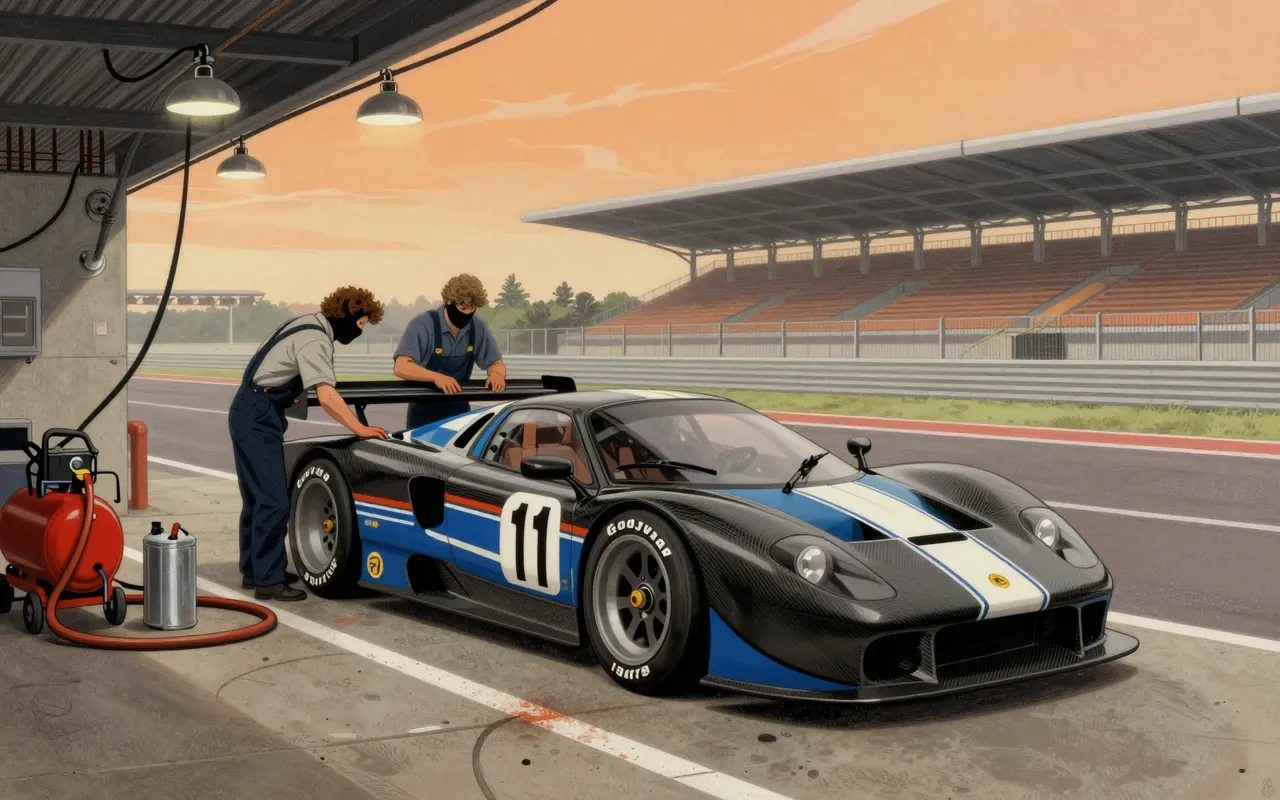
The Jaguar XJR-9 is a sports-prototype race car designed by Tony Southgate and built by Tom Walkinshaw Racing (TWR) in 1988. It features a Jaguar 7.0-litre V12 engine, carbon composite body, and mid-mounted, longitudinally oriented, rear-wheel-drive layout. A Le Mans–specific variant, the XJR-9LM, used a low-drag aerodynamic package. It won the 24 Hours of Le Mans and the 24 Hours of Daytona in 1988, and took six victories in the 1988 World Sports Prototype Championship.

10:59

Jaguar XK120

William Lyons · 1948

The XK120 is a pivotal machine—not because it was perfect, but because it was decisive. It launched a new engine. It forced production. It claimed speed before the world had recovered enough to question it. Its value lies in its clarity of purpose and its consequences.

13:18

Jeep Cherokee (XJ)

Dick Teague · 1984

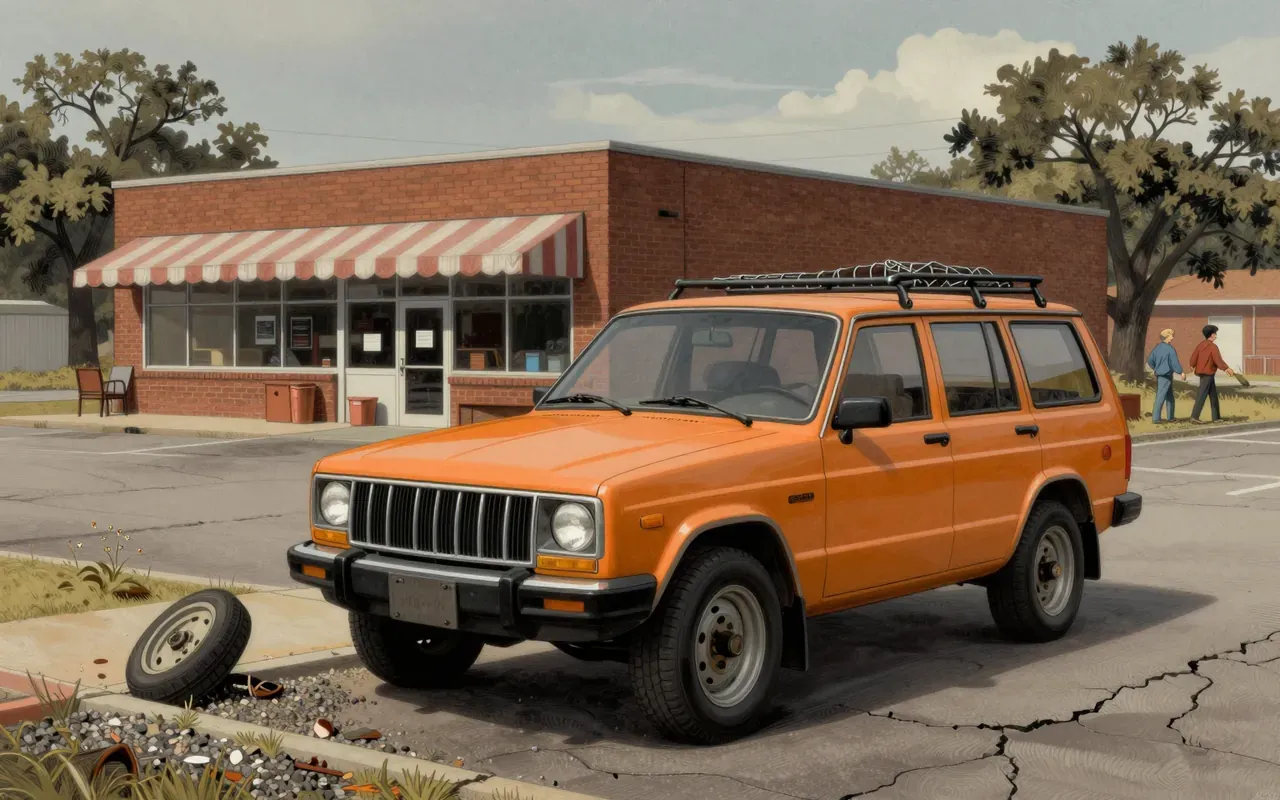
The Jeep Cherokee (XJ) is a foundational off-road vehicle designed by Dick Teague and launched by AMC in 1983. It introduced unibody construction to American 4x4s, marketed itself as a Sportwagon, and reshaped consumer expectations — becoming the template for the modern SUV.

12:17

Kia Stinger

Gregory Guillaume · 2017

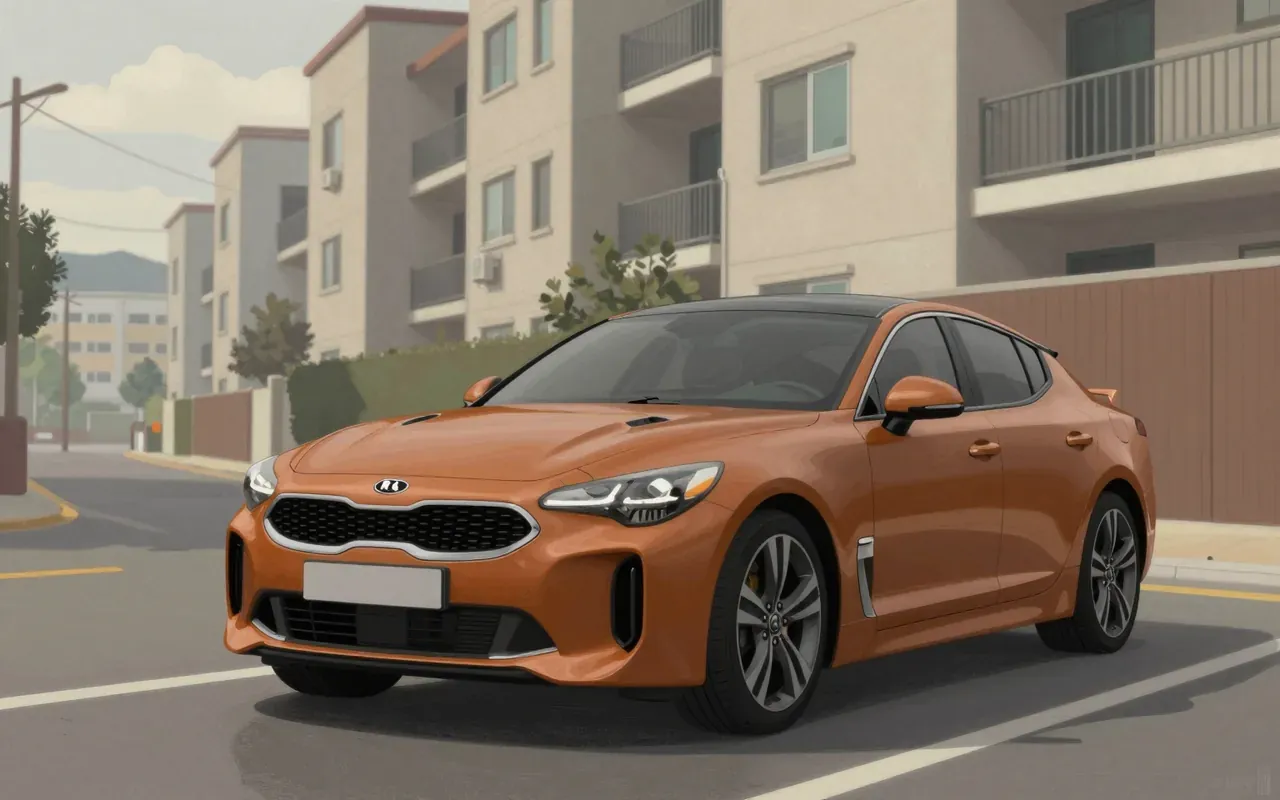
The Kia Stinger is a mid-size liftback/fastback built from 2017 to 2023. It evolved from the 2011 GT Concept in Frankfurt and the 2014 GT4 Stinger in Detroit. Design was led by Peter Schreyer and Gregory Guillaume at Kia’s Frankfurt studio. It uses a shortened version of the Hyundai Genesis' front-engine, rear-wheel-drive platform with additional steel reinforcement. The sole transmission is an 8-speed automatic with five driving modes plus paddle-shifters. GT variants are equipped with Brembo brakes and Michelin tires. For the European and Korean markets, the Stinger is offered with a base 2.2-liter CRDi diesel I4. Kia claims that the Stinger accelerates from zero to 100 km/h (62 mph) in 7.7, 6 and 4.9 seconds for the 2.2-liter diesel, 2.0-liter gasoline and 3.3-liter gasoline respectively.

9:10

Koenigsegg Agera

Christian von Koenigsegg · 2010

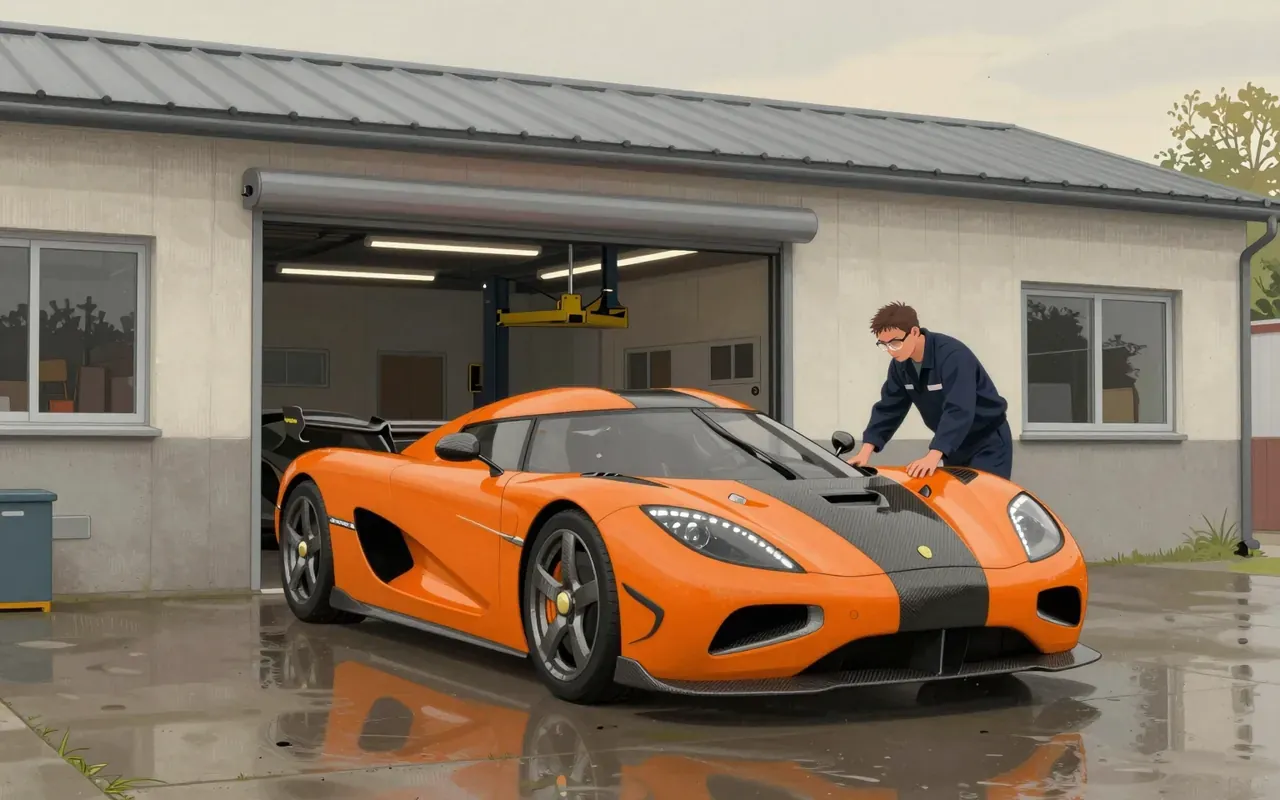
The Koenigsegg Agera is a Swedish mid-engine sports car produced by Koenigsegg Automotive AB. It succeeded the CCX/CCXR and was named Hypercar of the Year in 2010. Its Agera RS variant became the world's fastest production car in 2017. Production ceased in July 2018 and it was succeeded by the Jesko in 2019. It uses an in-house developed 5.0-litre V8 engine with twin-turbochargers and a specially developed CIMA 7-speed dual-clutch transmission with paddle shifters.

9:48

Koenigsegg Jesko

Christian von Koenigsegg · 2019

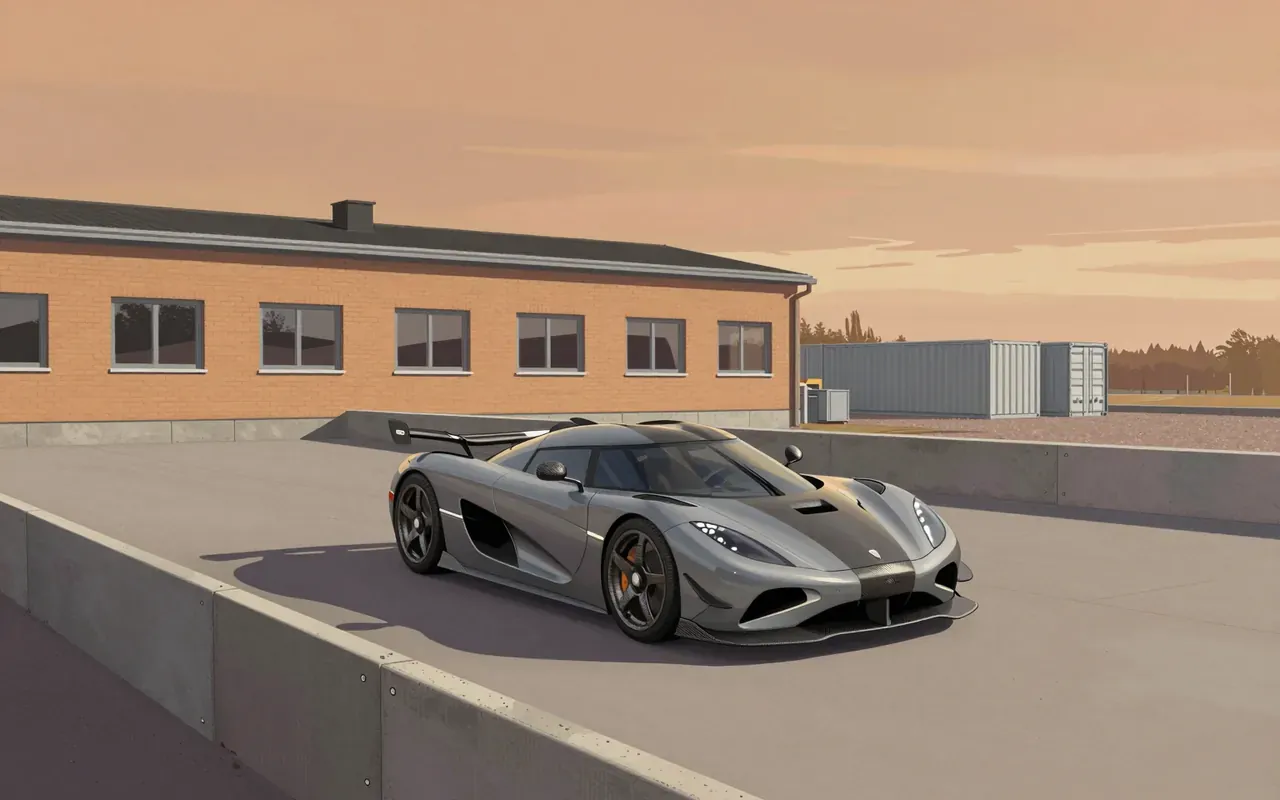
The Koenigsegg Jesko is a limited-production mid-engine sports car made by Koenigsegg Automotive AB. It succeeded the Agera and was named after Christian von Koenigsegg’s father. It debuted at the 2019 Geneva Motor Show and sold out before the show ended. It features a redeveloped 5.1 L twin-turbocharged V8 engine with a flat-plane crankshaft, increased redline, and dual-fuel capability. The car has three variants — Absolut, Attack, and Sadair's Spear — differing in aerodynamics, suspension, and purpose. Production is capped at 125 units, built between 2019 and 2023.

9:02

Lamborghini Aventador

Filippo Perini · 2011

The Lamborghini Aventador is a mid-engine, two-seater sports car designed by Filippo Perini and launched at the 2011 Geneva Motor Show. It uses a 6.5 L V12 engine and was named after a Spanish fighting bull from 1993. It succeeded the Murciélago and was replaced by the Revuelto in 2023.

10:40

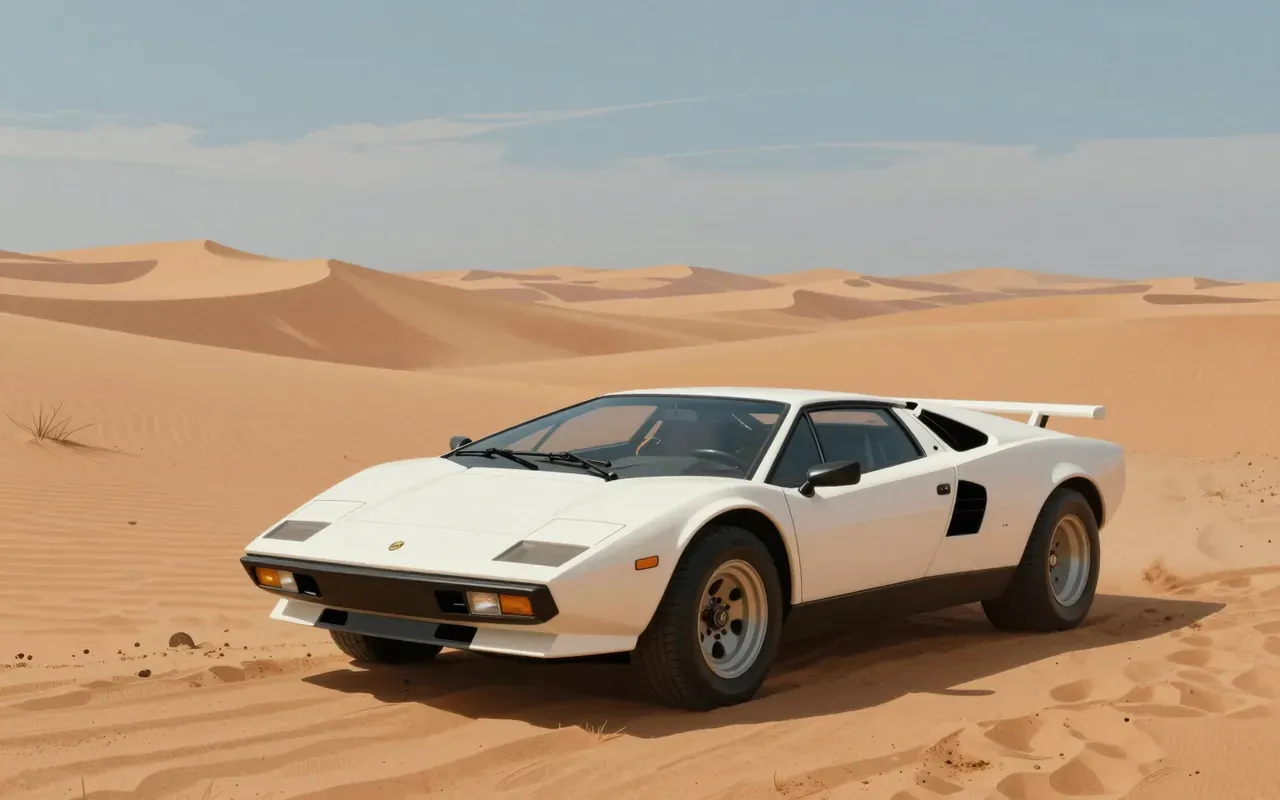
Lamborghini Countach

Marcello Gandini · 1974

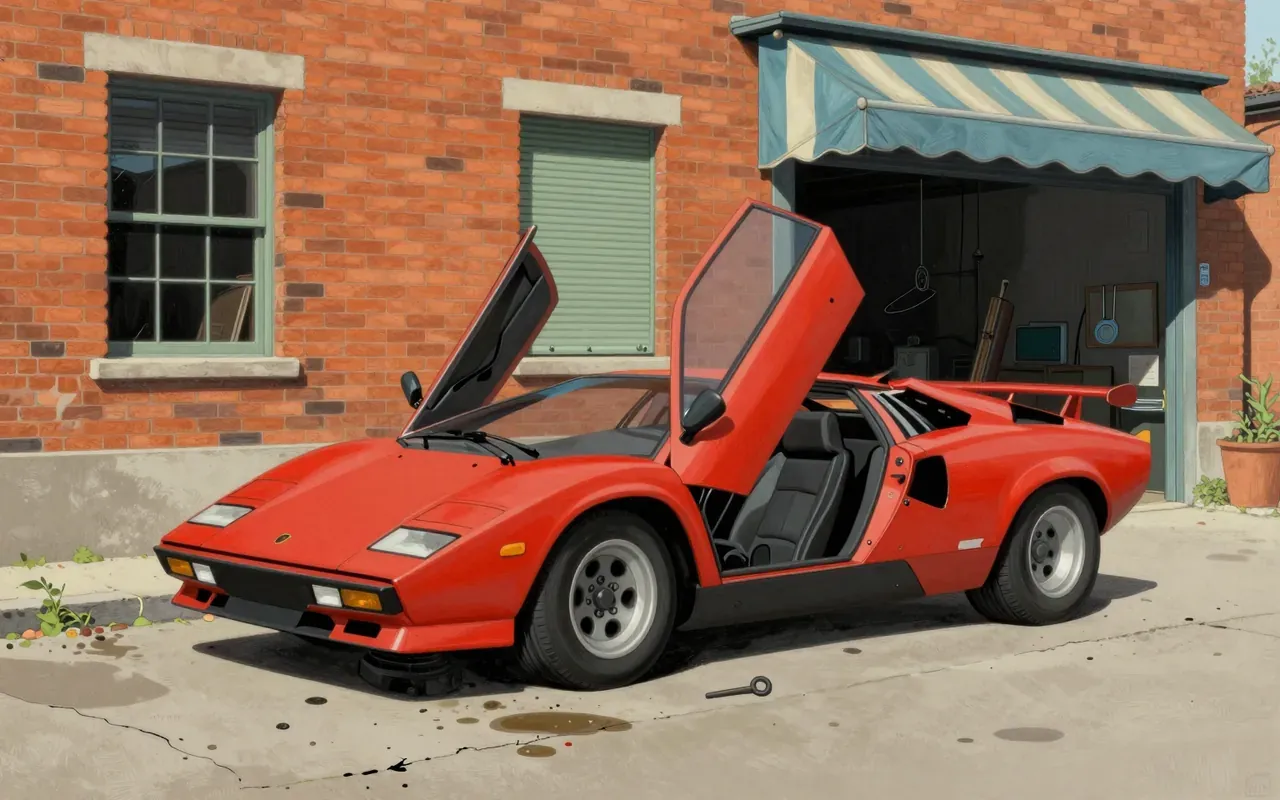
The Countach is a rear mid-engine, rear-wheel-drive sports car developed by Lamborghini as a successor to the Miura, with Marcello Gandini of Bertone as lead designer. It debuted as the LP500 concept at the 1971 Geneva Motor Show and entered production in 1974. Its design pioneered the 'Italian Wedge' style, building on Gandini's earlier work like the Lancia Stratos Zero and Alfa Romeo Carabo. The car retained the Miura’s layout but introduced major innovations including scissor doors, a full tubular spaceframe chassis, and progressive aerodynamic refinements over its 16-year production run ending in 1990, with 1,983 units built.

9:46

Lamborghini Diablo

Marcello Gandini · 1990

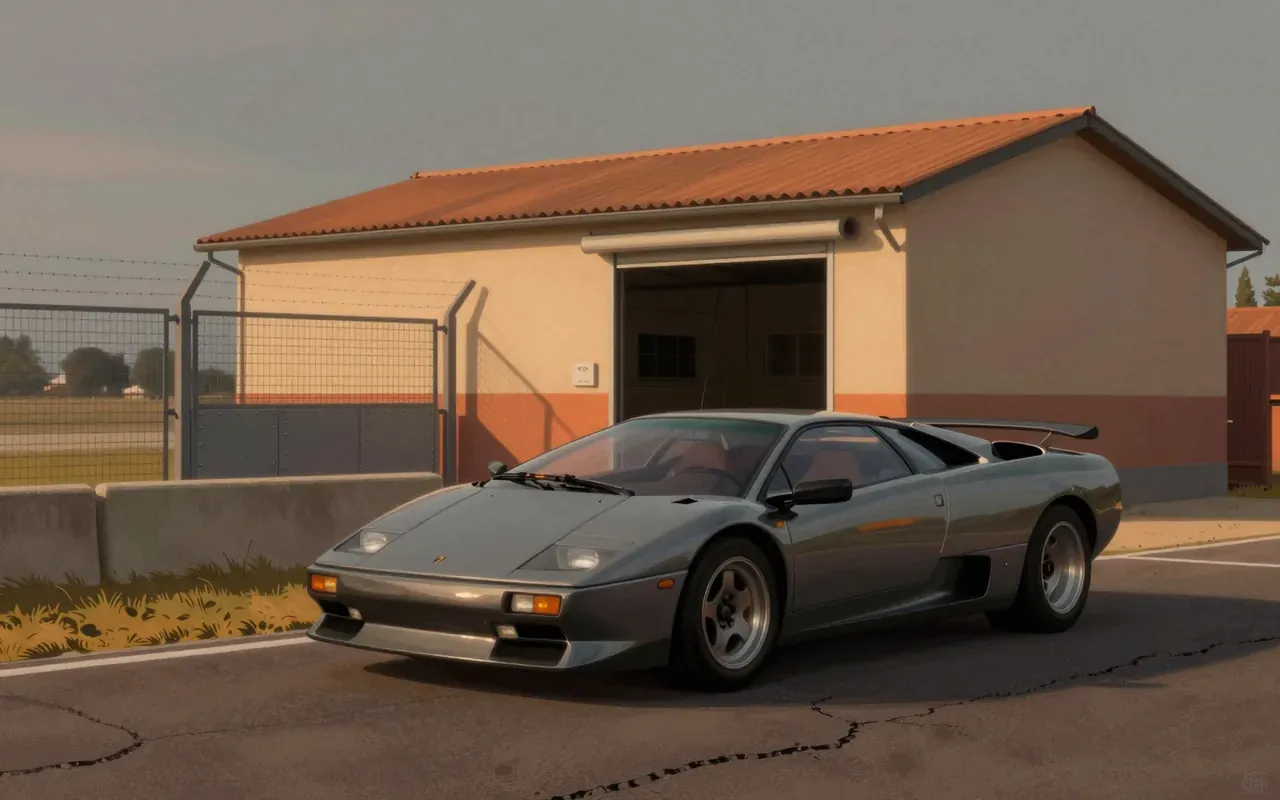
The Lamborghini Diablo is a longitudinal, mid-engined V12 sports car built from 1990 to 2001. It was Lamborghini’s first production car over 200 mph, first AWD model (VT, 1993), and first open-top V12 (roadster, 1995). Marcello Gandini created the original design proposal. Its 5.7 L V12 produced 492 PS and 580 N⋅m, achieving 325 km/h and 0–100 km/h in 4.5 seconds. It prioritises top-speed capability over agility, refinement or usability.

9:48

Lamborghini Espada

Marcello Gandini · 1968

The Lamborghini Espada is a Gandini-designed, Bertone-bodied, front-engine, rear-wheel-drive grand touring coupé built between 1968 and 1978. It replaced the 400 GT 2+2 and shared mechanical underpinnings with the Islero. Three series were produced: S1 (1968–1970), S2 (1970–1972), and S3 (1972–1978). Gandini drew inspiration from the Marzal and Pirana show cars and prioritised vehicle architecture, construction, assembly, and mechanisms over styling.

8:51

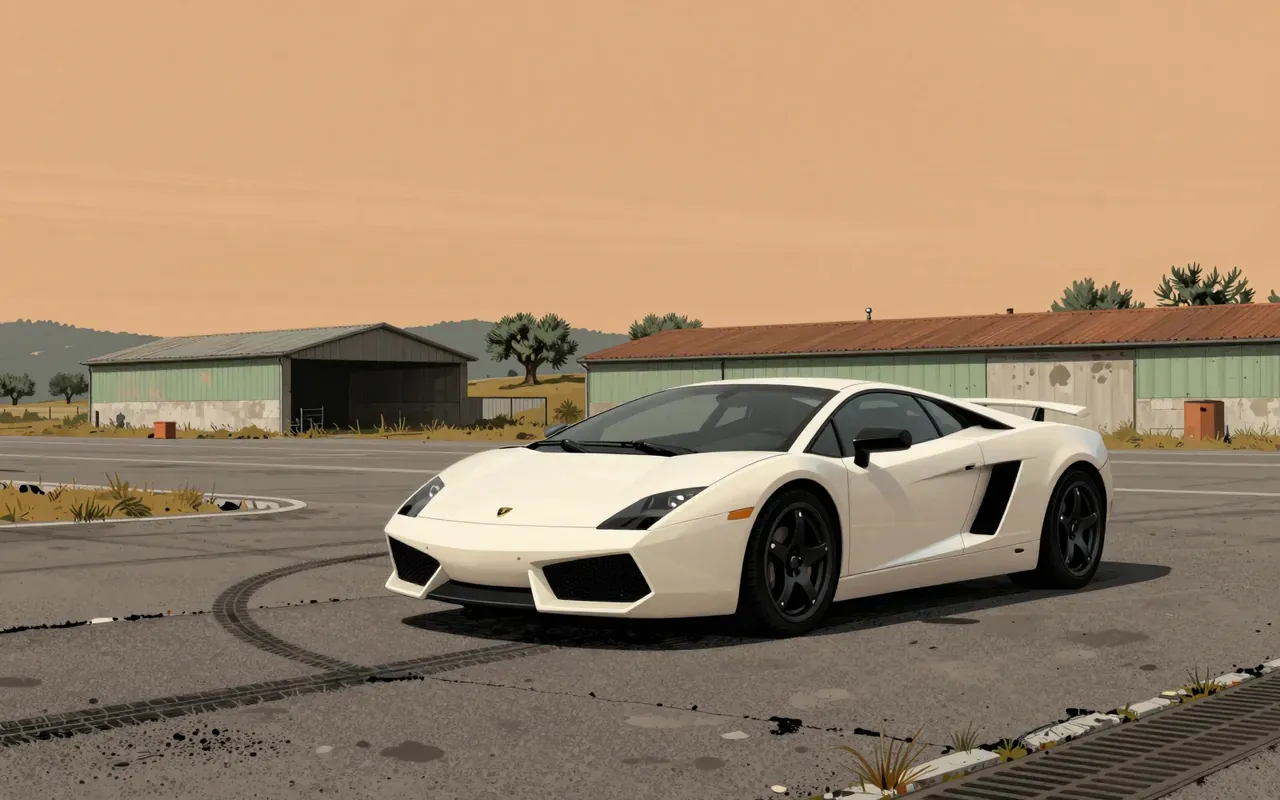
Lamborghini Gallardo

Luc Donckerwolke · 2003

The Lamborghini Gallardo is a V10-powered sports car designed by Luc Donckerwolke and built by Lamborghini from 2003 to 2013. It was developed under Volkswagen Group ownership, based on the 1995 Calà concept. Named after a famous breed of fighting bull, it served as Lamborghini’s entry-level and best-selling model, with 14,022 units built. It preceded the Huracán and ended production on 25 November 2013.

9:28

Lamborghini LM002

Lamborghini · 1986

The LM002 is Lamborghini’s first production off-road vehicle. It followed two failed rear-engined military prototypes — the Cheetah (1977) and LM001 — both rejected for poor handling. It moved the Countach’s V12 to the front, adopted a new ladder-frame chassis, and entered production from 1986 to 1993 in 301 units. Named 'LM' for 'Lamborghini Militaire', it broke Lamborghini’s bull-naming tradition. It was introduced under the Mimran brothers’ ownership and discontinued after Chrysler’s 1987 acquisition.

9:34

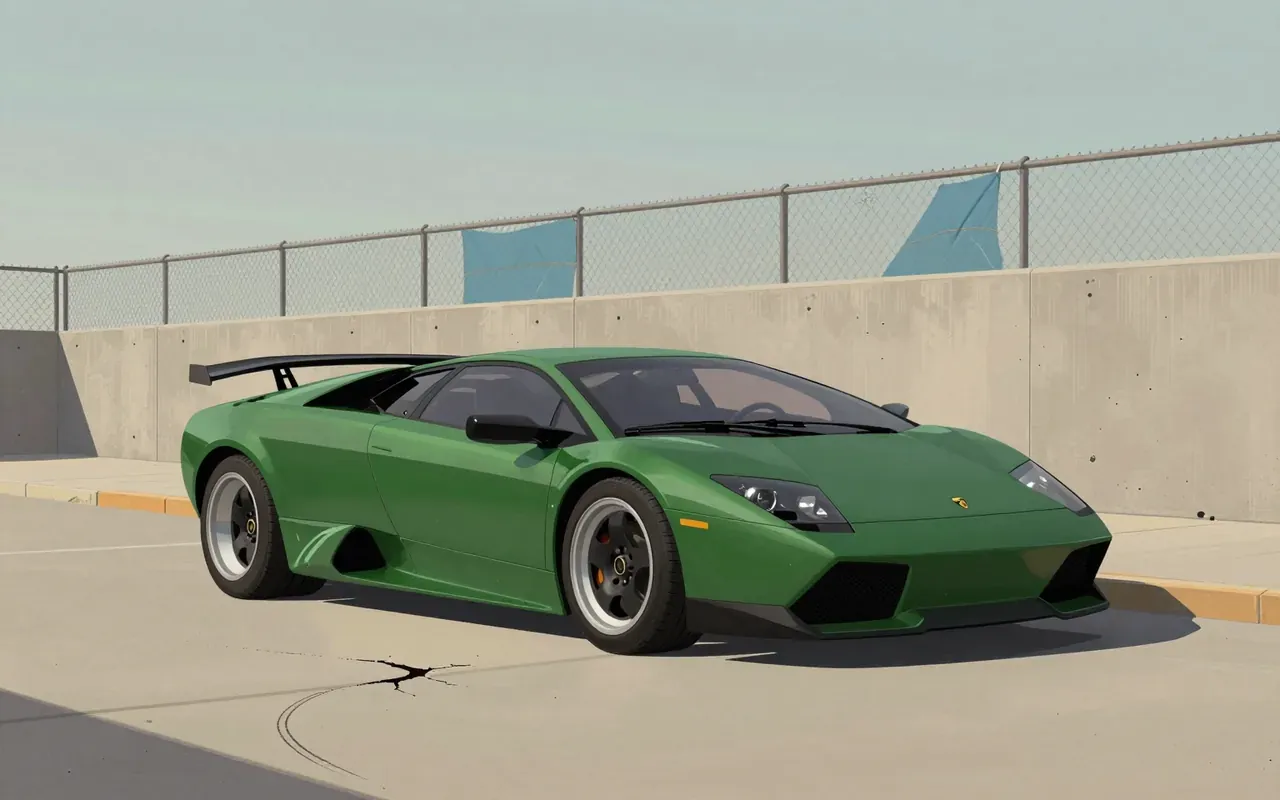
Lamborghini Murciélago

Luc Donckerwolke · 2001

The Lamborghini Murciélago is a mid-engine, all-wheel drive sports car produced from 2001 to 2010. Designed by Luc Donckerwolke, it was Lamborghini’s first new design in eleven years—and its first under Audi ownership. The first-generation model used a 6.2 L naturally aspirated V12 engine. A total of 4,099 units were built.

9:22

Lancia Rally 037

Pininfarina · 1982

The Lancia Rally 037 is a mid-engine, rear-wheel-drive rally car built by Lancia in the early 1980s for FIA Group B competition. It won the 1983 World Rally Championship Manufacturers' title and remains the last rear-wheel-drive car to do so. To meet homologation rules, 200 road-going examples — later confirmed as 207 units — were built between 1982 and 1984. Its engine is a longitudinally mounted 2.0-litre (later 2.1-litre) supercharged straight-four, developed by Abarth. The car debuted in 1982 and was succeeded by the Delta S4 in 1985.

10:04

Lancia Delta S4

Abarth · 1985

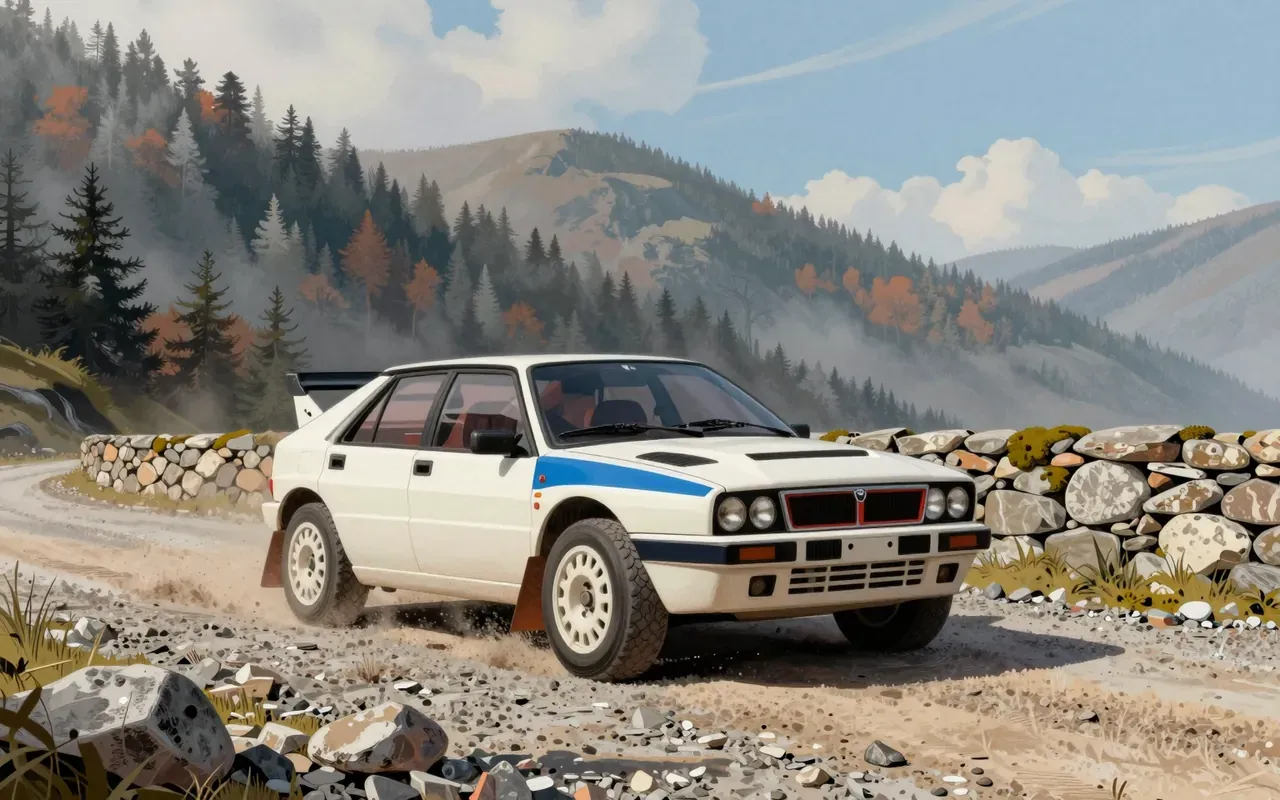
The Lancia Delta S4 is a Group B rally car built by Lancia in 1985 and 1986. Abarth helped engineer its twincharged engine. It replaced the 037. It used a tubular space frame chassis.

8:29

Lancia Flaminia

Pininfarina · 1957

A 1957–1970 Italian luxury car, Lancia’s flagship successor to the Aurelia. Built in saloon, coupé, and cabriolet forms — with the two open-top variants exclusively coachbuilt by firms including Pininfarina.

10:57

Lancia Stratos

Marcello Gandini · 1973

The Lancia Stratos is a rear mid-engined rally car designed by Marcello Gandini for Lancia and Bertone. It debuted as a fluorescent red prototype at the 1971 Turin Motor Show with a crescent-shaped wrap-around windshield and a mid-mounted Dino Ferrari V6. Its final production form, the Stratos HF Stradale, featured a 2.4 L V6 and was built from 1973 to 1975 in 492 units. It won the World Rally Championship in 1974, 1975 and 1976.

8:52

Lancia Stratos Zero

Marcello Gandini · 1950

The Lancia Stratos Zero is a 1970 Bertone-Lancia concept car designed by Marcello Gandini, built on a crashed Lancia Fulvia HF1600 rally chassis, featuring a radical low-slung fiberglass body, digital instrumentation, and a mid-rear-mounted 1.6 L V4 engine.

11:26

Land Rover Defender

Land Rover · 1990

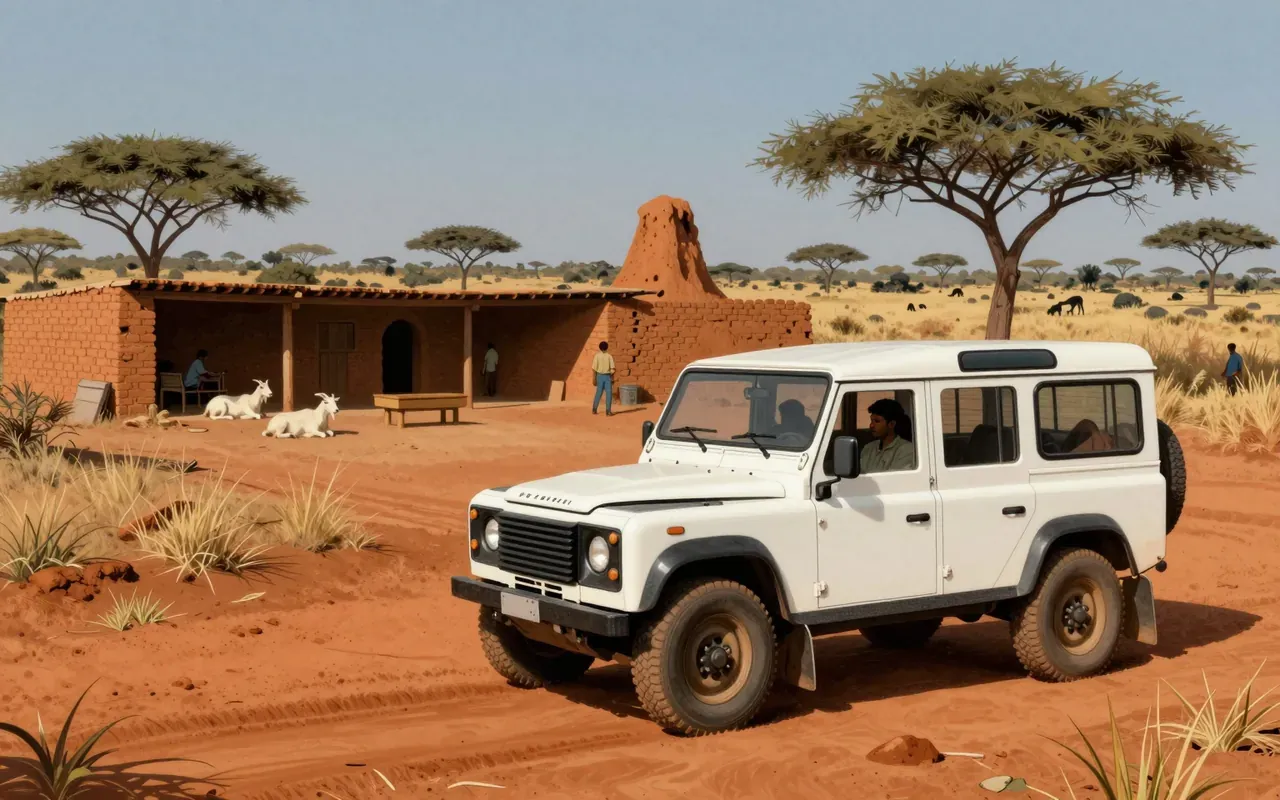
The Defender is a British off-road vehicle lineage developed in the 1980s from the original Land Rover series launched in April 1948. It was initially sold as the Land Rover One Ten (1983), Land Rover Ninety (1984), and Land Rover One Two Seven (1985), before being renamed Defender 90/110/130 in 1990 following the Discovery's introduction. It features four-wheel drive, a steel ladder chassis, aluminium alloy bodywork, coil springs front and rear, and permanent four-wheel drive enabled by a centre differential in the transfer case. It gained a worldwide reputation for ruggedness and versatility.

9:18

Range Rover Evoque

Gerry McGovern · 2011

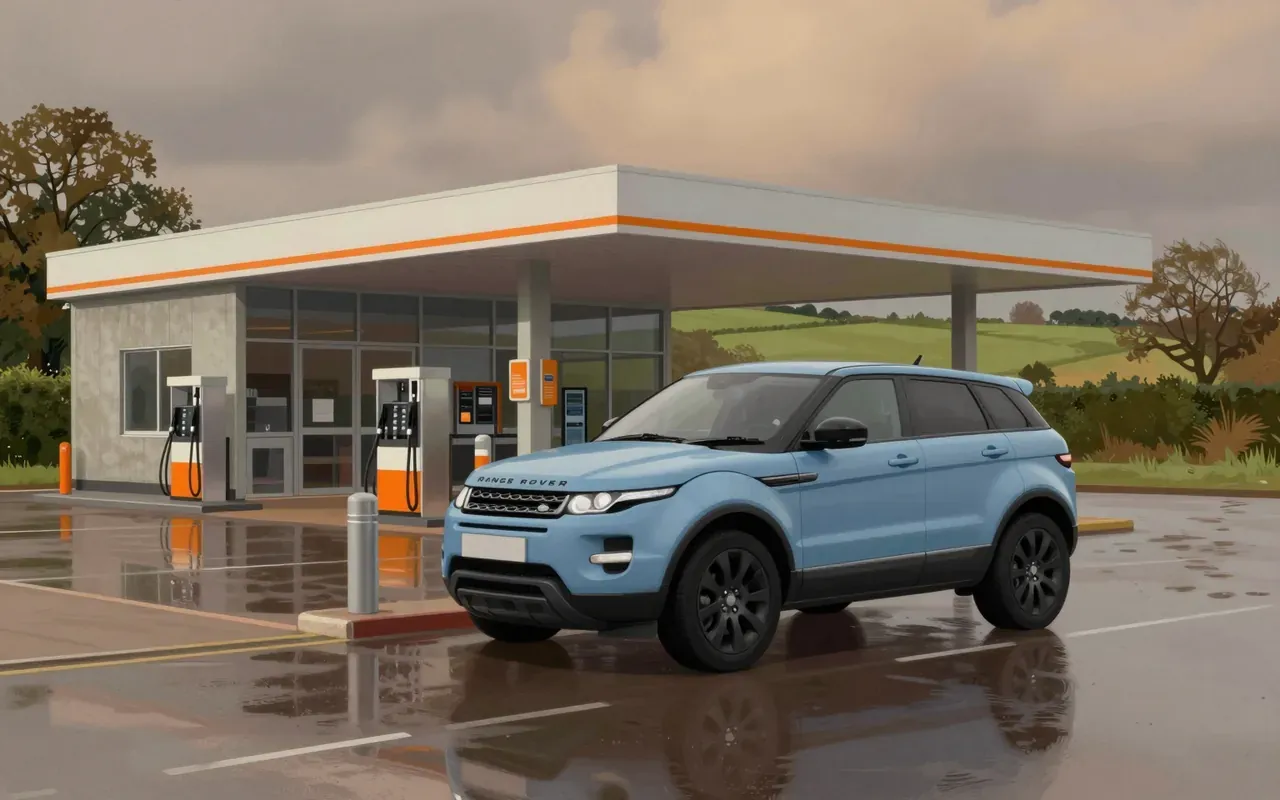
The Range Rover Evoque redefined compact luxury SUVs by delivering the LRX concept almost unchanged—prioritising form, brand continuity, and packaging over hybrid tech or expanded utility.