automotivebriefs
Newest

All briefs

419 briefs · 4149 min · 97–192 on page 2 of 5
9:15

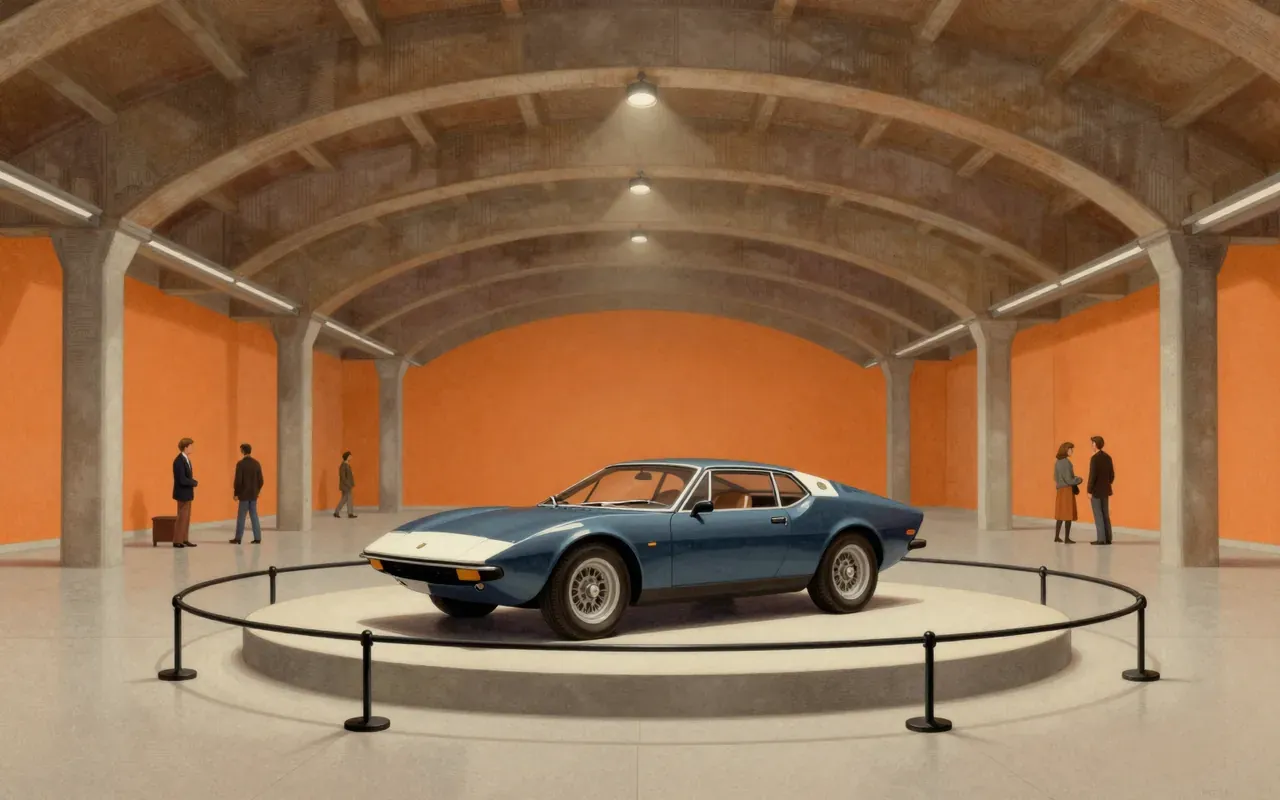
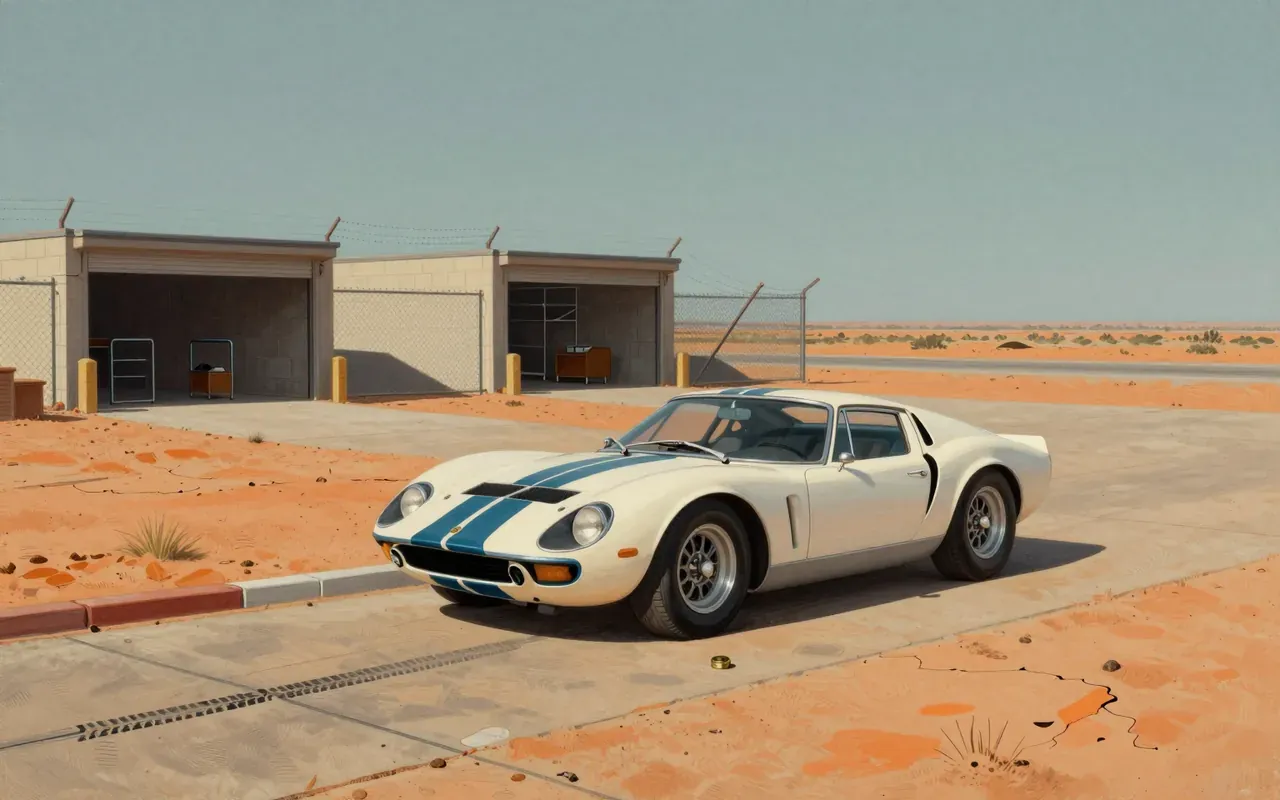
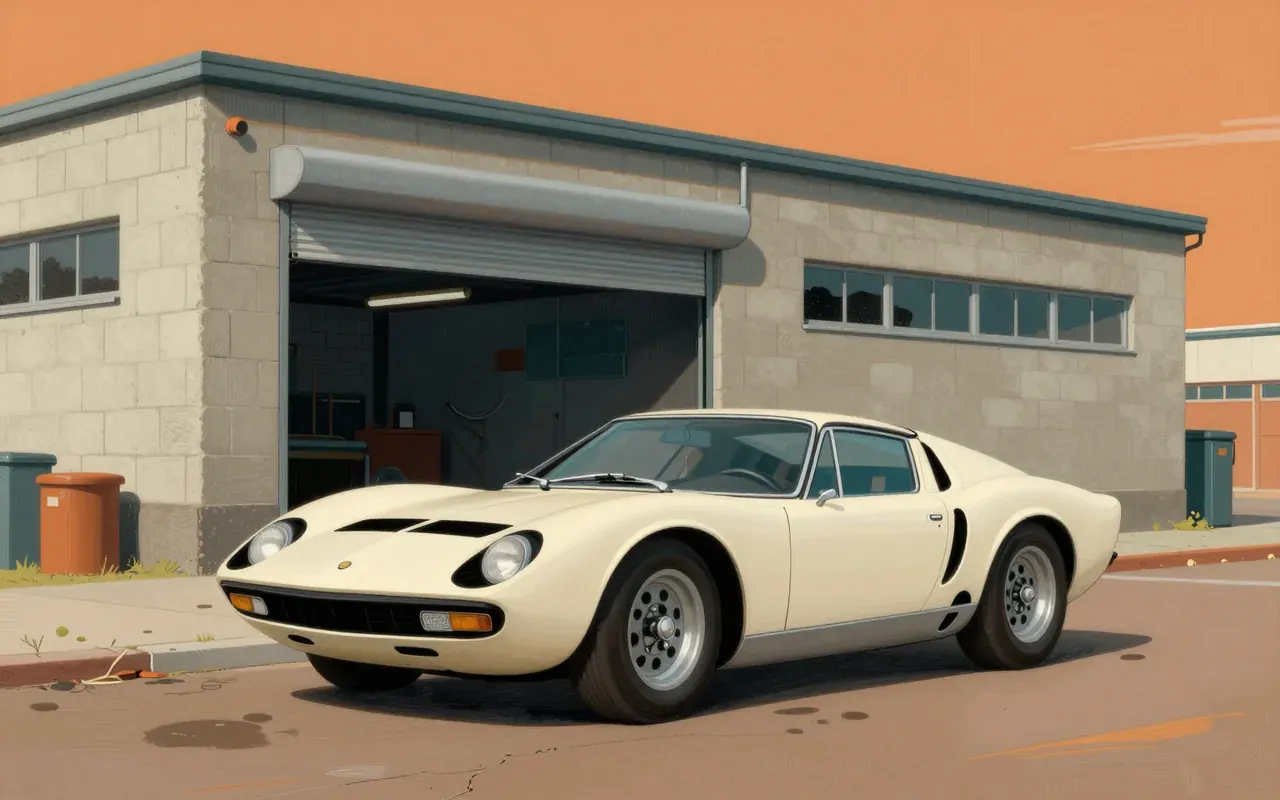
Lamborghini Miura

Marcello Gandini · 1966

The Lamborghini Miura is the first high-performance production road car with a rear mid-engine, rear-wheel-drive layout. Conceived secretly by engineers in 1965, it debuted at the 1966 Geneva Motor Show. Marcello Gandini designed it in three months. It held the title of world’s fastest production car at launch. It remained Lamborghini’s flagship until 1973.

9:23

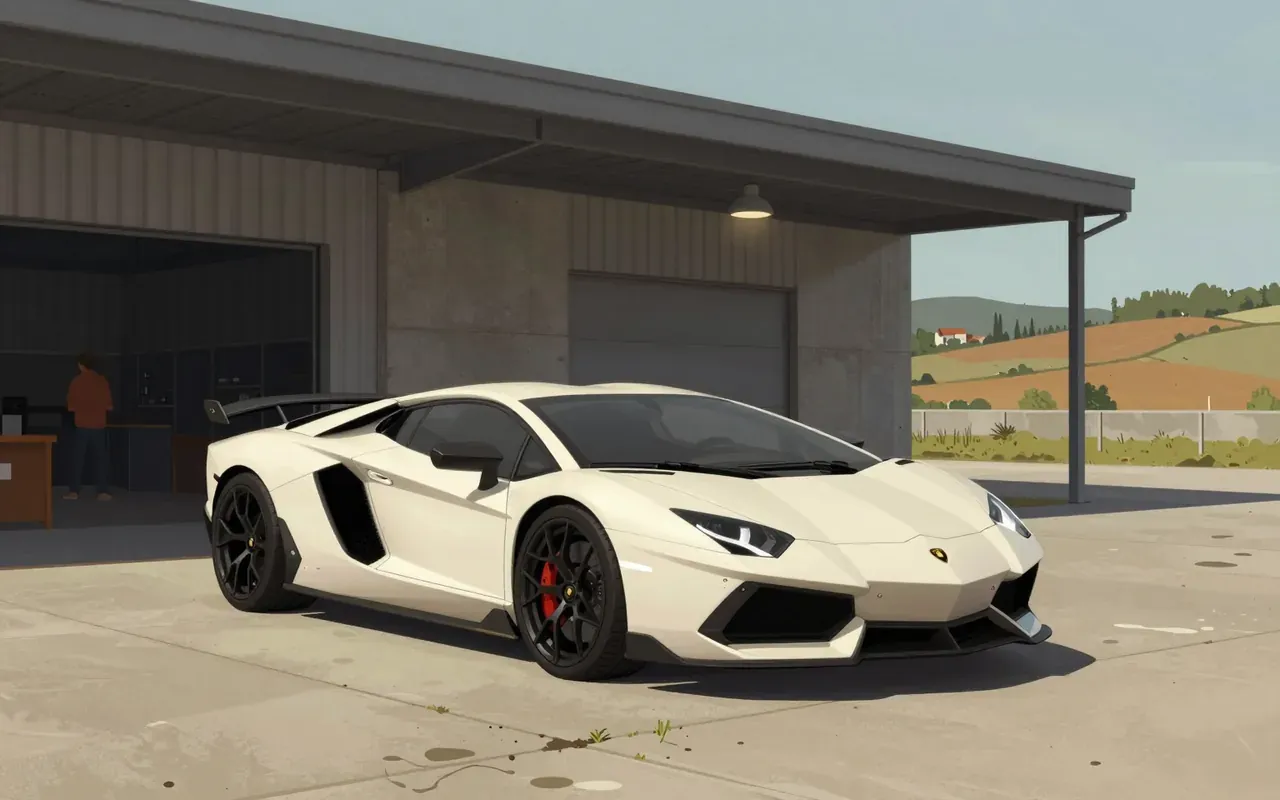
Lamborghini Revuelto

Mitja Borkert · 2023

The Lamborghini Revuelto is Lamborghini’s first plug-in hybrid sports car. It replaces the Aventador. It uses a mid-engine layout, a 6.5-litre V12, three electric motors, Y-shaped daytime running lights, active aerodynamics, and a carbon-fibre monocoque. Production began in July 2023. First deliveries were in Q4 2023.

10:20

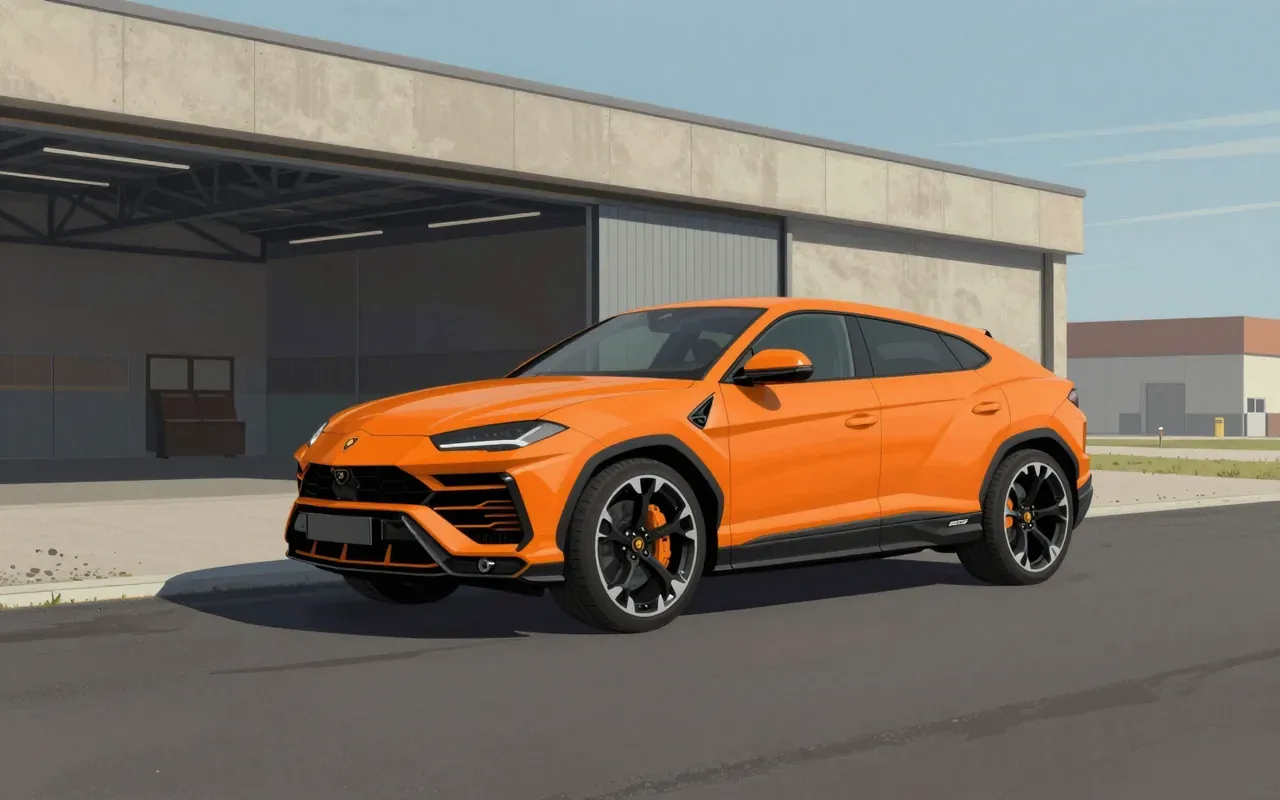
Lamborghini Urus

Mitja Borkert · 2018

The Lamborghini Urus is a high-performance luxury SUV. It is Lamborghini’s first SUV under Volkswagen ownership and its second ever, after the LM002. Introduced in December 2017 as a 2018 model, it is built on the Volkswagen Group MLB Evo platform and shares components with the Audi Q7, Bentley Bentayga, Porsche Cayenne, and Volkswagen Touareg. Its name derives from urus, the aurochs. The production model uses a modified 4.0-litre twin-turbo V8 — not the concept’s 5.2-litre V10 — and features a front-engine, all-wheel-drive layout. With a top speed of 312 km/h, the Urus SE is the fastest production SUV in the world. It is Lamborghini’s best-selling model, reaching 20,000 units by 2022.

9:35

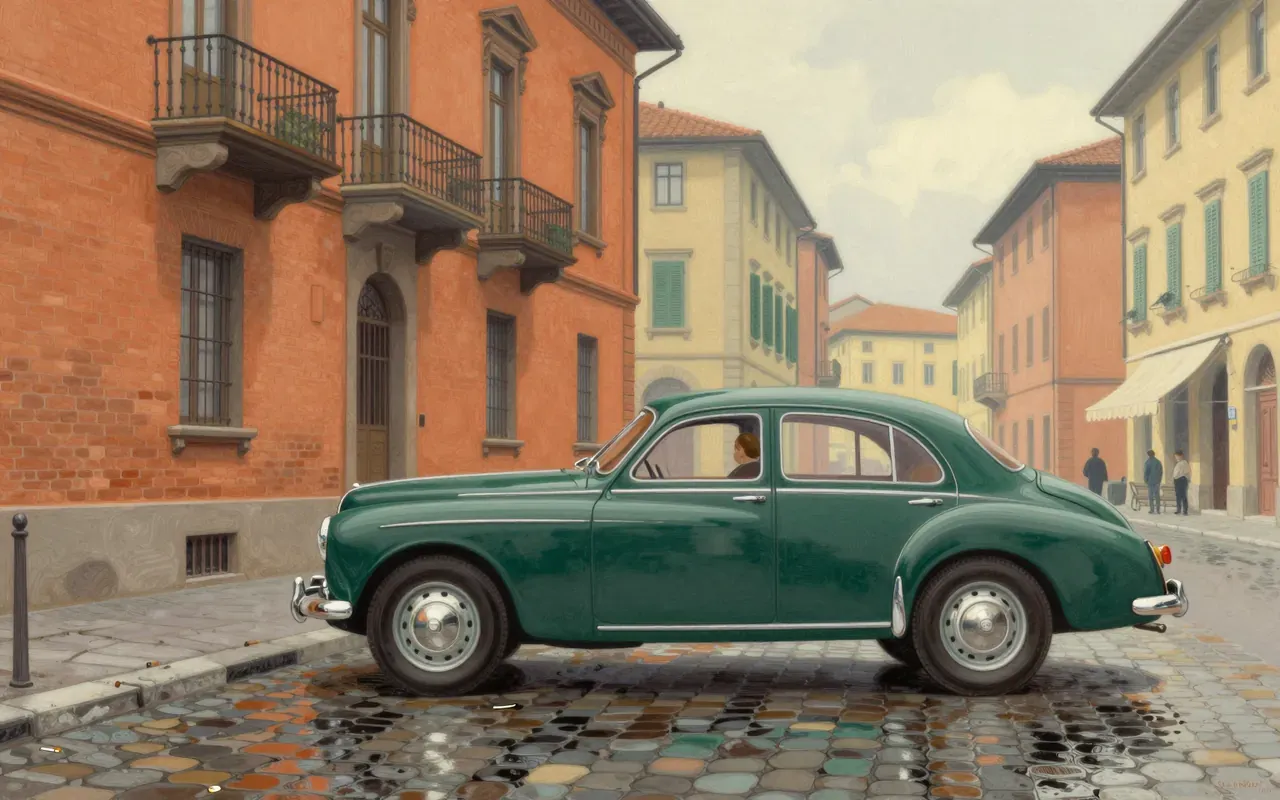
Lancia Aurelia B20 GT

Ghia · 1951

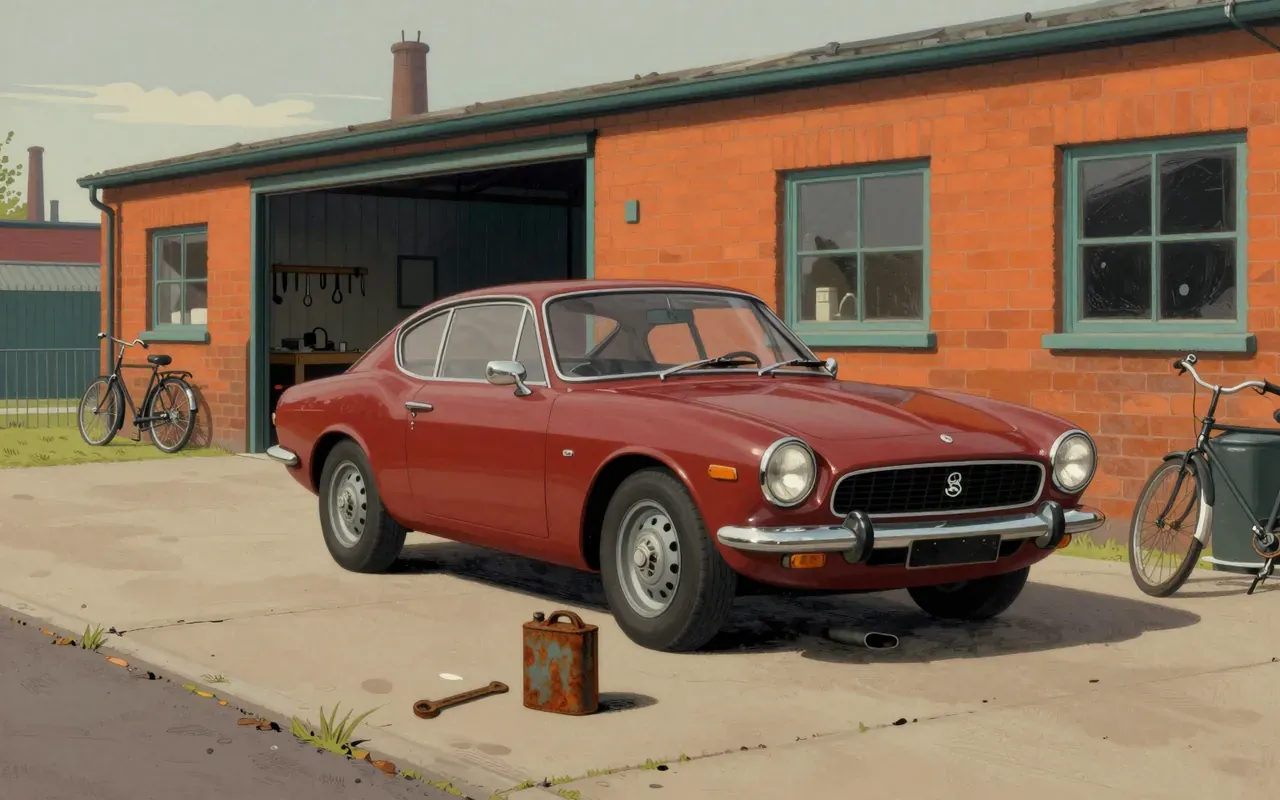
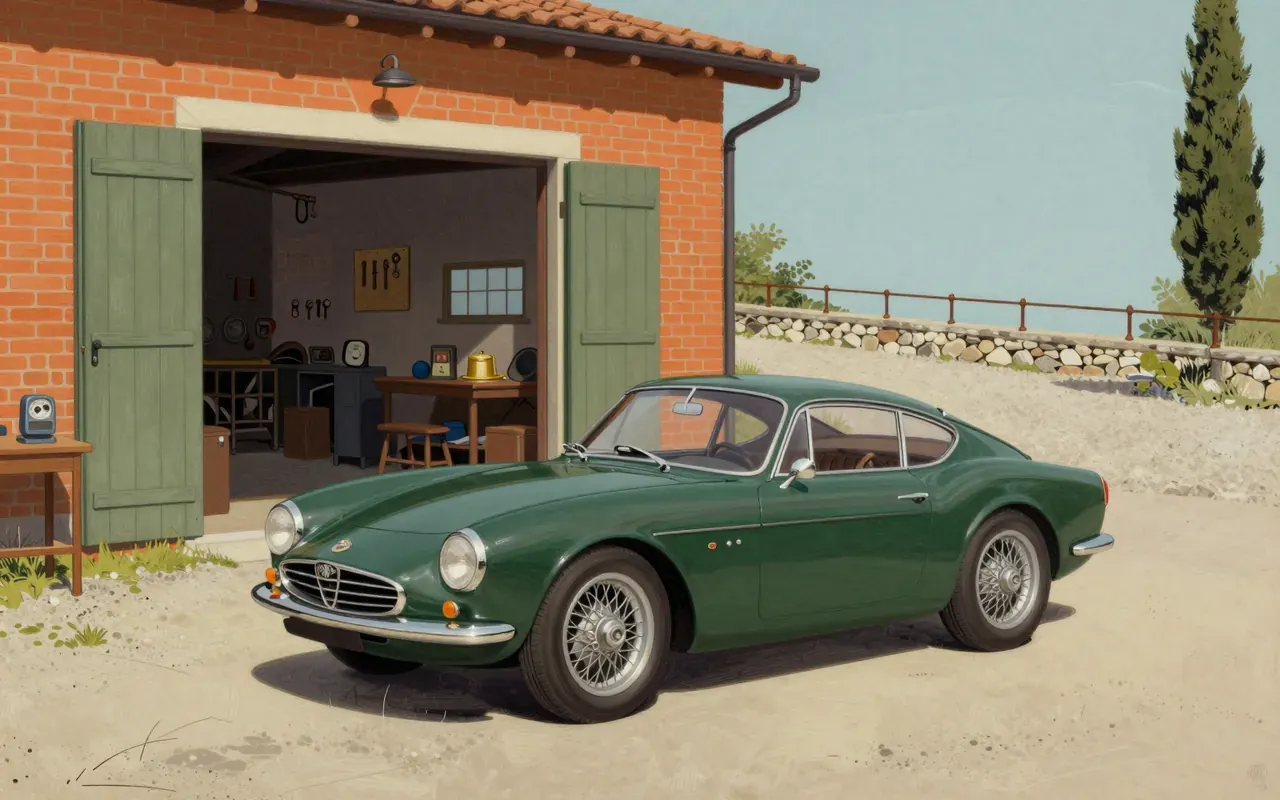
The B20 GT is the coupé of the Lancia Aurelia, which Lancia built from 1950 to 1958 over six series. It arrived in 1951 on a shorter wheelbase, with a Ghia-designed body built by Pinin Farina and a 1,991 cc V6 making 75 hp. Over six series it gained a larger engine, a de Dion rear axle and a sturdier transaxle, and the sixth-series coupés were the most touring-oriented of the B20 line.

9:11

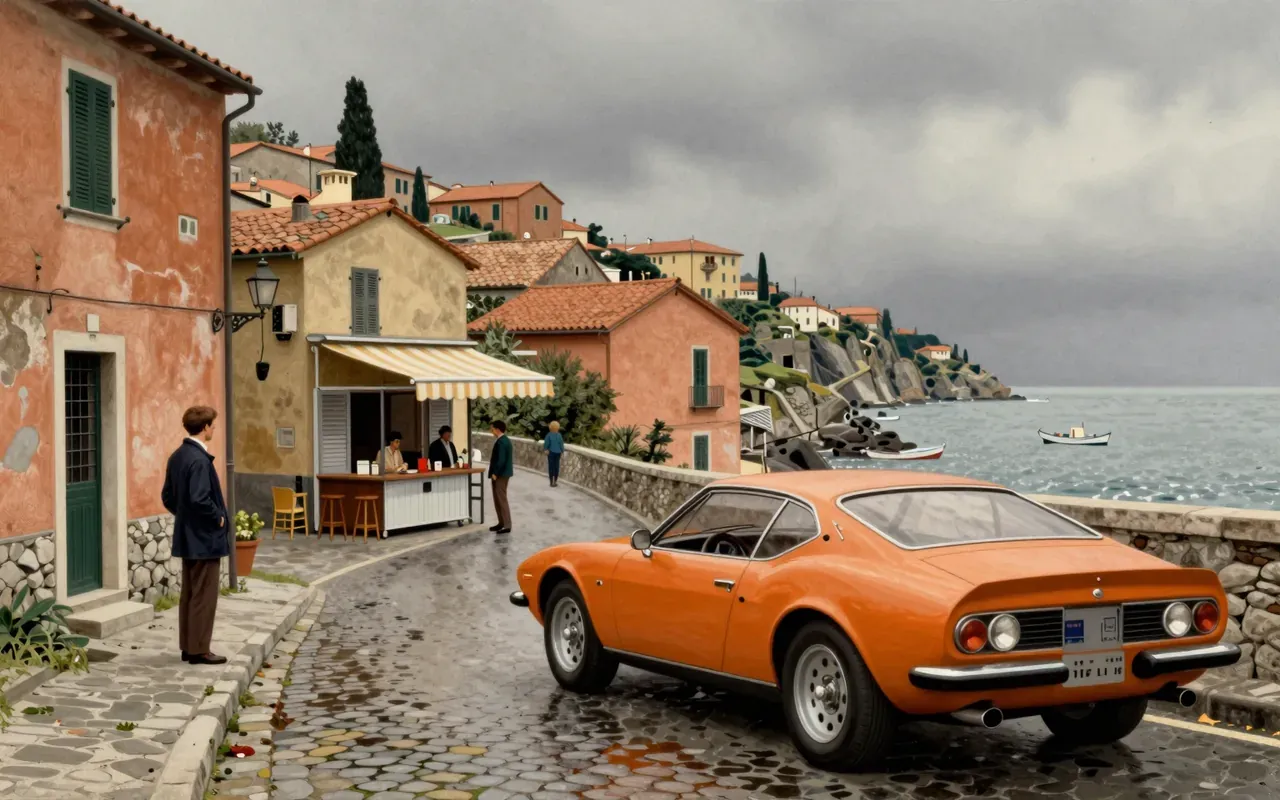
Lancia Montecarlo

Paolo Martin · 1975

The Lancia Montecarlo is a two-seater sports car manufactured and marketed by Lancia in Italy from 1975 to 1981. Designed by Paolo Martin at Pininfarina, it features a mid-engine, rear-wheel-drive layout and was developed from the Fiat X1/8 project. Both series were offered in Coupé and Spider bodystyles. Total production reached 7,798 units between 1974 and 1982, including 220 competition models (Lancia 037).

9:21

Lancia Delta HF

Giorgetto Giugiaro · 1985

The Lancia Delta HF is a Group A rally car built by Lancia for Martini Lancia to compete in the World Rally Championship from 1987 to 1993. Based on the Lancia Delta road car and replacing the Delta S4, it featured a front-mounted two-litre turbocharged engine and four-wheel-drive. It evolved through four versions and achieved extraordinary success: 46 WRC victories and six consecutive manufacturers’ titles (1987–1992), the most in WRC history.

10:03

Lancia Megagamma

Giorgetto Giugiaro · 1978

The Lancia Megagamma is a 1978 Italdesign concept MPV commissioned by Fiat. It originated in a 1976 taxi study with the Museum of Modern Art. It debuted at the 1978 Turin Motor Show.

9:05

Lancia Ypsilon

Lancia Centro Stile · 2024

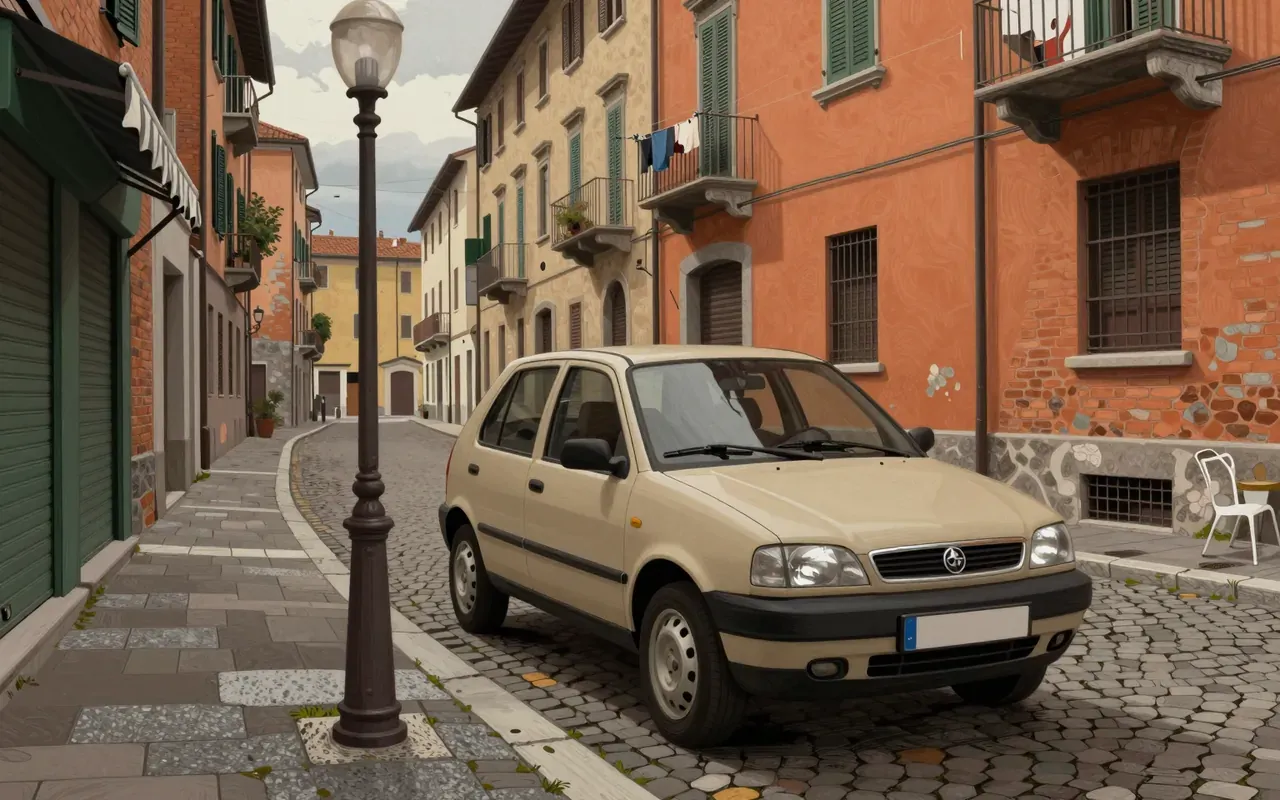
The Lancia Ypsilon is a supermini car. It launched in 1995 as a larger, more expensive replacement for the Y10. It is now in its fourth generation. As of 2024, it is Lancia’s only model.

9:26

Lotus Europa

Ron Hickman · 1966

The Lotus Europa (1966) is a two-seater mid-engine sports coupe designed by Ron Hickman at Lotus. It used a lightweight steel backbone chassis and fibreglass body. It was intended as a volume-produced road car—unusual for its time—applying Grand Prix layout principles to affordable performance. Production ran from 1966 to 1975 across five types, totalling 9,230 units.

9:12

Lotus Evija

Russell Carr · 2019

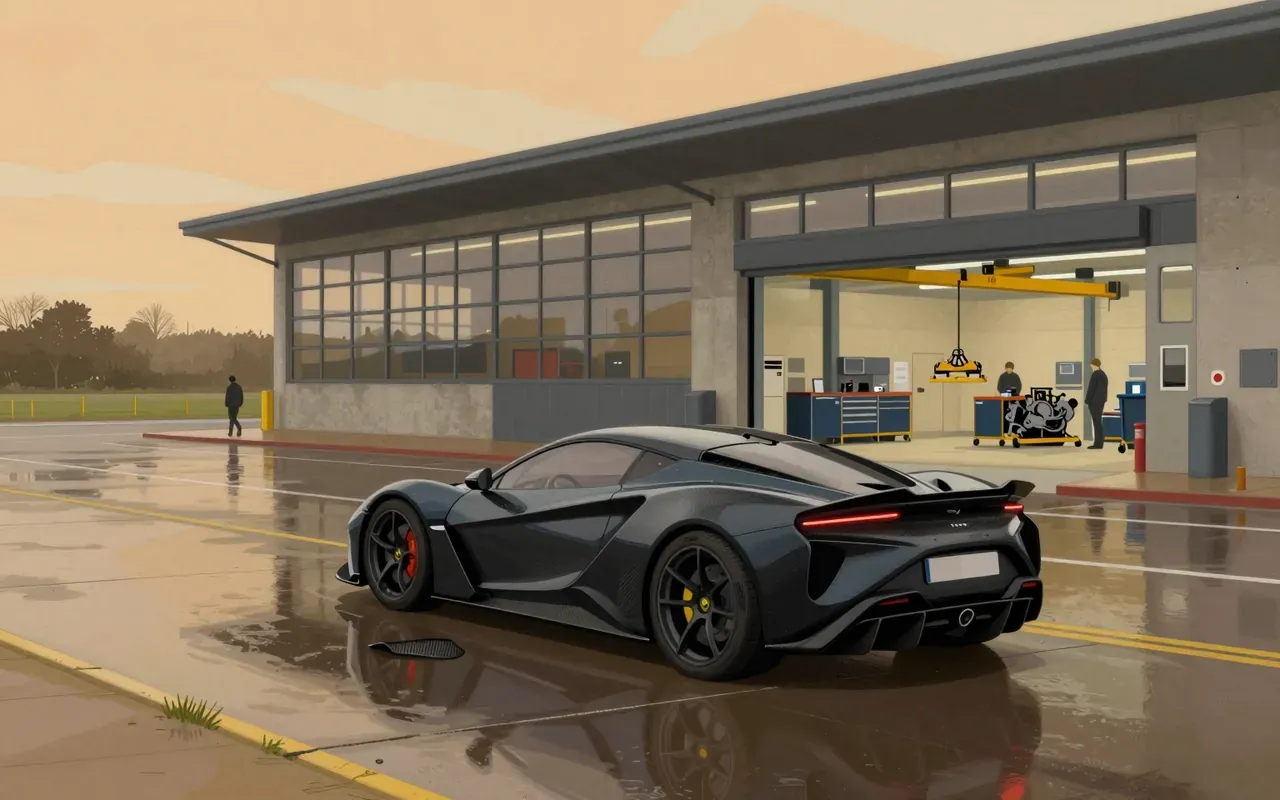
The Lotus Evija is a limited-production, all-electric, all-wheel-drive sports car — Lotus Cars’ first EV — unveiled in July 2019. It is built by the British automaker Lotus Cars, owned by the Chinese company Geely. Production is capped at 130 units. Its base price is US$2.3 million, before options and taxes. Four wheel-mounted motors deliver 1,500 kW total power. A 93 kWh battery supplies energy. It achieves 0–100 km/h in under 3 seconds and a top speed of 349 km/h. A prototype underwent high-speed testing in November 2019. A video was released on 21 November 2019 ahead of its debut later that day at the Guangzhou Auto Show. Lotus planned thousands of miles of further road testing on European circuits and at its Hethel track. The name Evija derives from 'Eve' and means 'alive' or 'living' in Biblical Hebrew.

8:32

Lotus Exige

Russell Carr · 2000

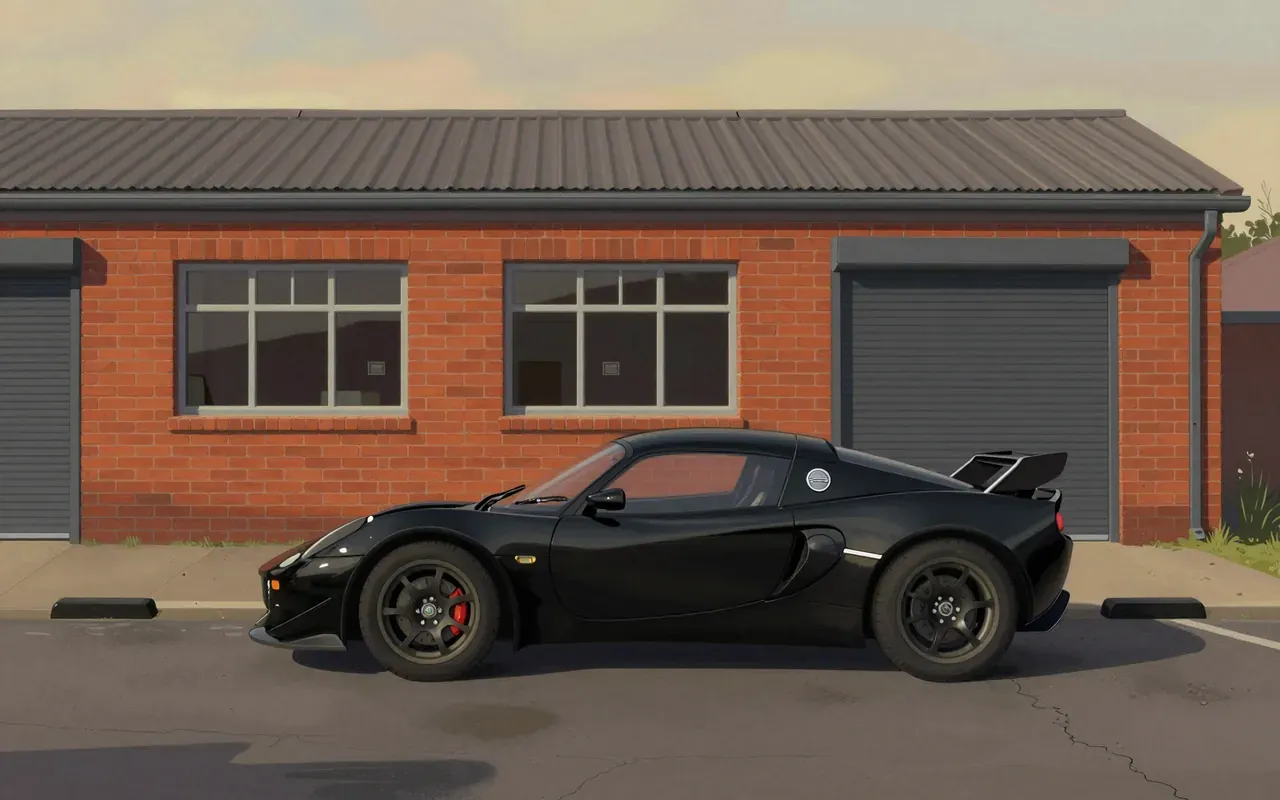
The Lotus Exige is a British sports car produced from 2000 to 2021. It began as a hardtop coupé derivative of the Elise roadster. Its name means 'demand' or 'require' in French. The original 2000 model used a naturally aspirated 1.8 L Rover K-Series inline-four. Series 2 (2004) switched to a naturally aspirated 1.8 L Toyota/Yamaha 2ZZ-GE. Series 3 (2012) adopted a supercharged 3.5 L V6 from the Evora S. All generations featured mid-engine, rear-wheel-drive layout, non-removable hardtop, kamm-tail rear bodywork, and a pylon-mounted rear wing.

8:53

Maserati MC20

Maserati Centro Stile · 2020

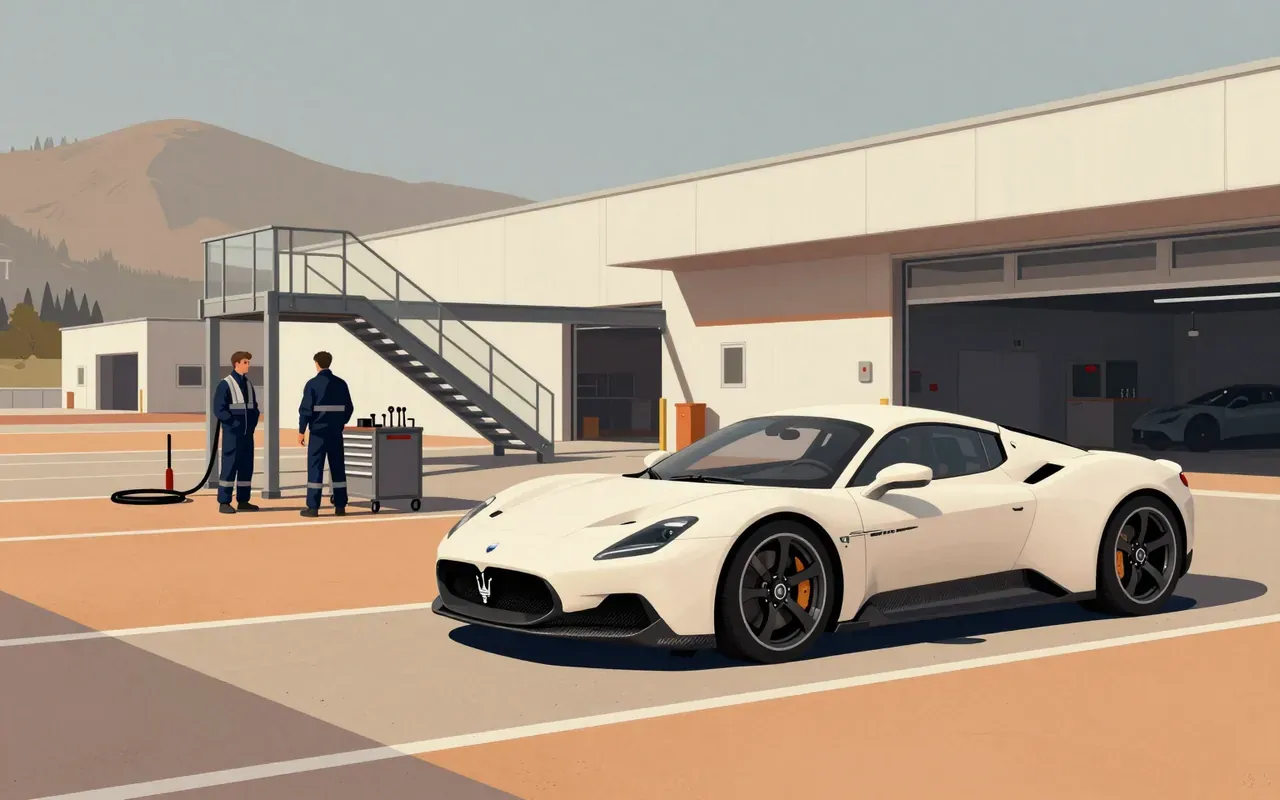
The MC20 is Maserati’s first in-house sports car since the Bora. It is not a revival. It is a declaration: no more borrowed engines, no more compromised layouts, no more waiting for permission to be a manufacturer. It launched in Modena in 2020 with a bespoke V6, then expanded into open-top, track, racing, and (briefly) electric forms—before being renamed MCPura in 2025.

8:34

McLaren 12C

Frank Stephenson · 2011

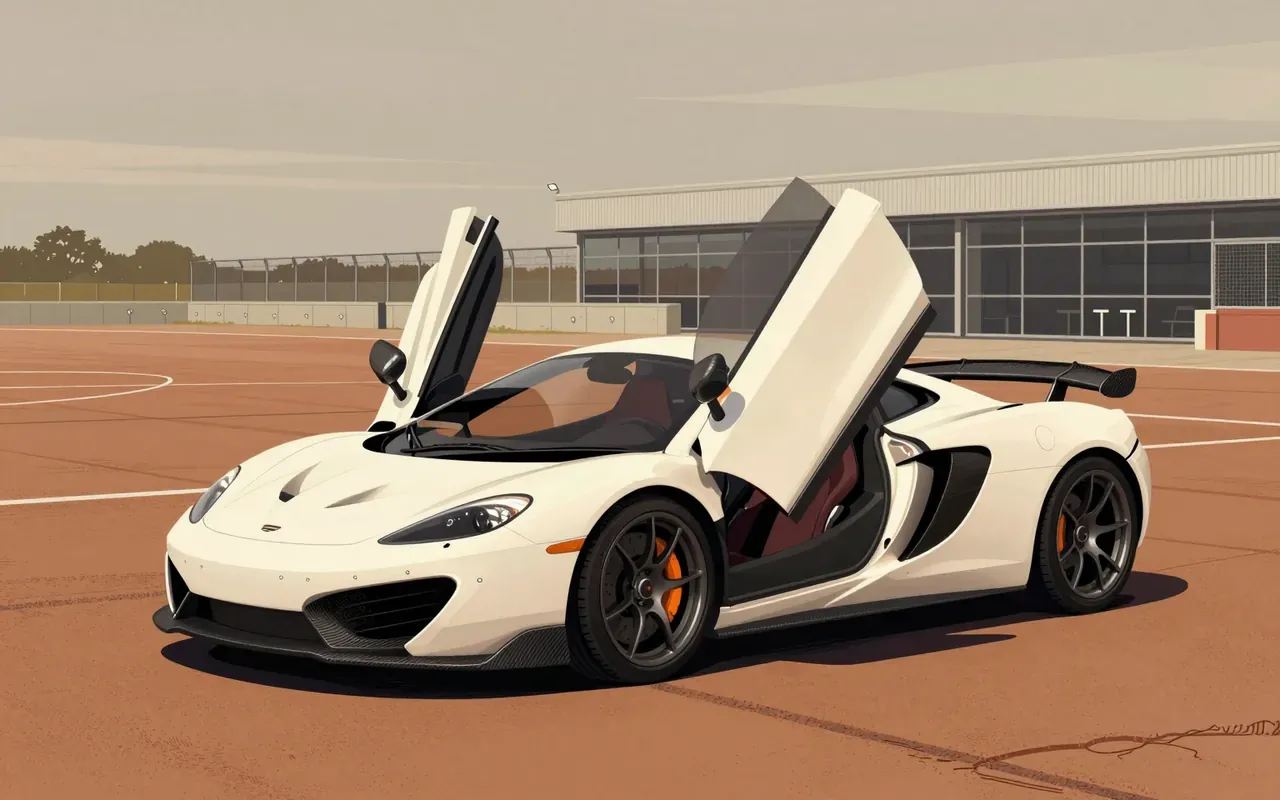
The McLaren 12C is a British sports car produced by McLaren Automotive from 2011 to 2014. It marked McLaren’s return to production car sales after 1998. Development began in 2005. Series manufacturing started in February 2011 in Woking, Surrey. Over 3,400 units were built. Frank Stephenson served as Design Director and oversaw its design. It was succeeded by the 650S, with which it shares most components.

9:17

Mercedes-Benz CLK LM

AMG · 1998

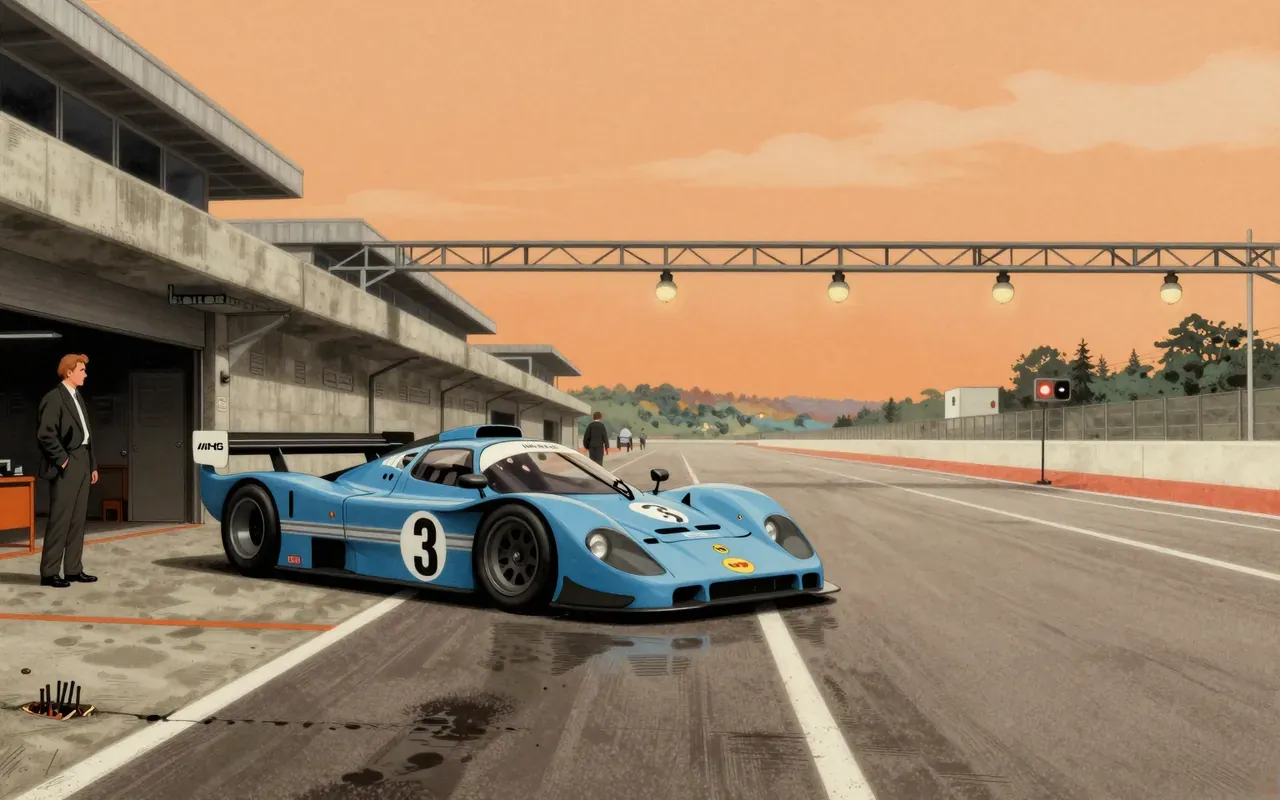
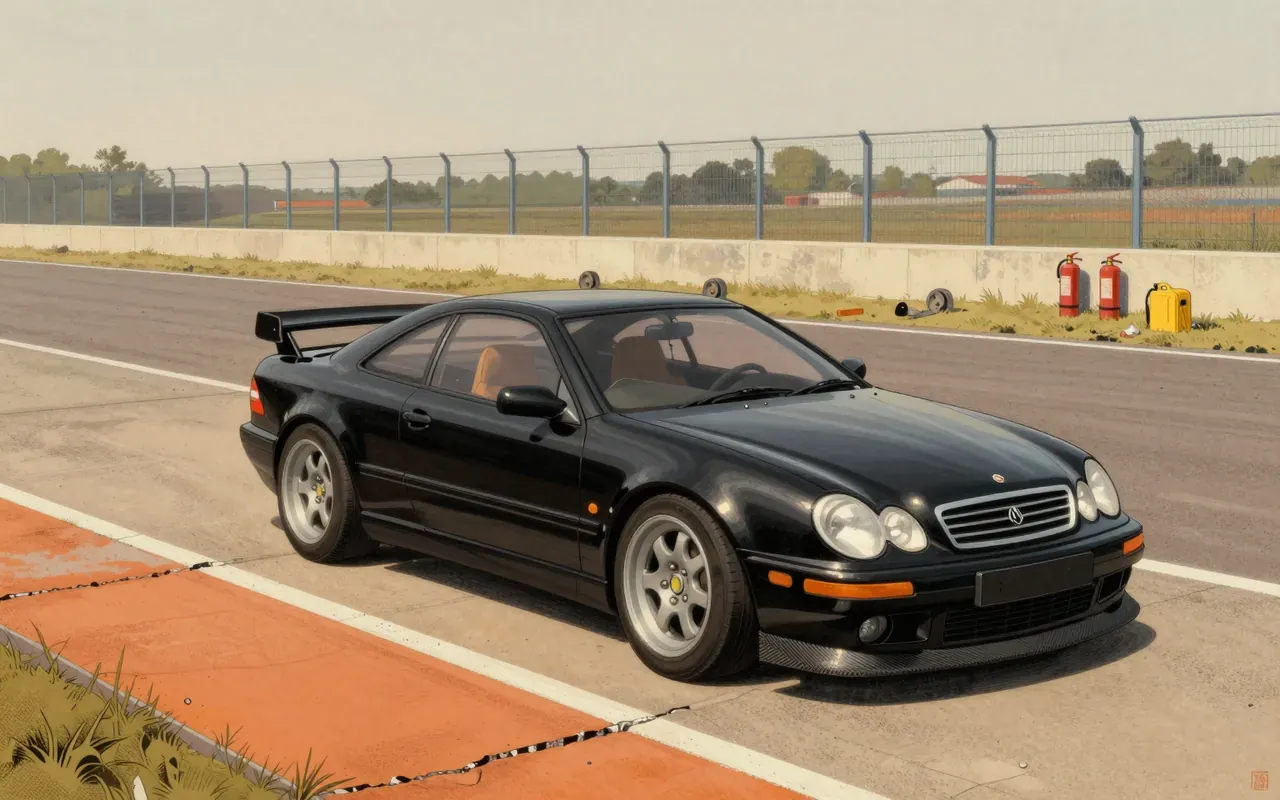
The Mercedes-Benz CLK LM is a 1998 Group GT1 racing car built by Mercedes-Benz and AMG to win the FIA GT Championship. It uses a naturally aspirated M119 V8 with a flat-plane crankshaft, replacing the CLK GTR’s V12. Two road-legal CLK LM Straßenversion chassis were built for homologation — one destroyed in crash testing. It won every 1998 FIA GT race but retired from the non-championship 1998 24 Hours of Le Mans. Five chassis were built in total: three race, two road-legal. Mercedes ended its GT1 programme after 1998 when the FIA removed the GT1 class.

9:33

Mercedes-Benz 190 SL

Karl Wilfert · 1955

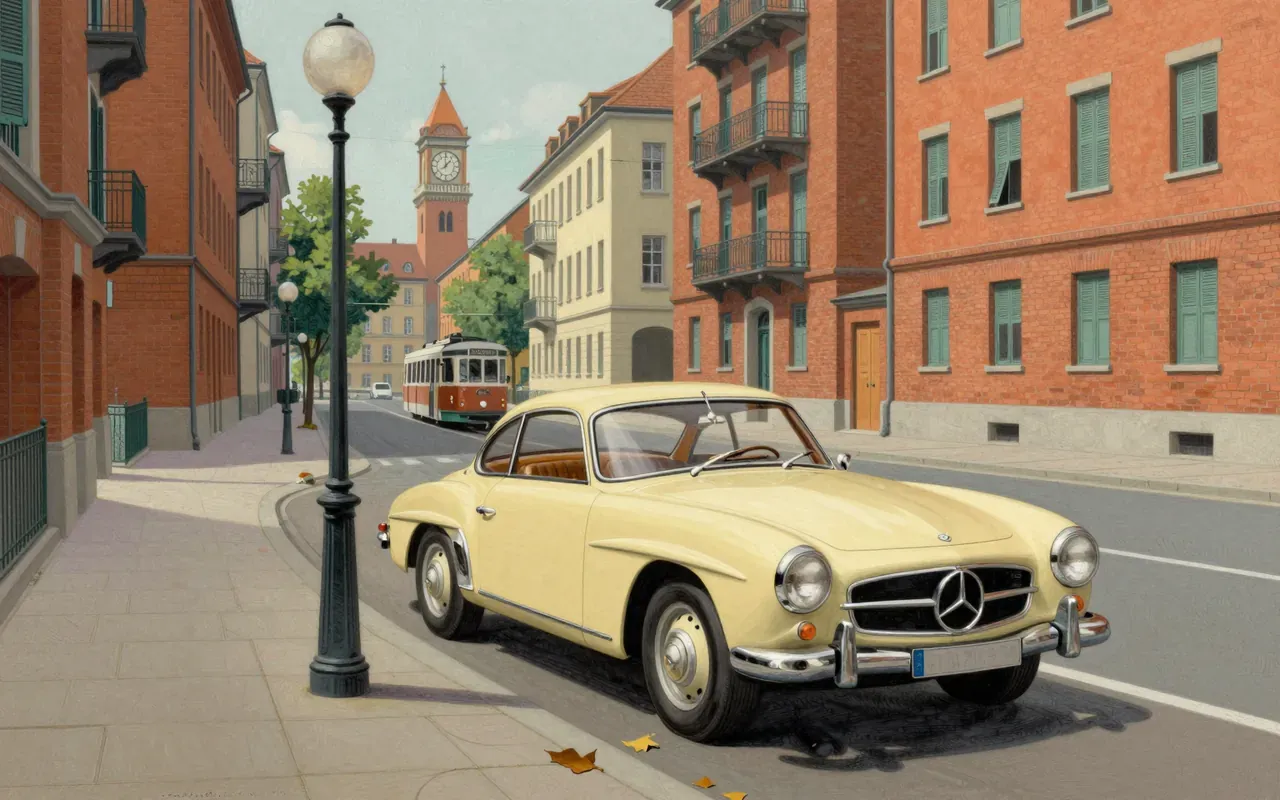
The Mercedes-Benz 190 SL is a two-door luxury roadster produced from May 1955 to February 1963. It was internally designated W121 (BII). It was first shown in prototype at the 1954 New York Auto Show. It was available with an optional removable hardtop. It was a more affordable alternative to the 300 SL. Both cars had double wishbones in front and swing axles at the rear. Instead of the 300 SL's tubular spaceframe, the 190 SL used a shortened unitary floorpan modified from the W121 saloon. It was powered by a Type M121 BII 1.9 L straight-four SOHC engine.

11:53

Mercedes-Benz 300 SL

Friedrich Geiger · 1954

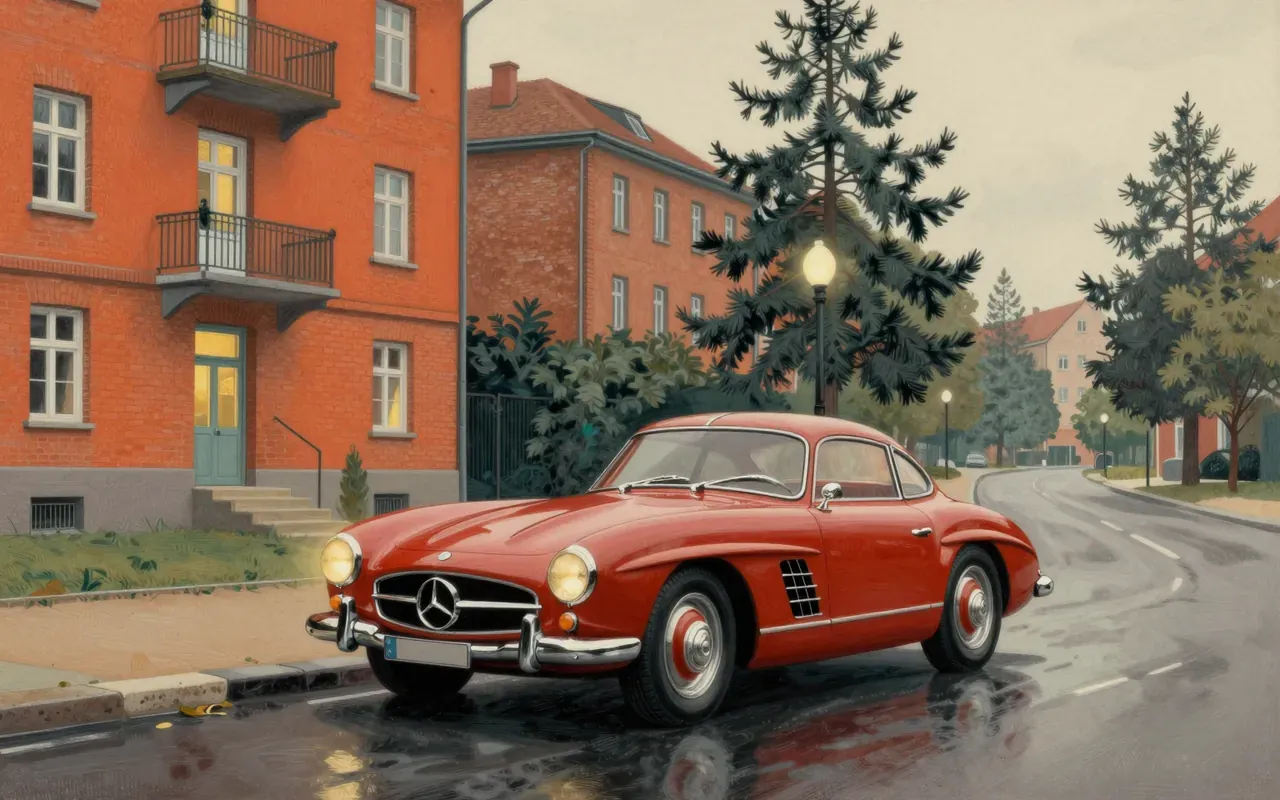
The Mercedes-Benz 300 SL (W198) is a two-seat sports car produced from 1954 to 1957 as a gullwing coupé and from 1957 to 1963 as a roadster. Developed from the 1952 W194 racing car, it introduced mechanical direct gasoline fuel injection to production vehicles, achieved 260 km/h — the highest speed of any production car at the time — and featured groundbreaking gullwing doors and a lightweight tubular-frame construction. Its ‘L’ stands for ‘leicht’, meaning light, reflecting its racing-bred minimalism. Max Hoffman proposed the car to Mercedes-Benz after the 1952 racing successes, and Fritz Konecke approved an order for 1,000 units ahead of its February 1954 debut at the New York Auto Show.

10:45

Mercedes-Benz 600

Paul Bracq · 1963

The Mercedes-Benz 600 is a full-size ultra-luxury limousine line, styled by Paul Bracq in the 1960s, built from 1963 to 1981. It succeeded the Adenauer as Mercedes’ flagship. Its pneumatic self-levelling suspension and hydraulic amenities demanded a bespoke 6.3 L V8. Only 2,677 were built. Short-wheelbase models were owner-driven; long-wheelbase and limousine variants were for chauffeurs. At launch in 1963, it was the most expensive car in the world.

8:20

Mercedes-Benz C111

Bruno Sacco · 1969

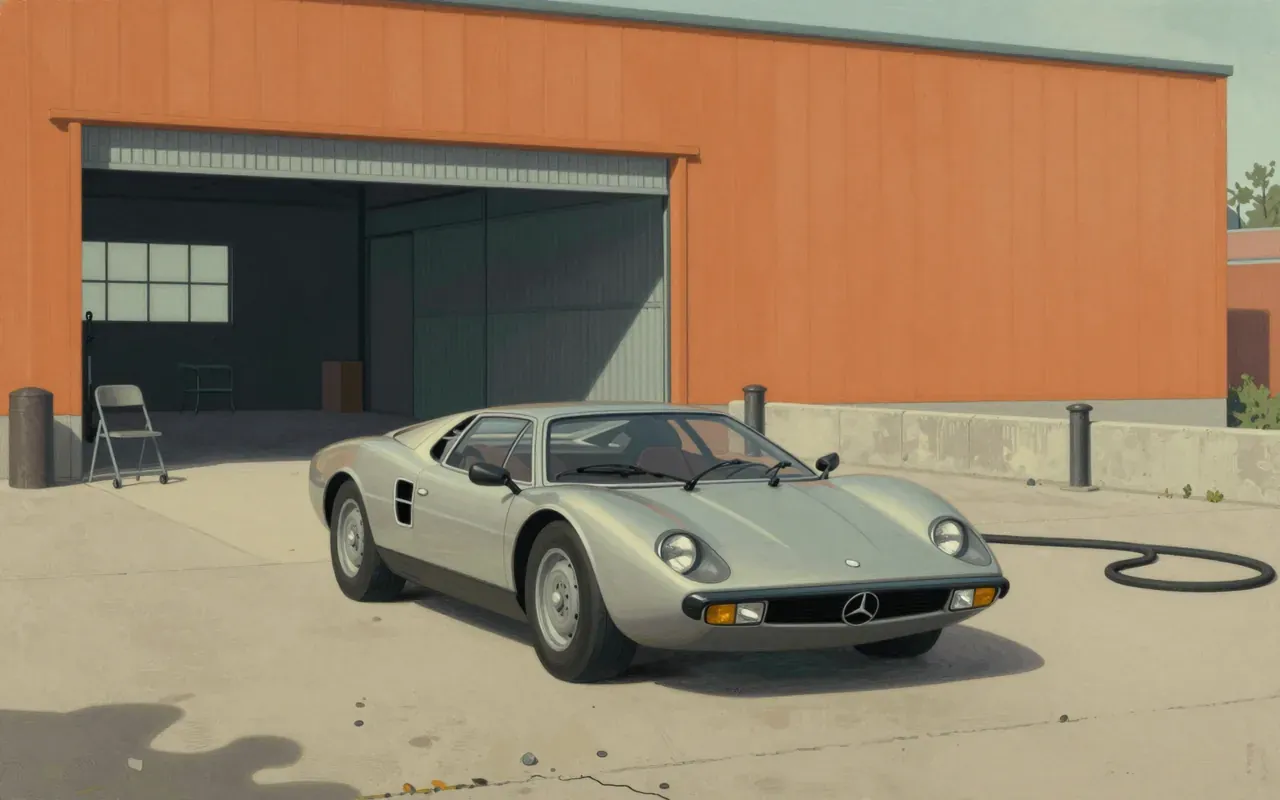
The C111 is a concept car built by Daimler-Benz in 1969. Bruno Sacco designed it. It was never intended for sale. Sixteen were built across four generations between 1969 and 1979.

9:39

Mercedes-Benz CLK GTR

Gerhard Leiska · 1997

The CLK GTR is a 1997 Mercedes-Benz and AMG GT1 homologation special built for the FIA GT Championship. It uses a Lola Composites carbon-fibre monocoque and a modified M120 V12 engine. Road-car production was secondary to racing eligibility. Twenty-eight units were built between 1997 and 1999.

9:10

Mercedes-Benz EQS

Robert Lešnik · 2021

The Mercedes-Benz EQS is a full-size luxury battery-electric liftback, launched in September 2021 in Germany and Q4 2021 in the US. It is the first model built on Mercedes-Benz’s MEA electric-dedicated platform. Its 0.20 drag coefficient was the lowest in production at launch. It uses one or two Valeo Siemens water-cooled permanent magnet synchronous motors, sending torque to the wheels via a single-speed reduction gearbox.

8:41

Mercedes-Benz W116

Friedrich Geiger · 1972

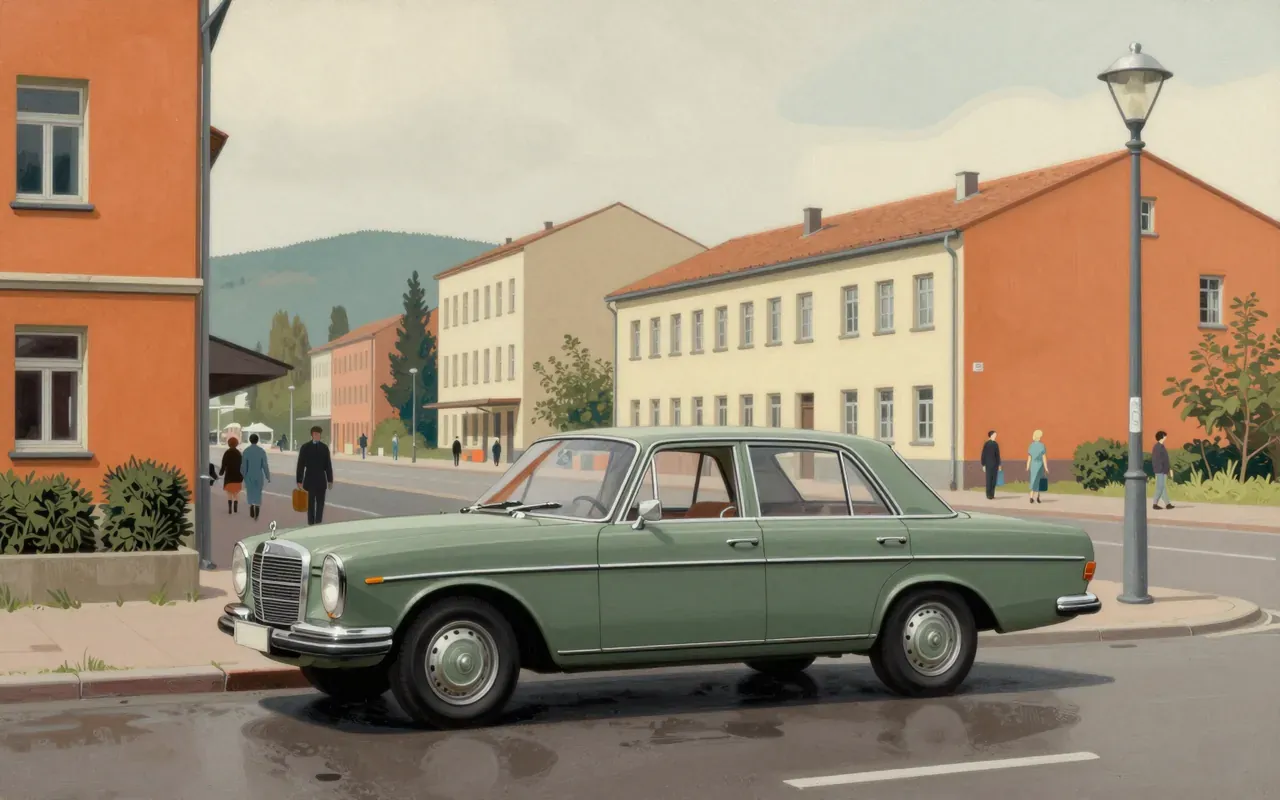
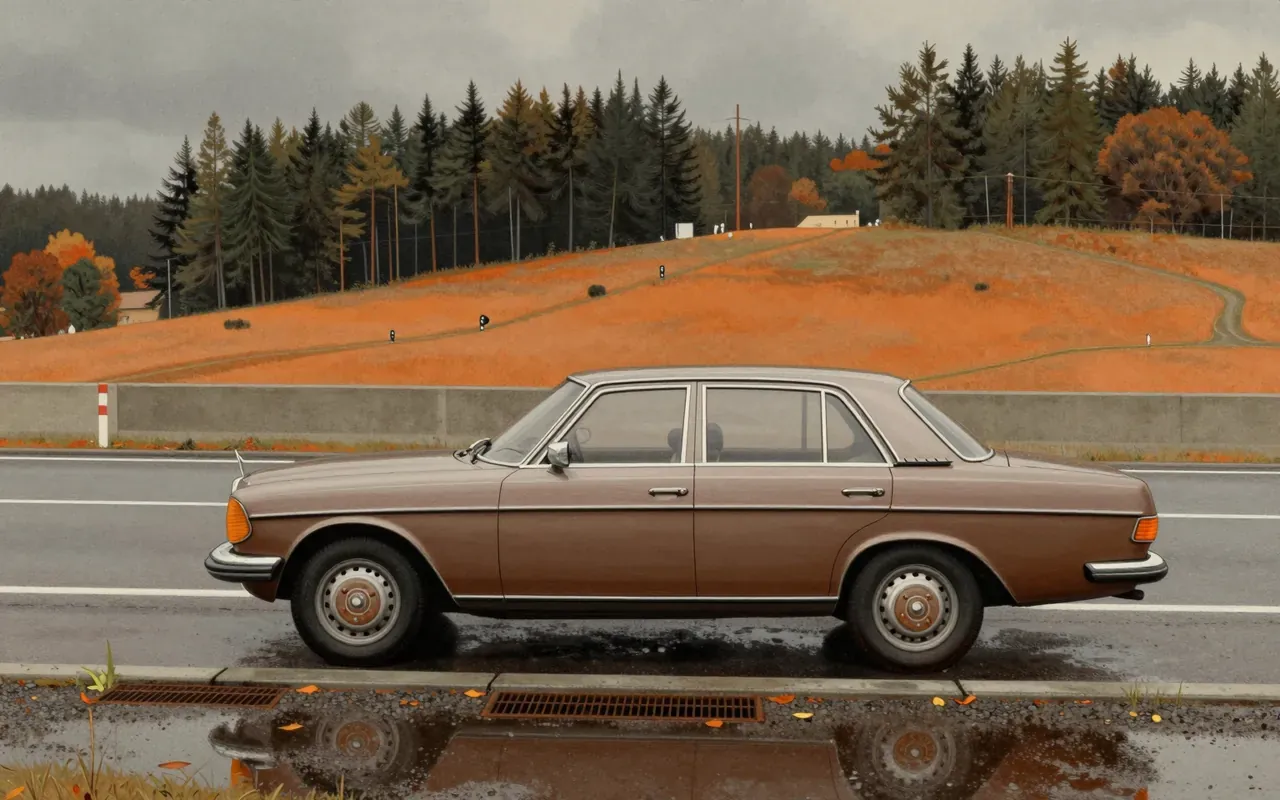
The W116 is the first official S-Class: a flagship luxury sedan built on a larger, separate platform, with independent suspension and four-wheel disc brakes. Designed by Friedrich Geiger and finalised in December 1969, it launched in 1972 and introduced Mercedes-Benz’s enduring corporate styling theme. It pioneered safety features including crumple zones and optional four-wheel anti-lock brakes. It won European Car of the Year in 1974. It established the S-Class as a benchmark for engineering integrity, not just opulence.

9:06

Mercedes-Benz W123

Bruno Sacco · 1976

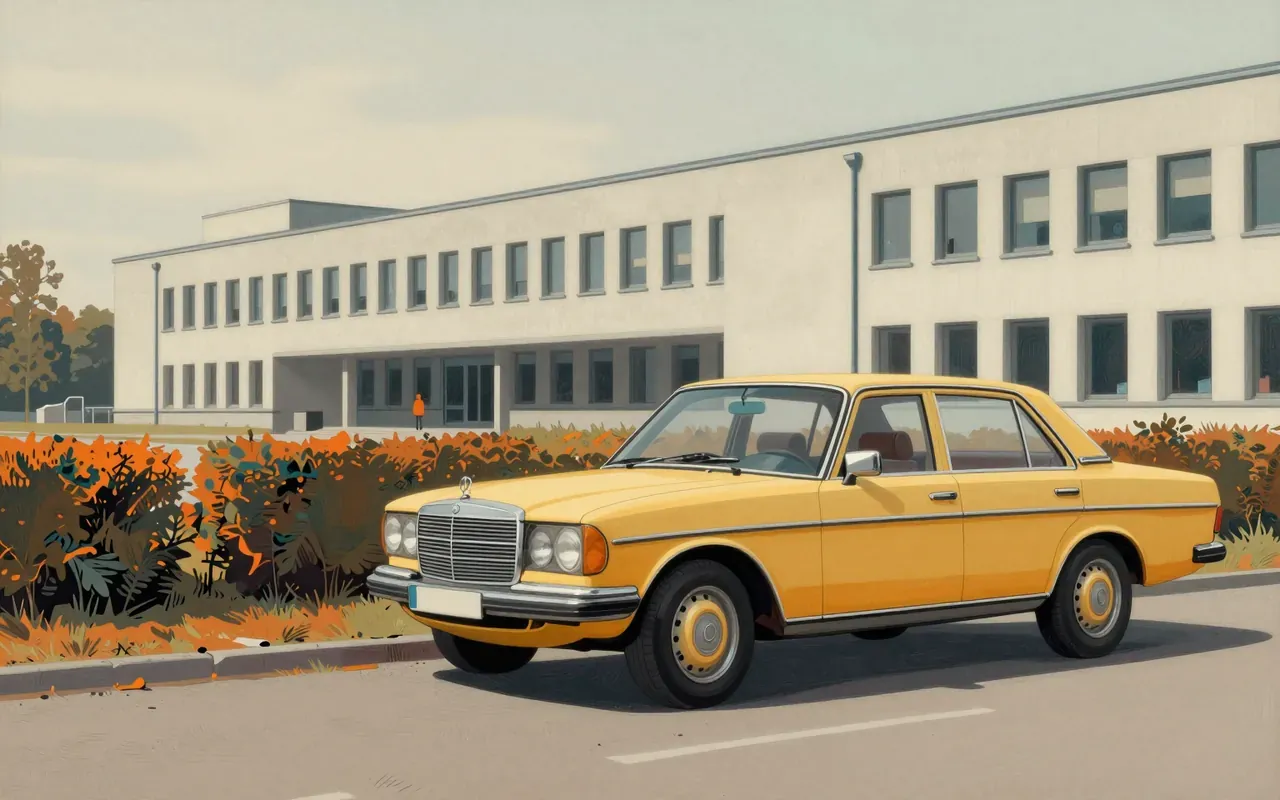
The Mercedes-Benz W123 is the best-selling Mercedes-Benz ever. Bruno Sacco made significant contributions to its design. It is a German executive car produced from November 1975 to January 1986. It sold 2.7 million units. It earned a strong reputation for build quality and reliability — especially among German taxi operators, many of whom drove it beyond 500,000 km with minimal mechanical issues. Early demand outstripped supply, leading to long waiting periods and even a black market for immediate delivery. It was offered in saloon, coupé, limousine and estate body styles — all factory-built — with the estate marking Mercedes-Benz’s first such offering.

9:24

Mitsubishi 3000GT

Masaru Suzuki · 1990

The Mitsubishi 3000GT is a front-engine, all-wheel/front-wheel drive grand touring/sports car built in Nagoya, Japan, from 1990 to 2000. It uses a transverse-mounted 3-litre, 24-valve V6 and shares mechanical underpinnings with the Sigma/Diamante. It was manufactured in a three-door hatchback coupé body style. Approximately 86,151 units were produced.

11:08

Nissan Fairlady Z (S30)

Yoshihiko Matsuo · 1969

The Nissan Fairlady Z (S30) is the first Z car. Designed under Yoshihiko Matsuo. Introduced in late 1969. Front-engine, rear-wheel drive. Four-wheel independent suspension. Overhead camshaft straight-six. Sold in Japan as the Fairlady Z. Exported as the Datsun 240Z, 260Z, and 280Z. Produced until 1978.

8:32

Nissan Figaro

Naoki Sakai · 1991

The Nissan Figaro is a 1991 Japanese-market, right-hand-drive, fixed-profile convertible built by Aichi Machine Industry (later Pike Factory) on the first-generation Nissan March/Micra platform. It is one of four Pike cars, conceived as part of a design strategy borrowed from personal electronics marketing.

8:24

Opel Manta

George Gallion · 1970

The Opel Manta A is a rear-wheel-drive German coupé launched in September 1970. Built by Opel on the Ascona A platform, it offered a clean two-door, three-box silhouette and competed directly with the Ford Capri. It was never sold in the UK under Vauxhall until the Manta B. Its name comes from the manta ray. 498,553 were built before 1975.

12:15

Opel Monza

George Gallion · 1978

The Opel Monza is an executive fastback coupe. It was built from 1977 to 1986. It replaced the Commodore Coupé. It shared its layout with the Senator A1. It used only overhead camshaft six-cylinder engines. The 3.0-litre version made it Opel’s fastest car at the time. It had no direct replacement. 43,812 were built.

9:40

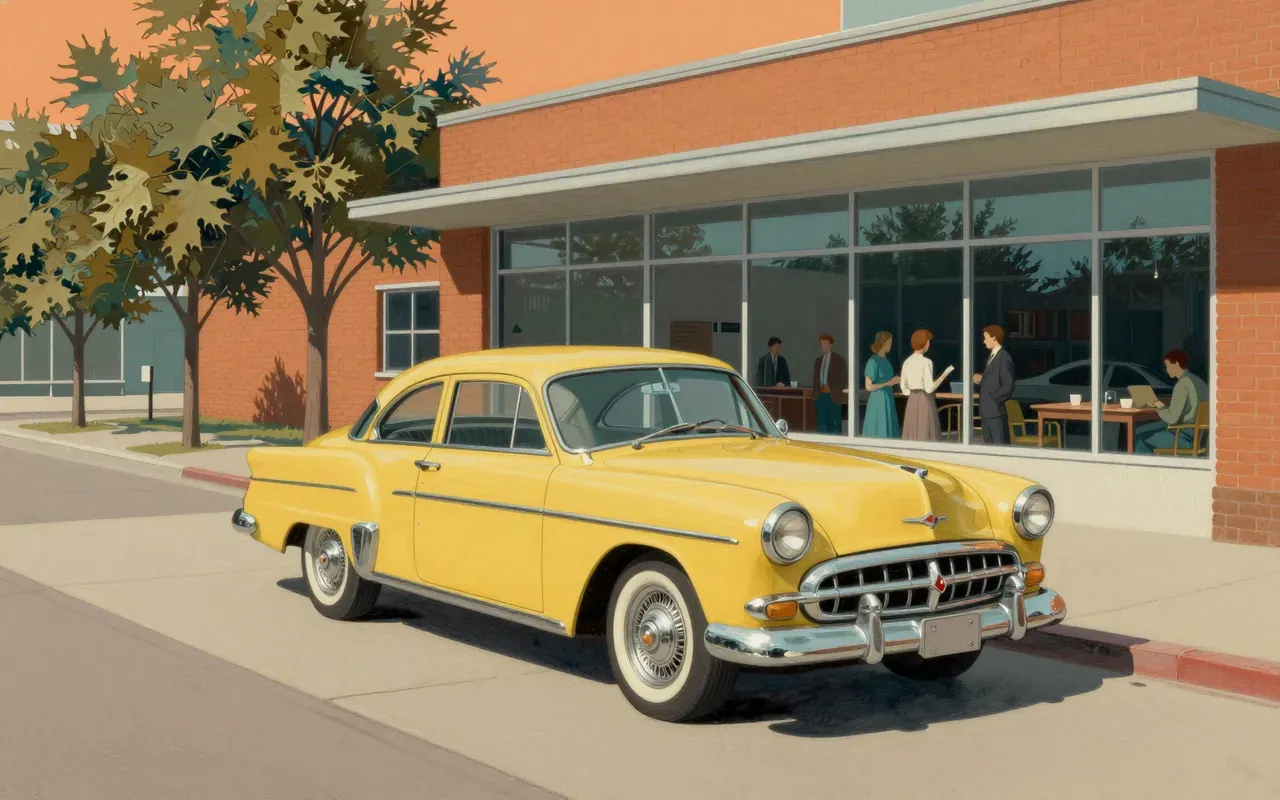
Peugeot 403

Pininfarina · 1955

The Peugeot 403 is a mid-size saloon launched by Peugeot in April 1955 and styled by Pininfarina. It used a front-engine, rear-wheel drive layout and a 4-speed manual transmission. Its 1468 cc pushrod straight-four engine produced 58 hp, later increased to 65 hp. It featured ponton, three-box styling and a metal sunroof on most models. Over 1.2 million were built — the first Peugeot to exceed one million sales. The collaboration with Pininfarina marked the start of a fifty-year design partnership. A diesel estate debuted in autumn 1958.

10:06

Peugeot 905

Gérard Welter · 1990

The Peugeot 905 is a sports-prototype racing car built by Peugeot Talbot Sport. It was developed for the 1991 World Sportscar Championship’s F1-inspired regulations. It debuted in the final two races of the 1990 season. It won nine of 17 races, including Le Mans in 1992 and 1993 (905B), and secured both driver’s and team’s titles in the 1992 championship. It features a carbon-fibre monocoque and a 3499 cc naturally aspirated V10. It has no documented connection to Gérard Welter’s Welter Racing.

9:18

Peugeot 9X8

Matthias Hossann · 2022

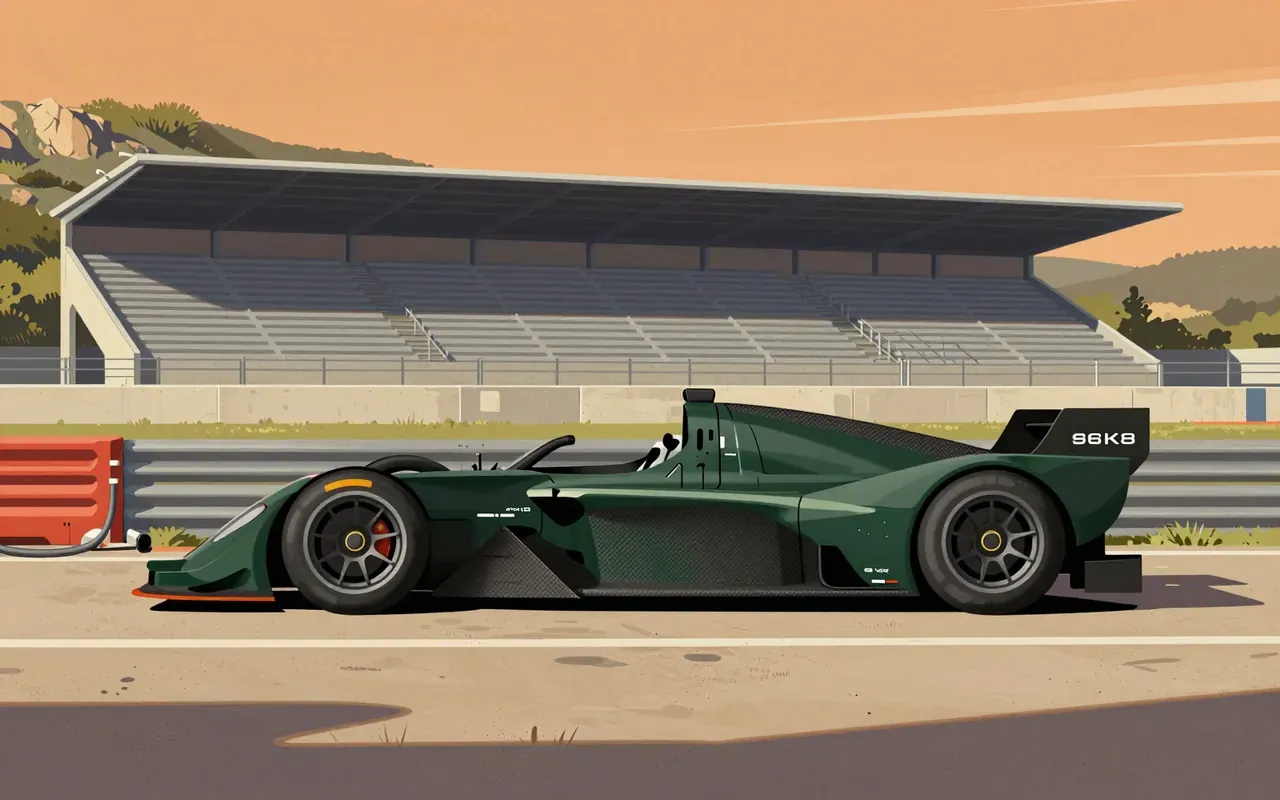
The Peugeot 9X8 is a Le Mans Hypercar-class sports prototype developed by Peugeot for the FIA World Endurance Championship. It marks their return to top-tier endurance racing after 11 years. It features a hybrid powertrain combining a twin-turbo 2.6-litre V6 engine with a front-axle electric motor. It was initially notable for its wingless aerodynamic design exploiting Hypercar regulation freedoms—though this concept was later revised with a rear wing and asymmetric tyre widths to improve competitiveness. The car debuted at the 2022 6 Hours of Monza and achieved its first podium in 2023 at Monza, followed by further podiums in 2024 and 2025.

9:26

Peugeot RCZ

Boris Reinmöller · 2010

The Peugeot RCZ is a French-designed sports coupé assembled in Austria from 2009 to 2015. It has a front-engine, front-wheel-drive layout and a 2+2 seating configuration. Its double-bubble roof draws direct inspiration from Zagato. It evolved from the 308 RCZ concept shown at the 2007 Frankfurt Auto Show and entered production after strong critical acclaim. It was formally introduced at the 2009 Frankfurt Motor Show and launched into production late that year.

8:57

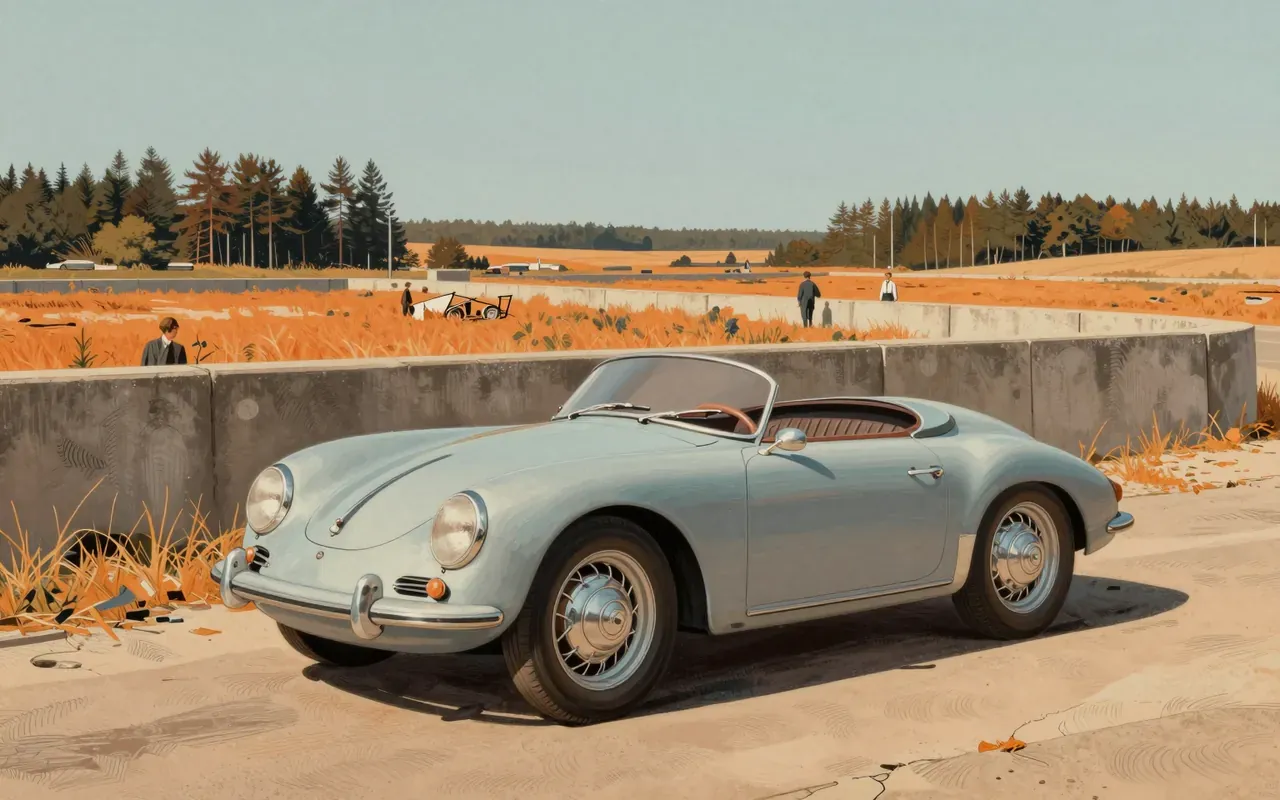
Porsche 550

Wilhelm Hild · 1953

The Porsche 550 is a mid-engine racing sports car built by Porsche from 1953 to 1956. Only 90 were made. It used an air-cooled 1.5 L flat-four engine with double overhead camshafts. It won consistently in its class across major races. Each unit was customised for racing.

10:16

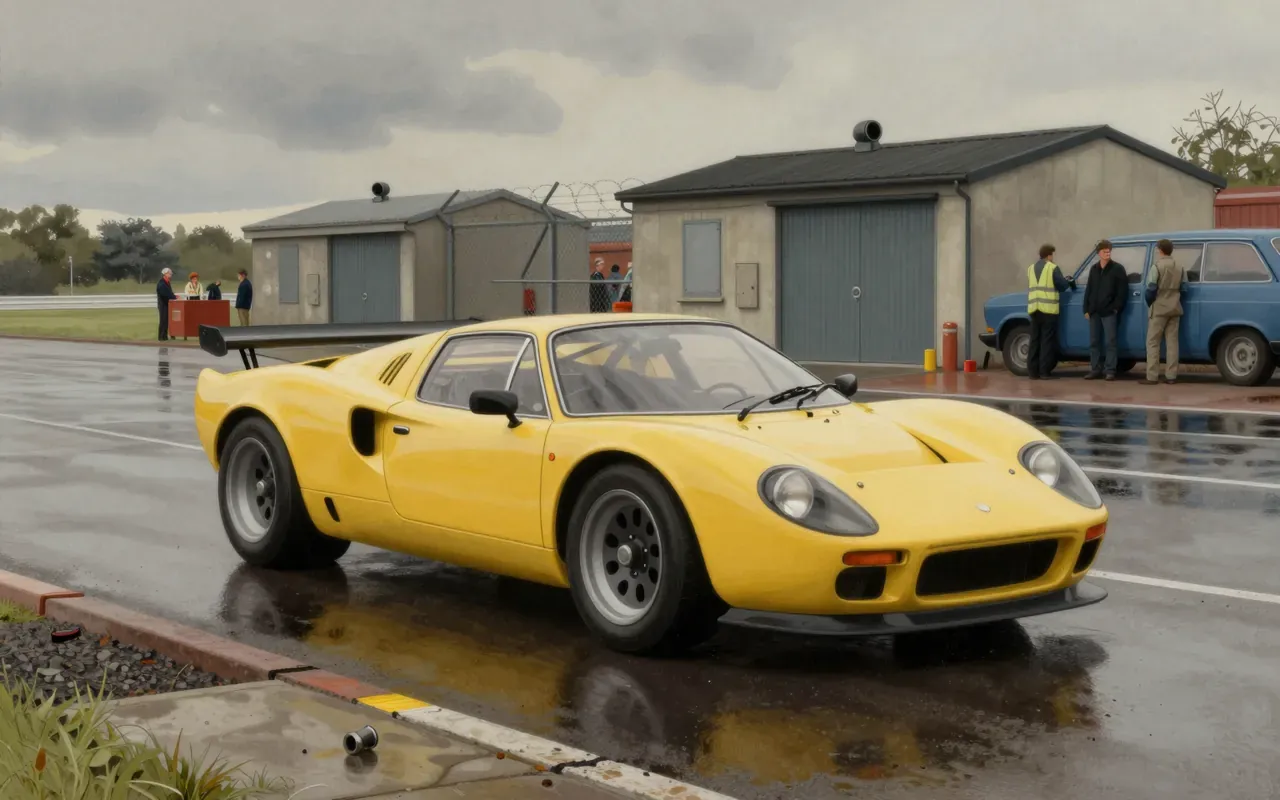
Porsche 904 Carrera GTS

Ferdinand Alexander Porsche · 1964

The Porsche 904 is a homologation-mandated, mid-engined GT sportscar built in Germany from 1963 to 1965. It was the first Porsche with a ladder chassis and bonded fibreglass body. Ferdinand Alexander Porsche designed it under extreme time pressure — and called it his favourite, most original work.

10:37

Porsche 906

Ferdinand Piëch · 1966

The Porsche 906 is a Group 4 Sports Car introduced in January 1966. Ferdinand Piëch headed Porsche’s development department during its creation. It weighed 580 kg. Its wind-tunnel-tested body reached 280 km/h at Le Mans. Sixty-five units were built to achieve homologation in May 1966. It used a modified 901 flat-six from the 911R. It featured gull-wing doors and a plexiglas engine cover.

10:14

Porsche 911 GT1

Porsche Motorsport · 1996

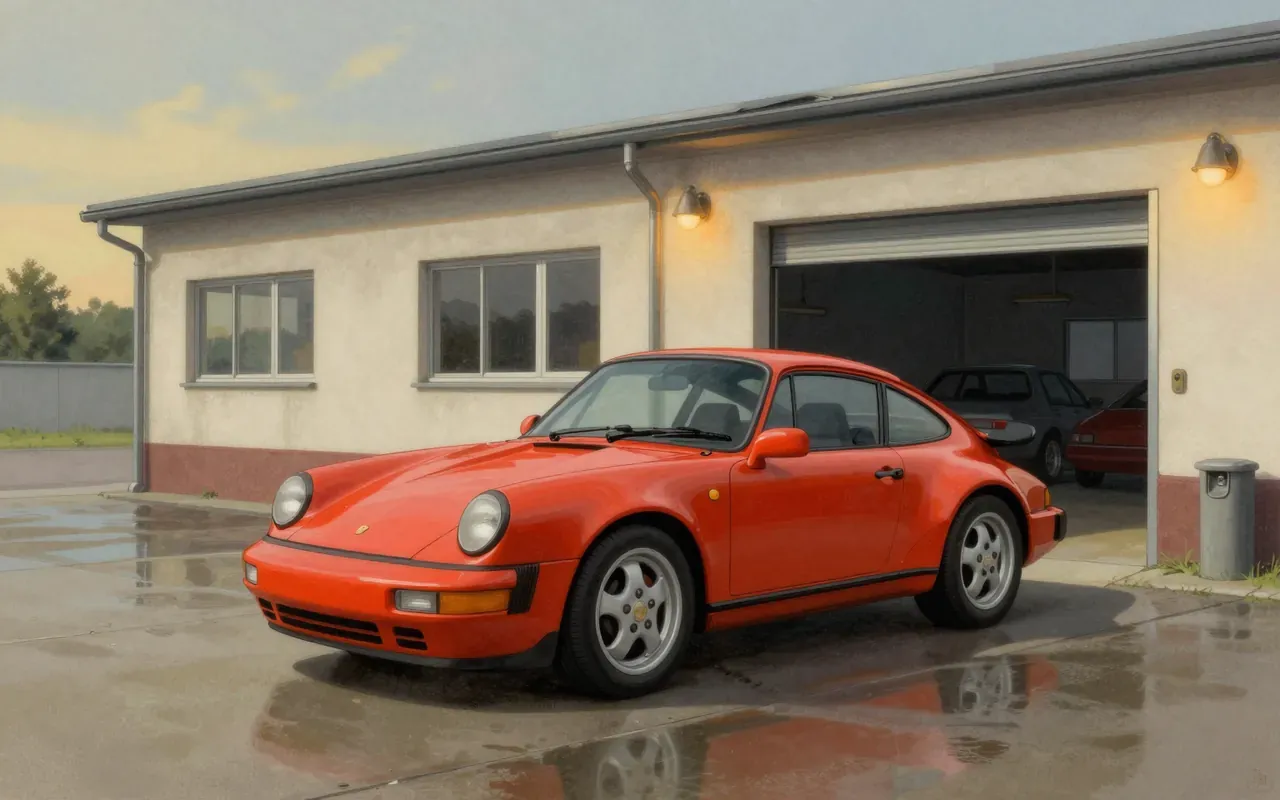
The Porsche 911 GT1 is a race car disguised as a 911. It uses 993 front structure and 962C rear architecture. It won Le Mans in 1998 — then Porsche withdrew from factory racing for 16 years.

9:10

Porsche 911 (964)

Benjamin Dimson · 1989

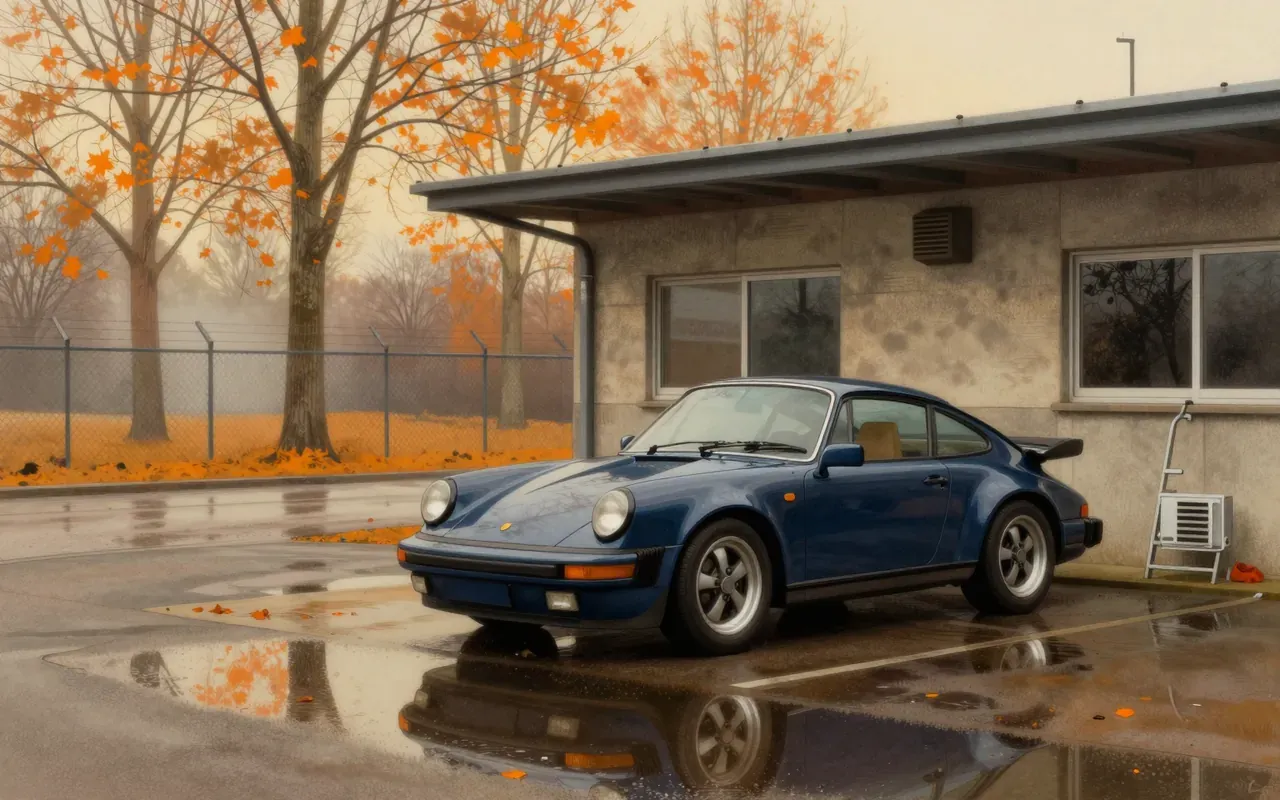
The Porsche 911 (964) is the 1989–1994 generation designed by Benjamin Dimson through January 1986. It introduced all-wheel drive and Tiptronic as options. It was 85% new versus the Carrera 3.2. It brought back the removable Targa roof—the last until the 2011 991. It offered Carrera 2 and Carrera 4 in coupé, targa, and cabriolet forms. Its flush bumpers and fog lamps improved aerodynamics.

8:41

Porsche 911 (993)

Tony Hatter · 1994

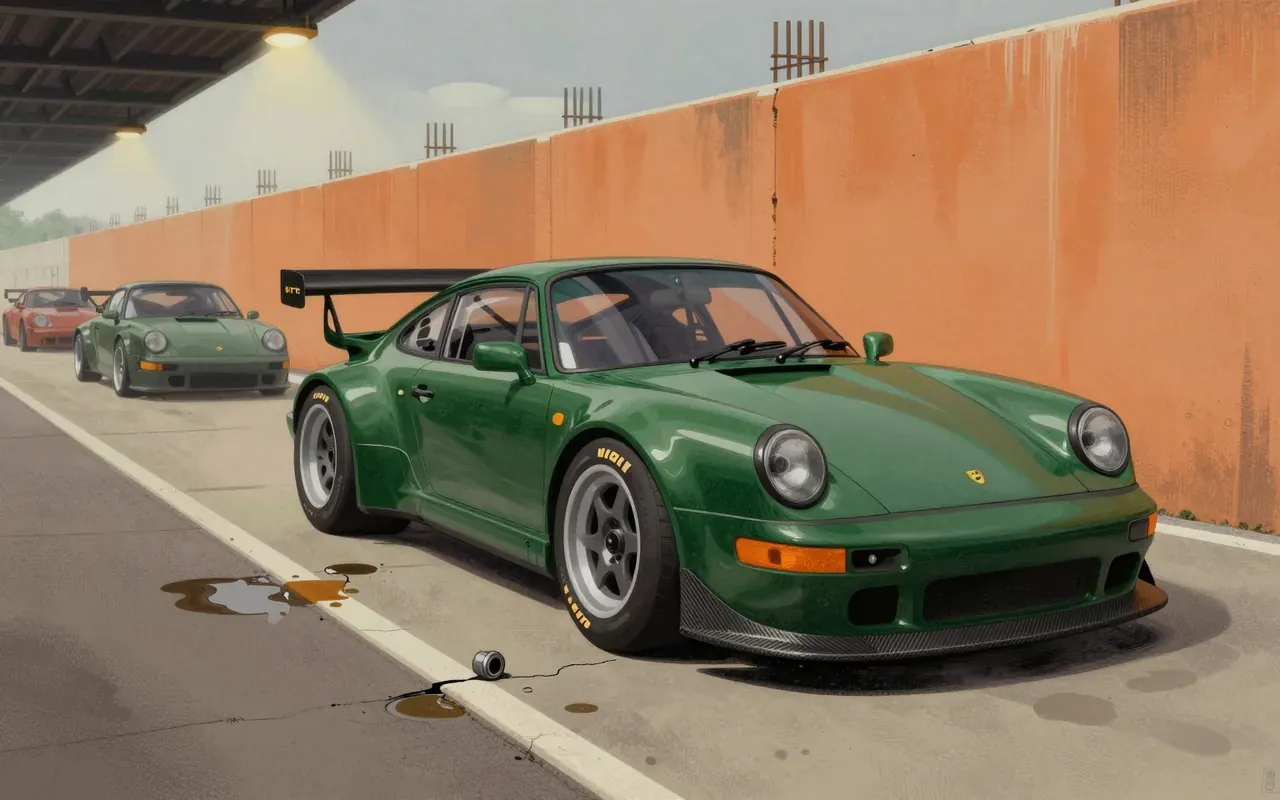
The Porsche 911 (993) is the fourth-generation 911, produced from 1994 to 1998. It is the final air-cooled 911. Tony Hatter designed its exterior. Porsche built it from the ground up, with only 20% parts shared with the 964. Its Weissach axle redefined rear-engine handling. It launched in multiple variants—including rear- and all-wheel drive coupés, cabriolets, Targas, Turbos, GT2s, RS, and Turbo S models.

9:02

Porsche Carrera GT

Harm Lagaay · 2003

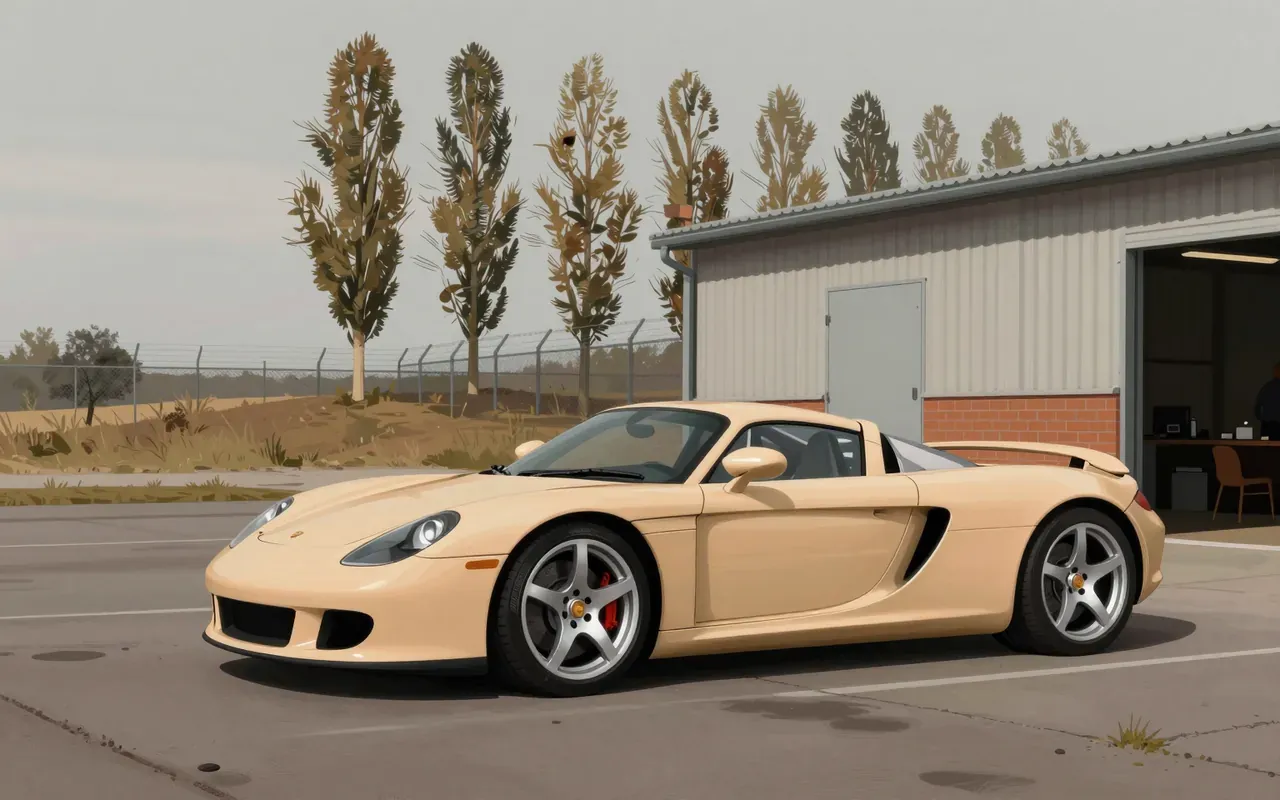
The Porsche Carrera GT is a mid-engine, rear-wheel-drive sports car manufactured by Porsche from 2003 to 2006. Its development traces back to the 911 GT1 and LMP1-98 racing cars. A concept version with a 5.5 L V10 debuted at the 2000 Paris Motor Show. Revenue from the Cayenne helped Porsche decide to produce a road-legal version in Leipzig. Production began in 2004 and ended on 6 May 2006 after 1,270 units were built. The production model uses a 5.7 L V10 engine producing 450 kW and accelerates from 0–60 mph in 3.5 seconds.

12:05

Porsche Cayenne

Harm Lagaay · 2002

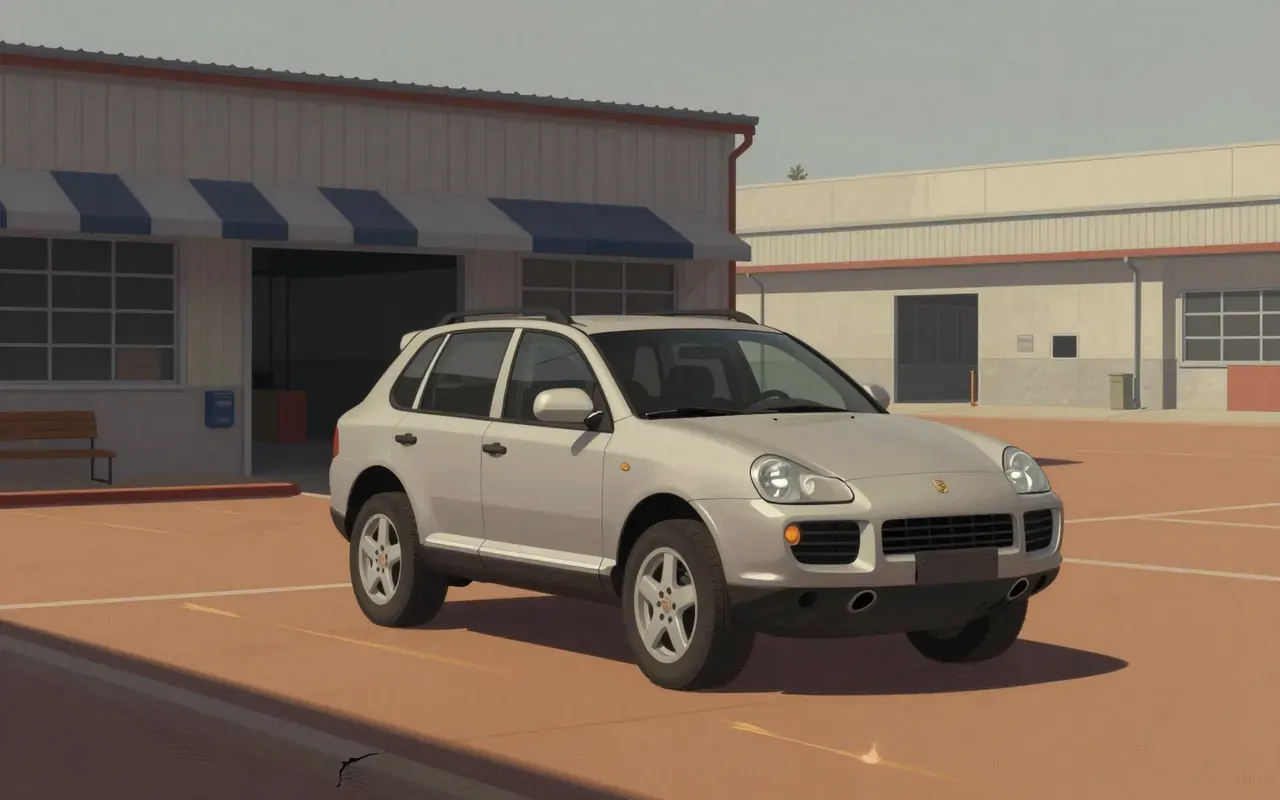
The Porsche Cayenne (2002) is Porsche’s first four-door production car and first V8-powered model since 1995. It is an E-segment luxury crossover SUV. It shares its platform, body frame, doors, and electronics with the Volkswagen Touareg and Audi Q7. It marked Porsche’s return to off-road vehicles after its 1950s tractors.

9:22

Renault 4

Robert Barthaud · 1961

The Renault 4 is an economy car built by Renault from 1961 to 1994. It is the world’s first mass-produced hatchback. It is Renault’s first front-wheel drive family car with longitudinal engine placement.

9:28

Renault DeZir

Laurens van den Acker · 2010

The Renault DeZir is a 2010 electric concept coupe unveiled at the Paris Motor Show. It has two seats, butterfly doors on the driver’s side and suicide doors on the passenger’s side, and a red leather interior. It uses a mid-mounted electric motor driving the rear wheels via automatic transmission. Renault claims 0–60 mph in 5 seconds, a top speed of 112 mph, and a range of 99 miles. It served as the design basis for the petrol-powered Renault Sport R.S. 01 race car. It was Laurens van den Acker’s foundational design statement for Renault’s new direction. The same team that developed it also revamped the Renault Clio IV. It is categorised among Renault’s concept vehicles.

8:38

Renault Fiftie

Benoit Jacob · 1996

The Renault Fiftie is a 1996 concept car, designed by Benoît Jacob under Patrick le Quément, to mark the 4CV’s 50th anniversary. It used the Renault Sport Spider’s aluminium frame and D7F 1.2L engine, placed mid-ship. Its body was carbon fibre. Front styling referenced the 4CV’s 'mustache bars' and added apostrophe-shaped headlights. The targa roof had four removable panels that stowed beneath the rear window. Interior materials included cotton, linen and rattan; a picnic basket sat in the boot. Renault did not develop it further.

10:20

Rimac Nevera

Adriano Mudri · 2021

The Rimac Nevera is an all-electric sports car designed and manufactured by the Croatian automotive manufacturer Rimac Automobili. It uses four independently driven carbon-sleeve permanent-magnet electric motors — one per wheel — each connected via a single-speed gearbox. It features butterfly doors instead of conventional doors. It produces 1,914 PS and 2,360 N⋅m of torque. On May 17, 2023, it set 23 performance records in a single day, including 0–97 km/h in 1.74 s and 0–400–0 km/h in 29.93 s. Production is limited to 150 vehicles.

10:29

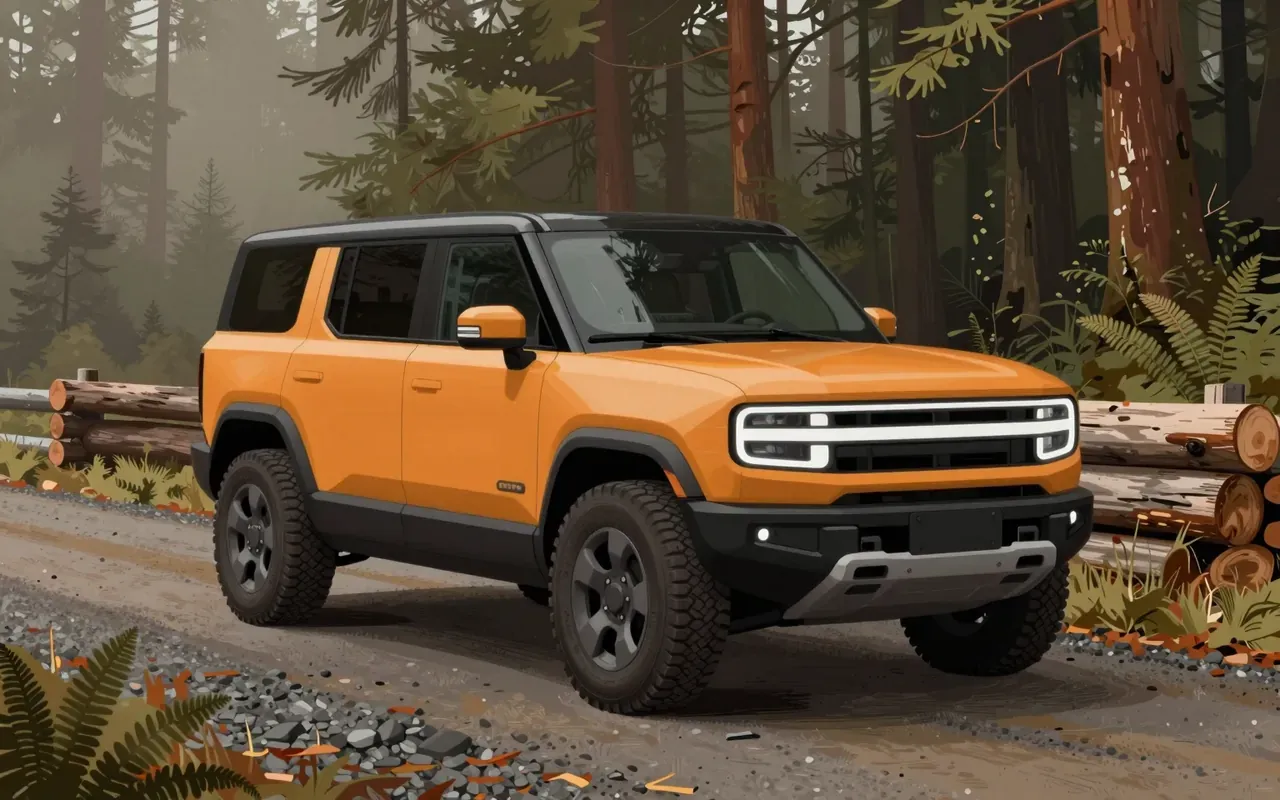
Rivian R1T

Jeff Hammoud · 2021

The Rivian R1T is a battery-electric, mid-size luxury pickup truck produced by the American company Rivian. It launched in 2021 with four independent electric motors—one per wheel—and a 0–60 mph time of 3.0 seconds. Its first production unit was built in Illinois on 28 September 2021. It was offered at launch with 105 kWh, 135 kWh, and 180 kWh battery options. Dual-motor and software-enhanced variants arrived later—in March and April 2022 and 2023 respectively.

9:29

Rolls-Royce Phantom V

John Blatchley · 1959

The Phantom V is a large four-door limousine produced from 1959 to 1968. It shares its V8 engine and Hydramatic automatic gearbox with the Silver Cloud II. Rolls-Royce built the chassis and drivetrains; Park Ward, Mulliner Park Ward and James Young supplied most bodies. Its 6,230 cc V8 has twin SU carburettors. It has massive drum brakes and a 3,683 mm wheelbase. Power-assisted steering was standard. A low final drive ratio enabled walking-speed procession use. From 1963, it used the Silver Cloud III’s more powerful engine and quad-headlamp front wings.

9:46

Saab 92

Sixten Sason · 1949

The Saab 92 is Saab’s first production car. It launched on 12 December 1949, derived from the Ursaab prototype. It is a front-wheel-drive saloon with a water-cooled, two-stroke, 764 cc engine.

10:21

Shelby Daytona

Peter Brock · 1964

The Shelby Daytona is a closed-cockpit racing coupé derived from the Cobra roadster. Six were built between 1964 and 1965 to beat Ferrari’s 250 GTO in FIA GT-class racing. It won the 1965 International Championship for GT Manufacturers — the first American constructor to win an FIA World Championship title. Its aerodynamic body solved high-speed drag issues inherent in open-cockpit Cobras. It was not built for road use. It changed how GT racers approached bodywork — proving that focused evolution, not clean-sheet design, could deliver world-title success.

9:00

Škoda 110 R

Škoda Design · 1970

The Škoda 110R is a rear-engined, rear-wheel drive coupé built by AZNP in Kvasiny from 1970 to 1980. It succeeded the 1000 MBX/1100 MBX. 56,902 units were made.

11:26

Smart Fortwo

Johann Tomforde · 1998

The Smart Fortwo is a two-seater city car made by Smart, a division of Mercedes-Benz Group, from 1998 to 2024. It used a rear-engine, rear-wheel-drive layout and mono-box body across all three generations. It was manufactured in coupé and cabrio forms at Smartville in Hambach, France. It sold over two million units globally across 46 countries. Its defining features include compact length (2.5–2.69 m), the Tridion steel safety cell, interchangeable plastic panels, and offset seating.

11:08

Tata Nano

Girish Wagh team · 2008

The Tata Nano was a city car made by Tata Motors in India between 2008 and 2018. It used a rear-engine, rear-wheel-drive layout. It launched at ₹100,000 for scooter and motorcycle drivers. It had no rear cargo opening in its original saloon form. A five-door hatchback arrived in 2015. Sales peaked at 74,527 units in FY 2011–2012 and fell to 7,591 in FY 2016–2017. Production stopped in May 2018.

10:37

Tesla Roadster (first generation)

Lotus · 2006

The first-generation Tesla Roadster is a battery-electric sports car built by Tesla Motors from 2008 to 2012, based on the Lotus Elise chassis but sharing only ~6–7% of its components. It was the first highway-legal, serial-production all-electric car using lithium-ion battery cells and the first with over 200 miles (320 km) of range per charge. EPA-rated range is 244 miles (393 km); acceleration is 0–60 mph in 3.7–3.9 s; top speed is 125 mph (201 km/h); efficiency is 120 mpg gasoline equivalent (28 kW·h/100 mi), with 88% average motor efficiency. Approximately 2,450 units were sold globally across over 30 countries before production ended in January 2012.

8:19

Toyota Century

Kenya Nakamura · 1967

The Toyota Century is not a luxury car designed for global appeal. It is a domestic instrument — engineered for quiet authority, rear-seat sovereignty, and continuity. Its 1967 debut marked a deliberate departure from export logic. Its design solves for discretion, not dynamism. Its powertrain — a V8 — was one of only three post-war Japanese-built sedans so equipped. Its users are institutions, not individuals. Its branding omits Toyota’s oval entirely. Its value lies in what it refuses.

10:00

Toyota GT-One

André de Cortanze · 1998

The Toyota GT-One (TS020) is a Le Mans-specific racing car designed by André de Cortanze for Toyota Team Europe. It ran under Group GT1 and later LMGTP regulations in 1998 and 1999. Seven chassis were built. Two road-legal versions satisfied homologation. Its twin-turbo 3.6 L R36V V8 was derived from Toyota’s Group C programme. Only two cars finished Le Mans — LM804 in 1999 and LM805 in 1998. The programme ended after 1999.

10:01

Trabant 601

Werner Lang · 1964

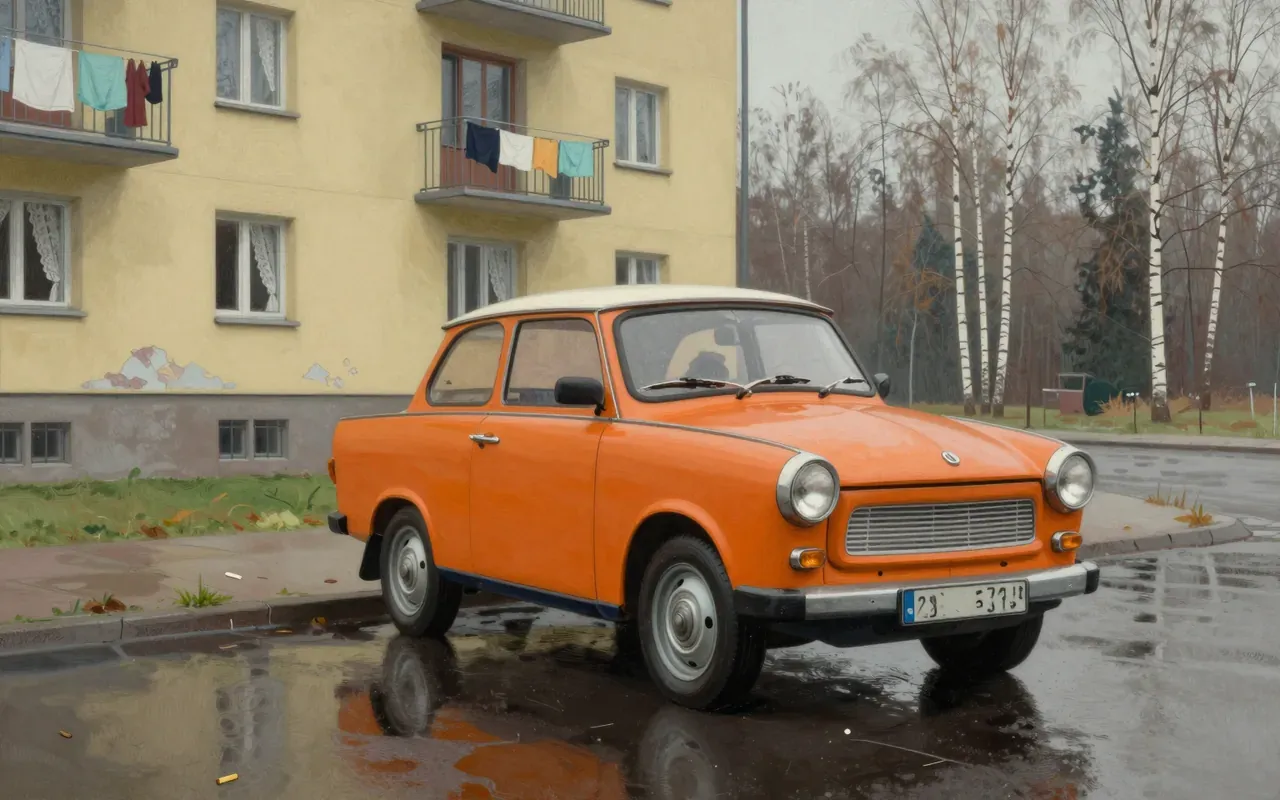
The Trabant 601 is a front-wheel-drive saloon built by VEB Sachsenring in Zwickau from 1964 to 1990. It used a transverse two-stroke engine and Duroplast body panels. It delivered on its promise of affordability and repairability — but offered no meaningful development over its 26-year run.

10:12

TVR Cerbera

Damian McTaggart · 1996

The TVR Cerbera is a British-built coupé manufactured by TVR from 1996 to 2006. It debuted at the 1993 London Motor Show as the third model under Peter Wheeler’s leadership, following the Griffith and Chimaera. It is a hard-top with a 2+2 seating layout, described as both a sports car and a grand touring car. It was TVR’s first model powered by an in-house engine—the AJP8 V8—ending historical reliance on purchased engines from Rover, Ford and Triumph. Its name derives from Cerberus, the three-headed beast of Greek legend guarding Hades’ entrance.

9:08

TVR Griffith

Peter Wheeler · 1991

The TVR Griffith (1990–2002) is a lightweight, fiberglass-bodied, 2-door, 2-seat sports car with a V8 engine, designed and built by TVR. It used a 4.0 L Rover V8 engine, optionally upgraded to 4.3 L. A new generation presented in 2017 never entered production.

9:56

Venturi 400

Gérard Godfroy · 1994

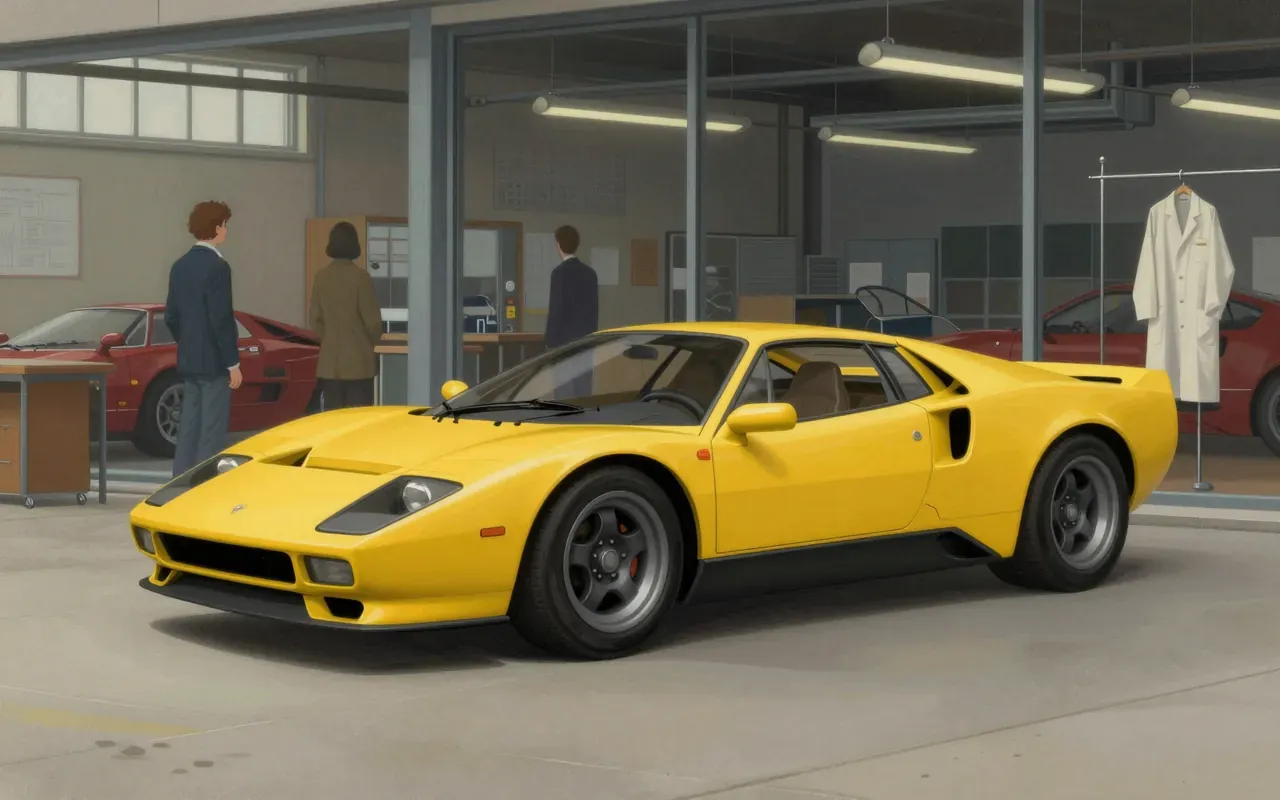
The Venturi 400 GT is a French-built, mid-1990s supercar designed around a race-proven V6 biturbo engine. Only about 15 were made for the road. Its styling deliberately echoes the Ferrari F40. It is rare, uncompromising, and unapologetically track-focused.

9:26

Volkswagen ID.3

Klaus Zyciora · 2019

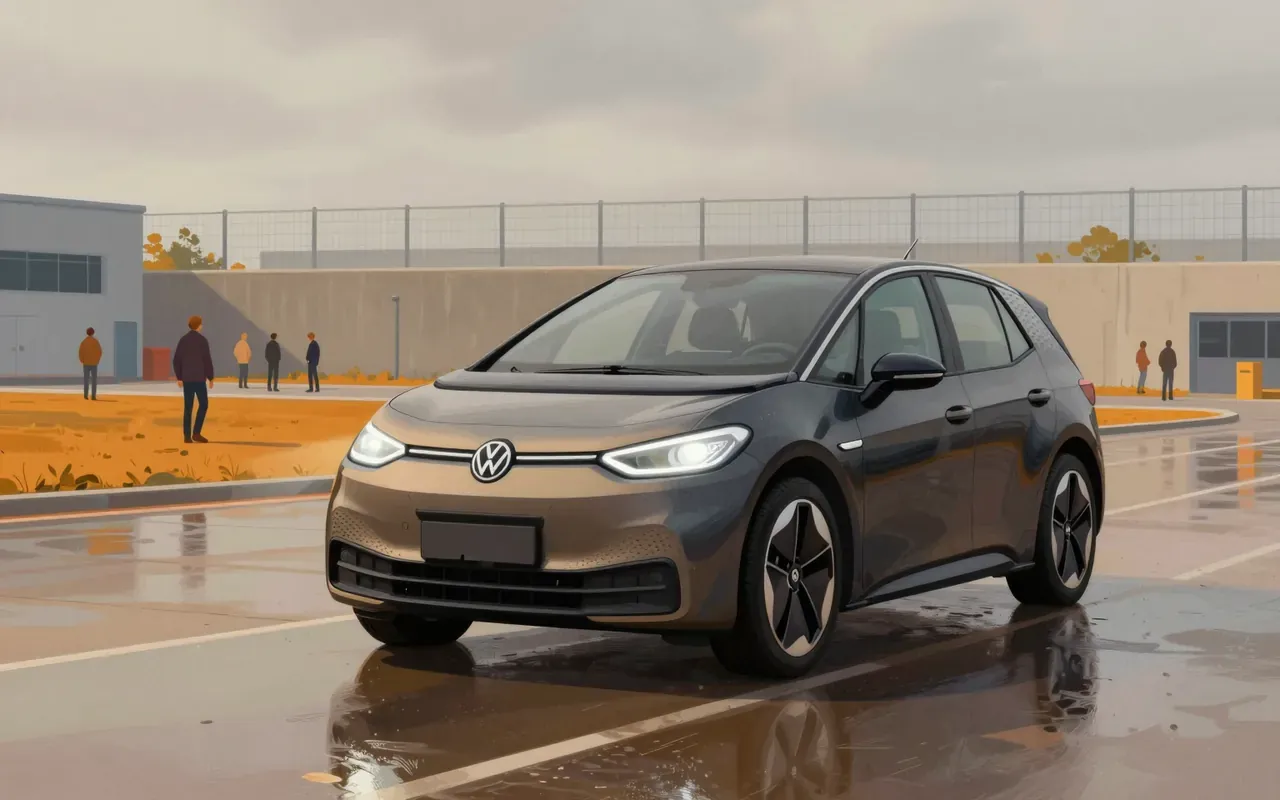
The Volkswagen ID.3 is a battery electric small family car. It launched in 2019 as the first production vehicle on Volkswagen Group’s MEB platform. It set the template for scale, software integration, and factory conversion — but missed its own software delivery targets.

9:36

Volkswagen Phaeton

Hartmut Warkuß · 2002

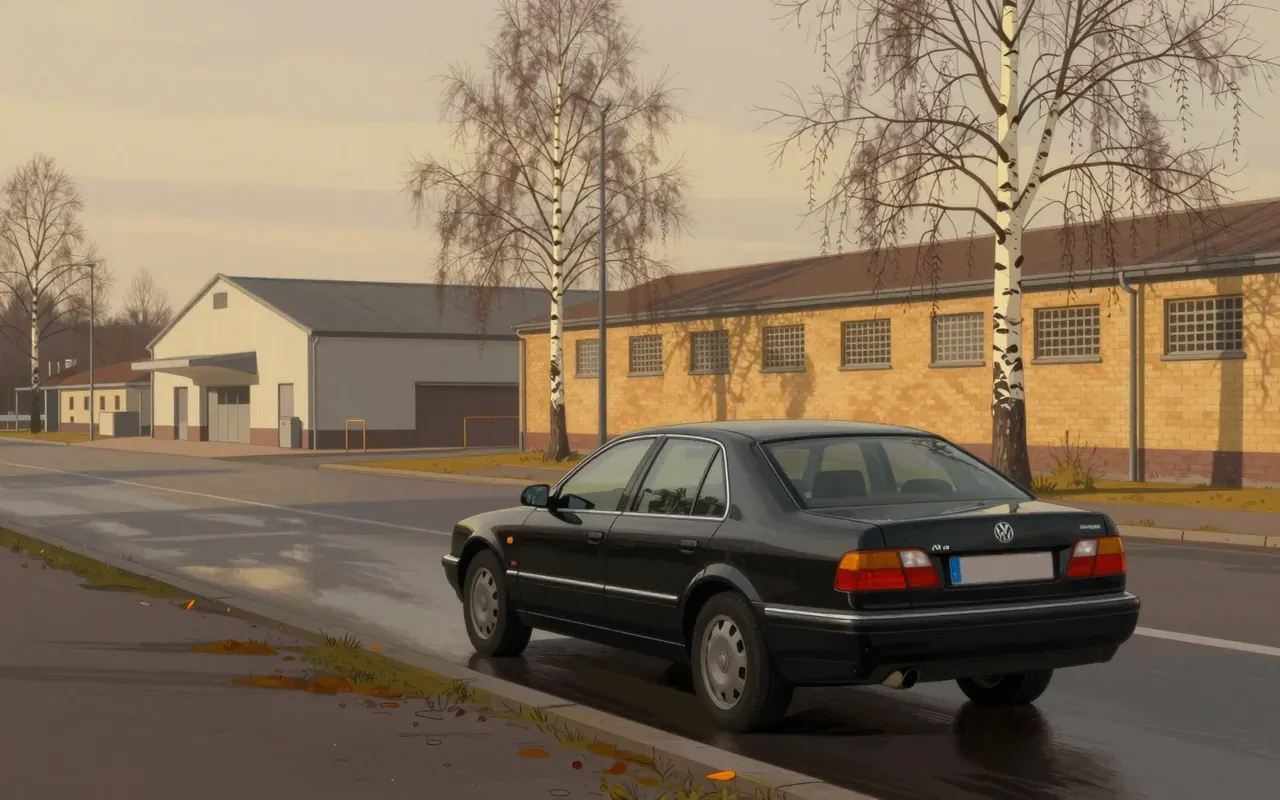
The Volkswagen Phaeton was a full-size saloon and Volkswagen’s ‘premium class’ vehicle. Introduced at the 2002 Geneva Motor Show, it was conceived by Ferdinand Piëch to surpass Mercedes-Benz and BMW in comfort and engineering excellence—not performance. It used a bespoke all-steel D1 platform shared with Bentleys, diverging from Audi’s aluminium A8. It featured radar adaptive cruise control, the first V10 TDI in a production sedan, and hand assembly at Dresden’s Transparent Factory. Sales in North America ended in 2006; global sales ended in 2016 after 84,253 units. Production ceased in March 2016.

10:16

Volkswagen XL1

Volkswagen Design · 2013

The Volkswagen XL1 is a two-seat, diesel-electric plug-in hybrid built to prove that extreme efficiency belongs on the road—not just in labs. It uses lightweight materials, a streamlined body, and an economy-optimised powertrain to achieve 0.9 L/100 km under NEDC when charged. Only 250 were made. It sells only in Europe. It starts at €111,000. Retail deliveries began in Germany in June 2014.

8:58

Volvo 480

John de Vries · 1986

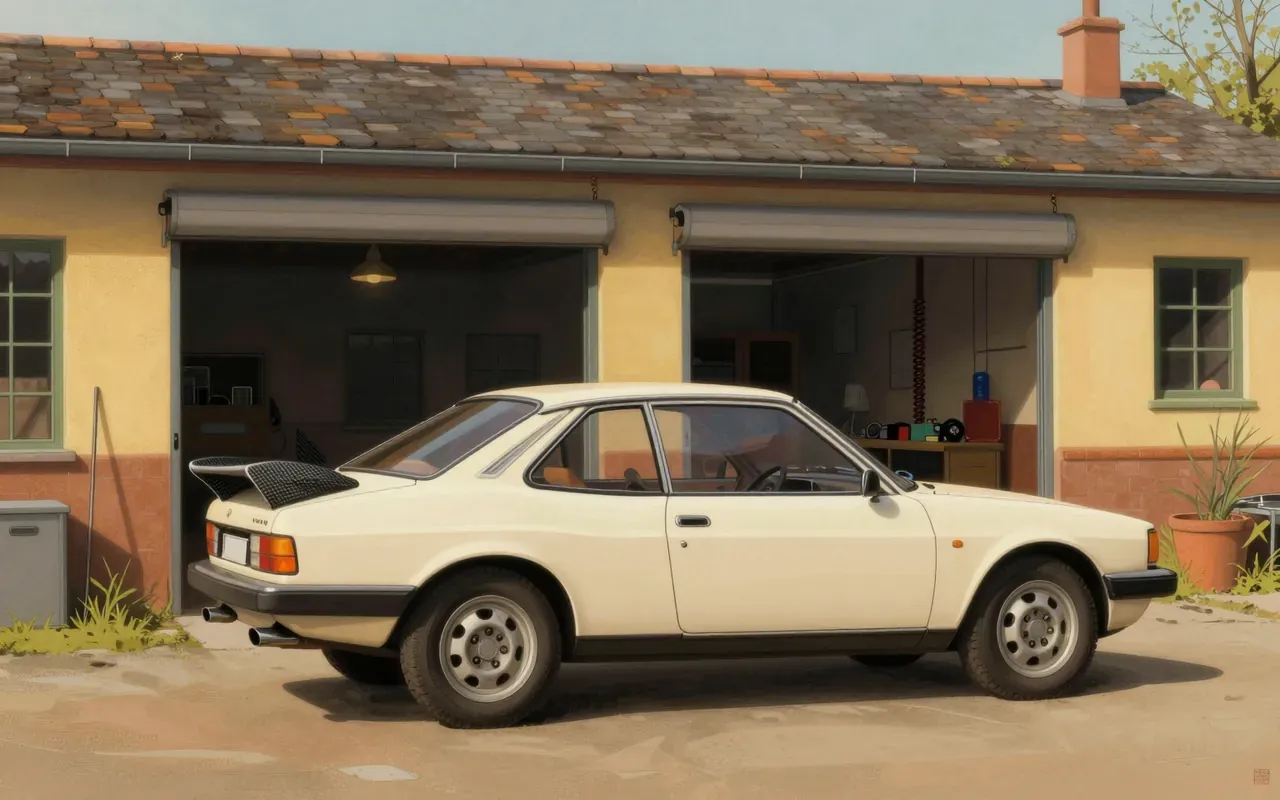
The Volvo 480 was Volvo’s first front-wheel drive car and the only one with pop-up headlights. Produced in Born, Netherlands, from 1986 to 1995, it was a three-door, four-seat hatchback coupé marketed in Europe. Its form fused liftback and estate cues. It was intended for the US as a 'sports wagon', but that plan was scrapped. It established Volvo’s move into compact, front-drive architecture — without sacrificing structural integrity or electronic innovation.

11:11

Volvo C30

Simon Lamarre · 2006

The Volvo C30 is a front-engine, front-wheel-drive premium compact hatchback produced from 2006 to 2013. It evolved from the SCC safety concept shown in 2001. It shares the Ford C1/Volvo P1 platform with the S40, V50 and C70. Volvo marketed it as both a premium hatchback and a sports coupe. Its rear styling and frameless glass rear hatch recall the P1800 ES and 480.

8:46

Wartburg 353

Hans Fleischer · 1966

The Wartburg 353 is a medium-sized family car from East German manufacturer AWE, launched in 1966 and built until 1988. Over a million units were produced. It uses a 1-litre, 3-cylinder two-stroke engine, front-wheel drive, and a transmission with a freewheel.

12:56

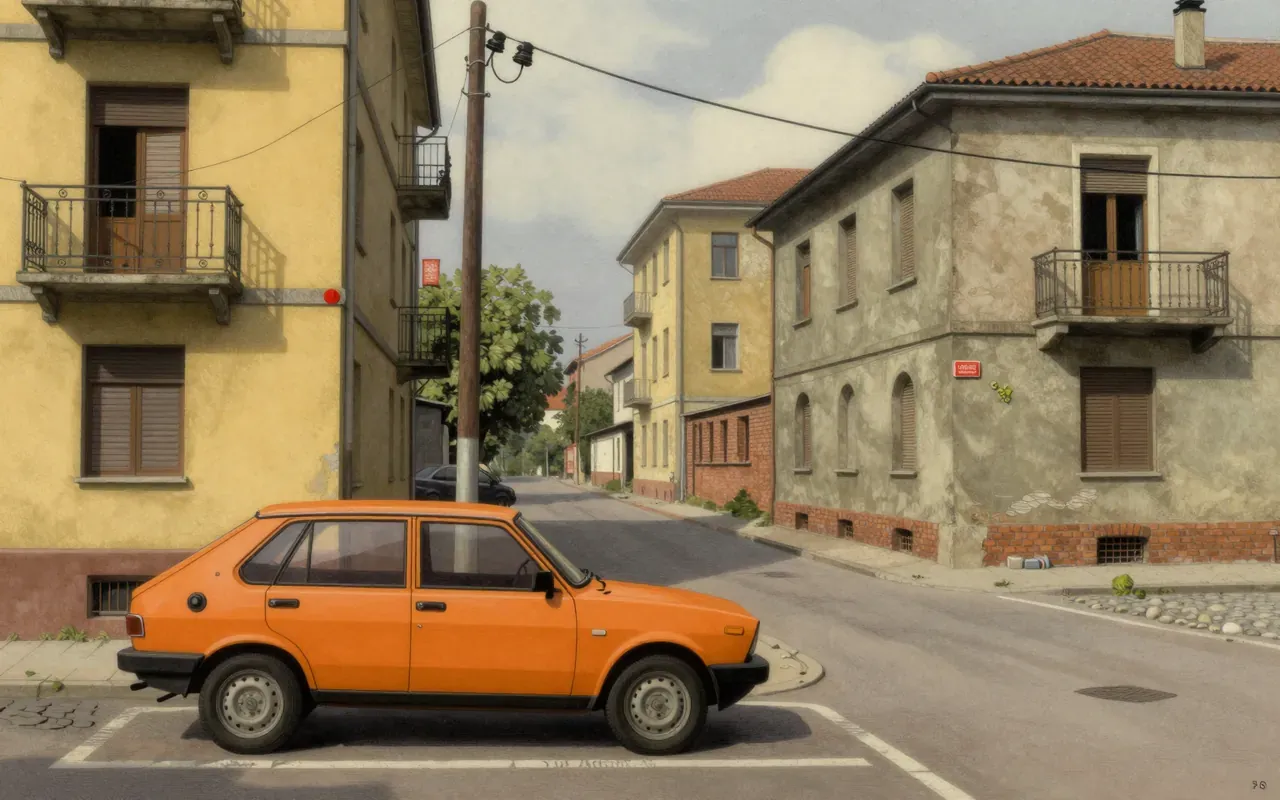
Yugo 45

Giorgetto Giugiaro · 1980

The Yugo is a subcompact hatchback manufactured by Zastava Automobiles from 1980 to 2008. It is a shortened variant of the Fiat 128. It was built in Kragujevac, Serbia, then part of Yugoslavia.

9:15

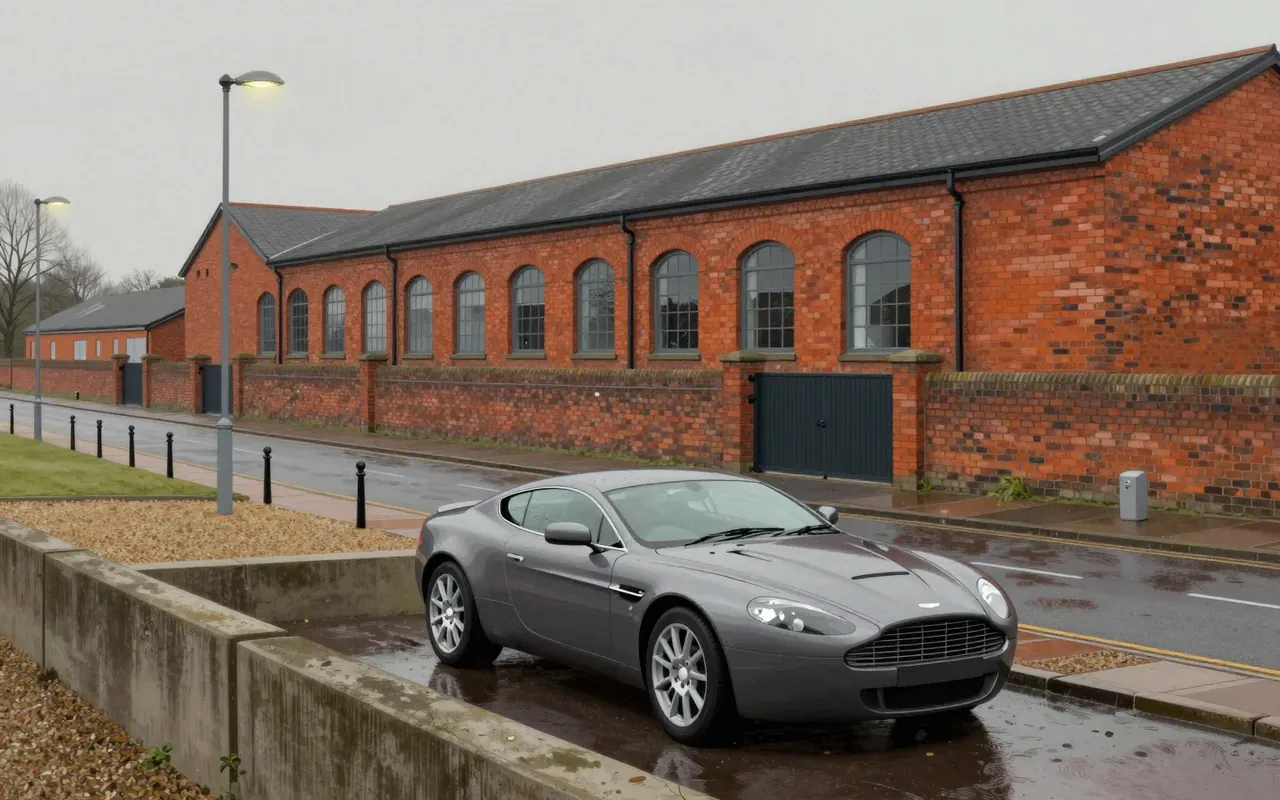
Aston Martin Bulldog

William Towns · 1979

A one-off 1979 concept built to show off Newport Pagnell—and chase a title it never claimed.

10:10

Chrysler Turbine Car

Elwood Engel · 1950

The Chrysler Turbine Car was an experimental two-door hardtop coupe designed by Elwood Engel and built by Chrysler with bodywork by Carrozzeria Ghia. It used the A-831 turbine engine, was produced in 55 units between 1963 and 1964, and featured power brakes, power steering, and a TorqueFlite transmission. All were finished in 'turbine bronze' paint.

9:37

Ford RS200

Ghia · 1984

The Ford RS200 is a purpose-built homologation special: mid-engined, all-wheel drive, plastic-fiberglass body by Ghia, built by Reliant in Shenstone to meet FIA Group B’s 200-unit rule. It exists only to enable a rally car—not as a design statement, luxury product, or road-going evolution.

8:59

General Motors Firebird

Harley Earl · 1953

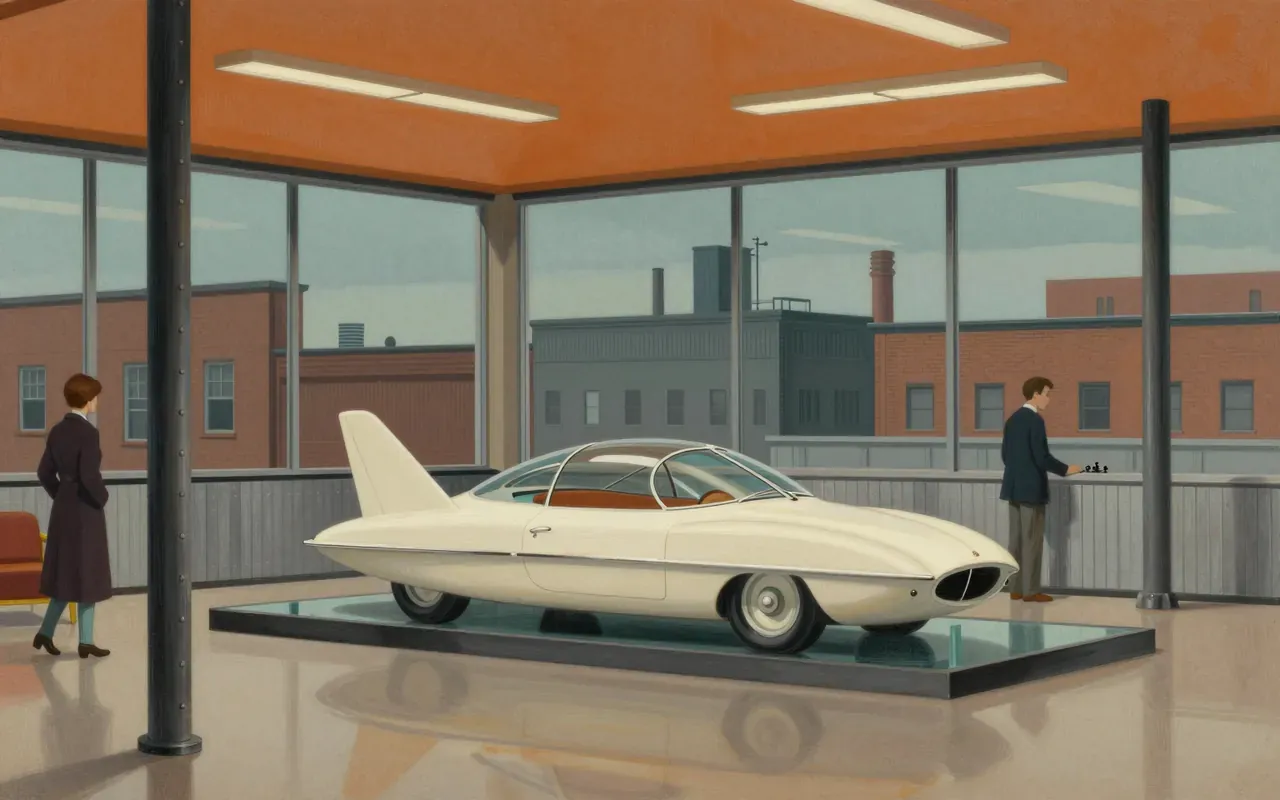
The Firebird I is a 1953 GM concept car designed by Harley Earl. It was the first gas turbine-powered car tested in the United States. It features a single-seat cockpit under a bubble canopy, a bullet-shaped fiberglass fuselage, short wings, and a vertical tail fin. It was built for the 1953 Motorama show. GM never intended it for production.

10:10

Honda CR-X

Honda · 1983

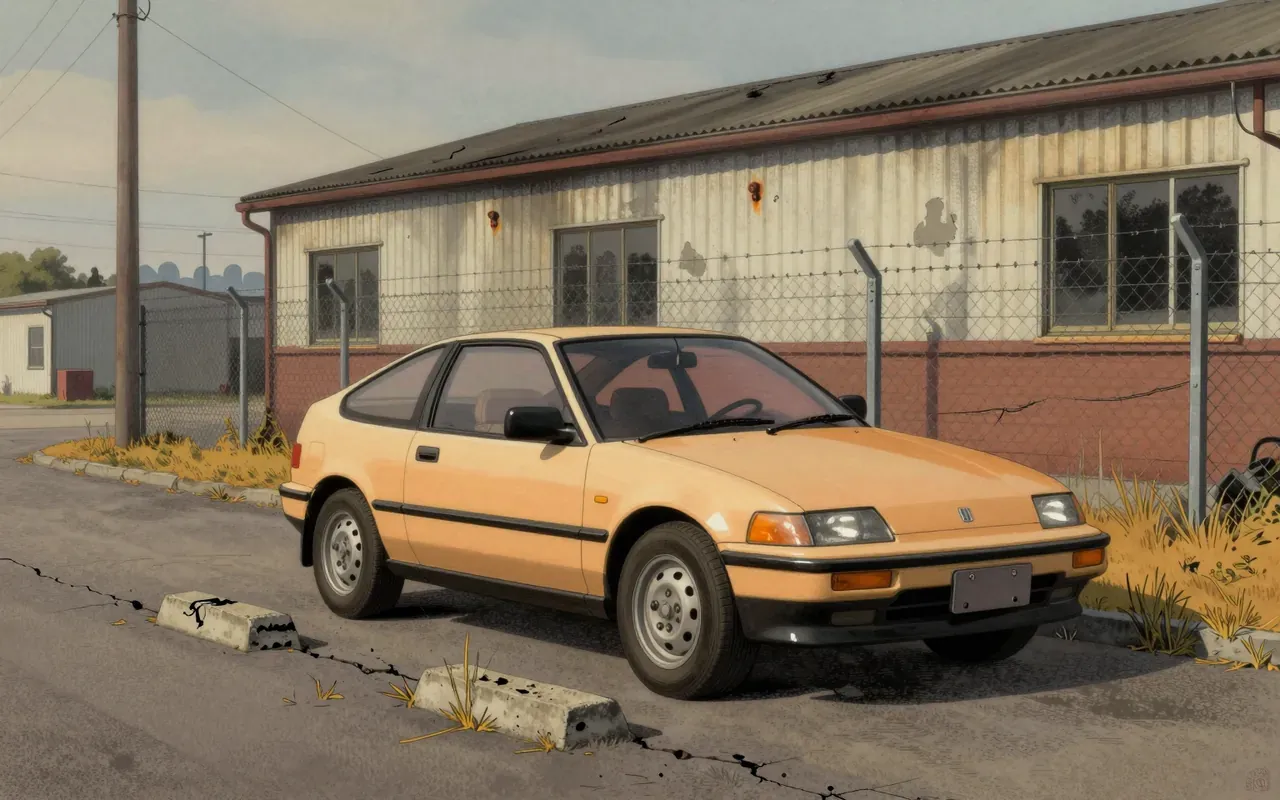
The Honda CR-X (1983) redefined what a compact front-wheel-drive car could do — not by adding power or luxury, but by removing mass and complication. It was never a sports car in form or intent. It was a Civic sharpened for feedback, visibility, and agility. Its global variations — two-seat in North America, 2+2 elsewhere — show Honda’s willingness to tailor packaging without fragmenting engineering. It changed expectations for economy cars: they could be fun to drive, not just efficient to own.

9:57

Koenigsegg CC8S

Christian von Koenigsegg · 2002

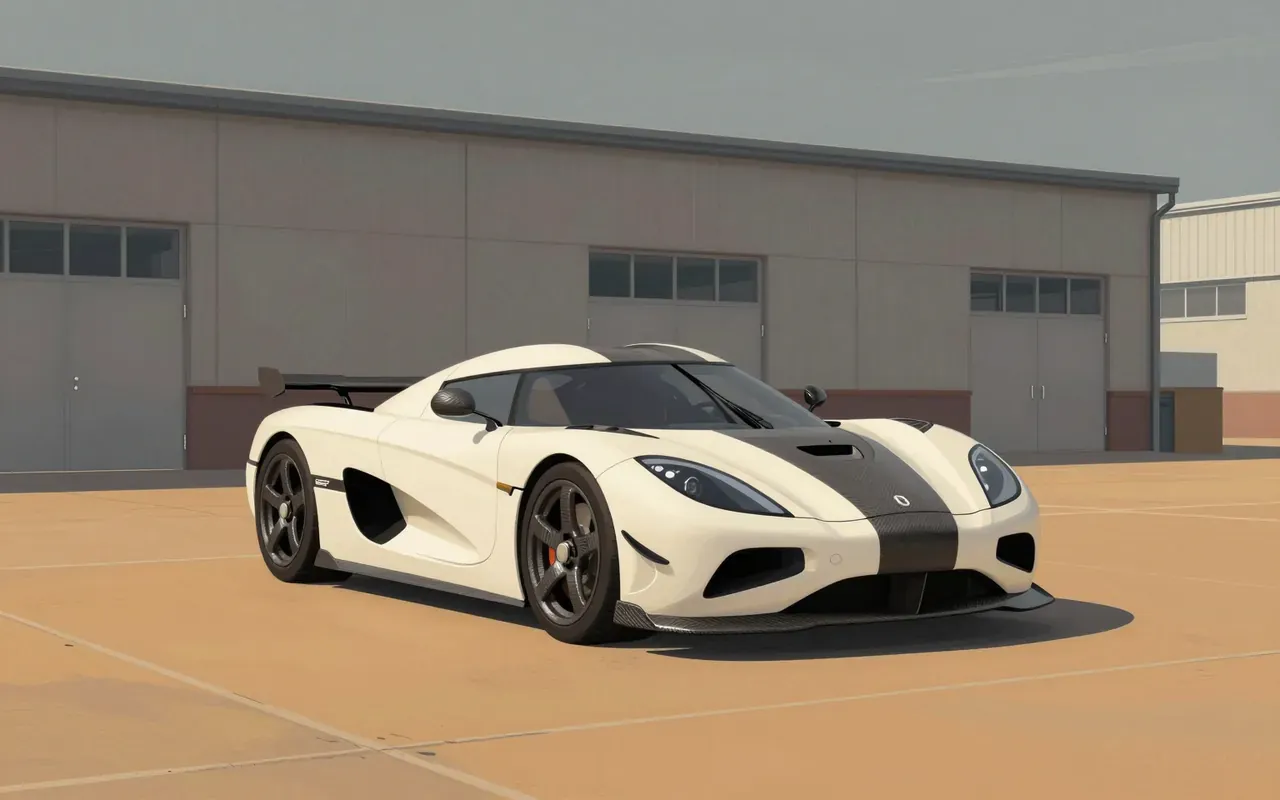
The CC8S is the first production car from Koenigsegg Automotive. It is a mid-engine, rear-wheel-drive targa top sports car built from 2002 to 2004 in six units. It introduced the dihedral synchro-helix doors and front-trunk roof stowage. It won the Guinness World Record for Most Powerful Production Engine and design awards from Red Dot and Utmärkt Svensk Form. It was developed from the CC prototype after eight years of research and development beginning in 1994. Chassis, suspension, brakes and other components were designed in-house. The pre-production car debuted at the 2000 Paris Auto Show. Its unique features include the front-trunk roof storage (unlike the Ferrari F50), the dihedral synchro-helix doors, and a central free-flowing exhaust based on the 'Rocket Cat Principle'. Christian von Koenigsegg and David Crafoord co-created the design concept.

9:19

Lucid Air

Derek Jenkins · 2021

The Lucid Air is a battery electric four-door luxury sedan, Lucid Motors' first production car, announced in December 2016 and launched in 2021. It highlights its record-setting EPA range (up to 520 miles for the Dream Edition), aerodynamic efficiency (Cd=0.21 pre-production, Cd=0.20 production), performance capabilities (e.g., 0–60 mph in 2.5 seconds, 235 mph top speed), and technical features including its 924-volt architecture, bidirectional charging, and DreamDrive ADAS with 32 sensors. The Air Pure, Touring, Grand Touring, and Dream Edition trims are detailed, along with battery capacities (88–112 kWh), power outputs (430–1,111 hp), and production milestones including commencement in late 2021 and deliveries beginning October 30, 2021. Design leadership is attributed to Derek Jenkins, and the vehicle is positioned against the Tesla Model S and German luxury models.
9:14

Mitsubishi Galant VR-4

Mitsubishi · 1987

The Galant VR-4 is Mitsubishi’s first high-performance all-wheel-drive sedan, developed for Group A rallying and launched in 1987. It introduced the Dynamic Four AWC system — a full-time four-wheel drive setup with viscous coupling, plus four-wheel steering and four-wheel ABS. It was sold globally to meet homologation requirements, including 2,000 units in the US in 1991 and 1,000 in 1992. Later generations added liftback (Eterna ZR-4) and station wagon (Legnum) variants. The eighth generation was initially JDM-only but gained overseas cult status via grey imports. In 2000, Ralliart officially imported 200 units to the UK. Production ended in 2002 due to revised Japanese emissions standards.

7:56

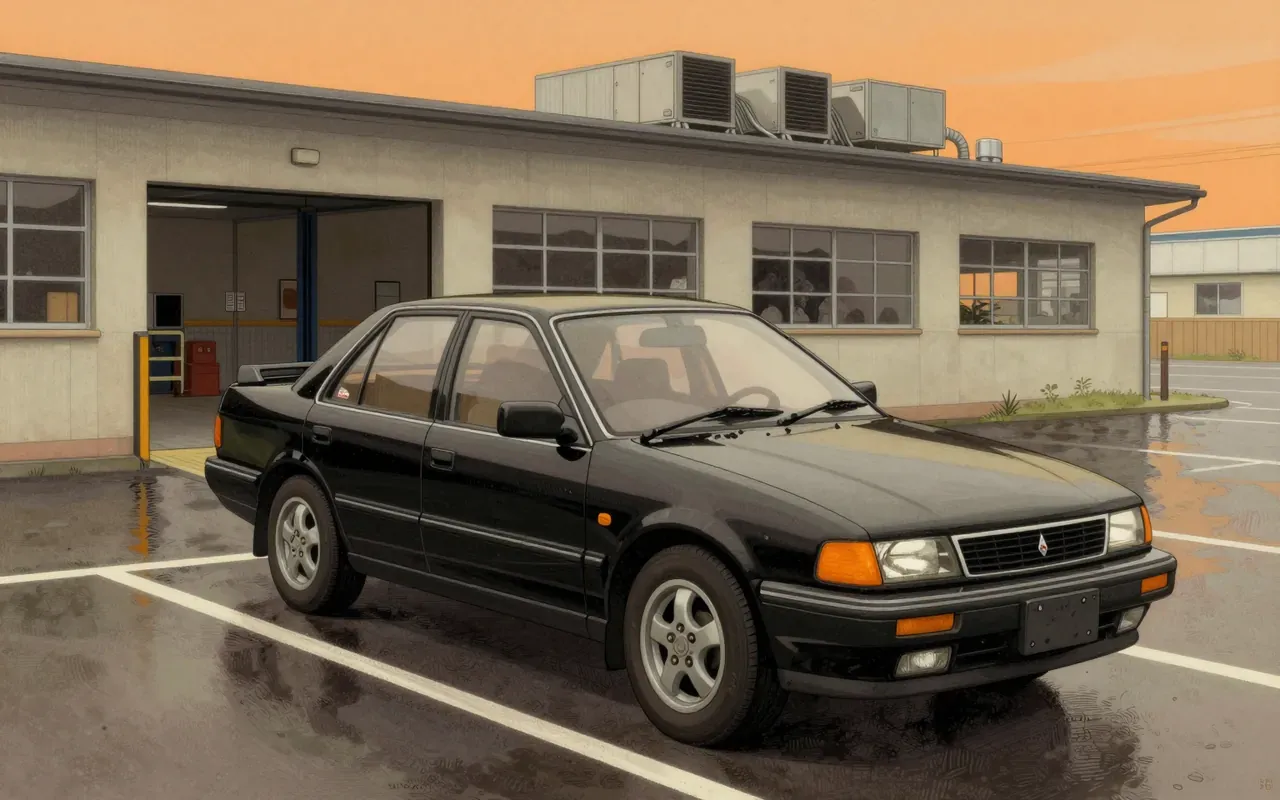
Mitsubishi Lancer Evolution

Mitsubishi · 1999

The Mitsubishi Lancer Evolution is a rally-bred sports sedan built on the Lancer platform. Ten generations were produced from 1992 to 2016. All used a two-litre intercooled turbo inline-four engine and all-wheel drive. It launched in Japan only, then reached the UK and Europe around 1997 via Ralliart dealers—starting with the Evolution IV.

10:11

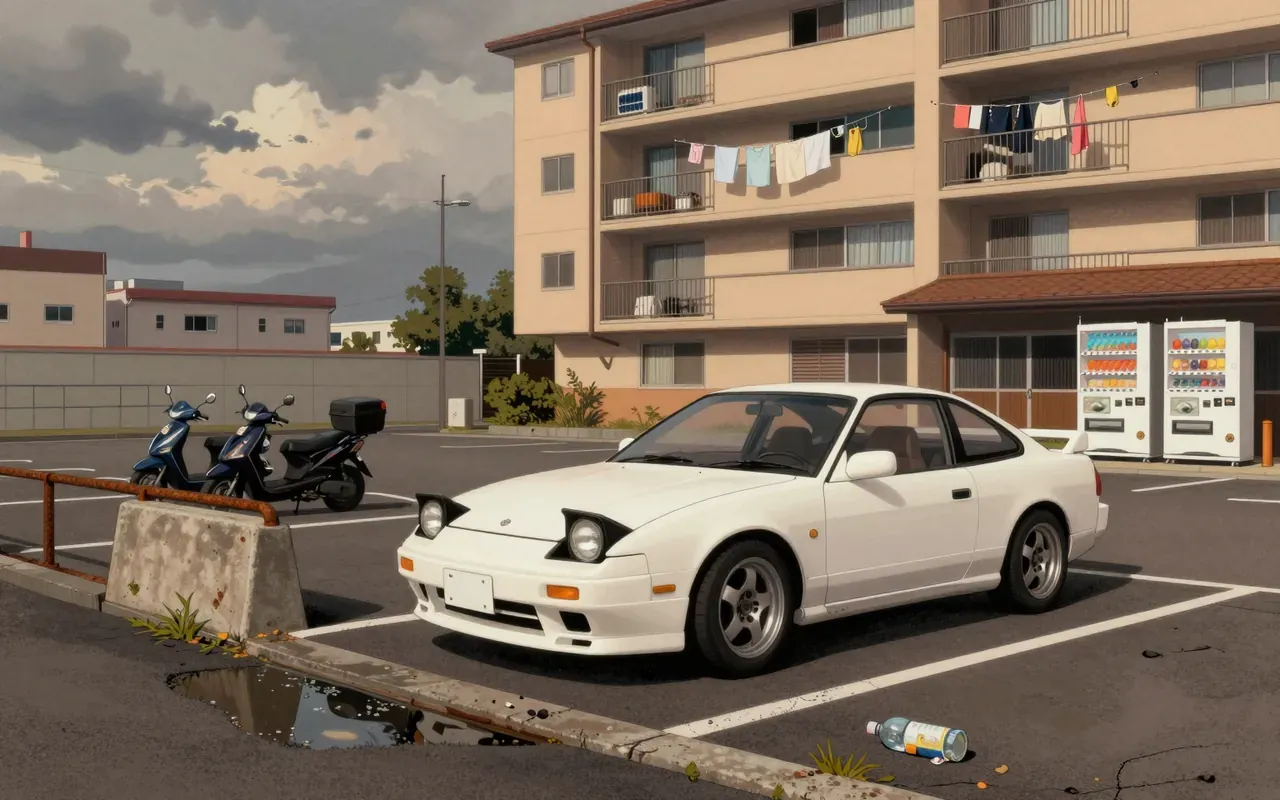
Nissan 180SX

Nissan · 1989

The Nissan 180SX is a Japanese-market fastback built from 1988 to 1998 on the S13 platform. It featured pop-up headlights and a liftgate. It launched in March 1989 and was sold exclusively through Nissan Prince Stores alongside the Skyline and Silvia. It used the CA18DET turbo engine initially, then upgraded to the SR20DET in 1991 and added the SR20DE in 1996.

10:59

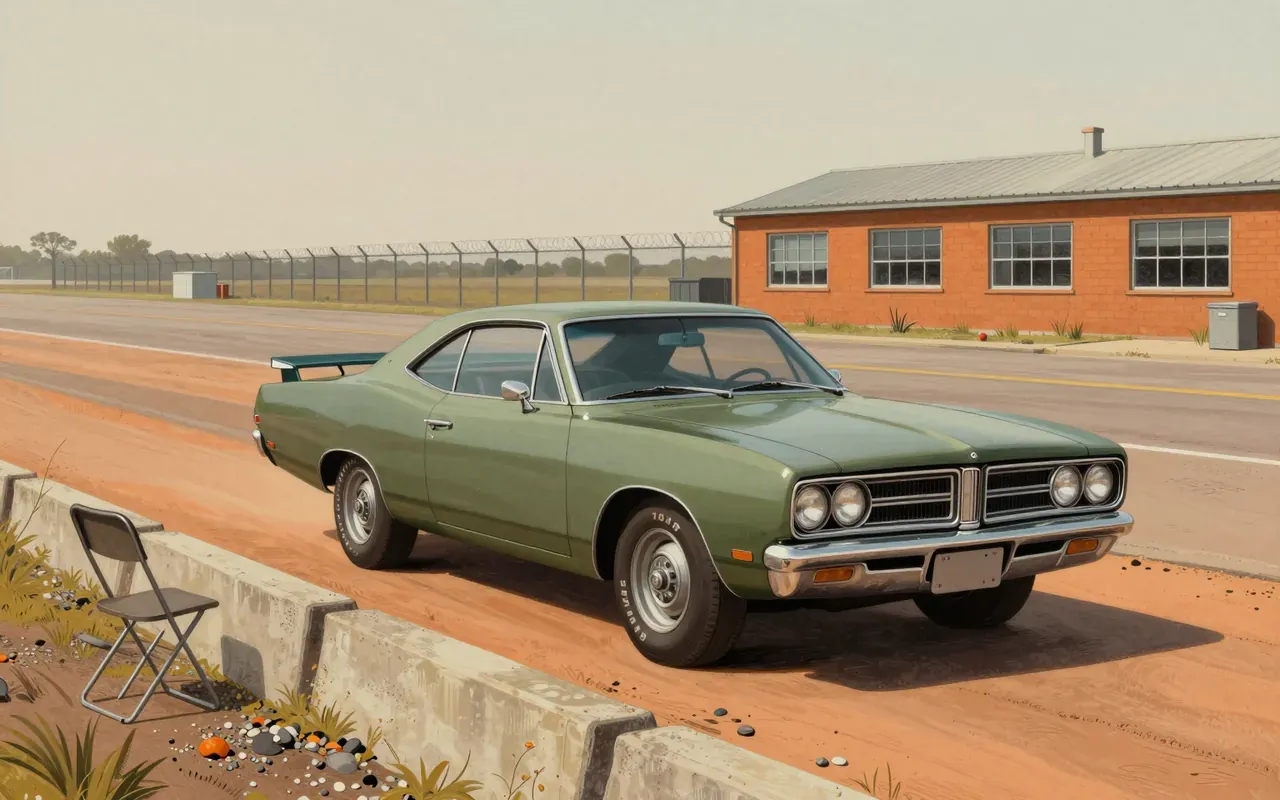
Plymouth Superbird

Chrysler Engineering · 1970

The Plymouth Superbird is a 1970-only, NASCAR-focused, aerodynamically enhanced variant of the Plymouth Road Runner, developed as Plymouth's response to the 1969 Dodge Charger Daytona and designed to lure Richard Petty back from Ford; it featured a distinctive nosecone, high rear wing, and 'beep, beep' horn, with three engine options — most notably the rare 426 Hemi — and was built in limited numbers (around 1,935 units) to meet NASCAR homologation rules.

10:45

Proton Saga

Mitsubishi · 1985

The Proton Saga is a foundational Malaysian car—not a technical benchmark, but a political and industrial one.

9:26

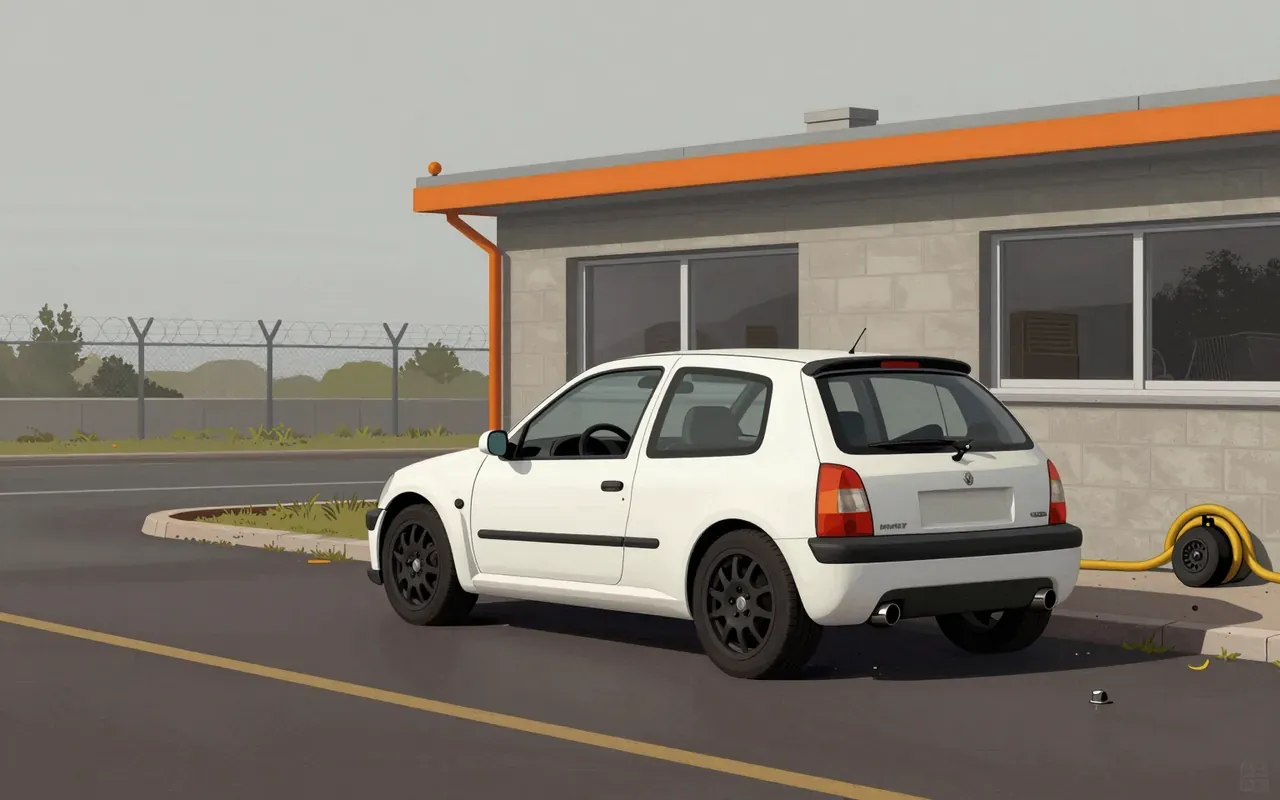
Renault Clio V6 RS

Renault Sport · 2001

The Renault Clio V6 RS is a radical departure from the hot hatch formula: mid-engined, rear-wheel drive, hand-built, and deliberately impractical. It exists as a mechanical argument—against front-drive orthodoxy, against shared-platform economics, against the idea that a ‘hatch’ must behave like one. Its legacy is not volume or versatility, but velocity of idea.

8:58

Saleen S7

Phil Frank · 2000

The Saleen S7 is an American hand-built, high-performance sports car. It debuted on August 19, 2000, at the Monterey Historic Races. It was the first fully proprietary car produced by Saleen. Phil Frank contributed the body and interior CAD design and development. Its all-aluminium engine is a bored-and-stroked derivative of Ford's 351 Windsor small block with Cleveland-style canted valve heads. It is not based on the FE big-block. It produces 550 hp (410 kW) at 6,400 rpm.

9:26

Volkswagen W12

Giorgetto Giugiaro · 1997

The Volkswagen W12 was a series of five mid-engined concept cars developed by Volkswagen Passenger Cars between 1997 and 2001 in collaboration with Italdesign and Giorgetto Giugiaro, featuring a 5.6 L W12 engine and designed to showcase Volkswagen Group's supercar and high-performance engine capabilities; variants included the W12 Syncro Coupé (AWD), W12 Roadster (RWD), and W12 Nardò Coupé/Record Car (high-speed variant), with the latter setting a 24-hour endurance speed record at the Nardò Ring in 2002.

11:37

AC Cobra

AC Cars · 1962

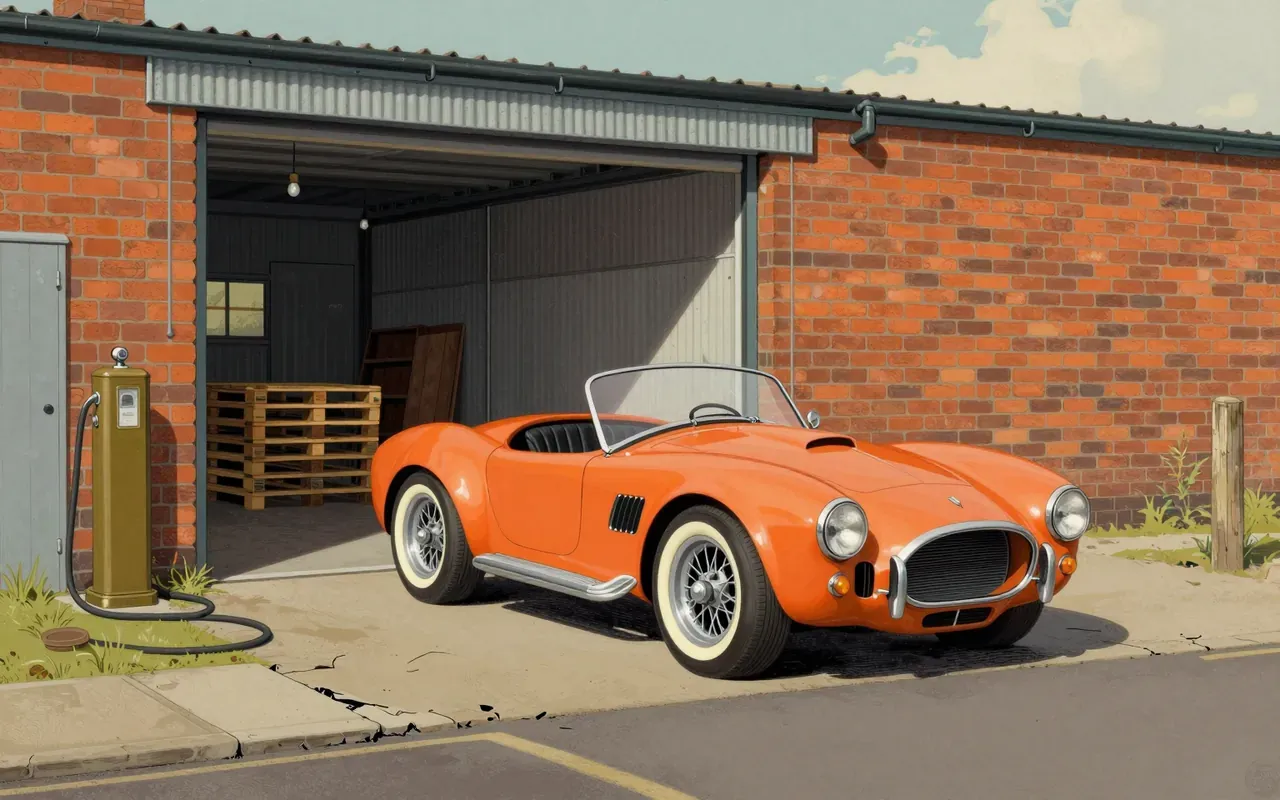
The AC Cobra is a British-built sports roadster developed from the AC Ace, modified to accept Ford V8 engines, produced from 1962 to 1967 in the UK and US, with evolving chassis and suspension designs across Mk I–III iterations, and powered by various displacements of Ford V8 engines — notably the 4.3 L, 4.7 L, and 7.0 L variants.

10:57

Alfa Romeo 156

Walter de Silva · 1997

The Alfa Romeo 156 is a compact executive car introduced at the 1997 Frankfurt Motor Show to replace the 155. Designed by Walter de Silva, it won the 1998 European Car of the Year award. It was produced from 1996 to 2007 in saloon, Sportwagon, and Crosswagon bodystyles. Assembly occurred in Pomigliano d'Arco, Italy and Rayong, Thailand. 673,435 units were built.

11:01

Alfa Romeo 33 Stradale

Franco Scaglione · 1967

The Alfa Romeo 33 Stradale is a mid-engine sports car derived from the Tipo 33 racing prototype, designed by Franco Scaglione and built by Carrozzeria Marazzi. Eighteen units were produced between 1967 and 1969. It featured a 2.0 L V8 engine and was the fastest commercially available car for the standing kilometer upon its introduction.

9:33

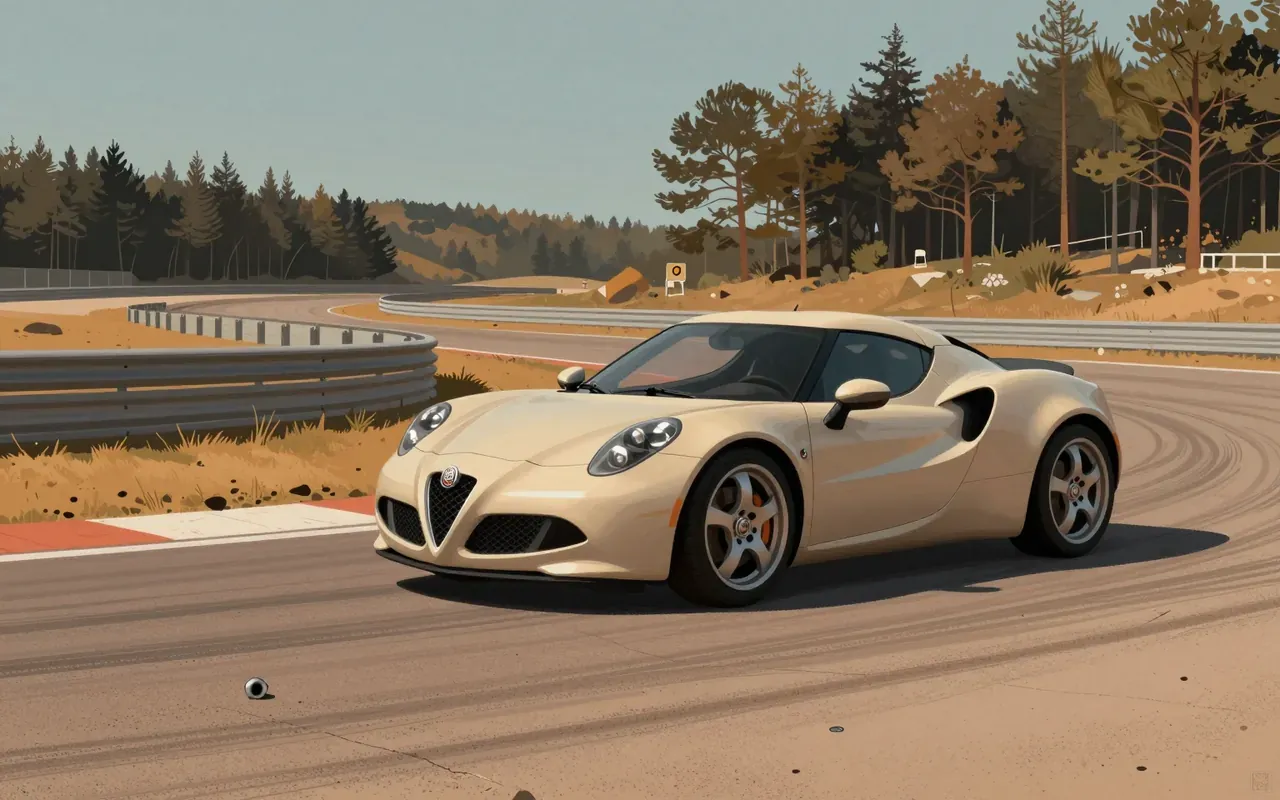
Alfa Romeo 4C

Marco Tencone · 2013

The Alfa Romeo 4C is a focused, uncompromising expression of mid-engined sports car logic—light, stiff, direct. It sacrifices isolation and utility to sharpen the connection between driver and road. Its design solves for feedback, not comfort.

9:27

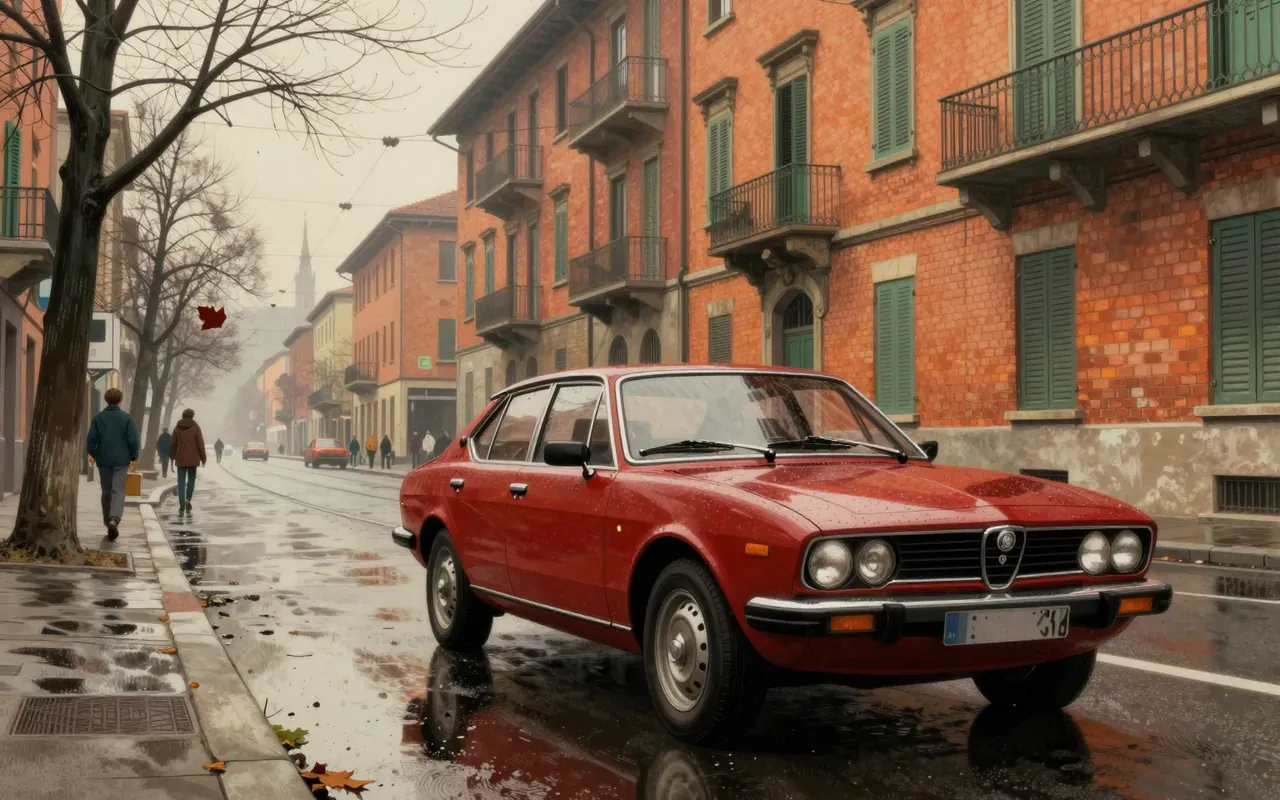
Alfa Romeo 75

Ermanno Cressoni · 1985

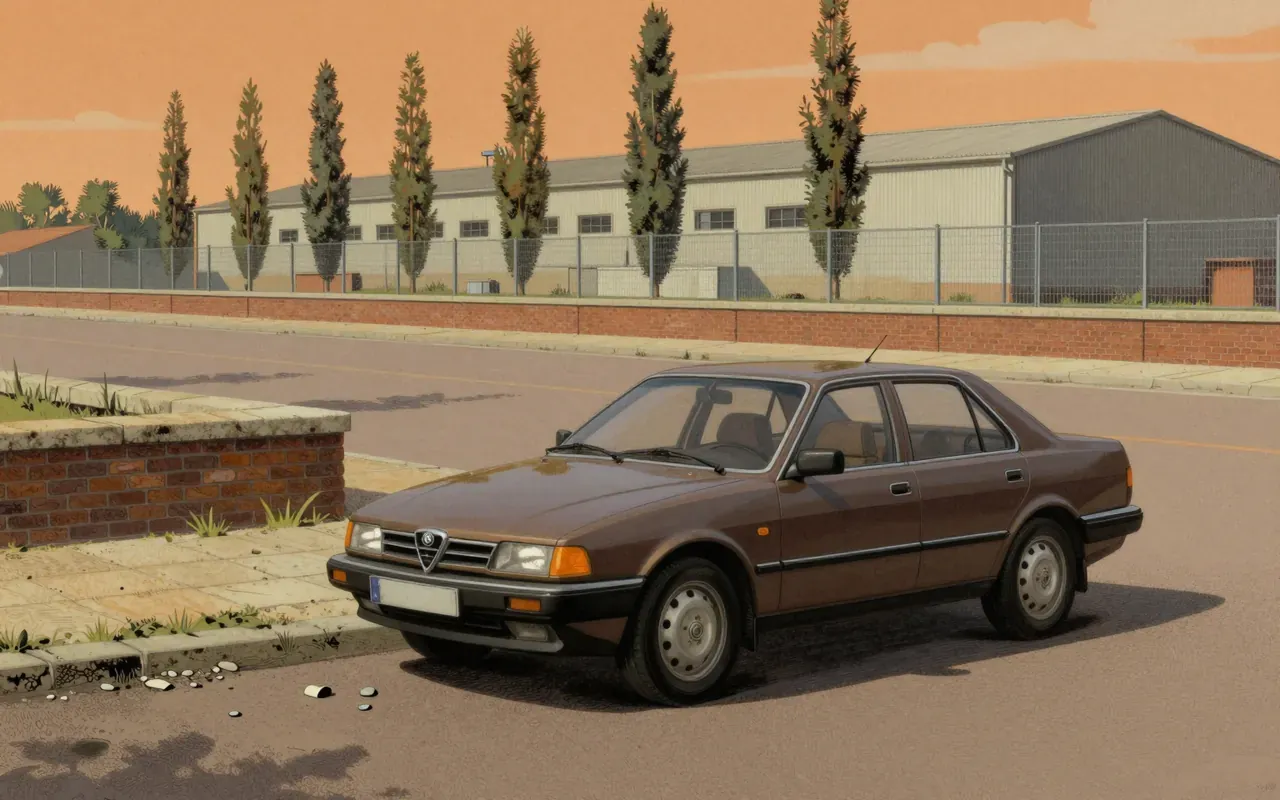
The Alfa Romeo 75 is a compact executive saloon produced between 1985 and 1992. Designed by Ermanno Cressoni, it features a striking wedge shape and a transaxle layout that achieves near-perfect front-to-rear balance. Its suspension combines torsion bars at the front with a de Dion tube at the rear, and rear brake discs are located centrally near the gearbox-differential group. A prototype estate was shown in 1986 but never entered production.

9:59

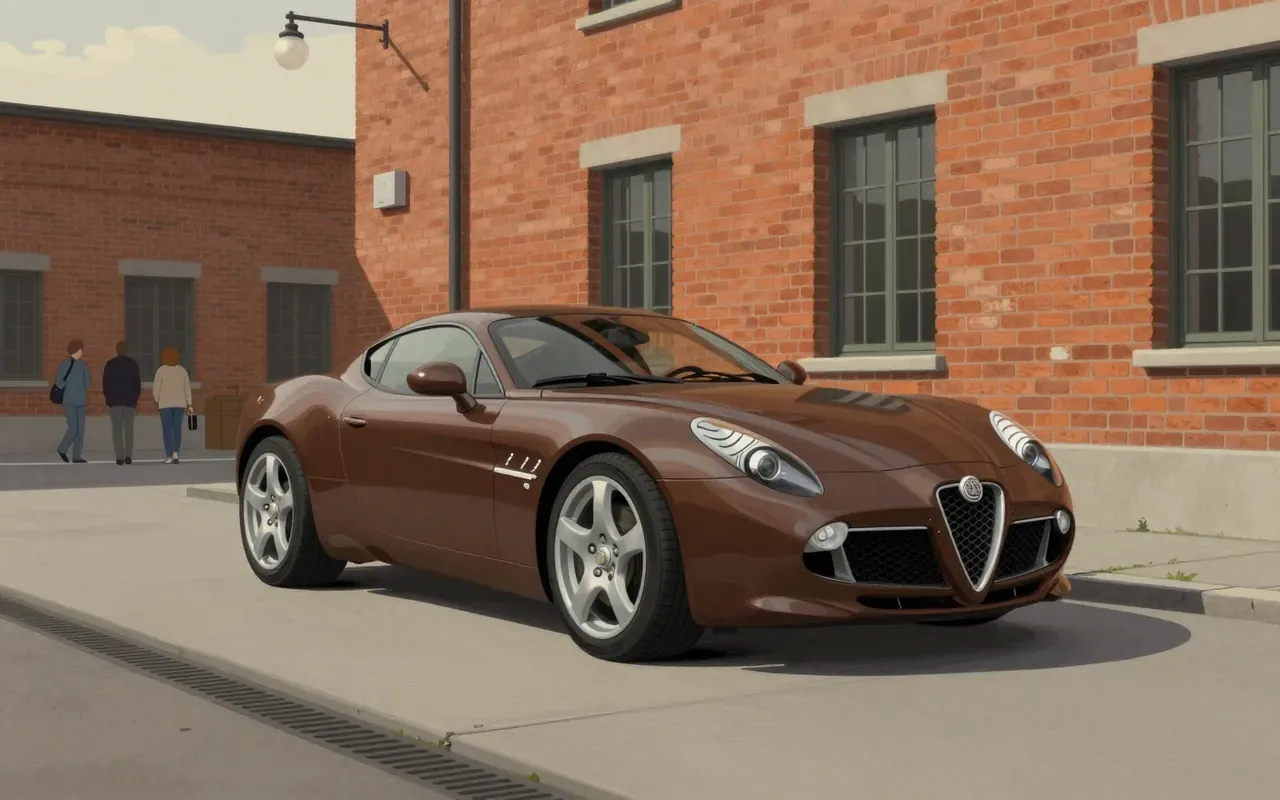
Alfa Romeo 8C Competizione

Wolfgang Egger · 2007

The Alfa Romeo 8C Competizione is a limited-production sports car developed by Alfa Romeo between 2007 and 2010. It was first shown as a concept at the 2003 Frankfurt Motor Show. Its name refers to its eight-cylinder engine and Alfa Romeo's racing pedigree. Maserati engineers created the production version using components from both Maserati and Ferrari. Development proceeded in parallel with the GranTurismo, and production coincided with the global crisis. Over 1,400 orders were received, but only 500 coupés and 329 spiders were delivered. It was designed by Wolfgang Egger and Daniele Gaglione at Centro Stile Alfa Romeo, echoing styling from Alfa Romeo automobiles of the 1950s and 1960s.

11:34

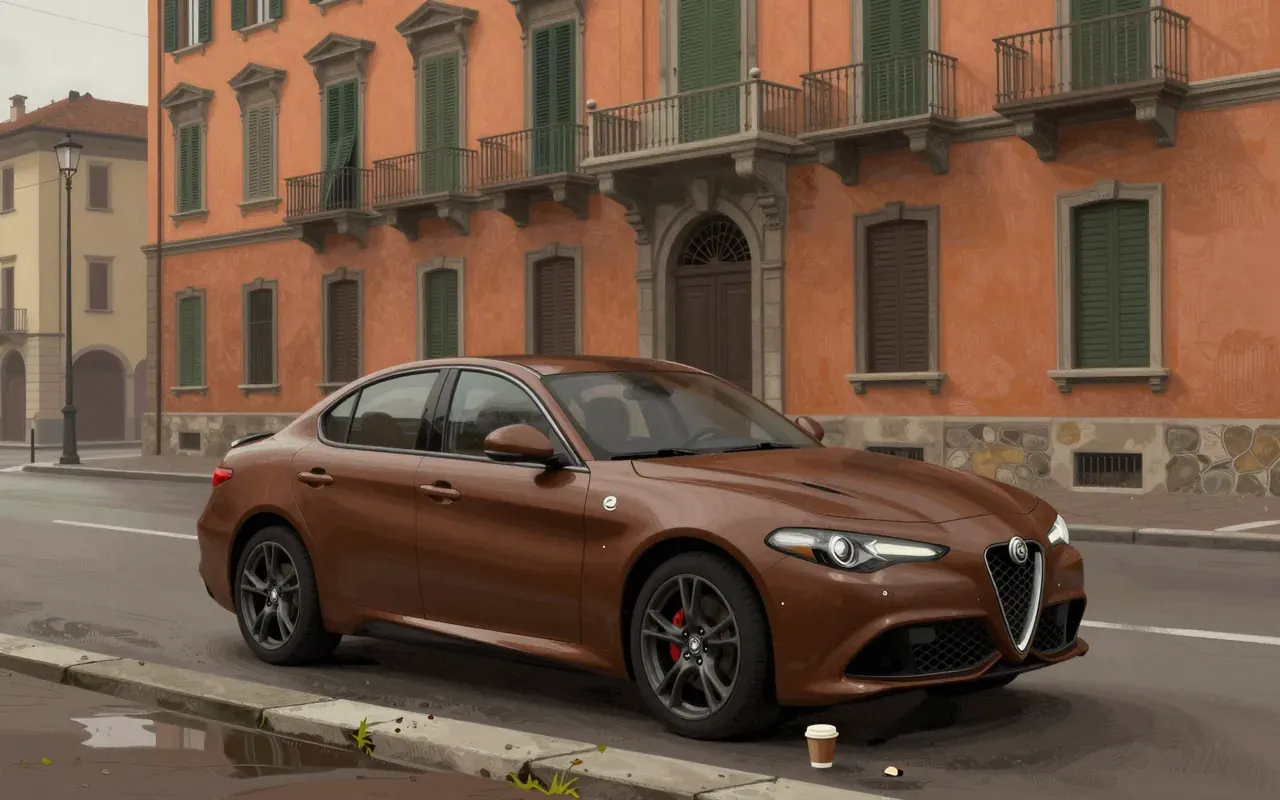
Alfa Romeo Giulia (2015)

Marco Tencone · 2015

The Alfa Romeo Giulia (2015) is a compact executive saloon. It marks Alfa Romeo’s return to the saloon segment after 2011 and to longitudinal rear-wheel drive after 1992. It uses a front-engine, rear-wheel-drive layout targeting 50/50 weight distribution. Unveiled 24 June 2015, it entered production on 19 April 2016 at FCA Italy’s Cassino Plant. It is the first model in Alfa Romeo’s €5 billion relaunch plan.

9:36

Alfa Romeo Spider

Pininfarina · 1955

The Alfa Romeo Spider (1955) was the first vehicle Pininfarina produced in large numbers. Designed and assembled by Pininfarina in Grugliasco, it was a front-engined, rear-drive roadster that launched in 1958 with 1,025 units and scaled to over 4,000 in 1959. It remained in production across four series until April 1993. Its success cemented Pininfarina’s role as Alfa Romeo’s long-term Spider partner—and proved coachbuilding could be industrial.

10:00

Alfa Romeo Montreal

Marcello Gandini · 1970

The Alfa Romeo Montreal is a Gandini-designed 2+2 coupe that began as a 1967 concept at Expo 67 in Montreal and entered production from 1970 to 1977. Its 2,593 cc 90° V8 engine was bespoke, dry-sump, cross-plane, and SPICA-injected—producing around 200 PS—but shared its chassis and suspension with the Giulia GTV. It embodies Gandini’s priority on vehicle architecture over styling, and its 3,917-unit production run reflects its status as a limited-series production car, not a prototype or coachbuilt one.

10:45

Alfa Romeo SZ

Robert Opron · 1989

The Alfa Romeo SZ is a high-performance limited-production sports car built from 1989 to 1991 by a partnership between Centro Stile Zagato, Centro Stile Alfa Romeo and Centro Stile Fiat.

8:48

AMC AMX

Dick Teague · 1968

The AMC AMX is a two-seat GT-style muscle car produced by American Motors Corporation from 1968 through 1970. It was one of only two American-built two-seaters and competed directly with the Chevrolet Corvette at a significantly lower price. Based on the Javelin but with a shorter wheelbase and no rear seat, it was styled as a coupe with fixed rear quarter windows. It featured AMC V8 engines in 290, 343, or 390 cubic inch displacements. After three model years, the two-seat version was discontinued, though the AMX name continued on high-performance Javelin models. Its name originated from the 'American Motors experimental' designation used on 1966 concept vehicles.
11:58

AMC Pacer

Dick Teague · 1975

The AMC Pacer is a design document in motion: a cab-forward, wide-small compact that prioritised interior volume and visibility over mechanical convention or market realism. It succeeded as a statement of spatial logic—not as a viable economy car.
10:24

Aston Martin DB4

Touring · 1958

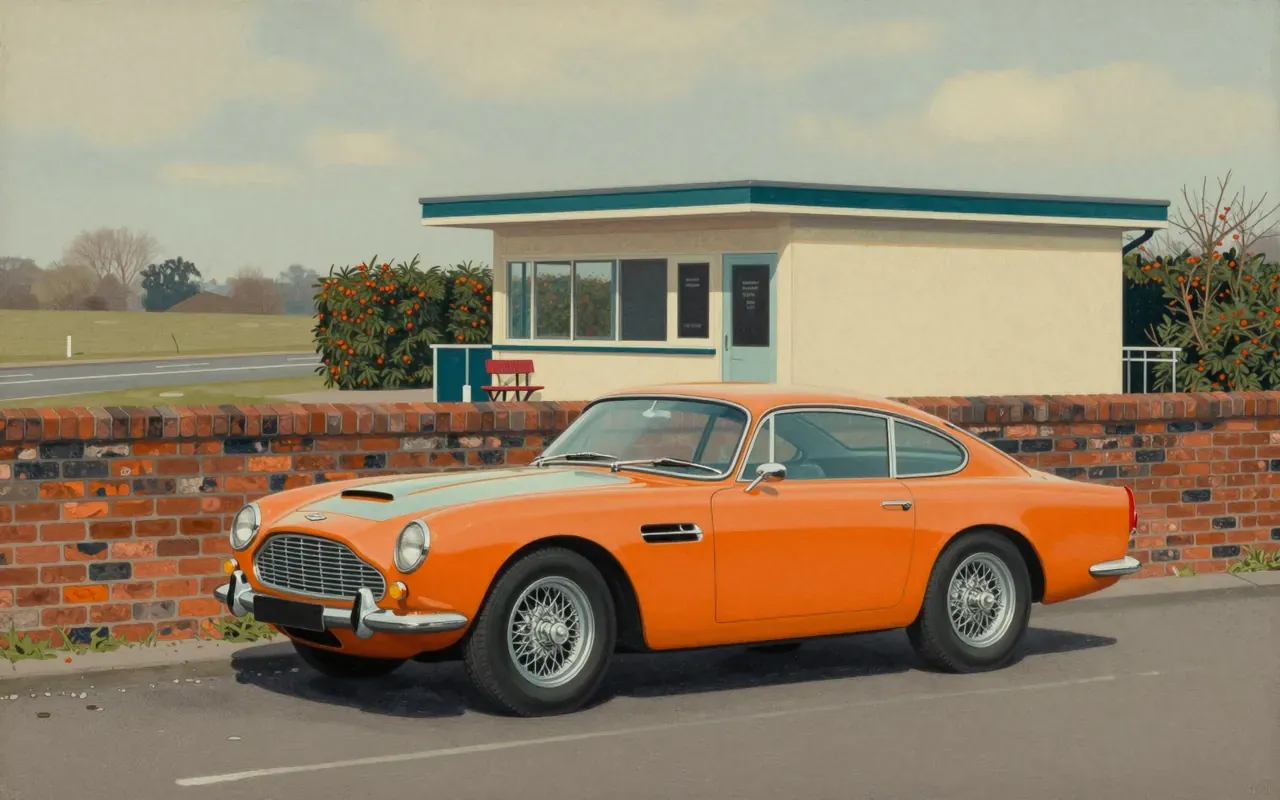
The DB4 is a grand tourer designed by Carrozzeria Touring, built at Newport Pagnell, and powered by a Tadek Marek–designed 3.7 L DOHC straight-6. It features servo-assisted disc brakes, independent front suspension with rack-and-pinion steering, and a live rear axle with Watt's linkage. Its design influenced later models including the DB4 GT Zagato and Lagonda Rapide. Technically distinct from both predecessor and successor, it was produced from 1958 to 1963.

9:43

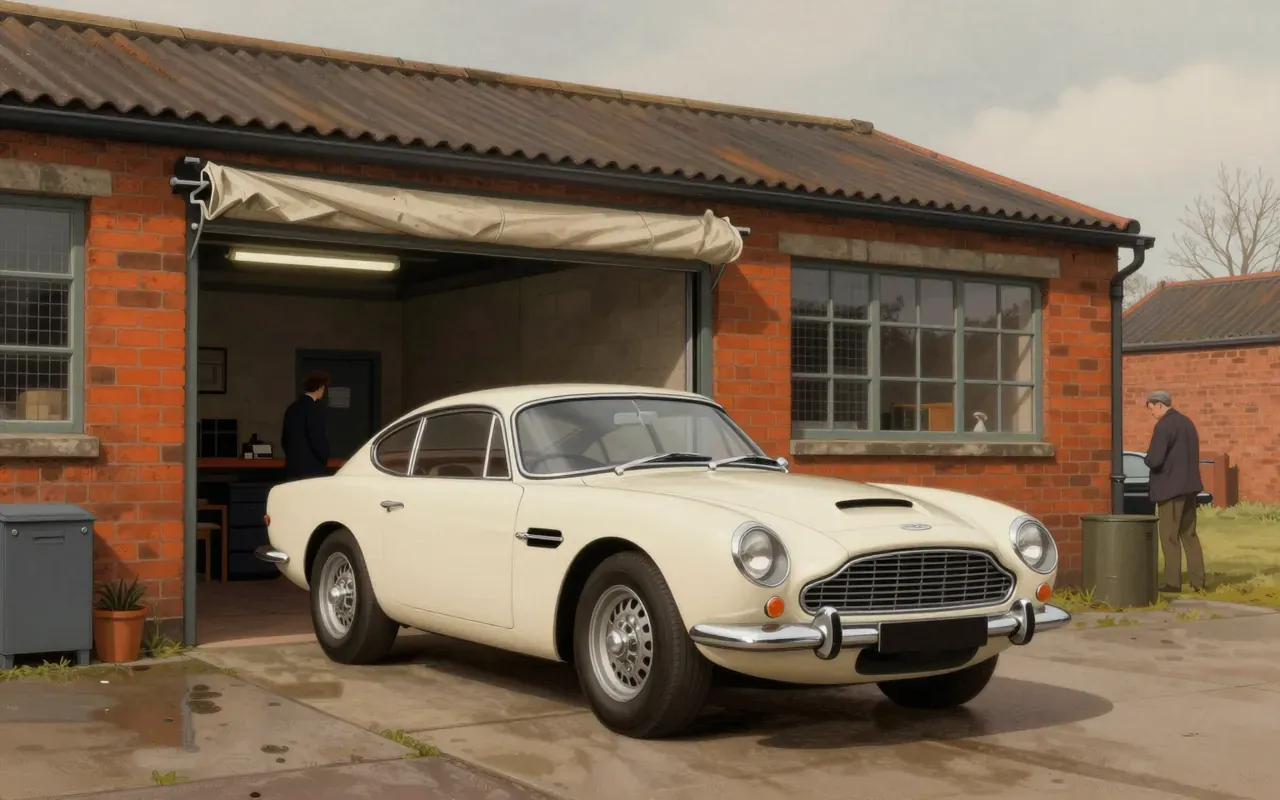
Aston Martin DB5

Touring · 1963

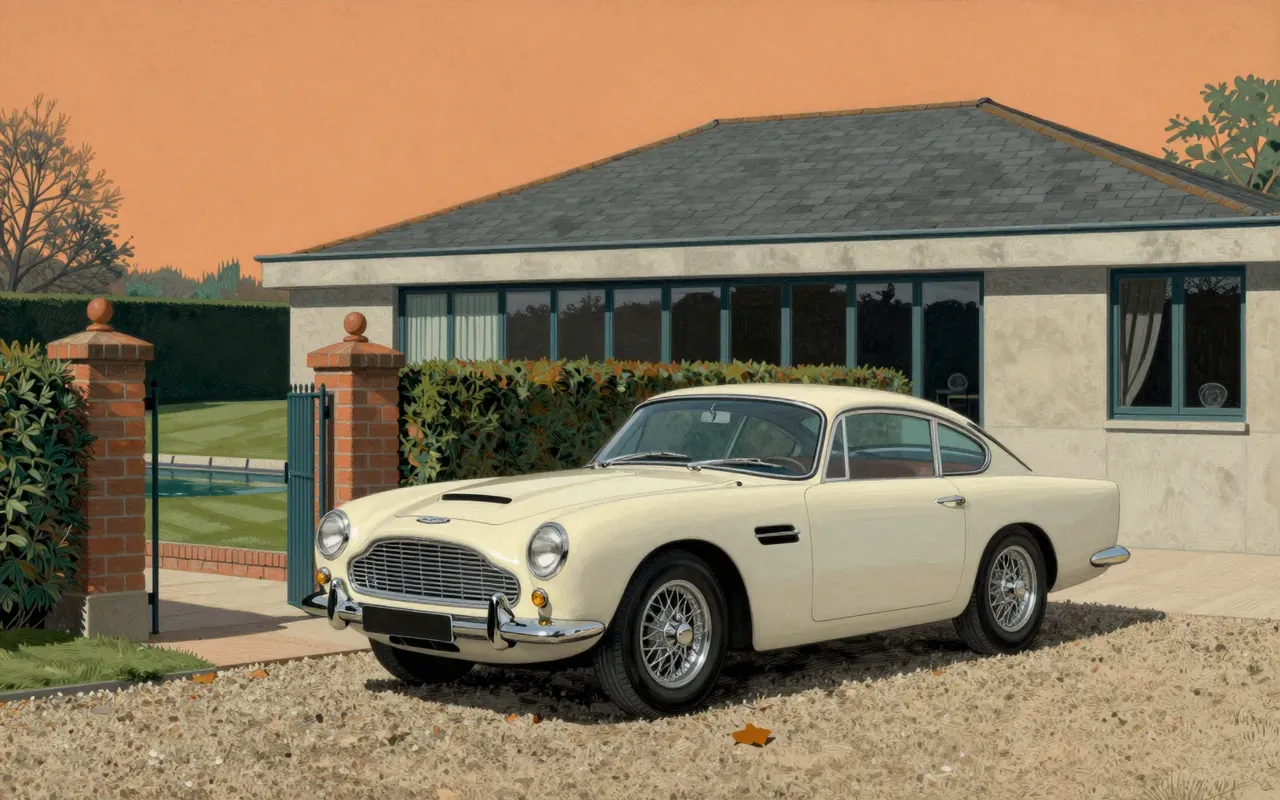
The DB5 is a tightly specified British grand tourer, designed by Touring, built by Aston Martin, and defined by disciplined evolution — not revolution.

10:03

Aston Martin DB6

Touring · 1965

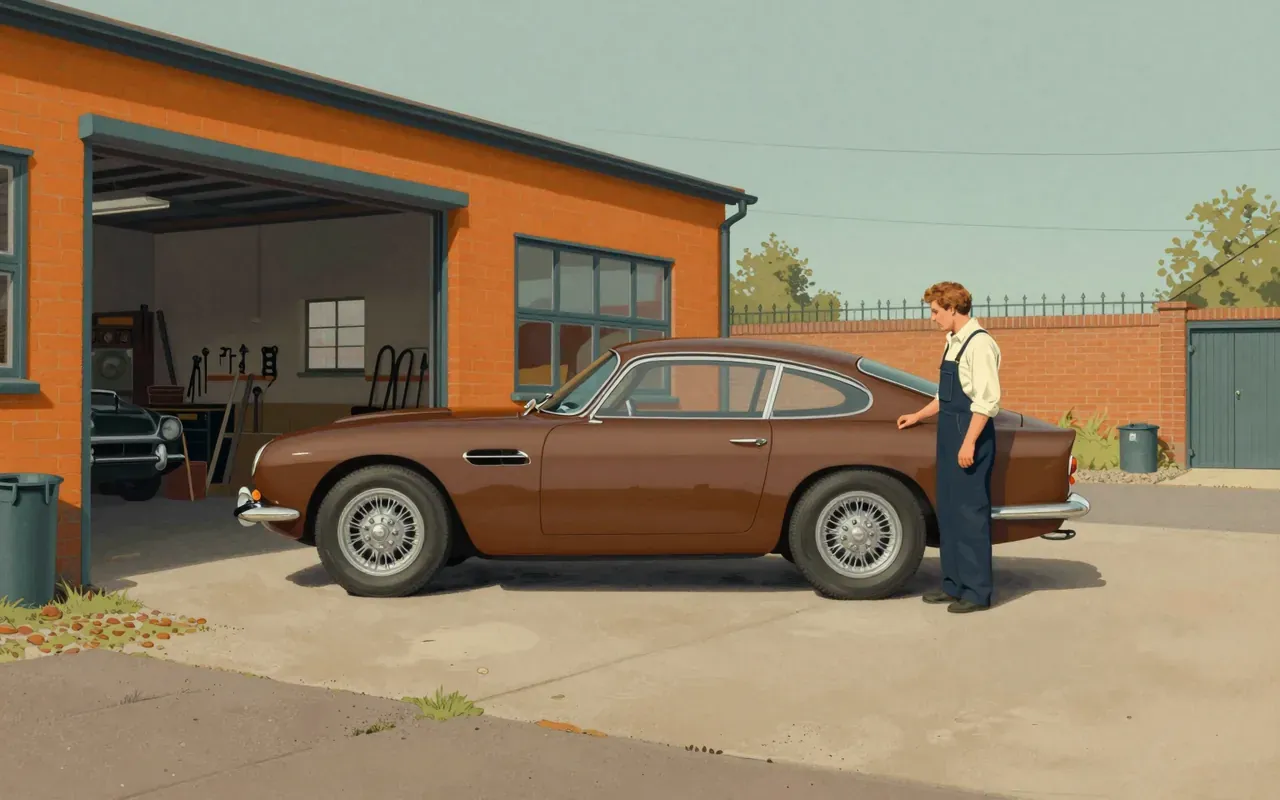
The DB6 is a functional evolution — not a revolution — in Aston Martin’s grand touring line. Its Kammback tail and lengthened wheelbase directly address aerodynamic lift identified in wind tunnel testing. It retains the live-axle layout, rejecting the more complex de Dion prototype to prioritise production readiness. It is recognisable, stable, and rooted in continuity — not novelty.

10:44

Aston Martin DB7

Ian Callum · 1994

The DB7 is a grand tourer designed by Ian Callum and Keith Helfet. It was produced by Aston Martin from September 1994 to December 2004. It was offered in coupé and convertible bodystyles. More than 7,000 were built. It was made mostly with resources from Jaguar Cars and had the financial backing of the Ford Motor Company. Ian Callum received the Jim Clark Memorial Award in 1995 for his styling work on the DB7.

9:05

Aston Martin DB9

Henrik Fisker · 2004

The DB9 is a two-door grand tourer designed by Ian Callum and Henrik Fisker. It was built in Gaydon, Warwickshire. Production ran from 2004 (coupé) to 2016, with the Volante convertible added in 2005. It uses aluminium and composites on a vertical/horizontal platform, with a front mid-engine, rear-wheel drive layout. It features a 5.9 L V12 engine. Henrik Fisker led its production design, drawing on Aston Martin’s heritage while enabling scalable manufacturing.