automotivebriefs
Newest

All briefs

419 briefs · 4149 min · 289–384 on page 4 of 5
10:18

Land Rover series

Maurice Wilks · 1948

The Land Rover Series I is a utilitarian off-road vehicle born from Maurice Wilks’s farm needs in 1947. It introduced mass-produced civilian four-wheel drive with doors and a hard roof. Its box-welded frame and aluminium body prioritised longevity over comfort. It changed expectations of what a post-war utility vehicle could be — and remains defined by what it refused to become.

10:16

Lexus LFA

Kengo Matsumoto · 2010

The Lexus LFA is a rare, self-contained argument against automotive trend-chasing: no hybrid system, no forced induction, no digital mediation. It exists to deliver a specific sensory contract—between driver, engine and road—and nothing else.

9:12

Lincoln Continental

Elwood Engel · 1961

The 1961 Lincoln Continental is a four-door saloon styled by Elwood Engel. It originated as a rejected 1961 Ford Thunderbird proposal in 1958. Ford executives redirected it into a four-door, four-seat Lincoln. Its success convinced Ford President Robert S. McNamara to retain the Lincoln brand after considering its termination. Engel focused specifically on Lincoln vehicles during his time at Ford.

10:06

Lincoln Futura

Bill Schmidt · 1955

The Lincoln Futura is a 1955 concept car designed by Bill Schmidt and John Najjar, built by Ghia in Turin, Italy, at a cost of $250,000 (equivalent to $3,000,000 in 2025). Its styling was original by 1950s standards, featuring a double clear-plastic canopy, exaggerated hooded headlight pods, and very large, outward-canted tailfins. The car had a complete powertrain and was fully operable, in contrast to many show cars. Its official public debut was on January 8, 1955, at the Chicago Auto Show; it had been shown to the press at the city's Congress Hotel on January 5. While being displayed elsewhere in the U.S. that spring, the Futura was seen by the country's television audience on Today ("The Today Show") on March 3, 1955. The idea for the Futura came from designer Bill Schmidt, who got the idea while he was diving, after an encounter with a shark.

9:49

Lotus Carlton

Lotus · 1990

The Lotus Carlton is a high-performance sports saloon developed by Lotus from the Vauxhall Carlton/Opel Omega A, designated Type 104. Its engine was enlarged to 3.6 L and fitted with twin Garrett T25 turbochargers; it uses a ZF 6-speed manual transmission driving the rear wheels via a limited-slip differential. Exterior upgrades include a rear spoiler, bonnet cooling vents, Lotus badges, a body kit, and widened wheel arches. Rear suspension was modified with a new arm and revised bushings, and self-leveling suspension and Servotronic power steering were borrowed from the Opel Senator. It was sold only as a saloon, with a front-engine, rear-wheel-drive layout, and 950 units were produced between 1990 and 1992.

10:52

Lotus Elan

Ron Hickman · 1962

The 1962 Lotus Elan is a rear-wheel-drive roadster designed by Ron Hickman. It uses a steel backbone chassis and fibreglass body. It weighs ~1,500 lb. It has a DOHC 1,558 cc engine, four-wheel disc brakes, rack and pinion steering, and 4-wheel independent suspension. It was Lotus’ first commercial success. It influenced the Mazda MX-5 and Toyota 2000GT.

8:08

Lotus Elise

Julian Thomson · 1996

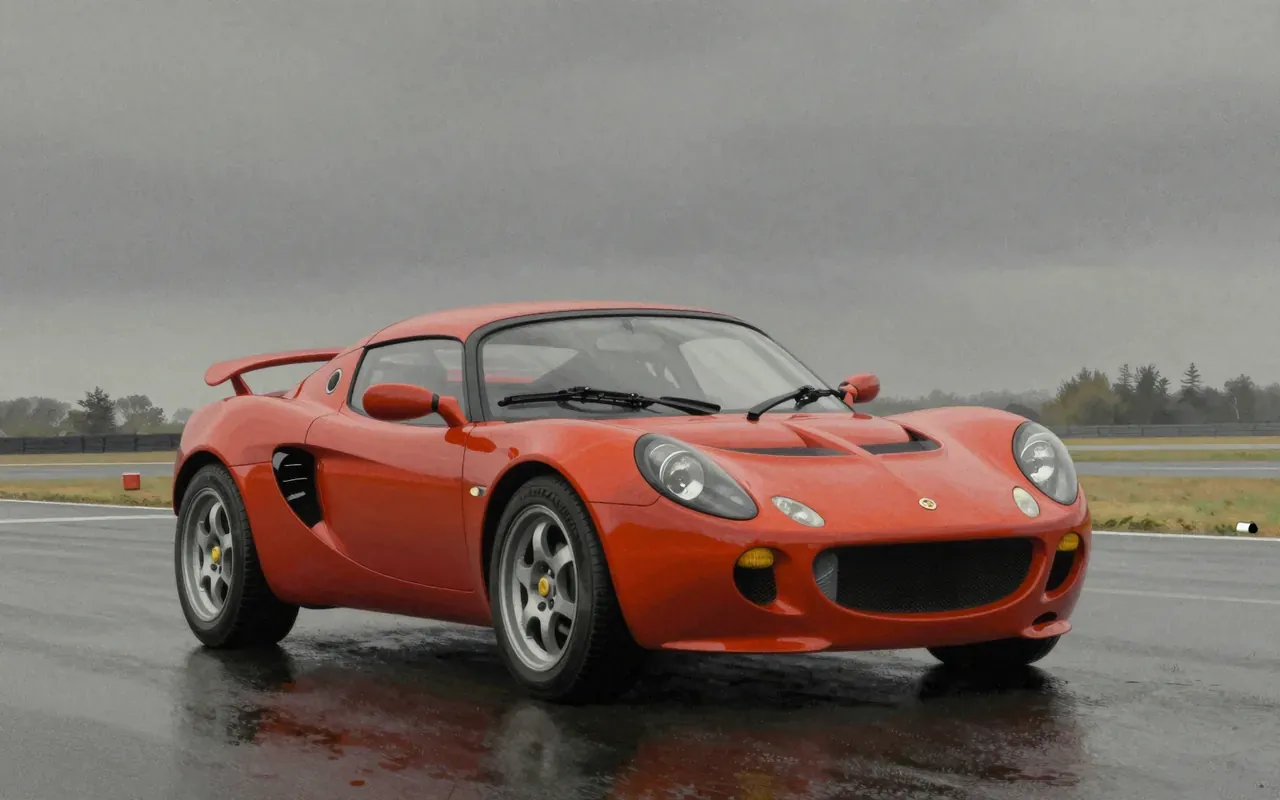
The 1996 Lotus Elise redefined sports-car priorities by making mass the primary engineering target. Its bonded aluminium chassis and fibreglass body achieved 725 kg — enabling sharp responses and direct feedback without high power. Designed by Julian Thomson and Richard Rackham, it launched in September 1996 and remained in production until 2021.

9:05

Lotus Elite

Peter Kirwan-Taylor · 1957

The Lotus Elite Type 14 redefined what a production car’s structure could be — but exposed the gap between material ambition and mechanical reality.

9:11

Lotus Esprit

Giorgetto Giugiaro · 1976

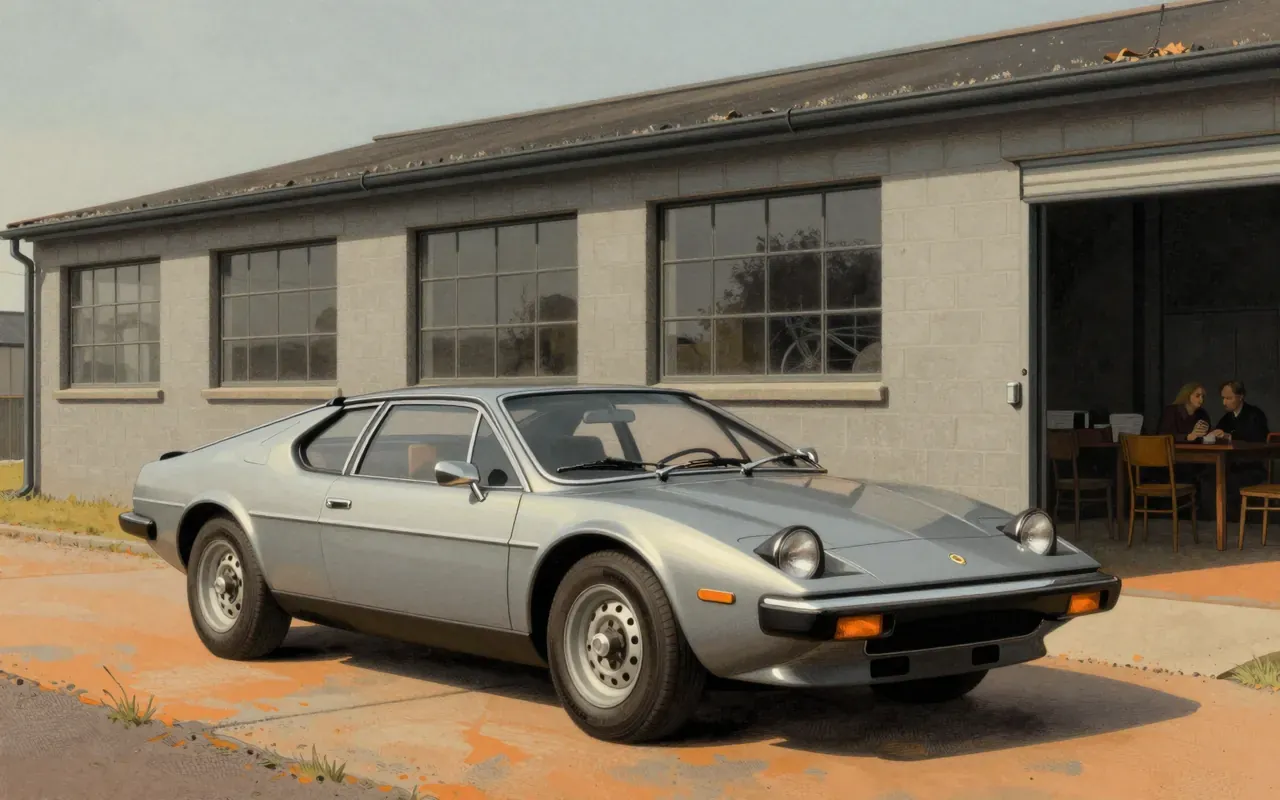
The Lotus Esprit S1 is a 1976 Giorgetto Giugiaro design for Lotus Cars. It is a rear mid-engine, rear-wheel-drive coupé built on a steel backbone chassis. It emerged from Project M70 as a successor to the Europa. Its 'folded paper' aesthetic was among the first of its kind in production. Its chassis later carried the DeLorean. Its design prioritises structural clarity and geometric rigour over comfort or concealment.

9:46

Lotus Seven

Colin Chapman · 1957

The Lotus Seven is a British-built, open-wheel, two-seat, open-top sports car designed by Colin Chapman to embody performance through low weight and simplicity. It was produced from 1957 to 1973, originally by Lotus Cars (Lotus Engineering), and featured a front-engine, rear-wheel-drive layout with a tubular spaceframe and lightweight aluminium/fibreglass bodywork. The Series 1 used a 1,172 cc Ford Sidevalve straight-four engine and was used both on road and in club racing. Over 2,500 original Lotuses were sold. After 1973, Caterham acquired the rights and continued production as the Caterham 7. The design inspired widespread imitation in the kit car market.

8:30

Mahindra Thar

Mahindra · 2010

The Mahindra Thar is a compact SUV launched in India on October 4, 2010. It replaces the MM540 and Major. It is named after the Thar Desert. Its design traces directly to the Jeep CJ series, which Mahindra had built under licence since the 1940s.

9:25

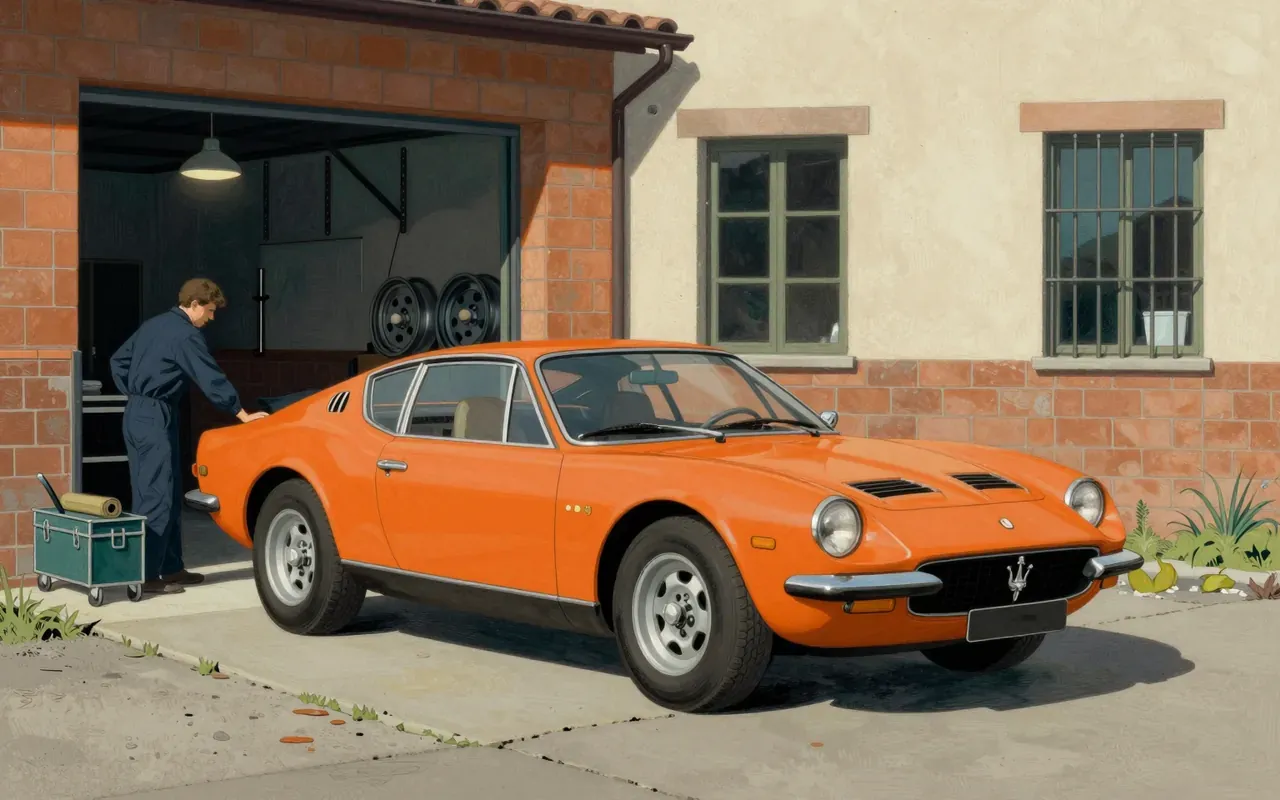
Maserati 3500 GT

Touring · 1957

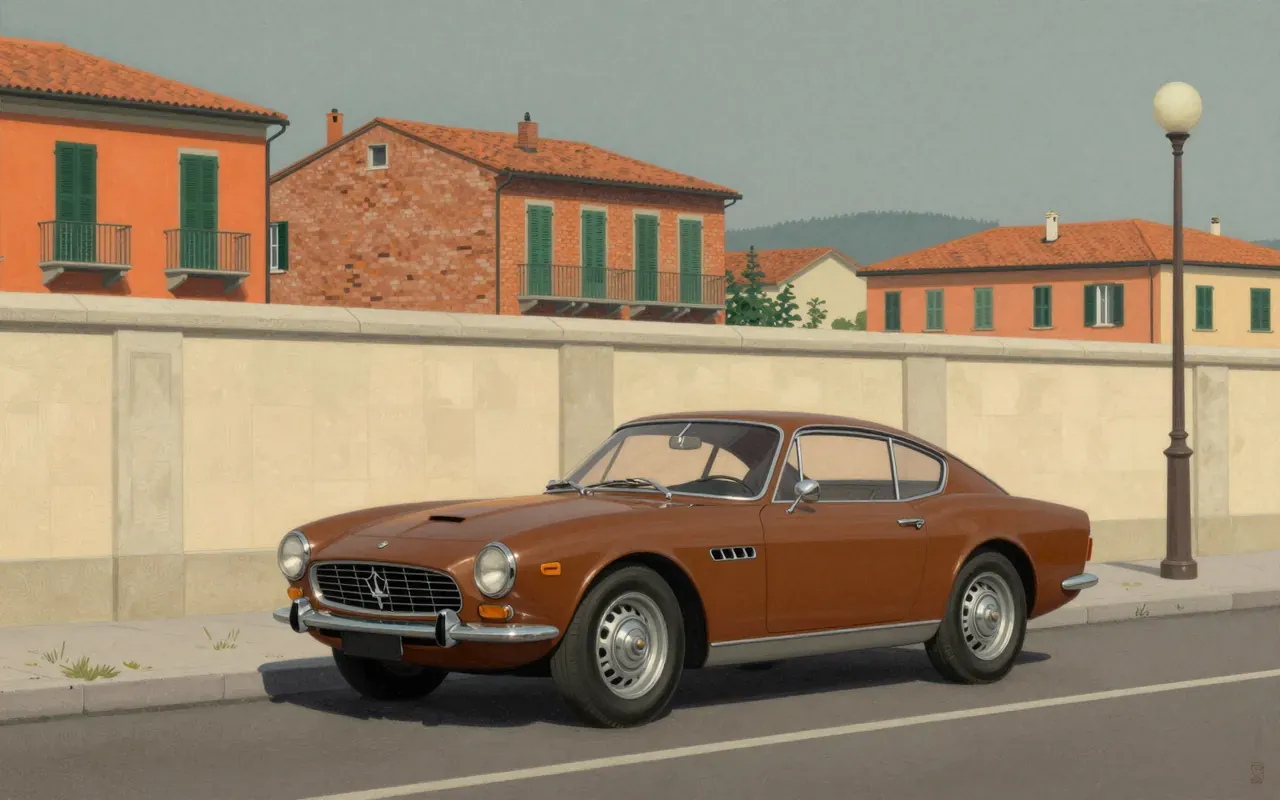
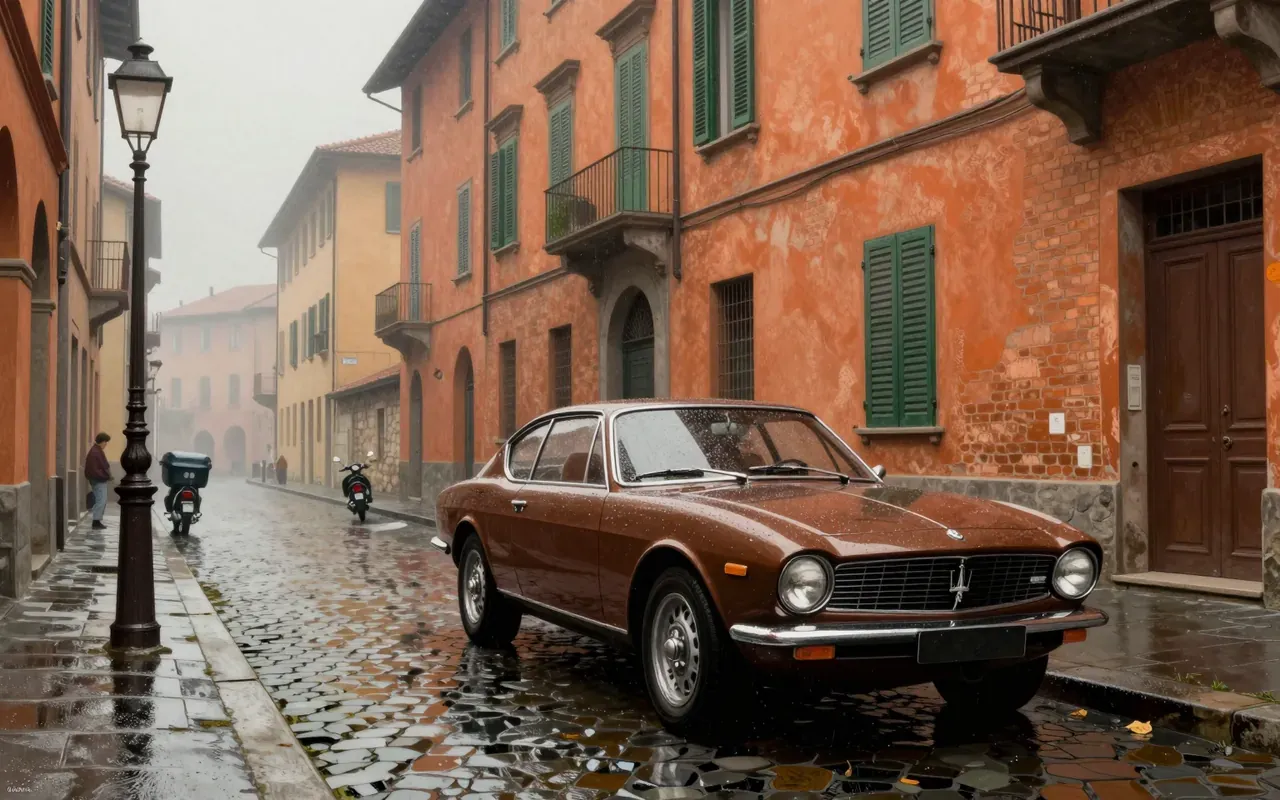
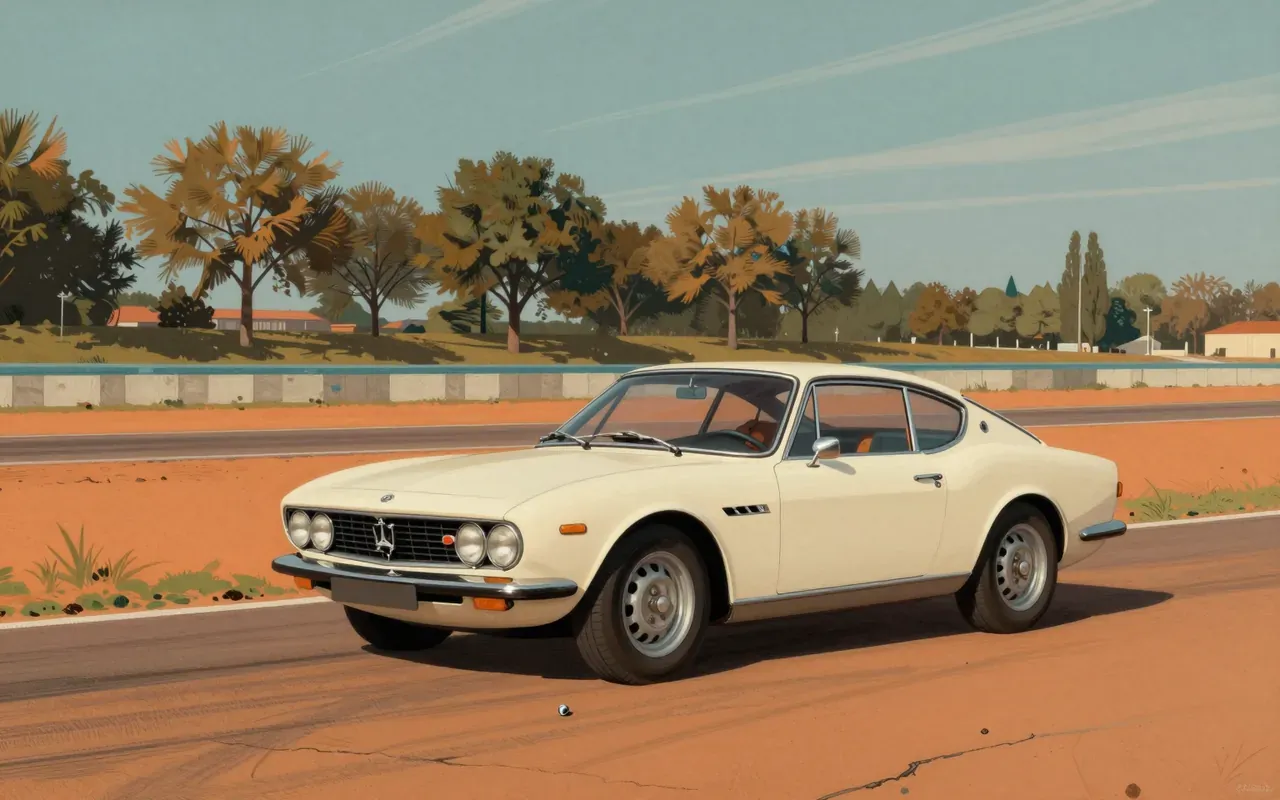
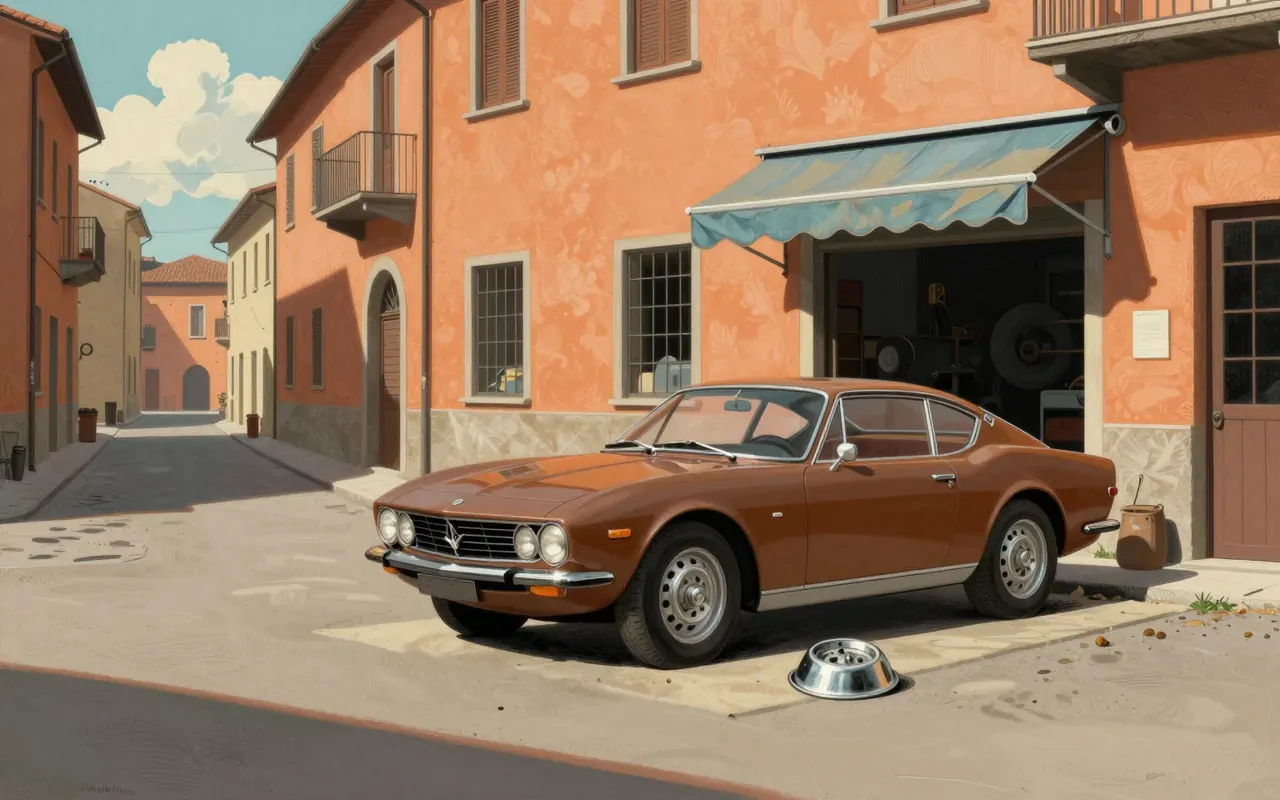
The Maserati 3500 GT was Maserati's first successful Gran Turismo and series production vehicle, developed 1956–57 and launched in late 1957. Its bodywork was designed by Carrozzeria Touring following an introduction by Franco Cornacchia; Touring's 2+2, superleggera 'Dama Bianca' prototype was selected for series production after being shown alongside an Allemano prototype at the March 1957 Geneva Salon. It featured a front-mounted 3.5 L straight-six engine and rear-wheel drive, and 2,226 units were built between 1957 and 1964.

13:54

Maserati 5000 GT

Touring · 1959

The Maserati 5000 GT is a rare, bespoke grand tourer commissioned by the Shah of Persia and built by Maserati in collaboration with Carrozzeria Touring, featuring a modified 4.9 L V8 engine derived from the 450S and mounted in a strengthened 3500 GT chassis. It was produced from 1959 to 1966, with 34 units made, primarily as two-seat coupés.

9:24

Maserati Biturbo

Pierangelo Andreani · 1981

The Maserati Biturbo is a foundational but flawed machine: a compact, turbocharged executive coupé that reshaped Maserati’s entire output for sixteen years — yet failed to deliver on durability, credibility, or track results.

9:16

Maserati Bora

Giorgetto Giugiaro · 1971

The Maserati Bora is a pivotal machine: the first mid-engined street car and first with four-wheel independent suspension from Maserati. Designed by Giorgetto Giugiaro at Italdesign in the late 1960s, it launched in 1971 under Citroën ownership and ended production in 1978 after De Tomaso’s acquisition. Its 0.30 drag coefficient and ‘gentle bends’ reflect a transitional moment in automotive design—between organic curves and hard-edged modernism. Named after the Bora wind of Trieste, it redefined what a Maserati grand tourer could be: technically current, aerodynamically advanced, and architecturally coherent.

9:56

Maserati Ghibli

Giorgetto Giugiaro · 1967

The 1967 Maserati Ghibli AM115 is Giugiaro’s final full expression of arched, flowing form — a front-engine, RWD, 2+2 fastback coupé defined by its shark nose, steel body, and 4.7 L V8. It launched as a 2-seater concept at Turin in 1966. Production ran 1967–1973. Variants followed in 1969: Spyder and SS. Total output: 1,295 units. It predates Giugiaro’s angular shift — the Bora arrived in 1971.

8:55

Maserati Khamsin

Marcello Gandini · 1974

The Maserati Khamsin is a Gandini-designed, Bertone-built grand tourer produced by Maserati between 1974 and 1982. It debuted as a concept at the 1972 Turin Auto Show, entered production after being shown at the 1973 Paris Motor Show, and was developed under Citroën ownership as a front-engined alternative to the mid-engined Bora.

9:48

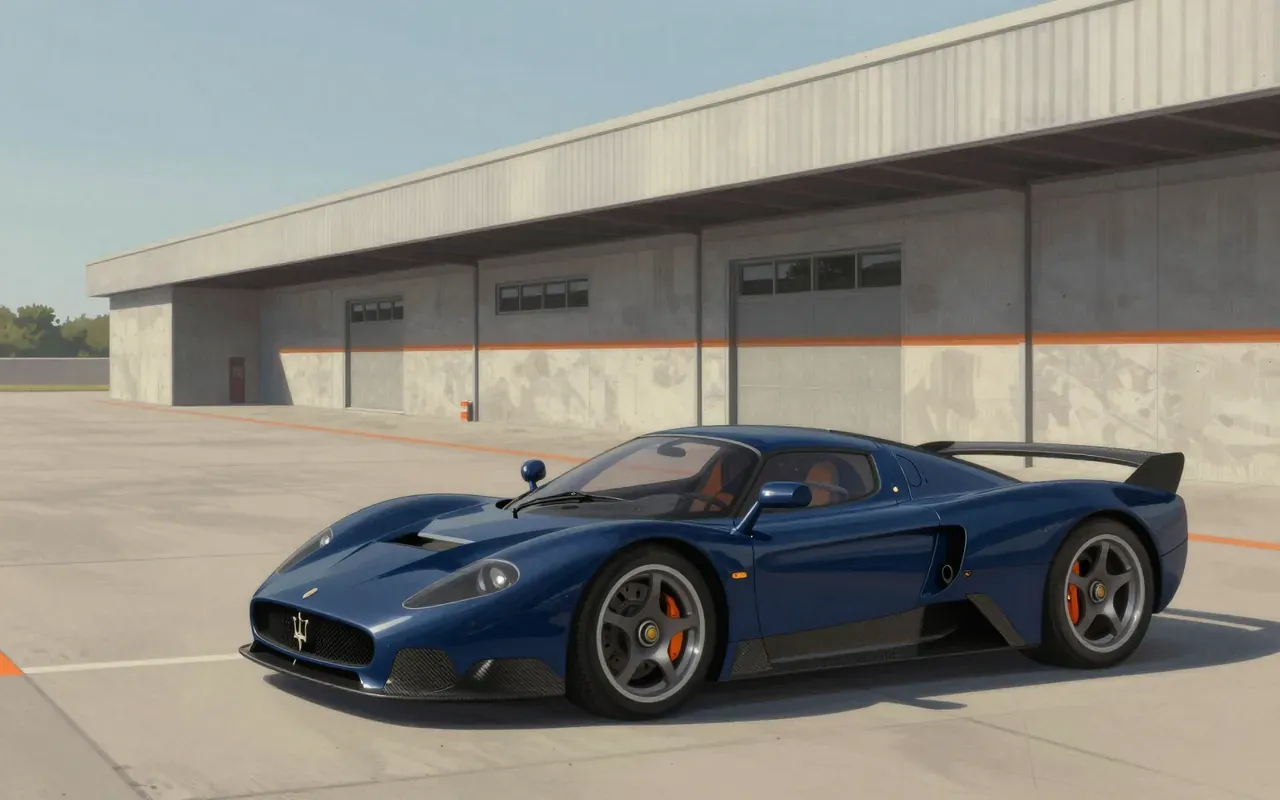
Maserati MC12

Frank Stephenson · 2004

The Maserati MC12 is a homologation special built to return Maserati to FIA GT racing. Designed by Frank Stephenson on the Ferrari Enzo’s chassis, it is longer, wider, taller, and more aerodynamically efficient. Its mid-rear V12 layout prioritises balance over packaging. Only 62 were built: 50 road cars and 12 racers. It is uncompromising, specific, and historically consequential — but not versatile.

9:35

Matra 530

Philippe Guédon · 1967

The Matra 530 is a French sports car created and built by Matra. It was in production from 1967 to 1973. It was Matra's first 'true' sports car. It was named after Matra's R.530 missile. It was designed by former Simca designer Philippe Guédon. It used a steel platform chassis with perforations for lightness. It used a 1699 cc Ford Taunus V4 engine and transaxle. It featured a targa top roof.

10:34

Matra Djet

René Bonnet · 1962

The Matra Djet is the world's first rear mid-engined production road car. It began as the René Bonnet Djet in June 1962. It used a 1,108 cc Renault 8 engine mounted mid-ship. Its fiberglass body was bonded to a steel chassis. Production ran from 1962 to 1967 across both makers. Total units: 1,689.

8:44

Matra Murena

Antonis Volanis · 1980

The Matra Murena is a mid-engined, rear-wheel-drive hatchback sports car produced from 1980 to 1983. It inherited the Bagheera's layout but introduced a new galvanised steel chassis—the first production car to do so—and used fibreglass-epoxy for its twelve major body panels. It featured three separate seats in one row and a 5-speed manual transaxle. Total production was 10,680 units.

11:12

Mazda 787B

Nigel Stroud · 1991

The Mazda 787B is a Group C sports prototype that won the 1991 24 Hours of Le Mans using a Wankel rotary engine — the only non-reciprocating engine car to do so as of 2026. Built between 1990 and 1991, five units were made: two 787s and three 787Bs. It prioritised reliability and fuel efficiency over outright speed, outlasting faster rivals. It marked the end of rotary power in top-tier endurance racing. It was the first Le Mans win by a Japanese manufacturer — unmatched until Toyota in 2018.

11:00

Mazda MX-5

Tom Matano · 1989

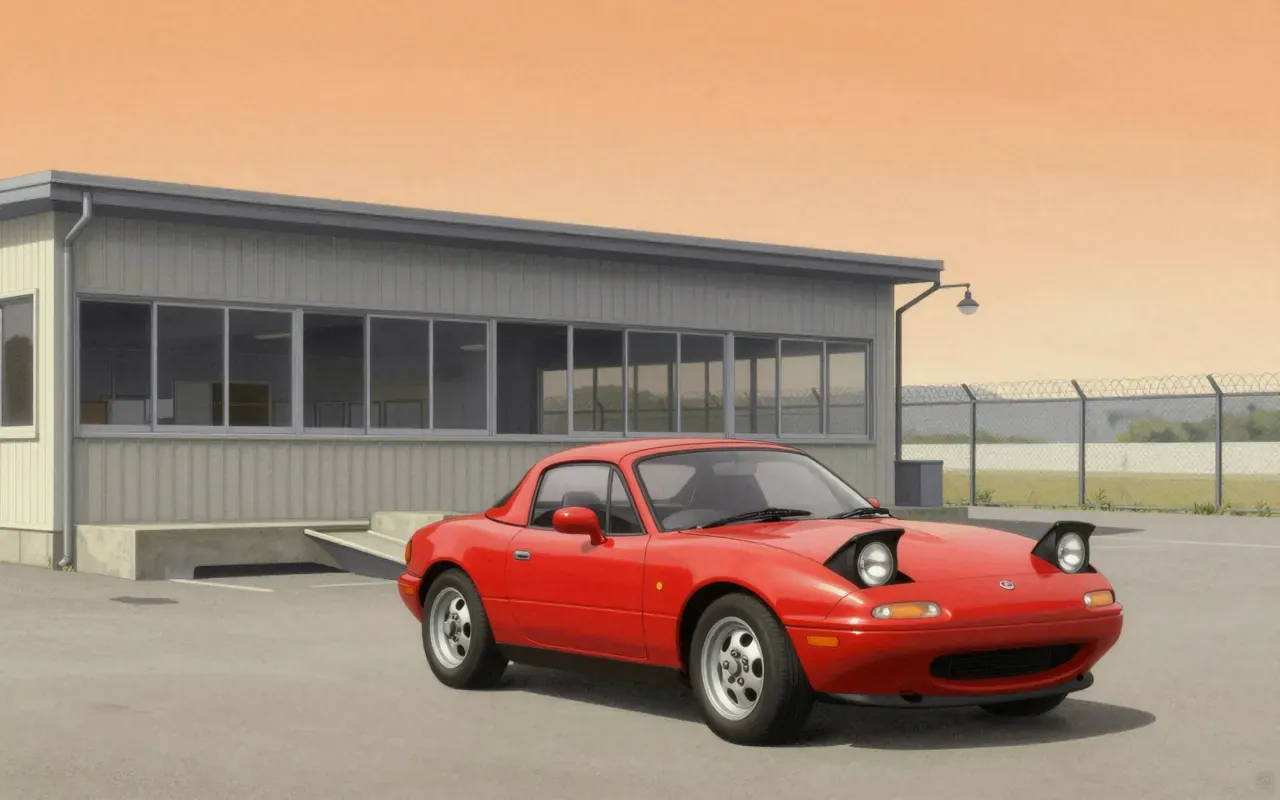
The 1989 Mazda MX-5 is a lightweight, two-seat, unibody sports car co-designed by Tom Matano and C. Mark Jordan. It launched at the Chicago Auto Show and was built at Mazda’s Hiroshima plant. Its design follows the Jinba ittai philosophy and draws direct inspiration from 1950s–60s British and Italian roadsters — especially the Lotus Elan. With a curb weight under 1,100 kg, it prioritises balance, responsiveness, and driver engagement over power or luxury. The first generation sold 228,961 units between 1989 and 1997.

10:08

Mazda RX-3

Mazda · 1971

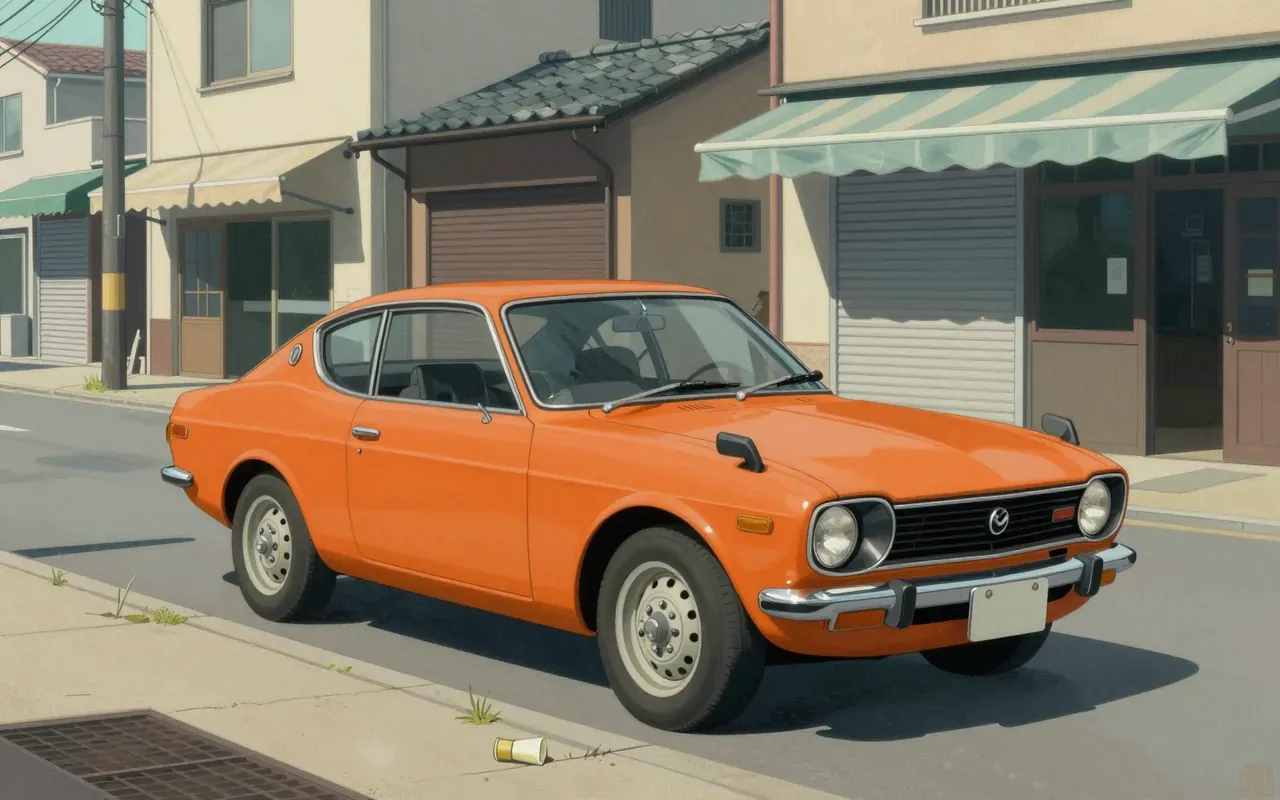
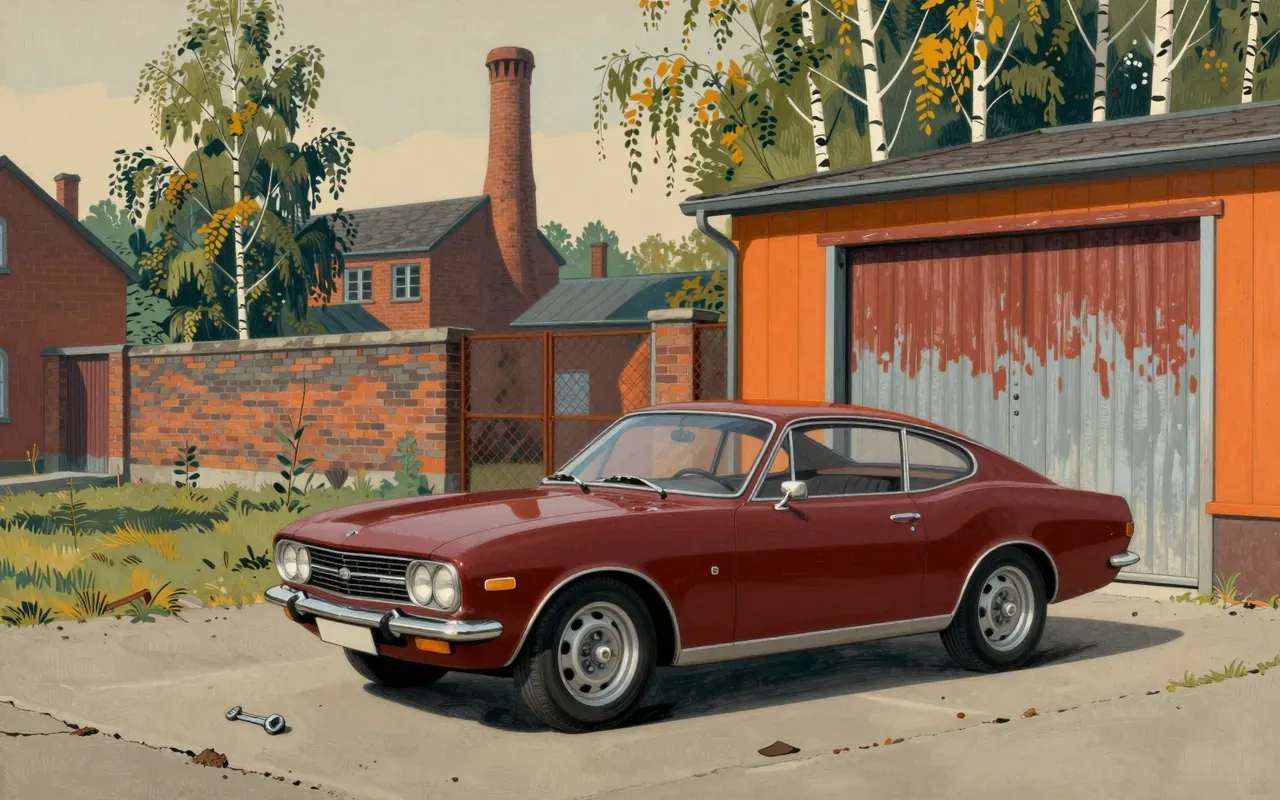
The RX-3 is what the world outside Japan called the Mazda Savanna, the rotary version of the Grand Familia. It came as a coupé, sedan and station wagon, started on the 10A rotary and moved to the larger 12A. It was the most popular of the rotary cars Mazda built before the RX-7, and it raced successfully in Japan, Australia, New Zealand and North America.

10:49

McLaren F1

Gordon Murray · 1992

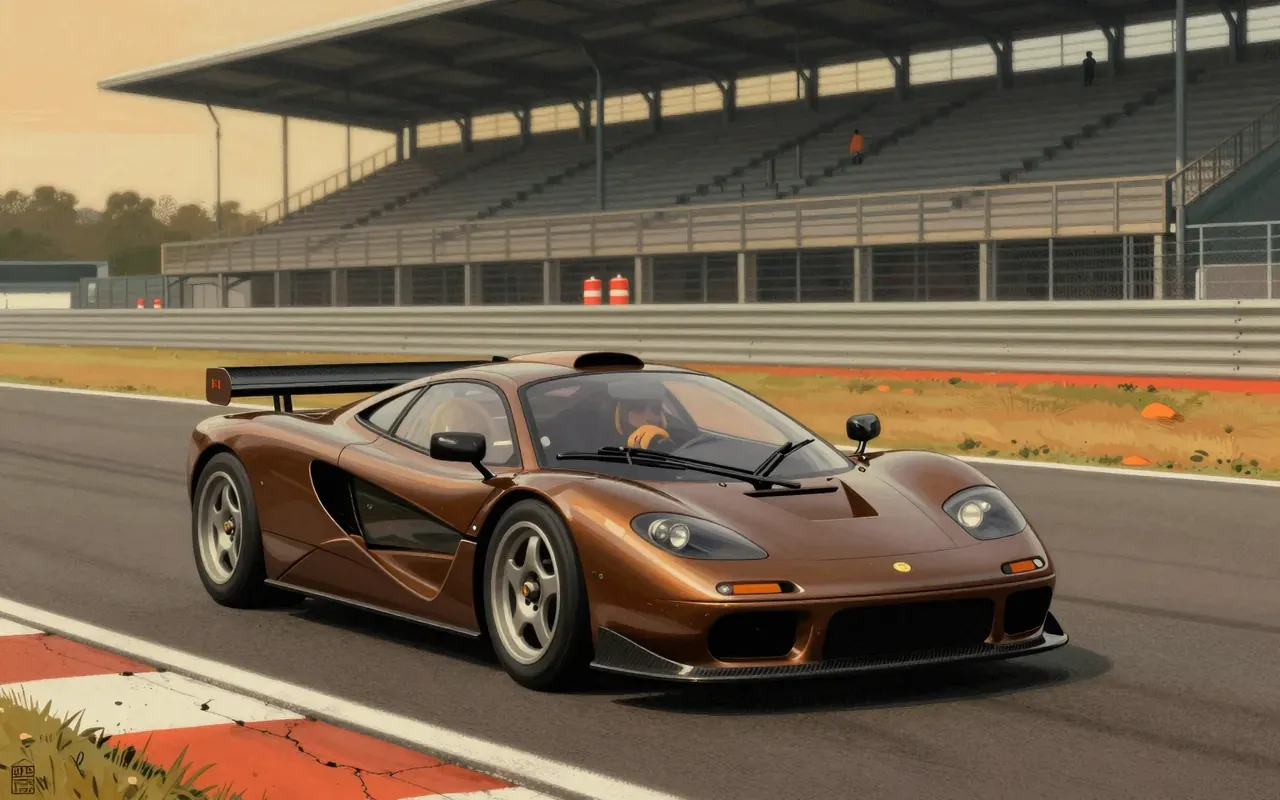
The McLaren F1 is the first road-going car manufactured by McLaren. Gordon Murray conceived it as 'the ultimate road-going sportscar'. It used a full carbon-fibre monocoque, a central driving position, and a bespoke BMW V12. It won Le Mans outright in 1995 in LM specification. Only 106 were built between 1992 and 1998.

9:27

McLaren F1 GTR

Gordon Murray · 1995

The McLaren F1 GTR is the racing variant of the McLaren F1 sports car, first produced in 1995 for grand touring style racing, such as the BPR Global GT Series, FIA GT Championship, JGTC, and British GT Championship. It was powered by the naturally aspirated BMW S70/2 V12 engine. It is most famous for its overall victory at the 1995 24 Hours of Le Mans where it won against faster purpose-built prototypes in very wet conditions. The F1 GTR raced internationally until 2005 when the final race chassis was retired. Bodywork modification saw the addition of various cooling ducts, most noticeably a large one in the center of the nose and two placed in the location of the storage lockers on the side of the car. A large adjustable fixed wing was added to the rear of the car. Even the 1995 versions of F1 GTR generated enough downforce to run along the ceiling at 100 mph. The interior was stripped of all luxuries and given a full racing cage. Carbon brakes replaced the stock units.

10:54

McLaren P1

Frank Stephenson · 2013

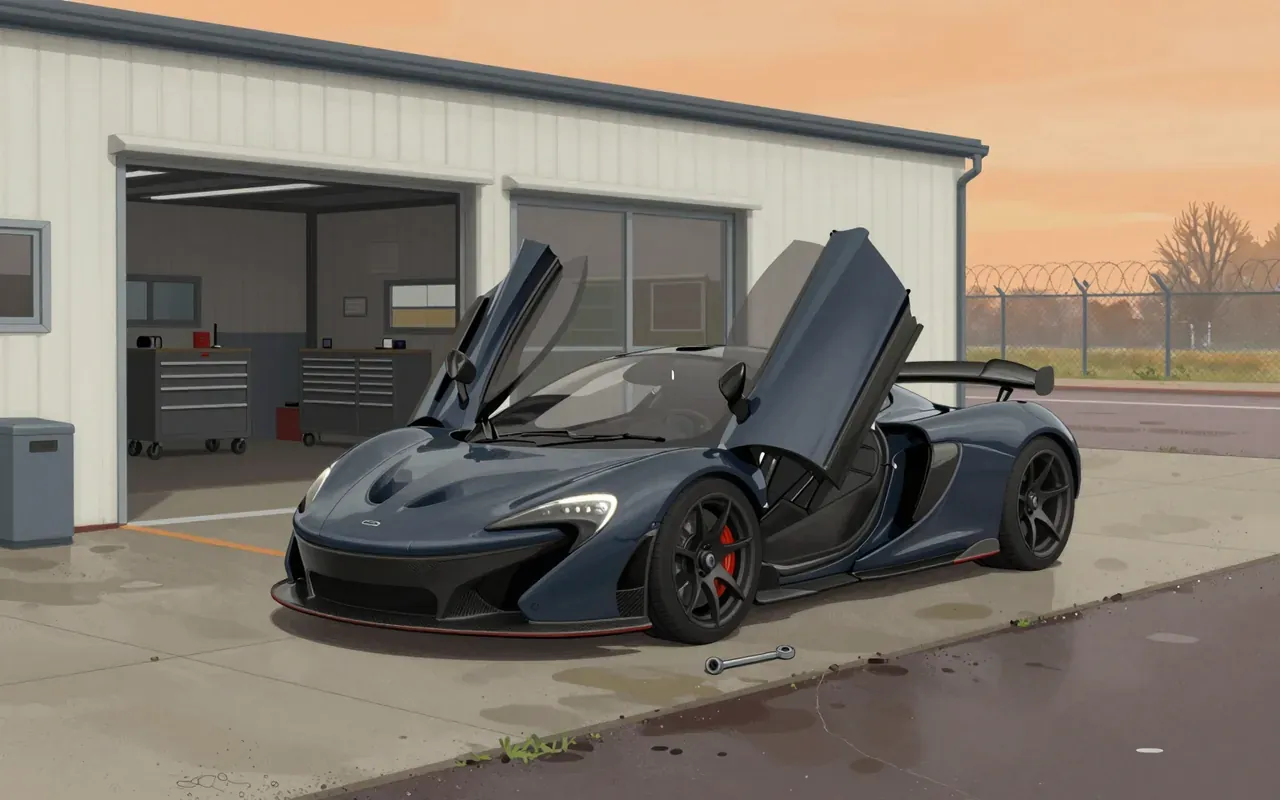
The McLaren P1 is a mid-engined, rear-wheel-drive hybrid supercar styled by Frank Stephenson. It is the second model in McLaren’s Ultimate Series and a spiritual successor to the F1. Production ran from 2013 to 2015, limited to 375 units. Its design draws partial inspiration from a sailfish. It shares the F1’s carbon fibre monocoque and mid-engine layout. It debuted at the 2013 Geneva Motor Show after a concept reveal at the 2012 Paris Motor Show. It is one of the first high-performance sports cars to incorporate hybrid technology.

9:59

Mercedes-AMG One

Gorden Wagener team · 2022

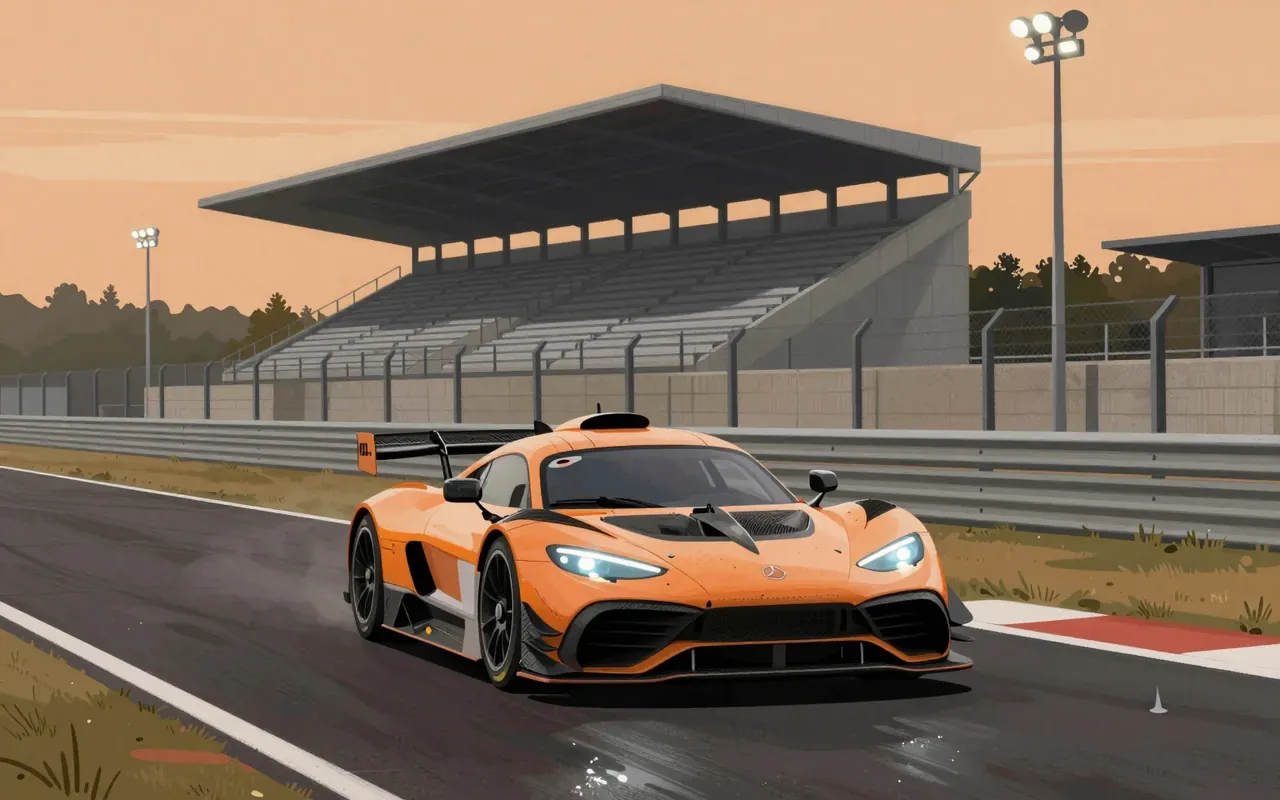
The Mercedes-AMG One is a production reality — not a show car — built to prove F1 hybrid technology can function on public roads. Its layout, powertrain and aerodynamics are derived directly from contemporary Formula One. It sacrifices usability for fidelity. It is not a supercar for driving. It is a rolling validation of a racing specification.

9:44

Mercedes-Benz W201

Bruno Sacco · 1982

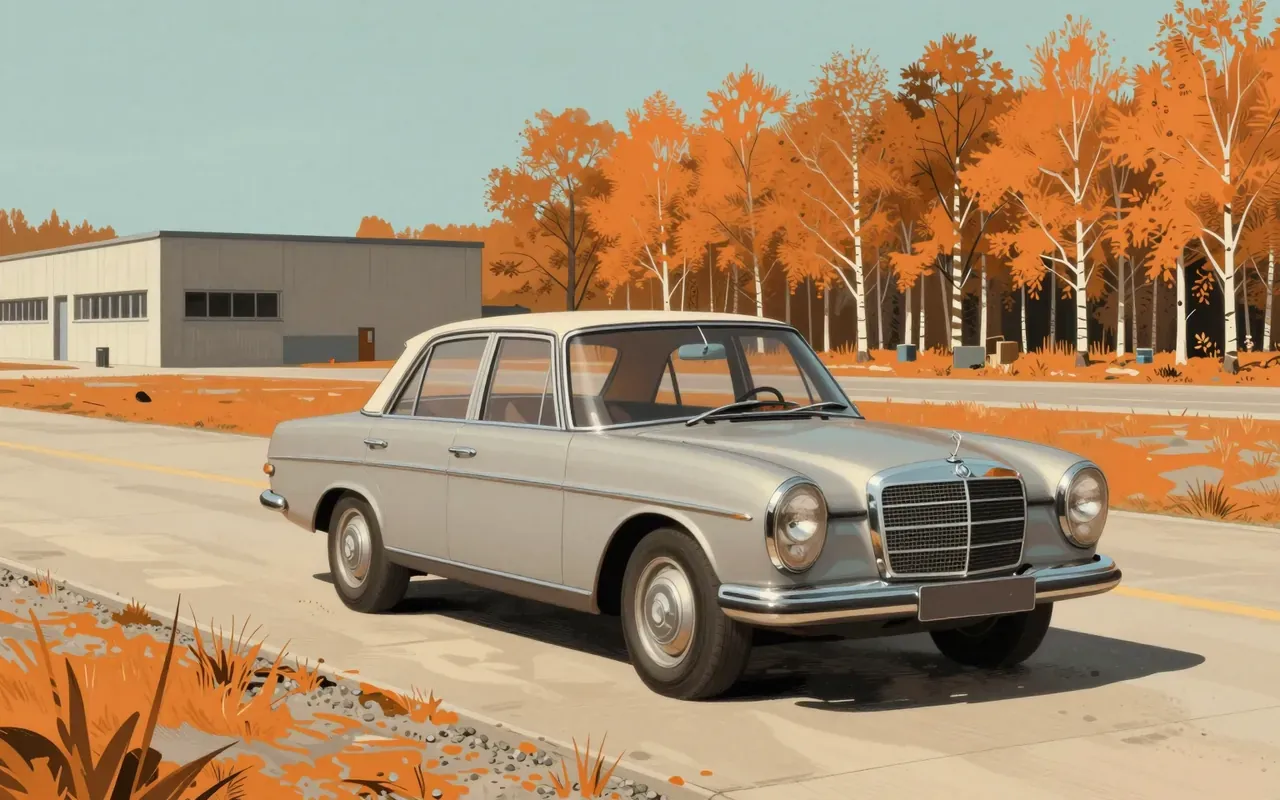
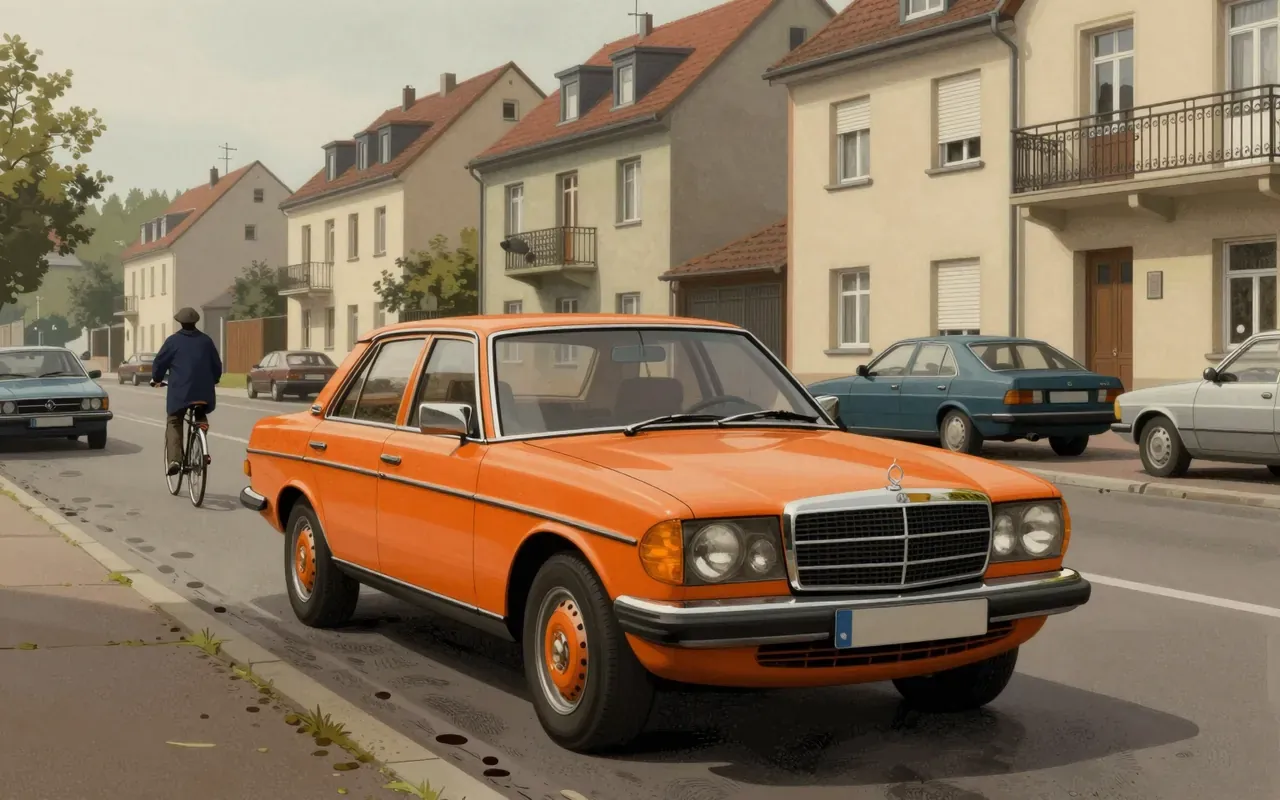
The W201 redefined what a compact luxury sedan could be—not by shrinking the S-Class, but by building a new class with structural integrity, scalable safety tech, and unambiguous engineering intent.

8:35

Mercedes-Benz G-Class

Mercedes-Benz · 1979

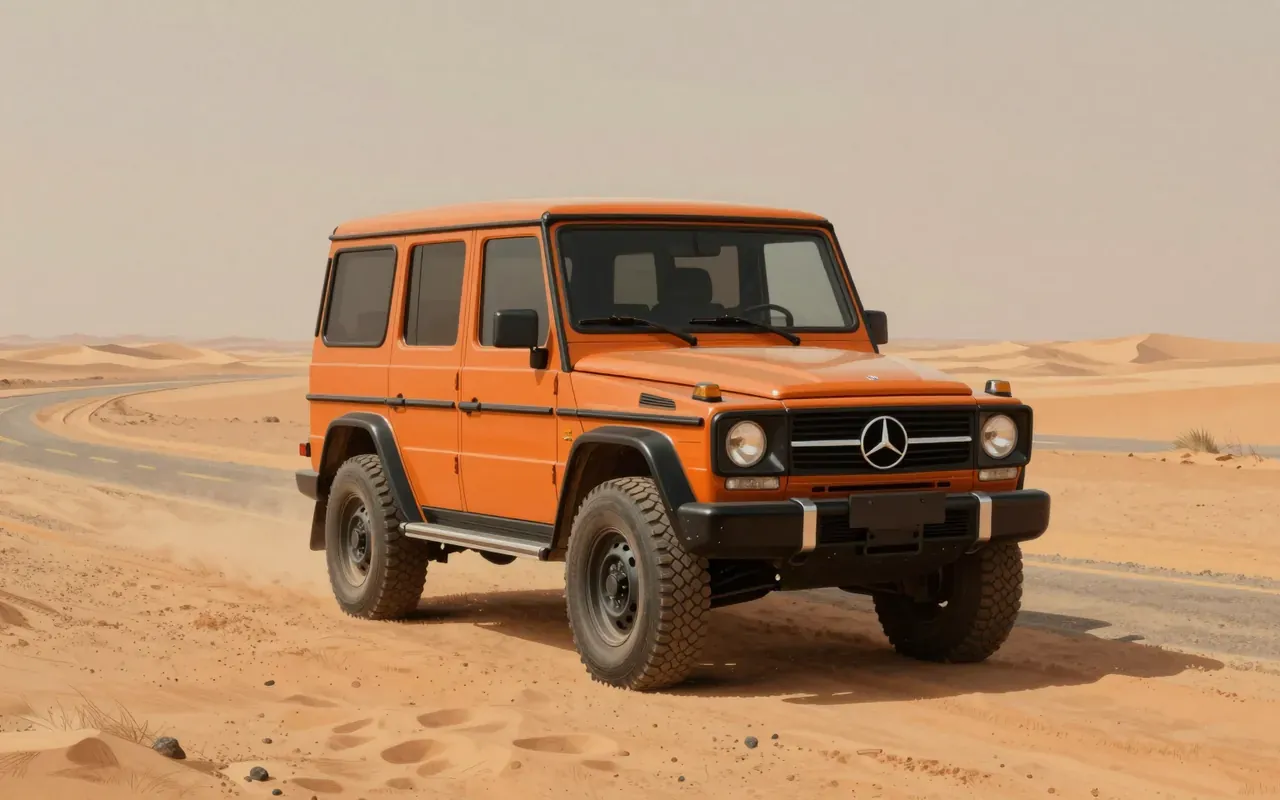
The G-Class is a body-on-frame, four-wheel drive luxury SUV originally developed as a military off-roader. It features boxy styling dictated by its ladder chassis and three fully locking differentials — a hardware configuration retained across 46–47 years of production. It remains one of Daimler’s longest-produced vehicles, with the second-generation W463 launched in 2018 and a smaller 'little G' announced in 2023. It was sold as the Puch G in some markets until 2000.

10:28

Mercedes-Benz SLS AMG

Mark Fetherston · 2010

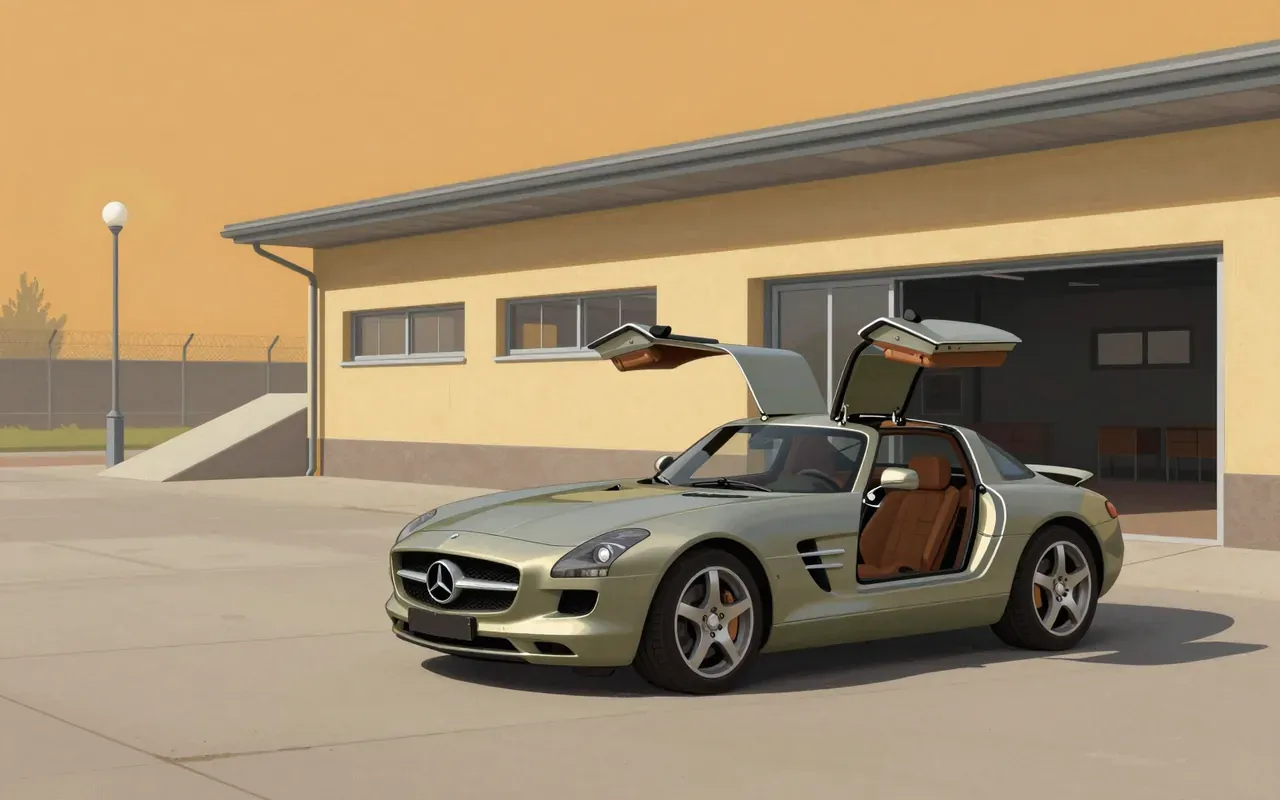
The SLS AMG is a decisive, uncompromising statement: AMG’s first self-contained supercar, lighter and faster on track than the SLR McLaren, powered by the most potent naturally aspirated V8 in series production at launch.

9:23

Mercedes-Benz W113

Paul Bracq · 1963

The Mercedes-Benz W113 is a two-seat luxury roadster/coupé introduced in 1963. It replaced the 300 SL and 190 SL. It was marketed as the 230 SL, 250 SL and 280 SL. Paul Bracq and Béla Barényi co-designed its patented concave hardtop — the source of the 'Pagoda' nickname. All models used a fuel-injected inline-six engine. Aluminium was used on the bonnet, boot lid, door skins and tonneau cover to reduce weight. 48,912 units were produced, with 19,440 sold in the US.

10:26

Mercedes-Benz W126

Bruno Sacco · 1979

The W126 is the second-generation S-Class, designed under Bruno Sacco at Daimler-Benz AG. It launched in 1979, added the C126 coupé in 1981, and ran until 1991 — the longest and highest-volume S-Class generation. It introduced ABS as standard, early airbags, hydropneumatic suspension, and distinct chassis coding. Its aerodynamic refinement (Cd 0.36 saloon, 0.34 coupé) served durability and presence over agility. It anchors Sacco’s S-Class trilogy — W126, W140, W220.

10:23

Mitsubishi Starion

Mitsubishi · 1982

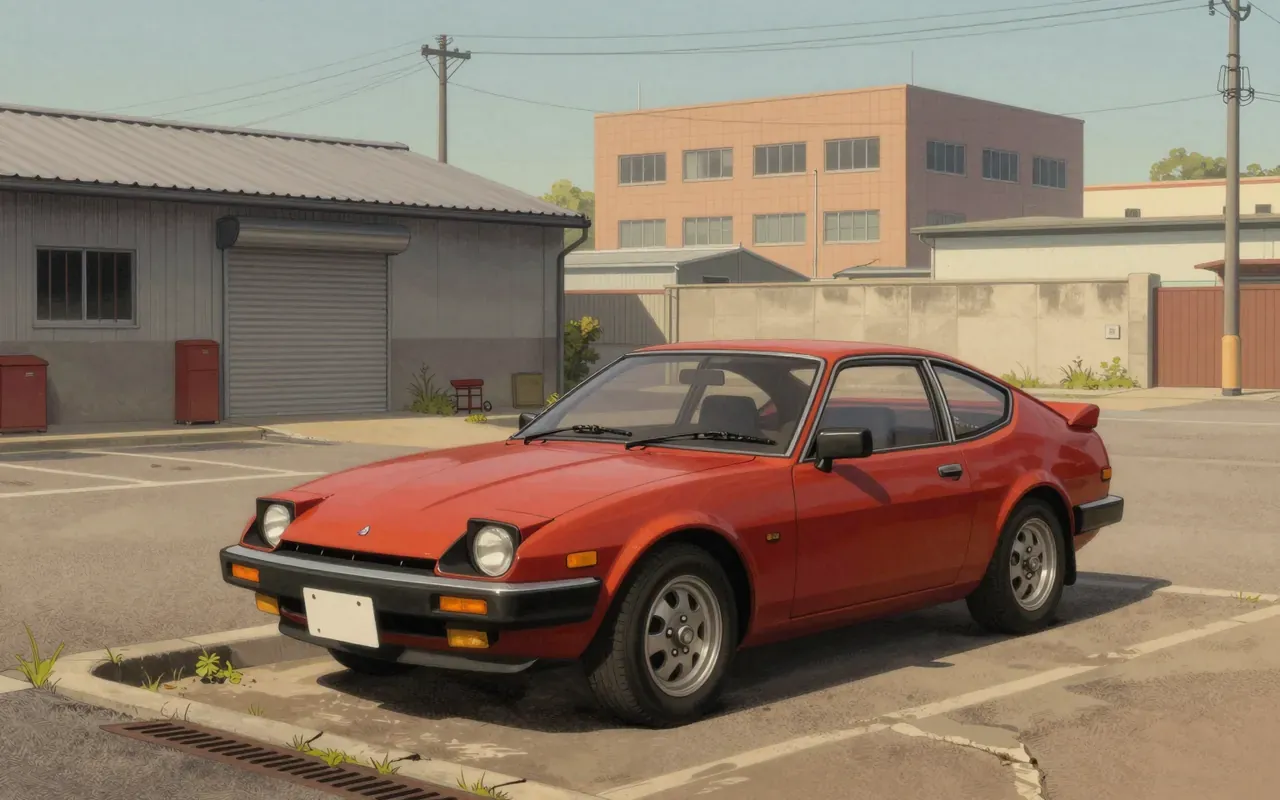
The Mitsubishi Starion (1982–1989) is a Japanese rear-wheel-drive fastback coupé with a front-mounted turbocharged straight-four engine. Sold globally under multiple names—including Colt Starion in the UK and Conquest in North America—it pioneered electronic fuel injection in turbocharged Japanese performance cars. Offered in narrowbody and widebody forms, it split into non-intercooled narrow and intercooled wide variants after 1985.5. It prioritised drivetrain integration and regulatory compliance over raw output or chassis novelty.

8:54

Nissan Be-1

Naoki Sakai · 1987

The Nissan Be-1 is a tightly edited response to urban life in late-1980s Japan. It is not fast. It is not spacious. It is not branded. It is precise, deliberate, and self-contained. It exists because Naoki Sakai solved a specific problem: how to make a small car feel like an object of intention—not utility.

10:09

Nissan Pao

Naoki Sakai · 1989

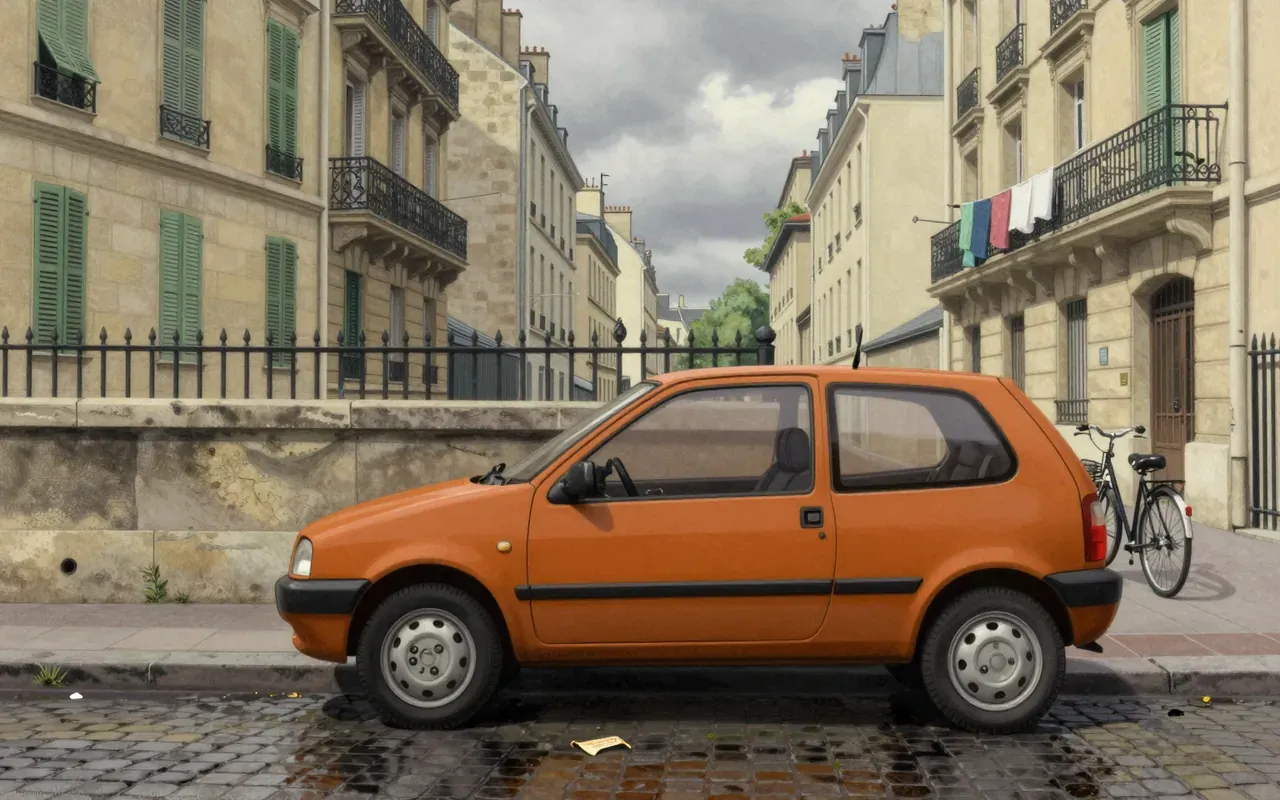
The Nissan Pao is a deliberately small, retro-styled hatchback built in Japan between 1989 and 1991. It belongs to Nissan’s Pike Factory series, conceived as a fashion object rather than a transport tool. Its design references specific European city cars—Mini, 2CV, Fiat 500, Austin A40—with functional reinterpretations of their details. It sold out in three months despite no Nissan branding and limited production of 31,352 units. It trades utility and dynamics for coherence, charm, and cultural timing.

10:51

Nissan R390 GT1

Ian Callum · 1997

The Nissan R390 GT1 is a Le Mans GT1 race car designed in 1998 by Ian Callum at TWR Design, built jointly by Nismo and TWR in Atsugi, Japan. One road car was built for homologation; eight race cars followed.

9:35

NSU Ro 80

Claus Luthe · 1967

The NSU Ro 80 is a four-door, front-engine executive sedan manufactured and marketed by the West German firm NSU from 1967 until 1977. It was developed as a mid-sized front-wheel drive sedan to serve Germany’s growing middle class. Claus Luthe designed its clean wedge shape and large glasshouse. It achieved a drag coefficient of 0.35 at design freeze and 0.34 in final production — without modifying the outer body after wind tunnel testing. It featured inboard front brakes, four-wheel ATE Dunlop disc brakes, fully independent suspension (MacPherson struts front, semi-trailing arms rear), and power-assisted ZF rack and pinion steering. Its twin-rotor Wankel engine delivered 84 kW (113 bhp) from 995 cc but suffered early unreliability and poor fuel economy. It won Car of the Year in 1968. Total production was 37,204 units.

10:21

Oldsmobile Toronado

David North · 1966

The Oldsmobile Toronado is a personal luxury car produced from 1966 to 1992. It was the first U.S.-built front-wheel drive automobile since 1937. It originated as a 1962 design painting by David North and evolved from a non-production compact concept into a full-size personal luxury coupe built on GM’s E platform. Its defining engineering feature was the Unitized Power Package (UPP), integrating a large V8 and transaxle into a compact front-wheel drive layout. The first-generation model used a 425 cu in (7 L) Super Rocket V8.

10:50

Opel GT

Erhard Schnell · 1968

The Opel GT is a front-engine, rear-drive two-seat sports car. Its first generation (1968–1973) began as a 1965 styling exercise shown in Paris and Frankfurt. It used Kadett B mechanicals and Brissonneau & Lotz bodywork. Erhard Schnell styled it as a fastback.

9:02

Opel Kadett C

Opel Design · 1973

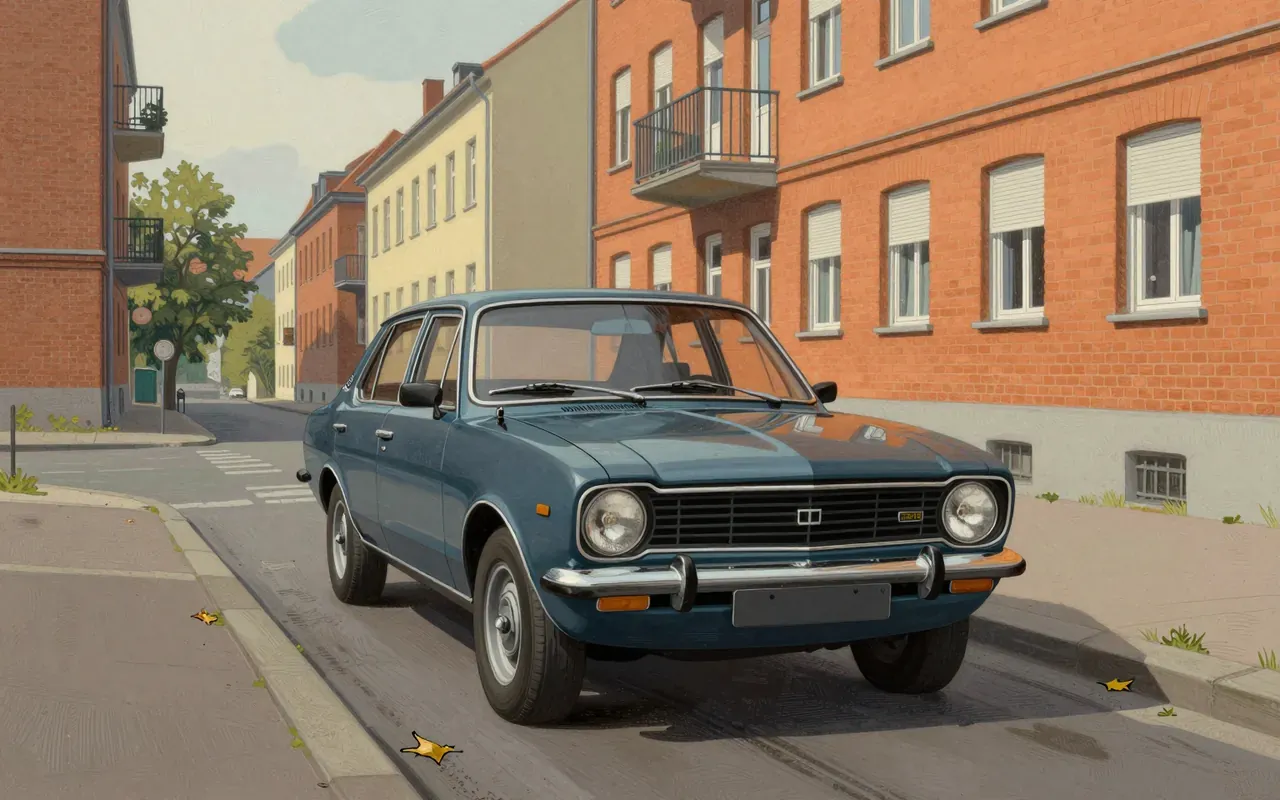
The Opel Kadett C is a small family car produced by Opel from 1973 to 1979. It is the fourth-generation Kadett and Opel’s version of General Motors’ T-Car platform. It was the last small Opel to feature rear-wheel drive. Most customers opted for the two-door 'Limousine' saloon. A four-door variant was produced mostly for export. The Limousine accounted for just under 63% of production. Eleven percent were three-door estate-bodied Kadett Caravans. Slightly under 10% were two-door coupés. The Kadett City, a three-door hatchback, was added in May 1975 to compete on price with the Ford Fiesta.

10:35

Pagani Huayra

Horacio Pagani · 2011

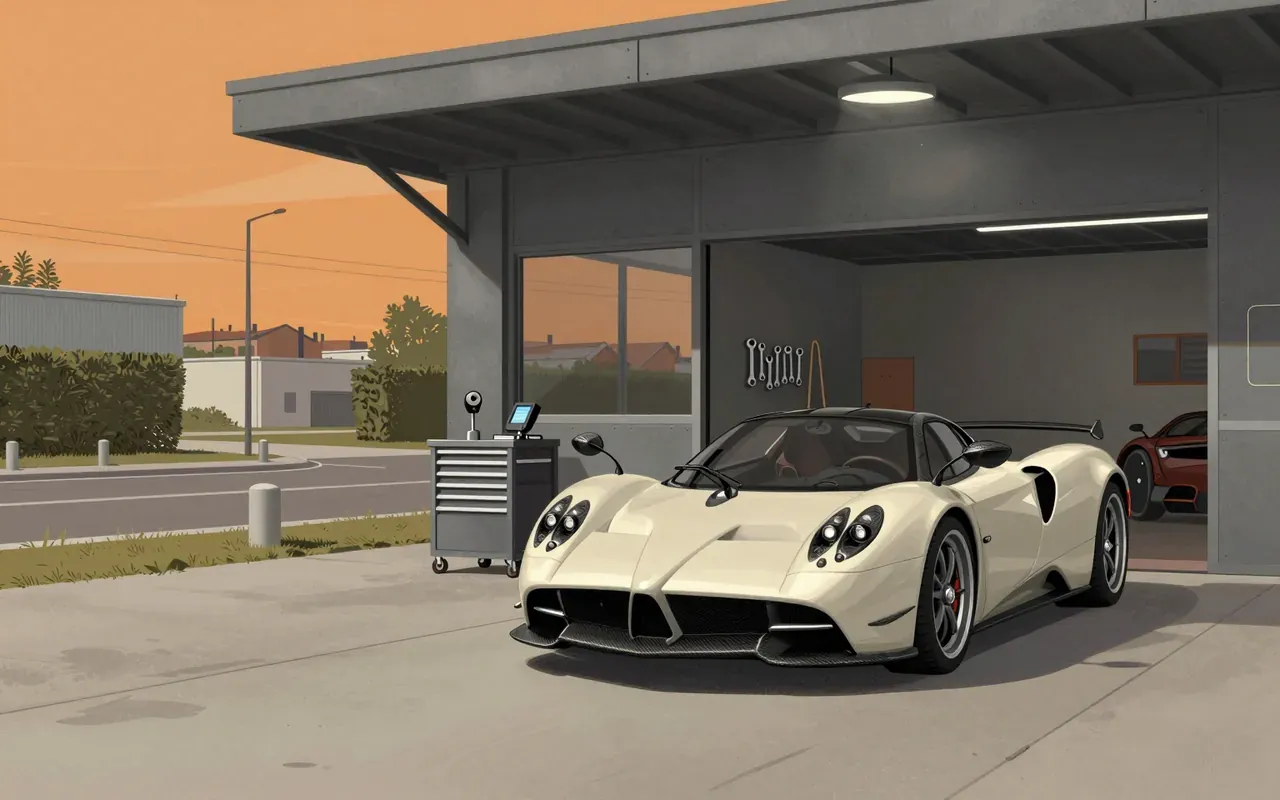
The Pagani Huayra is a mid-engine sports car produced by Italian sports car manufacturer Pagani from 2011 to 2015. It was limited to 100 units. It uses a 6.0 L twin-turbocharged V12 engine. It is named after Wayra Tata, the Quechua wind god. It was named 'The Hypercar of the Year 2012' by Top Gear. It sold out on 11 February 2015. It has a top speed of about 383 km/h and accelerates from 0 to 97 km/h in 2.8 seconds.

9:40

Perodua Kancil

Daihatsu · 1994

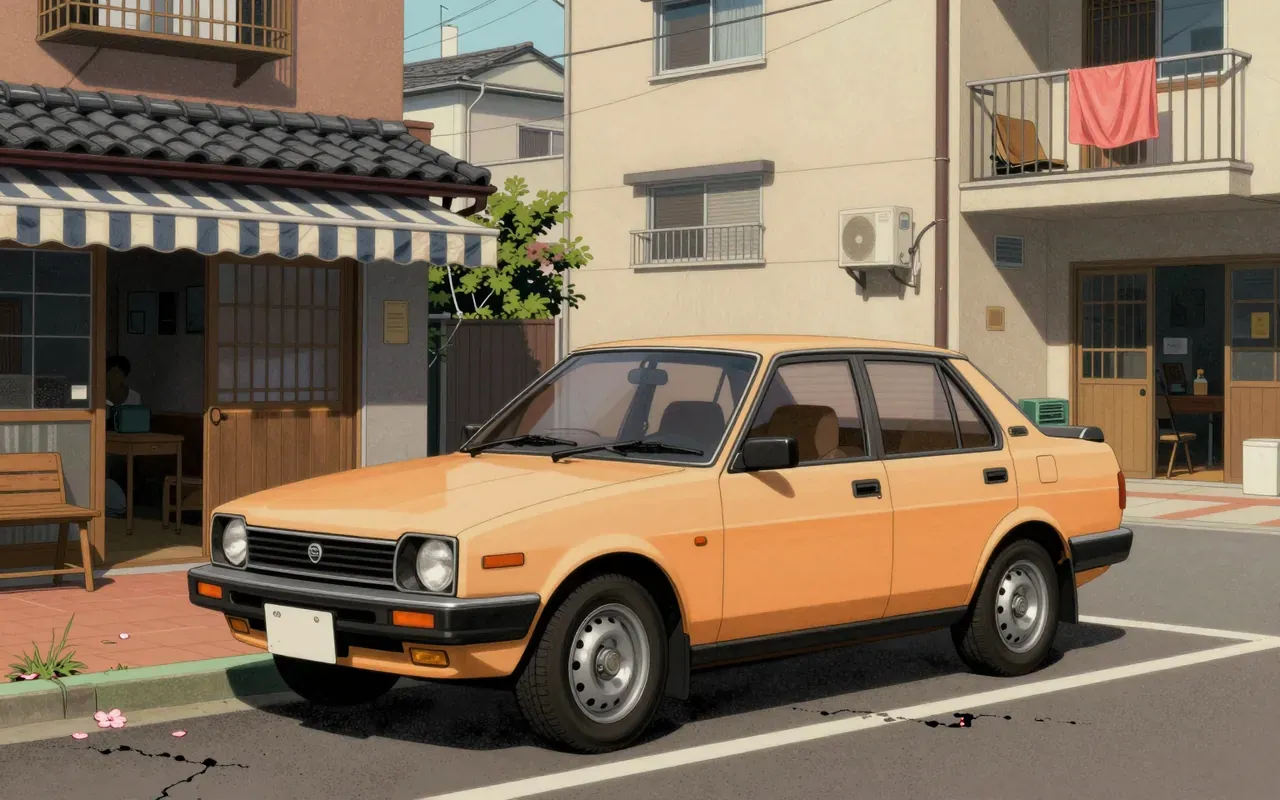
The Perodua Kancil is a microcar defined by its origin, not its invention.

9:52

Peugeot 203

Peugeot · 1948

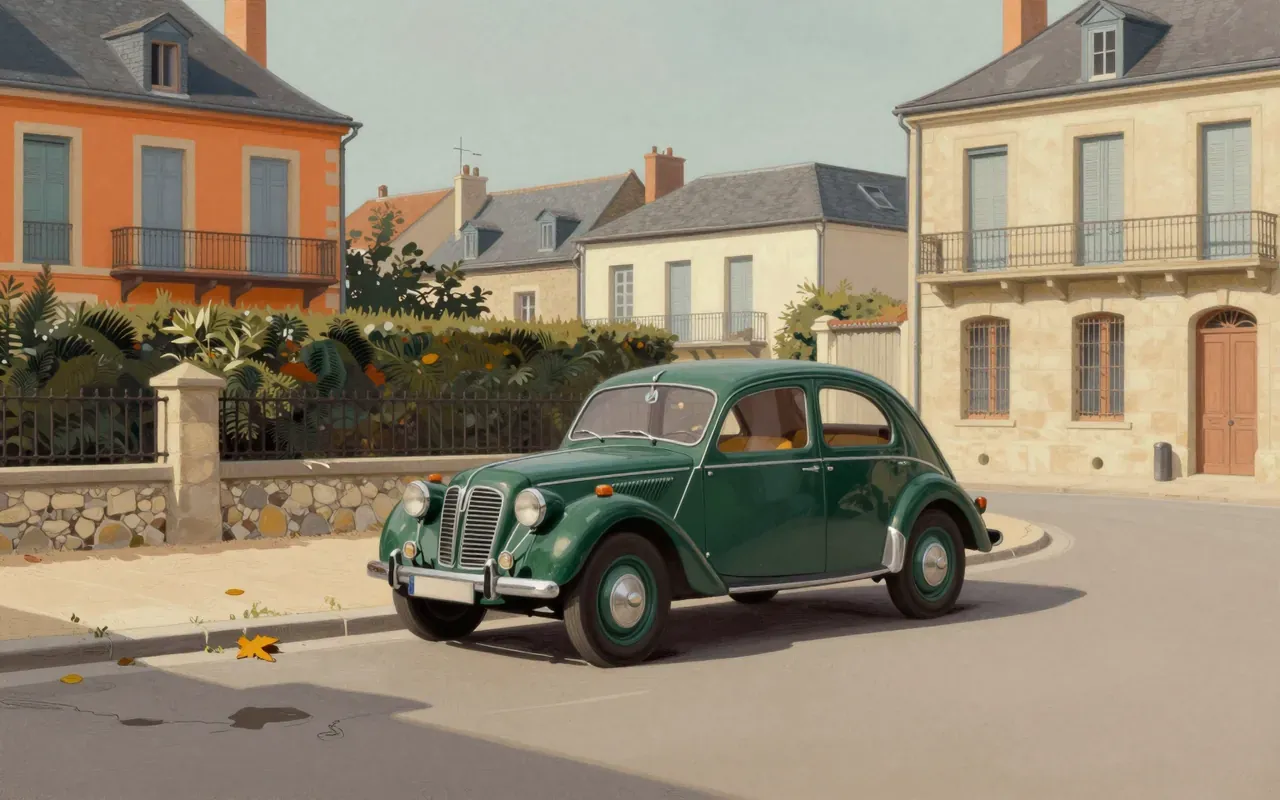
The Peugeot 203 is a foundational post-war saloon. Its monocoque structure, coil-sprung chassis and rack-and-pinion steering set new internal benchmarks. It carried Peugeot alone for six years. It sold nearly 700,000 units. It offered three body variants on two wheelbases. It used one engine, one drivetrain, one brake system. It was rational, not revolutionary.

9:12

Peugeot 404

Pininfarina · 1960

The Peugeot 404 is a large family car produced by Peugeot from 1960 to 1975. Styled by Pininfarina, it launched as a saloon, estate, and pickup. A convertible arrived in 1962; a coupé in 1963. It used a 1.6 litre petrol engine (Solex carburetor or Kugelfischer fuel injection) or a 1.9 litre diesel. A 3-speed ZF automatic was optional. It gained fame as a taxicab and earned a reputation for durability and value. Its bodyshell closely resembles that of the 1959 Austin Westminster.

9:12

Peugeot 405

Pininfarina · 1987

The Peugeot 405 is a large family car designed by Peugeot and styled by Pininfarina, produced from 1987 to 1997 in Europe and under license in Iran until 2020. It shares its floorpan with the Citroën BX but lacks hydropneumatic suspension except on 4x4 variants. It was voted European Car of the Year for 1988 by the largest number of votes in the history of the contest. About 2.5 million vehicles have been sold worldwide, both in left and right drive versions, as a saloon and estate. In early 2020, the 33-year production run of the Peugeot 405 was counted as the 'twentieth most long-lived single generation car in history'. Its appearance is similar to the Alfa Romeo 164, launched the same year and also styled by Pininfarina.

10:24

Peugeot 504

Pininfarina · 1968

The Peugeot 504 is a durable, mechanically coherent saloon built for longevity over novelty. Its design solves for resilience — not agility, comfort or style.

10:47

Peugeot Quasar

Gérard Welter · 1950

The Peugeot Quasar is a 1984 in-house concept built on the 205 T16’s chassis and engine. It features scissor doors and an exposed engine bay. Its interior draws from science fiction. It never entered production. It now resides at the Peugeot Adventure Museum.

10:01

Plymouth Barracuda

Elwood Engel team · 1964

The 1964 Plymouth Barracuda is a fastback rebody of the Valiant, built on the Chrysler A-body. Its innovation was optical, not mechanical: the largest rear window ever fitted to a standard production car. It offered no new powertrain or chassis architecture at launch — only a new silhouette grafted onto an existing car. It beat the Mustang to market by two weeks, but did not define the pony car category on its own terms. It is significant as a case study in low-risk styling iteration, not as a driver’s machine or engineering departure.

11:12

Plymouth Road Runner

Plymouth · 1968

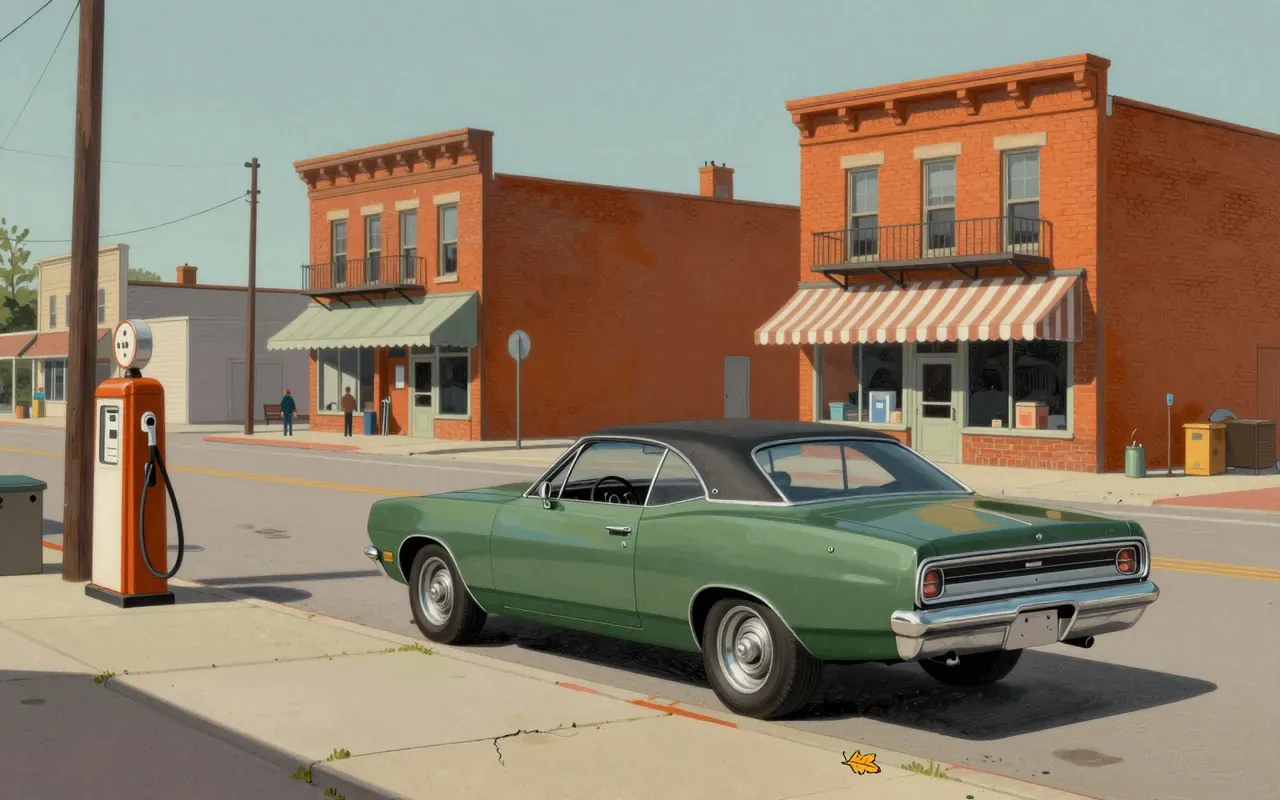
The Plymouth Road Runner is a 1968 US muscle car introduced by Chrysler under its Plymouth brand. It was based on the Belvedere, Plymouth’s basic mid-size model, and built on the Chrysler B platform. It launched as a 2-door pillared coupe, later adding a hardtop. It used licensed cartoon branding and a distinctive horn. Its performance and sales declined in the 1970s due to fuel economy and emissions regulation. By 1976, it was a non-performance trim package on the compact Volaré.

10:16

Polestar 1

Thomas Ingenlath · 2017

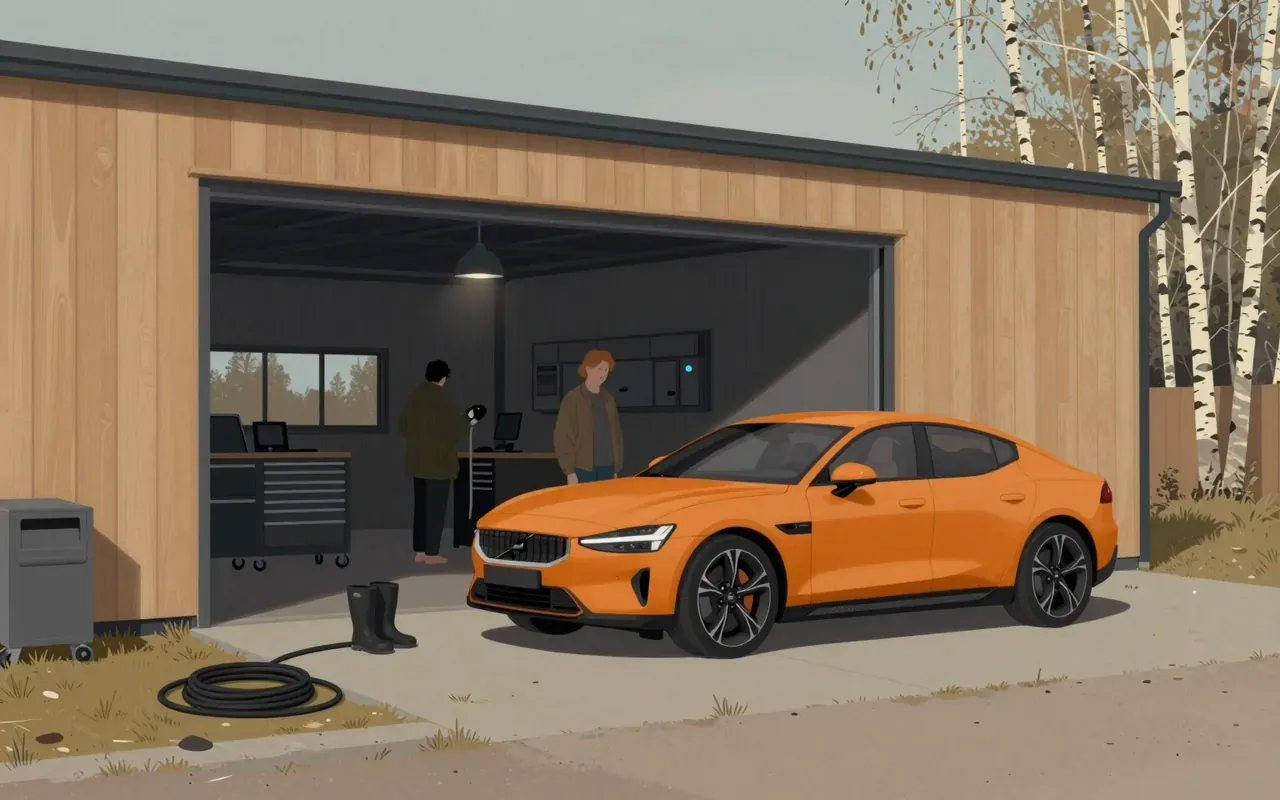
The Polestar 1 is a 2-door plug-in hybrid sports car developed by Polestar as its first independent model. Based on Volvo’s 2013 Concept Coupé and built on Volvo’s SPA platform, it features a twincharged 2.0 L I4 petrol engine driving the front wheels and two electric motors driving the rear wheels. Production was limited to 1,500 units from 2019 to 2022 in Chengdu, China, exclusively for left-hand drive markets.

10:16

Pontiac GTO

John DeLorean · 1964

The 1964 Pontiac GTO is a front-engine, rear-drive, two-door, four-passenger automobile. It began as an optional package on the LeMans. It exploited a GM policy loophole to install a larger engine. It popularised the muscle car segment. It marked the start of Pontiac’s identity as GM’s performance division. It was named after the Ferrari 250 GTO.

10:49

Porsche 356

Erwin Komenda · 1948

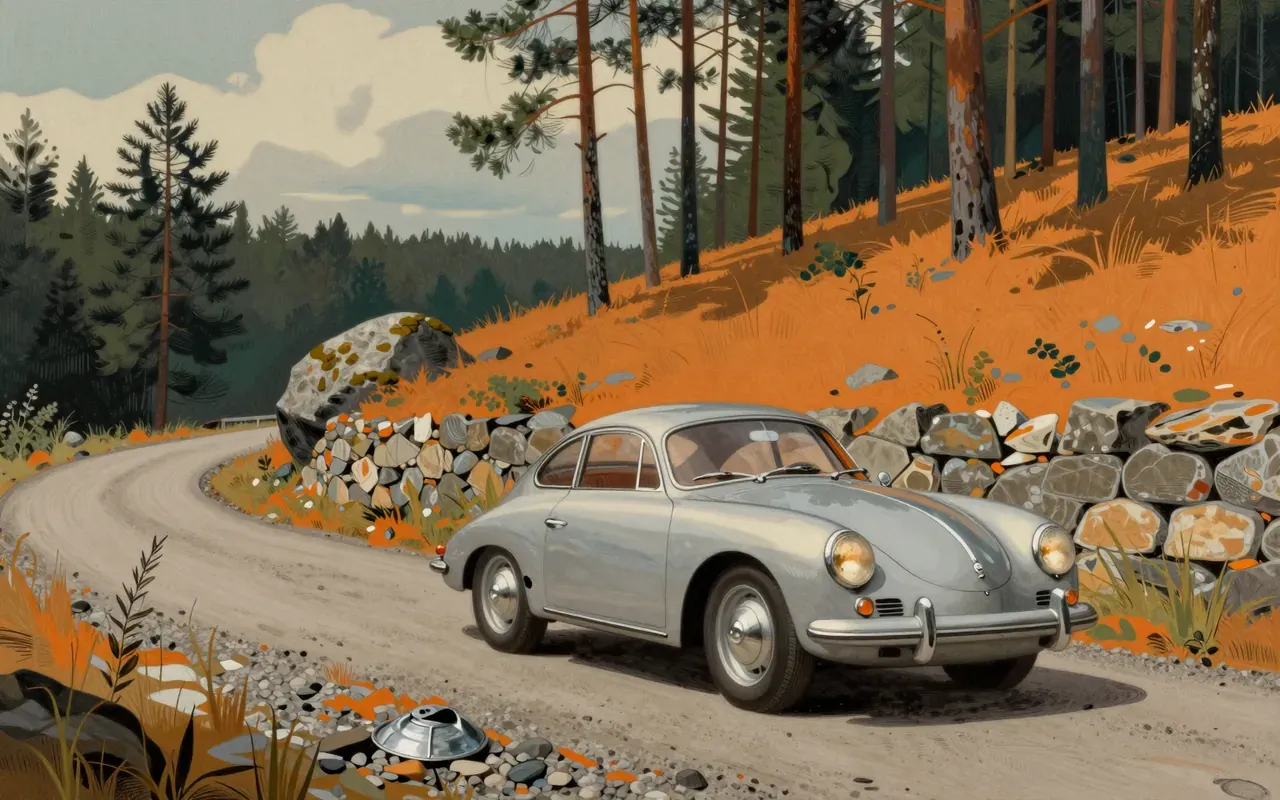
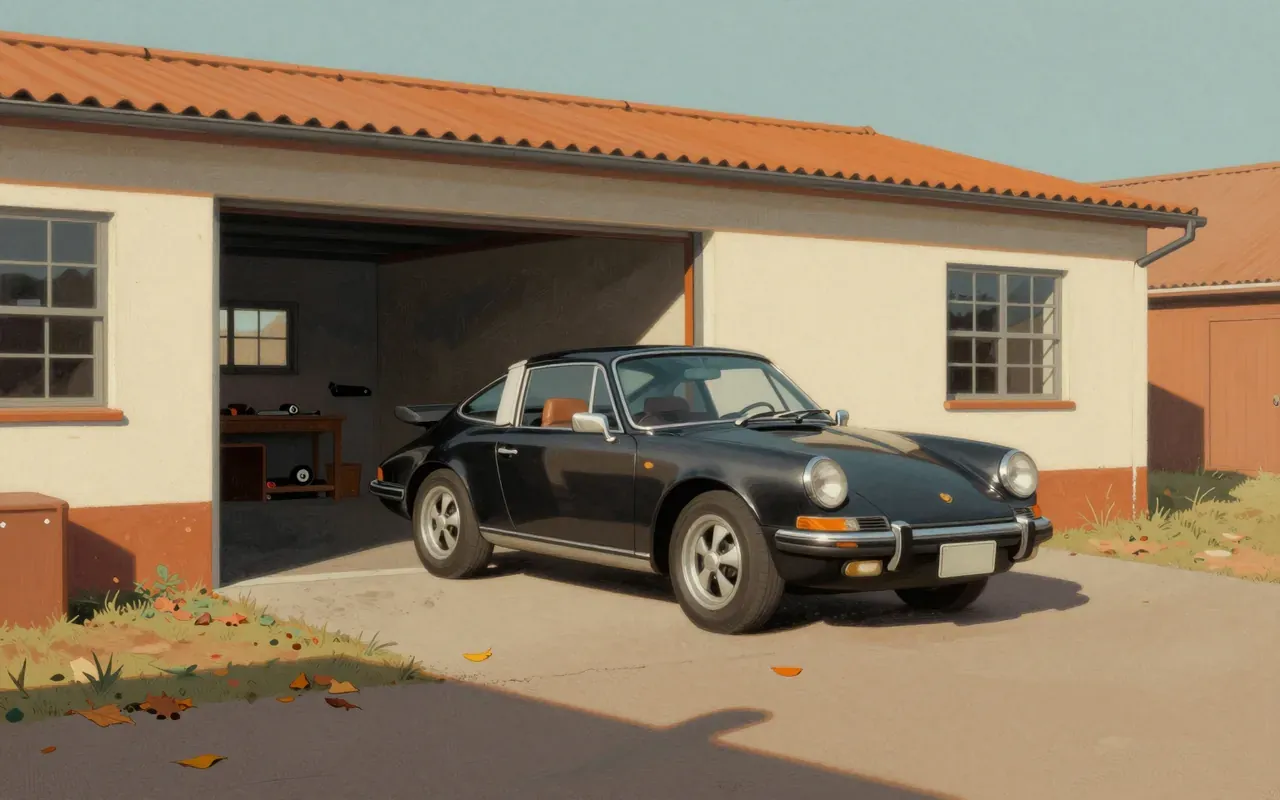
The Porsche 356 is Porsche’s first production automobile: a rear-engine, rear-wheel drive, air-cooled flat-four sports car, designed by Erwin Komenda, produced from 1948 to 1965 in coupé and cabriolet body styles, with approximately 76,000 units built.

10:20

Porsche 914

Heinrich Klie · 1969

The Porsche 914 was a mid-engined targa-topped roadster co-developed by Volkswagen and Porsche between 1969 and 1976. It used either a 1.7 L flat-four or 2.0 L flat-six engine, both mounted midship. Over 118,000 914/4 units were sold worldwide, while only 3,351 914/6 models were built before discontinuation in 1972. It won Motor Trend's Import Car of the Year for 1970 and served as Formula One's first safety car at the 1973 Canadian Grand Prix.

10:07

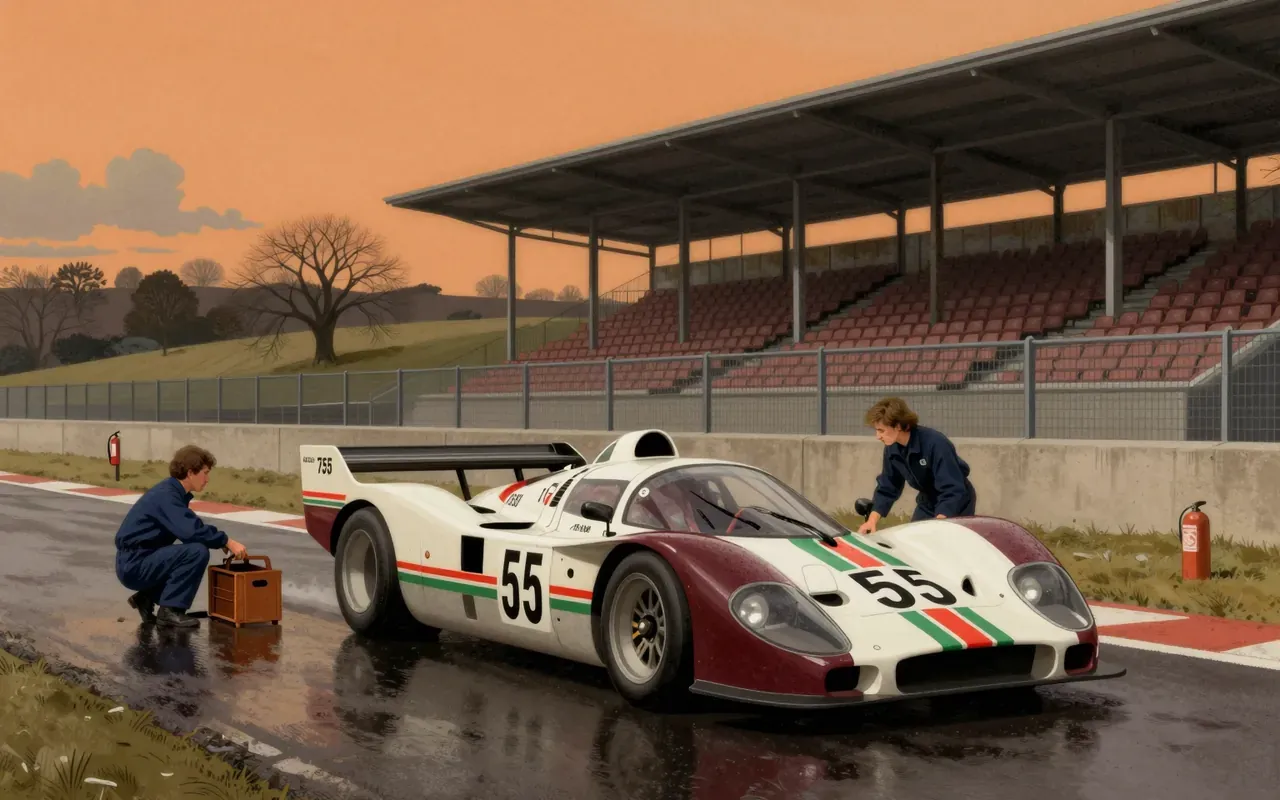
Porsche 917

Hans Mezger · 1969

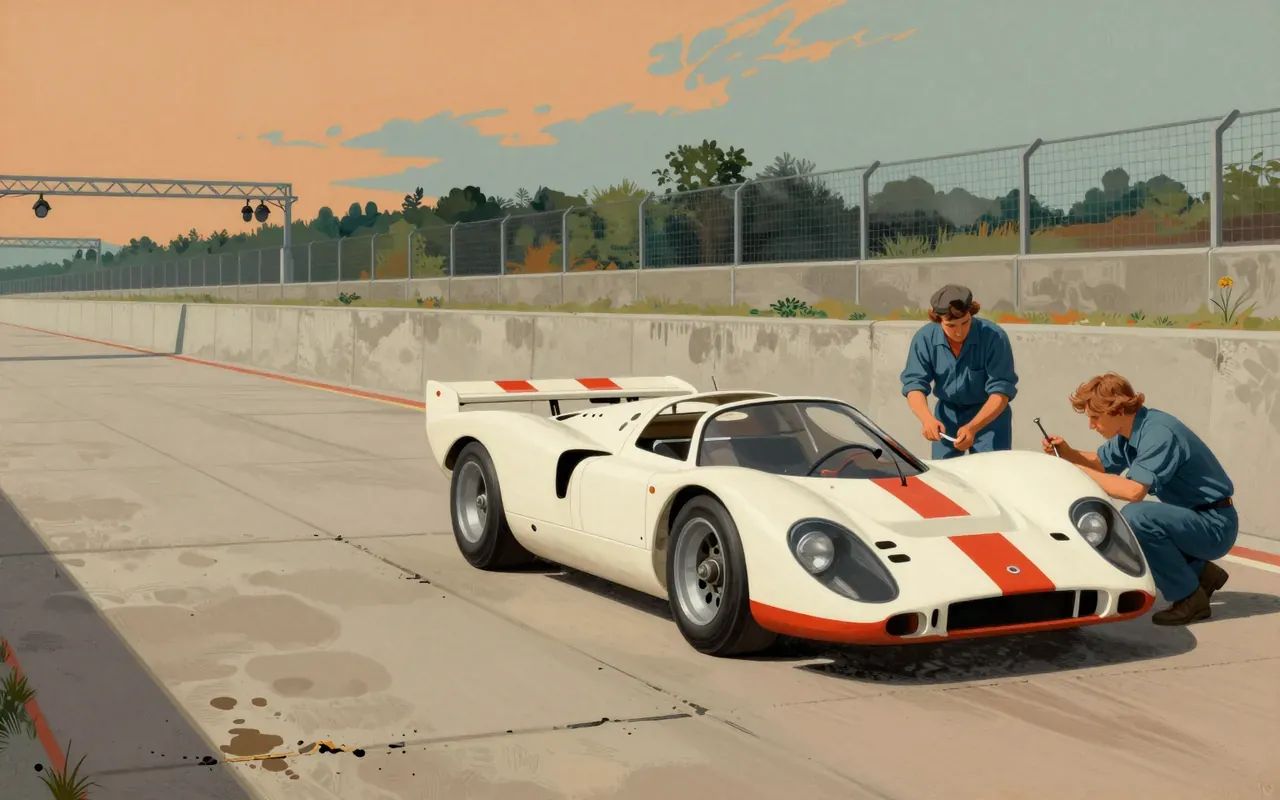
The Porsche 917 is a sports prototype race car developed by Porsche’s 1960s Race Design office under Hans Mezger’s leadership to exploit 5-litre sports car regulations. Its spaceframe chassis weighs 42 kg and is permanently pressurised with gas to detect cracks. Power comes from a new 4.5-litre air-cooled flat-12 engine designed by Mezger. It gave Porsche its first overall wins at the 24 Hours of Le Mans in 1970 and 1971, and was chiefly responsible for Porsche winning the International Championship for Makes in both years. It was initially unwieldy but improved through continuous development. Porsche later adapted it for Can-Am racing, culminating in the twin-turbocharged 917/30.

10:00

Porsche 924

Harm Lagaay · 1976

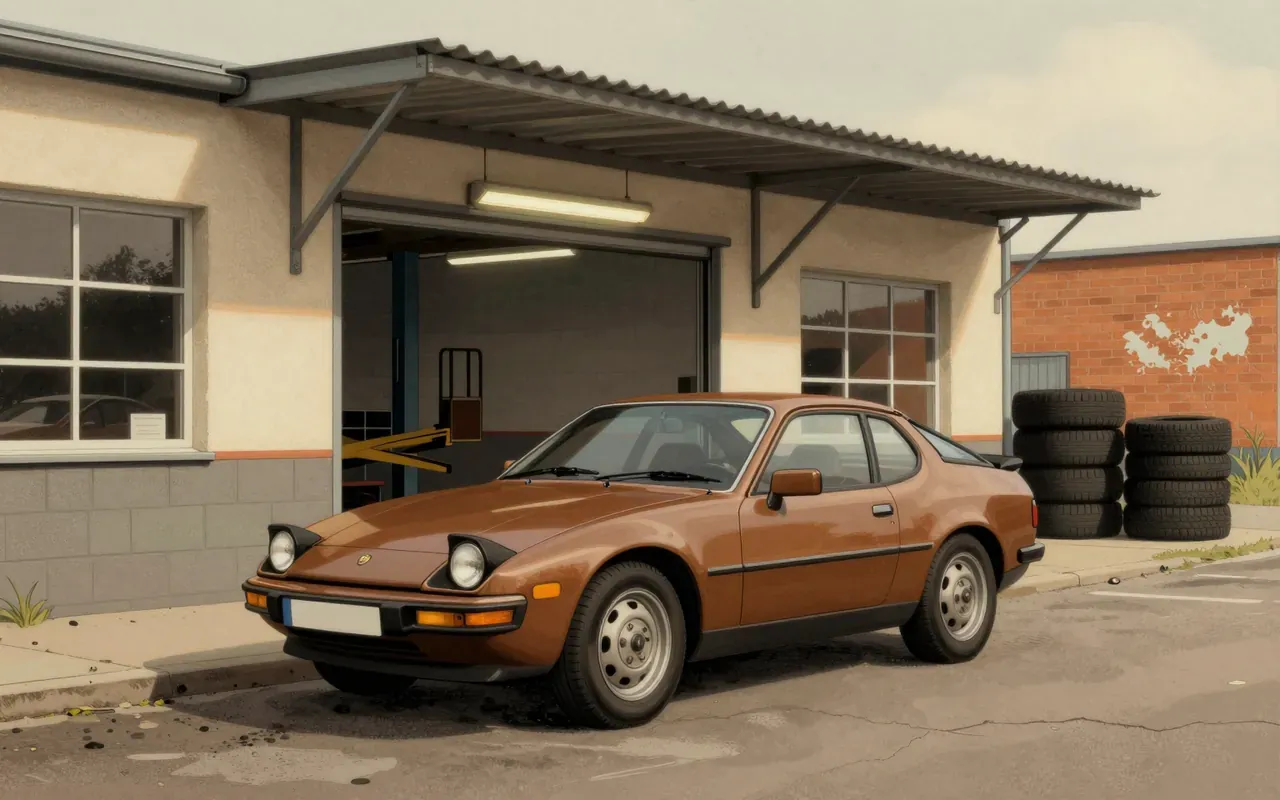
The Porsche 924 is a two-door, 2+2 coupé produced by Porsche in Neckarsulm, Germany, from 1976 until 1988. It was the first production road-going Porsche to use water cooling and a front-engine, rear-wheel-drive layout, and the first Porsche to be offered with a conventional fully automatic transmission. It began as a joint venture with Volkswagen and its overall styling was created by Dutch designer Harm Lagaay. A turbocharged version was introduced in 1978.

10:03

Porsche 928

Wolfgang Möbius · 1977

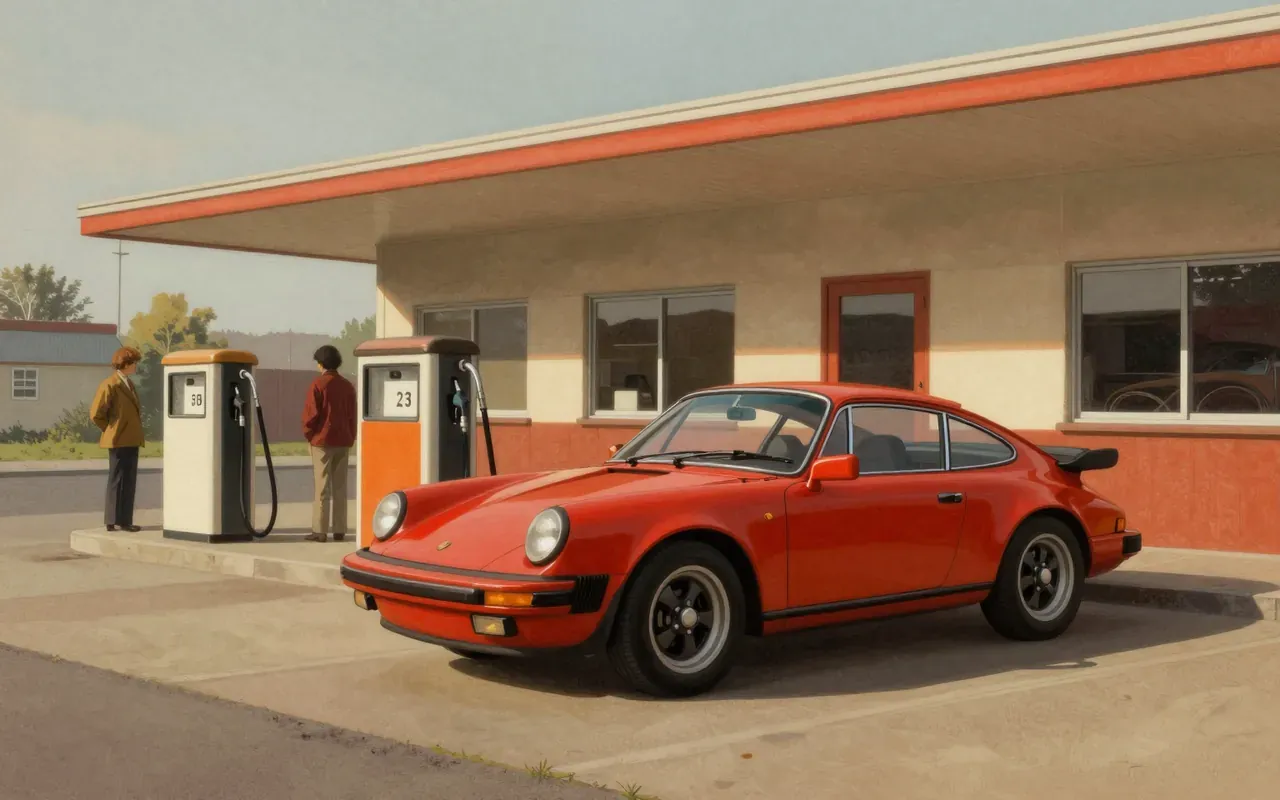
The Porsche 928 is a grand touring car produced by Porsche AG from 1977 to 1995. It is a 2+2 coupé with a rear hatchback, featuring a front-mounted, water-cooled V8 engine driving the rear wheels. It was Porsche's first production car with a V8 engine and its first fully in-house design for a production vehicle. The 928 aimed to blend sports car performance and handling with luxury car comfort and spaciousness, and was conceived as a grand touring car with a conventional engine. It won the European Car of the Year award in 1978.

8:15

Porsche 944

Anatole Lapine · 1982

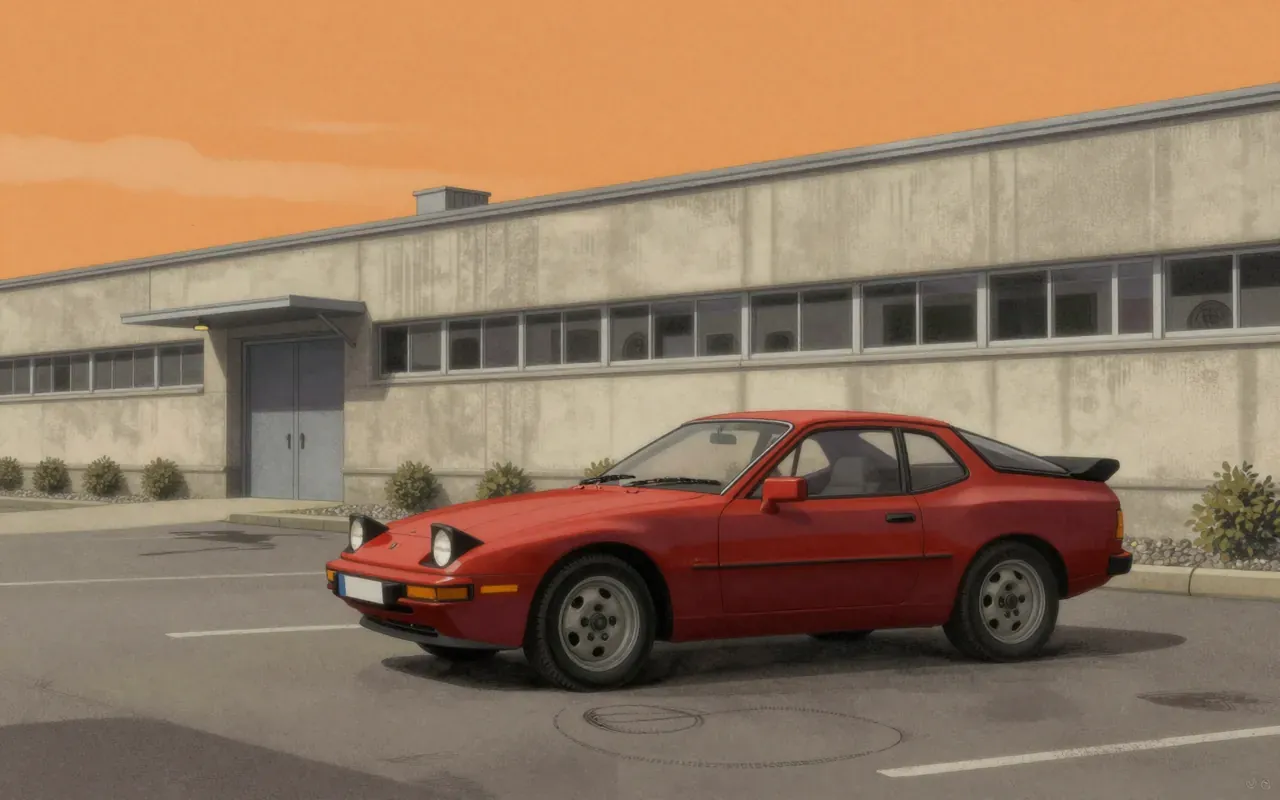
The Porsche 944 is a front-engine, rear-wheel drive two-door sports car developed from the 924 under Anatole Lapine’s leadership. It used water-cooled, all-alloy inline-four engines ranging from 2.5 L to 3.0 L across its 1982–1991 production run. Over 163,000 units were built — the highest volume for any Porsche sports car up to that point. It was offered as a coupé or cabriolet. The nameplate ended after 1991, replaced by the 968 for 1992.

9:30

Porsche 956

Norbert Singer · 1982

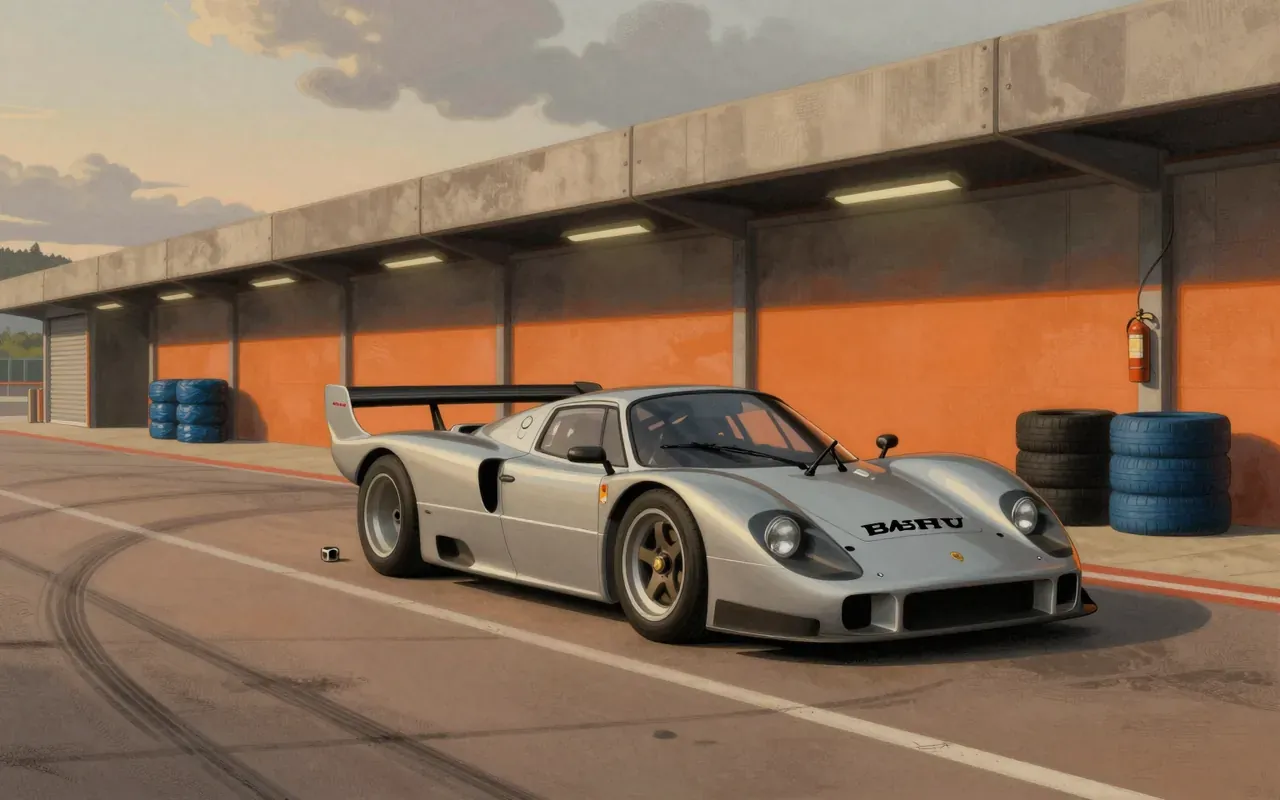
The Porsche 956 is a Group C sports-prototype racing car designed by Norbert Singer and built by Porsche in 1982 to comply with new FIA Group C regulations. It replaced the 936. It features Porsche’s first aluminium monocoque chassis and first ground-effect aerodynamics. It uses a 2.65 L turbocharged Flat-6 engine derived from the 936/81. Twenty-eight units were built between 1982 and 1984, including the 956B variant introduced in 1984. It won seven Le Mans titles and contributed to three Manufacturers’ and two Teams’ World Championships between 1982 and 1986.

10:36

Porsche 959

Helmuth Bott · 1986

The Porsche 959 is a homologation special turned benchmark: the first pure high-performance sports car with all-wheel drive and sequential twin-turbos. It redefined what a street-legal performance car could do—and forced Porsche to adopt those systems across its turbo range.

10:32

Porsche Taycan

Mitja Borkert · 2019

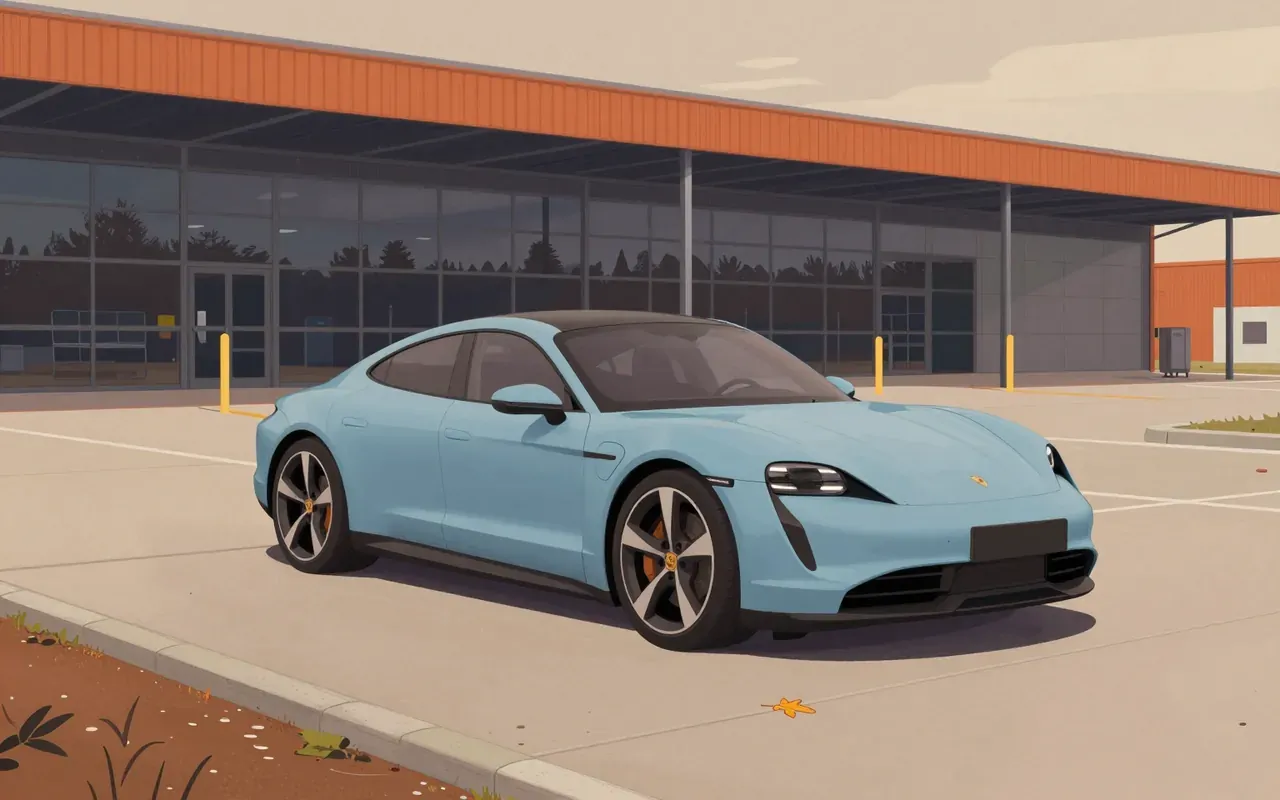
The Taycan redefines Porsche’s electric identity—not by chasing range alone, but by engineering for responsiveness, thermal resilience, and driver feedback. It is not a stopgap. It is the first proof that Porsche’s steering, weight distribution, and longitudinal control could translate to battery power without mimicry.

8:41

Renault 5

Michel Boué · 1972

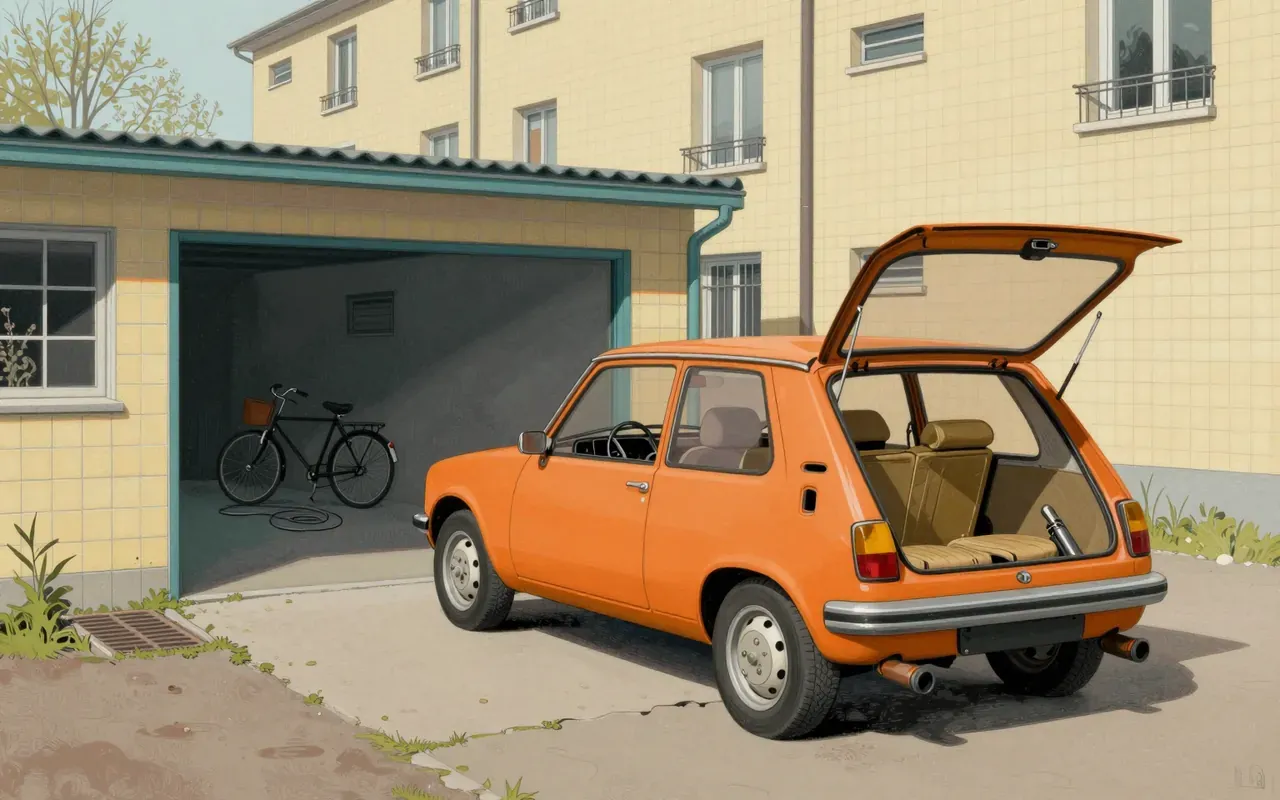
The Renault 5 is a foundational supermini: compact, practical, and relentlessly focused on interior usability. Its longitudinal front-wheel-drive layout and torsion bar suspension prioritise simplicity and space over handling sophistication. Michel Boué designed it outside his regular duties — and died before seeing its 15-year dominance as France’s best-selling car. It changed expectations of what a small car could carry, how it could be serviced, and who it could serve.

9:29

Renault 5 E-Tech

Gilles Vidal · 2024

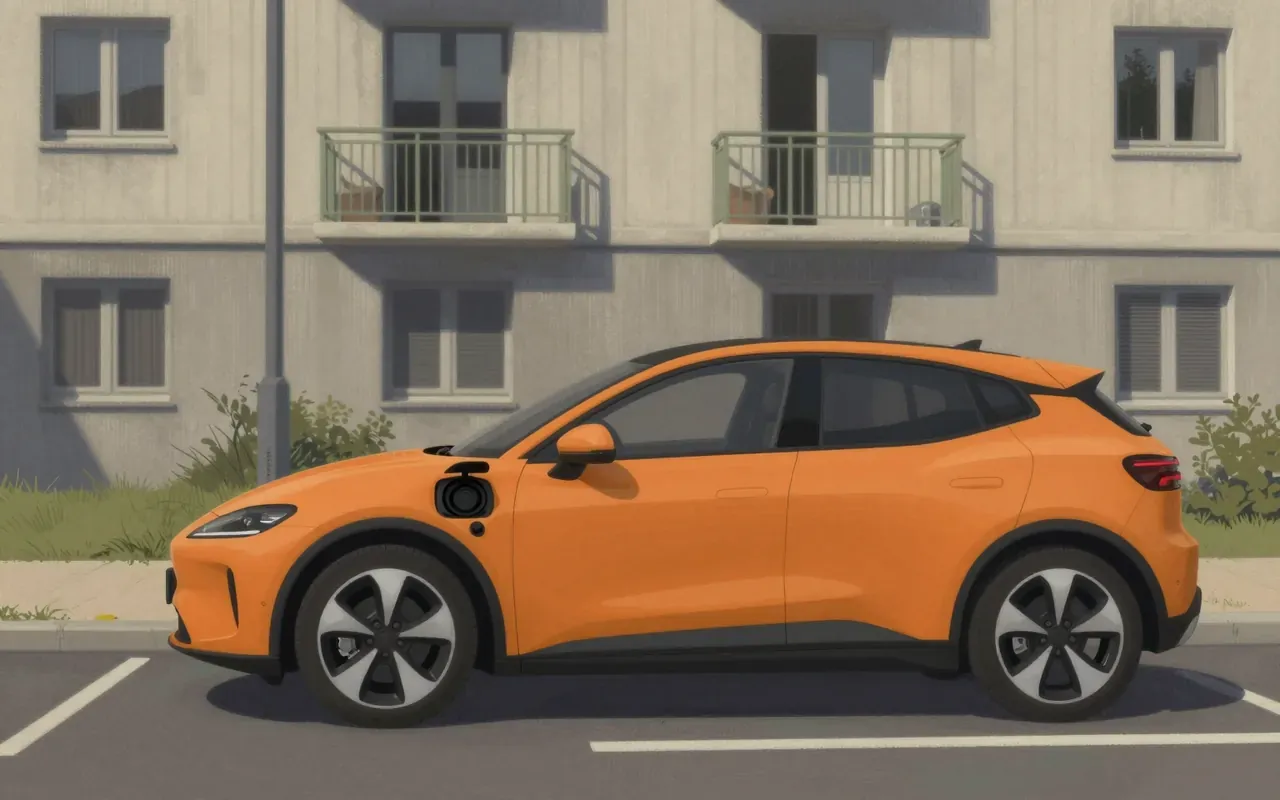
Renault 5 E-Tech is a B-segment battery electric hatchback produced since 2024. Styled under Gilles Vidal, it draws on the original Renault 5’s form language. Built at Douai using the CMF-B EV platform, it offers 40 kWh or 52 kWh batteries, motor outputs up to 110 kW, and 130 kW DC fast charging via a bonnet-mounted port. Its range peaks at 400 km. It is front-motor, front-wheel drive only.

10:08

Renault Avantime

Patrick Le Quément · 2001

The Renault Avantime is a 2001 one-box grand tourer marketed by Renault and designed and manufactured by Matra. Patrick Le Quément led its design. It combines estate space with four-place pillarless coupé qualities. It features an aluminium structure, aluminium panels for the greenhouse, and a full sunroof of strengthened heat-reflecting glass. As a one-box design without B-pillars, it blends MPV, estate, or shooting brake elements with 2+2 coupé style and convertible elements. Renault self-described it as a grand tourer.

10:32

Renault Espace

Fergus Pollock · 1984

The Renault Espace is a long-running series launched in 1984, evolving from a pioneering MPV—first built by Matra—through successive generations to a modern SUV. Its design origins trace to British designer Fergus Pollock in the 1970s, later developed by Matra and adopted by Renault. Early generations featured innovative construction (fibreglass body on galvanised steel spaceframe), longitudinal engine layout, and flat-floor interiors. Later generations shifted to transverse engines, Renault-led development, and increasingly crossover styling—culminating in the sixth-generation SUV launched in 2023.

10:12

Renault Twingo

Patrick Le Quément · 1992

The Renault Twingo (1992) is a two-door, front-engine city car designed under Patrick Le Quément’s leadership to reverse Renault’s declining sales through bold, autonomous design. Its defining feature—the smile-shaped front end—was a deliberate assertion of styling priority over mechanical packaging. It delivered visibility, compactness, and instant recognition, but sacrificed rear access, cargo space, and dynamic refinement. It marked the moment Renault’s design department gained executive authority—and proved that a city car could be defined first by how it looked, not how it was engineered.

10:54

Renault Vel Satis

Patrick Le Quément · 2001

The Renault Vel Satis is an executive hatchback manufactured by Renault from 2001 to 2009. It was launched at the 2001 Geneva Motor Show to replace the Safrane. Designed by Patrick Le Quément’s team, it formed part of Renault’s effort to develop an independent formal language. It is noted for its height — 13 cm higher than the Safrane — which benefits interior space. It was Renault’s flagship model and the company’s first car offered with adaptive cruise control. It was the second car ever to receive a five-star Euro NCAP safety rating. Approximately 62,000 units were manufactured over eight years. The name Vel Satis is a portmanteau of Velocity and Satisfaction. It shared its platform with the Laguna II and Espace IV and was manufactured in Sandouville, France.

9:37

Rolls-Royce Silver Cloud

John Blatchley · 1955

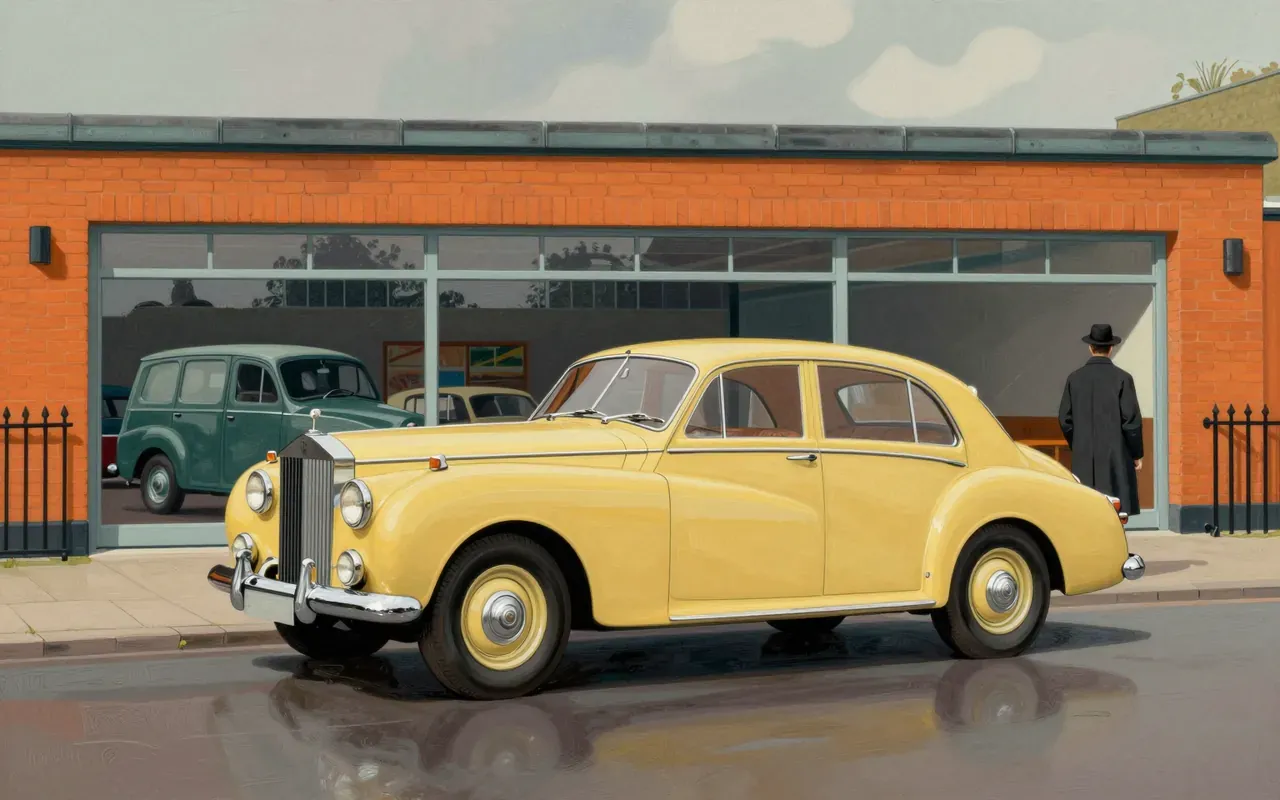
The Silver Cloud is Rolls-Royce’s decisive post-war statement: a large, rigid, body-on-frame saloon that abandoned pre-war cues and shared its architecture with Bentley for the first time. It prioritises presence, coachbuilding flexibility, and dimensional authority over agility or innovation.

9:33

Saab 900

Björn Envall · 1978

The Saab 900 is a Swedish automobile produced from 1978 to 1998. It was introduced on 12 May 1978 for the 1979 model year. The Saab 900 has a longitudinally mounted, 45-degree canted, inline four-cylinder engine. The Saab 900 was produced in two- and four-door sedan, and three- and five-door hatchback configurations and, from 1986, as a cabriolet. The Saab 900 CC (Combi Coupé) body was developed from the Saab 99 model. The Saab 900's double wishbone suspension design provided excellent handling and road feel. The Saab 900's rear suspension comprised a typical beam axle design, stabilized with a Panhard rod. The Saab 900 has a deeply curved windshield, improving driver visibility.

9:49

Saab 9000

Giorgetto Giugiaro · 1984

The Saab 9000 is a formally resolved, transversely engineered executive car that delivered space, visibility, and quiet competence — at the cost of driving drama and mechanical distinctiveness.

10:34

Škoda Favorit

Bertone · 1987

The Škoda Favorit is a front-engine, front-wheel-drive supermini hatchback introduced by Škoda Auto in 1987 after protracted development involving disputes with Nuccio Bertone; it succeeded the rear-engined Estelle and marked Škoda’s shift toward modern European design norms, with later estate and pickup variants, and notable motorsport success despite its modest specification.

9:45

SSC Ultimate Aero

Jerod Shelby · 2006

The SSC Ultimate Aero is a mid-engined sports car built by SSC North America from 2004 to 2013. It held the Guinness World Records production car speed record from 2007 until 2010. Jerod Shelby stated the early design philosophy was to make it a driver's car where throttle input could influence steering. The Aero features butterfly doors similar to those on the McLaren F1 and Ferrari Enzo. Carbon fibre and titanium are used throughout the car.

11:37

Studebaker Avanti

Raymond Loewy team · 1962

The Studebaker Avanti is a personal luxury coupe manufactured by Studebaker Corporation between June 1962 and December 1963. Designed by Raymond Loewy's team under Sherwood Egbert's direction, it was built as a halo car and marketed as America's only four-passenger high-performance personal car. It featured a radical fiberglass body mounted on a modified Studebaker Lark chassis and powered by a modified 289 Hawk V8 engine. It introduced front disc brakes — the first American production model to offer them — and a bottom-breather air intake. Called the fastest production car in the world upon introduction, it broke 29 world speed records at the Bonneville Salt Flats. Only 1,200 units were built in 1962 despite a goal of 20,000. Production ended in December 1963, though licensed derivatives continued until 2006.

10:25

Subaru SVX

Giorgetto Giugiaro · 1991

The Subaru Alcyone SVX is a 1991 two-door, front-engine coupé styled by Giorgetto Giugiaro. It was Subaru’s first luxury/performance vehicle. It featured an aircraft-inspired 'window-within-a-window' side-glass configuration. It used only the 3.3-litre flat-six EG33 engine and an automatic transmission. All-wheel drive was offered via ACT-4 or VTD systems — or front-wheel drive in some markets. Production ran from 1991 to 1996.

9:06

Suzuki Cappuccino

Suzuki · 1991

The Suzuki Cappuccino is a 1991–1998 Japanese two-seater roadster designed to meet Kei car regulations. It features a turbocharged 657 cc DOHC inline-three engine, front mid-engine layout, rear-wheel drive, and adaptable roof configurations (closed coupé, T-top, targa, full convertible). Its dimensions—3,295 mm long and 1,395 mm wide—comply with Kei limits. Front-rear weight distribution is 50/50% with both seats occupied.

12:25

Tata Indica

I.DE.A Institute · 1998

The Tata Indica (1998) is a B-segment five-door compact hatchback, India’s first diesel hatchback and Tata’s first passenger hatchback. Styled by I.DE.A Institute, it used an indigenous 1.4-L petrol/diesel inline-four engine. Early buyers reported discrepancies between promised and delivered horsepower and mileage. Production ran from 1998 to 2018.

9:30

Tatra 603

František Kardaus · 1956

The Tatra 603 is a large rear-engined luxury saloon produced by Tatra from 1956 to 1975. It continues the streamlined sedan lineage begun with the Tatra 77. In Socialist Czechoslovakia, only high-ranking party officials and factory heads were driven in 603s; the car was also exported to allied countries. Three successive versions—the T603, 2-603, and unofficial -3—were manufactured, distinguished by headlamp arrangements and progressive updates including disc brakes and contactless thyristor ignition. Its V8 overhead valve hemi engine was air-cooled and derived from earlier Tatra models. A total of 20,422 units were built, mostly by hand.

9:31

Tatra 77

Hans Ledwinka · 1934

The Tatra 77 is one of the first serial-produced, truly aerodynamically-designed automobiles, produced by Czechoslovak company Tatra from 1934 to 1938. It was developed by Hans Ledwinka and Paul Jaray, the Zeppelin aerodynamic engineer. Launched in 1934, the Tatra 77 is a coach-built automobile, constructed on a platform chassis with a pressed box-section steel backbone rather than Tatra's trademark tubular chassis, and is powered by a 60 horsepower (45 kW) rear-mounted 2.97-litre air-cooled V8 engine, in later series increased to a 75 horsepower (56 kW) 3.4-litre engine. It possessed advanced engineering features, such as overhead valves, hemispherical combustion chambers, a dry sump, fully independent suspension, rear swing axles and extensive use of lightweight magnesium alloy for the engine, transmission, suspension and body. Another one of his significant contributions to automotive design was the streamlined car body. Under him, Tatra brought the first mass-produced streamlined cars to the market. With his son Erich, who became chief designer at Tatra, Ledwinka and Erich Übelacker, a German engineer also employed by Tatra, designed the streamlined Tatra models T77, T77a, T87, and T97, all of which have rear-mounted air-cooled engines.
10:06

Tatra 87

Hans Ledwinka · 1936

The Tatra 87 is a Czechoslovak-built, rear-engine, streamlined saloon produced from 1936 to 1950. Designed by Hans Ledwinka, Erich Ledwinka, and Erich Übelacker. Based on Paul Jaray’s aerodynamic proposals.

9:45

Tesla Cybertruck

Franz von Holzhausen · 2019

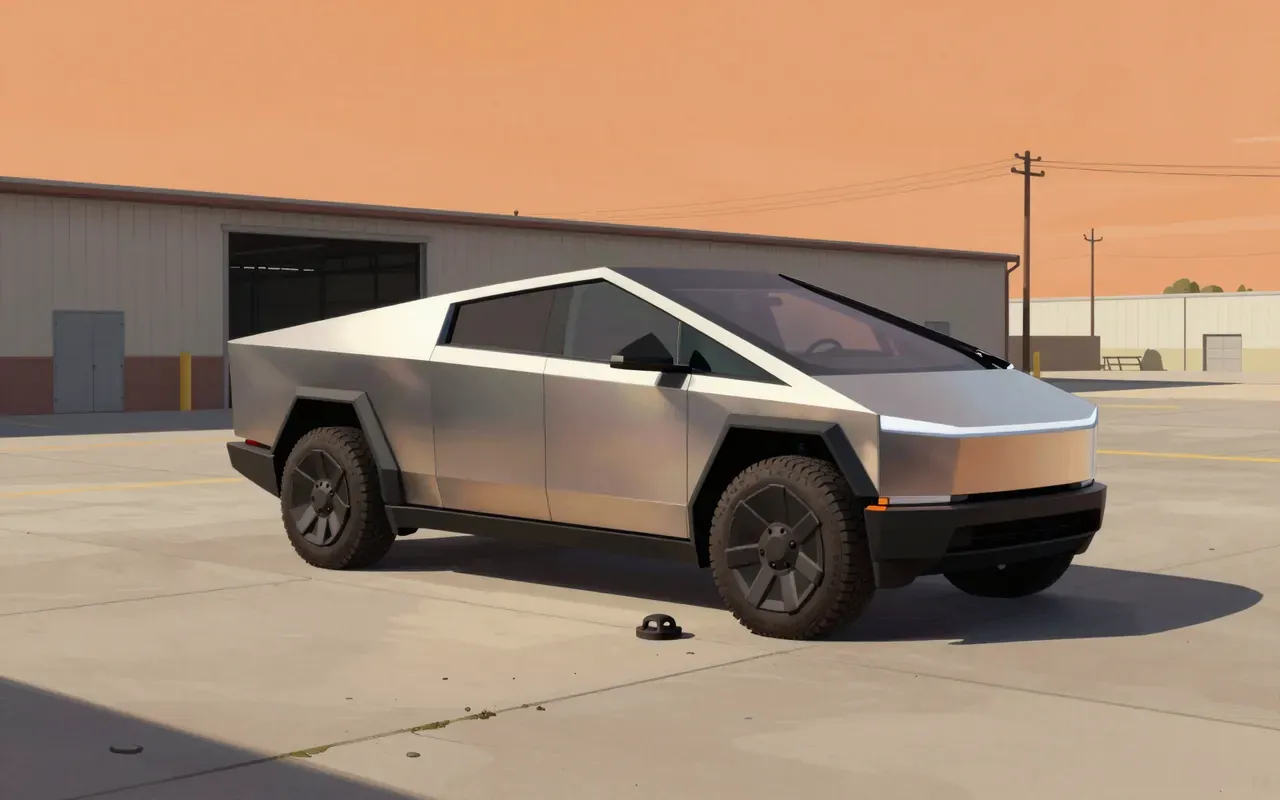
The Tesla Cybertruck is a battery-electric full-size pickup truck designed by Franz von Holzhausen and unveiled as a prototype in November 2019. Its flat, unpainted stainless steel body panels form sharp angles reminiscent of low-polygon computer models. During its 2019 unveiling, Elon Musk struck its side with a sledgehammer—and it dented. It entered limited production at Gigafactory Texas in 2023, with customer deliveries beginning in November 2023. As of 2026, two variants are available: a tri-motor AWD 'Cyberbeast' and a dual-motor AWD model.

10:46

Tesla Model 3

Franz von Holzhausen · 2017

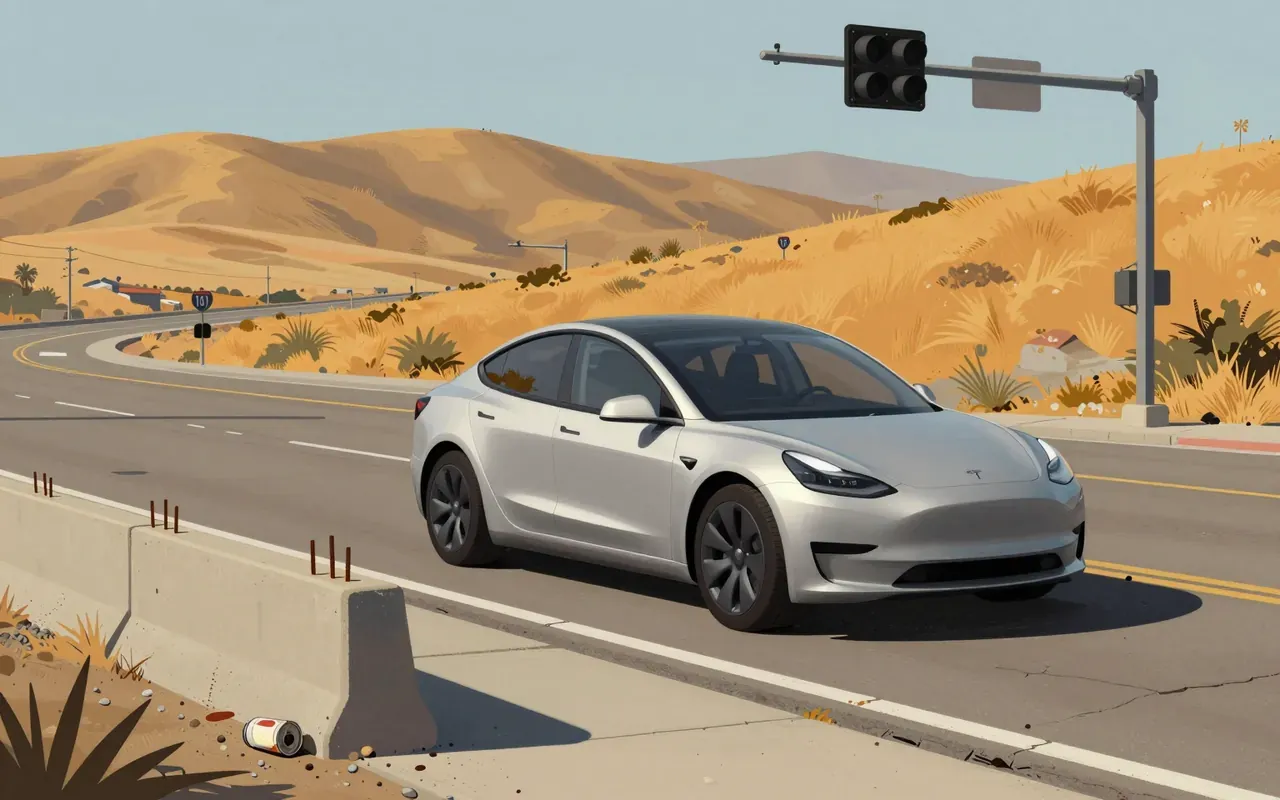
The Tesla Model 3 is a battery electric mid-size sedan with a fastback body style introduced in 2017. Franz von Holzhausen led its design. It was marketed as a more affordable, mass-market family car relative to earlier Tesla models. It became the world’s top-selling plug-in electric car from 2018–2020 and the first electric car to reach 1 million global sales in June 2021. It features a five-passenger capacity, front and rear trunks, EPA-rated range of 215 miles for the Standard Range version, sports-car acceleration, and a drag coefficient of Cd=0.225 (later improved to 0.219). A major design refresh — codenamed 'Project Highland' — was introduced in late 2023/early 2024, bringing revised styling, improved range, new hardware (including HW4), and structural changes. The car was designed under Franz von Holzhausen and described as targeting the Audi A4/BMW 3 Series/Mercedes-Benz C-Class segment.

10:49

Tesla Model S

Franz von Holzhausen · 2012

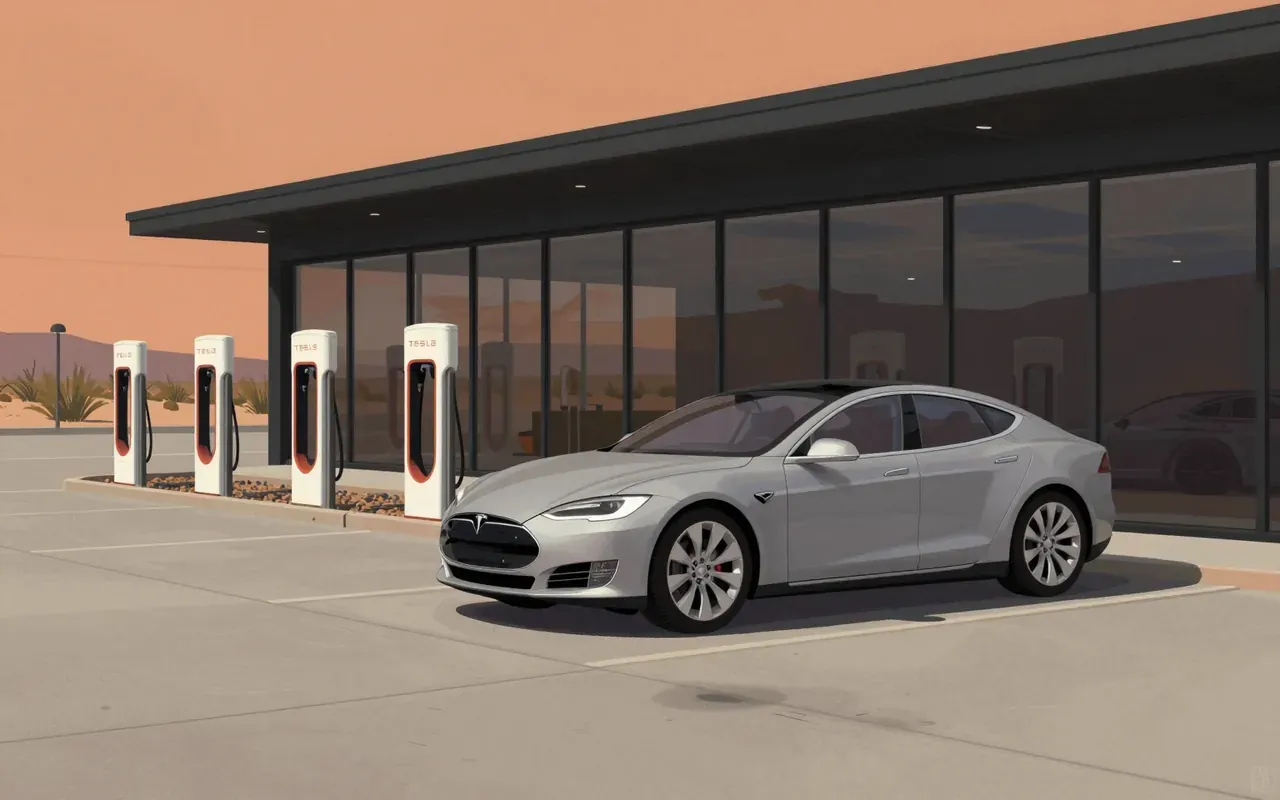
The Tesla Model S (2012) is a battery-electric, four-door full-size sedan — Tesla’s second vehicle — designed by Franz von Holzhausen and produced from 2012 to 2026. It established electric propulsion as viable for mainstream saloons, winning Motor Trend Car of the Year in 2013.

11:12

Mini

Alec Issigonis · 1959

The Mini is a two-door, four-seat saloon designed by Sir Alec Issigonis for BMC in response to the 1956 Suez Crisis fuel shortage. Its front-wheel-drive, transverse-engine layout with sump gearbox and 10-inch wheels maximised interior space, delivering 80% of the floorpan to passengers and luggage. It used Alex Moulton’s rubber cone suspension — a time-driven compromise that sharpened road feedback. It influenced Honda N360, Nissan Cherry, and Fiat 127. It was voted second-most influential car of the 20th century in 1999. It remained in production from 1959 to 2000, selling 5.3 million units — the best-selling British car in history.

9:47

Toyota 2000GT

Satoru Nozaki · 1967

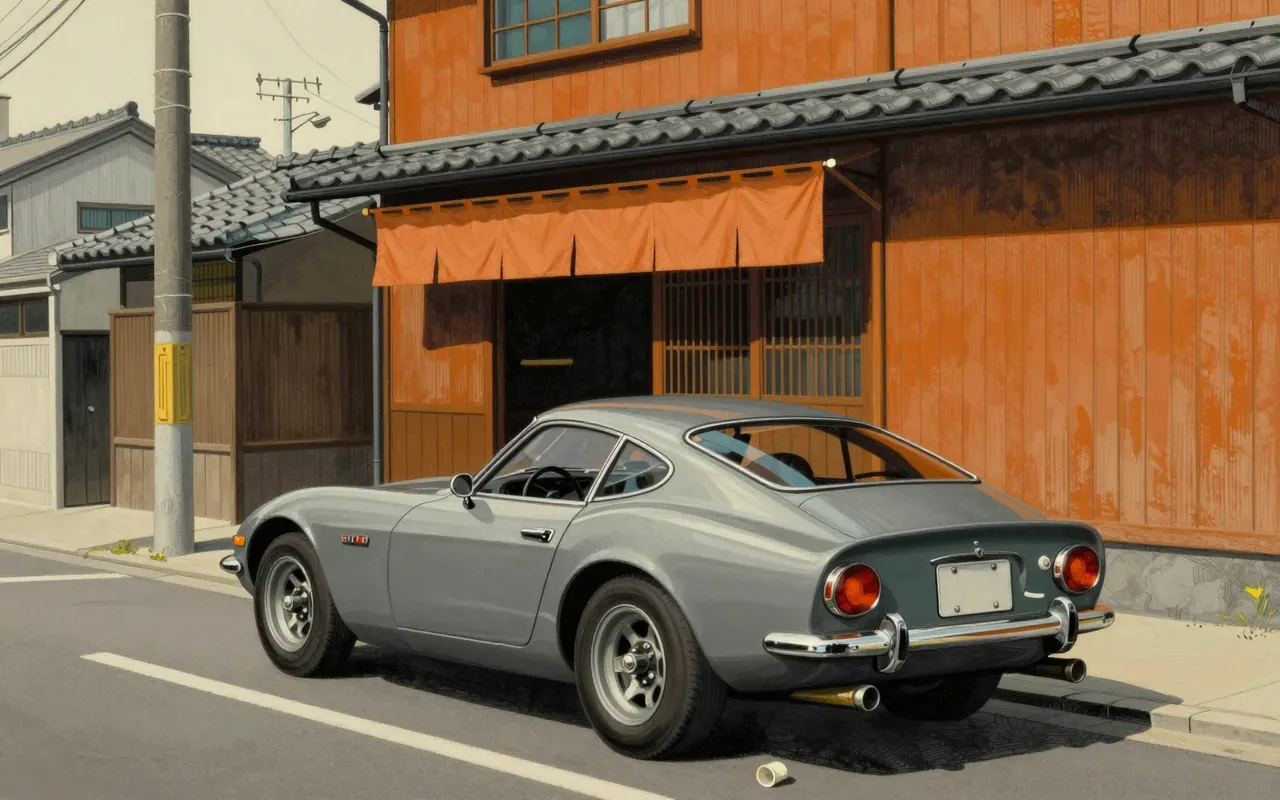
The Toyota 2000GT is a landmark Japanese sports car: a limited-production, front mid-engine, rear-wheel-drive fastback coupé developed by Toyota with Yamaha, launched in 1965 and built from 1967 to 1970. It featured a 2.0 L straight-6 engine, re-engineered by Yamaha for performance, and was hailed internationally as a world-class GT—shifting global perception of Japanese automotive capability. Its legacy includes racing success, cultural prominence (notably in You Only Live Twice), and status as the first seriously collectible Japanese car.

9:50

Toyota Celica

Toyota Design · 1970

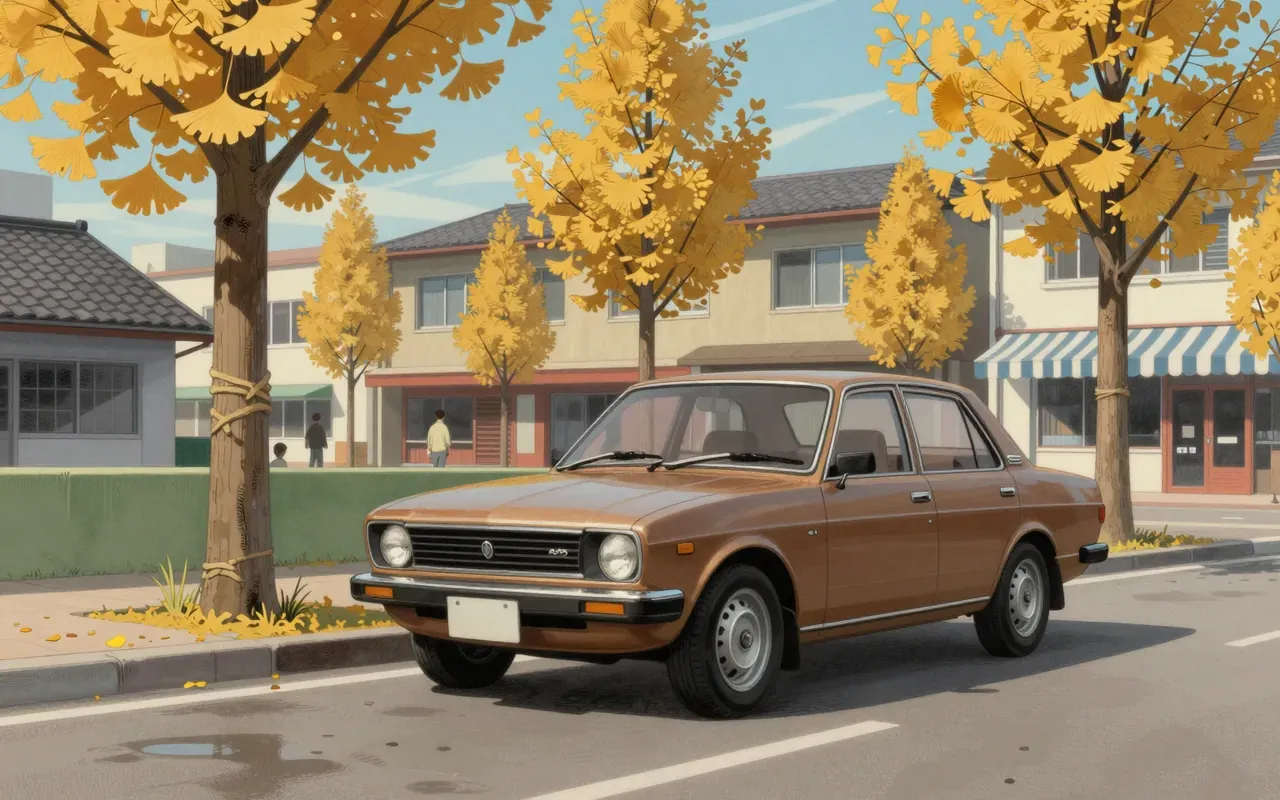
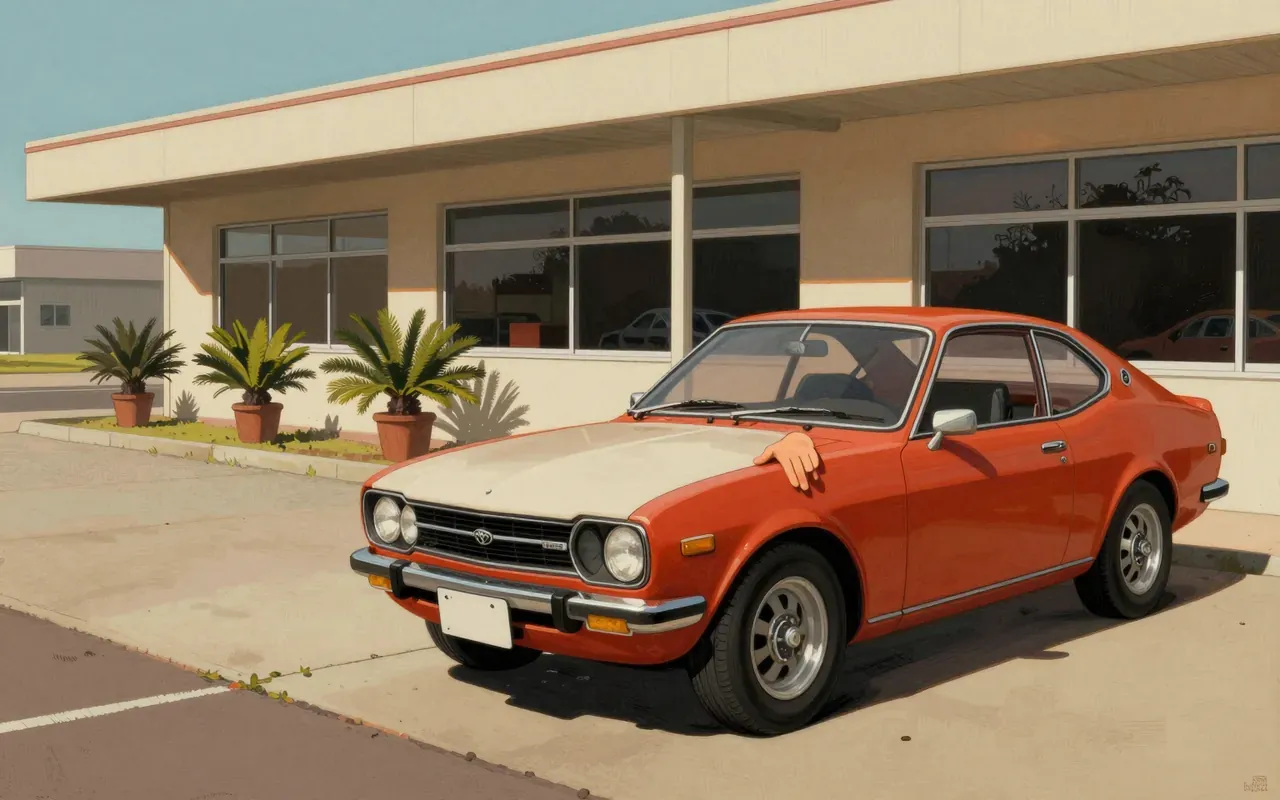
The Toyota Celica (1970) is a rear-wheel-drive coupe built on the Toyota Carina’s platform. It uses four-cylinder R-series engines in early North American models. Toyota coined 'liftback' in 1973 for its fastback hatchback. It was exclusive to Japan’s Toyota Corolla Store chain. Drive layout switched to front-wheel drive in August 1985.
9:44

Toyota GR Yaris

Toyota Gazoo Racing · 2020

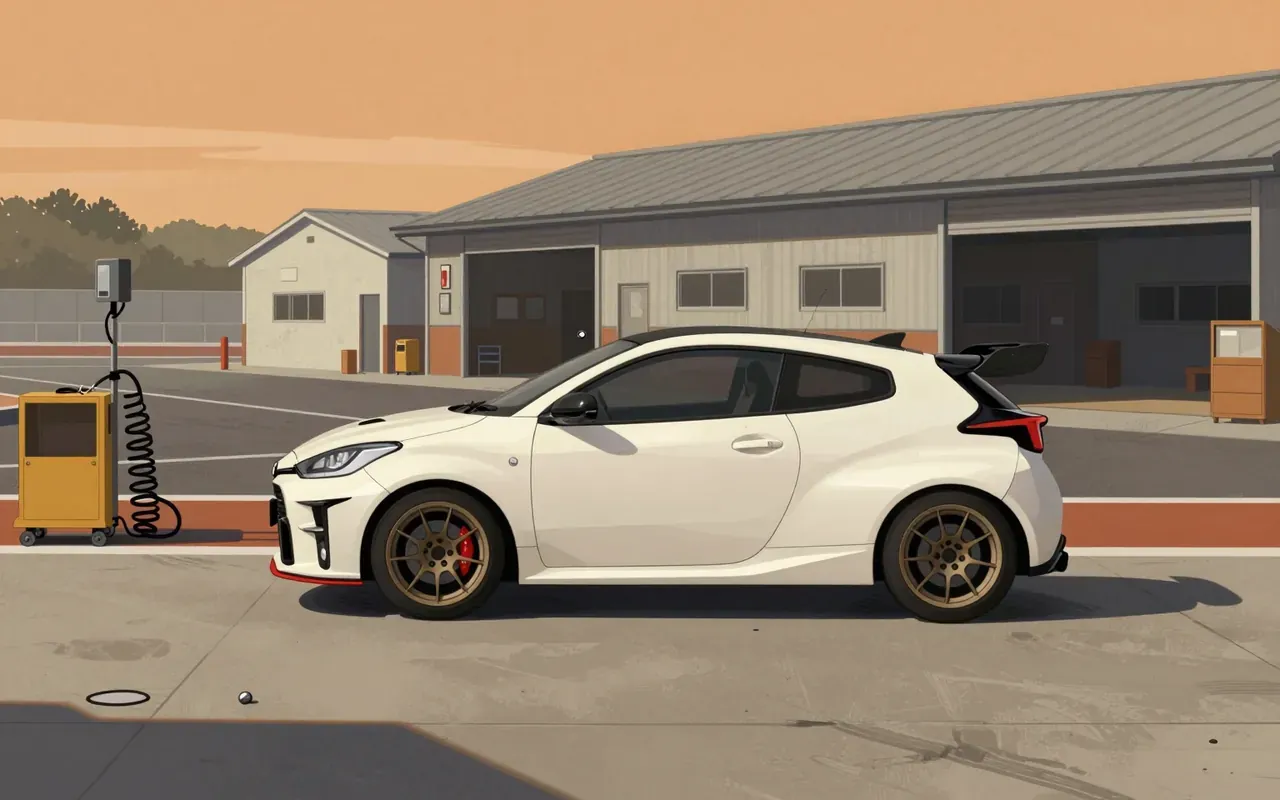
The GR Yaris is a rally-homologated, three-door hatchback built by hand at Toyota’s GR Factory in Motomachi since September 2020. It uses a bespoke 1.6L turbo three-cylinder engine and was produced in volumes exceeding WRC requirements. It is sold globally except in North America.

9:37

Toyota Sports 800

Shozo Sato · 1965

Toyota Sports 800 (1965) — A lightweight, targa-top roadster built around an air-cooled 800 cc boxer engine. Designed for agility and aerodynamic efficiency, not speed or comfort. Sold exclusively in Japan via Toyota Publica Stores. Production: 1965–1969. Units built: ~3,131.

11:12

Tucker 48

Alex Tremulis · 1948

The Tucker 48 is a saloon defined by unmet promise and tangible innovation. It established safety and driver-centred layout as non-negotiables—before Detroit accepted them. It failed to deliver its own engine or prove its systems in volume. Its legacy is procedural, not mechanical.

9:56

Vector W8

Gerald Wiegert · 1989

The Vector W8 is a 1989–1993 American supercar built by Vector Aeromotive Corporation. Designed by Jerry Wiegert and refined by David Kostka, it evolved from the W2 prototype shown publicly in 1976. Inspired by the Alfa Romeo Carabo and fighter jets, it used aerospace materials and ‘Aeromotive Engineering’. It passed DOT crash and emissions tests before production. Conceived as America’s answer to Ferrari, Lamborghini, and Porsche, it remains a singular demonstration of ambition over execution.

9:57

VinFast VF 8

Pininfarina · 2022

The VinFast VF 8 is a battery electric mid-size SUV styled by Pininfarina and launched by VinFast in 2022. It features dual-motor all-wheel drive, round proportions, chrome ornamentation, and a double-strip headlamp layout. Its dashboard uses a two-colour aesthetic with physical driving mode switches and a large multimedia touchscreen. Early reception highlighted poor build quality, ride, handling, braking, and driver assistance systems — alongside praise for infotainment, warranty, and range.

11:36

Volkswagen Beetle

Ferdinand Porsche · 1938

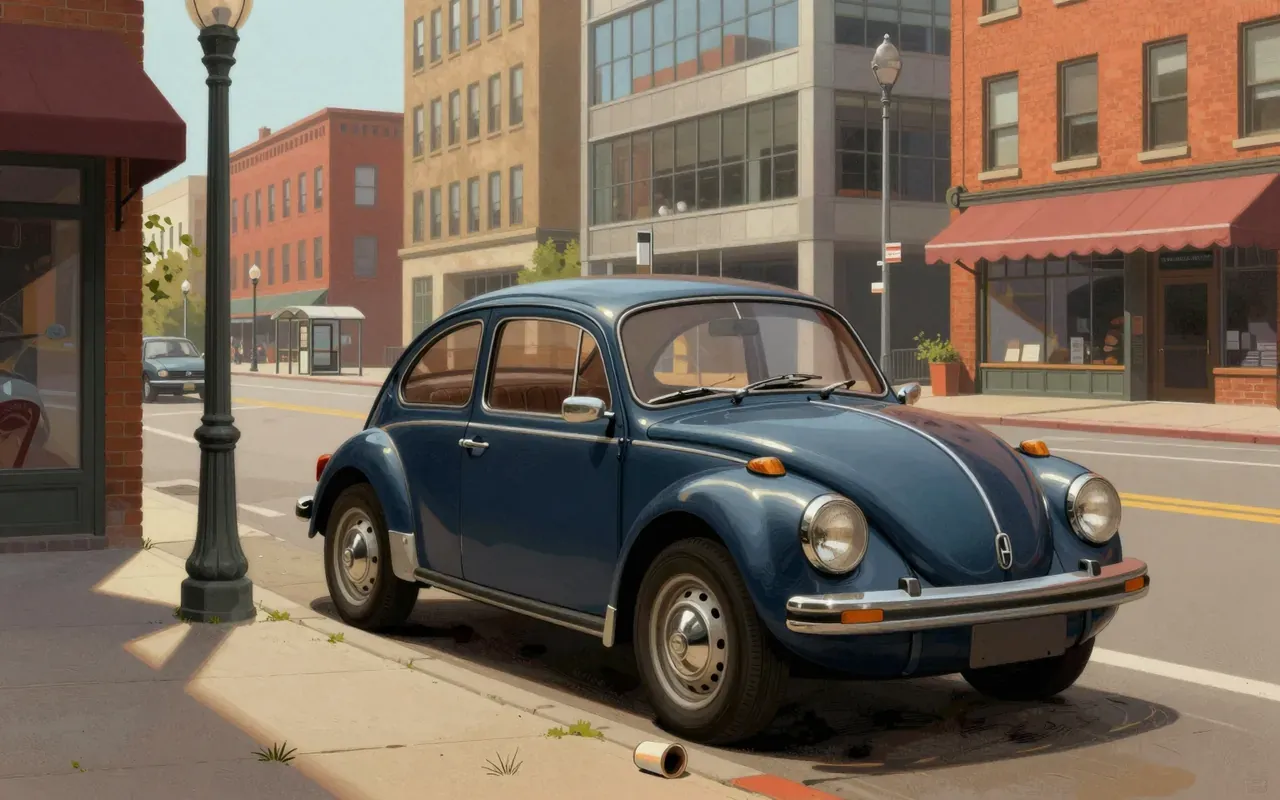
The Volkswagen Beetle is the Volkswagen Type 1. It was conceived in the early 1930s under Adolf Hitler’s directive for a 'people’s car' to serve Germany’s Reichsautobahn. Ferdinand Porsche’s team developed it from 1934, building two prototypes in 1935. Production began in 1938 but was delayed until 1945 by World War II.

8:57

Volkswagen Corrado

Herbert Schäfer · 1988

The Corrado is a front-wheel-drive sport compact coupé designed by Herbert Schäfer and built by Karmann in Osnabrück from 1988 to 1995. It uses the Volkswagen Group A2 platform—the same as the Golf Mk2—with flush-mounted windows and an active rear spoiler that deploys above 100 km/h. It seats four in a 2+2 layout and is a three-door liftback. 97,521 units were produced.

8:30

Volkswagen Golf Mk2

Herbert Schäfer · 1983

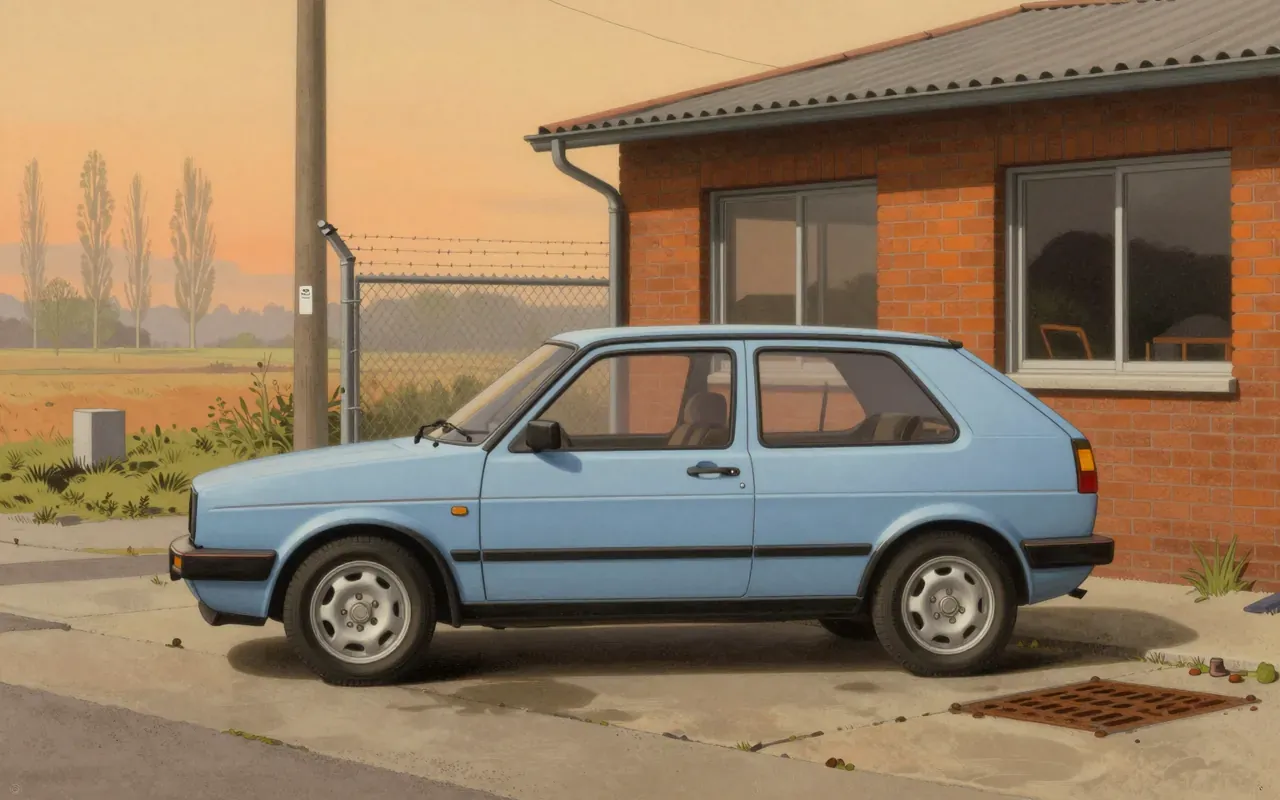
The Volkswagen Golf Mk2 is the second-generation hatchback successor to the Mk1, launched in Europe in September 1983, Britain in March 1984, and the US as a 1985 model. It was Volkswagen’s highest-volume seller from 1983, with German production ending in late 1992 and approximately 6.3 million units built. It was offered as a 3- and 5-door hatchback, with inline-four petrol and diesel engines ranging from 1.05 L to 1.8 L.

9:33

Volkswagen Karmann Ghia

Luigi Segre · 1955

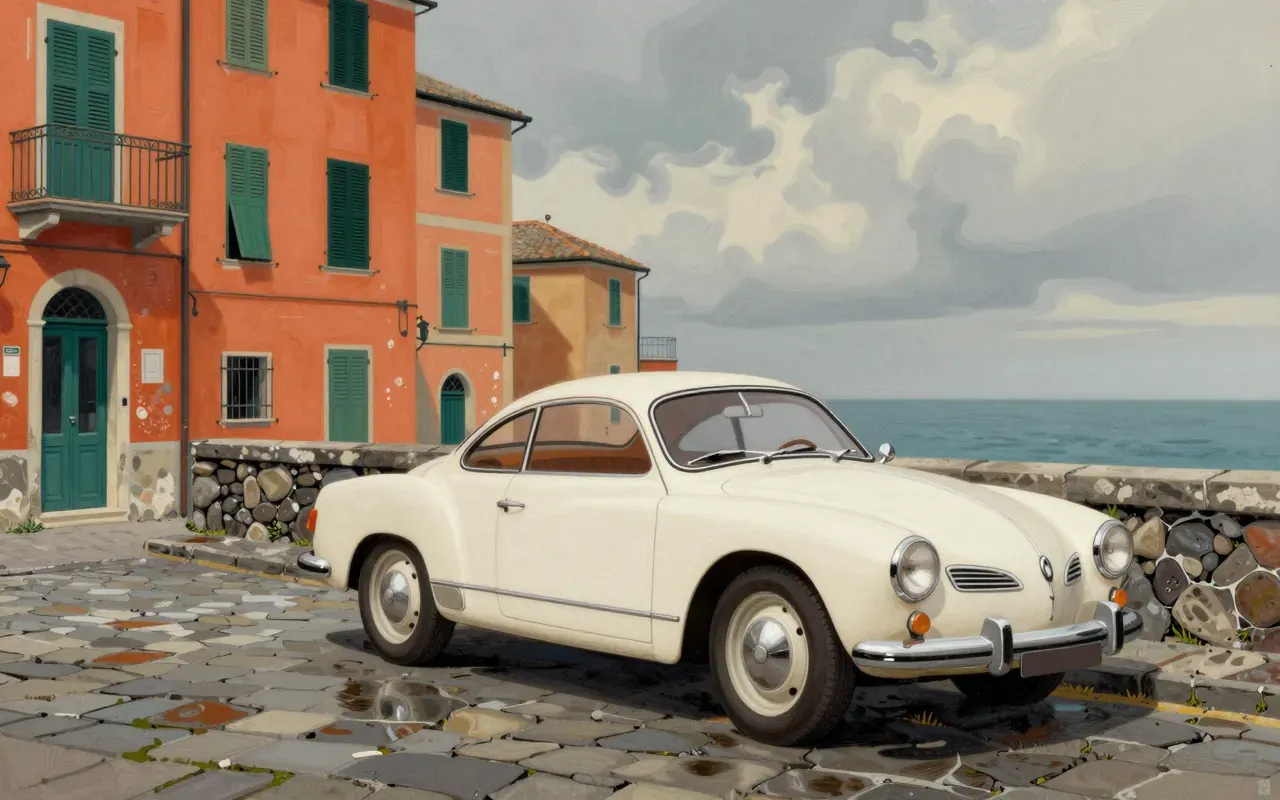
The Karmann Ghia is a stylistic intervention on Volkswagen’s existing platforms — not an engineering evolution. Its value lies in how cleanly it reimagined utilitarian packaging as elegant form. It succeeded commercially because it offered visual distinction without demanding mechanical compromise. It is worth knowing about as a case study in automotive branding before branding existed.

9:30

Volkswagen New Beetle

J Mays · 1997

The New Beetle is a compact, front-engine, front-wheel-drive car introduced in 1998, inspired by the exterior design of the original Beetle. It was assembled in VW's Puebla factory in Mexico. It received a facelift in 2005 and remained in production until 2011. The New Beetle carries many design similarities with the original VW Beetle: separate fenders, vestigial running boards, sloping headlamps, and large round taillights, as well as a high rounded roofline. Unlike the original Beetle, the New Beetle has its engine in the front driving the front wheels, with luggage storage in the rear. The New Beetle achieved five stars in the 2011 Euro NCAP tests. The Insurance Institute for Highway Safety (IIHS) gave the New Beetle a Good overall score in their frontal crash test. However, the IIHS rated the Beetle Poor in their side impact test.

9:10

Volkswagen Type 2

Ben Pon concept · 1950

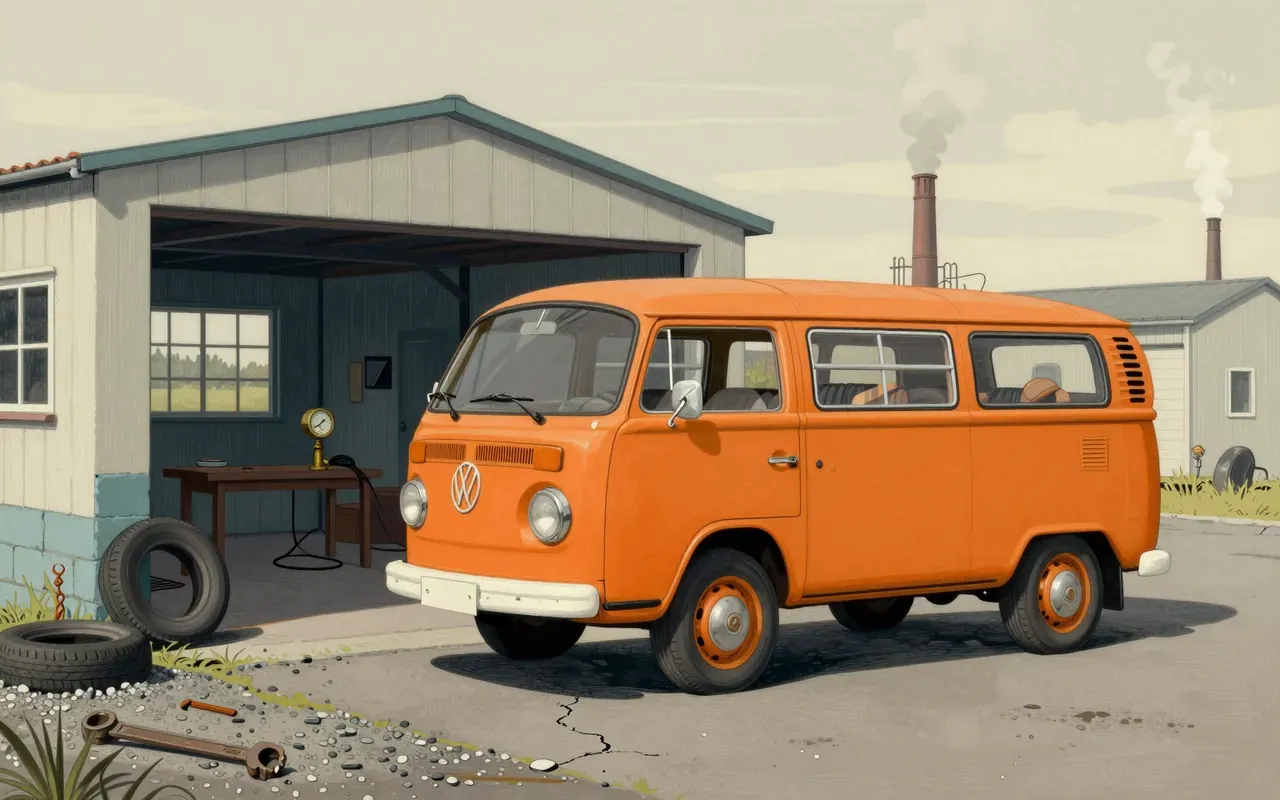
The Volkswagen Type 2 is a forward-control light commercial vehicle introduced in 1950. It was Volkswagen's second mass-production light motor vehicle series, inspired by Dutch importer Ben Pon. Pon conceived the design after seeing a Type 1-based Plattenwagen in Wolfsburg in 1946 and sketched it on 23 April 1947, specifying a 690 kg payload and front-placed driver. Production began in 1950, delayed only because the factory was at capacity building the Type 1. For its first 40 years, all variants used a forward-control layout with a rear-mounted flat-four engine and shared the Beetle’s wheelbase.