automotivebriefs
Marque · Designer

Fiat

Website →
12
briefs
9:48
average
118 min
in total
On automotive.briefs12
9:13

Fiat 130

Paolo Martin · 1971

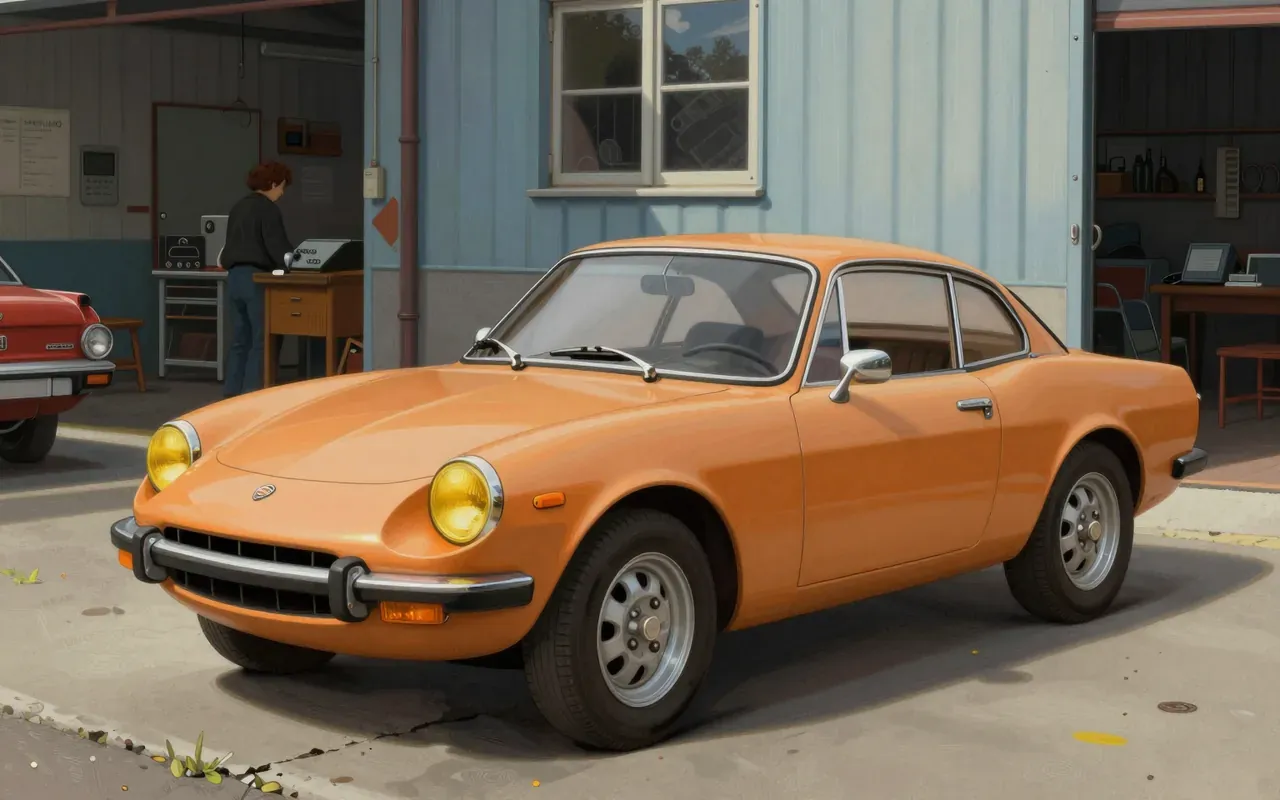
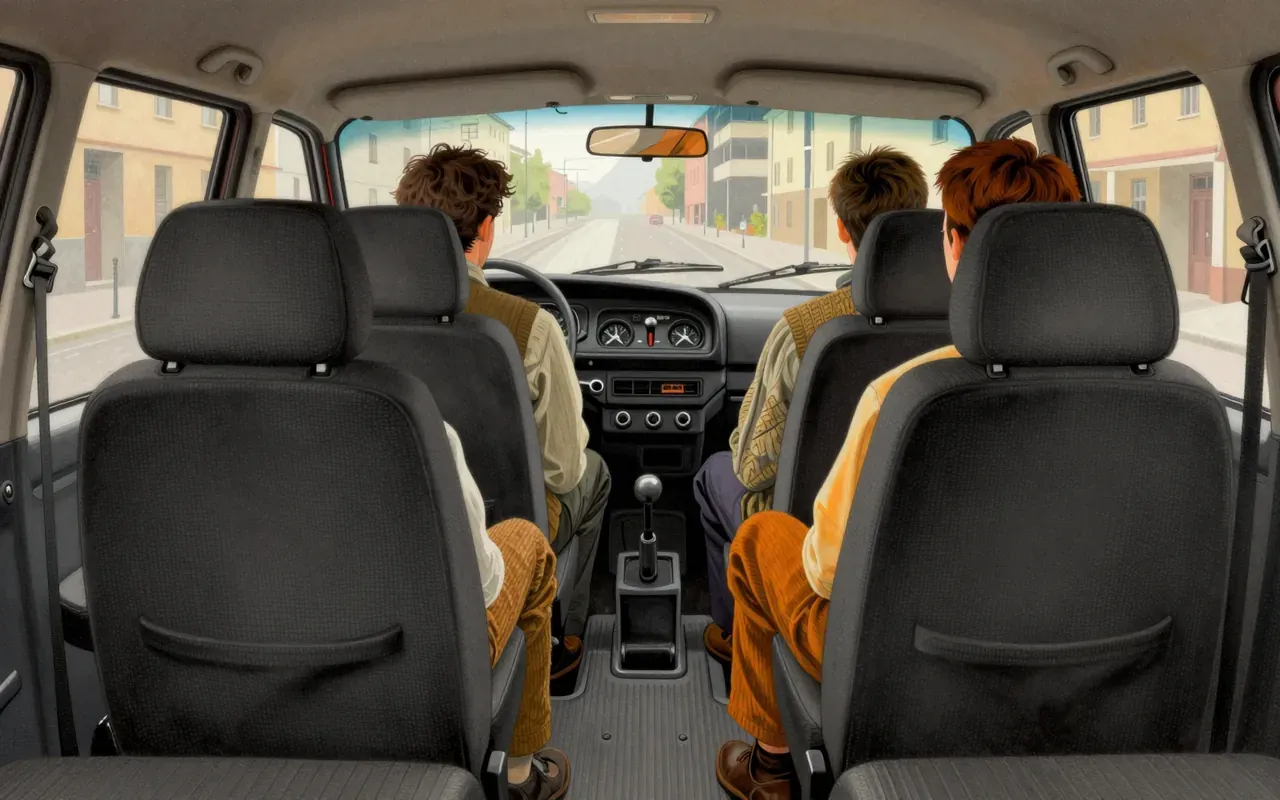
The Fiat 130 Coupé is a 1971 Pininfarina design by Paolo Martin — a production car, not a concept — built on the Fiat 130 saloon platform. It uses a front-mounted V6 engine driving the rear wheels. Its influence lies in its resolved, copied-but-never-equaled balance of sharp angles and soft curves.
9:11

Fiat Multipla

Roberto Giolito · 1998

The Fiat Multipla is a six-seater compact MPV designed by Roberto Giolito and launched by Fiat in November 1998. It is based on the Bravo/Brava but shorter and wider, reusing the name of the 1950s Fiat 600 Multipla.

9:44

Fiat 124 Sport Spider

Tom Tjaarda · 1966

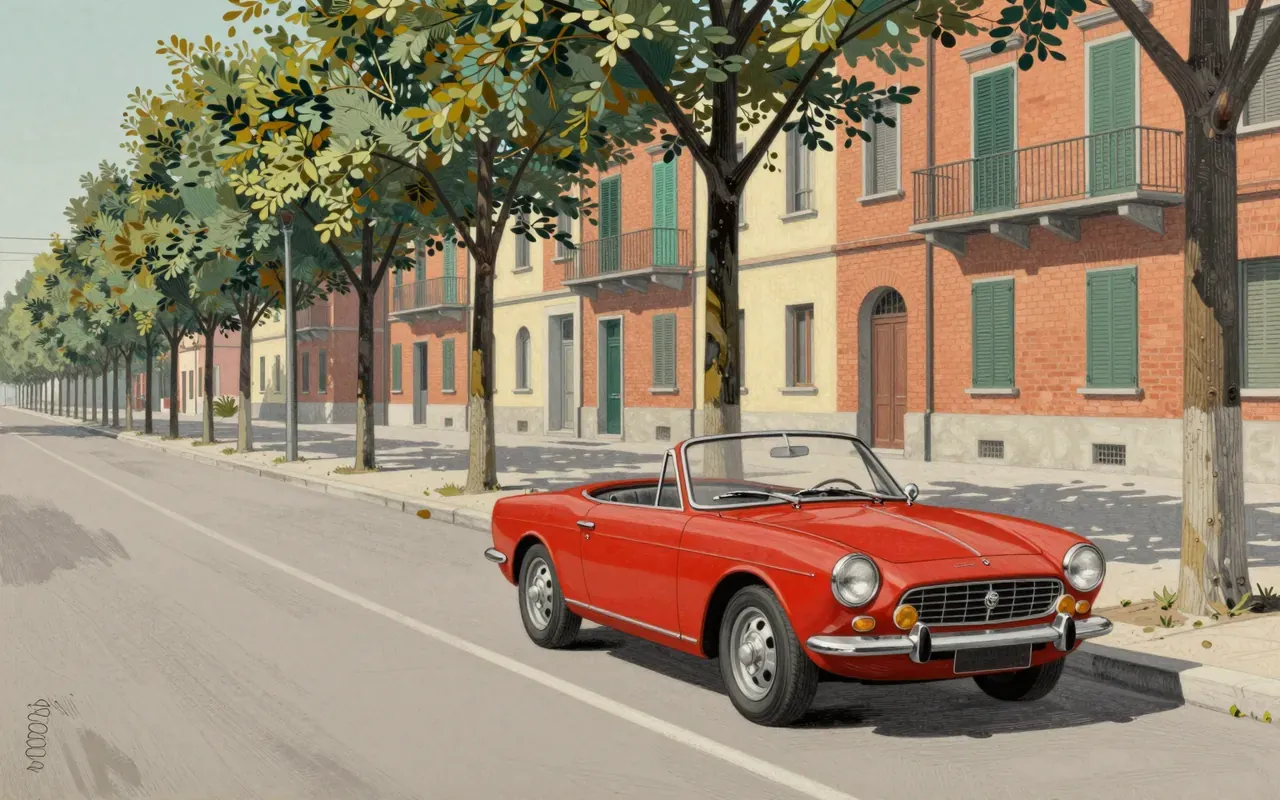
The Fiat 124 Sport Spider is a convertible sports car designed by Pininfarina and styled by Tom Tjaarda. It debuted at the November 1966 Turin Auto Show. It used monocoque construction and a front-engine/rear-wheel-drive layout. Fiat marketed it from 1966 to 1982. Pininfarina continued production under its own name until 1985.

10:02

Fiat 500

Dante Giacosa · 1957

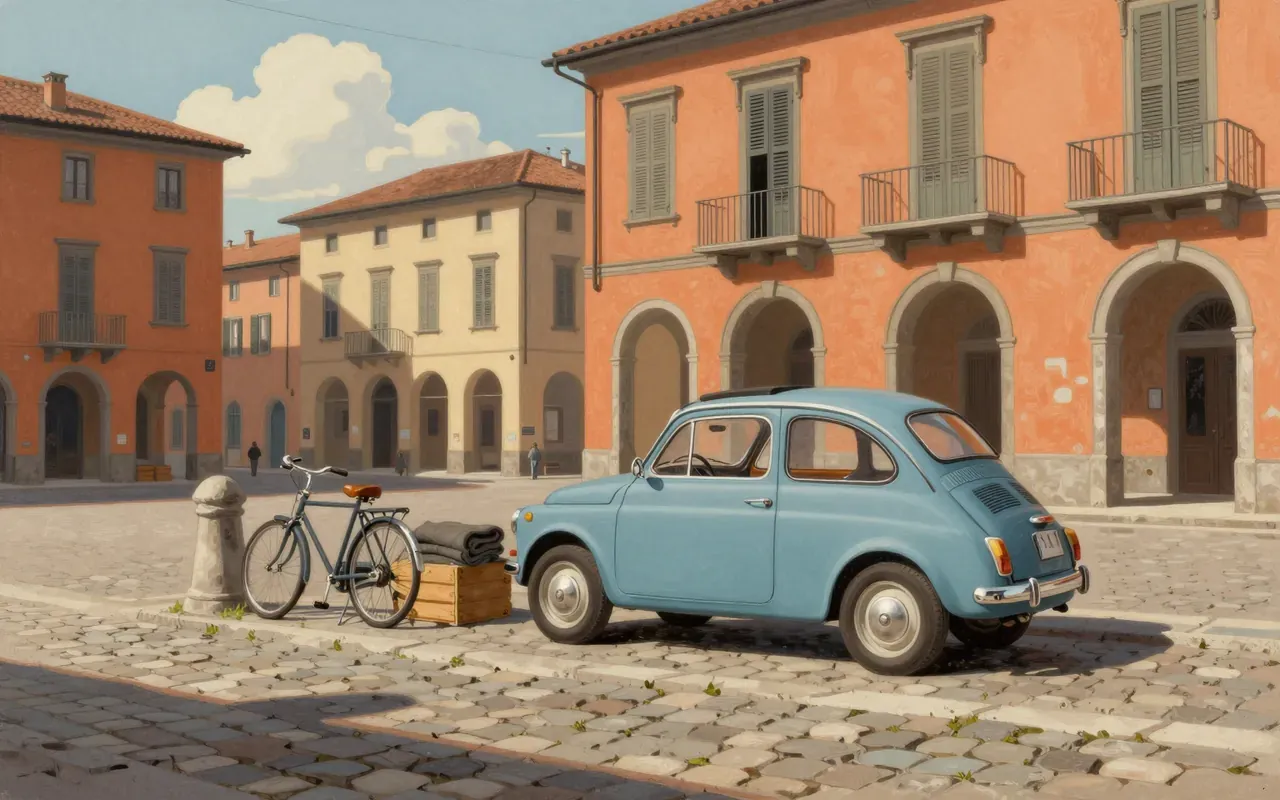
The Fiat 500 (1957) is a foundational microcar — not a scaled-down sedan, but a rethinking of mobility for postwar Italian cities. Designed by Dante Giacosa, it prioritises dimension, weight, and layout over comfort or power. Its 479 cc air-cooled twin, unsynchronised gearbox, suicide doors, and sub-500 kg mass make it physically immediate and spatially precise. It won the 1959 Compasso d’Oro for ‘courageous renunciation’ — a verdict confirmed by 181,036 units built before 1960. It is essential study for anyone interested in how constraints shape intelligent machines.

10:28

Fiat 500e

FCA Centro Stile · 2012

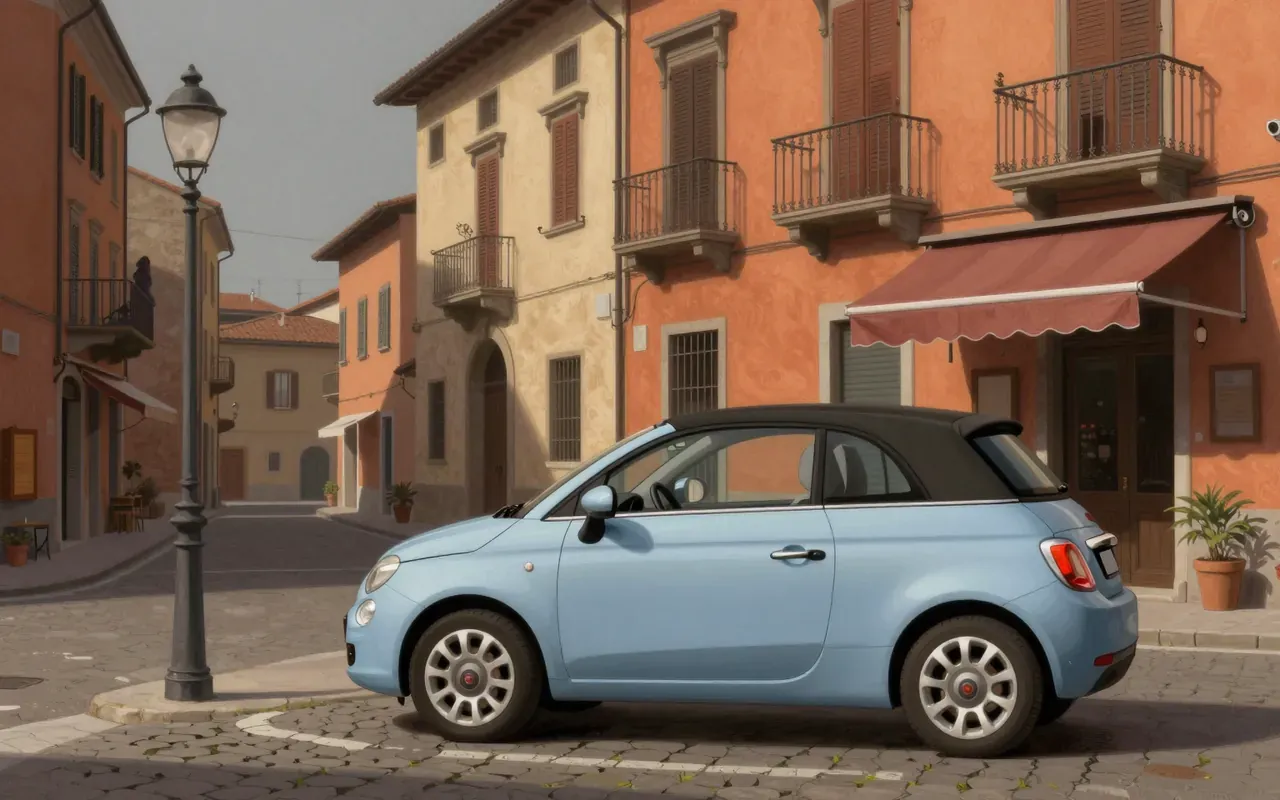
The Fiat 500e is an electric city car that redefines the 500 lineage without abandoning its visual language. It trades engine noise for immediacy, space for charm, and range for urban precision.

11:14

Fiat 600

Dante Giacosa · 1955

The Fiat 600 is a foundational rear-engined microcar that redefined packaging and suspension logic for mass-market mobility.

11:44

Fiat Barchetta

Andreas Zapatinas · 1995

The Fiat Barchetta is a roadster — not a convertible, not a sports car in the modern sense, but a barchetta: open, light, and purpose-built for the act of driving. Designed by Andreas Zapatinas and Alessandro Cavazza, it uses a shortened Mark 1 Fiat Punto chassis and a 1,747 cc DOHC four-cylinder engine producing 131 PS at 6,300 rpm. Built from 1995 to 2005, it delivers immediacy over isolation, simplicity over sophistication.

9:55

Fiat Coupé

Chris Bangle · 1993

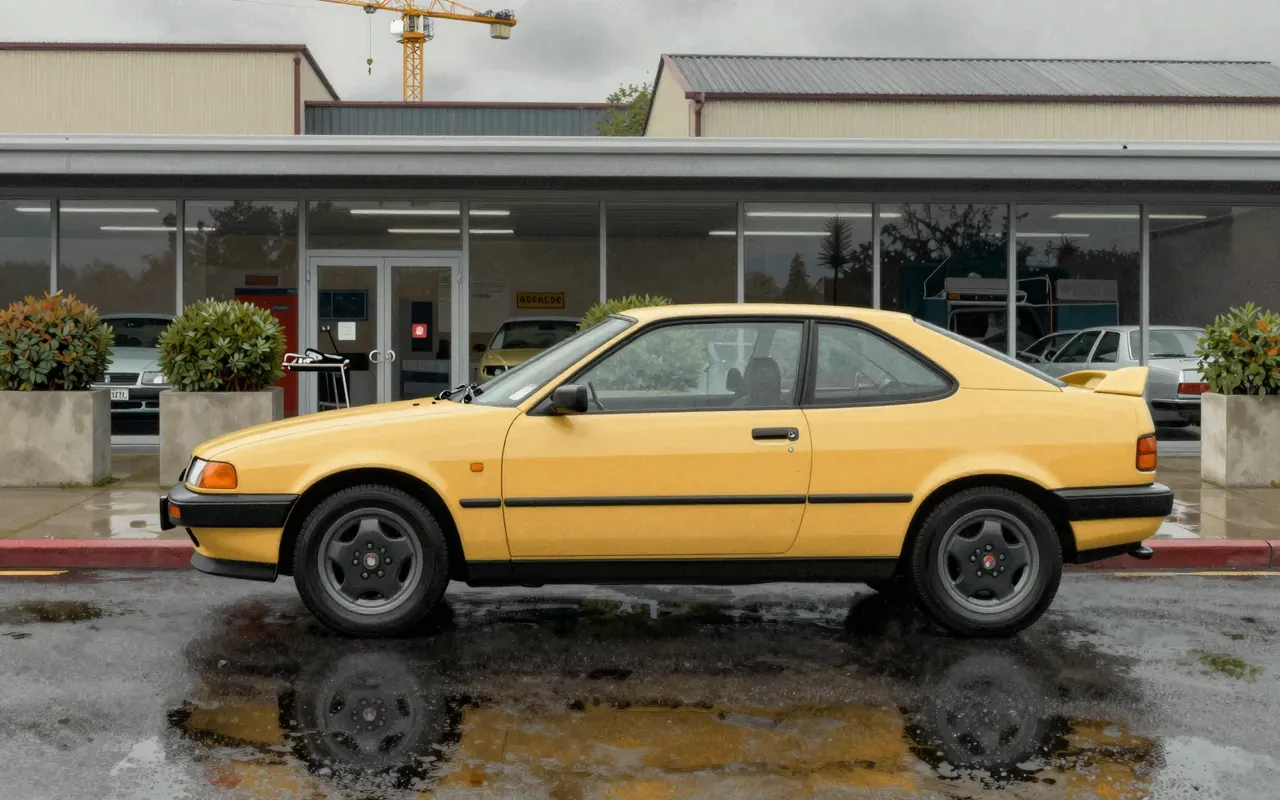
The Fiat Coupé is a front-wheel drive two-door, four-seater designed by Chris Bangle at Centro Stile Fiat and built by Fiat between 1993 and 2000. Production ended with 72,762 units. It launched with 2.0 L 16V four-cylinder engines, added 1.8 L and five-cylinder 2.0 L variants in 1996, and received updates including a Variable Inlet System in 1998. Special editions included the 1998 Limited Edition with body kit and titanium grey details, and a 2000 1.8 L European edition marketed as elegant and affordable. Its design prioritised silhouette over packaging. It did not solve front-wheel drive compromises. It changed expectations of what a mainstream coupé could look like—and how long it could endure without reinvention.

8:03

Fiat Panda

Giorgetto Giugiaro · 1980

The Fiat Panda (1980) is a two-box, three-door hatchback designed by Giorgetto Giugiaro and Aldo Mantovani. It was conceived as a utilitarian 'container' matching the Fiat 126's weight and cost, using monocoque construction, a flat floor, and high roof for upright seating. Its interior features a seven-position adjustable rear seat — inspired by a folding lounge chair — enabling multiple configurations including a flat bed or V-shaped load support. The cargo area accommodates two 50-litre wine demijohns with all passengers aboard. Giugiaro described it as 'like a pair of jeans': simple, practical, unadorned. It won the Compasso d'Oro industrial design award in 1980.

9:29

Fiat Uno

Giorgetto Giugiaro · 1983

The Fiat Uno is a supermini designed by Giorgetto Giugiaro, launched in January 1983 to replace the Fiat 127. It was produced over a single generation with a 1989 facelift, offered in three- and five-door hatchback body styles, and built from 1983 to 1995 in Europe and until 1 January 2014 in Brazil. With over 8,800,000 units built, it ranks as the eighth most produced automobile platform in history. Its tall, square body featured a Kamm tail and achieved a drag coefficient of 0.34. It used front-engine, front-wheel-drive layout with MacPherson strut front and twist-beam rear suspension.

9:26

Fiat X1/9

Marcello Gandini · 1972

The Fiat X1/9 is a pragmatic mid-engined sports car — engineered, not styled. Its innovation lies in relocation, not invention: moving the Fiat 128’s transverse drivetrain to the rear of the cabin. Gandini’s architecture-first method produced a car that met US safety rules from day one, offered usable storage and visibility, and proved mid-engine packaging could work in volume production. It is neither fast nor refined. It is consequential because it worked — and because it showed how much could be achieved without starting over.

9:06

VAZ-2101

Fiat · 1970

The VAZ-2101 is a compact 4-door saloon or wagon, introduced in 1970 as AvtoVAZ's first product. It is a licence-built version of the Fiat 124, heavily modified for Soviet and Eastern Bloc conditions. Among many changes, aluminium brake drums were added to the rear, and the original Fiat engine was dropped in favour of a newer design made by NAMI. This new engine had a modern overhead camshaft design but was never used in Fiat cars. The suspension was raised to clear rough Russian roads and the bodyshell was made from thicker, heavier steel with reinforcement in key chassis areas after cracking was discovered during durability testing. The first Lada models were equipped with a starting handle in case the battery went flat in Siberian conditions, though this was later dropped. Another feature specifically intended to help out in cold conditions was a manual auxiliary fuel pump. The station wagon version (correspondingly based on the Fiat 124 Familiare) was known as the VAZ-2102. Subsequently, it was widely, and successfully exported to the West under the Lada brand, for over two decades.